On This Page
Description
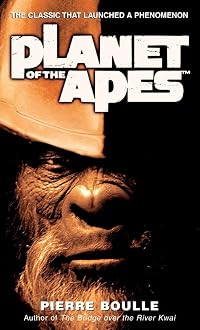
The original novel that inspired the films! First published more than fifty years ago, Pierre Boulle's chilling novel launched one of the greatest science fiction sagas in motion picture history. In the not-too-distant future, three astronauts land on what appears to be a planet just like Earth, with lush forests, a temperate climate, and breathable air. But while it appears to be a paradise, nothing is what it seems. They soon discover the terrifying truth: On this world humans are savage show more beasts, and apes rule as their civilized masters. In an ironic novel of nonstop action and breathless intrigue, one man struggles to unlock the secret of a terrifying civilization, all the while wondering: Will he become the savior of the human race, or the final witness to its damnation? In a shocking climax that rivals that of the original movie, Boulle delivers the answer in a masterpiece of adventure, satire, and suspense. show lessTags
Recommendations

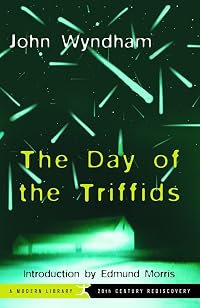

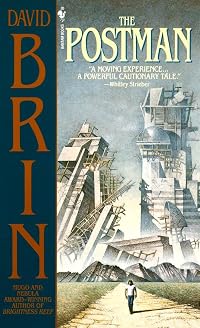




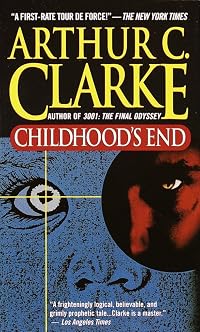

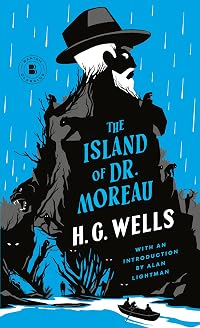


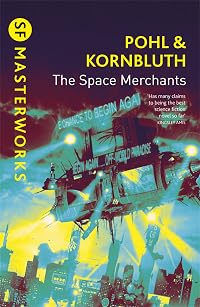
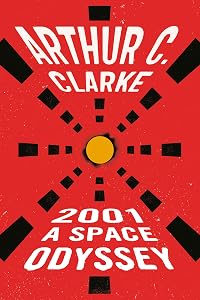
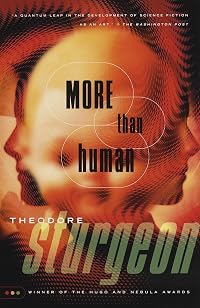
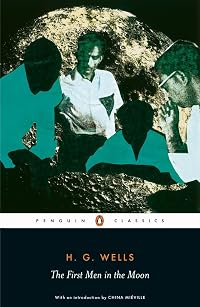
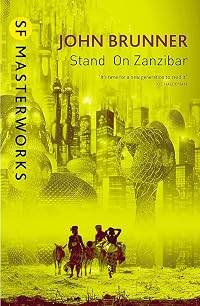

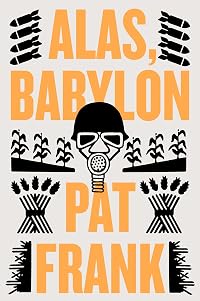

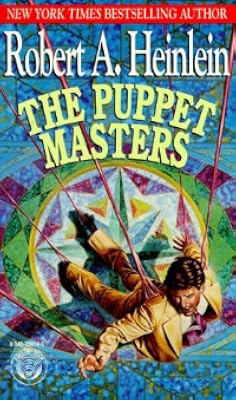




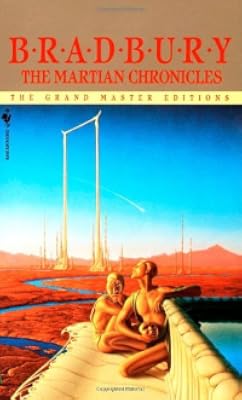




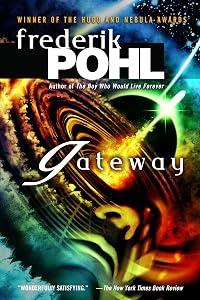

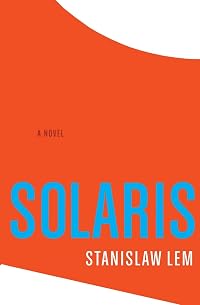
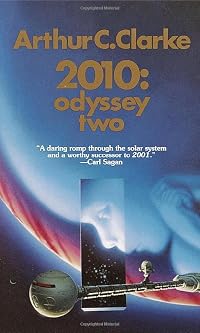


Member Recommendations
Medicinos La place de l'Homme au sommet de la hiérarchie pensante est précaire.
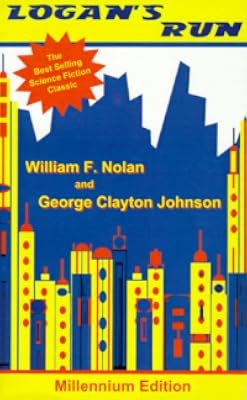
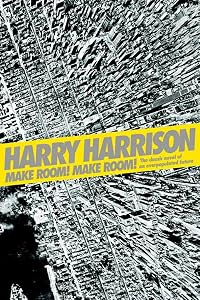
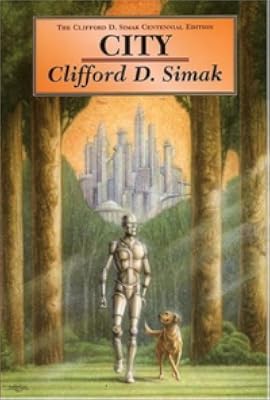
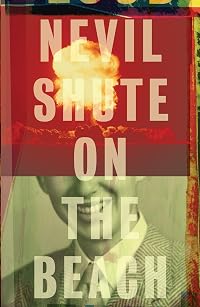
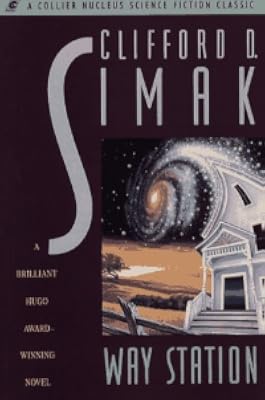
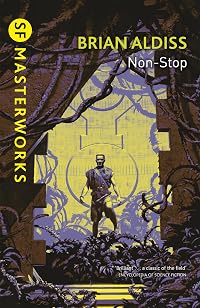
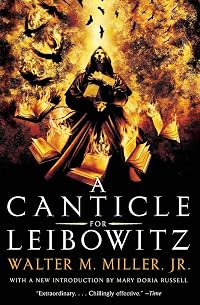
sturlington Pair these two books with each and their movie adaptations.
Member Reviews
I started off disliking this book quite a lot. In fact, I was very tempted to take it back to the library only a few chapters in. However, by the end, I loved it. I mean, it's not amazingly written, the first person narrative doesn't quite work, the concept's completely ridiculous and Boulle uses the word “latter" far too many times BUT it really does turn out to be a great story. It's quite different from the film in a lot of ways but it's still easy to go through the book thinking that you know exactly what's coming. Well, likelyhood is you probably don't. If you've seen the film then it's much better just to forget everything you remember and tackle the book afresh. Think of the film and the book as separate entities. Both have show more good twists and both are worth feasting your eyes. The film's worth watching just for Charlton Heston, “damn dirty ape!" and the “you blew it up!" speech. The book is worth reading simply because it has a fuller story than the film and a different/better twist. show less
A rousing fantasy of racist paranoia. Boulle shifts his attention from the asian-bashing of Bridge Over the River Kwai to admonishing his countrymen, and the western world in general, to beware the dangers of becoming too lazy and comfortable, lest the lower orders wrest power from our enfeebled grasp.
Seres humanos inferiores, usados como cobaias? A ideia foi explorada em O Planeta dos Macacos, livro do francês Pierre Boulle cujo lançamento está completando 60 anos. Foi sucesso de vendas, mas a história ficou muito famosa com o filme lançado cinco anos mais tarde. Tanto sucesso que teve várias sequências, séries de TV e quadrinhos.
O livro tem diferenças com relação ao filme. Astronautas chegam ao planeta Soror, em outro sistema solar, onde macacos são a espécie dominante. Chimpanzés, orangotangos e gorilas têm uma rígida divisão de castas. Seres humanos comportam-se e são vistos como animais irracionais.
Autor sempre rejeitou classificar obra como ficção científica. Contou numa entrevista que, em visita a um show more zoológico, ficou impressionado com as expressões dos gorilas, e passou a imaginar como seriam as relações entre macacos e humanos
Pierre Boulle não diz, mas a história de sua vida pode ter influenciado na obra. Trabalhava como engenheiro no sudeste asiático quando eclodiu a Segunda Guerra Mundial. Atuou como agente secreto da inteligência francesa, mas foi descoberto, considerado traidor e forçado trabalhar como escravo. Foram 25 meses em campos de trabalho, onde quase morreu por maus-tratos e doenças tropicais.
Sou contra rótulos fechados para obras. O livro é do autor, mas é difícil não contestar que se trata sim de ficção científica. Em Soror, macacos dominam tecnologia pouco atrasada em relação à do planeta Terra. Caçam homens, mulheres e crianças, que são abatidos a tiros ou capturados. Usados como animais de laboratório, da mesma maneira que fazemos, muitas vezes impondo sofrimento físico e emocional extremos.
O melhor do livro é a ideia do autor sobre a inversão das espécies. Como ficção científica, tem elementos fracos, apela muito para uma fantasia ingênua. Como uma espaçonave de lazer se depara com mensagem numa garrafa de vidro em pleno espaço? A situação caberia mil anos antes, mas no século 25? Aliás, o tom do diálogo entre o casal a bordo dá entender que machismo não recuou um milímetro em séculos.
Incomoda comportamento protagonista, Ulysse Mérou, jornalista que fazia parte da missão. Em um momento se compadece dos semelhantes, em outro assume atitude dominadora e prepotente. Há incongruências na condução da narrativa.
Vale a leitura, porém, embora a presença na memória do filme O Planeta dos Macacos, de 1968, seja muito forte. Principalmente por conta da cena de encerramento. Livro tem desfecho diferente, embora não menos impactante. Vale registra que Rod Serling, roteirista da clássica série Além da Imaginação (The Twilight Zone) foi quem sugeriu a cena do desfecho. Pierre Boulle não gostou.
O planeta dos macacos foi lançado no Brasil apenas em 2008. Nesta edição da Editora Aleph, La Planète des Sanges, nome original, foi traduzido por André Telles. A edição com pouco mais de 200 páginas traz ainda uma breve entrevista dada pelo autor em 1972, um artigo da BBC e um bom posfácio de Bráulio Tavares. show less
O livro tem diferenças com relação ao filme. Astronautas chegam ao planeta Soror, em outro sistema solar, onde macacos são a espécie dominante. Chimpanzés, orangotangos e gorilas têm uma rígida divisão de castas. Seres humanos comportam-se e são vistos como animais irracionais.
Autor sempre rejeitou classificar obra como ficção científica. Contou numa entrevista que, em visita a um show more zoológico, ficou impressionado com as expressões dos gorilas, e passou a imaginar como seriam as relações entre macacos e humanos
Pierre Boulle não diz, mas a história de sua vida pode ter influenciado na obra. Trabalhava como engenheiro no sudeste asiático quando eclodiu a Segunda Guerra Mundial. Atuou como agente secreto da inteligência francesa, mas foi descoberto, considerado traidor e forçado trabalhar como escravo. Foram 25 meses em campos de trabalho, onde quase morreu por maus-tratos e doenças tropicais.
Sou contra rótulos fechados para obras. O livro é do autor, mas é difícil não contestar que se trata sim de ficção científica. Em Soror, macacos dominam tecnologia pouco atrasada em relação à do planeta Terra. Caçam homens, mulheres e crianças, que são abatidos a tiros ou capturados. Usados como animais de laboratório, da mesma maneira que fazemos, muitas vezes impondo sofrimento físico e emocional extremos.
O melhor do livro é a ideia do autor sobre a inversão das espécies. Como ficção científica, tem elementos fracos, apela muito para uma fantasia ingênua. Como uma espaçonave de lazer se depara com mensagem numa garrafa de vidro em pleno espaço? A situação caberia mil anos antes, mas no século 25? Aliás, o tom do diálogo entre o casal a bordo dá entender que machismo não recuou um milímetro em séculos.
Incomoda comportamento protagonista, Ulysse Mérou, jornalista que fazia parte da missão. Em um momento se compadece dos semelhantes, em outro assume atitude dominadora e prepotente. Há incongruências na condução da narrativa.
Vale a leitura, porém, embora a presença na memória do filme O Planeta dos Macacos, de 1968, seja muito forte. Principalmente por conta da cena de encerramento. Livro tem desfecho diferente, embora não menos impactante. Vale registra que Rod Serling, roteirista da clássica série Além da Imaginação (The Twilight Zone) foi quem sugeriu a cena do desfecho. Pierre Boulle não gostou.
O planeta dos macacos foi lançado no Brasil apenas em 2008. Nesta edição da Editora Aleph, La Planète des Sanges, nome original, foi traduzido por André Telles. A edição com pouco mais de 200 páginas traz ainda uma breve entrevista dada pelo autor em 1972, um artigo da BBC e um bom posfácio de Bráulio Tavares. show less
This was unexpectedly bad. How much fault lies with the author and how much with the English translation is unclear, but it's a far cry from the quality I expected of what I took to be a genre classic. Our narrator and his two companions, humans stranded on a planet of intelligent apes, make little or no effort to formulate any sort of coordinated plan nor demonstrate the least bit of having any prior training about how to explore their new environment. They haven't a care as they observe the planet's savages destroy their only means of getting back off the planet. It's bizarre this doesn't trigger our narrator's temper, which frequently gets the better of him exactly when it will do him the most harm. He makes several poor judgement show more calls when trying to prove his intelligence.
The second half of the novel is an improvement, once he convinces the first ape. After this the story is only marred by the occasional misstep or plot shortcut. Boulle's intent to write a "social fantasy" allegory alleviates the impossibility of finding any realism here. The premise does have a powerful attraction, the idea of a man desiring his intelligence to be respected by a world of sentient apes who to this point have only seen men as lower animals. It speaks to how haughtily we ourselves dismiss any indicators of feeling or understanding in the animal kingdom as we plunge increasingly more of it into extinction on our own planet. Or - respecting that this is also the author of "Bridge on the River Kwai" - how easily we can see even other races of humans as being somehow less than ourselves.
I'm astonished at how strong a movie franchise stemmed from this lowly origin. But apparently the movie rights were bought before this novel was even published, presumably sight unseen, on the strength of its premise alone. That explains a lot. show less
The second half of the novel is an improvement, once he convinces the first ape. After this the story is only marred by the occasional misstep or plot shortcut. Boulle's intent to write a "social fantasy" allegory alleviates the impossibility of finding any realism here. The premise does have a powerful attraction, the idea of a man desiring his intelligence to be respected by a world of sentient apes who to this point have only seen men as lower animals. It speaks to how haughtily we ourselves dismiss any indicators of feeling or understanding in the animal kingdom as we plunge increasingly more of it into extinction on our own planet. Or - respecting that this is also the author of "Bridge on the River Kwai" - how easily we can see even other races of humans as being somehow less than ourselves.
I'm astonished at how strong a movie franchise stemmed from this lowly origin. But apparently the movie rights were bought before this novel was even published, presumably sight unseen, on the strength of its premise alone. That explains a lot. show less
I read this book because I love the original movies and the 70s TV show and, as it's a sci-fi classic, I thought that I should. I was not expecting it to be particularly good, and so was pleasantly surprised at how much I enjoyed it.
At the start, I was rather irked that the translator more often rendered singe as monkey, when clearly we're dealing with APES! After I put that aside, I really got into the story.
There was more of the book in the films than I had expected (although there is a different "surprise" ending!). However the main theme is not about how warlike men are (no, You Maniacs! You blew it up! Ah, damn you! God damn you all to hell!), but how decadence leads to cultural stagnation. There's also a very strong, and show more compelling, anti-vivisection message.
Despite a slight datedness, this still stands up very well. show less
At the start, I was rather irked that the translator more often rendered singe as monkey, when clearly we're dealing with APES! After I put that aside, I really got into the story.
There was more of the book in the films than I had expected (although there is a different "surprise" ending!). However the main theme is not about how warlike men are (no, You Maniacs! You blew it up! Ah, damn you! God damn you all to hell!), but how decadence leads to cultural stagnation. There's also a very strong, and show more compelling, anti-vivisection message.
Despite a slight datedness, this still stands up very well. show less
This is an interesting read on any number of levels: Pierre Boulle tackles a lot of ideas in this slim volume: racism, animal rights, technological development, societal decay, and more. The section I find most riveting is when racial memory regression is used to uncover the secret history of Soror, and the chilling accounts of the fall of humanity that are extracted. Ulysse will never win any awards for being an interesting protagonist, but he serves his purpose as a vehicle for exploring this distorted mirror of our own world just fine. It's a little slow at times, though, and Boulle skips over what ought to be an interesting climax, unfortunately.
Very suspenseful, engaging and thought-provoking. In the end, when you finally get to the explanations of things, they're a bit of a disappointment. Although they're different from in the movie, they make just as little sense, which is especially frustrating as the book starts out with a promise of well-thought-out science, describing the workings of things in almost Verne-ian detail. Also, the ending is hopelessly cynical; rather than a cautionary tale, it's just a dig at humanity. Still, it's a great book, and infinitely more interesting than you might expect from the campy movie franchise. It's been a long time since a book made me think this much about it after I put it down.
Members
- Recently Added By
Lists

Best Science Fiction Novels
816 works; 430 members

Best Dystopias
280 works; 276 members
Survey of Classic Science Fiction
171 works; 48 members

Best Science Fiction Originally Published in a Language Other Than English
449 works; 32 members

Read the book and saw the movie
1,170 works; 195 members
501 Must-Read Books
529 works; 72 members

Dystopian and Apocalyptic Literature
350 works; 74 members

1960s, Best books published therein
254 works; 22 members
SF & Fantasy in Translation
95 works; 18 members

Nonhuman Protagonists
235 works; 34 members

The film surpassed the book
13 works; 3 members

1960s
281 works; 16 members

Watched the Movie, Probably Won't Read the Book
185 works; 34 members

French SF / SF française
52 works; 1 member

Post-Apocalyptic Fiction
57 works; 3 members

Books Read in 2011
684 works; 19 members

Speculative Fiction from around the World
610 works; 18 members

Books Read in 2020
4,379 works; 124 members

Adult Stories Involving Animals
76 works; 6 members

planet of the apes
5 works; 1 member
Les 100 principaux titres de la science-fiction (1981)
126 works; 3 members
Favorite Animal Fiction
359 works; 156 members

Books in the Bibliography of Humans: A Monstrous History by Surekha Davies
346 works; 1 member
Author Information

Some Editions
Awards and Honors
Series

Belongs to Publisher Series
Signet Books (AE 6016)
Work Relationships
Is contained in
Has the adaptation
Inspired
Common Knowledge
- Canonical title
- Planet of the Apes
- Original title
- La Planète des singes
- Alternate titles
- Monkey Planet
- Original publication date
- 1963
- People/Characters
- Jinn; Phyllis; Ulysse Mérou; Professor Antelle; Levain; Zira (show all 9); Cornélius; Dr. Zaius; Nova
- Important places
- Earth; Betelgeuse; Soror; Paris, France
- Important events
- Post-apocalypse
- Related movies
- Planet of the Apes (1968 | IMDb); Time of the Apes (1987 | IMDb); Planet of the Apes (2001 | IMDb); Dawn of the Planet of the Apes (2014 | IMDb)
- First words
- Jinn et Phyllis passaient des vacannces merveilleuses, dand l'espace; le plus loin possibles des astres habités. -
Jin and Phyllis were spending a wonderful holiday, in space, as far away as possible from the inhabit... (show all)ed stars. - Last words
- (Click to show. Warning: May contain spoilers.)Il largua tout la voile, l'offrant tout entière aux rayonnement conjugués des trois soleils. Puis il commença de manœuvrer des leviers de commande, utilisant ses quatre mains agiles, tandis que Phyllis, ayant chassé un dernier doute en secouant énergiquement ses oreille velues, sortait son poudrier et, en vue du retour au port, avivait d'un léger nuage rose son admirable mufle de chimpanzé femelle. -
Then he began to manipulate the driving levers, using his four agile hands, while Phyllis, after dismissing a last shred of doubt with an energetic shake of her velvety ears, took out a compact and, in view of their return to port, touched up her dear little chimpanzee muzzle. - Publisher's editor
- René Juliard, Paris
- Original language
- French
Classifications
Statistics
- Members
- 3,249
- Popularity
- 5,281
- Reviews
- 85
- Rating
- (3.78)
- Languages
- 20 — Catalan, Czech, Danish, Dutch, English, Finnish, French, German, Galician, Hungarian, Italian, Japanese, Korean, Lithuanian, Polish, Romanian, Spanish, Turkish, Ukrainian, Portuguese (Portugal)
- Media
- Paper, Audiobook, Ebook
- ISBNs
- 102
- UPCs
- 2
- ASINs
- 71