On This Page
Description
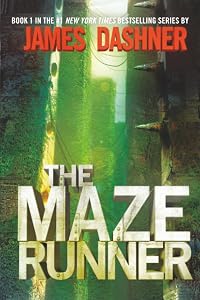
Sixteen-year-old Thomas wakes up with no memory in the middle of a maze and realizes he must work with the community in which he finds himself if he is to escape.Tags
Recommendations


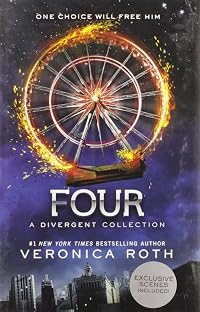
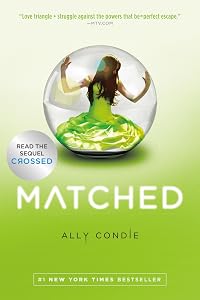
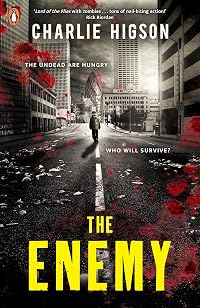
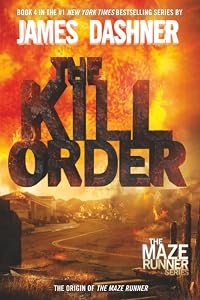
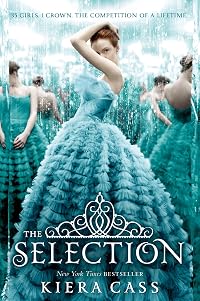

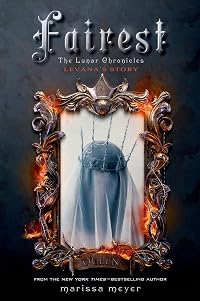
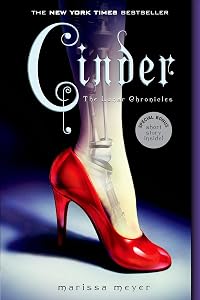
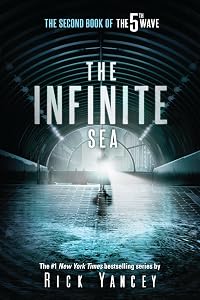

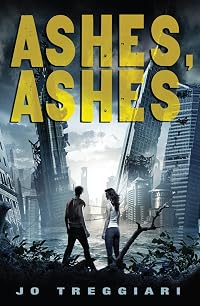
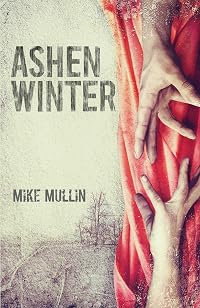
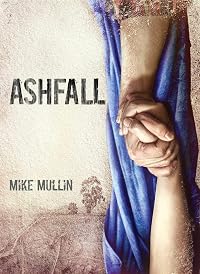
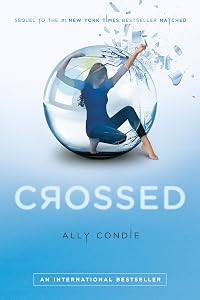
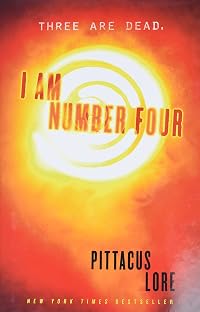
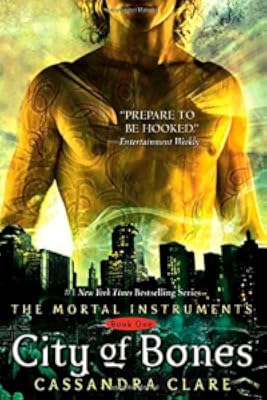
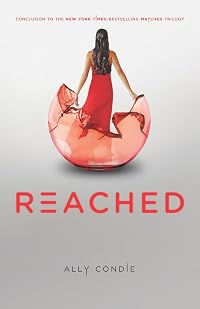
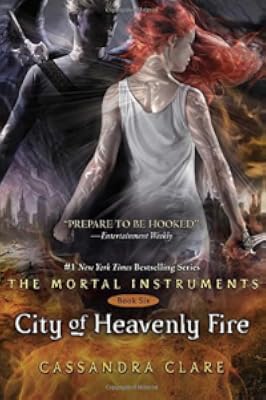

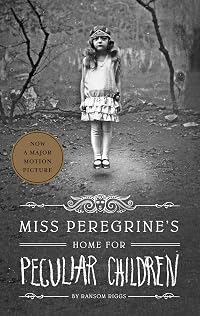
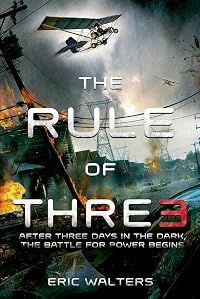

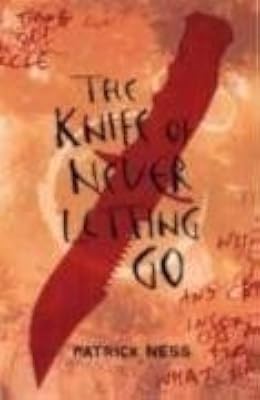
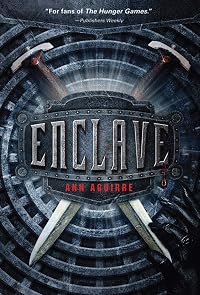

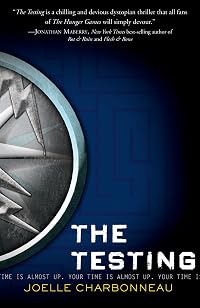
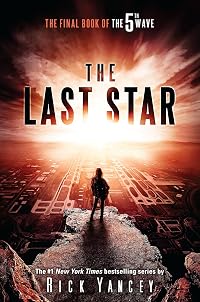
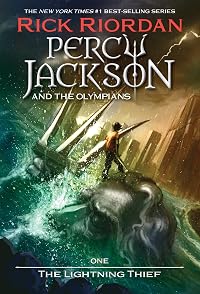
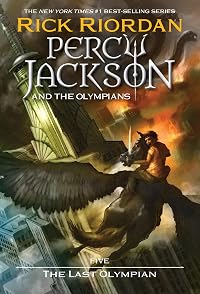
Member Recommendations
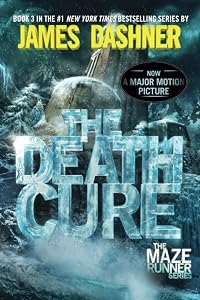
aeleone More sci-fi than Maze Runner, but the characters experience a similar situation as the boys in the maze. Plus, it's super classic.
210
wordcauldron When I read this, it reminded me of an orchestrated Lord of the Flies.
Also recommended by bookworm12
132
stephxsu Incredible world-building and suspense-building featuring a plethora of interesting and sympathetic characters.
80

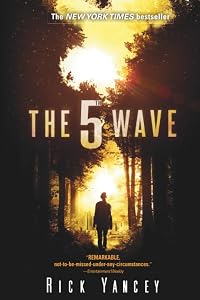
paigemartin The characters are placed in a foreign environment without an understanding of how they got there or who put them there. The battle to escape back to reality is filled with monsters and adventures that lead to an incredible amount of character development.
50
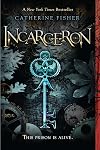
bluenotebookonline Bit more fantasy than The Maze Runner, but a similar setup (hero who's trapped) and pace.
40
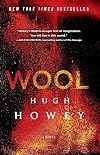
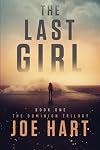
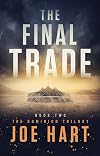
by anonymous user

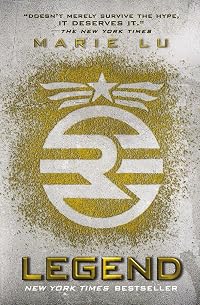
anonymous user Has a lot of action. A dystopian setting where Kids are force in to a competition to service.

by anonymous user

Waterbuggg Both books are action-packed and have a similar premise and secret.
33
bluenotebookonline Also action packed, has a dystopian setting, includes quite a bit of kids vs. adults, etc. Prinz award winner.
22
Member Reviews
Having suffered burn-out from so many YA trilogies (a few good, most not so good), I initially passed on The Maze Runner when it was released. When the film came out, I decided to give a try – and loved it. I thought the film had a great mix of action and character beats, and was much scarier than I anticipated. I knew I wouldn’t be able to wait 3 years to see how the story ended, provided it even got those sequels, so I ordered the books immediately.
Thomas awakes in a dark elevator/box which dumps him in the Glade. He doesn’t remember who he is or how he got there. Neither do any of the 50 or so boys already in the Glade. The Glade is surrounded by the Maze, which a few boys, known as Runners, have been exploring looking for an show more exit. The Maze houses traps and deadly Grievers. The boys and the Maze have been following a routine for nearly 3 years. When Thomas arrives, followed by Teresa the next day, things change.
Though there are definite similarities to “The Lord of the Flies,” I was grateful that they were only superficial. (I hated that book). Instead, the book introduces mystery amid all the action – who trapped these teens in a maze and why? Who or what is WICKED? The book is told from Thomas’ POV as he learns all that the teens know about their situation, even as it takes a turn for the worse, and spurs them to change tactics and fight against the Creators.
I truly enjoyed this book mainly because it stands apart from other YA dystopias. Thomas is innately curious; he’s a rebel simply because he has to know; has to find a solution. And, even characters you come to like can and do die. It added an urgency to the story that I found appealing and provided a realistic support for all the action. Most importantly for me, there is an underlying mystery. The teens aren’t just being tortured by a despotic regime because it has the power to do so – there is a reason. Finally, despite being the first in a series, the book has closure that left me satisfied while still eager for more. Overall, highly recommended. show less
Thomas awakes in a dark elevator/box which dumps him in the Glade. He doesn’t remember who he is or how he got there. Neither do any of the 50 or so boys already in the Glade. The Glade is surrounded by the Maze, which a few boys, known as Runners, have been exploring looking for an show more exit. The Maze houses traps and deadly Grievers. The boys and the Maze have been following a routine for nearly 3 years. When Thomas arrives, followed by Teresa the next day, things change.
Though there are definite similarities to “The Lord of the Flies,” I was grateful that they were only superficial. (I hated that book). Instead, the book introduces mystery amid all the action – who trapped these teens in a maze and why? Who or what is WICKED? The book is told from Thomas’ POV as he learns all that the teens know about their situation, even as it takes a turn for the worse, and spurs them to change tactics and fight against the Creators.
I truly enjoyed this book mainly because it stands apart from other YA dystopias. Thomas is innately curious; he’s a rebel simply because he has to know; has to find a solution. And, even characters you come to like can and do die. It added an urgency to the story that I found appealing and provided a realistic support for all the action. Most importantly for me, there is an underlying mystery. The teens aren’t just being tortured by a despotic regime because it has the power to do so – there is a reason. Finally, despite being the first in a series, the book has closure that left me satisfied while still eager for more. Overall, highly recommended. show less
I was looking forward to reading this book; I didn't expect it to be this bad. The first hundred pages or so were excruciatingly annoying and boring, and I had to force myself to sit down and finish the book after two weeks of dawdling. What was annoying about it? Everything. The writing style with its constant repetition of things that were just revealed and the constant questions of "why? what did it all mean?" by the protagonist while he *knows* that half of the things he's asking can't be answered, and the other half *won't* be answered - annoyingly - until the plot calls for it. There's also a lot of sudden feelings the protagonist experiences out of the blue, and they are ALL told, not shown. Add to that two plot-driving devices show more that just SCREAM deus ex machina - amnesia and, later, telepathy , and you have a rage-inducing mix. So a lot of the book was spent with conversations and descriptions like this (no dogs or backyards in the book, random example made up by yours truly):
"Oh no. There's a dog in the backyard", Newt said. Thomas felt cold all of a sudden. "There's a dog in the backyard?", he asked. "Yes." He couldn't quite explain why, but a chill of foreboding ran down his spine. What did that mean? "You're saying there's a dog in the backyard?" "Yes. A brown one", Newt said, looking away uneasily. A dog in the backyard? And a brown one? Why was it in the backyard? What did it all mean? "So that is... bad?" Thomas asked, trying to discern what Newt's worried expression could mean. For some strange reason he was starting to feel annoyed, but somewhere in his brain something clicked. Like - a flicker of recognition. A déjà vu? "Just... don't ask", Newt said curtly and stood up. "You'll find out soon enough."
I was ready to tear my hair out or give the protagonist a wedgie by page 40.
And it didn't get better. Over-capitalisation was rampant in the book, I tells ya. The simplest words were capitalised just to give that Lord of the Flies* feeling and to make stuff sound ominous (the Box, the Glade, the Doors, the Cliff, the Tour, the First Day). I get that things need names, but really, they already *have* names. At one point someone calls for a collar, and I thought "not a Collar?", but then someone brought the Pole and I thought "Ah. Ok then".
Then the Girl is introduced. Ok, I made that up. So, the girl is introduced. Dunn dunnnn! She's pretty, and perfect, has the bluest eyes in Texas that apparently glow in the dark they're so amazing, she's "thin, but not too small", has skin that is "pale, white as pearls" - no scratch that, she's "more than pretty. Beautiful. Silky hair, flawless skin, perfect lips, long legs." I kid you not. That's a quote. A bunch of boys that range between pimply, fat, tall, small, muscly, and different ethnicities, and the author goes ahead and introduces a girl straight out of a teenage boy's dream as the ONLY female character. Not only that, but she's looking all pink lips and perfect skin, and our smart protag-chan thinks she's dead. Then a boy-medic starts to examine her, and one of the boys, who are supposed to be between 12 and 16, makes a rape-joke about the possibly dead girl. Awright, mate? I can't even find the words for all the head-shaking I did. And I mean, if her beauty was intentional - like, "introduce a pretty girl, see how the boys will react" it would have been a different story perhaps, but that's not the case - she's pretty because she's the token love interest. (She's also smart, see, or so the author tells us. More on everyone's smartness later.) She also smells of flowers after having been bedridden for days and having spent a day in the Slammer, which is an impressive feat since I'm sure there are no creams or shampoos tailored to women in the Glade. Boys: if a woman smells like flowers, it's usually a cosmetic product.
Then, protag-chan. He's supposed to be smart, and he's supposed to be our focal character. And he is such a jerk. He's a walking double standard. He keeps asking, but not answering when someone asks *him*, he keeps thinking badly about people who are trying to befriend him and switching between being nice and being a jerk to them, he keeps butting in without knowing anything, then being all sulky and angry when he's rebuked, because he's just trying to help, you idiots. He wants to be a runner - pardon, Runner - and thinks he should become one, because, you know, he wants it so badly and wouldn't he be such a big help? And of course he keeps asking why and what it all means, and it gets even more annoying in the second half of the book, when things go awry and it is incredibly clear that NOBODY has any idea what is going on.
In between he keeps thinking about the girl, who spends most of the book incapacitated and in storage, so to speak. The author takes her out of her box later to bob along and give helpful insight and advice - think Legend of Zelda for gameboy, where characters will follow you around for certain quests and give nuggets of wisdom in places where they are needed. That's our girl. There's also a certain gift and some memories conveniently popping up when the plot calls for them, so the unraveling of the mystery is not done by action, really, but by something that was already in place for the whole of the book. It's infuriating. Moreover, the restrictions put on everyone else don't seem to apply to her: she's supposed to be in the same situation as Thomas on his First Day, but for some reason there doesn't seem to be much need for explanations for her. Instead of sending her through a phase of disorientation, the author just lets her conveniently grok everything.
Now for the Maze. It could have been brilliant. It's not. (Keeping it short here, because I've had about enough of thinking about this book.) The underlying mystery is pathetic, the "monsters" are pathetic (and just one kind! You'd think there'd be several, uh, species), and the way they can be overcome is absolutely ridiculous. The supposedly smart boys, who have to solve a puzzle that their lives depend on, do the same bleeping thing for two years and keep insisting that they have tried everything. Of course, the actual solution involves doing something that should have been a very, very obvious thing to do, and I can't believe no-one has tried something even remotely similar in all that time. But then again, the actual solution also involves something nobody COULD have thought of, because it's tied to Thomas speshul status and the convenient thing lurking behind *his* mystery. It's all such a mess! And I got the feeling the Maze was like a Rube Goldberg machine the size of a small country, built to open a pickle jar. Major-ish spoiler in the tag:A testing ground? For people who have apparently passed tons of tests already? The hell. Wouldn't it be simpler to just send the "winners" on that mission and see if they succeed, if it's so important? Why kill them off beforehand for nothing? . I think the author just wanted to build something bombastic, without finding a proper explanation for it. Also, why no climbing? Why? What does it MEAN?
And the ending. Gawd. NOTHING makes sense, there's more of the Rube Goldberg machine thing going on - really - why not stairs? Or even an elevator? , there are pathetic attempts to evoke some feelings, Thomas keeps being a double-standard asshole - It's apparently fine to beat someone to a pulp who is obviously being controlled, because he's the Bad Guy, and you're doing the Right Thing even if you have no fucking idea what is going on, because you're the protagonist. , and the book was not FINISHED. Trilogies are fine, but don't just dump your readers in the middle of the road, dear authors. It's bad form. And the world sounds like a farce, the overarching storyline sounds like an even bigger farce, and I'm pretty sure the author has NO idea where to go with this. Or had no idea at this point, since the trilogy is finished. I won't be finishing it though, because I'm very, very sure that it will a) only get worse, and b) have a tremendously underwhelming explanation for everything in the end, if there is one.
Ok, this got long, but the book just annoyed me so much. 1 star because it *did* pick up a little in the second half and I have read worse writing. Half a star for the promise the Maze held, but maybe that's just because the film's promo thingy looks amazing. Sigh.
*This is not Lord of the Flies, but I think it wants to be. At least LotF held some meaning and tried to do something besides look cool. show less
"Oh no. There's a dog in the backyard", Newt said. Thomas felt cold all of a sudden. "There's a dog in the backyard?", he asked. "Yes." He couldn't quite explain why, but a chill of foreboding ran down his spine. What did that mean? "You're saying there's a dog in the backyard?" "Yes. A brown one", Newt said, looking away uneasily. A dog in the backyard? And a brown one? Why was it in the backyard? What did it all mean? "So that is... bad?" Thomas asked, trying to discern what Newt's worried expression could mean. For some strange reason he was starting to feel annoyed, but somewhere in his brain something clicked. Like - a flicker of recognition. A déjà vu? "Just... don't ask", Newt said curtly and stood up. "You'll find out soon enough."
I was ready to tear my hair out or give the protagonist a wedgie by page 40.
And it didn't get better. Over-capitalisation was rampant in the book, I tells ya. The simplest words were capitalised just to give that Lord of the Flies* feeling and to make stuff sound ominous (the Box, the Glade, the Doors, the Cliff, the Tour, the First Day). I get that things need names, but really, they already *have* names. At one point someone calls for a collar, and I thought "not a Collar?", but then someone brought the Pole and I thought "Ah. Ok then".
Then the Girl is introduced. Ok, I made that up. So, the girl is introduced. Dunn dunnnn! She's pretty, and perfect, has the bluest eyes in Texas that apparently glow in the dark they're so amazing, she's "thin, but not too small", has skin that is "pale, white as pearls" - no scratch that, she's "more than pretty. Beautiful. Silky hair, flawless skin, perfect lips, long legs." I kid you not. That's a quote. A bunch of boys that range between pimply, fat, tall, small, muscly, and different ethnicities, and the author goes ahead and introduces a girl straight out of a teenage boy's dream as the ONLY female character. Not only that, but she's looking all pink lips and perfect skin, and our smart protag-chan thinks she's dead. Then a boy-medic starts to examine her, and one of the boys, who are supposed to be between 12 and 16, makes a rape-joke about the possibly dead girl. Awright, mate? I can't even find the words for all the head-shaking I did. And I mean, if her beauty was intentional - like, "introduce a pretty girl, see how the boys will react" it would have been a different story perhaps, but that's not the case - she's pretty because she's the token love interest. (She's also smart, see, or so the author tells us. More on everyone's smartness later.) She also smells of flowers after having been bedridden for days and having spent a day in the Slammer, which is an impressive feat since I'm sure there are no creams or shampoos tailored to women in the Glade. Boys: if a woman smells like flowers, it's usually a cosmetic product.
Then, protag-chan. He's supposed to be smart, and he's supposed to be our focal character. And he is such a jerk. He's a walking double standard. He keeps asking, but not answering when someone asks *him*, he keeps thinking badly about people who are trying to befriend him and switching between being nice and being a jerk to them, he keeps butting in without knowing anything, then being all sulky and angry when he's rebuked, because he's just trying to help, you idiots. He wants to be a runner - pardon, Runner - and thinks he should become one, because, you know, he wants it so badly and wouldn't he be such a big help? And of course he keeps asking why and what it all means, and it gets even more annoying in the second half of the book, when things go awry and it is incredibly clear that NOBODY has any idea what is going on.
In between he keeps thinking about the girl, who spends most of the book incapacitated and in storage, so to speak. The author takes her out of her box later to bob along and give helpful insight and advice - think Legend of Zelda for gameboy, where characters will follow you around for certain quests and give nuggets of wisdom in places where they are needed. That's our girl. There's also a certain gift and some memories conveniently popping up when the plot calls for them, so the unraveling of the mystery is not done by action, really, but by something that was already in place for the whole of the book. It's infuriating. Moreover, the restrictions put on everyone else don't seem to apply to her: she's supposed to be in the same situation as Thomas on his First Day, but for some reason there doesn't seem to be much need for explanations for her. Instead of sending her through a phase of disorientation, the author just lets her conveniently grok everything.
Now for the Maze. It could have been brilliant. It's not. (Keeping it short here, because I've had about enough of thinking about this book.) The underlying mystery is pathetic, the "monsters" are pathetic (and just one kind! You'd think there'd be several, uh, species), and the way they can be overcome is absolutely ridiculous. The supposedly smart boys, who have to solve a puzzle that their lives depend on, do the same bleeping thing for two years and keep insisting that they have tried everything. Of course, the actual solution involves doing something that should have been a very, very obvious thing to do, and I can't believe no-one has tried something even remotely similar in all that time. But then again, the actual solution also involves something nobody COULD have thought of, because it's tied to Thomas speshul status and the convenient thing lurking behind *his* mystery. It's all such a mess! And I got the feeling the Maze was like a Rube Goldberg machine the size of a small country, built to open a pickle jar. Major-ish spoiler in the tag:
And the ending. Gawd. NOTHING makes sense, there's more of the Rube Goldberg machine thing going on
Ok, this got long, but the book just annoyed me so much. 1 star because it *did* pick up a little in the second half and I have read worse writing. Half a star for the promise the Maze held, but maybe that's just because the film's promo thingy looks amazing. Sigh.
*This is not Lord of the Flies, but I think it wants to be. At least LotF held some meaning and tried to do something besides look cool. show less
This is arguably the most important novel I've ever read in my life. This, along with one other book called "Paper Towns", is what kickstarted my reading career. It was assigned to me in English class in 9th grade (about five years ago), and I thought it was utterly fantastic. I loved the Glade, I loved the Maze, and, most importantly, I loved the suspenseful tone. I remember reading Thomas's first venture into the Maze to rescue Alby and Minho around midnight, and I would probably say that that was the moment I decided to become a reader. As soon as I finished this book, I tore through the rest of the series, then I read The Hunger Games series, then Divergent, then Harry Potter, etc. For that, this book will always have a special show more place in my heart. However, do I still like it as much 5 years later?
Sadly, no. This book isn't great by any means. This book's biggest problem, in my opinion, is its writing style. I'm really not a fan of Dashner's writing. I know it's a bit harsh, but I'm being honest here. The first 120 or so pages are incredibly boring. James Dashner just keeps repeating the same information over and over again. The amount of times he explains Thomas's memory loss drives me insane. Did this book have no editing phase? In addition, not much really happens until Thomas dashes into the Maze (which is an awesome moment, by the way). Sure, there is a lot to be explained about this new world and these new characters, but did it really need to be that slow? The pacing is absolutely atrocious, man.
I also think a lot of aspects of this story are extremely cringeworthy. The biggest offender is the dialogue. It is awful. The characters feel extremely shallow and unoriginal as a consequence. I also really dislike the Glade slang. I think it is extremely unnecessary and annoying. I know a lot of people like it, but I just can't stand it, especially since it's used in practically every other sentence.
Lastly, has Dashner ever heard of the rule, "Show, don't tell"? Instead of letting the reader infer these characters' personality traits through their actions and dialogue, he just tells them what they're like. That's not how you write a character, man. Leave some room for ambiguity. It will make your stories so much more interesting in the end.
With that being said, I still enjoy the suspenseful nature of this book even though I know what's going to happen. The tension is palpable anytime a Griever is around the corner. James Dashner may not be able to write good characters, but he can certainly write good action scenes with suspenseful tones and gruesome imagery.
I think the plot is alright. I know a ton of people despise the plot of this book because of how silly and unbelievable it is, but I've never really minded it. There are tons of twists and turns, and watching Thomas navigate his life in the Glade and slowly figure the Maze out is really intriguing. It's a decently structured story, honestly.
So, yeah. I have a TON of problems with this novel, but I'm still somewhat sentimental to it overall. A great wave of nostalgia washes over me every time I go through it, and it always ends up leaving a warm feeling in my heart. show less
Sadly, no. This book isn't great by any means. This book's biggest problem, in my opinion, is its writing style. I'm really not a fan of Dashner's writing. I know it's a bit harsh, but I'm being honest here. The first 120 or so pages are incredibly boring. James Dashner just keeps repeating the same information over and over again. The amount of times he explains Thomas's memory loss drives me insane. Did this book have no editing phase? In addition, not much really happens until Thomas dashes into the Maze (which is an awesome moment, by the way). Sure, there is a lot to be explained about this new world and these new characters, but did it really need to be that slow? The pacing is absolutely atrocious, man.
I also think a lot of aspects of this story are extremely cringeworthy. The biggest offender is the dialogue. It is awful. The characters feel extremely shallow and unoriginal as a consequence. I also really dislike the Glade slang. I think it is extremely unnecessary and annoying. I know a lot of people like it, but I just can't stand it, especially since it's used in practically every other sentence.
Lastly, has Dashner ever heard of the rule, "Show, don't tell"? Instead of letting the reader infer these characters' personality traits through their actions and dialogue, he just tells them what they're like. That's not how you write a character, man. Leave some room for ambiguity. It will make your stories so much more interesting in the end.
With that being said, I still enjoy the suspenseful nature of this book even though I know what's going to happen. The tension is palpable anytime a Griever is around the corner. James Dashner may not be able to write good characters, but he can certainly write good action scenes with suspenseful tones and gruesome imagery.
I think the plot is alright. I know a ton of people despise the plot of this book because of how silly and unbelievable it is, but I've never really minded it. There are tons of twists and turns, and watching Thomas navigate his life in the Glade and slowly figure the Maze out is really intriguing. It's a decently structured story, honestly.
So, yeah. I have a TON of problems with this novel, but I'm still somewhat sentimental to it overall. A great wave of nostalgia washes over me every time I go through it, and it always ends up leaving a warm feeling in my heart. show less
A wonderful series' opener, a good way to sum up this book in a word is "intriguing." Everything about it reels you in, a tiny bit at a time.
The book begins with Thomas waking up in an unfamiliar, elevator-like box, with no concrete memory other than his name, lifted into a strange civilization called the Glade. The Glade is full of teenage boys, and to them Thomas is just another newcomer to the tiny world they've built in their mysterious surroundings. The reader learns things as Thomas does, which makes things more suspenseful. But pieces of the puzzle slowly start to fall together; the Glade sits at the center of something called the Maze, which none of the boys have ever been able to solve, despite endless tries. Bizarre and show more terrifying creatures called Grievers haunt the Maze at night. Everyone in the Glade goes about life as normally as they can.
But Thomas's arrival throws everything through a loop. He seems to remember the Glade from somewhere. He has an unexplainable, powerful desire to be a Runner, someone who works to solve the Maze. Some of the Gladers claim that they've seen him in terrible flashbacks to their previous lives. And just a day after his entry into the Glade, another person shows up...the first girl ever. And she's carrying a cryptic note claiming she's the last one.
The book twists and turns as the occupants of the Glade, including Thomas, struggle to uncover the mysteries of the Maze, slowly gathering piece by piece of information until a revelation of mind-blowing proportions is uncovered. The characters are not all deeply developed, but those that are will definitely grab your attention and make you feel for them. The idea behind it is original, frightening, interesting, and promises much, much more in the future. All in all, great worldbuilding and setup. Good thing this is only the first book (although the nasty cliffhanger will make you remember why series' are your friends/enemies), because it's obvious that even after the harrowing whirlwind of danger, death, loyalty, and emotion, this is truly only the beginning. show less
The book begins with Thomas waking up in an unfamiliar, elevator-like box, with no concrete memory other than his name, lifted into a strange civilization called the Glade. The Glade is full of teenage boys, and to them Thomas is just another newcomer to the tiny world they've built in their mysterious surroundings. The reader learns things as Thomas does, which makes things more suspenseful. But pieces of the puzzle slowly start to fall together; the Glade sits at the center of something called the Maze, which none of the boys have ever been able to solve, despite endless tries. Bizarre and show more terrifying creatures called Grievers haunt the Maze at night. Everyone in the Glade goes about life as normally as they can.
But Thomas's arrival throws everything through a loop. He seems to remember the Glade from somewhere. He has an unexplainable, powerful desire to be a Runner, someone who works to solve the Maze. Some of the Gladers claim that they've seen him in terrible flashbacks to their previous lives. And just a day after his entry into the Glade, another person shows up...the first girl ever. And she's carrying a cryptic note claiming she's the last one.
The book twists and turns as the occupants of the Glade, including Thomas, struggle to uncover the mysteries of the Maze, slowly gathering piece by piece of information until a revelation of mind-blowing proportions is uncovered. The characters are not all deeply developed, but those that are will definitely grab your attention and make you feel for them. The idea behind it is original, frightening, interesting, and promises much, much more in the future. All in all, great worldbuilding and setup. Good thing this is only the first book (although the nasty cliffhanger will make you remember why series' are your friends/enemies), because it's obvious that even after the harrowing whirlwind of danger, death, loyalty, and emotion, this is truly only the beginning. show less
Having seen the movie first, it was interesting to compare it to the book. I tried to not hold any expectations about the book given what I had seen in the movie, and the book proved to be a good read with several elements missing from the movie (not surprising) but I still felt that some of the technology here was simply too hand-wavium, and given the dire state of the world, left me wondering how .they were able to scrape up the funds and materials needed for such an undertaking. Nonetheless, an enjoyable book with well-paced action scenes.
The Maze Runner by James Dashner is a YA dystopian novel that uses mystery and high-stakes survival to explore how identity and morality form under pressure. Dashner’s narrative structure drops the reader into the Glade with Thomas, using limited point of view and memory loss to create suspense and dramatic uncertainty. This technique shapes the controlling idea of the book: when truth is controlled, people build meaning through choices, leadership, and community.
The setting functions almost like a character. The shifting Maze operates as symbolism for manipulation and entrapment, while the Grievers embody constant external threat that mirrors the boys’ internal fear. Characterization is strongest in how Thomas evolves from confused show more newcomer to decisive risk-taker; his growth feels driven by conflict (self vs. self, self vs. society) rather than simple bravery. The book also follows genre conventions—cliffhangers, a controlled environment, and a hidden system of power—but it subverts expectations by making cooperation, rules, and social order just as important as action. For teen readers, the novel resonates because it dramatizes real questions about belonging, trust, and responsibility. show less
The setting functions almost like a character. The shifting Maze operates as symbolism for manipulation and entrapment, while the Grievers embody constant external threat that mirrors the boys’ internal fear. Characterization is strongest in how Thomas evolves from confused show more newcomer to decisive risk-taker; his growth feels driven by conflict (self vs. self, self vs. society) rather than simple bravery. The book also follows genre conventions—cliffhangers, a controlled environment, and a hidden system of power—but it subverts expectations by making cooperation, rules, and social order just as important as action. For teen readers, the novel resonates because it dramatizes real questions about belonging, trust, and responsibility. show less
The Maze Runner is a YA, post-apocalyptic, dystopian story in much the same vein as The Hunger Games or Divergent. The main difference, though, is that with those stories, particularly The Hunger Games, the reader knows what the characters’ main objective is right from the start and it’s just a matter of them reaching their goals. In The Maze Runner, Thomas, the main character, has no idea who he really is or why he was sent to the Glade. Also, no one who lives there has any idea what the Maze is all about, how to solve it, or if there even is a solution. This gave the book an air of mystery and suspense throughout that kept me reading and coming back for more. A couple of times, I figured things out before the kids did, which made show more those parts ever so slightly predictable. I also remember coming up with questions on occasion, some of which were answered and others that I don’t think were. For this reason, if a reader really wanted to deeply scrutinize this story, they could probably come up with some things to complain about. However, I found myself quickly forgetting my ruminations not long after they occurred to me, simply because the book was so darn entertaining. I couldn’t help wanting to know what was going on, since the reader is every bit as much in the dark as Thomas is, and I couldn’t wait for him to uncover the next piece of the puzzle. Not everything is revealed by the end, so even if I wasn’t a latecomer to the series, I’d know that a sequel was in the works. And that little bit of mystery that’s left at the end makes me eager to read the next book soon.
Thomas is the main character and third-person narrator of the story. It begins with him waking up in a metal box which he quickly realizes is an elevator. Aside from his name and basic knowledge of the world around him, he has no memory of who he is, where he came from, or how he ended up in this predicament. When the Box finally stops, he has arrived in a place called the Glade, where about fifty other boys work and live. None of them remember their lives before the Glade either. They just keep going through the same motions every single day, with one of those daily activities being that some of the boys go out into the Maze surrounding the Glade, searching for a way out. Unfortunately a few of them have been there for two years and still haven’t had any success in solving the maze. Plus the stakes are raised by the horrific monsters known as Grievers who live in the Maze that have either killed or “stung” several boys who came before Thomas. Although he has no idea why, Thomas longs to become a Runner, one of the boys who run the maze every day, from the moment he arrives in the Glade.
I really liked Thomas. He’s a smart kid who helps the Gladers figure out some things they might not have without him. He has a curious nature that serves him well in many ways, although it can be frustrating for him (and me too :-)) when the Keepers, the boys who are in charge of each area of the Glade, refuse to answer his questions. Thomas is also very intuitive about a number of things, which when added to his intelligence and curiosity, makes him a mentally well-rounded character. On top of that, he’s quite brave, daring to do things that the others are afraid to attempt. He’s also a natural born leader, stepping up to the plate on more than one occasion to kind of take charge – I say “kind of” only because he’s not an official Keeper – but ultimately, he’s the person who finally helps them solve the puzzle that’s been plaguing them for so long. I also like that Thomas is an emotionally balanced character. He’s tough and strong when he needs to be, but he shows emotion when it’s appropriate to do so rather than trying to hide his feelings. I also like how protective he is of Teresa when she becomes the first girl to enter the Glade. Overall, Thomas is a great friend and an all-around stand-up guy.
Thomas may be the main hero of the story, but there are plenty of supporting characters he meets along the way who play important roles, too. There’s Alby and Newt, who are both Keepers, but who are also the de facto co-leaders of the Gladers. Alby can be a bit abrasive at times, which doesn’t endear him to Thomas, but unlike some of the others, he can be reasonable. Newt is a little more of a peace-keeper who Thomas looks to for guidance and who sees the potential in Thomas. Chuck becomes Thomas’ younger shadow and their easy friendship makes them seem more like brothers. Gally, one of the Keepers, is confrontational from the start. He was “stung” by a Griever, which changed him, but most seem to agree that he wasn’t particularly easy to get along with even before that. There’s Minho, the Keeper of the Runners, who has no trouble believing in Thomas after Thomas saves his life. And then there’s Teresa, who not only shakes things up by being the first girl in the Glade, but after she arrives, everything about the Glade starts to change, leaving several Gladers thinking that she had something to do with it.
From a parental perspective, I feel that the book is fine for its intended audience. Although a few of the boys make some slightly objectifying comments about Teresa after she arrives, nothing untoward happens. Although Thomas has feelings for her that seem to be reciprocated, there’s no sensuality of any kind, not even kissing. The language issue is somewhat murky. While there are no genuine bad words from American English, the author does use a couple of moderate British profanities (bloody and bugger) as well as a few slang and euphemistic words (eg. shuck and klunk) that stand in for real bad words. These are peppered throughout and the Gladers sometimes use them as insults toward each other, but since they aren’t actual profanities, I’m inclined to mostly give them a pass. Savvy young people will probably figure out the meanings anyway, but they might go over the heads of younger readers. That leaves only the violence, which I would say is on par with The Hunger Games or Divergent, as a possible detractor. The kids engage in a couple of bloody battles with the Grievers, and what the Griever venom does to a person when they get “stung,” can be pretty grotesque. Thomas learns of the boys who previously died in the Glade, one of whom was sliced in half. Along the way, some characters we meet also die, including ones that readers will likely come to care about. Overall, though, it’s not too bad, definitely no worse than a PG-13 movie, so I’d say that it’s perfectly acceptable for a teenage audience, and I might possibly even say it’s OK for middle-school aged kids with some mild reservations and a recommendation of parental or educator guidance.
IMHO, The Maze Runner was an excellent story that’s bound to get kids reading with its fast-paced action and adventure, as well as keep them reading with its mystery and suspense. With its male-centric perspective, I think it would especially appeal to boys, but I’m sure many girls will like it, too, since I did. I was particularly impressed with the diversity of the characters, who come from different races and backgrounds (what little we know of them anyway). I think there are also some lessons to be gleaned from the way the Gladers must pull together and work as a team, as well as a couple of characters’ selfless sacrifices. They also exhibited persistence in not giving up on solving the Maze, even though no one had been able to figure it out in two long years, and in spite of the frustrations of not knowing exactly who they were or why they were there. So, overall, The Maze Runner was a great story that’s left me eager to dive into The Scorch Trials to see just how deep this rabbit hole goes. show less
Thomas is the main character and third-person narrator of the story. It begins with him waking up in a metal box which he quickly realizes is an elevator. Aside from his name and basic knowledge of the world around him, he has no memory of who he is, where he came from, or how he ended up in this predicament. When the Box finally stops, he has arrived in a place called the Glade, where about fifty other boys work and live. None of them remember their lives before the Glade either. They just keep going through the same motions every single day, with one of those daily activities being that some of the boys go out into the Maze surrounding the Glade, searching for a way out. Unfortunately a few of them have been there for two years and still haven’t had any success in solving the maze. Plus the stakes are raised by the horrific monsters known as Grievers who live in the Maze that have either killed or “stung” several boys who came before Thomas. Although he has no idea why, Thomas longs to become a Runner, one of the boys who run the maze every day, from the moment he arrives in the Glade.
I really liked Thomas. He’s a smart kid who helps the Gladers figure out some things they might not have without him. He has a curious nature that serves him well in many ways, although it can be frustrating for him (and me too :-)) when the Keepers, the boys who are in charge of each area of the Glade, refuse to answer his questions. Thomas is also very intuitive about a number of things, which when added to his intelligence and curiosity, makes him a mentally well-rounded character. On top of that, he’s quite brave, daring to do things that the others are afraid to attempt. He’s also a natural born leader, stepping up to the plate on more than one occasion to kind of take charge – I say “kind of” only because he’s not an official Keeper – but ultimately, he’s the person who finally helps them solve the puzzle that’s been plaguing them for so long. I also like that Thomas is an emotionally balanced character. He’s tough and strong when he needs to be, but he shows emotion when it’s appropriate to do so rather than trying to hide his feelings. I also like how protective he is of Teresa when she becomes the first girl to enter the Glade. Overall, Thomas is a great friend and an all-around stand-up guy.
Thomas may be the main hero of the story, but there are plenty of supporting characters he meets along the way who play important roles, too. There’s Alby and Newt, who are both Keepers, but who are also the de facto co-leaders of the Gladers. Alby can be a bit abrasive at times, which doesn’t endear him to Thomas, but unlike some of the others, he can be reasonable. Newt is a little more of a peace-keeper who Thomas looks to for guidance and who sees the potential in Thomas. Chuck becomes Thomas’ younger shadow and their easy friendship makes them seem more like brothers. Gally, one of the Keepers, is confrontational from the start. He was “stung” by a Griever, which changed him, but most seem to agree that he wasn’t particularly easy to get along with even before that. There’s Minho, the Keeper of the Runners, who has no trouble believing in Thomas after Thomas saves his life. And then there’s Teresa, who not only shakes things up by being the first girl in the Glade, but after she arrives, everything about the Glade starts to change, leaving several Gladers thinking that she had something to do with it.
From a parental perspective, I feel that the book is fine for its intended audience. Although a few of the boys make some slightly objectifying comments about Teresa after she arrives, nothing untoward happens. Although Thomas has feelings for her that seem to be reciprocated, there’s no sensuality of any kind, not even kissing. The language issue is somewhat murky. While there are no genuine bad words from American English, the author does use a couple of moderate British profanities (bloody and bugger) as well as a few slang and euphemistic words (eg. shuck and klunk) that stand in for real bad words. These are peppered throughout and the Gladers sometimes use them as insults toward each other, but since they aren’t actual profanities, I’m inclined to mostly give them a pass. Savvy young people will probably figure out the meanings anyway, but they might go over the heads of younger readers. That leaves only the violence, which I would say is on par with The Hunger Games or Divergent, as a possible detractor. The kids engage in a couple of bloody battles with the Grievers, and what the Griever venom does to a person when they get “stung,” can be pretty grotesque. Thomas learns of the boys who previously died in the Glade, one of whom was sliced in half. Along the way, some characters we meet also die, including ones that readers will likely come to care about. Overall, though, it’s not too bad, definitely no worse than a PG-13 movie, so I’d say that it’s perfectly acceptable for a teenage audience, and I might possibly even say it’s OK for middle-school aged kids with some mild reservations and a recommendation of parental or educator guidance.
IMHO, The Maze Runner was an excellent story that’s bound to get kids reading with its fast-paced action and adventure, as well as keep them reading with its mystery and suspense. With its male-centric perspective, I think it would especially appeal to boys, but I’m sure many girls will like it, too, since I did. I was particularly impressed with the diversity of the characters, who come from different races and backgrounds (what little we know of them anyway). I think there are also some lessons to be gleaned from the way the Gladers must pull together and work as a team, as well as a couple of characters’ selfless sacrifices. They also exhibited persistence in not giving up on solving the Maze, even though no one had been able to figure it out in two long years, and in spite of the frustrations of not knowing exactly who they were or why they were there. So, overall, The Maze Runner was a great story that’s left me eager to dive into The Scorch Trials to see just how deep this rabbit hole goes. show less
Members
- Recently Added By
Published Reviews
ThingScore 81
Lists

Best Dystopias
280 works; 276 members

Read the book and saw the movie
1,170 works; 195 members

NPRs your favorites: 100 Best Ever Teen Novels
237 works; 49 members

Dystopian and Apocalyptic Literature
350 works; 74 members

SLJ's 100 Must-Have YA books
36 works; 2 members

Year 4 Prema Thomas class room library
1 work; 1 member

Young Adult - Books come to Life on the Big Screen!
20 works; 1 member

Best-selling Books by Latter-day Saints
58 works; 2 members

Independent Reading Suggestions
69 works; 3 members

World without adults
27 works; 2 members

The Worst Bestsellers Podcast
295 works; 5 members

Young Adult Books Ranked
12 works; 1 member

Books recommended by Calgary Public Library staff
1,588 works; 4 members

Teen Sci-Fi Fantasy Male Lead
47 works; 1 member

Books featured on I Don't Even Own a Television
167 works; 3 members

H
177 works; 2 members

SHOULD Read Books!
354 works; 9 members

Most Popular Young Adult Lit on LT
100 works; 4 members

Books Read in 2020
4,379 works; 124 members

Hazel & Katniss & Harry & Starr Podcast
195 works; 1 member

Scientific experiments (sci-fi, fantasy, realistic) - children's/YA fiction
15 works; 4 members

Books Read in 2017
4,249 works; 130 members

Books Read in 2016
4,666 works; 199 members

KayStJ's to-read list
1,616 works; 11 members
Books Read in 2015
3,299 works; 126 members

Children's and YA Dystopias
123 works; 11 members

Books Read in 2014
2,343 works; 86 members

Read in 2014
334 works; 11 members

Books Read in 2012
59 works; 1 member
Talk Discussions
Past Discussions
the maze runner series in Book talk (February 2016)
Author Information

James Dashner was born in Georgia and attended Brigham Young University. Before becoming a full-time writer, he worked in finance. He is the author of The 13th Reality series, The Jimmy Fincher Saga, the Mortality Doctrine series, and the Maze Runner series. The Journal of Curious Letters was chosen for a 2008 Borders Original Voices pick and The show more Maze Runner won a 2015 West Australian Young Readers' Book Award in the Older Readers category. (Bowker Author Biography) show less

James Dashner is a LibraryThing Author, an author who lists their personal library on LibraryThing.
Some Editions
Awards and Honors
Awards
Distinctions
Notable Lists
Series

Belongs to Publisher Series
Via Láctea (105)
Work Relationships
Is contained in
Has the adaptation
Is parodied in
Common Knowledge
- Canonical title
- The Maze Runner
- Original title
- The Maze Runner
- Alternate titles*
- Im Labyrinth
- Original publication date
- 2009
- People/Characters
- Thomas; Chuck; Gally; Newt; Alby; Teresa (show all 8); Minho; The Creators
- Important places
- The Glade; The Maze
- Related movies
- The Maze Runner (2014 | IMDb); The Scorch Trials (2015 | IMDb)
- Dedication
- For Lynette. This book was a three-year journey,
and you never doubted. - First words
- He began his new life standing up, surrounded by cold darkness and stale, dusty air.
- Last words
- (Click to show. Warning: May contain spoilers.)Until tomorrow, then.
- Publisher's editor
- Whitman, Stacy
- Original language
- English
- Disambiguation notice
- ISBN 0385737289 is actually for The Magician by Michael Scott.
Do not combine this work item with either book since the information entered does not apply to just one of the works.
*Some information comes from Common Knowledge in other languages. Click "Edit" for more information.
Classifications
- Genres
- Teen, Young Adult, Fiction and Literature, Science Fiction
- DDC/MDS
- 813.6 — Literature & rhetoric American literature in English American fiction in English 2000-
- LCC
- PZ7 .D2587 .M — Language and Literature Fiction and juvenile belles lettres Fiction and juvenile belles lettres Juvenile belles lettres
- BISAC
Statistics
- Members
- 20,739
- Popularity
- 274
- Reviews
- 831
- Rating
- (3.77)
- Languages
- 21 — Catalan, Chinese, Danish, Dutch, English, Estonian, Finnish, French, German, Hungarian, Italian, Korean, Norwegian (Bokmål), Polish, Portuguese, Romanian, Russian, Serbian, Spanish, Swedish, Turkish
- Media
- Paper, Audiobook, Ebook
- ISBNs
- 119
- UPCs
- 1
- ASINs
- 33