On This Page
Description
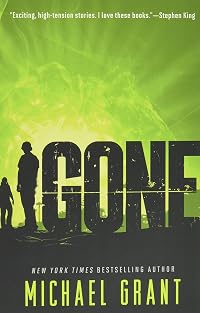
In a small town on the coast of California, everyone over the age of fourteen suddenly disappears, setting up a battle between the remaining town residents and the students from a local private school, as well as those who have "The Power" and are able to perform supernatural feats and those who do not.Tags
Recommendations
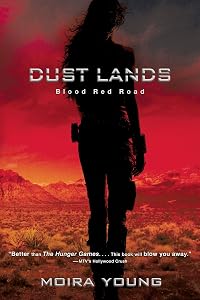
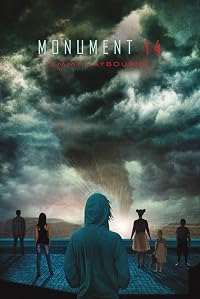
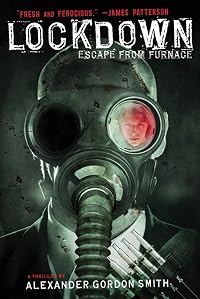
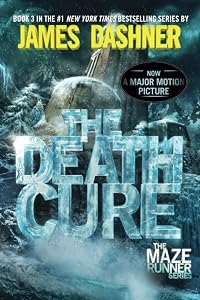
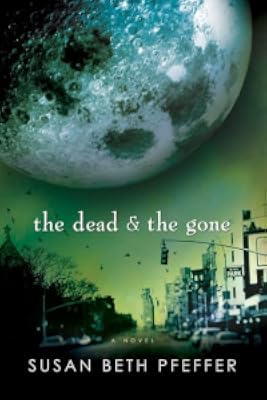
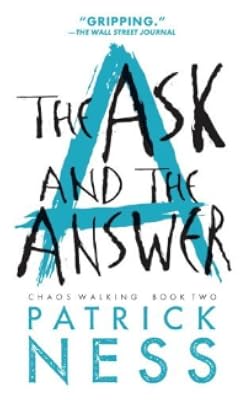
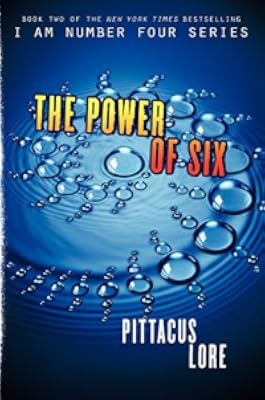
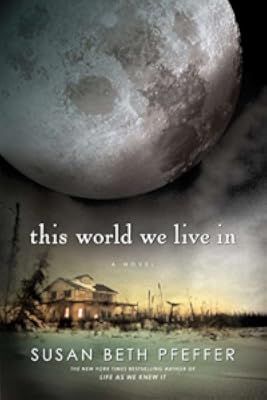

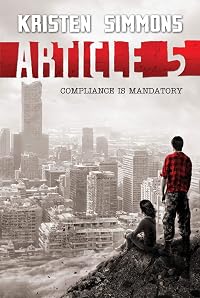
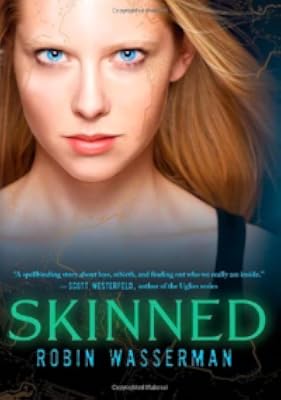
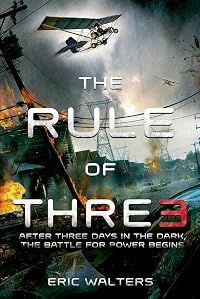
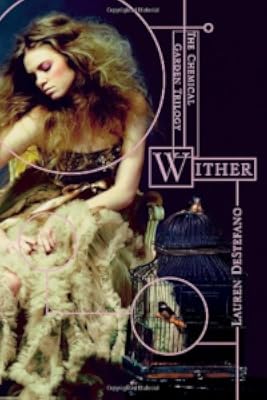

Member Recommendations
stephxsu Incredible world-building and suspense-building featuring a plethora of interesting and sympathetic characters.
40
Vulco1 Action. Adventure. YA. Super powers. Kids doing it for themselves
11
Vulco1 YA. Teens with powers. Very little parental involvement. Thrills. Romance
by anonymous user
Member Reviews
This book . . . well, this book was difficult.
It didn't take long for me to know I wouldn't really like Gone but I tried. Oh, I did try. But Gone read like a first draft, clunky and overladen with useless, unnecessary descriptors and details, overstuffed with characters, and with far too much plot. And at the end, the book didn't really come to a close. Everyone in the book kept saying that something was over, but I didn't know what had really happened.
Don't get me wrong, the book does have some really good stuff, and some chilling moments (the Coates Freaks, for one. I seriously was stunned). But it seemed like Grant just had this obsession with going darker, stranger, bloodier, and it just got old after a while. There were also show more things that happened that were left unexplained and unresolved, the biggest issue of which I had was with Orc and Howard. What the heck even happened? What happened to Orc? I get the whole FAYZ mutating stuff but the thing with Orc was sudden and unexplained, and it was just accepted with no explanation. No anything.
Let me try to get my thoughts into order. First off, there were way too many characters. Sure, some of them were great, but then more characters were introduced. And more. And even more. It's like Grant tried to put every type of personality type and every character trait into his book. It left me dizzy and most of it was unnecessary. Most of them were just to prove how absolutely horrible life in the FAYZ was. Maybe they were there to be a glimmer of hope in the absolute bleakness. I don't know. I felt like 70% of the characters could have been cut and the atmosphere would still be there and raw and evocative.
Where did the plot go? It all seemed crazy. Like Grant had this epic idea for a novel, and just started writing, letting everything take him away until he had no control over it himself. And see, this isn't necessarily a bad thing. On a first draft. After which all the polishing starts to happen and trim away the lumbering pace of the novel. Many of the events left me wondering if they were only in the book to create drama, not to fulfill plot. Actually most of the events made me feel cheap. Made me feel like the book was all glitter and light effects. Everything was a trap, the bad guys were always 100 steps ahead of the good ones. It didn't matter what anyone did, everything turned out to be a trap because supposedly those things make stories epic. Right?
For a novel with 558 pages and about 128 K words, the relationships between characters seemed rushed. Astrid and Sam immediately fall in love. Why? Because it's more epic when there's an "absolutely in love" couple to tear apart later. There really was no reason for them to be so in love, except that Astrid had this magical power of intuition and Sam was the brightest light in her sky. It just . . . it all just felt set up. Everything felt like it was trying to top what had just happened.
It felt like chaos.
I feel like I have to say sorry for posting this review because there are so many rave reviews for this and I keep hearing good things from people I know, but I just couldn't get into it and I couldn't like it. It has the potential to be wonderful, but maybe if Grant polished it up and cut at least 60% of it out (or at least simplified). show less
It didn't take long for me to know I wouldn't really like Gone but I tried. Oh, I did try. But Gone read like a first draft, clunky and overladen with useless, unnecessary descriptors and details, overstuffed with characters, and with far too much plot. And at the end, the book didn't really come to a close. Everyone in the book kept saying that something was over, but I didn't know what had really happened.
Don't get me wrong, the book does have some really good stuff, and some chilling moments (the Coates Freaks, for one. I seriously was stunned). But it seemed like Grant just had this obsession with going darker, stranger, bloodier, and it just got old after a while. There were also show more things that happened that were left unexplained and unresolved, the biggest issue of which I had was with Orc and Howard. What the heck even happened? What happened to Orc? I get the whole FAYZ mutating stuff but the thing with Orc was sudden and unexplained, and it was just accepted with no explanation. No anything.
Let me try to get my thoughts into order. First off, there were way too many characters. Sure, some of them were great, but then more characters were introduced. And more. And even more. It's like Grant tried to put every type of personality type and every character trait into his book. It left me dizzy and most of it was unnecessary. Most of them were just to prove how absolutely horrible life in the FAYZ was. Maybe they were there to be a glimmer of hope in the absolute bleakness. I don't know. I felt like 70% of the characters could have been cut and the atmosphere would still be there and raw and evocative.
Where did the plot go? It all seemed crazy. Like Grant had this epic idea for a novel, and just started writing, letting everything take him away until he had no control over it himself. And see, this isn't necessarily a bad thing. On a first draft. After which all the polishing starts to happen and trim away the lumbering pace of the novel. Many of the events left me wondering if they were only in the book to create drama, not to fulfill plot. Actually most of the events made me feel cheap. Made me feel like the book was all glitter and light effects. Everything was a trap, the bad guys were always 100 steps ahead of the good ones. It didn't matter what anyone did, everything turned out to be a trap because supposedly those things make stories epic. Right?
For a novel with 558 pages and about 128 K words, the relationships between characters seemed rushed. Astrid and Sam immediately fall in love. Why? Because it's more epic when there's an "absolutely in love" couple to tear apart later. There really was no reason for them to be so in love, except that Astrid had this magical power of intuition and Sam was the brightest light in her sky. It just . . . it all just felt set up. Everything felt like it was trying to top what had just happened.
It felt like chaos.
I feel like I have to say sorry for posting this review because there are so many rave reviews for this and I keep hearing good things from people I know, but I just couldn't get into it and I couldn't like it. It has the potential to be wonderful, but maybe if Grant polished it up and cut at least 60% of it out (or at least simplified). show less
While nowhere near as gritty as it could be, Gone is fairly pragmatic about human nature. The optimism that Sam represents is accented by the intelligence and inherent nature of the people around him. The most fascinating character by far is Sam's friend, Quinn, who is not courageous or kind by nature. Instead, Quinn continually falls short of the moral expectations of himself and those around him. Quinn's difficulty is not the new world, but rather overcoming his own selfishness. The politics of the old world continue to filter into the FAYZ (as the kids call it), and while dealing with emerging superpowers Sam must confront bullies, protect those that are victimized, and handle the new, stark reality of a very likely death. This book show more is gruesome and forthright, but everyone is human and Grant takes the time to be dynamic about his approach to this setting. Well done. show less
Haven't quite decided on a star-rating for this yet..
Boy, oh boy, is it getting dang-aggravating to not be able to type efficiently enough with one hand to write reviews. Anyone want to volunteer to be my other hand until mine heals? ;-)
1.5 months later...
I really liked this book. The characters were are enjoyable and well-written, especially the bad guys. The story line is unique and interesting (Over the age of 14? POOF YOU DISAPPEAR!).The book is gruesome, violent and detailed. It was fascinating. There are non-trendy super powers.
The downside:
Reading this book will get your hopes up about the sequel. You will scramble to get the sequel, read 50 pages and send it back asking for a refund. Then you'll get sad noticing there are FIVE show more BOOKS in this series. The story line does not lend to a 5 book series, it lends to a 2. Trilogy at the very most. Finally, you'll weep inwardly that you got so invested in a first installment and will never know how it ends. WHO LIVES!? Do they get out?! Oh the agony..
And, Michael Grant tries to convince you that a 14 year old in this decade is intimately familiar with REM (band, not sleep cycle). Which, we all know is bogus.
Favorite Quote:
"I'm all about elliptical implications." show less
Boy, oh boy, is it getting dang-aggravating to not be able to type efficiently enough with one hand to write reviews. Anyone want to volunteer to be my other hand until mine heals? ;-)
1.5 months later...
I really liked this book. The characters were are enjoyable and well-written, especially the bad guys. The story line is unique and interesting (Over the age of 14? POOF YOU DISAPPEAR!).The book is gruesome, violent and detailed. It was fascinating. There are non-trendy super powers.
The downside:
Reading this book will get your hopes up about the sequel. You will scramble to get the sequel, read 50 pages and send it back asking for a refund. Then you'll get sad noticing there are FIVE show more BOOKS in this series. The story line does not lend to a 5 book series, it lends to a 2. Trilogy at the very most. Finally, you'll weep inwardly that you got so invested in a first installment and will never know how it ends. WHO LIVES!? Do they get out?! Oh the agony..
And, Michael Grant tries to convince you that a 14 year old in this decade is intimately familiar with REM (band, not sleep cycle). Which, we all know is bogus.
Favorite Quote:
"I'm all about elliptical implications." show less
The last dystopic fiction I read was Emily St. John Mandel's Station Eleven, which came right after I read Amanda Ripley's nonfiction The Unthinkable: Who Survives When Disaster Strikes. Not even a week later, someone in the Feminist Theory group on LibraryThing linked to an essay about dystopias envisioned by men versus women. This confluence of factors made me think I didn't want to read many more end of the world tales written by men.
This is the essay: http://www.nytimes.com/2015/07/26/books/review/its-the-end-of-the-world-as-she-k...
I normally don't put much stock in ideas about "women write X and men write Y." I think trends in books' publication and reception are much more gender-related than the plotlines people choose. But this show more essay really spoke to me. As Sloane Crosley explains,
"Shelley, Mandel and van den Berg aren’t in denial of the brutalities of a lawless world. Nor are they more nostalgic than their male counterparts. After all, the unnamed man in “The Road” is plenty moved when he comes across relics of civilization, and Taylor Antrim’s new novel, “Immunity,” weaves disease and depravity into social satire. But it seems as if these women are familiar with Margaret Atwood’s observation that what women fear most from men is murder and what men fear most from women is humiliation. These writers don’t need to destroy the world in order to imagine what it might be like to feel unsafe in it. The threat of violence is not something that’s new to them, and thus they’re less likely to fixate on it in narrative form, opting instead for stories about psychological preservation. It’s hard not to think that women just might be better prepared for the end of the world.
"By presenting physical danger as a given and not the main event, these authors are free to move the spotlights elsewhere and create multilayered stories."
(The essay is worth reading in full, but this is the main point that I kept coming back to when I heard about new dystopic novels being published, and the point that kept me from adding them to my list of books to read.)
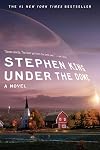
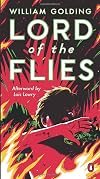
Gone falls into this category. Gone is like a cross between Stephen King’s Under the Dome and William Golding’s Lord of the Flies. But the main thing I took away from it is exactly this. Men who want the world to be violent before the apocalypse – Orc and Caine – make the world violent afterward. To men who do not want the world to be violent, like Sam, this is the apocalypse. Violence is new to them. For the first time, a constant threat of violence pervades their lives, and that’s the plot of the story. How does a man live under constant threat of violence? How does a man live never knowing what powerful men are going to do next, what will set them off, what will make them lash out against you?
You could ask a woman. We already know.
This book could have been fascinating if it had really been about Caine’s politics. If we got to move past the specter of violence and instead grapple with how teens, natural rebels, react to another teen’s authoritarian regime, I would have been in. But we never get there. Instead we get magic powers and more violence and hierarchy based on the kids’ powers’ capacity to harm others. Which I get. If you develop a superpower that can kill people, you have power over them. But that isn’t interesting the way that another plotline would be about creating a makeshift government and dealing with that as a teen naturally predisposed to chafe against authority. Group power dynamics in the real world are more complex than brute force beats all. Shouldn’t they be more complex than that in the apocalypse? show less
This is the essay: http://www.nytimes.com/2015/07/26/books/review/its-the-end-of-the-world-as-she-k...
I normally don't put much stock in ideas about "women write X and men write Y." I think trends in books' publication and reception are much more gender-related than the plotlines people choose. But this show more essay really spoke to me. As Sloane Crosley explains,
"Shelley, Mandel and van den Berg aren’t in denial of the brutalities of a lawless world. Nor are they more nostalgic than their male counterparts. After all, the unnamed man in “The Road” is plenty moved when he comes across relics of civilization, and Taylor Antrim’s new novel, “Immunity,” weaves disease and depravity into social satire. But it seems as if these women are familiar with Margaret Atwood’s observation that what women fear most from men is murder and what men fear most from women is humiliation. These writers don’t need to destroy the world in order to imagine what it might be like to feel unsafe in it. The threat of violence is not something that’s new to them, and thus they’re less likely to fixate on it in narrative form, opting instead for stories about psychological preservation. It’s hard not to think that women just might be better prepared for the end of the world.
"By presenting physical danger as a given and not the main event, these authors are free to move the spotlights elsewhere and create multilayered stories."
(The essay is worth reading in full, but this is the main point that I kept coming back to when I heard about new dystopic novels being published, and the point that kept me from adding them to my list of books to read.)
Gone falls into this category. Gone is like a cross between Stephen King’s Under the Dome and William Golding’s Lord of the Flies. But the main thing I took away from it is exactly this. Men who want the world to be violent before the apocalypse – Orc and Caine – make the world violent afterward. To men who do not want the world to be violent, like Sam, this is the apocalypse. Violence is new to them. For the first time, a constant threat of violence pervades their lives, and that’s the plot of the story. How does a man live under constant threat of violence? How does a man live never knowing what powerful men are going to do next, what will set them off, what will make them lash out against you?
You could ask a woman. We already know.
This book could have been fascinating if it had really been about Caine’s politics. If we got to move past the specter of violence and instead grapple with how teens, natural rebels, react to another teen’s authoritarian regime, I would have been in. But we never get there. Instead we get magic powers and more violence and hierarchy based on the kids’ powers’ capacity to harm others. Which I get. If you develop a superpower that can kill people, you have power over them. But that isn’t interesting the way that another plotline would be about creating a makeshift government and dealing with that as a teen naturally predisposed to chafe against authority. Group power dynamics in the real world are more complex than brute force beats all. Shouldn’t they be more complex than that in the apocalypse? show less
I read this book a while ago and forgot to write a review, but I really, really loved it! One day, in Perdido Beach, in the blink of an eye, all of the adults (or at least, everyone over the age of 15), just disappeared. Some were driving, some were teaching, some were having coffee - and then they just weren't there anymore. Cars crashed, coffee cups dropped, even chalk dropped, and nobody knew what happened. The kids who were left drifted to the town square and split up into two basic groups: the bullies, who wanted to run everything with force and violence, and were run by Orc, and the group that followed Sam, who was brave and fair, but didn't want the responsibility of taking charge of all of these kids. Then to add to the mess, show more the kids from Coates Academy, a boarding school for violent and troubled kids, come to town intent to take over. Over time, it becomes clear that some of the kids have developed "powers," that were strengthened when the "event" happened. But again, that's not all! Animals are starting to mutate in an ugly, dangerous way, and the kids discover a dome of sorts that has gone up over and around their town, so they can't escape.
I'm not going to say any more because I don't want to ruin it for you! This was such a good book! I was captivated from the beginning, and I couldn't put the book down because something was always happening. It was full of action and full of emotion, and even in the midst of this horror, there were moments that made me smile. Sam has had a crush on Astrid for a long time, but she is the brainy, beautiful girl in the class, and he never got up his nerve to tell her how he felt. When their world came crashing down, they were drawn to each other to try to survive, and their romance was really sweet, and very well done. They acted like 14 (almost 15) year olds should, instead of suddenly maturing beyond their years and jumping into sex.
The book had such a good flow to it, which made it very easy to read. Michael Grant is a superb writer, and I now want to read all of his books! Gone was the first book in the Gone series, and I have already ordered the next book in the series.
In summary, I can't put it any better than a blurb on the back does: "If Stephen King had written Lord of the Flies, it might have been a little like this." `` VOYA (starred review show less
I'm not going to say any more because I don't want to ruin it for you! This was such a good book! I was captivated from the beginning, and I couldn't put the book down because something was always happening. It was full of action and full of emotion, and even in the midst of this horror, there were moments that made me smile. Sam has had a crush on Astrid for a long time, but she is the brainy, beautiful girl in the class, and he never got up his nerve to tell her how he felt. When their world came crashing down, they were drawn to each other to try to survive, and their romance was really sweet, and very well done. They acted like 14 (almost 15) year olds should, instead of suddenly maturing beyond their years and jumping into sex.
The book had such a good flow to it, which made it very easy to read. Michael Grant is a superb writer, and I now want to read all of his books! Gone was the first book in the Gone series, and I have already ordered the next book in the series.
In summary, I can't put it any better than a blurb on the back does: "If Stephen King had written Lord of the Flies, it might have been a little like this." `` VOYA (starred review show less
Great concept for a story! I am certainly intrigued enough to read the next one.
Apart from the sleepless night it gave me while I stressed out about what my kids would do in a similar situation, I really had fun reading this. And yes, it sparked a really interesting middle-of-the-shopping centre conversation with my 14 year old daughter who hasn't read it but had some eye-opening ideas about what her priorities would be if all the adults suddenly disappeared.
Apart from the sleepless night it gave me while I stressed out about what my kids would do in a similar situation, I really had fun reading this. And yes, it sparked a really interesting middle-of-the-shopping centre conversation with my 14 year old daughter who hasn't read it but had some eye-opening ideas about what her priorities would be if all the adults suddenly disappeared.
4.5
There are a few things here and there that bugged me, but overall this book is really good. It gripped me from the first page on and I couldn’t put it down at all; at some point I had to, because of sleep. Finished it the next day, meaning today, right off.
The writing style, holy moly, really is amazing. Even though I don’t like some, or perhaps even half of the characters, I still enjoyed reading it. Everyone seems thought-through and each of them has their flaws as well as their strengths. No one is really perfect or overpowered. Especially not the main protagonist, which is probably the first time I’ve seen this in a book or story in general and I’m loving it.
Well, who knows, maybe sam does become overpowered in the show more other books, since the protagonists seem to always be the most heroic people ever. Which is annoying. But at least it’s not in the 1st book and whether or not it will happen in the sequels, I’ll have to find out. (Well, Sam did end up a hero in the end (and this is not a spoiler bc it’s a protagonist thing that happens in every storyline), he’s not overpowered, compared to the rest. The powers are pretty balanced. I love it.)
I also loved that this wasn’t horror, at least not the genre. It did have some horror aspects in it, but not like the classic jump scares you always see in movies. Besides, during reading it didn’t really occurred to me that this is horror, only afterwards, when I was trying to sleep. Rip to that, but it’s fine.
So everyone who’s not good with horror can read it just fine, I’m the living proof. And those who do love horror, don’t be disappointed, because the writing style is thriller-like and, like said, there a some moments that are gruesome and brutal and ugly.
~
What bothered me a bit, was the romance. Okay, not just a bit. I don’t like romance generally but the fact that they are all under 15 grosses me out. Like, you’re still a kid that age. I just can’t imagine kids kissing others and saying “I love you” to their bf/gf, when they’re 14 or younger. It’s kinda disgusting.
I know that some are more mature for their age, and especially with the plot of the book (yk, adults disappearing and fights between some groups), it shouldn’t matter that much, but it does, somehow. It’s just weird.
At least the romance wasn’t that much in the front. Sure, there were the moments with the main couple, but from the 540 pages, it wasn’t that much. I could get through these moments, that says a lot.
But, as much as I hate romance and hetero couples, there’s on more thing I hate: “I need you to hide.” - a guy to his girlfriend.
Right. Always playing the big protector over your weak girl. Fuck yourself, you-know-who-guy.
~
Okay. Well, except from the little things that bothered me, I do like the book. I was thinking of rating it 4 stars at first, but I guess it tipped to the 5th star after all.
It was a quick read and while it was brutal and ugly a lot of times, I also couldn’t stop reading. Michael Grant really has some writing skills. And i love the idea, although it’s creepy.
And i especially love the fact how realistic it was. For example people needing to go pee, even during a fight (as ridiculous as that sounds, it always seems in action movies that people never have to go to the toilet, which is somewhat super annoying). show less
There are a few things here and there that bugged me, but overall this book is really good. It gripped me from the first page on and I couldn’t put it down at all; at some point I had to, because of sleep. Finished it the next day, meaning today, right off.
The writing style, holy moly, really is amazing. Even though I don’t like some, or perhaps even half of the characters, I still enjoyed reading it. Everyone seems thought-through and each of them has their flaws as well as their strengths. No one is really perfect or overpowered. Especially not the main protagonist, which is probably the first time I’ve seen this in a book or story in general and I’m loving it.
Well, who knows, maybe sam does become overpowered in the show more other books, since the protagonists seem to always be the most heroic people ever. Which is annoying. But at least it’s not in the 1st book and whether or not it will happen in the sequels, I’ll have to find out. (Well, Sam did end up a hero in the end (and this is not a spoiler bc it’s a protagonist thing that happens in every storyline), he’s not overpowered, compared to the rest. The powers are pretty balanced. I love it.)
I also loved that this wasn’t horror, at least not the genre. It did have some horror aspects in it, but not like the classic jump scares you always see in movies. Besides, during reading it didn’t really occurred to me that this is horror, only afterwards, when I was trying to sleep. Rip to that, but it’s fine.
So everyone who’s not good with horror can read it just fine, I’m the living proof. And those who do love horror, don’t be disappointed, because the writing style is thriller-like and, like said, there a some moments that are gruesome and brutal and ugly.
~
What bothered me a bit, was the romance. Okay, not just a bit. I don’t like romance generally but the fact that they are all under 15 grosses me out. Like, you’re still a kid that age. I just can’t imagine kids kissing others and saying “I love you” to their bf/gf, when they’re 14 or younger. It’s kinda disgusting.
I know that some are more mature for their age, and especially with the plot of the book (yk, adults disappearing and fights between some groups), it shouldn’t matter that much, but it does, somehow. It’s just weird.
At least the romance wasn’t that much in the front. Sure, there were the moments with the main couple, but from the 540 pages, it wasn’t that much. I could get through these moments, that says a lot.
But, as much as I hate romance and hetero couples, there’s on more thing I hate: “I need you to hide.” - a guy to his girlfriend.
Right. Always playing the big protector over your weak girl. Fuck yourself, you-know-who-guy.
~
Okay. Well, except from the little things that bothered me, I do like the book. I was thinking of rating it 4 stars at first, but I guess it tipped to the 5th star after all.
It was a quick read and while it was brutal and ugly a lot of times, I also couldn’t stop reading. Michael Grant really has some writing skills. And i love the idea, although it’s creepy.
And i especially love the fact how realistic it was. For example people needing to go pee, even during a fight (as ridiculous as that sounds, it always seems in action movies that people never have to go to the toilet, which is somewhat super annoying). show less
Members
- Recently Added By
Lists

Best Dystopias
280 works; 271 members

NPRs your favorites: 100 Best Ever Teen Novels
237 works; 49 members

Recommend the 20 best books you've read in the last five years
2,168 works; 602 members

Series
86 works; 2 members

Children's and YA Dystopias
123 works; 11 members

Books Read in 2020
4,379 works; 123 members

World without adults
27 works; 2 members

Underground/dome to outside - children's/YA science fiction/fantasy
67 works; 7 members
Author Information

56+ Works 20,746 Members
Michael Grant is the co-creator and co-author of the Animorphs series and the Everworld series with his wife K. A. Applegate. They have written around 150 books. He is the author of the Gone series and The Magnificent 12 series. (Bowker Author Biography)

Michael Grant is a LibraryThing Author, an author who lists their personal library on LibraryThing.
Some Editions
Awards and Honors
Awards
Series

Work Relationships
Common Knowledge
- Canonical title*
- Gone - Verlaten
- Original title
- Gone - The Exile
- Alternate titles*
- Gone
- Original publication date
- 2008-07-01
- People/Characters
- Sam Temple; Caine Soren; Drake Merwin; Astrid Ellison; Edilio Escobar; Peter Michael "Little Pete" Ellison (show all 9); Diana Ladris; Quinn Gaither; Lana Arwen Lazar
- Important places
- Perdido Beach (California, USA)
- Epigraph*
- Wat doe je als alle volwassenen spoorloos verdwenen zijn?
- Dedication
- For Katherine, Jake, and Julia
- First words
- One minute the teacher was talking about the Civil War. And the next minute he was gone.
- Last words
- (Click to show. Warning: May contain spoilers.)"The Darkness is near."
- Canonical DDC/MDS
- 813.6
- Canonical LCC
- PZ7.G7671
*Some information comes from Common Knowledge in other languages. Click "Edit" for more information.
Classifications
- Genres
- Teen, Fiction and Literature, Young Adult, Science Fiction
- DDC/MDS
- 813.6 — Literature & rhetoric American literature in English American fiction in English 2000-
- LCC
- PZ7 .G7671 — Language and Literature Fiction and juvenile belles lettres Fiction and juvenile belles lettres Juvenile belles lettres
- BISAC
Statistics
- Members
- 5,806
- Popularity
- 2,246
- Reviews
- 232
- Rating
- (3.83)
- Languages
- 11 — Dutch, English, French, German, Italian, Norwegian (Bokmål), Polish, Portuguese, Spanish, Swedish, Turkish
- Media
- Paper, Audiobook, Ebook
- ISBNs
- 66
- ASINs
- 15