On This Page
Description
After modern science turns every human into a genetic time bomb with men dying at age twenty-five and women dying at age twenty, girls are kidnapped and married off in order to repopulate the world.Tags
Recommendations

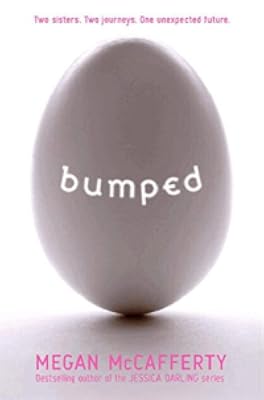
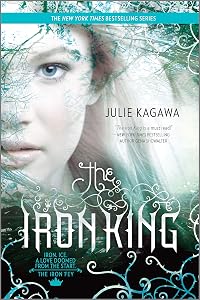

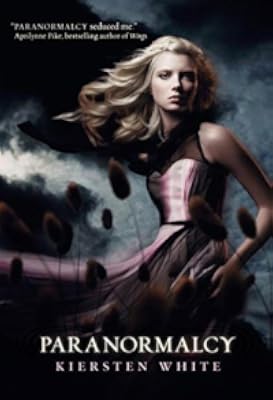




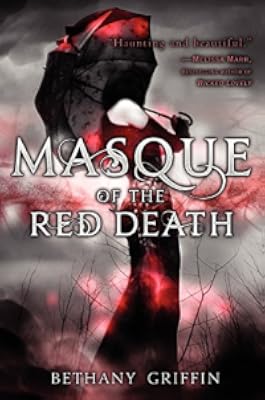












Member Recommendations

Member Reviews
This is your life, and it's ending one minute at a time. (*)
Trigger warning for rape and violence.
At the tender age of sixteen, Rhine Ellery is already well past middle age. Genetic experimentation meant to rid the world of disease and extend the human lifespan has instead had the opposite effect: all women can expect to die in their twentieth year, and men only live to see twenty-five. In a world mostly absent of adults, the streets of New York City are overrun with orphans who beg and steal to get by. Children are sold as guinea pigs, experimented on in hopes of finding an antidote to the unnamed sickness that strikes down young people before their lives have even begun. “Gatherers” in gray coats and dark vans roam the streets, show more kidnapping girls and young women to sell into sexual slavery or as child brides. Girls deemed “unsellable” are murdered, their bodies discarded along the side of the road like sacks of garbage.
Though their lives are far from ideal, Rhine and her twin brother Rowan are better off than most. They are orphans – but, unlike most orphans, they were lucky enough to know their parents. Members of the “first generation” of genetically modified humans, Mr. and Mrs. Ellery lived long and healthy lives, the sickness that kills young adults only manifesting in their children and grandchildren (and so on down the line). In fact, they probably would have outlived Rhine and Rowan, had they not been murdered by “pro-naturalists” who bombed the lab in which they were employed as geneticists. Rhine and Rowan are relatively well-educated and, while they were forced into the workplace at the age of twelve, they’re lucky enough to have a roof over their heads and food to eat. A meager existence, but one far better than freezing to death on a stranger’s porch, as Rhine finds a homeless girl one winter morning.
Rhine and Rowan struggle along this way for four years – working odd jobs during the day, holing up in the basement and guarding their few possessions in shifts at night - until the fateful day when Rhine is snatched up by the Gatherers. Lured in by an advertisement seeking paid bone marrow donors, she’s one of more than a dozen girls smuggled to Florida to possibly become one of Linden Ashby’s wives. Only three make the cut: 13-year-old orphan Cecily, 18-year-old Jenna, and Rhine. The rest of the captives – including Jenna’s sisters – are killed, shot as Linden’s limousine pulls away.
All this transpires while Linden’s first and thus far only wife Rose lays dying in her bed (read: prison). Though her only wish is to die in peace, Housemaster Vaughn – Linden’s father and a wealthy first generation medical doctor – will not let her go quietly, as Linden is deeply in love with her and, indeed, becomes distraught at her death. Perversely enough – for Rose herself is a captive in this fake paradise - procuring new brides for Linden is at least partly Rose’s idea, meant to ease his grief after her passing. Vaughn happily complies, as more brides means more bodies and babies to experiment upon. Unlike the pro-naturalist faction, Vaughn still has hope that he can find an antidote, preferably before Linden’s twenty-fifth birthday. And if he can’t save Linden? Perhaps his one of his new daughters-in-law will continue the family line.
Grim and not a little morbid, Wither is a gripping read – no small feat, when you consider that the narrator spends most of her time confined to one floor of a mansion. Shades of Margaret Atwood’s The Handmaid's Tale (to be fair, I say this about all the reproductive slavery dystopias!), Wither is also reminiscent of the recent Bumped (and its sequel, Thumped), but with a plot that’s somewhat inverted: rather than living a normal lifespan with a drastically reduced period of fertility, the characters in Wither are cursed with a normal reproductive cycle coupled with a life span cut short. It’s interesting to see how these two narratives play out: in Bumped, young women are encouraged (under the guise of “empowerment”) to exploit their fertility while they’re able, while in Wither pregnancy is more of a curse, one that’s seemingly largely perpetuated by first generations, who have both the money and time to dedicate to children. Whereas Bumped is irreverent and kind of quirky – peppered as it is with futuristic teen speak – the tone of Wither is much more somber and introspective.
Rhine spends much of her time in her own head, lost in memories of Rowan and her parents and fantasizing about strange and unknown worlds, those (supposedly) now found only on the pages of old atlases. (The American government would have its citizens believe that they are alone – that the rest of the world was destroyed in a nuclear war. Like Rhine, I have my doubts.)
Especially beautiful and complex are Rhine’s relationships with her sister wives, Jenna and Cecily. Because each girl is a captive – and each captive is using her captivity in a different way – there isn’t any competition between the three. Instead, they become friends, co-conspirators, caregivers and sources of comfort. Cecily, the young orphan, eagerly assumes the role of devoted wife and mother. (Remember that she’s 13 years old. Remember this and hold it in your mind.) Jenna, who at 18-going-on-19 is the “old maid” of the bunch; Jenna, who watched her sisters die and has nothing waiting for her outside the walls of Vaughn’s estate – she sees the mansion as a luxurious place to die. Rhine has ambitions to replace Rose as Linden’s first wife, but only because the position affords her greater opportunities for escape.
From their first hours together, huddled together in a dark van, these young women formed the beginnings of an unbreakable bond:
“Linden looks so piteous and apologetic, standing there. […] when we’re together, we form an alliance he can’t touch. He’s scared to even try.” (page 306)
When Jenna falls ill, or Cecily launches into one of her ugly (but not altogether incomprehensible) tantrums, it’s one of her sister wives – not Linden – in which she finds comfort and empathy. Through their shared ordeal – kidnapping, enslavement, and rape – they find solace, if not always understanding, in one another. They may not be wives, but they’re most certainly sisters. Even when betraying Rhine, Cecily does so with the purest of intentions. (And remember, she’s still a naïve young kid.)
In fact, I’d kind of hoped that Rhine and Jenna would fall in love. Alas, Wither is predictably heteronormative; rather than entering into a forbidden relationship with one of her sister wives, Rhine falls for “servant” boy Gabriel instead. (Scare quotes because, as Vaughn’s property, it’s more accurate to call Gabriel a slave, like all the “help” “employed” at the mansion.)
Harder to swallow is Linden’s supposed ignorance about the goings-on in the mansion; fundamental to his delusions is the belief that Rhine, Jenna, and Cicely are willing wives, having trained for such a life as orphans in “bride school.” As manipulative and deceptive as Vaughn is, and as isolated as Linden may be, it’s difficult to believe that he’s so tragically lacking in common sense. Did he not hear the gunshots in the back of the van after he purchased his three new wives? Rhine vacillates between seeing him as a fellow victim and her oppressor (perhaps due in no small part to Stockholm syndrome, from which Rose also apparently suffered), but thankfully her thirst for freedom overrules any compassion she feels for Linden.
The ending - don’t worry, no spoilers! – is also unbelievable, though perhaps necessary to advance the story. And yes, I’ve already got Fever and Sever on order.
Last but by no means least: although this is a story about rape – under no such circumstances can Rhine, Jenna, or Cicely said to be willing and consenting sexual participants – the word only appears once in the text, and to describe a situation that unequivocally does not constitute rape:
“I am sorry that his dead wife is being dissected in the basement, her beauty ruined and raped, while I used her name against him.” (page 121)
As odious as Vaughn’s actions are – dissecting Rose’s body without Linden’s knowledge or consent – this is not rape. Desecrating a dead body is not akin to violating a living one. To suggest otherwise trivializes rape and contributes to our rape culture. To do so while using euphemisms (“forced himself on”) for actual instances of rape is especially repugnant.
Also, rolling my eyes at Rhine’s repeated romanticizing of recreational fishing. Fishes caught and released are more like to die of infected wounds than swim to Japan.
* This quote from Fight Club seems weirdly apropos, given our hero's tragically short life span, and the illusory luxuries she was expected to exchange her few remaining years for.
http://www.easyvegan.info/2013/03/26/wither-by-lauren-destefano/ show less
Trigger warning for rape and violence.
At the tender age of sixteen, Rhine Ellery is already well past middle age. Genetic experimentation meant to rid the world of disease and extend the human lifespan has instead had the opposite effect: all women can expect to die in their twentieth year, and men only live to see twenty-five. In a world mostly absent of adults, the streets of New York City are overrun with orphans who beg and steal to get by. Children are sold as guinea pigs, experimented on in hopes of finding an antidote to the unnamed sickness that strikes down young people before their lives have even begun. “Gatherers” in gray coats and dark vans roam the streets, show more kidnapping girls and young women to sell into sexual slavery or as child brides. Girls deemed “unsellable” are murdered, their bodies discarded along the side of the road like sacks of garbage.
Though their lives are far from ideal, Rhine and her twin brother Rowan are better off than most. They are orphans – but, unlike most orphans, they were lucky enough to know their parents. Members of the “first generation” of genetically modified humans, Mr. and Mrs. Ellery lived long and healthy lives, the sickness that kills young adults only manifesting in their children and grandchildren (and so on down the line). In fact, they probably would have outlived Rhine and Rowan, had they not been murdered by “pro-naturalists” who bombed the lab in which they were employed as geneticists. Rhine and Rowan are relatively well-educated and, while they were forced into the workplace at the age of twelve, they’re lucky enough to have a roof over their heads and food to eat. A meager existence, but one far better than freezing to death on a stranger’s porch, as Rhine finds a homeless girl one winter morning.
Rhine and Rowan struggle along this way for four years – working odd jobs during the day, holing up in the basement and guarding their few possessions in shifts at night - until the fateful day when Rhine is snatched up by the Gatherers. Lured in by an advertisement seeking paid bone marrow donors, she’s one of more than a dozen girls smuggled to Florida to possibly become one of Linden Ashby’s wives. Only three make the cut: 13-year-old orphan Cecily, 18-year-old Jenna, and Rhine. The rest of the captives – including Jenna’s sisters – are killed, shot as Linden’s limousine pulls away.
All this transpires while Linden’s first and thus far only wife Rose lays dying in her bed (read: prison). Though her only wish is to die in peace, Housemaster Vaughn – Linden’s father and a wealthy first generation medical doctor – will not let her go quietly, as Linden is deeply in love with her and, indeed, becomes distraught at her death. Perversely enough – for Rose herself is a captive in this fake paradise - procuring new brides for Linden is at least partly Rose’s idea, meant to ease his grief after her passing. Vaughn happily complies, as more brides means more bodies and babies to experiment upon. Unlike the pro-naturalist faction, Vaughn still has hope that he can find an antidote, preferably before Linden’s twenty-fifth birthday. And if he can’t save Linden? Perhaps his one of his new daughters-in-law will continue the family line.
Grim and not a little morbid, Wither is a gripping read – no small feat, when you consider that the narrator spends most of her time confined to one floor of a mansion. Shades of Margaret Atwood’s The Handmaid's Tale (to be fair, I say this about all the reproductive slavery dystopias!), Wither is also reminiscent of the recent Bumped (and its sequel, Thumped), but with a plot that’s somewhat inverted: rather than living a normal lifespan with a drastically reduced period of fertility, the characters in Wither are cursed with a normal reproductive cycle coupled with a life span cut short. It’s interesting to see how these two narratives play out: in Bumped, young women are encouraged (under the guise of “empowerment”) to exploit their fertility while they’re able, while in Wither pregnancy is more of a curse, one that’s seemingly largely perpetuated by first generations, who have both the money and time to dedicate to children. Whereas Bumped is irreverent and kind of quirky – peppered as it is with futuristic teen speak – the tone of Wither is much more somber and introspective.
Rhine spends much of her time in her own head, lost in memories of Rowan and her parents and fantasizing about strange and unknown worlds, those (supposedly) now found only on the pages of old atlases. (The American government would have its citizens believe that they are alone – that the rest of the world was destroyed in a nuclear war. Like Rhine, I have my doubts.)
Especially beautiful and complex are Rhine’s relationships with her sister wives, Jenna and Cecily. Because each girl is a captive – and each captive is using her captivity in a different way – there isn’t any competition between the three. Instead, they become friends, co-conspirators, caregivers and sources of comfort. Cecily, the young orphan, eagerly assumes the role of devoted wife and mother. (Remember that she’s 13 years old. Remember this and hold it in your mind.) Jenna, who at 18-going-on-19 is the “old maid” of the bunch; Jenna, who watched her sisters die and has nothing waiting for her outside the walls of Vaughn’s estate – she sees the mansion as a luxurious place to die. Rhine has ambitions to replace Rose as Linden’s first wife, but only because the position affords her greater opportunities for escape.
From their first hours together, huddled together in a dark van, these young women formed the beginnings of an unbreakable bond:
“Linden looks so piteous and apologetic, standing there. […] when we’re together, we form an alliance he can’t touch. He’s scared to even try.” (page 306)
When Jenna falls ill, or Cecily launches into one of her ugly (but not altogether incomprehensible) tantrums, it’s one of her sister wives – not Linden – in which she finds comfort and empathy. Through their shared ordeal – kidnapping, enslavement, and rape – they find solace, if not always understanding, in one another. They may not be wives, but they’re most certainly sisters. Even when betraying Rhine, Cecily does so with the purest of intentions. (And remember, she’s still a naïve young kid.)
In fact, I’d kind of hoped that Rhine and Jenna would fall in love. Alas, Wither is predictably heteronormative; rather than entering into a forbidden relationship with one of her sister wives, Rhine falls for “servant” boy Gabriel instead. (Scare quotes because, as Vaughn’s property, it’s more accurate to call Gabriel a slave, like all the “help” “employed” at the mansion.)
Harder to swallow is Linden’s supposed ignorance about the goings-on in the mansion; fundamental to his delusions is the belief that Rhine, Jenna, and Cicely are willing wives, having trained for such a life as orphans in “bride school.” As manipulative and deceptive as Vaughn is, and as isolated as Linden may be, it’s difficult to believe that he’s so tragically lacking in common sense. Did he not hear the gunshots in the back of the van after he purchased his three new wives? Rhine vacillates between seeing him as a fellow victim and her oppressor (perhaps due in no small part to Stockholm syndrome, from which Rose also apparently suffered), but thankfully her thirst for freedom overrules any compassion she feels for Linden.
The ending - don’t worry, no spoilers! – is also unbelievable, though perhaps necessary to advance the story. And yes, I’ve already got Fever and Sever on order.
Last but by no means least: although this is a story about rape – under no such circumstances can Rhine, Jenna, or Cicely said to be willing and consenting sexual participants – the word only appears once in the text, and to describe a situation that unequivocally does not constitute rape:
“I am sorry that his dead wife is being dissected in the basement, her beauty ruined and raped, while I used her name against him.” (page 121)
As odious as Vaughn’s actions are – dissecting Rose’s body without Linden’s knowledge or consent – this is not rape. Desecrating a dead body is not akin to violating a living one. To suggest otherwise trivializes rape and contributes to our rape culture. To do so while using euphemisms (“forced himself on”) for actual instances of rape is especially repugnant.
Also, rolling my eyes at Rhine’s repeated romanticizing of recreational fishing. Fishes caught and released are more like to die of infected wounds than swim to Japan.
* This quote from Fight Club seems weirdly apropos, given our hero's tragically short life span, and the illusory luxuries she was expected to exchange her few remaining years for.
http://www.easyvegan.info/2013/03/26/wither-by-lauren-destefano/ show less
I actually read this book months ago and now it's only just about to be released and I'm tearing my hair out in want of the sequel. This book was fabulous enough to cause severe emotional distress.
First, it's YA dystopia, an ever growing genre made up almost entirely of win. I've found only one or two that have disappointed me. These books are shocking, terrifying, and startlingly realistic (save for the Zombie Apocalypse which we will allow). A horror story is so much more effective when you could see how it could be real. Many people got to experience this book along with me as I read it. I took great joy in seeing their shocked expressions when I told them what the book was about.
In DeStefano's dystopian future, women have a shelf show more life of twenty years. Science, in its unending quest to rid the world of diseases that shorten lives, has advanced itself into a state of the exact opposite. Twenty illness free years are all that a female is allowed before her time runs out and a horrible sickness brings her death. Twenty years allows very little time to repopulate the human race, and even less to study it in hopes of finding a cure, for the cure. Women are married off in multiples to men, who live longer (oh the injustice) and spend their remaining, fertile years trying to conceive.
This isn't a new concept; DeStefano just told it better. I remember reading The Handmaid's Tale by Margaret Atwood and hating it, not for the shocking storyline, but because it bored the hell out of me. This time, I was still shocked and pleasantly appalled at women being portrayed as enslaved breeders, but I was much much more entertained.
There are so MANY great characters in this book, and you will be properly and soundly introduced to each of them in turn. Rhine is matched with two other "wives" into a house hold whose one remaining wife is dying. Her short but meaningful friendship with the woman facing eminent death gives Rhine a glimpse of just what her future will be like. I loved the mix of the beautiful and the grotesque as these women are portrayed as lovely, but diseased flowers, kept prettily in their idyllic little garden world until they are no longer deemed useful. Their lives are worth so much yet they matter so little.
The one thing I couldn't feel is any sympathy for Linden, the "husband" so to speak. In many ways he's just as much a prisoner to this new society as his wives but he still retains some freedoms. While I'm glad to see that the decline of a wife as she neared the end of her twenty years was still able to affect him, he was a wussy little daddy's boy and I wanted to smack him.
I've said before how opposed I am to nearly EVERY freakin' YA book released today having to be part of a series when there was barely enough concept and content to warrant a first book, but in Wither a world is created, expertly in fact. A story may only go so far if the setting is lacking, but a well defined world can mean no end of possibilities. I long for, pine and covet the idea of a sequel to Wither and I don't know how I'll bear the wait.
"I spend a lot of time in an overstuffed chair in the library, thumbing through brilliant pages of flowers that no longer grow in this world, and some that can still be found in other parts of the country. I educate myself on the polar ice caps, vaporized long ago by warfare, and an explorer named Christopher Columbus who proved the earth was round. In my prison I lose myself in the library of a free and boundless world that's long dead." show less
First, it's YA dystopia, an ever growing genre made up almost entirely of win. I've found only one or two that have disappointed me. These books are shocking, terrifying, and startlingly realistic (save for the Zombie Apocalypse which we will allow). A horror story is so much more effective when you could see how it could be real. Many people got to experience this book along with me as I read it. I took great joy in seeing their shocked expressions when I told them what the book was about.
In DeStefano's dystopian future, women have a shelf show more life of twenty years. Science, in its unending quest to rid the world of diseases that shorten lives, has advanced itself into a state of the exact opposite. Twenty illness free years are all that a female is allowed before her time runs out and a horrible sickness brings her death. Twenty years allows very little time to repopulate the human race, and even less to study it in hopes of finding a cure, for the cure. Women are married off in multiples to men, who live longer (oh the injustice) and spend their remaining, fertile years trying to conceive.
This isn't a new concept; DeStefano just told it better. I remember reading The Handmaid's Tale by Margaret Atwood and hating it, not for the shocking storyline, but because it bored the hell out of me. This time, I was still shocked and pleasantly appalled at women being portrayed as enslaved breeders, but I was much much more entertained.
There are so MANY great characters in this book, and you will be properly and soundly introduced to each of them in turn. Rhine is matched with two other "wives" into a house hold whose one remaining wife is dying. Her short but meaningful friendship with the woman facing eminent death gives Rhine a glimpse of just what her future will be like. I loved the mix of the beautiful and the grotesque as these women are portrayed as lovely, but diseased flowers, kept prettily in their idyllic little garden world until they are no longer deemed useful. Their lives are worth so much yet they matter so little.
The one thing I couldn't feel is any sympathy for Linden, the "husband" so to speak. In many ways he's just as much a prisoner to this new society as his wives but he still retains some freedoms. While I'm glad to see that the decline of a wife as she neared the end of her twenty years was still able to affect him, he was a wussy little daddy's boy and I wanted to smack him.
I've said before how opposed I am to nearly EVERY freakin' YA book released today having to be part of a series when there was barely enough concept and content to warrant a first book, but in Wither a world is created, expertly in fact. A story may only go so far if the setting is lacking, but a well defined world can mean no end of possibilities. I long for, pine and covet the idea of a sequel to Wither and I don't know how I'll bear the wait.
"I spend a lot of time in an overstuffed chair in the library, thumbing through brilliant pages of flowers that no longer grow in this world, and some that can still be found in other parts of the country. I educate myself on the polar ice caps, vaporized long ago by warfare, and an explorer named Christopher Columbus who proved the earth was round. In my prison I lose myself in the library of a free and boundless world that's long dead." show less
Good gracious! The hype surrounding Wither by Lauren DeStefano is
spot on. After months of seeing review after review and hearing other
bloggers talk about how great this Dystopian novel is, I HAD to
purchase it and read it for myself, because I can't resist a good
dystopia. And OMGoodness did it give me everything I wanted and more.
Purely magical, I tell you!
In Wither, society has succeeded in vaccinating for every known
disease, creating a generation that is incapable of becoming ill.
They are truly immune to every virus, sickness, and cancer. They
don't even contract the common cold. They have the perfect immune
systems. So everything is hunky dory, right?
Wrong. Their children, and their children's children are unable to
live past a very show more young age; 25 for males, 20 for females, leaving all
future generations a very short span of time to, for lack of a better
word, breed. And breed they must, or civilization as they know it
dies with them.
I LOVED Wither. I loved everything about it: the descriptive and
fluid writing style, the characters, the world-building. DeStefano
does an excellent job in building this future world where we've done
something incredibly wrong and our future generations are paying for
it dearly. It is 100% completely believable, and the author really
makes you feel as if you can step right into the pages.
Her characters are wonderful. Rhine, the main character is unique and
beautiful but still tough as nails and just as sharp. Everything she
does is with a purpose and DeStefano writes her so incredibly well
that you can't help but love her.
Her sister wives are lovable in their own ways, as well. Jenna, older
and wiser in many, many ways, thirsts for knowledge and lives for the
day she sees her sisters again. Cecily is impetuous and demanding but
as a reader, you can't help but be exasperated by her and still love
her at the same time, as you would a small child.
I even liked the "villains" in this story because DeStefano doesn't
create a villain just to have one. Nope, she gives them a purpose in
those pages, a goal they move towards, so you have a hard time hating
them even though deep down, you really do. She has perfected the
villain. I don't want to name them because if you haven't read it
yet, it could spoil it for you.
Everything about this book is wonderful and if you havent read it yet
(but really, who's left?) you need to. Wither is nothing short of
amazing and I can't wait for her second book in the Chemical Garden
series, Fever! show less
spot on. After months of seeing review after review and hearing other
bloggers talk about how great this Dystopian novel is, I HAD to
purchase it and read it for myself, because I can't resist a good
dystopia. And OMGoodness did it give me everything I wanted and more.
Purely magical, I tell you!
In Wither, society has succeeded in vaccinating for every known
disease, creating a generation that is incapable of becoming ill.
They are truly immune to every virus, sickness, and cancer. They
don't even contract the common cold. They have the perfect immune
systems. So everything is hunky dory, right?
Wrong. Their children, and their children's children are unable to
live past a very show more young age; 25 for males, 20 for females, leaving all
future generations a very short span of time to, for lack of a better
word, breed. And breed they must, or civilization as they know it
dies with them.
I LOVED Wither. I loved everything about it: the descriptive and
fluid writing style, the characters, the world-building. DeStefano
does an excellent job in building this future world where we've done
something incredibly wrong and our future generations are paying for
it dearly. It is 100% completely believable, and the author really
makes you feel as if you can step right into the pages.
Her characters are wonderful. Rhine, the main character is unique and
beautiful but still tough as nails and just as sharp. Everything she
does is with a purpose and DeStefano writes her so incredibly well
that you can't help but love her.
Her sister wives are lovable in their own ways, as well. Jenna, older
and wiser in many, many ways, thirsts for knowledge and lives for the
day she sees her sisters again. Cecily is impetuous and demanding but
as a reader, you can't help but be exasperated by her and still love
her at the same time, as you would a small child.
I even liked the "villains" in this story because DeStefano doesn't
create a villain just to have one. Nope, she gives them a purpose in
those pages, a goal they move towards, so you have a hard time hating
them even though deep down, you really do. She has perfected the
villain. I don't want to name them because if you haven't read it
yet, it could spoil it for you.
Everything about this book is wonderful and if you havent read it yet
(but really, who's left?) you need to. Wither is nothing short of
amazing and I can't wait for her second book in the Chemical Garden
series, Fever! show less
On their own, Rhine and her twin brother must take any chance at making money that they can. Rhine, however, faces the very real threat of the Gatherers, men who kidnap teen girls to sell to rich young men as wives. The Gatherers exist because science and genetic perfection have brought disastrous consequences, men dying at twenty-five and woman dying at twenty. Rhine finds herself taken by the Gatherers and sold along with two other sister wives to Linden. Her fate is marriage to a man she hates and her sole purpose in life is now producing children and entertaining Linden. As terrible as that is, the women who weren't selected as wives faced a much worse fate, being shot to death and then discarded like trash. Rhine cannot accept her show more new life even if Linden treats her well and seems to love her. She needs to escape, she needs to return to her brother.
Rhine was a wonderfully unique narrator. Her voice was very odd but after a little adjusting, I loved it. It did slow down my reading, however, not that I minded. The way Rhine thought and spoke was just so distinctive, it's one of the things that really stuck out to me while I read the book. When so many YA books are replicas of others, a fresh voice is something to truly appreciate.
It's been a while since a book totally wrecked havoc on my emotions. One moment I was loathing someone or something then a few paragraphs later I was suddenly questioning what I'd previously felt. It was like a tilt-a-whirl ride, I never knew how I felt or what was going to happen and even when the ride ended, I was still experiencing the emotional confusion. Good confusion though. I loved that DeStefano was able to draw those emotions and reactions from me. Usually I'm set in my opinions and feelings about characters at at least the halfway point of the book but while reading Wither, I was constantly adapting and changing my perceptions.
Wither was so much more creepy than I'd expected. It was creepy as hell at certain points. I enjoyed the creepiness but there were a few things that I honestly found just a little too disturbing for my tastes (mainly the young pregnancy/polygamy, so just personal preference aspects not anything gore/violent/etc related). I did think that everything worked very nicely with the dystopian world created though. That said, I wouldn't recommend Wither as a starting place for people looking to try dystopian. I think it's a wonderful representation of the genre and a fantastic book but for readers unaccustomed to the genre, I think they might not enjoy Wither as much.
Wither isn't just about the story and Rhine's struggle to be set free. It's about relationships and that little gray area between right and wrong. Wither draws you so far into the book that you'll be left feeling the aftershock of the experience days later.
See my blog for quotes and my thoughts as I read: http://www.bittenbooks.com/2011/06/review-wither-chemical-garden-1-by.html show less
Rhine was a wonderfully unique narrator. Her voice was very odd but after a little adjusting, I loved it. It did slow down my reading, however, not that I minded. The way Rhine thought and spoke was just so distinctive, it's one of the things that really stuck out to me while I read the book. When so many YA books are replicas of others, a fresh voice is something to truly appreciate.
It's been a while since a book totally wrecked havoc on my emotions. One moment I was loathing someone or something then a few paragraphs later I was suddenly questioning what I'd previously felt. It was like a tilt-a-whirl ride, I never knew how I felt or what was going to happen and even when the ride ended, I was still experiencing the emotional confusion. Good confusion though. I loved that DeStefano was able to draw those emotions and reactions from me. Usually I'm set in my opinions and feelings about characters at at least the halfway point of the book but while reading Wither, I was constantly adapting and changing my perceptions.
Wither was so much more creepy than I'd expected. It was creepy as hell at certain points. I enjoyed the creepiness but there were a few things that I honestly found just a little too disturbing for my tastes (mainly the young pregnancy/polygamy, so just personal preference aspects not anything gore/violent/etc related). I did think that everything worked very nicely with the dystopian world created though. That said, I wouldn't recommend Wither as a starting place for people looking to try dystopian. I think it's a wonderful representation of the genre and a fantastic book but for readers unaccustomed to the genre, I think they might not enjoy Wither as much.
Wither isn't just about the story and Rhine's struggle to be set free. It's about relationships and that little gray area between right and wrong. Wither draws you so far into the book that you'll be left feeling the aftershock of the experience days later.
See my blog for quotes and my thoughts as I read: http://www.bittenbooks.com/2011/06/review-wither-chemical-garden-1-by.html show less
70 years after genetic engineering cured cancer but cursed new generations with a much-limited lifespan–20 years for females, 25 for males–16 year old Rhine is kidnapped from her life with her twin brother Rowan in New York and sold into a polygamous marriage 1000 miles away. Now married to the weak House Governer Linden of her own generation and under the watchful eye of his pre-disease father, the sinister Housemaster Vaughn, Rhine must navigate the politics and agendas of her sister-wives and captors if she’s to have a chance of escape. But with only 4 years of life remaining, is Rhine sure she wants to abandon her comfortable prison, or will she find love in her new life after all?
Dystopias–and dystopian trilogies–are in show more right now. Based on the ARC synopsis, I assumed Wither would be along the same lines as Awaken or Delirium, a romance about a girl’s choice to love or act in defiance of the rules of her progressive, emotionless society. But Wither is different.
Unlike the faux utopias of those books, the world of Wither is broken. People are dying too young to maintain civilization as we know it. Members of the last generation to age naturally are still alive, but most children are orphaned early and left to fend for themselves. Powerful men have the luxury of kidnapping wives. If a cure is not found–and not everyone wants one to be–it’s easy to envision the future as successive generations of Lord of the Fruitflies.
Despite its heroine wrestling with her feelings toward her new husband Linden and the house servant Gabriel, Wither is not a romance novel. Reading it brought to mind Wuthering Heights (the name association between Linton and Linden helped) and Jane Eyre, with its introspective young woman trapped in a mansion of secrets and desire. Wither is more about personalities, and how each of the sister-wives responds or adjusts to her captive marriage and new social situation. Although the story seemed to slow at times, I liked that Rhine’s feelings for both Linden and Gabriel are sometimes conflicted, and that she doesn’t lose her personality or agenda to their pheromones. The sense of menace of the house and villain are palpable, and other characters, even sympathetic ones, perpetuate iniquities through either willful or oblivious ignorance.
The science fiction aspect of the series seems underdeveloped and even extraneous. The science of and social response to the crisis seem glossed over at best, although they may be further explored in the continuation of the trilogy. While the age-limiting disease helps to explain the reason for Rhine’s kidnapping, this feels more like a book about captivity that could take place at any time: future, past, or even in today’s present. Consider the same synopsis as above, with a few omissions:
16 year old Rhine is kidnapped from her life with her twin brother Rowan and sold into a polygamous marriage 1000 miles away. Now married to the weak Linden and under the watchful eye of his father, the sinister Vaughn, Rhine must navigate the politics and agendas of her sister-wives and captors if she’s to have a chance of escape. But is Rhine sure she wants to abandon her comfortable prison, or will she find love in her new life after all?
The future setting does distance the horror of Rhine’s situation, as well as appeal to the current YA dystopian trend. But does it really need to?
In The Hunger Games, Awaken, and Delirium, there is a real sense of rebellion. In Wither, other than her captors, there’s no government or establishment to rebel against (or if there is, we don’t know enough about it). The focus is instead on how a group of individual characters deal with their own lives under the oppression of a single household–and by extension, how we might approach our own–and that’s enough.
(http://librarianorama.wordpress.com/2011/03/21/wither/) show less
Dystopias–and dystopian trilogies–are in show more right now. Based on the ARC synopsis, I assumed Wither would be along the same lines as Awaken or Delirium, a romance about a girl’s choice to love or act in defiance of the rules of her progressive, emotionless society. But Wither is different.
Unlike the faux utopias of those books, the world of Wither is broken. People are dying too young to maintain civilization as we know it. Members of the last generation to age naturally are still alive, but most children are orphaned early and left to fend for themselves. Powerful men have the luxury of kidnapping wives. If a cure is not found–and not everyone wants one to be–it’s easy to envision the future as successive generations of Lord of the Fruitflies.
Despite its heroine wrestling with her feelings toward her new husband Linden and the house servant Gabriel, Wither is not a romance novel. Reading it brought to mind Wuthering Heights (the name association between Linton and Linden helped) and Jane Eyre, with its introspective young woman trapped in a mansion of secrets and desire. Wither is more about personalities, and how each of the sister-wives responds or adjusts to her captive marriage and new social situation. Although the story seemed to slow at times, I liked that Rhine’s feelings for both Linden and Gabriel are sometimes conflicted, and that she doesn’t lose her personality or agenda to their pheromones. The sense of menace of the house and villain are palpable, and other characters, even sympathetic ones, perpetuate iniquities through either willful or oblivious ignorance.
The science fiction aspect of the series seems underdeveloped and even extraneous. The science of and social response to the crisis seem glossed over at best, although they may be further explored in the continuation of the trilogy. While the age-limiting disease helps to explain the reason for Rhine’s kidnapping, this feels more like a book about captivity that could take place at any time: future, past, or even in today’s present. Consider the same synopsis as above, with a few omissions:
16 year old Rhine is kidnapped from her life with her twin brother Rowan and sold into a polygamous marriage 1000 miles away. Now married to the weak Linden and under the watchful eye of his father, the sinister Vaughn, Rhine must navigate the politics and agendas of her sister-wives and captors if she’s to have a chance of escape. But is Rhine sure she wants to abandon her comfortable prison, or will she find love in her new life after all?
The future setting does distance the horror of Rhine’s situation, as well as appeal to the current YA dystopian trend. But does it really need to?
In The Hunger Games, Awaken, and Delirium, there is a real sense of rebellion. In Wither, other than her captors, there’s no government or establishment to rebel against (or if there is, we don’t know enough about it). The focus is instead on how a group of individual characters deal with their own lives under the oppression of a single household–and by extension, how we might approach our own–and that’s enough.
(http://librarianorama.wordpress.com/2011/03/21/wither/) show less
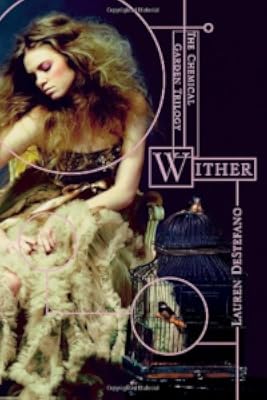
When I first saw the cover to WITHER I was immediately drawn to it. It seemed beautiful and haunting enveloped in a mystery that beckoned me to read the story that was within it's pages, demanding all of my attention. Then as I began reading WITHER I was held captive and unlike Rhine I did not want to escape.
It has been days since I have finished WITHER and it is still on the forefront of my mind. I don't think that story has had this hold on me in a long while. I appreciated the story conflict of a society's youth never growing old, never seeing their children grow up and always knowing when they would die. I could not even fathom how I would react knowing that information, then compound it with how women are callously treated during show more that time. WOW. It is a bit brutal and disconcerting, but I could not stop reading.
Rhine's anger and resentment from being ruthlessly abducted from her twin brother and forced into marriage to a wealthy family was believable and honest. I appreciated and understood her need to escape and reach her brother. It did not matter that she would leave the life of riches behind, for what is luxury and privilege when you don't have your freedom, when you cannot see your family or love whom you wish to? Another appreciated storyline is Rhine's camaraderie with her sister wives Jenna and Cecily, their relationship was endearing and heartbreaking and created some of the best moments in the book. While Rhine's relationship with her husband, Linden seemed odd, it wasn't as odd as her ultra creepy father-in-law housemaster Vaughn. He sets the perfect mood of mystery and conflict that provided Rhine with a perfect vessel to direct her hate.
Despite my adoration for this story I did have a slight issue with how the last few pages of the story went. I cannot divuldge much without giving away the story, but It is something that I cannot wrap my brain around. It seemed a bit too simple, too easy considering everything prior to that point.
I believe that there are two types of exceptional storytellers. One can narrate a story that is so well visualized and entertaining that you become immersed within it's depths, carried away into the story that is being told while the other is able to have intelligent well-crafted scenes, dialogue and structure with a strong sense of timing and rhythm. When you have a partnership of both types then you have something truly remarkable like Lauren DeStefano has created with WITHER.
Fans of Dystopian novels will find WITHER to be a great read for it is original and enthralling and for anyone else seeking an amazing read then you need not look any further. show less
It has been days since I have finished WITHER and it is still on the forefront of my mind. I don't think that story has had this hold on me in a long while. I appreciated the story conflict of a society's youth never growing old, never seeing their children grow up and always knowing when they would die. I could not even fathom how I would react knowing that information, then compound it with how women are callously treated during show more that time. WOW. It is a bit brutal and disconcerting, but I could not stop reading.
Rhine's anger and resentment from being ruthlessly abducted from her twin brother and forced into marriage to a wealthy family was believable and honest. I appreciated and understood her need to escape and reach her brother. It did not matter that she would leave the life of riches behind, for what is luxury and privilege when you don't have your freedom, when you cannot see your family or love whom you wish to? Another appreciated storyline is Rhine's camaraderie with her sister wives Jenna and Cecily, their relationship was endearing and heartbreaking and created some of the best moments in the book. While Rhine's relationship with her husband, Linden seemed odd, it wasn't as odd as her ultra creepy father-in-law housemaster Vaughn. He sets the perfect mood of mystery and conflict that provided Rhine with a perfect vessel to direct her hate.
Despite my adoration for this story I did have a slight issue with how the last few pages of the story went. I cannot divuldge much without giving away the story, but It is something that I cannot wrap my brain around. It seemed a bit too simple, too easy considering everything prior to that point.
I believe that there are two types of exceptional storytellers. One can narrate a story that is so well visualized and entertaining that you become immersed within it's depths, carried away into the story that is being told while the other is able to have intelligent well-crafted scenes, dialogue and structure with a strong sense of timing and rhythm. When you have a partnership of both types then you have something truly remarkable like Lauren DeStefano has created with WITHER.
Fans of Dystopian novels will find WITHER to be a great read for it is original and enthralling and for anyone else seeking an amazing read then you need not look any further. show less
It’s a world much like our own, but here in this world of unimaginable bleakness, young men and women meet their deaths much too soon. For the women of this world, the age of expiration is twenty, while the males only garner four years more. Humankind has eradicated all the most deadly diseases, and the first generation lives on and on in uninterrupted health. But when they discover that their children are dying of a dreaded virus just after entering adulthood, the world takes on a sinister and horrific cast. Living in this desolate place is Rhine, a sixteen year old girl who, with her twin brother, is living a hand-to-mouth life after their parents, who were first generations, die unexpectedly. Rhine has heard the story of the show more Gatherers, men who steal young women and turn them over to wealthy families to be breeding machines until their early deaths. Though she has taken precautions to avoid being snatched, one day she’s tricked into a van and taken away.
When Rhine awakens in an opulent mansion, all she can think about is how she will escape, but that seems unlikely as she doesn’t even know where she is. Along with Rhine in the van were several other girls, but only two others survived to be brought to this gilded prison. Now Rhine, Jenna and Cecily are forced into a marriage with Linden, the man who owns the mansion. Destined to be sister wives until they succumb to the virus themselves, the three girls deal with their captivity in very different ways. But it’s Rhine who is constantly thinking of escape. Though Rhine finds a measure of pleasure in her captivity, and even finds a friend in the young house servant named Gabriel, she never stops plotting an escape from Linden and his prison-like estate. But will Rhine ever manage to be free again, and if so, will she ever make her way to her twin brother? Adding to Rhine’s resolution to escape are her puzzling feelings about the man who is her captor and the new-found thrill of being close to Gabriel. In this debut novel, Lauren DeStefano posits a world very much like our own but fundamentally and bleakly different.
I had been reading a lot about this book all over the blogosphere and was really excited that I had a copy waiting on my shelves for me to delve into. A lot of what I had heard made me excited because, though I’ve read many reviews of YA dystopian novels, I haven’t actually read very many at all. I figured this book would give me a great chance to see if this genre would work for me, and since it had been getting such rave reviews, I was eager to see if it would live up to the hype. What I found was curious, and though I do think the book fit my tastes very well, I almost wish I had avoided all the hype, because no matter which book is being hyped, I generally end up feeling disappointed.
The writing style struck me as a bit subdued and quiet, which had the effect of making the narrative feel dreamlike at times. In scope and execution, Wither was both deft and satisfying, but certain sections felt slow. It took some time for the action to ramp up, but even then, the story was almost placid and calm. I found the plight of the sister wives, prisoners of a strange childlike man, to be thought-provoking and remarkably detailed. Each girl had her own ideas about her marriage to Linden, and in their inward reflections, I could see variations that were true to what would have been their real-life counterparts. Though only one of the wives felt that it was a privilege to be married to Linden, they were all curiously accepting in certain ways, and they all found outlets that made life for them more bearable.
Though parts of this book were ominous, it wasn’t as horrifying as I might have imagined. The scene setting and narrative were creepy and malevolent, but at times I felt that the book missed its mark with the haunting atmosphere it was trying to present. This may be a personal problem though, because I’m not yet accustomed to the subtle nuances of this particular genre, but I also feel that this in part has to do with all the hype that surrounded this read. While I was reading, I was asking myself a lot of questions about both the realities and plausibility of dying just when you were starting to live, and found myself pondering the injustice of life being cut short in such a horrible and insensible way. I actually reflected a lot over this book, which indicates that DeStefano not only hit her mark in terms of worldbuilding and characters, but also that this is the type of book that has stronger implications than what the surface reveals to its readers.
I found the lifestyles and realities of the everyday lives of the sister wives to be the the most intriguing aspects of the book. There were also subtle mysteries and malignancies that ran through the plot that enticed me as well. Though not all of my questions were answered, I’m aware that this is only the first book in a series and I hope to uncover more as the series progresses. I also liked that the narrative was so descriptive and lush. There was a lot of thought and effort given over to the physical description of almost every aspect of the plot, which was something that I found very satisfying. In terms of scene setting and descriptive power alone, I would rate this book very highly, and I feel that this exemplary component of the book made the story seem to jump off the page.
Though I didn’t fall into the same kind of love for this book that others did, I still found it to be a very successful read and enjoyed the time I spent with it. I’m definitely interested in reading the subsequent books and finding out more about this world and these characters, and I would recommend this read to any who are curious about it. It didn’t disappoint, and I’m sure others will enjoy this foray into the world and life of a very determined heroine who just wants to get home. show less
When Rhine awakens in an opulent mansion, all she can think about is how she will escape, but that seems unlikely as she doesn’t even know where she is. Along with Rhine in the van were several other girls, but only two others survived to be brought to this gilded prison. Now Rhine, Jenna and Cecily are forced into a marriage with Linden, the man who owns the mansion. Destined to be sister wives until they succumb to the virus themselves, the three girls deal with their captivity in very different ways. But it’s Rhine who is constantly thinking of escape. Though Rhine finds a measure of pleasure in her captivity, and even finds a friend in the young house servant named Gabriel, she never stops plotting an escape from Linden and his prison-like estate. But will Rhine ever manage to be free again, and if so, will she ever make her way to her twin brother? Adding to Rhine’s resolution to escape are her puzzling feelings about the man who is her captor and the new-found thrill of being close to Gabriel. In this debut novel, Lauren DeStefano posits a world very much like our own but fundamentally and bleakly different.
I had been reading a lot about this book all over the blogosphere and was really excited that I had a copy waiting on my shelves for me to delve into. A lot of what I had heard made me excited because, though I’ve read many reviews of YA dystopian novels, I haven’t actually read very many at all. I figured this book would give me a great chance to see if this genre would work for me, and since it had been getting such rave reviews, I was eager to see if it would live up to the hype. What I found was curious, and though I do think the book fit my tastes very well, I almost wish I had avoided all the hype, because no matter which book is being hyped, I generally end up feeling disappointed.
The writing style struck me as a bit subdued and quiet, which had the effect of making the narrative feel dreamlike at times. In scope and execution, Wither was both deft and satisfying, but certain sections felt slow. It took some time for the action to ramp up, but even then, the story was almost placid and calm. I found the plight of the sister wives, prisoners of a strange childlike man, to be thought-provoking and remarkably detailed. Each girl had her own ideas about her marriage to Linden, and in their inward reflections, I could see variations that were true to what would have been their real-life counterparts. Though only one of the wives felt that it was a privilege to be married to Linden, they were all curiously accepting in certain ways, and they all found outlets that made life for them more bearable.
Though parts of this book were ominous, it wasn’t as horrifying as I might have imagined. The scene setting and narrative were creepy and malevolent, but at times I felt that the book missed its mark with the haunting atmosphere it was trying to present. This may be a personal problem though, because I’m not yet accustomed to the subtle nuances of this particular genre, but I also feel that this in part has to do with all the hype that surrounded this read. While I was reading, I was asking myself a lot of questions about both the realities and plausibility of dying just when you were starting to live, and found myself pondering the injustice of life being cut short in such a horrible and insensible way. I actually reflected a lot over this book, which indicates that DeStefano not only hit her mark in terms of worldbuilding and characters, but also that this is the type of book that has stronger implications than what the surface reveals to its readers.
I found the lifestyles and realities of the everyday lives of the sister wives to be the the most intriguing aspects of the book. There were also subtle mysteries and malignancies that ran through the plot that enticed me as well. Though not all of my questions were answered, I’m aware that this is only the first book in a series and I hope to uncover more as the series progresses. I also liked that the narrative was so descriptive and lush. There was a lot of thought and effort given over to the physical description of almost every aspect of the plot, which was something that I found very satisfying. In terms of scene setting and descriptive power alone, I would rate this book very highly, and I feel that this exemplary component of the book made the story seem to jump off the page.
Though I didn’t fall into the same kind of love for this book that others did, I still found it to be a very successful read and enjoyed the time I spent with it. I’m definitely interested in reading the subsequent books and finding out more about this world and these characters, and I would recommend this read to any who are curious about it. It didn’t disappoint, and I’m sure others will enjoy this foray into the world and life of a very determined heroine who just wants to get home. show less
Members
- Recently Added By
Lists

Books Read in 2016
4,666 works; 197 members

KayStJ's to-read list
1,616 works; 11 members

Books Read in 2013
1,630 works; 51 members

Best Dystopias
280 works; 276 members
Author Information

33 Works 7,268 Members
Lauren Destefano won The Thornton Wilder Award for a short story entitled Orange Blood while in high school. She received a BA in English with a concentration in creative writing from Albertus Magnus College in Connecticut in 2007. She is the author of the Chemical Garden Trilogy. (Bowker Author Biography)
Some Editions
Awards and Honors
Distinctions
Series

Belongs to Publisher Series
Common Knowledge
- Canonical title
- Wither
- Original title
- Wither
- Original publication date
- 2011-03-22
- People/Characters
- Rhine Ellery Ashby; Rowan Ellery; Linden Ashby (House Governor); Gabriel; Cecily Ashby; Jenna Ashby (show all 9); Dierdre; Rose Ashby; Vaughn Ashby (Housemaster)
- Important places
- New York, New York, USA; New York, USA; Florida, USA
- Epigraph
- This is the way the world ends. Not with a bang. But a whimper. ~T.S. Eliot, "The Hollow Men"
- Dedication
- For my dad, who turned to me and said, "one day kid, you'll do great things."
- First words
- I wait. They keep us in the dark so long that we lose sense of our eyelids.
- Last words
- (Click to show. Warning: May contain spoilers.)In the distance I see a lighthouse. The light washes over us and continues on its rotation. This time, I don't know where the light will guide us.
- Publisher's editor
- Cooper, Alexandra
- Blurbers
- McMann, Lisa; Ryan, Carrie
Classifications
- Genres
- Teen, Fiction and Literature, Young Adult, Science Fiction
- DDC/MDS
- 813.6 — Literature & rhetoric American literature in English American fiction in English 2000-
- LCC
- PZ7 .D47 .W — Language and Literature Fiction and juvenile belles lettres Fiction and juvenile belles lettres Juvenile belles lettres
- BISAC
Statistics
- Members
- 2,810
- Popularity
- 6,477
- Reviews
- 290
- Rating
- (3.73)
- Languages
- 9 — Czech, Dutch, English, French, German, Greek, Hungarian, Italian, Spanish
- Media
- Paper, Audiobook, Ebook
- ISBNs
- 37
- ASINs
- 6