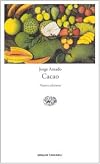
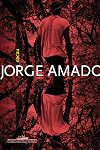
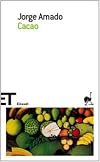
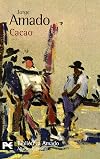
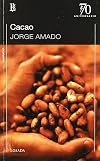
Cacao
by Jorge Amado
On This Page
Description
"This comprehensive book is surely going to be regarded as one of the foremost texts in the new discipline of astrostatistics."--Joseph M. Hilbe, president of the International Astrostatistics Association "In the era of data-driven science, many students and researchers have faced a barrier to entry. Until now, they have lacked an effective tutorial introduction to the array of tools and code for data mining and statistical analysis. The comprehensive overview of techniques provided in this show more book, accompanied by a Python toolbox, free readers to explore and analyze the data rather than reinvent the wheel."--Tony Tyson, University of California, Davis "The authors are leading experts in the field who have utilized the techniques described here in their own very successful research. Statistics, Data Mining, and Machine Learning in Astronomy is a book that will become a key resource for the astronomy community."--Robert J. Hanisch, Space Telescope Science Institute show lessTags
Recommendations
























Member Reviews
Il portastendardo sembrava posseduto da uno spirito. Ballava ritmi africani che portava in eredita’ nel sangue. Si abbassava fino a terra con la bandiera e di colpo saltava sulla punta dei piedi senza quasi toccare terra. Non vedeva nessuno, tutto preso dalla danza. Il Congo, i deserti, le notti piene di ruggiti, Orixa’-la’, quante cose in quella danza… (42)
A sud di Bahia, cacao e’ l’unico nome che suona bene. (53)
Quando arrivava mezzogiorno (il sole fungeva da orologio), smettevano di lavorare e ci riunivamo agli altri per mangire. Un pezzo di carne essiccata, fagioli che cuocevano dal mattino, la bottiglia di acquavite passata di mano in mano.
Si schioccava la lingua e si sputava uno sputo denso. Restavamo a chiacchierare show more senza badare ai serpenti che passavano, producendo strani rumori sulle foglie secche che tappezzavano il suolo. (54)
Dio diede in eredita’ a Caino e Abele una piantagione di cacao da dividersi. (54)
L’oscurita’ avvolgeva tutto. Piangevano le chitarre, gli uccelli cinguettavano. I frutti d’oro del cacao e i serpenti. Le stelle brillavano in cielo. Le lanterne per strada sembravano anime in pena levate in volo. La notte in fazenda e’ triste, cupa, dolorosa. E’ di notte che la gente pensa… (62)
I bambini non pensavano. Lavoravano, mangiavano e dormivano. Uno scrittore una volta ha detto:
Quelli si’ che sono felici. Non pensano...
Cosi’ sara’ parso a lui. (68) show less
A sud di Bahia, cacao e’ l’unico nome che suona bene. (53)
Quando arrivava mezzogiorno (il sole fungeva da orologio), smettevano di lavorare e ci riunivamo agli altri per mangire. Un pezzo di carne essiccata, fagioli che cuocevano dal mattino, la bottiglia di acquavite passata di mano in mano.
Si schioccava la lingua e si sputava uno sputo denso. Restavamo a chiacchierare show more senza badare ai serpenti che passavano, producendo strani rumori sulle foglie secche che tappezzavano il suolo. (54)
Dio diede in eredita’ a Caino e Abele una piantagione di cacao da dividersi. (54)
L’oscurita’ avvolgeva tutto. Piangevano le chitarre, gli uccelli cinguettavano. I frutti d’oro del cacao e i serpenti. Le stelle brillavano in cielo. Le lanterne per strada sembravano anime in pena levate in volo. La notte in fazenda e’ triste, cupa, dolorosa. E’ di notte che la gente pensa… (62)
I bambini non pensavano. Lavoravano, mangiavano e dormivano. Uno scrittore una volta ha detto:
Quelli si’ che sono felici. Non pensano...
Cosi’ sara’ parso a lui. (68) show less
un romanzo "corale", dicono tutti e, aggiungo io, "sociale": l'ideale della coscienza di classe da non dimenticare mai. è la storia di una ragazzo che, rimasto orfano, deve subire lo strapotere dello zio finché non decide di andare a fare il raccoglitore di cacao. rifiuterà di sposare la figlia del padrone: è innata in lui la coscienza di classe. è un Amado non ancora magico, con una prosa scarna, efficace e lineare
Oct 8, 2017Italian
Publicada en 1933, CACAO participa de una de las grandes inquietudes siempre presentes, de una forma u otra, en las obras del popular escritor brasileño Jorge Amado. La novela relata la vida cotidiana de los trabajadores en la hacienda del coronel Mané Frajelo, el rey del cacao, y cómo el despotismo de los patronos acaba despertando la solidaridad en los trabajadores y el ansia en su protagonista, José Cordeiro, de una existencia más justa y mejor. Otras obras de Jorge Amado en Alianza Editorial: «Gabriela, clavo y canela» «La tienda de los milagros» «Doña Flor y sus dos maridos» «Sudor» y «Capitanes de la Arena».
Jul 5, 2022Spanish
Con la publicación de Cacao (1933) y Sudor (1934), novelas épicas que denuncian la explotación en áreas rurales de Bahía, conoce simultáneamente el éxito y la persecución.
Jan 25, 2023Spanish
Ratings
Members
- Recently Added By
Lists

Books Read in 2016
4,666 works; 199 members
Author Information

149+ Works 10,790 Members
Jorge Amado, August 10, 1912 - August 6, 2001 Elected to the Brazilian Academy of Letters, Jorge Amado possesses a talent for storytelling as well as a deep concern for social and economic justice. He was born in Bahia, Brazil, in 1912. Some critics claim that his early works suffer from his politics. Others commonly express reservations show more concerning Amado's sentimentality and erotico-mythic stereotyping. In the works represented in English translation, his literary merits prevail. The Violent Land (1942) chronicles the development of Brazilian territory and struggles for its resources, memorializing the deeds of those who built the country. Gabriela, Clove and Cinnamon (1958), which achieved critical and popular success in both Brazil and the United States, tells a sensual love story of a Syrian bar owner and his beautiful cook. Home Is the Sailor (1962) introduces Captain Vasco Moscoso de Aragao, a comic figure in the tradition of Don Quixote. In Dona Flor and Her Two Husbands (1966), Amado introduced the folk culture of shamans and Yorube gods. The protagonists of Shepherds of the Night (1964) are Bahia's poor. (Bowker Author Biography) Jorge Amado has been called the greatest twentieth-century Brazilian novelist. He was born in 1912 in Ilheus, in the northeastern-most state of Bahai. This area serves as the backdrop for most of Amado's work, which reflects a deep appreciation of the Brazilian essence. Amado's works have made him a national figure in Brazil. Amado's early novels were shaped by a belief in Marxism, and relate the sufferings of humble fishermen and cocoa plantation workers. By the 1950s, he had turned his attention to the plight of middle-class Bahains. This more jovial approach brought him worldwide acclaim, and his keen comic sense and appreciation of the common man have drawn comparisons to the novels of Charles Dickens. Music, cuisine, and passion figure prominently in Amado's literary output. Amado's works have been translated from Portuguese into more than forty languages, have sold over fifty million copies worldwide, and have been reworked for film, television, and stage. His portraits of commanding female characters, including Gabriela from Gabriela, Clove and Cinnamon, and Dona Flor from Dona Flor and Her Two Husbands, have been adapted to the screen, and actress Sonia Braga earned her initial success in these roles. Other titles include The Sand Captains; Memory of a Child; The War of the Saints; and Home Is the Sailor. (Bowker Author Biography) show less
Some Editions
Series
Belongs to Publisher Series
Work Relationships
Common Knowledge
- Canonical title*
- Cacao
- Original title
- Cacau
- Original publication date
- 1933
- Original language
- Portuguese
*Some information comes from Common Knowledge in other languages. Click "Edit" for more information.
Classifications
- Genres
- Fiction and Literature, General Fiction
- DDC/MDS
- 869.3 — Literature & rhetoric Spanish Literature Literatures of Portuguese and Galician languages Portuguese fiction
- LCC
- PQ9697 .A647 .C3 — Language and Literature French, Italian, Spanish and Portuguese literatures Portuguese literature Provincial, local, colonial, etc. Brazil
Statistics
- Members
- 187
- Popularity
- 174,703
- Reviews
- 4
- Rating
- (3.21)
- Languages
- 7 — Danish, Dutch, French, German, Italian, Portuguese, Spanish
- Media
- Paper, Ebook
- ISBNs
- 23
- ASINs
- 4