The Last Nude
by Ellis Avery
On This Page
Description
"A stunning story of love, sexual obsession, treachery, and tragedy, about an artist and her most famous muse in Paris between the world wars. Paris, 1927. In the heady years before the crash, financiers drape their mistresses in Chanel, while expatriates flock to the avant-garde bookshop Shakespeare and Company. One day in July, a young American named Rafaela Fano gets into the car of a coolly dazzling stranger, the Art Deco painter Tamara de Lempicka. Struggling to halt a downward slide show more toward prostitution, Rafaela agrees to model for the artist, a dispossessed Saint Petersburg aristocrat with a murky past. The two become lovers, and Rafaela inspires Tamara's most iconic Jazz Age images, among them her most accomplished-and coveted-works of art. A season as the painter's muse teaches Rafaela some hard lessons: Tamara is a cocktail of raw hunger and glittering artifice. And all the while, their romantic idyll is threatened by history's darkening tide. Inspired by real events in de Lempicka's history, The Last Nude is a tour de force of historical imagination. Ellis Avery gives the reader a tantalizing window into a lost Paris, an age already vanishing as the inexorable forces of history close in on two tangled lives. Spellbinding and provocative, this is a novel about genius and craft, love and desire, regret and, most of all, hope that can transcend time and circumstance. "--Provided by publisher. show lessTags
Recommendations






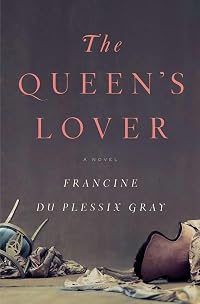



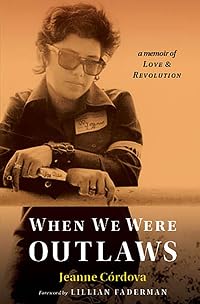
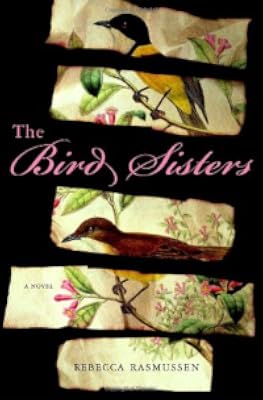
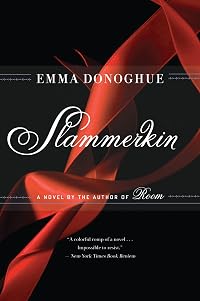









Member Recommendations
Member Reviews
I picked up Ellis Avery’s latest novel The Last Nude after reading Danika’s glowing review of it on the lesbrary earlier this year. It’s not every author who can claim your lifelong allegiance after you’ve read only one of her works, but I agree with Danika that Avery is one of these writers and that reading The Last Nude is enough to convince you. This historical novel, set in Paris in the decadent 1920s period between the two world wars, is an easy book to love and sink into. From the first unassuming sentence (“I only met Tamara de Lempicka because I needed a hundred francs”), The Last Nude is captivating and delightful. The writing is exquisite; the characterization rich; and the setting wonderfully and lovingly rendered show more in superb detail.
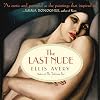
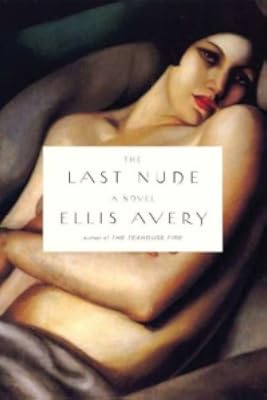
Just because the novel is beautiful, though, doesn’t mean it isn’t also without its delicious complexities. We are introduced to the whirlwind environment of 20s Paris, in all its queer, smoky glory through the eyes of Rafaela Fano, an Italian-American Jew who is also experiencing it for the first time. Rafaela (her actual last name isn’t known) is a real historical person about whom we don’t know much except she was Art Deco painter Tamara de Lempicka’s model and inspiration for some of her most arresting works, including La Belle Rafaela, which graces the cover of the novel. Rafaela is both sweetly naïve and street-wise, having survived her family’s attempt to arrange her marriage at age sixteen by trading sex for passage to Paris. She’s survived in the city thus far by doing sex work, sometimes in more explicit scenarios than others; Rafaela is on the brink of a so-called respectable job at a department store when Tamara, seduced by her beauty on the street, recruits the young woman to model for her.
Tamara, as you might have guessed, is unbelievably sexy and glamorous; of course, she’s also a supremely talented artist with an insatiable appetite for art, wealth, and power. Rafaela falls for Tamara, hard. You know from early on, despite the fact that the story is related to us through Rafaela’s perspective, that Tamara’s motives are more complicated and less wholesome than Rafaela’s young, innocent heart wants to believe. In fact, it’s not just Tamara, it’s the whole circle Rafaela is introduced to: we enter the exotic world of the queer, artsy, bohemian population and are by turns charmed and appalled by them just as Rafaela is. Like us 21st century readers, Rafaela is a stranger to this world, its hopeful possibilities, and its hidden sinister underbelly.
Despite the sense of apprehension you feel knowing that Tamara and Rafaela’s love affair is doomed, Tamara offers something to Rafaela that is priceless: she gives Rafaela her own body back and opens up her sexuality. After the first time they make love, Rafaela recalls:
“And suddenly I remembered a day when I was very small, before my brothers came along. When my mother went out for groceries, I slopped … oil on the banister and slid down. I climbed those stairs again and again, to get that feeling: how slick my knickers got, how distinctly I could feel the spreading wings of my little figa, how the shock of bliss pleated through me like lightning. I had forgotten this kind of eagerness until now, as my body sobbed into Tamara’s hand. Again, again! I wanted to crow. I was a giddy witch on a broomstick. I was a leaping dog. I was liquor; I was laughter; I was a sliding girl on a shining rail: something I’d forgotten how to be.”
Later on, Rafaela tells us how she has learned to love and revel in her body:
“Ever since my sixteenth birthday, my body had felt like a coin in an unfamiliar currency: small, shiny, and heavy, obviously of value to somebody, but not to me… My body felt coincidental to me—I could just as easily be a tree, a stone, a gust of wind. For so long, I still felt like the ten-year-old me, skinny as a last wafer of soap, needling through Washington Square on her way to Baxter Street. But my months with Tamara had worn away the lonely old questions and replaced them with a greed of my own: my body was just a fact, this night, a kind of euphoria. I coincided with it, and with the dancing crowd. Throbbing with the horns and drums, we formed a waterfall passing over a light, each of us a drop, a spark, bright, gone. The music danced us, and I knew it wouldn’t last, this body I’d learnt to love.”
If you’re at all familiar with famous lesbian/queer/bi expatriate women from this period, you’ll be delighted to see the literary couple Sylvia Beach and Adrienne Monnier, who ran successful bookstores and first published James Joyce’s Ulysses, function as Rafaela’s queer elders. Gertrude Stein and her partner Alice B. Toklas make appearances too, as well as Romaine Brooks, Natalie Barney, and Violette Morris. If you don’t know who any of these women are, I suggest looking them up asap. Ah, if only I could time travel back to one of their parties and chat with them, wearing smoky black eye shadow and red lipstick, and smoking cigarettes out of a long classy holder without knowing the consequences.
The consequences of the way Tamara treats Rafaela don’t fully emerge until the second part of the book, much smaller than the first, and from the perspective of Tamara as an old woman. On the one hand, I felt robbed of the chance to see in her own words how Rafaela pulls herself up after Tamara’s betrayal and ‘follows her dreams.’ On the other, Avery had to do something to humanize Tamara for us, if only to complicate the view of her as a ruthless egotistical villain. Although I can’t say I was completely satisfied with Tamara’s atonement, I was glad in the end to know that Tamara did care for Rafaela, amidst her self-delusions and guilt. In a way, these revelations made the love story all the more tragic; they also made the novel even more complex, powerful, and poignant than it already was. This, considering The Last Nude is (lesbian) historical fiction at its finest, is quite an achievement. show less
Just because the novel is beautiful, though, doesn’t mean it isn’t also without its delicious complexities. We are introduced to the whirlwind environment of 20s Paris, in all its queer, smoky glory through the eyes of Rafaela Fano, an Italian-American Jew who is also experiencing it for the first time. Rafaela (her actual last name isn’t known) is a real historical person about whom we don’t know much except she was Art Deco painter Tamara de Lempicka’s model and inspiration for some of her most arresting works, including La Belle Rafaela, which graces the cover of the novel. Rafaela is both sweetly naïve and street-wise, having survived her family’s attempt to arrange her marriage at age sixteen by trading sex for passage to Paris. She’s survived in the city thus far by doing sex work, sometimes in more explicit scenarios than others; Rafaela is on the brink of a so-called respectable job at a department store when Tamara, seduced by her beauty on the street, recruits the young woman to model for her.
Tamara, as you might have guessed, is unbelievably sexy and glamorous; of course, she’s also a supremely talented artist with an insatiable appetite for art, wealth, and power. Rafaela falls for Tamara, hard. You know from early on, despite the fact that the story is related to us through Rafaela’s perspective, that Tamara’s motives are more complicated and less wholesome than Rafaela’s young, innocent heart wants to believe. In fact, it’s not just Tamara, it’s the whole circle Rafaela is introduced to: we enter the exotic world of the queer, artsy, bohemian population and are by turns charmed and appalled by them just as Rafaela is. Like us 21st century readers, Rafaela is a stranger to this world, its hopeful possibilities, and its hidden sinister underbelly.
Despite the sense of apprehension you feel knowing that Tamara and Rafaela’s love affair is doomed, Tamara offers something to Rafaela that is priceless: she gives Rafaela her own body back and opens up her sexuality. After the first time they make love, Rafaela recalls:
“And suddenly I remembered a day when I was very small, before my brothers came along. When my mother went out for groceries, I slopped … oil on the banister and slid down. I climbed those stairs again and again, to get that feeling: how slick my knickers got, how distinctly I could feel the spreading wings of my little figa, how the shock of bliss pleated through me like lightning. I had forgotten this kind of eagerness until now, as my body sobbed into Tamara’s hand. Again, again! I wanted to crow. I was a giddy witch on a broomstick. I was a leaping dog. I was liquor; I was laughter; I was a sliding girl on a shining rail: something I’d forgotten how to be.”
Later on, Rafaela tells us how she has learned to love and revel in her body:
“Ever since my sixteenth birthday, my body had felt like a coin in an unfamiliar currency: small, shiny, and heavy, obviously of value to somebody, but not to me… My body felt coincidental to me—I could just as easily be a tree, a stone, a gust of wind. For so long, I still felt like the ten-year-old me, skinny as a last wafer of soap, needling through Washington Square on her way to Baxter Street. But my months with Tamara had worn away the lonely old questions and replaced them with a greed of my own: my body was just a fact, this night, a kind of euphoria. I coincided with it, and with the dancing crowd. Throbbing with the horns and drums, we formed a waterfall passing over a light, each of us a drop, a spark, bright, gone. The music danced us, and I knew it wouldn’t last, this body I’d learnt to love.”
If you’re at all familiar with famous lesbian/queer/bi expatriate women from this period, you’ll be delighted to see the literary couple Sylvia Beach and Adrienne Monnier, who ran successful bookstores and first published James Joyce’s Ulysses, function as Rafaela’s queer elders. Gertrude Stein and her partner Alice B. Toklas make appearances too, as well as Romaine Brooks, Natalie Barney, and Violette Morris. If you don’t know who any of these women are, I suggest looking them up asap. Ah, if only I could time travel back to one of their parties and chat with them, wearing smoky black eye shadow and red lipstick, and smoking cigarettes out of a long classy holder without knowing the consequences.
The consequences of the way Tamara treats Rafaela don’t fully emerge until the second part of the book, much smaller than the first, and from the perspective of Tamara as an old woman. On the one hand, I felt robbed of the chance to see in her own words how Rafaela pulls herself up after Tamara’s betrayal and ‘follows her dreams.’ On the other, Avery had to do something to humanize Tamara for us, if only to complicate the view of her as a ruthless egotistical villain. Although I can’t say I was completely satisfied with Tamara’s atonement, I was glad in the end to know that Tamara did care for Rafaela, amidst her self-delusions and guilt. In a way, these revelations made the love story all the more tragic; they also made the novel even more complex, powerful, and poignant than it already was. This, considering The Last Nude is (lesbian) historical fiction at its finest, is quite an achievement. show less
While not a book I would have been likely to stumble across on my own, I'm deeply indebted to G.P. Putnam's Sons / Riverhead for providing me with the opportunity for an early read. Here we have a fictional romance between two historical women, Tamara de Lempicka (artist) and Rafaela (model/muse), set in that uneasy period between WWI and WWII.
Although I knew nothing about Tamara coming into the story, and even less about art, her history is absolutely fascinating. I suspect the story might carry a bit more weight for those who are familiar with her work, and who can debate the 'was she/wasn't she' lesbian aspect, but I can attest to the fact that ignorance doesn't in any way take away from the read.
What really drew me into the story show more was the way in which Avery explores all aspects of Tamara's life, really getting into the dark side of how such passion can impact familial and professional relationships. This is not a happy-go-lucky tale of lazy lovers, content to pose and paint the day away, but of two women consumed by their work. Tamara comes across as a selfish, petty, arrogant woman, but rather than turn me off, I found her contrast to the sweet, sensitive, vulnerable Rafaela compelling.
If I had one issue with the book, it's with the brevity of the scenes. I like to get lost in a story, to emerge from a thirty or forty page chapter, and be shocked to find that it's gotten dark outside. The chapters here are often comprised of single page or even half-page scenes that work from an artistic perspective (as if each scene were an individual brush stroke), but it's just not my style. show less
Although I knew nothing about Tamara coming into the story, and even less about art, her history is absolutely fascinating. I suspect the story might carry a bit more weight for those who are familiar with her work, and who can debate the 'was she/wasn't she' lesbian aspect, but I can attest to the fact that ignorance doesn't in any way take away from the read.
What really drew me into the story show more was the way in which Avery explores all aspects of Tamara's life, really getting into the dark side of how such passion can impact familial and professional relationships. This is not a happy-go-lucky tale of lazy lovers, content to pose and paint the day away, but of two women consumed by their work. Tamara comes across as a selfish, petty, arrogant woman, but rather than turn me off, I found her contrast to the sweet, sensitive, vulnerable Rafaela compelling.
If I had one issue with the book, it's with the brevity of the scenes. I like to get lost in a story, to emerge from a thirty or forty page chapter, and be shocked to find that it's gotten dark outside. The chapters here are often comprised of single page or even half-page scenes that work from an artistic perspective (as if each scene were an individual brush stroke), but it's just not my style. show less
I loved this book. And in that way when I'm totally smitten, I'm not even sure I can compose complete sentences explaining why I loved this book so. In short: the writing is gorgeous, the romance sensual and sexy, and the characters sketched quickly but warmly despite their flaws.
First, the setting. I'm mad for Paris in the late '20s and I love the circle of artists the novel focuses on; Avery creates the ambiance without bogging down the story in details. There's a mix of hard scrabble poverty and excessive wealth, titles and nobodies, post-war and pre-war. The novel references de Lempicka's art from 1927 on, which can be seen online -- and should, because they're gorgeous. And sexy.
Second, the characters. I really fell in love with show more everyone, even the unappealing ones, the shameful ones, the shameless ones, the selfish jerks and the too-saintly-to-be true mouses. They felt real to me, even though Avery doesn't spend tons of time describing them, either. (I'm afraid I'm making this sound like the narrative is thin, but it isn't!) Through snappy dialogue and Rafaela's viewpoint (and for a brief time, Tamara's) we see meet these rapacious souls (food, money, sex, artistic inspiration, safety -- the need various, but there's unceasing hunger!). Shamefully (?), I liked Tamara despite her cruel, predatory, and selfish behavior, because Avery made her so real for me. The manipulative, passionate woman we see through Rafaela's eyes tells her side of the story, briefly, late in life.
And finally, the writing. This novel races even though it isn't a fast-paced or intricately plotted novel. The hot burn of desire propels the story; like Rafaela impatient for the day to end so she can go to Tamara, I was impatient for the next liaison, the next drink, the next painting. I ate up every word because each sentence fulfilled and left me yearning. The end of the book killed me dead in the best way, oh-so-bittersweet and sad and yummy.
For those uncomfortable with sex, this novel might be too spicy. Avery writes some of the sexiest lesbian sex I've read in a novel in a long time, and while it isn't graphic, it also isn't discreet. The sex is part of the story, like the paintings, like Paris, and feels right, not gratuitous.
I'm making myself want to read this all over again. Right now. show less
First, the setting. I'm mad for Paris in the late '20s and I love the circle of artists the novel focuses on; Avery creates the ambiance without bogging down the story in details. There's a mix of hard scrabble poverty and excessive wealth, titles and nobodies, post-war and pre-war. The novel references de Lempicka's art from 1927 on, which can be seen online -- and should, because they're gorgeous. And sexy.
Second, the characters. I really fell in love with show more everyone, even the unappealing ones, the shameful ones, the shameless ones, the selfish jerks and the too-saintly-to-be true mouses. They felt real to me, even though Avery doesn't spend tons of time describing them, either. (I'm afraid I'm making this sound like the narrative is thin, but it isn't!) Through snappy dialogue and Rafaela's viewpoint (and for a brief time, Tamara's) we see meet these rapacious souls (food, money, sex, artistic inspiration, safety -- the need various, but there's unceasing hunger!). Shamefully (?), I liked Tamara despite her cruel, predatory, and selfish behavior, because Avery made her so real for me. The manipulative, passionate woman we see through Rafaela's eyes tells her side of the story, briefly, late in life.
And finally, the writing. This novel races even though it isn't a fast-paced or intricately plotted novel. The hot burn of desire propels the story; like Rafaela impatient for the day to end so she can go to Tamara, I was impatient for the next liaison, the next drink, the next painting. I ate up every word because each sentence fulfilled and left me yearning. The end of the book killed me dead in the best way, oh-so-bittersweet and sad and yummy.
For those uncomfortable with sex, this novel might be too spicy. Avery writes some of the sexiest lesbian sex I've read in a novel in a long time, and while it isn't graphic, it also isn't discreet. The sex is part of the story, like the paintings, like Paris, and feels right, not gratuitous.
I'm making myself want to read this all over again. Right now. show less
This well-written book tells the story of Rafaela, a seventeen-year-old American who ran away to Paris and who is surviving doing whatever she needs to get by when she meets the painter Tamara de Lempicka in the Bois de Boulogne. Rafaela soon becomes her model and lover. As she learns to navigate the ambiguous waters of the Parisian art world in the 1920s, she grows up a bit and finds uncertain love.
Avery has created a vivid picture of a specific place at a specific time. I've read a fair amount about the literary scene in Paris at that time and was eager to expand into the art world. And it was interesting; Tamara de Lempicka was a fascinating and controversial woman in her time, a serious and bi-sexual artist at a time when most show more women were restricted to the role of supportive wife and mother. The fictitious character of Rafaela is well developed; she combines the insecurity of a teen-ager with the strength of will to run away and dream of something better. She's fascinated with fashion and so the book also provides a look at how women dressed then.
On the negative side, the historical characters were muddied by the characters who were fictional but obviously based on historical figures. For example, Sylvia Beach is herself in the book, but there is a fictional character who plays an important role in the book who is obviously based on Ernest Hemingway and some of the characters from his books. Rafaela was partially based on Suzy Solidor, an entertainer who had a liaison with de Lempicka, but Suzy Solidor also appeared as herself in the book. So, while much of the book was based on historical figures and adhered closely to what is known about their lives, it also diverged in unnecessary ways. Still, it provides an atmospheric look at a unique place and time and as long as the reader does not rely on this novel for their facts, it is an enjoyable and worthwhile read. show less
Avery has created a vivid picture of a specific place at a specific time. I've read a fair amount about the literary scene in Paris at that time and was eager to expand into the art world. And it was interesting; Tamara de Lempicka was a fascinating and controversial woman in her time, a serious and bi-sexual artist at a time when most show more women were restricted to the role of supportive wife and mother. The fictitious character of Rafaela is well developed; she combines the insecurity of a teen-ager with the strength of will to run away and dream of something better. She's fascinated with fashion and so the book also provides a look at how women dressed then.
On the negative side, the historical characters were muddied by the characters who were fictional but obviously based on historical figures. For example, Sylvia Beach is herself in the book, but there is a fictional character who plays an important role in the book who is obviously based on Ernest Hemingway and some of the characters from his books. Rafaela was partially based on Suzy Solidor, an entertainer who had a liaison with de Lempicka, but Suzy Solidor also appeared as herself in the book. So, while much of the book was based on historical figures and adhered closely to what is known about their lives, it also diverged in unnecessary ways. Still, it provides an atmospheric look at a unique place and time and as long as the reader does not rely on this novel for their facts, it is an enjoyable and worthwhile read. show less
 This review was written for LibraryThing Early Reviewers.
Who wouldn't want to follow Tamara de Lempicka around Paris during the age of deco and jazz? What bettter person? What better decade? THE LAST NUDE by the intriguing writer, Ellis Avery, gives LGBT literature one of its best novels centering around the theme of bisexuality. Kudos to the author for accomplishing the difficult feat of understanding and writing about bisexuality while creating a book that should easily appeal to mainstream readers as well.
De Lempicka is a fascinating and difficult choice for Avery. As one reads, one senses that the character is not always easy for Avery to work with. There is much to love and hate about de Lempicka; we admire and we are repelled. There are moments while reading when one can palpably feel show more the struggle the author is having with this larger-than-life woman artist whose twisted history of seduction and betrayal seems almost to have overtaken Avery herself as she fights with de Lempicka through her keyboard.
What THE LAST NUDE does well is introduce or remind readers of a special time in Paris when the city is filled with expatriates, all seeming to live edgy and creative lives, some with money and some without. Many famous artists and socialites are mentioned and appear throughout the book. Although this can seem a bit gimmicky at times, it is also fun for the reader and sets de Lempicka's life and the life of her model, Rafaela, into a lively and understandable picture frame.
Ellis Avery has an excellent sensibility when it comes to writing about bisexuality, a difficult subject not always explored or portrayed well in literature. For this one reason alone, THE LAST NUDE has the potential to be nominated for awards and given special consideration. Avery's talent for this may have played out better if she hadn't tried to write about both a famous person and bisexuality as the two often seem to fight each other across the pages. On balance, if she had not chosen de Lempicka as the vehicle for her story, the portrayal of bisexuality might not get the attention it is bound to receive with de Lempicka as its "star."
THE LAST NUDE has a few rough spots that may cause readers pause, but should not interfere greatly with their overall enjoyment of the book. Rafaela's portrayal as the teenager chosen by Lempicka as her star model and part-time lover often feels incomplete and not totally fleshed out. Rafaela's forays into prostitution are quite well written and believeable, but much of Rafaela's story, including her background, her trip to the continent on an ocean liner, and her subsequent journey to Paris are vague and a bit confusing. Perhaps because Rafaela is the kind of character readers want to know more about, the way Avery tells her story can leave many wanting to know more. There is a definite disconnect with Rafaela between the teenager she is supposed to be and the life she is leading; it is almost impossible to think of - or believe in - her as as teenager.
Two other areas disappoint: one, the disappearance of Rafaela at a time in the narrative when the reader is just beginning to understand her better, and two, the excessive use of conversation in the novel to the detriment of the wonderful narrative description that Avery can write. Perhaps she can be forgiven for dropping Rafaela in order to focus more on de Lempicka, but many readers will feel their highest frustration level with all the chatty and very unnecessary patches of conversation inserted throughout the book.
Despite some issues, Avery has produced highly enjoyable reading, recreated a time in history that always deserves special attention, and has made a major contribution to the literature of bisexuality. Because the author was able to accomplish so much, the weaker parts of the novel should not be at the forefront of any review. Avery will change and grow as a writer, and readers WILL remember this book. show less
De Lempicka is a fascinating and difficult choice for Avery. As one reads, one senses that the character is not always easy for Avery to work with. There is much to love and hate about de Lempicka; we admire and we are repelled. There are moments while reading when one can palpably feel show more the struggle the author is having with this larger-than-life woman artist whose twisted history of seduction and betrayal seems almost to have overtaken Avery herself as she fights with de Lempicka through her keyboard.
What THE LAST NUDE does well is introduce or remind readers of a special time in Paris when the city is filled with expatriates, all seeming to live edgy and creative lives, some with money and some without. Many famous artists and socialites are mentioned and appear throughout the book. Although this can seem a bit gimmicky at times, it is also fun for the reader and sets de Lempicka's life and the life of her model, Rafaela, into a lively and understandable picture frame.
Ellis Avery has an excellent sensibility when it comes to writing about bisexuality, a difficult subject not always explored or portrayed well in literature. For this one reason alone, THE LAST NUDE has the potential to be nominated for awards and given special consideration. Avery's talent for this may have played out better if she hadn't tried to write about both a famous person and bisexuality as the two often seem to fight each other across the pages. On balance, if she had not chosen de Lempicka as the vehicle for her story, the portrayal of bisexuality might not get the attention it is bound to receive with de Lempicka as its "star."
THE LAST NUDE has a few rough spots that may cause readers pause, but should not interfere greatly with their overall enjoyment of the book. Rafaela's portrayal as the teenager chosen by Lempicka as her star model and part-time lover often feels incomplete and not totally fleshed out. Rafaela's forays into prostitution are quite well written and believeable, but much of Rafaela's story, including her background, her trip to the continent on an ocean liner, and her subsequent journey to Paris are vague and a bit confusing. Perhaps because Rafaela is the kind of character readers want to know more about, the way Avery tells her story can leave many wanting to know more. There is a definite disconnect with Rafaela between the teenager she is supposed to be and the life she is leading; it is almost impossible to think of - or believe in - her as as teenager.
Two other areas disappoint: one, the disappearance of Rafaela at a time in the narrative when the reader is just beginning to understand her better, and two, the excessive use of conversation in the novel to the detriment of the wonderful narrative description that Avery can write. Perhaps she can be forgiven for dropping Rafaela in order to focus more on de Lempicka, but many readers will feel their highest frustration level with all the chatty and very unnecessary patches of conversation inserted throughout the book.
Despite some issues, Avery has produced highly enjoyable reading, recreated a time in history that always deserves special attention, and has made a major contribution to the literature of bisexuality. Because the author was able to accomplish so much, the weaker parts of the novel should not be at the forefront of any review. Avery will change and grow as a writer, and readers WILL remember this book. show less
This review was written for LibraryThing Early Reviewers.In her novel, The Last Nude, Ellis Avery provides a vivid portrait of the Parisian art scene in the Jazz Age in a story featuring real people in intimate relationships with fictional characters. The narrator of most of the novel, Rafaela Fano, is apparently fictional but is probably suggested by the experiences and accounts of young women like her. She is an American teenager, half Italian and half Jewish in her ethnicity, who is sent by her family for an arranged marriage in Italy. Objecting, she escapes from the custody of her aunt/chaperone and jumps ship in Marseille, from whence she makes her way to Paris.
She survives for a year, 1926-27, doing odd jobs and resorting to prostitution when she has no other option. Then she has a show more chance encounter with the artist Tamara de Lempicka, who is an historical figure, one of the most popular portrait painters of her generation, a prominent leader of Art Deco in the field of painting. The Polish-born but cosmopolitian Lempicka, a refugee from the Bolshevik Revolution, hires Rafaela as a model. Soon they are also lovers. Lempicka was apparently bisexual and was a champion of the erotic frontier as well as the avant garde in the arts.
Rafaela falls in love wtih Lempicka, only to be devastated when she learns that the artist has been using her as a sexual plaything and inspiration for her art and career- but doesn't love her in return. While the affair lasts, Rafaela reveals her talent for clothing design and the craft of dress-making and she encounters Sylvia Beach, owner of the bookstore Shakespeare and Company, who championed James Joyce and published his Ulysses when no publisher in Britain or America would touch it. Rafaela is also intrigued to learn of the vibrant lesbian culture thriving in the Paris of Gertrude Stein.
Avery does a marvelous job of evoking the heady world of the arts in the Paris of 1927, the city that helped nurture Hemingway and Picasso, Cocteau and Ravel. It was a place of both decadence and unmatched fertility for those casting off tradition and the artistic conventions evidently rendered obsolete and irrelavant by the Great War.
The later chapters are told in the voice of Lempicka in her last months before her death in 1980. She has found herself living in Cuernavaca, living amongst other artistic expatriates from the Old World. Having married into the aristocracy, again (for her first husband was a Polish count who lost his wealth to the Bolsheviks) and achieved financial security and status as the Baroness Kuffner, she wisely recognized the rising Fascist threat in Europe in the 1930s and moved to America before the war.
She arranged for the escape of her daughter, Kizette, from occupied France in 1941 and, apparently harboring some feeling, including guilt, for Rafaela, attempted to arrange her escape as well. But Rafaela seems to have rejected the offer, a memory that haunts Lempicka in her last days. A masterful novel, The Last Nude matches the power of fiction to the richness and tragedy of history. show less
She survives for a year, 1926-27, doing odd jobs and resorting to prostitution when she has no other option. Then she has a show more chance encounter with the artist Tamara de Lempicka, who is an historical figure, one of the most popular portrait painters of her generation, a prominent leader of Art Deco in the field of painting. The Polish-born but cosmopolitian Lempicka, a refugee from the Bolshevik Revolution, hires Rafaela as a model. Soon they are also lovers. Lempicka was apparently bisexual and was a champion of the erotic frontier as well as the avant garde in the arts.
Rafaela falls in love wtih Lempicka, only to be devastated when she learns that the artist has been using her as a sexual plaything and inspiration for her art and career- but doesn't love her in return. While the affair lasts, Rafaela reveals her talent for clothing design and the craft of dress-making and she encounters Sylvia Beach, owner of the bookstore Shakespeare and Company, who championed James Joyce and published his Ulysses when no publisher in Britain or America would touch it. Rafaela is also intrigued to learn of the vibrant lesbian culture thriving in the Paris of Gertrude Stein.
Avery does a marvelous job of evoking the heady world of the arts in the Paris of 1927, the city that helped nurture Hemingway and Picasso, Cocteau and Ravel. It was a place of both decadence and unmatched fertility for those casting off tradition and the artistic conventions evidently rendered obsolete and irrelavant by the Great War.
The later chapters are told in the voice of Lempicka in her last months before her death in 1980. She has found herself living in Cuernavaca, living amongst other artistic expatriates from the Old World. Having married into the aristocracy, again (for her first husband was a Polish count who lost his wealth to the Bolsheviks) and achieved financial security and status as the Baroness Kuffner, she wisely recognized the rising Fascist threat in Europe in the 1930s and moved to America before the war.
She arranged for the escape of her daughter, Kizette, from occupied France in 1941 and, apparently harboring some feeling, including guilt, for Rafaela, attempted to arrange her escape as well. But Rafaela seems to have rejected the offer, a memory that haunts Lempicka in her last days. A masterful novel, The Last Nude matches the power of fiction to the richness and tragedy of history. show less
The Last Nude is the story of Tamara de Lempicka, an Art Deco painter in Paris from the 1920s, and her muse Rafaela. Rafaela meets Lempicka while killing time before taking a new job as a shopgirl. She agrees to model for Lempicka, and her new career (and love affair) begins.
This is not a light novel. I wasn't able to read more than 30 pages at a time. It's not that the prose was a difficult slog, but rather the subject matter was so dark. Lempicka was a temperamental, mercurial artist. She could be incredibly loving or incredibly cruel, sometimes in the same breath. She was brilliant, but a difficult character to love.
Rafaela's life was the most troublesome. Avery does an excellent job of exposing the ephemeral life of Paris party show more girls. Rafaela and her roommate Gin live lives of glitz and glamour, on the surface. Gin has a boyfriend in the banking industry, Rafaela has no trouble getting dates with wealthy fellas. But when told from Rafaela's viewpoint, the life of glitz and glamour isn't quite so sparkly. Rafaela escaped an arranged marriage that would have forced her to toil as a poor housewife while producing child after child, but in order to escape that life she was forced to prostitute herself. This man took her to Paris and set her up with a place to stay, money, and magnificent dinners and parties. But everything comes with a cost. Rafaela is passed from man to man, trying to keep herself fed and sheltered. She has to sell her expensive gifts to make ends meet. She sleeps in coatrooms at the Ritz so her roommate can entertain male callers in the hopes that someday one of them will marry her. Rafaela has to have sex with lecherous old men and snotty young men who try to mold her into what they want her to be. Rafaela is never allowed to be her own person. Until she meet Lempicka.
When she begins her affair with the artist, Rafaela can finally thrive as a person. She no longer has to prostitute herself, she has ready money, and she can finally just be alone with her own time. But her new life as an artist's muse is not idyllic. She must face Lempicka's increasingly mercurial attitudes, long absences, and jealousy after they become lovers. Rafaela finally feels herself an equal in an affair, but Lempicka's cruelty is a difficult price to pay. Soon Rafaela loses herself again, this time in love. There are some memorable erotic scenes in this novel, so it may not be suitable for younger audiences.
Rafaela's lesbian affair with Lempicka also draws her into the secret world of Paris' queer culture. She befriends the owner of an independent bookstore, Sylvia, who publishes James Joyce in France, and she becomes an observer of the alternative lifestyles available to women.
This is an engaging novel, but ultimately a troubling one. If you're looking for something light, this is not it. Be prepared to confront the dark side of human emotion and experience. The most poignant love affairs do not have happy endings. show less
This is not a light novel. I wasn't able to read more than 30 pages at a time. It's not that the prose was a difficult slog, but rather the subject matter was so dark. Lempicka was a temperamental, mercurial artist. She could be incredibly loving or incredibly cruel, sometimes in the same breath. She was brilliant, but a difficult character to love.
Rafaela's life was the most troublesome. Avery does an excellent job of exposing the ephemeral life of Paris party show more girls. Rafaela and her roommate Gin live lives of glitz and glamour, on the surface. Gin has a boyfriend in the banking industry, Rafaela has no trouble getting dates with wealthy fellas. But when told from Rafaela's viewpoint, the life of glitz and glamour isn't quite so sparkly. Rafaela escaped an arranged marriage that would have forced her to toil as a poor housewife while producing child after child, but in order to escape that life she was forced to prostitute herself. This man took her to Paris and set her up with a place to stay, money, and magnificent dinners and parties. But everything comes with a cost. Rafaela is passed from man to man, trying to keep herself fed and sheltered. She has to sell her expensive gifts to make ends meet. She sleeps in coatrooms at the Ritz so her roommate can entertain male callers in the hopes that someday one of them will marry her. Rafaela has to have sex with lecherous old men and snotty young men who try to mold her into what they want her to be. Rafaela is never allowed to be her own person. Until she meet Lempicka.
When she begins her affair with the artist, Rafaela can finally thrive as a person. She no longer has to prostitute herself, she has ready money, and she can finally just be alone with her own time. But her new life as an artist's muse is not idyllic. She must face Lempicka's increasingly mercurial attitudes, long absences, and jealousy after they become lovers. Rafaela finally feels herself an equal in an affair, but Lempicka's cruelty is a difficult price to pay. Soon Rafaela loses herself again, this time in love. There are some memorable erotic scenes in this novel, so it may not be suitable for younger audiences.
Rafaela's lesbian affair with Lempicka also draws her into the secret world of Paris' queer culture. She befriends the owner of an independent bookstore, Sylvia, who publishes James Joyce in France, and she becomes an observer of the alternative lifestyles available to women.
This is an engaging novel, but ultimately a troubling one. If you're looking for something light, this is not it. Be prepared to confront the dark side of human emotion and experience. The most poignant love affairs do not have happy endings. show less
Members
- Recently Added By
Lists

Historical Fiction Lovers
88 works; 4 members

Authors from the United States
245 works; 3 members

Penguin Random House
458 works; 4 members

Left Bank Lit - Paris in the Interwar Decades
20 works; 2 members
Author Information

Ellis Avery was born on October 25, 1972. She received a bachelor's degree in performance studies from Bryn Mawr College and an MFA in writing from Goddard College. Before moving to New York City, she spent several years in San Francisco working for queer youth organizations. Her first book, The Smoke Week, was her personal account of the 9/11 show more attacks and their aftermath. Her novels included The Last Nude and The Teahouse Fire. Her other works included a memoir entitled The Family Tooth and a collection of poetry entitled Broken Rooms. She received several awards including the American Library Association Stonewall Award for Fiction, the Golden Crown Literary Society, and the Lambda Literary Award for Lesbian Fiction. She taught fiction writing at Columbia University and the University of California, Berkeley. She died on February 15, 2019 at the age of 46. (Bowker Author Biography) show less
Some Editions
Awards and Honors
Awards
Notable Lists
Common Knowledge
- Original title
- The Last Nude
- Alternate titles
- The Last Nude: A Novel (cover) (cover)
- Original publication date
- 2012
- People/Characters
- Rafaela Fano; Tamara De Lempicka; Gin Wilbur; Sylvia; Anson; Kizette
- Important places
- Paris, France
- Dedication
- For Katrin Burlin
and Elaine Solari Kobbe
in memory
and for Sharon, with love - First words
- I only met Tamara de Lempicka because I needed a hundred francs.
- Last words
- (Click to show. Warning: May contain spoilers.)Come to my show next year, if you can, and see: this time, I have painted your eyes open.
- Blurbers
- Donoghue, Emma; Barton, Emily
- Original language
- American English
Classifications
Statistics
- Members
- 393
- Popularity
- 79,443
- Reviews
- 42
- Rating
- (3.52)
- Languages
- English, Polish
- Media
- Paper, Audiobook, Ebook
- ISBNs
- 6
- ASINs
- 3