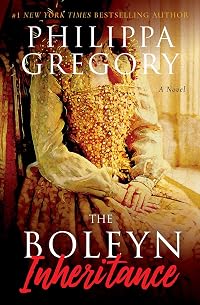
The Boleyn Inheritance
by Philippa Gregory
Tudor Court: Chronological Order (4), Plantagenets and Tudors (10)
On This Page
Description
From "the queen of royal fiction" (USA TODAY) comes this New York Times bestseller featuring three very different women whose fates are each bound by a bloody curse: the legacy of the Boleyn family.After the death of his third wife, Jane Seymour, King Henry VIII of England decides to take a new wife, but this time, not for love. The Boleyn Inheritance follows three women whose lives are forever changed because of the king's decision, as they must balance precariously in an already shaky show more Tudor Court.
Anne of Cleves is to be married to Henry to form a political alliance, though the rocky relationship she has to the king does not bode well for her or for England.
Katherine Howard is the young, beautiful woman who captures Henry's eye, even though he is set to marry Anne. Her spirit runs free and her passions run hot—though her affections may not be returned upon the King.
Jane Rochford was married to George Boleyn, and it was her testimony that sent her husband and infamous sister-in-law Anne to their deaths. Throughout the country, her name is known for malice, jealousy, and twisted lust.
The Boleyn Inheritance is a novel drawn tight as a lute string about three women whose positions brought them wealth, admirations, and power, as well as deceit, betrayal, and terror. show less
Tags
Recommendations




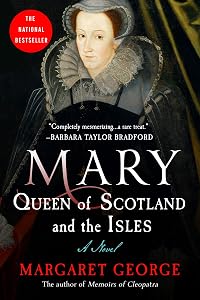
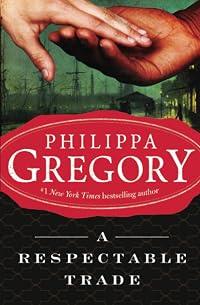


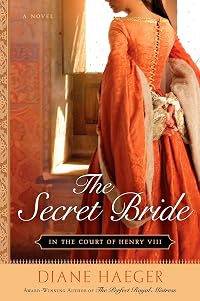
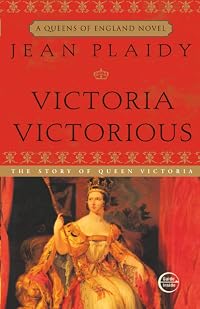

Member Recommendations
Member Reviews
The Boleyn Inheritance by Philippa Gregory is set in England during the reign of King Henry VIII. The reader is given first person narratives from Jane Boleyn (Lady Rochford, wife of George Boleyn and sister-in-law to Anne Boleyn), Anne of Cleves and Katherine Howard.
Beginning in 1539, we meet Anne when she's the Duchess of Cleves. She's keen to escape her domineering brother and make the biggest match possible to become Queen of England. I really enjoyed this different perspective on Anne's life, her mindset and the way in which she navigated the challenges of coming to a land without knowing the language. Navigating the tricky court of Henry VIII was a real culture shock:
"Clearly, I will never be alone again for another moment in all show more my life." Page 59 Anne, Calais, December 1539
Anne's first meeting with the King was a disaster - as we know - but I enjoyed Gregory's interpretation of the events which have since become legendary.
Meanwhile, Jane Boleyn has been away from court following the execution of her husband and sister-in-law for treason in 1536. Jane is ambitious and a social climber, as becomes clear early on in the book:
"Once again I shall be at court. Once again I shall be the closest friend of the queen, a constant companion in her chamber. I shall see everything, know everything. I shall be at the very centre of life again, I shall be the new Queen Anne's lady in waiting, serving her as loyally and well as I have served the other three of King Henry's queens. If he can rise up and marry again without fear of ghosts, then so can I." Page 15, Jane Boleyn, Blickling Hall, Norfolk November 1539
Jane struggles with her role in the demise of her husband and sister-in-law and again the author offers a refreshing perspective on her motives. Jane strives to be Anne's confidant, all the while recognising the precarious nature of her union with the King:
"She will have to learn to obey him. Not in the grand things, any woman can put on a bit of a show. But in the thousand petty compromises that come to a wife every day. The thousand times a day when one has to bite the lip and bow the head and not argue in public, nor in private, nor even in the quiet recesses of one's own mind. If your husband is a king, this is even more important. If your husband is King Henry, it is a life or death decision." Page 124 Jane Boleyn, Greenwich Palace, 6 January 1540
Serving Anne of Cleves in court is Katherine Howard who is portrayed as a young, foolish, sexually active and extremely flirtatious young lady. Anne had been the subject of unkind gossip from the court when young Kitty Howard came to her defence:
"I was so grateful to her for that. She is a foolish, frivolous little thing but she has the cleverness of a stupid girl, since, like any stupid girl, she only thinks about one thing, and so she has become very expert in that." Page 189 Anne, Hampton Court, March 1540
Despite the age gap, Katherine is encouraged to flirt with King Henry and is naive about what might follow. Seeking the King's favour and her time in the limelight, she convinces herself:
"The other wives did as they had to do, their lives ended as God and the king willed; it is really nothing to me. Even my cousin Anne Boleyn shall be nothing to me. I shall not think of her, nor of our uncle pushing her on to the throne and then pushing her on to the scaffold." Page 257 Katherine, Norfolk House, Lambeth, June 1540
Meanwhile, King Henry takes his time setting aside Anne of Cleves and making her his sister in order to annul their loveless marriage. At the age of twenty-five, Anne is frustrated that she's done nothing wrong, yet by agreeing to the terms and saving her neck, the cost of staying alive is great:
"I will have to face a single life, without lover, or husband, or companion. I will have to face a lonely life, without family. I will never have a child of my own, I will never have a son to come after me, I will never have my own daughter to love. I will have to be a nun without a convent, a widow with no memories, a wife of six months and a virgin. I will have to face life in exile. I will never see Cleves again. I will never see my mother again." Page 288 Anne, Richmond Palace, 12 July 1540
Despite knowing the history and seeing it portrayed in multiple documentaries, drama series, movies and historical fiction novels over the years, Philippa Gregory managed to make me care for all three characters. The novel takes us right up to the point of Katherine's and Jane's deaths at the Tower of London in February 1542, with a jump in time of five years to 1547 and the death of King Henry, setting Anne free from his reach at last.
This book is part of 'The Plantagenet and Tudor Novels' series, previously known as the 'Cousins War' and 'Tudor Court' series and each of the 15 books can be read as a stand alone. The Boleyn Inheritance is Book 10 and I can highly recommend it. show less
Beginning in 1539, we meet Anne when she's the Duchess of Cleves. She's keen to escape her domineering brother and make the biggest match possible to become Queen of England. I really enjoyed this different perspective on Anne's life, her mindset and the way in which she navigated the challenges of coming to a land without knowing the language. Navigating the tricky court of Henry VIII was a real culture shock:
"Clearly, I will never be alone again for another moment in all show more my life." Page 59 Anne, Calais, December 1539
Anne's first meeting with the King was a disaster - as we know - but I enjoyed Gregory's interpretation of the events which have since become legendary.
Meanwhile, Jane Boleyn has been away from court following the execution of her husband and sister-in-law for treason in 1536. Jane is ambitious and a social climber, as becomes clear early on in the book:
"Once again I shall be at court. Once again I shall be the closest friend of the queen, a constant companion in her chamber. I shall see everything, know everything. I shall be at the very centre of life again, I shall be the new Queen Anne's lady in waiting, serving her as loyally and well as I have served the other three of King Henry's queens. If he can rise up and marry again without fear of ghosts, then so can I." Page 15, Jane Boleyn, Blickling Hall, Norfolk November 1539
Jane struggles with her role in the demise of her husband and sister-in-law and again the author offers a refreshing perspective on her motives. Jane strives to be Anne's confidant, all the while recognising the precarious nature of her union with the King:
"She will have to learn to obey him. Not in the grand things, any woman can put on a bit of a show. But in the thousand petty compromises that come to a wife every day. The thousand times a day when one has to bite the lip and bow the head and not argue in public, nor in private, nor even in the quiet recesses of one's own mind. If your husband is a king, this is even more important. If your husband is King Henry, it is a life or death decision." Page 124 Jane Boleyn, Greenwich Palace, 6 January 1540
Serving Anne of Cleves in court is Katherine Howard who is portrayed as a young, foolish, sexually active and extremely flirtatious young lady. Anne had been the subject of unkind gossip from the court when young Kitty Howard came to her defence:
"I was so grateful to her for that. She is a foolish, frivolous little thing but she has the cleverness of a stupid girl, since, like any stupid girl, she only thinks about one thing, and so she has become very expert in that." Page 189 Anne, Hampton Court, March 1540
Despite the age gap, Katherine is encouraged to flirt with King Henry and is naive about what might follow. Seeking the King's favour and her time in the limelight, she convinces herself:
"The other wives did as they had to do, their lives ended as God and the king willed; it is really nothing to me. Even my cousin Anne Boleyn shall be nothing to me. I shall not think of her, nor of our uncle pushing her on to the throne and then pushing her on to the scaffold." Page 257 Katherine, Norfolk House, Lambeth, June 1540
Meanwhile, King Henry takes his time setting aside Anne of Cleves and making her his sister in order to annul their loveless marriage. At the age of twenty-five, Anne is frustrated that she's done nothing wrong, yet by agreeing to the terms and saving her neck, the cost of staying alive is great:
"I will have to face a single life, without lover, or husband, or companion. I will have to face a lonely life, without family. I will never have a child of my own, I will never have a son to come after me, I will never have my own daughter to love. I will have to be a nun without a convent, a widow with no memories, a wife of six months and a virgin. I will have to face life in exile. I will never see Cleves again. I will never see my mother again." Page 288 Anne, Richmond Palace, 12 July 1540
Despite knowing the history and seeing it portrayed in multiple documentaries, drama series, movies and historical fiction novels over the years, Philippa Gregory managed to make me care for all three characters. The novel takes us right up to the point of Katherine's and Jane's deaths at the Tower of London in February 1542, with a jump in time of five years to 1547 and the death of King Henry, setting Anne free from his reach at last.
This book is part of 'The Plantagenet and Tudor Novels' series, previously known as the 'Cousins War' and 'Tudor Court' series and each of the 15 books can be read as a stand alone. The Boleyn Inheritance is Book 10 and I can highly recommend it. show less
Opening Sentence : '...It is hot today, the wind blows over the flat fields and marshes with the stink of plague ...'
Readers are returned to Henry VIII's court at the end of his reign - the fear, false gaity and suspicion that prevail is vividly brought to life. Two of his last three wives, as well as an ex-sister-in-law of Anne Boleyn, alternately narrate: Henry's fourth wife, Bavarian-born Anne of Cleves; his fifth wife, the air-headed, sexually advanced, teenager Katherine Howard; and Lady Rochford (Jane Boleyn), the jealous wife of George Boleyn whose testimony helped send her husband... and sister-in-law Anne Boleyn to their execution.
Starting with Anne of Cleves who endures a disastrous first encounter with the twice-her-age show more king—the same occasion where Henry takes notice of Katherine Howard. Anne of Cleves's decision to stay in England after her divorce rather than return home is very plausable, and makes her a character to sympathise with, as well as be glad she wasn't executed. As for Gregory's portrayal of Katherine, it is brilliant. She is only a 15/16 year old girl - being forced by her family to allow an old and stinky man to slobber over her. Her rise and fall is recorded by the featherbrained, selfish teen counting her possessions when it is her turn to narrate. poor little thing didn't see, or understand, what was coming.
I am lead to believe that this is the last Tudor book from Philippa Gregory - I wonder what period she will go to next? show less
Readers are returned to Henry VIII's court at the end of his reign - the fear, false gaity and suspicion that prevail is vividly brought to life. Two of his last three wives, as well as an ex-sister-in-law of Anne Boleyn, alternately narrate: Henry's fourth wife, Bavarian-born Anne of Cleves; his fifth wife, the air-headed, sexually advanced, teenager Katherine Howard; and Lady Rochford (Jane Boleyn), the jealous wife of George Boleyn whose testimony helped send her husband... and sister-in-law Anne Boleyn to their execution.
Starting with Anne of Cleves who endures a disastrous first encounter with the twice-her-age show more king—the same occasion where Henry takes notice of Katherine Howard. Anne of Cleves's decision to stay in England after her divorce rather than return home is very plausable, and makes her a character to sympathise with, as well as be glad she wasn't executed. As for Gregory's portrayal of Katherine, it is brilliant. She is only a 15/16 year old girl - being forced by her family to allow an old and stinky man to slobber over her. Her rise and fall is recorded by the featherbrained, selfish teen counting her possessions when it is her turn to narrate. poor little thing didn't see, or understand, what was coming.
I am lead to believe that this is the last Tudor book from Philippa Gregory - I wonder what period she will go to next? show less
I am becoming addicted to Philippa Gregory's novels. Impeccably researched and masterfully narrated stories of the women in the murderous court of Henry VIII, they hook the reader like a thriller. We know what happens to them, these women who are mostly used to further the ambition of the men in their families. They are killed, or discarded when no longer useful. Some lucky few escape, like Anne of Cleves and Mary Boleyn. Others, like little Katherine Howard, never stood a chance.
But it's Gregory's imagining of these women's inner voices that pulls us in. In this, the third of the Tudor Court series, the least-known of Henry's wives are given the ability to tell their own tale. Anne of Cleves is desperate to escape the cruelty and show more neglect of her family. Picked out by Thomas Cromwell as a means to ally England with Protestants in Europe, she is utterly unprepared for the real Henry Tudor. No longer the dashing prince beloved for his good looks and heroic sportsmanship, he rails in vain against his increasing age and toxic leg wound while gorging himself at dinner and lets himself believe Kitty, Anne's pretty young maid-in-waiting, is actually in love with him. Both women are treated appallingly by their families: neglected and ignored until they are seen to be of use. And now that Henry is able to remake England's laws and religion with impunity they, like all his subjects, are at his capricious mercy.
A third narrative voice comes in the person of Jane Boleyn, Lady Rochford, sister-in-law to Anne Boleyn and wife to George. Their ghosts haunt her, the bright, shining, most beautiful pair ever to be seen at court. The part Jane played in their deaths, and the role she now assumes in the Queen's chambers under the auspices of her uncle Thomas Howard, the Duke of Norfolk, tell a story of a woman desperate for some power of her own.
I've already reserved a copy of "The Taming of the Queen", Katherine Parr's story, from my library. Can't wait! show less
But it's Gregory's imagining of these women's inner voices that pulls us in. In this, the third of the Tudor Court series, the least-known of Henry's wives are given the ability to tell their own tale. Anne of Cleves is desperate to escape the cruelty and show more neglect of her family. Picked out by Thomas Cromwell as a means to ally England with Protestants in Europe, she is utterly unprepared for the real Henry Tudor. No longer the dashing prince beloved for his good looks and heroic sportsmanship, he rails in vain against his increasing age and toxic leg wound while gorging himself at dinner and lets himself believe Kitty, Anne's pretty young maid-in-waiting, is actually in love with him. Both women are treated appallingly by their families: neglected and ignored until they are seen to be of use. And now that Henry is able to remake England's laws and religion with impunity they, like all his subjects, are at his capricious mercy.
A third narrative voice comes in the person of Jane Boleyn, Lady Rochford, sister-in-law to Anne Boleyn and wife to George. Their ghosts haunt her, the bright, shining, most beautiful pair ever to be seen at court. The part Jane played in their deaths, and the role she now assumes in the Queen's chambers under the auspices of her uncle Thomas Howard, the Duke of Norfolk, tell a story of a woman desperate for some power of her own.
I've already reserved a copy of "The Taming of the Queen", Katherine Parr's story, from my library. Can't wait! show less
This installment in the Tudor series was Philippa Gregory at her best, giving life to some of the least known or understood characters of the Tudor era. Two queens, one perpetual lady-in-waiting and the ever cunning Duke of Norfolk make this story gripping and frightening.
First, there is Anne of Cleves, a twenty-four year old queen, who reigns some six months, but is savvy enough to survive being disposed of by Henry VIII, a feat that few of his wives could boast. Anyone familiar with her story must have wondered why she elected to stay in England after Henry set her aside for Katherine Howard and how she managed to become regarded as his “sister” after she had been his wife. We are mostly told by historians that he found her ugly, show more but Gregory’s explanations are far more believable and credible than that, and she gives this shadowy queen life.
Next, there is Katherine Howard, the fifteen year old, who is beheaded like her cousin Anne Boleyn, but with much less fanfare. Little is known in actuality about Katherine, with exception of an extant letter from her to her lover, Thomas Culpepper. Gregory makes her a pretty and foolish teenager, taken with the limelight and repulsed by the fetid old man, whom no one can deny Henry VIII had become. Again, there is no doubt that this is who she might have been, as plausible a portrait as anyone could draw without having more information to draw on.
The third woman we are allowed to see closely is Jane Boleyn. Ah, here much is known and even more imagined, but this is a portrait of Jane that is somehow removed from the cold and calculating portrait we normally see. Not that she is warm, or soft, or lovable, but she is, here, human and pitiable.
In fact, even Henry himself is different in this account than in any of the previous ones, but this incarnation seems to be the logical outgrowth of what has come before--a madman, and in many ways a monster. How else to explain a man who would bed a fifteen year old, thinking she desires him, or behead a seventeen year old girl because she does not.
I have three more installments in the Plantagenet/Tudor series and I am certain I will miss having another to look forward to when I have completed them all. show less
First, there is Anne of Cleves, a twenty-four year old queen, who reigns some six months, but is savvy enough to survive being disposed of by Henry VIII, a feat that few of his wives could boast. Anyone familiar with her story must have wondered why she elected to stay in England after Henry set her aside for Katherine Howard and how she managed to become regarded as his “sister” after she had been his wife. We are mostly told by historians that he found her ugly, show more but Gregory’s explanations are far more believable and credible than that, and she gives this shadowy queen life.
Next, there is Katherine Howard, the fifteen year old, who is beheaded like her cousin Anne Boleyn, but with much less fanfare. Little is known in actuality about Katherine, with exception of an extant letter from her to her lover, Thomas Culpepper. Gregory makes her a pretty and foolish teenager, taken with the limelight and repulsed by the fetid old man, whom no one can deny Henry VIII had become. Again, there is no doubt that this is who she might have been, as plausible a portrait as anyone could draw without having more information to draw on.
The third woman we are allowed to see closely is Jane Boleyn. Ah, here much is known and even more imagined, but this is a portrait of Jane that is somehow removed from the cold and calculating portrait we normally see. Not that she is warm, or soft, or lovable, but she is, here, human and pitiable.
In fact, even Henry himself is different in this account than in any of the previous ones, but this incarnation seems to be the logical outgrowth of what has come before--a madman, and in many ways a monster. How else to explain a man who would bed a fifteen year old, thinking she desires him, or behead a seventeen year old girl because she does not.
I have three more installments in the Plantagenet/Tudor series and I am certain I will miss having another to look forward to when I have completed them all. show less
Yet another book about the Tudors. But with a twist. This book is told from the first person perspective, by three different women (Jane Rochford, Anne of Cleves and Katherine Howard). The widely different characters of the books make it an interesting read. Having read a lot of Tudor books, I knew the story already. I thought it was interesting how plausible and logical Philippa Gregory made the events appear when seen from the perspective of three women involved. I do think Lady Rochford was portrayed a bit too normal and sweet though. She must have been either a b**** or insane, or both. But I guess her actions must have seemed sensible to herself, and this being 'her' story I guess it's not too strange that her part in the events show more seemed a bit more normal than I would have liked.
I loved the naive and shallow character of Katherine and the sensible character of Anne of Cleves. This book is one of the few I've read that makes Anne of Cleves seem like a real and interesting person instead of a caricature, the smelly woman from Germany. I've read explanations of how sauerkraut can have that effect on women. Even if that were so, Henry VIII is hardly one to talk with his festering leg!! But if you can't get it up, blame it on the wife, right? That part of the story was very plausible as well: the anxiety of Henry desperately wanting an heir, the way the women handled his impotence, the way he tried to recover some of his lost youth by chasing after a young girl. The story made Henry seem human; both mad and tragic at the same time. Highly recommended. show less
I loved the naive and shallow character of Katherine and the sensible character of Anne of Cleves. This book is one of the few I've read that makes Anne of Cleves seem like a real and interesting person instead of a caricature, the smelly woman from Germany. I've read explanations of how sauerkraut can have that effect on women. Even if that were so, Henry VIII is hardly one to talk with his festering leg!! But if you can't get it up, blame it on the wife, right? That part of the story was very plausible as well: the anxiety of Henry desperately wanting an heir, the way the women handled his impotence, the way he tried to recover some of his lost youth by chasing after a young girl. The story made Henry seem human; both mad and tragic at the same time. Highly recommended. show less
The Boleyn Inheritance recounts the lives of King Henry VIII's fourth and fifth wives: Anne of Cleves and Katherine Howard. The book begins in 1539, when Anne is chosen to be Henry's wife. Once at court, she is attended by Jane Boleyn as her lady in waiting. During Anne's brief reign as queen, Katherine is a young lady's maid. She is no more than 15 years old, and portrayed as self-centered, materialistic, and loose. Jane is older and wiser, and has the dubious distinction of having given evidence against her husband, George, and her sister-in-law, Anne Boleyn, which led to their execution (Gregory's earlier novel, The Other Boleyn Girl, covers that period in Tudor history). Throughout the book, Jane is in cahoots with her uncle, the show more Duke of Norfolk, developing schemes to build her family's wealth and status at court.
The story is told from three points of view: Anne, Jane, and Katherine. This is an excellent device, which allows for many aspects of the story to be revealed in ways that would be impossible if told by a single narrator. I most enjoyed Gregory's portrayal of Anne of Cleves. Anne comes across as the smartest one of the bunch, level-headed and able to forgive the egregious allegations against her. The descriptions of court life, and Henry VIII's tyrannical rule, make for compelling reading. While some liberties may have been taken in the interest of storytelling, Gregory includes an author's note at the end of the book, where she acknowledges the aspects of the story based on historical record, and those she had to invent (chief among them, Jane Boleyn's motives in perpetrating evil on the two queens). This was an enjoyable read, and at some point I'd like to add to my knowledge by reading non-fiction works on Tudor history. show less
The story is told from three points of view: Anne, Jane, and Katherine. This is an excellent device, which allows for many aspects of the story to be revealed in ways that would be impossible if told by a single narrator. I most enjoyed Gregory's portrayal of Anne of Cleves. Anne comes across as the smartest one of the bunch, level-headed and able to forgive the egregious allegations against her. The descriptions of court life, and Henry VIII's tyrannical rule, make for compelling reading. While some liberties may have been taken in the interest of storytelling, Gregory includes an author's note at the end of the book, where she acknowledges the aspects of the story based on historical record, and those she had to invent (chief among them, Jane Boleyn's motives in perpetrating evil on the two queens). This was an enjoyable read, and at some point I'd like to add to my knowledge by reading non-fiction works on Tudor history. show less
Enjoyable and better than The Virgin's Lover. Here Gregory tells the intertwined tale of Anne of Cleves and Katherine Howard but the linchpin is the previously unknown to me Jane Boleyn, sister-in-law of Anne Boleyn. Gregory, in her afterword, calls her an absolute horror but I see her as more morally mixed, trying to survive in the extremely dangerous Tudor world and court. By the end, she is described as twisted and pathetic but the Machievellian Duke of Norfolk seems to come out unscathed from being the architect of all this blood and betrayal. It is also hard to imagine that Katherine Howard is that simple but it is nice to see Anne of Cleves given a sympathetic portryal. Enjoyable and a quick read, despite how thick it is.
Members
- Recently Added By
Lists

Best Historical Fiction
620 works; 261 members

Historical Fiction
889 works; 90 members

Female Author
1,234 works; 67 members

Books about King Henry VIII
17 works; 13 members

Books Read in 2015
3,299 works; 129 members

Sunny Summer Reads!
13 works; 1 member

Books Read in 2021
5,361 works; 113 members
Author Information

129+ Works 86,588 Members
Philippa Gregory was born in Nairobi, Kenya on January 9, 1954. She received a B.A. in history at Sussex University in 1982 and a Ph.D. in 18th-century literature from the University of Edinburgh in 1984. She has taught at numerous universities and was made a fellow of Kingston University in 1994. Her historical novels include: Wideacre, The show more Queen's Fool, The Virgin's Lover, The Constant Princess, The Boleyn Inheritance, The Other Queen, The White Queen, The Red Queen, The Lady of the Rivers and The White Princess. She has also written several contemporary fiction works including Perfectly Correct, The Little House and Zelda's Cut. She adapted her novel A Respectable Trade, about the slave trade in England, into a four-part series for BBC television. Her script won an award from the Committee for Racial Equality. She won the Feminist Book Fortnight Award in 1990 and the Romantic Novelist of the Year Award in 2002. Her book, The Other Boleyn Girl, won the Parker Romantic Novel of the Year award and was adapted into a major feature film in 2008 starring Natalie Portman and Scarlett Johansson. The White Queen was adapted into an original cable series on the Starz nertwork in 2013 starring Max Irons and Rebecca Ferguson. Her title The Kings Curse made the New York Times bestseller list in 2014. Her title, The Taming of the Queen, made the New York Times bestseller list in 2015. Her latest bestseller is Three Sisters, Three Queens. Gregory also writes children's books, is a regular contributor to newspapers and magazines, a frequent broadcaster for radio and television, and runs a small charity that builds wells in schoolyards in Gambia. (Bowker Author Biography) show less
Some Editions
Awards and Honors
Series


Work Relationships
Is contained in
Wideacre / The Favored Child / Meridon / The Constant Princess / The Boleyn Inheritance / The Queen's Fool / The Other Boleyn Girl by Philippa Gregory
The Boleyn Inheritance/The Other Boleyn Girl/The Virgin's Lover/Queen's Fool/Wideacre/Constant Princess/Meridon/Earthly Joys/Virgin Earth by Philippa Gregory
Has as a student's study guide
Common Knowledge
- Canonical title*
- Das Erbe der Königin
- Original title
- The Boleyn Inheritance
- Original publication date
- 2006
- People/Characters
- Katherine Howard; Jane Boleyn; Anne of Cleves; Henry VIII, King of England; Thomas Culpepper; Francis Dereham (show all 7); Thomas Howard, 3rd Duke of Norfolk
- Important places
- England, UK; London, England, UK; Cleves, North Rhine-Westphalia, Germany
- Epigraph
- [None]
- Dedication
- For Anthony
- First words
- It is hot today, the wind blows over the flat fields and marshes with the stink of the plague.
It is hot today, the wind blows over he flat fields and marshes with the stink of the plague. - Last words
- (Click to show. Warning: May contain spoilers.)It is no small thing, this, for a woman: freedom.
- Blurbers
- Mosse, Kate
- Original language
- English
*Some information comes from Common Knowledge in other languages. Click "Edit" for more information.
Classifications
Statistics
- Members
- 6,720
- Popularity
- 1,790
- Reviews
- 178
- Rating
- (3.82)
- Languages
- 15 — Danish, Dutch, English, French, German, Greek, Hungarian, Italian, Lithuanian, Portuguese, Romanian, Slovenian, Spanish, Swedish, Turkish
- Media
- Paper, Audiobook, Ebook
- ISBNs
- 74
- ASINs
- 34