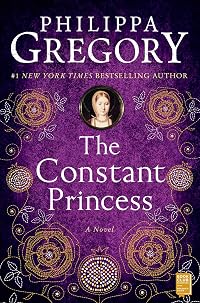
The Constant Princess
by Philippa Gregory
Tudor Court: Chronological Order (1), Plantagenets and Tudors (6)
On This Page
Description
From #1 New York Times bestselling author and "queen of royal fiction" (USA TODAY) Philippa Gregory comes the remarkable story of Katherine of Aragon, Princess of Spain, daughter of two great monarchs, and eventual Queen of England when she marries the infamous King Henry VIII.Daughter of Queen Isabella and King Ferdinand of Spain, Katherine has been fated her whole life to marry Prince Arthur of England. When they meet and are married, the match becomes as passionate as it is politically show more expedient. The young lovers revel in each other's company and plan the England they will make together. But tragically, aged only fifteen, Arthur falls ill and extracts from his sixteen-year-old bride a deathbed promise to marry his brother, Henry; become Queen; and fulfill their dreams and her destiny.
Widowed and alone in the avaricious world of the Tudor court, Katherine has to sidestep her father-in-law's desire for her and convince him, and an incredulous Europe, that her marriage to Arthur was never consummated, that there is no obstacle to marriage with Henry. For seven years, she endures the treachery of spies, the humiliation of poverty, and intense loneliness and despair while she waits for the inevitable moment when she will step into the role she has prepared for all her life. Then, like her warrior mother, Katherine must take to the battlefield and save England when its old enemies the Scots come over the border and there is no one to stand against them but the new Queen. show less
Tags
Recommendations




Member Recommendations
Member Reviews
[Abridged audiobook version] Gregory's historical fiction is satisfying enough if you don't ask much of it. Soapy, easy to follow, throw in a little intrigue, courtly manners, some wild conjecture for entertainment's sake—there's a place for this in my life once in a while. But that doesn't go very far. To the extent I am interested in history, I am interested in specific people who become compelling to me, much more than I am interested in an era per se. This may be why I look to fiction before real scholarship when I acquire a new historical fixation, but it always does leave me wanting something more authentic and well-reasoned. If any writers are both credible academics and thoughtful novelists, I hope I will come across them.
So show more being primarily invested in characters, I take all kinds of umbrage when they are mistreated, as I feel Katharine of Aragon is here. Gregory's proposition of a deathbed promise to Arthur, that though they were lovers and the great loves of each other's lives she will lie and say she is a virgin so she can bag Henry and be Queen of England after all, leads to so many completely insane distortions of her character. Although I feel I would be more naturally drawn to the tactical, sensuous, cynical woman in this story, the fact is my attachment is to Katharine, who would certainly have felt she was damning herself if she'd so much as thought of half the things this woman does. Unless all her piety and self-denial were a part of this great lie, in which case brava. PS let me just say I am in no way opposed to a good bodice-ripping scene, however how often do eyes need to "darken with desire," really?
I wish Gregory had left out the legatine court altogether instead of tacking it on at the end. It is out of place, rushed, and what's worse she tries to tie all her theories together in Katharine's thoughts about the trial and here in summation it seems all the more starkly wrong. Katharine admits to herself her marriage to Henry is not legal but she is confident he is too much of a coward to publicly denounce her on the virginity point! Imagine Katharine admitting even for a moment, even privately, her marriage was invalid, her child illegitimate, her claim to the throne baseless. It is terribly wrong, and insulting. In exalting Arthur's place in her heart Gregory permits no hint of Katharine's persevering, yes /constant/ devotion to Henry. If this is all so Katharine of Aragon must truly have been some actress. Gregory's Henry is to Katharine only a little boy to be manipulated, to feel perhaps some affection for—I can't imagine how Gregory would have reconciled this with Katharine's life after her banishment from court if she had chosen to address it. I guess she'd have been thinking of Arthur all that time, eh?
I am no scholar myself, I will own that I am totally looking for Tudors Lite here, but this fantasy rubbed me the wrong way quite often. This romantic idea of her carrying a torch for Arthur all her life is preposterous to begin with (not speaking as any great partisan for Henry, either) and it's all so much nonsense from there. I do hope there are some less silly novelizations of Katharine's life. I'll read on.
(A few notes on the audio version: the abridgement was quite well done; it does not feel like huge chunks are missing from Gregory's narrative. Kate Burton does good voice work, although some of the little girl voices she puts on for Katharine are grating, especially while she's on the battlefield. I don't know how much is excised from the book, but 5½ hours of this was just right.) show less
So show more being primarily invested in characters, I take all kinds of umbrage when they are mistreated, as I feel Katharine of Aragon is here. Gregory's proposition of a deathbed promise to Arthur, that though they were lovers and the great loves of each other's lives she will lie and say she is a virgin so she can bag Henry and be Queen of England after all, leads to so many completely insane distortions of her character. Although I feel I would be more naturally drawn to the tactical, sensuous, cynical woman in this story, the fact is my attachment is to Katharine, who would certainly have felt she was damning herself if she'd so much as thought of half the things this woman does. Unless all her piety and self-denial were a part of this great lie, in which case brava. PS let me just say I am in no way opposed to a good bodice-ripping scene, however how often do eyes need to "darken with desire," really?
I wish Gregory had left out the legatine court altogether instead of tacking it on at the end. It is out of place, rushed, and what's worse she tries to tie all her theories together in Katharine's thoughts about the trial and here in summation it seems all the more starkly wrong. Katharine admits to herself her marriage to Henry is not legal but she is confident he is too much of a coward to publicly denounce her on the virginity point! Imagine Katharine admitting even for a moment, even privately, her marriage was invalid, her child illegitimate, her claim to the throne baseless. It is terribly wrong, and insulting. In exalting Arthur's place in her heart Gregory permits no hint of Katharine's persevering, yes /constant/ devotion to Henry. If this is all so Katharine of Aragon must truly have been some actress. Gregory's Henry is to Katharine only a little boy to be manipulated, to feel perhaps some affection for—I can't imagine how Gregory would have reconciled this with Katharine's life after her banishment from court if she had chosen to address it. I guess she'd have been thinking of Arthur all that time, eh?
I am no scholar myself, I will own that I am totally looking for Tudors Lite here, but this fantasy rubbed me the wrong way quite often. This romantic idea of her carrying a torch for Arthur all her life is preposterous to begin with (not speaking as any great partisan for Henry, either) and it's all so much nonsense from there. I do hope there are some less silly novelizations of Katharine's life. I'll read on.
(A few notes on the audio version: the abridgement was quite well done; it does not feel like huge chunks are missing from Gregory's narrative. Kate Burton does good voice work, although some of the little girl voices she puts on for Katharine are grating, especially while she's on the battlefield. I don't know how much is excised from the book, but 5½ hours of this was just right.) show less
Addition to my TBR from a bookcrossing meeting
I will willingly admit that my knowledge of certain periods of history are lax to say the least: I know that Katherine of Aragon was married to King Henry VIII’s brother Arthur. After Arthur’s death, still aged 16, she became Henry’s first wife, only to be usurped by Anne Boleyn. What has been missing are the small details of how that marriage could be arranged, against the rules set out in the bible (Leviticus 20: Verse 21: If a man takes his brother’s wife, it is impurity. He has uncovered his brother’s nakedness; they shall be childless.).
The book is split into 4 parts: the first being Caterina’s (Catherine’s) childhood and marriage to Arthur, Henry’s olderbrother. In this show more book, Caterina and Arthur are madly in love as he dies, the marriage has been consummated, and it is her promise to Arthur as much as anything that drives the following decisions she makes. Part 2 covers the years between Arthur’s death and her marriage to Henry 6 years later. Part 3 is her second marriage until Henry and Catherine’s coronation; Part 4 are the following few years as Catherine becomes queen, only for her position to be undermined by the multiple miscarriages along withe the developing threats of her husband’s wandering eye (in particular Anne Boleyn).
It is Catherine’s childhood following her parents around Spain that influences her later ability to rule England (suppressing the Scots) whilst Henry is in France. Her strength in war, combined with an almost fervent belief in the Catholic faith – and that her actions are defined by God – are continually foremost in her mind.
katherine of aragonKatherine of Aragon
Whilst pregnant for the first time, she realises that there are no decent doctors in western Europe, as the only ones who know anything (Jews and Moors) have been driven out by her parents. When she does find a moorish doctor to consult, it has to be in secret, and she realises he is the only one she can trust to tell her the truth. When she later defends England successfully against the Scots, she has the opportunity to decimate the Scottish lands after the Scottish King has been destroyed, only chooses not to.
Finally, the book jumps forward approx 16 years, where Katherine is preparing herself to face her husband and accusers who wish to pronounce her marriage invalid so that Henry can marry Anne. It is this act, and the political machinations behind it, that lead to the break with Rome and the setting up of the Church Of England.
There are two voices in this book – that of the standard 3rd party narrative, interspersed with a first person narrative of Katherine herself. The 3rd person was more successful I thought, and I did tire of the relentless, occasional multiple page italicised first person narrative of Catherine, and ended up skimming much. However, the very short, one liners, were very effective, so wonder if this tool could have been used to better effect? Overall however, I enjoyed the book, and it was a decent addition to a missing gap in my historical narrative show less
I will willingly admit that my knowledge of certain periods of history are lax to say the least: I know that Katherine of Aragon was married to King Henry VIII’s brother Arthur. After Arthur’s death, still aged 16, she became Henry’s first wife, only to be usurped by Anne Boleyn. What has been missing are the small details of how that marriage could be arranged, against the rules set out in the bible (Leviticus 20: Verse 21: If a man takes his brother’s wife, it is impurity. He has uncovered his brother’s nakedness; they shall be childless.).
The book is split into 4 parts: the first being Caterina’s (Catherine’s) childhood and marriage to Arthur, Henry’s olderbrother. In this show more book, Caterina and Arthur are madly in love as he dies, the marriage has been consummated, and it is her promise to Arthur as much as anything that drives the following decisions she makes. Part 2 covers the years between Arthur’s death and her marriage to Henry 6 years later. Part 3 is her second marriage until Henry and Catherine’s coronation; Part 4 are the following few years as Catherine becomes queen, only for her position to be undermined by the multiple miscarriages along withe the developing threats of her husband’s wandering eye (in particular Anne Boleyn).
It is Catherine’s childhood following her parents around Spain that influences her later ability to rule England (suppressing the Scots) whilst Henry is in France. Her strength in war, combined with an almost fervent belief in the Catholic faith – and that her actions are defined by God – are continually foremost in her mind.
katherine of aragonKatherine of Aragon
Whilst pregnant for the first time, she realises that there are no decent doctors in western Europe, as the only ones who know anything (Jews and Moors) have been driven out by her parents. When she does find a moorish doctor to consult, it has to be in secret, and she realises he is the only one she can trust to tell her the truth. When she later defends England successfully against the Scots, she has the opportunity to decimate the Scottish lands after the Scottish King has been destroyed, only chooses not to.
Finally, the book jumps forward approx 16 years, where Katherine is preparing herself to face her husband and accusers who wish to pronounce her marriage invalid so that Henry can marry Anne. It is this act, and the political machinations behind it, that lead to the break with Rome and the setting up of the Church Of England.
There are two voices in this book – that of the standard 3rd party narrative, interspersed with a first person narrative of Katherine herself. The 3rd person was more successful I thought, and I did tire of the relentless, occasional multiple page italicised first person narrative of Catherine, and ended up skimming much. However, the very short, one liners, were very effective, so wonder if this tool could have been used to better effect? Overall however, I enjoyed the book, and it was a decent addition to a missing gap in my historical narrative show less
This is a very insightful work I to the life of Katherine of Aragon, Queen of England. Again, Philippa Gregory has beautifully woven fact and fiction and with her reasearch has given us a possible insight into Katherine’s life.
I enjoyed the way we saw Katherine’s thoughts and perspective intertwined with the events going on around her. This novel showed a strong, independent and resourceful woman who never shied away from what she believed was her destiny. To be Queen of England.
I enjoyed the way we saw Katherine’s thoughts and perspective intertwined with the events going on around her. This novel showed a strong, independent and resourceful woman who never shied away from what she believed was her destiny. To be Queen of England.
Historical fiction is among my favorite genres. I was so looking forward to reading in historical fiction that I had a really hard time narrowing down the stack of books to just one. In the end, I selected The Constant Princess by Philippa Gregory.
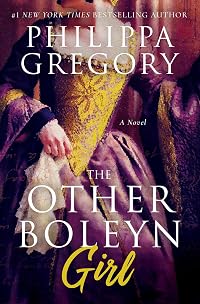
Gregory is famous for her series of novels about the Tudor royals, especially The Other Boleyn Girl. I decided on The Constant Princess because the main character is Katherine of Aragon, and she is a historical figure I have always greatly admired, whereas I have regarded the other Tudors with mild disdain. I like the Plantagenet kings, especially Richard III after reading his biography by Paul Murray Kendall.
The Constant Princess begins with a scene from Katherine’s childhood on the show more battlefields of Spain. From the earliest moments, Katherine (born Catalina) is trained to be a ruling queen by her mother, Queen Isabella, and her father, King Ferdinand. When Catalina leaves her home and travels to England, she is confronted by a whole new world. She finds that the weather is extreme, the social norms strange, and the courtly manners uncouth. Born to be Queen of England, however, she must adapt herself to her new home. Catalina finds comfort in her husband, Prince Arthur, but their happiness is short-lived. They have been married only nine months when he dies.
The politics of England are harsh for Catalina following Arthur’s death. The only way to fulfill her ambitions of becoming Queen of England is to say her marriage to Arthur was not consummated and convince the Kings of England and Spain to betroth her to Prince Harry. This she does, though she first lives in poverty and insignificance at court. As queen, Katherine is every bit as adept as her mother, Isabella. She feels threatened by only one fact – her inability to produce a male heir. The novel concludes with the birth of Princess Mary, Katherine’s only surviving child, who will become Queen Mary I follow the death of Henry VIII.
As opposed to most depictions of Katherine of Aragon, Gregory does not write about her in contrast to Anne Boleyn. In fact, Anne Boleyn is mentioned only in the epilogue. I found it a refreshing take on the story. Given the turmoil Henry VIII created for Anne Boleyn’s sake, it is her story we remember most, yet Katherine was queen for 20 years, and very much beloved by the English people. More so, in fact, than Anne Boleyn ever was.
I began this novel a great fan of Katherine of Aragon, and though I still remain one, Gregory’s novel has sobered my opinion of her. While depicting Katherine as a strong woman and great queen, she reminds readers that to survive in a royal court takes courage, resilience, and more than a little scheming.
In novels like this, there is a chance that the story will not be engaging. After all, we know the ending of Katherine of Aragon’s story. What I loved about Gregory’s novel was the insight into Katherine’s actions and character. I’m curious now about how she depicts the Tudors. Despite my love of the Plantagenet kings, I know I’ll be reading more of Gregory’s novels in the future. show less
Gregory is famous for her series of novels about the Tudor royals, especially The Other Boleyn Girl. I decided on The Constant Princess because the main character is Katherine of Aragon, and she is a historical figure I have always greatly admired, whereas I have regarded the other Tudors with mild disdain. I like the Plantagenet kings, especially Richard III after reading his biography by Paul Murray Kendall.
The Constant Princess begins with a scene from Katherine’s childhood on the show more battlefields of Spain. From the earliest moments, Katherine (born Catalina) is trained to be a ruling queen by her mother, Queen Isabella, and her father, King Ferdinand. When Catalina leaves her home and travels to England, she is confronted by a whole new world. She finds that the weather is extreme, the social norms strange, and the courtly manners uncouth. Born to be Queen of England, however, she must adapt herself to her new home. Catalina finds comfort in her husband, Prince Arthur, but their happiness is short-lived. They have been married only nine months when he dies.
The politics of England are harsh for Catalina following Arthur’s death. The only way to fulfill her ambitions of becoming Queen of England is to say her marriage to Arthur was not consummated and convince the Kings of England and Spain to betroth her to Prince Harry. This she does, though she first lives in poverty and insignificance at court. As queen, Katherine is every bit as adept as her mother, Isabella. She feels threatened by only one fact – her inability to produce a male heir. The novel concludes with the birth of Princess Mary, Katherine’s only surviving child, who will become Queen Mary I follow the death of Henry VIII.
As opposed to most depictions of Katherine of Aragon, Gregory does not write about her in contrast to Anne Boleyn. In fact, Anne Boleyn is mentioned only in the epilogue. I found it a refreshing take on the story. Given the turmoil Henry VIII created for Anne Boleyn’s sake, it is her story we remember most, yet Katherine was queen for 20 years, and very much beloved by the English people. More so, in fact, than Anne Boleyn ever was.
I began this novel a great fan of Katherine of Aragon, and though I still remain one, Gregory’s novel has sobered my opinion of her. While depicting Katherine as a strong woman and great queen, she reminds readers that to survive in a royal court takes courage, resilience, and more than a little scheming.
In novels like this, there is a chance that the story will not be engaging. After all, we know the ending of Katherine of Aragon’s story. What I loved about Gregory’s novel was the insight into Katherine’s actions and character. I’m curious now about how she depicts the Tudors. Despite my love of the Plantagenet kings, I know I’ll be reading more of Gregory’s novels in the future. show less
Normally Philippa Gregory makes my teeth clench because I think she's obnoxious about her dislike for Elizabeth and her mother Anne. It seems rude to belittle the subject of your fiction with all those petty jibes.
However, I thoroughly enjoyed "The Constant Princess." The scenes from Katherine's childhood where she describes how her heroic mother, Queen Isabella, wore silk under her armor riding out as Queen Militant were all new territory for me. Neither had I been aware of Katherine's role in as regent of warfare whilst Henry was away. I loved hearing about the comfort and sophistication of the Moorish palaces of Spain. I could certainly relate to Katherine missing the hammam in unbathed England.
So I say, this book was really lovely show more as a character study of Katherine of Aragon, Queen Militant. show less
However, I thoroughly enjoyed "The Constant Princess." The scenes from Katherine's childhood where she describes how her heroic mother, Queen Isabella, wore silk under her armor riding out as Queen Militant were all new territory for me. Neither had I been aware of Katherine's role in as regent of warfare whilst Henry was away. I loved hearing about the comfort and sophistication of the Moorish palaces of Spain. I could certainly relate to Katherine missing the hammam in unbathed England.
So I say, this book was really lovely show more as a character study of Katherine of Aragon, Queen Militant. show less
I generally love Philippa Gregory. I do not apologize for taking great pleasure in going to visit historical places like a fly on the wall and peeking into the way those lives might have been. Most of time, I can feel that Gregory’s version might have been true, because she sticks very close to the facts and only interpolates feelings and emotions to make the characters human. Somehow, I felt she went off the rails in this one. I even had cause to doubt the accuracy of her history. I can find no evidence, and have never heard it even implied, that Henry VII lusted after his daugher-in-law and sought her for his own bride before she was married to his son, Henry VIII.
For anyone who is familiar with Catherine of Aragon, the first wife show more of Henry VIII, they will know that she was first married to his older brother, Arthur, with whom she was meant to have never consummated the marriage. The way Gregory deals with this issue of the remarriage is disappointing. I cannot imagine that it could have EVER happened this way. There is a specific conversation that takes place between Arthur and Catherine that is ludicrous, in my opinion. I think this is the first time I have ever had that reaction while reading one of her novels.
It also seemed unlikely to me that even the most constant heart would cling, as she did, to a memory that had an endurance of six months and occurred at the tender age of fifteen. I also found the idea that she wavered in her religious views and came to think of the Moors as equal, if not superior, to her own countrymen untenable. She is known to have fought for Catholicism to her death and the attitude toward the Moors would have been far too modern a view to have made sense in her time. It is, in a word, an anachronistic invention to propound a modern view.
You would think this would mean I did not enjoy this book, but you would be wrong. I did enjoy it. Had it been 100% fiction, with no claims to history, I might not have even minded the plot development. Gregory has a writing style that I love and she can create characters that you genuinely care about and root for. I did not, however, feel that I closed this book understanding any more about Katherine and her time, and while I agreethat Katherine was not a virgin when she married Henry , I do not think Gregory has even come close to deciphering the whys and wherefores of what came after Arthur’s death. show less
For anyone who is familiar with Catherine of Aragon, the first wife show more of Henry VIII, they will know that she was first married to his older brother, Arthur, with whom she was meant to have never consummated the marriage. The way Gregory deals with this issue of the remarriage is disappointing. I cannot imagine that it could have EVER happened this way. There is a specific conversation that takes place between Arthur and Catherine that is ludicrous, in my opinion. I think this is the first time I have ever had that reaction while reading one of her novels.
It also seemed unlikely to me that even the most constant heart would cling, as she did, to a memory that had an endurance of six months and occurred at the tender age of fifteen. I also found the idea that she wavered in her religious views and came to think of the Moors as equal, if not superior, to her own countrymen untenable. She is known to have fought for Catholicism to her death and the attitude toward the Moors would have been far too modern a view to have made sense in her time. It is, in a word, an anachronistic invention to propound a modern view.
You would think this would mean I did not enjoy this book, but you would be wrong. I did enjoy it. Had it been 100% fiction, with no claims to history, I might not have even minded the plot development. Gregory has a writing style that I love and she can create characters that you genuinely care about and root for. I did not, however, feel that I closed this book understanding any more about Katherine and her time, and while I agree
Everyone knows who Katherine of Aragon is. She's the first "Divorced" in the Tudor rhyme. I knew a lot about her life while she was Queen of England but very little before that. We're introduced to Katherine in Gregory's book The King's Curse, but here, we get up close and personal with the princess, her poverty, and her supposed passion for the first Tudor prince, Arthur.
I LIKED this book. I tried to like more of it because Katherine is such a fascinating woman, and I'm genuinely curious about what happened between her and Arthur historically. She's driven, cunning, and resourceful but also vulnerable with her own needs and disappointments. Gregory showed us this woman, but this woman was sometimes lost in the noise of Katherine's show more whining about how much she loves Arthur. Girl, you were with him for 5 months tops. You're trying to tell me he was the greatest love of her life? That everything she did was because of a deathbed promise to him?
It cheapened her. I fully support women falling in love and going after the men they want (Three Sisters, Three Queens does this fabulously), but Katherine was stripped of all personality except for Arthur. There were a couple throwaway lines near the end about how this was secretly her ambition all along, but I don't buy it. Too busy getting hammered over the head with Arthur. It's such a shame because there was so much rich, material here.
Regardless of this fault, the story was still well-written, and you can sympathize with Katherine of the pages she isn't talking about Arthur. When she resists Henry VII, survives poverty, starts to fall for Henry, and becomes regent and fights the Scots you see a brilliant woman and the descendant of Isabella of Castile. You just have to go looking for her sometimes. show less
I LIKED this book. I tried to like more of it because Katherine is such a fascinating woman, and I'm genuinely curious about what happened between her and Arthur historically. She's driven, cunning, and resourceful but also vulnerable with her own needs and disappointments. Gregory showed us this woman, but this woman was sometimes lost in the noise of Katherine's show more whining about how much she loves Arthur. Girl, you were with him for 5 months tops. You're trying to tell me he was the greatest love of her life? That everything she did was because of a deathbed promise to him?
It cheapened her. I fully support women falling in love and going after the men they want (Three Sisters, Three Queens does this fabulously), but Katherine was stripped of all personality except for Arthur. There were a couple throwaway lines near the end about how this was secretly her ambition all along, but I don't buy it. Too busy getting hammered over the head with Arthur. It's such a shame because there was so much rich, material here.
Regardless of this fault, the story was still well-written, and you can sympathize with Katherine of the pages she isn't talking about Arthur. When she resists Henry VII, survives poverty, starts to fall for Henry, and becomes regent and fights the Scots you see a brilliant woman and the descendant of Isabella of Castile. You just have to go looking for her sometimes. show less
Members
- Recently Added By
Lists

Historical Fiction
889 works; 91 members

Female Author
1,235 works; 65 members
Female Protagonist
1,056 works; 57 members

Books about King Henry VIII
17 works; 12 members

Books Read in 2015
3,299 works; 129 members

Authors from England
147 works; 4 members
Author Information

128+ Works 86,475 Members
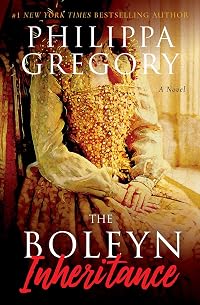
Philippa Gregory was born in Nairobi, Kenya on January 9, 1954. She received a B.A. in history at Sussex University in 1982 and a Ph.D. in 18th-century literature from the University of Edinburgh in 1984. She has taught at numerous universities and was made a fellow of Kingston University in 1994. Her historical novels include: Wideacre, The show more Queen's Fool, The Virgin's Lover, The Constant Princess, The Boleyn Inheritance, The Other Queen, The White Queen, The Red Queen, The Lady of the Rivers and The White Princess. She has also written several contemporary fiction works including Perfectly Correct, The Little House and Zelda's Cut. She adapted her novel A Respectable Trade, about the slave trade in England, into a four-part series for BBC television. Her script won an award from the Committee for Racial Equality. She won the Feminist Book Fortnight Award in 1990 and the Romantic Novelist of the Year Award in 2002. Her book, The Other Boleyn Girl, won the Parker Romantic Novel of the Year award and was adapted into a major feature film in 2008 starring Natalie Portman and Scarlett Johansson. The White Queen was adapted into an original cable series on the Starz nertwork in 2013 starring Max Irons and Rebecca Ferguson. Her title The Kings Curse made the New York Times bestseller list in 2014. Her title, The Taming of the Queen, made the New York Times bestseller list in 2015. Her latest bestseller is Three Sisters, Three Queens. Gregory also writes children's books, is a regular contributor to newspapers and magazines, a frequent broadcaster for radio and television, and runs a small charity that builds wells in schoolyards in Gambia. (Bowker Author Biography) show less
Some Editions
Awards and Honors
Awards
Distinctions
Series


Work Relationships
Is contained in
Wideacre / The Favored Child / Meridon / The Constant Princess / The Boleyn Inheritance / The Queen's Fool / The Other Boleyn Girl by Philippa Gregory
The Boleyn Inheritance/The Other Boleyn Girl/The Virgin's Lover/Queen's Fool/Wideacre/Constant Princess/Meridon/Earthly Joys/Virgin Earth by Philippa Gregory
The Other Boleyn Girl / The Virgin's Lover / The Queen's Fool / The Constant Princess / The Other Queen / The White Queen by Philippa Gregory
The Other Boleyn Girl/The Queen's Fool/The Virgin's Lover/Earthly Joys/Virgin Earth/The Constant Princess by Philippa Gregory
Is abridged in
Has as a student's study guide
Common Knowledge
- Canonical title*
- Die ewige Prinzessin
- Original title
- The Constant Princess
- Original publication date
- 2005
- People/Characters
- Catherine of Aragon; Henry VIII, King of England; Arthur, Prince of Wales; Lady Margaret Beaufort (Lady Stanley); Henry VII, King of England; Isabella I, Queen of Castile and León (show all 8); Ferdinand II of Aragon; Anne Boleyn
- Important places
- England, UK; Aragon, Spain
- Related movies
- The Spanish Princess (2019 | IMDb)
- Dedication
- For Anthony
- First words
- There was a scream, and then a loud roar of fire enveloping silken hangings, then a mounting crescendo of shouts of panic that spread and spread from one tent to another as the flames ran too, leaping from one silk standard t... (show all)o another, running up guy ropes and bursting through muslin doors.
- Last words
- (Click to show. Warning: May contain spoilers.)This is me. This is my moment. This is my battle cry. I step forward.
- Original language
- English
*Some information comes from Common Knowledge in other languages. Click "Edit" for more information.
Classifications
Statistics
- Members
- 6,480
- Popularity
- 1,882
- Reviews
- 167
- Rating
- (3.67)
- Languages
- 10 — Bulgarian, Danish, English, German, Italian, Lithuanian, Portuguese, Romanian, Spanish, Swedish
- Media
- Paper, Audiobook, Ebook
- ISBNs
- 59
- ASINs
- 28