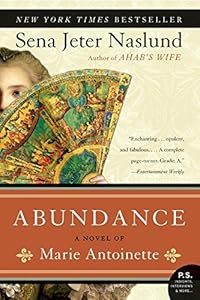
Abundance
by Sena Jeter Naslund
On This Page
Description
Marie Antoinette was a child of 14 when her mother, Empress of Austria, arranged for her to leave her family, her country, and her home to become the wife of 15-year-old Dauphin, the future King Louis XVI of France. Far from home and thrust into the role of wife, and queen, Marie Antoinette lived a brief--but astounding--life. Naslund reveals a Marie Antoinette who rebelled against the formality and rigid protocol of the court; an outsider who became the target of a revolution that show more ultimately decided her fate. Naslund has created a portrait of a woman very different from the figure we think we know. show lessTags
Recommendations
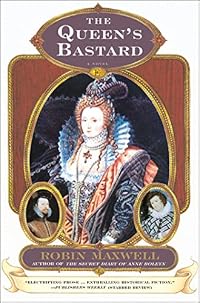
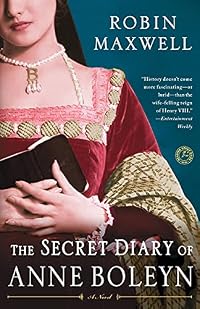
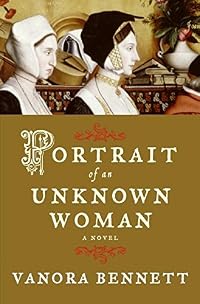
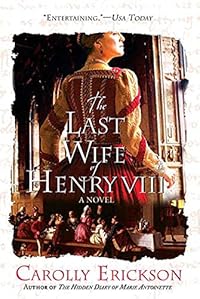
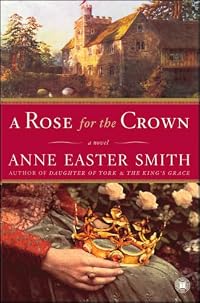
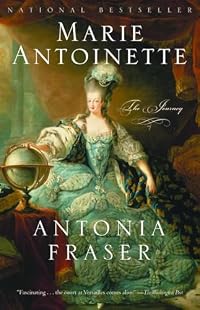
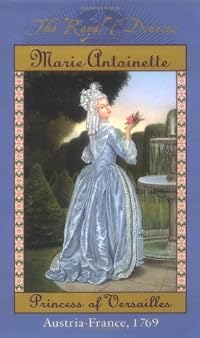
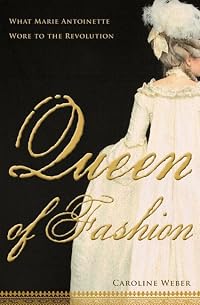

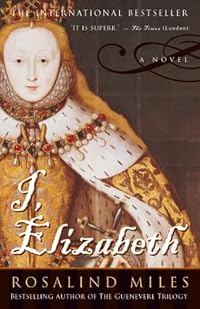
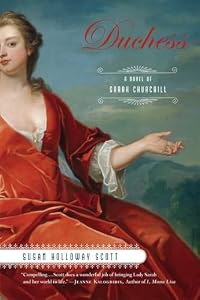
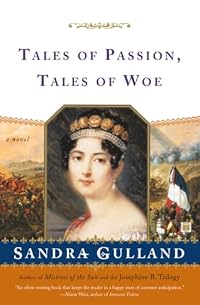

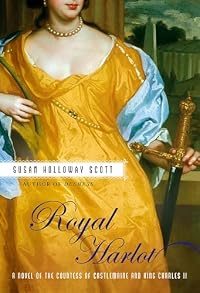
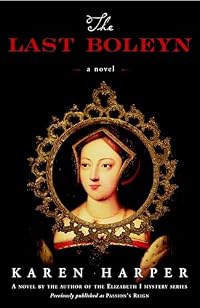
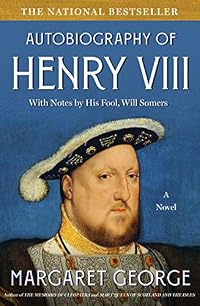
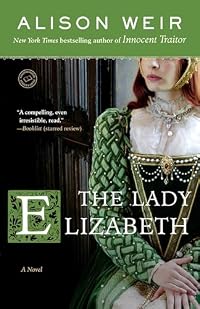
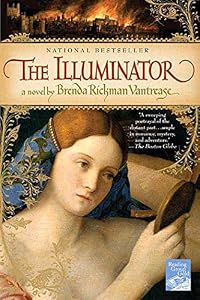
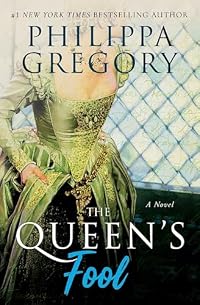
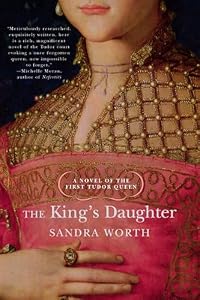
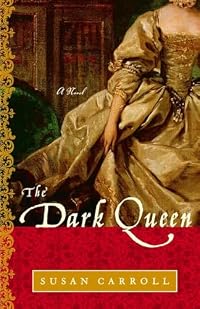

Member Recommendations
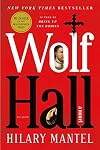
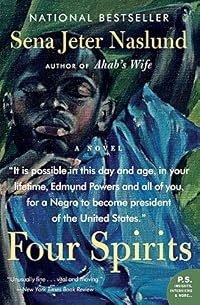
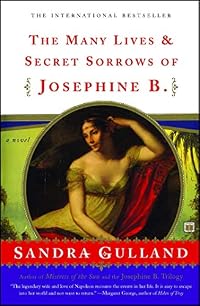
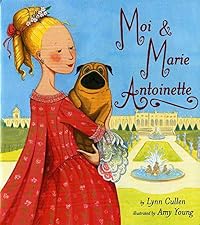
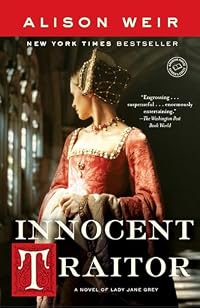
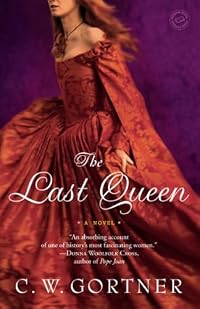
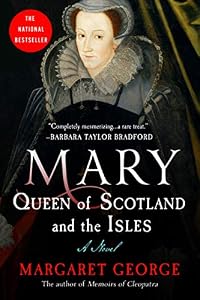
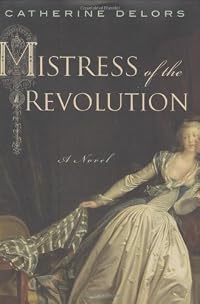
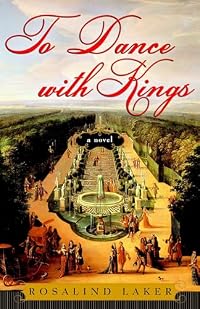
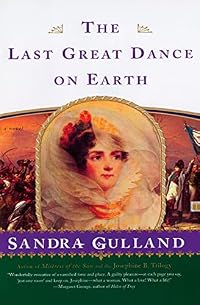
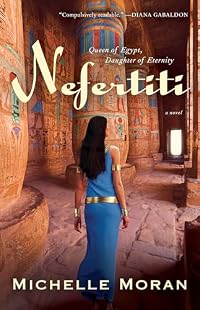
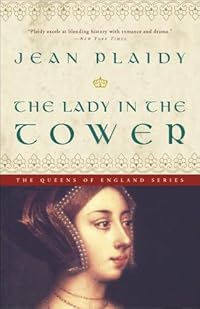
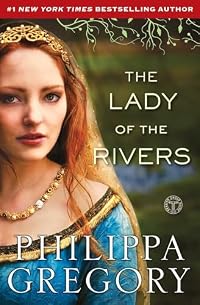
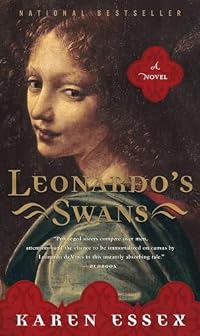
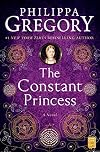
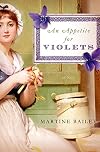
bell7 Both biographical novels explore well-known historical events through the eyes of one sympathetic character close to the action.
Member Reviews
When I set out to read a book about Marie Antoinette, I expect one of two things - either a sordid tale of debauchery and excess or a twisting tale of court politics, a game of intrigue where royalty and their retainers play and plot for high stakes.
This book shocked me to my core because it is neither of these two things. Quite frankly, why else would anyone read about royalty?
The author seems to think I would pick up a book about the most notorious queen of France because I want to be bored stiff by wide-eyed descriptions of court finery and witness the tragic downfall of a complete innocent. Marie Antoinette is portrayed in this novel as dullard and a simpleton. She's not interested in politics or reading, she simply floats through show more this book's many chapters behaving foolishly while all the grisly details of the French revolution go rather unmentioned until the end. Marie doesn't care about politics so we're not told about what's going on. Instead we get page after page of her exceedingly dull inner life and her positively inane thoughts.
Apparently, Marie Antoinette is completely misunderstood. All she ever wanted to do was help the people of France. She is innocent of everything. Well even if it's true, who cares? The entirety of the book is saccharine in the extreme. You'll rot your teeth listening to the idiotic but well-meaning patter of this useless protagonist. show less
This book shocked me to my core because it is neither of these two things. Quite frankly, why else would anyone read about royalty?
The author seems to think I would pick up a book about the most notorious queen of France because I want to be bored stiff by wide-eyed descriptions of court finery and witness the tragic downfall of a complete innocent. Marie Antoinette is portrayed in this novel as dullard and a simpleton. She's not interested in politics or reading, she simply floats through show more this book's many chapters behaving foolishly while all the grisly details of the French revolution go rather unmentioned until the end. Marie doesn't care about politics so we're not told about what's going on. Instead we get page after page of her exceedingly dull inner life and her positively inane thoughts.
Apparently, Marie Antoinette is completely misunderstood. All she ever wanted to do was help the people of France. She is innocent of everything. Well even if it's true, who cares? The entirety of the book is saccharine in the extreme. You'll rot your teeth listening to the idiotic but well-meaning patter of this useless protagonist. show less
I LOVED this book. Marie Antoinette's story as the ultimate scapegoat is an unbelievably sad one. I like to think this book captures her spirit, and the bewilderment she must have felt as everything came violently crashing down around her. Imagine how afraid she must have been for her children! That too, comes through.
The novel is well written, and the events of her life flow along without confusing the reader. I finished reading it last night and it is still with me this morning. It is for this reason I give it 5 stars.
The novel is well written, and the events of her life flow along without confusing the reader. I finished reading it last night and it is still with me this morning. It is for this reason I give it 5 stars.
Abundance is a novel of Marie Antoinette's life in France from her own point of view. It begins with her leaving everything Austrian behind in order to begin a new life as wife to the French Dauphin, and it ends at her death at the hands of the Terror.
I especially enjoyed the first parts of the novel which included excerpts from several letters written between Marie Antoinette and her mother, Empress Maria Theresa of Austria. These letters really helped ground the action in historical fact and they also lent an extra degree of depth to our main character - as we saw her desire both to rebel against her somewhat overbearing mother as well as her deep desire to please her.
All in all, I found the book to be a believable portrayal of the show more notorious Queen of France. She does her best to live up to everyone's expectations; she tries to be kind; she even tries to economize. But her life of privilege and abundance is and has been so divorced from the plight of the common people that she does not realize the true impact of her continued gifts to her friends, nor of the many indulgences she allows herself.
I found the idea that Marie Antoinette was always SO good and SO dutiful and SO kind to be a bit hard to swallow. Her moments of rebellion are so few and so underdeveloped (we never see why she gives them up) that she comes across as an unbelievable goody two shoes at least part of the time. Spoiled young people (such as she was) fly off the handle sometimes and do things they regret. That never seemed to be the case here, and I sorely missed it.
On the other hand, I very much enjoyed the descriptions of the growing affection in her relationship with the Dauphin as well as of their marital difficulties, although I missed some sort of indication as to how 'Toinette felt about these matters. And I was very happy to see her interactions with Count Axel von Fersen as well as the painter Elisabeth Vigee-Lebrun treated in the book, though a little more detail here and there also would not have hurt.
On the whole I found this novel highly satisfying. I felt like I learned a lot about the history and about the people involved that I did not know before - always a hallmark of a good novel. Nothing struck me as outright implausible or wrong, but I know very little about life at Versailles during the period, so I cannot vouch for its accuracy. show less
I especially enjoyed the first parts of the novel which included excerpts from several letters written between Marie Antoinette and her mother, Empress Maria Theresa of Austria. These letters really helped ground the action in historical fact and they also lent an extra degree of depth to our main character - as we saw her desire both to rebel against her somewhat overbearing mother as well as her deep desire to please her.
All in all, I found the book to be a believable portrayal of the show more notorious Queen of France. She does her best to live up to everyone's expectations; she tries to be kind; she even tries to economize. But her life of privilege and abundance is and has been so divorced from the plight of the common people that she does not realize the true impact of her continued gifts to her friends, nor of the many indulgences she allows herself.
I found the idea that Marie Antoinette was always SO good and SO dutiful and SO kind to be a bit hard to swallow. Her moments of rebellion are so few and so underdeveloped (we never see why she gives them up) that she comes across as an unbelievable goody two shoes at least part of the time. Spoiled young people (such as she was) fly off the handle sometimes and do things they regret. That never seemed to be the case here, and I sorely missed it.
On the other hand, I very much enjoyed the descriptions of the growing affection in her relationship with the Dauphin as well as of their marital difficulties, although I missed some sort of indication as to how 'Toinette felt about these matters. And I was very happy to see her interactions with Count Axel von Fersen as well as the painter Elisabeth Vigee-Lebrun treated in the book, though a little more detail here and there also would not have hurt.
On the whole I found this novel highly satisfying. I felt like I learned a lot about the history and about the people involved that I did not know before - always a hallmark of a good novel. Nothing struck me as outright implausible or wrong, but I know very little about life at Versailles during the period, so I cannot vouch for its accuracy. show less
What I knew about Marie Antoinette before reading this book (spoilers ahead if you don't know anything at all about her): She was married to Louis XVI, she said "Let them eat cake," she was queen during the French Revolution, and (possible spoiler here)-------------------------she was beheaded. That was it.
Three out of four isn't bad. She never actually said "Let them eat cake." According to the author, it was the wife of Louis XIV, two generations earlier, who said that. So, if you ever win tons of money on Jeopardy for knowing the correct question to this answer, I expect a small slice of the pie for enlightening you on that point. :-)
Okay, seriously, I'm avoiding writing this review, because I'm not going to do the book justice. The show more whole appeal is how Marie Antoinette just came to life in these pages for me. So she was a real person--it's hard to make characters seem this real, whether they're historical figures or not. In fact, it might be harder when most people just have a vision of a thoughtless queen who wasted money while her people starved. But she was so complex, I just can't even begin to spell it out. I didn't always like her, but she was always real, and I could see how some of what happened was her fault, but some things were beyond her control.
I got to the last section, during the revolution, and found myself wanting to drag my feet through it and avoid the unavoidable. But I wanted to see exactly what happened, and Sena Jeter Naslund's writing style is just beautiful to me, so I found myself actually racing through it. And she handled the ending beautifully. I should never have doubted her. The wild emotions going through Marie Antoinette, the disbelief, avoidance, everything just seemed authentic. I guess we can't really know what was going on in her mind, but I can buy this version.
I have to say that Sena Jeter Naslund is a beautiful, beautiful writer, but what really impressed me was her foreshadowing in this book. It could have been all clunky, clumsy, and obvious, but instead it was very delicate and deft, and every time I picked up on something, I found myself thinking something along the lines of, "Oh, you are good, Ms. Naslund. Hats off to your artistry."
So, I highly, highly recommend this book. I can't believe I let it languish at the bottom of my "borrowed-to-read" pile of books for so long. Don't you do the same. show less
Three out of four isn't bad. She never actually said "Let them eat cake." According to the author, it was the wife of Louis XIV, two generations earlier, who said that. So, if you ever win tons of money on Jeopardy for knowing the correct question to this answer, I expect a small slice of the pie for enlightening you on that point. :-)
Okay, seriously, I'm avoiding writing this review, because I'm not going to do the book justice. The show more whole appeal is how Marie Antoinette just came to life in these pages for me. So she was a real person--it's hard to make characters seem this real, whether they're historical figures or not. In fact, it might be harder when most people just have a vision of a thoughtless queen who wasted money while her people starved. But she was so complex, I just can't even begin to spell it out. I didn't always like her, but she was always real, and I could see how some of what happened was her fault, but some things were beyond her control.
I got to the last section, during the revolution, and found myself wanting to drag my feet through it and avoid the unavoidable. But I wanted to see exactly what happened, and Sena Jeter Naslund's writing style is just beautiful to me, so I found myself actually racing through it. And she handled the ending beautifully. I should never have doubted her. The wild emotions going through Marie Antoinette, the disbelief, avoidance, everything just seemed authentic. I guess we can't really know what was going on in her mind, but I can buy this version.
I have to say that Sena Jeter Naslund is a beautiful, beautiful writer, but what really impressed me was her foreshadowing in this book. It could have been all clunky, clumsy, and obvious, but instead it was very delicate and deft, and every time I picked up on something, I found myself thinking something along the lines of, "Oh, you are good, Ms. Naslund. Hats off to your artistry."
So, I highly, highly recommend this book. I can't believe I let it languish at the bottom of my "borrowed-to-read" pile of books for so long. Don't you do the same. show less
Having enjoyed Naslund's "Ahab's Wife" previously, I was looking forward to her new historical fiction about Marie Antoinette. The story begins as 14-year-old Marie, daughter of the Empress of Austria, journeys to France to wed the 15-year-old Dauphin (Louis XVI); and ends with her memorable death at the guillotine during the French Revolution.
It's hard sometimes to read through a book knowing full well how it ends. There is always that distracting, perpetual dark shadow looming in the background. When the family was making their escape attempt I was cheering them on, whimsically hoping that maybe this time around they would succeed, but alas! Throughout the book I had to keep reminding myself that, although intensely researched, this show more was still a work of fiction -- it was like reading the intimate thoughts from someone's diary. I felt both sympathy for Marie and the royal family and pity at their self-absorption and naïveté. It does not cause the reader to think they are truly evil or ruthless people, but that the fault lies perhaps in how they are raised in a world of true opulence; isolated, untouched and unaffected by the reality, and especially the plights, of the average citizen. As is the mark of good historical fiction, upon finishing I was compelled to learn more about the real historical figures therein. show less
It's hard sometimes to read through a book knowing full well how it ends. There is always that distracting, perpetual dark shadow looming in the background. When the family was making their escape attempt I was cheering them on, whimsically hoping that maybe this time around they would succeed, but alas! Throughout the book I had to keep reminding myself that, although intensely researched, this show more was still a work of fiction -- it was like reading the intimate thoughts from someone's diary. I felt both sympathy for Marie and the royal family and pity at their self-absorption and naïveté. It does not cause the reader to think they are truly evil or ruthless people, but that the fault lies perhaps in how they are raised in a world of true opulence; isolated, untouched and unaffected by the reality, and especially the plights, of the average citizen. As is the mark of good historical fiction, upon finishing I was compelled to learn more about the real historical figures therein. show less
Mon Dieu! About two-thirds of the way through this book and I was ready to cut her head off myself! I get the impression that the author was sympathetic to Marie Antoinette, but she sure comes across as one self-absorbed, spoiled, immature brat in its pages. Certainly by the last 100 pages I felt for the woman, but honestly her materialism never wavered and I did get tired of hearing about how amusing she found her own thoughts and comments. Not sure if she said "Let them eat cake!" or not, but this novel did nothing to make me believe that she wouldn't!
I dipped into Ahab's Wife and just couldn't get into it, but I thought it was just beause I was in the middle of moving halfway around the world. Abundance had such great reviews that I was willing to give Naslund another go. Nope, being waist-deep in boxes had nothing to do with my dislike of the author. Prententious clap-trap-- her ever so poetic words just glide (or should I say crawl) along the surface of things with no emotion, no action. Since I know (yes, we ALL know) how Marie-Antoinette's story story ends, I felt no guilt about skipping to the final pages. News flash--even someone as fashion conscious as the queen was probably not thinking about her plum-heeled shoes as she climbed the scaffold.
Every book, of course, is show more filtered through the author's sensibilities, but when the narrative is first person and instead of getting the queen's thoughts I am receiving I'm-so-special transmissions from the author--well, it kind of gets between me and the story. Read the Queen's Confession instead. It's relentlessly middle-brow, but you can get a real feel for Marie-Antoinette and her era. show less
Every book, of course, is show more filtered through the author's sensibilities, but when the narrative is first person and instead of getting the queen's thoughts I am receiving I'm-so-special transmissions from the author--well, it kind of gets between me and the story. Read the Queen's Confession instead. It's relentlessly middle-brow, but you can get a real feel for Marie-Antoinette and her era. show less
Members
- Recently Added By
Lists

Recommend the 20 best books you've read in the last five years
2,168 works; 606 members

Historical Fiction
889 works; 91 members

Authors from the United States
245 works; 3 members
Author Information

17+ Works 6,605 Members
Sena Jeter Naslund was born in Birmingham, Alabama in 1942. She received a Bachelor's degree from Birmingham Southern College, where she received the B.B. Comer Medal in English, and a Master's degree and a doctorate from the University of Iowa Writers' Workshop. She has taught at the University of Louisville, the University of Montana, Indiana show more University (Bloomington), Vermont College, and the University of Montevallo. She has written several books including The Disobedience of Water, Ahab's Wife, Four Spirits, Abundance: A Novel of Marie Antoinette, and Adam and Eve. She has won numerous awards including the Harper Lee Award, the Hall-Waters Southern Prize, the Southeastern Library Association Award, and the Alabama Library Association Award. (Bowker Author Biography) show less
Awards and Honors
Common Knowledge
- Canonical title
- Abundance
- Original publication date
- 2006
- People/Characters
- Marie Antoinette (Queen Consort of France); Louis XVI, King of France; Axel von Fersen the Younger; Elisabeth Vigée-Lebrun; Madame du Barry; Louis XV, King of France (show all 8); Yolande Martine Gabrielle de Polastron, Duchess of Polignac; Princesse de Lamballe
- Important places
- Versailles, Yvelines, Île-de-France, France; Paris, Île-de-France, France; France
- Important events
- French Revolution (1789 | 1799)
- First words
- Like everyone, I am born naked.
- Last words
- (Click to show. Warning: May contain spoilers.)The sled slides forward-the basket-no need to hold on-I open my hands resting on the small of my back-the basket-I had friends, loving friends (I am not afraid)
Classifications
Statistics
- Members
- 1,579
- Popularity
- 14,314
- Reviews
- 61
- Rating
- (3.64)
- Languages
- Danish, English, German, Spanish
- Media
- Paper, Audiobook, Ebook
- ISBNs
- 17
- ASINs
- 7