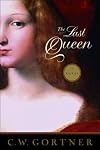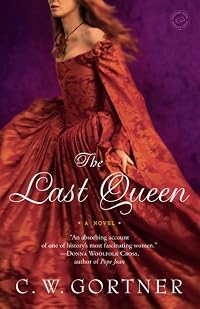
The Last Queen
by C. W. Gortner 
On This Page
Description
Juana of Castile is just thirteen when she witnesses the fall of Moorish Granada and uniting of the fractured kingdoms of Spain under her warrior parents, Isabel and Fernando. Intelligent and beautiful, proud of her heritage, Juana rebels against her fate when she is chosen as a bride for the Hapsburg heir-- until she arrives in Flanders and comes face-to-face with the prince known as Philip the Fair, a man who will bring her the greatest of passions, and the darkest despair.Tags
Recommendations
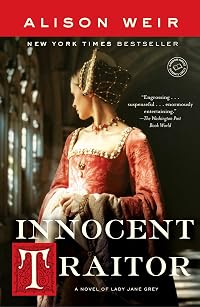
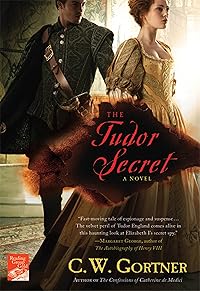
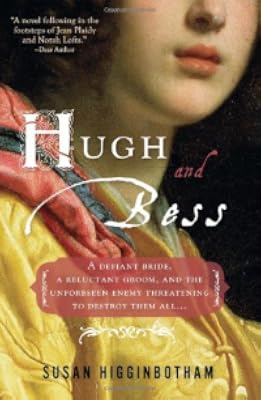
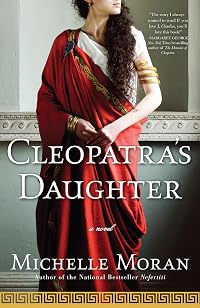



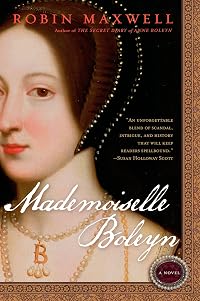
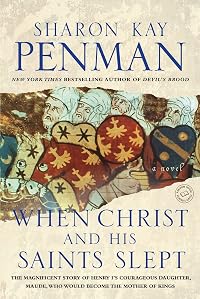

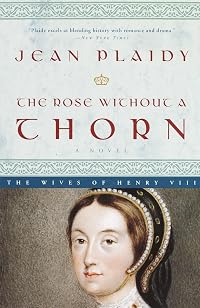
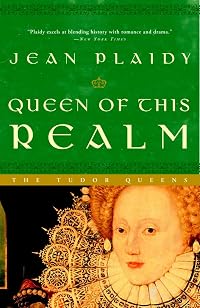
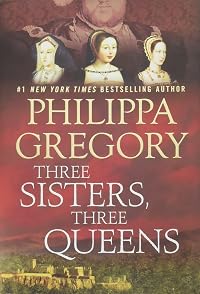


Member Recommendations
ddelmoni Gregory's best IMHO; about Catherine of Aragon, Juana's little sister.
Member Reviews
I read quite a bit of European history when I was in high school and college, and all I knew of Juana of Castile was her nickname: Juana La Loca-- Joanna the Mad. The nickname intrigued me because even then I knew that everyone who was referred to as mad wasn't necessarily so. If someone has something that you want, one of the best ways to get it from them is to make people believe they're crazy.
Gortner portrays Juana as a brave, intelligent, and passionate woman whose strengths were used against her. The story is told from Juana's point of view, and as I read I became her staunch defender. I kept wondering why Isabella would send her daughter off with-- basically-- no weapons in her arsenal, no champions of substance to fight in her show more corner. It's as though Isabella thought she had super blood that would transmit everything to her offspring that her daughter could possibly need. As my own levels of anger and frustration mounted, I kept reminding myself of my reading all those years ago, those random mentions of Juana La Loca, and I knew what would happen, but that didn't keep me from becoming emotionally involved in a centuries-old story.
It is true that winners are the ones who write the histories, but thanks to historians, teachers, and the talents of authors like C.W. Gortner, we can still learn about the losers, many of whom deserved much better than they received. show less
Gortner portrays Juana as a brave, intelligent, and passionate woman whose strengths were used against her. The story is told from Juana's point of view, and as I read I became her staunch defender. I kept wondering why Isabella would send her daughter off with-- basically-- no weapons in her arsenal, no champions of substance to fight in her show more corner. It's as though Isabella thought she had super blood that would transmit everything to her offspring that her daughter could possibly need. As my own levels of anger and frustration mounted, I kept reminding myself of my reading all those years ago, those random mentions of Juana La Loca, and I knew what would happen, but that didn't keep me from becoming emotionally involved in a centuries-old story.
It is true that winners are the ones who write the histories, but thanks to historians, teachers, and the talents of authors like C.W. Gortner, we can still learn about the losers, many of whom deserved much better than they received. show less
There is a reason why historical fiction is my favorite genre and this book is one of them. An author that can take an historical figure, write a book about him/her based in fact, and make it historically accurate and entertaining at the same time is truly gifted. I have been interested in Queen Juana since I watched a brilliant Spanish film based on her life called "Juana La Loca" (or "Mad Love"). Not quite sure how accurate the film was, but my interest was piqued and I wanted to know more about her. However, at the time there were no historical fiction novels about her and very little non-fiction at that (at least after a search at my library). And then I entered the book blogging world in 2009 and I started hearing about this book show more and I wanted it. I put it on my wishlist and lucky me, my lovely Holiday Swap partner sent me the book (with my other goodies)! Well, the waiting paid off. Gortner has constructed an historically accurate novel with characters that make you want to hate (Felipe) and to cry (Juana). The subjugation of Juana by the men in her life is both infuriating and heartbreaking and I felt every misdeed against her to the bone. Gortner has landed himself on my list of favorite historical fiction authors and I'm pretty confident that he will stay there. I have his The Confessions of Catherine De Medici on my TBR pile and I can't wait to sink my teeth into it. It just inched closer to the top of the pile. show less
The Last Queen is the story of Juana of Castile, told from her point of view. One of the daughters of Ferdinand and Isabella of Spain, she was married to Philip of Flanders. A love match at first, Juana’s love quickly turned to hate as her husband plotted and schemed to take her inheritance—the throne of Spain—away from her, and to have her declared insane. The Last Queen, however, is the story of a strong, brave woman who fights against all odds to maintain her independence and dignity.
Before reading this novel, I really hadn’t known much about Juana, other than that she was the sister of Catherine of Aragon. I’d kind of had her pegged as the mad woman who was so in love with Philip of Flanders that she carried his show more coffin—and his dead body—everywhere with her. But The Last Queen changed my opinion of Juana.
I really enjoyed Gortner’s writing style. Even though the narrator is a woman, I never got the impression that the book was written by a man. In addition, Gortner really excels at character development; you could really and truly see and feel Juana’s transition from innocent girl to strong, mature woman. I thought that Gortner handled Juana’s “madness” perfectly, too. She’s not a perfect person, by all means, but that’s the beauty of the way this book is written and how Juana is portrayed. Nevertheless, in the face of adversity, she manages to hold her own. This novel is a really fast-paced read, mostly because I kept turning the pages to find out what happened next (even as I dreaded the inevitable outcome). In a side note, it was good to see Catherine of Aragon as something other than just the wronged first wife of Henry VIII. show less
Before reading this novel, I really hadn’t known much about Juana, other than that she was the sister of Catherine of Aragon. I’d kind of had her pegged as the mad woman who was so in love with Philip of Flanders that she carried his show more coffin—and his dead body—everywhere with her. But The Last Queen changed my opinion of Juana.
I really enjoyed Gortner’s writing style. Even though the narrator is a woman, I never got the impression that the book was written by a man. In addition, Gortner really excels at character development; you could really and truly see and feel Juana’s transition from innocent girl to strong, mature woman. I thought that Gortner handled Juana’s “madness” perfectly, too. She’s not a perfect person, by all means, but that’s the beauty of the way this book is written and how Juana is portrayed. Nevertheless, in the face of adversity, she manages to hold her own. This novel is a really fast-paced read, mostly because I kept turning the pages to find out what happened next (even as I dreaded the inevitable outcome). In a side note, it was good to see Catherine of Aragon as something other than just the wronged first wife of Henry VIII. show less
Juana of Castile's life began amidst war, in between Spain's battle with the Moors, and her beginning would prove to be just as stormy as the rest of her life.
Born to the incomparable Isabella I of Castile and Ferdinand II of Aragon, Juana is the third child and second daughter. She is raised on the battlefield with arrows flying overhead and witnesses the fall of Granada in her youth.
When the matter of marriage to Philip of Hapsburg is raised, Juana is not happy at all to have to leave Spain and her family. However, being a good little Princess and understanding how important this is to the country she so loves, she acquiesces herself to the match. Bringing her new husband Philip to the true religion, Catholicism, is her ultimate show more goal.
With the death of her brother, Juan, the heir to the crown and her sister and nephew, Juana is now next in line. A fact that pleases Philip and his rat of an advisor, Besancon, to no end. The tenderness and love Juana and Philip found at the start of their marriage turns sour as the scheming for the throne begins in earnest and poor Juana is caught in the middle of another war - this time between her parents and her husband. Philip scheming for a way to be named heir and her parents adamantly refusing it. Years of this craziness rage on...power struggle after power struggle, drama after drama. Nothing is what it seems and the duplicity is rampant. (Sounds like a lot of Courts we've read of huh!)
Think all this sounds great? I haven't even covered the craziest part....her 46 year imprisonment by not only one but three family members - her husband, her father and her son! And we should also touch on the supposed insanity of Juana, after all she was known as "Mad Juana". C.W. handled this perfectly I felt. To me it's the same old male attitude that still exists today - if a woman stands up for herself, she's labeled a "bitch". A bunch of men who didn't want to be ruled by a another woman decides to just call her crazy and try to lock her up. The reader sees it for what it is - complete fabrication. Yeah, she was emotional, but goodness after you read what she went through who can blame her?! Not I, said Amy!
The Last Queen is the perfect historical fiction novel and I highly recommend it to amateurs and veterans alike. I actually think this would be a GREAT book for someone starting out in historical fiction. Juana is a remarkable woman, fearless and strong and I think it takes a likewise remarkable person to write her story - so thank you C.W., how you write women so well I'll never know, but please don't stop!! show less
Born to the incomparable Isabella I of Castile and Ferdinand II of Aragon, Juana is the third child and second daughter. She is raised on the battlefield with arrows flying overhead and witnesses the fall of Granada in her youth.
When the matter of marriage to Philip of Hapsburg is raised, Juana is not happy at all to have to leave Spain and her family. However, being a good little Princess and understanding how important this is to the country she so loves, she acquiesces herself to the match. Bringing her new husband Philip to the true religion, Catholicism, is her ultimate show more goal.
With the death of her brother, Juan, the heir to the crown and her sister and nephew, Juana is now next in line. A fact that pleases Philip and his rat of an advisor, Besancon, to no end. The tenderness and love Juana and Philip found at the start of their marriage turns sour as the scheming for the throne begins in earnest and poor Juana is caught in the middle of another war - this time between her parents and her husband. Philip scheming for a way to be named heir and her parents adamantly refusing it. Years of this craziness rage on...power struggle after power struggle, drama after drama. Nothing is what it seems and the duplicity is rampant. (Sounds like a lot of Courts we've read of huh!)
Think all this sounds great? I haven't even covered the craziest part....her 46 year imprisonment by not only one but three family members - her husband, her father and her son! And we should also touch on the supposed insanity of Juana, after all she was known as "Mad Juana". C.W. handled this perfectly I felt. To me it's the same old male attitude that still exists today - if a woman stands up for herself, she's labeled a "bitch". A bunch of men who didn't want to be ruled by a another woman decides to just call her crazy and try to lock her up. The reader sees it for what it is - complete fabrication. Yeah, she was emotional, but goodness after you read what she went through who can blame her?! Not I, said Amy!
The Last Queen is the perfect historical fiction novel and I highly recommend it to amateurs and veterans alike. I actually think this would be a GREAT book for someone starting out in historical fiction. Juana is a remarkable woman, fearless and strong and I think it takes a likewise remarkable person to write her story - so thank you C.W., how you write women so well I'll never know, but please don't stop!! show less
This tale of the Spanish queen Juana la Loca is among the better historical novels I have read. The author has clearly researched his subject well and one cannot help but feel sympathy for Juana's plight as she emerges as more a victim of court scheme than madness.
She is known through history as Spain's Mad Queen. But was Juana, daughter of the powerful Isabella and Ferdinand of Spain, really as mad as they say? Juana of Castile, also known as Juana "La Loca" for her rumored insanity, lives again through the pages of C.W. Gortner's beautifully written story of trust and betrayal. Gortner has taken a much different and unexplored approach to Juana, instead portraying her as a passionate woman who was not at all insane, but rather a victim of history's chauvinistic attitude towards women.
Every man who came into Juana's life wanted her only for her crown. And when she refused to freely give what was rightfully hers, her enemies spun a wheel of treacherous deceit and manipulation, telling all who show more would listen that Juana was unfit to rule, a women driven mad by her passions. This sad fact truly angered me, as it seems to play off that age old idea of "women and their hysterics." While Juana did occasionally unleash a raging bout of anger or despair, it is clear that any woman of feeling would have been similarly driven to act out in some way if put under the same circumstances. I felt SO frustrated at certain points just reading as Juana fell into one trap after the other, blindly trusting those who should have been her staunchest allies, were they not only looking out for their own selfish ambitions.
I really like that the author has challenged a widely-accepted point of view on one of history's most misunderstood, and under appreciated, of women. Recorded history in and of itself does not always amount to pure fact, indeed there were many men in Juana's life who sought to tarnish her reputation forever in order to cover their own greed and the injustices that Juana was made to suffer. In Juana's case, "recorded history" must be challenged, as much of the conventional wisdom on Juana's character comes from the very men who sought to bring down this most tragic queen, and who thereby would have reason to wish to see Juana's name sullied, her abilities as a queen held to indefinite question.
I cannot emphasize enough how stunningly this book is written. I've never read an historical novel on Spain before, and this author expertly wove in prose and poetic wording to bring this country's history and its pious but prideful people brilliantly to life. He really captured the essence of Spain under the great Isabel, and the dramatic shift to hardship and chaos that took place there immediately after her death. Many of the betrayals Juana endured throughout her life came from the most unexpected of sources. Gortner is really good at tricking you as the reader into trusting these two-faced characters as well, which helps the reader to better understand Juana's situation. His ability to make the reader feel empathetic, as though he or she were experiencing Juana's hardships as their own, attests his abilities in evoking emotion and his overall artistry as a creative writer.
Gortner excels particularly at expressing the internal feelings and emotions of his main character Juana. I will admit I had my doubts at first when I learned that C.W. was a male author writing in first person from a female perspective, but after reading The Last Queen, he is now one of my new favorite authors. The Last Queen is right up there with Josephine B and Signora da Vinci for me; truly a splendid gem of a novel. show less
Every man who came into Juana's life wanted her only for her crown. And when she refused to freely give what was rightfully hers, her enemies spun a wheel of treacherous deceit and manipulation, telling all who show more would listen that Juana was unfit to rule, a women driven mad by her passions. This sad fact truly angered me, as it seems to play off that age old idea of "women and their hysterics." While Juana did occasionally unleash a raging bout of anger or despair, it is clear that any woman of feeling would have been similarly driven to act out in some way if put under the same circumstances. I felt SO frustrated at certain points just reading as Juana fell into one trap after the other, blindly trusting those who should have been her staunchest allies, were they not only looking out for their own selfish ambitions.
I really like that the author has challenged a widely-accepted point of view on one of history's most misunderstood, and under appreciated, of women. Recorded history in and of itself does not always amount to pure fact, indeed there were many men in Juana's life who sought to tarnish her reputation forever in order to cover their own greed and the injustices that Juana was made to suffer. In Juana's case, "recorded history" must be challenged, as much of the conventional wisdom on Juana's character comes from the very men who sought to bring down this most tragic queen, and who thereby would have reason to wish to see Juana's name sullied, her abilities as a queen held to indefinite question.
I cannot emphasize enough how stunningly this book is written. I've never read an historical novel on Spain before, and this author expertly wove in prose and poetic wording to bring this country's history and its pious but prideful people brilliantly to life. He really captured the essence of Spain under the great Isabel, and the dramatic shift to hardship and chaos that took place there immediately after her death. Many of the betrayals Juana endured throughout her life came from the most unexpected of sources. Gortner is really good at tricking you as the reader into trusting these two-faced characters as well, which helps the reader to better understand Juana's situation. His ability to make the reader feel empathetic, as though he or she were experiencing Juana's hardships as their own, attests his abilities in evoking emotion and his overall artistry as a creative writer.
Gortner excels particularly at expressing the internal feelings and emotions of his main character Juana. I will admit I had my doubts at first when I learned that C.W. was a male author writing in first person from a female perspective, but after reading The Last Queen, he is now one of my new favorite authors. The Last Queen is right up there with Josephine B and Signora da Vinci for me; truly a splendid gem of a novel. show less
It was incredibly difficult for me to find this book. Due to the current popularity of Tudor-era novels, and, spilling off from that, similar-era historical fiction/romance, I thought it wouldn't be too difficult to find. But after several recommendations and countless glowing reviews, I tracked The Last Queen down at the library.
I was engrossed from the very first page -talk about a good find -until the very end. Gortner's tale about Juana of Castile is thoroughly well-written, well-researched, filled with great historical detail, a fabulous plot and above all, highly compelling, complex characters that keep readers riveted to every chapter -every sentence -of this amazing novel.
When you read as much as I do, you tend to get alot of show more crap, but every now and then you get a real diamond. The Last Queen is one of these diamonds. I was up late devouring this book for two nights straight (even with going to work!) and was ready to pick up every subsequent Gortner novel (a new one about Catherine de Medici is slated to be released in May..) -yes, it's just that good.
The Last Queen follows the life of Juana of Castile, the oldest daughter of Queen Isabella and King Ferdinand of Spain around the Tudor era. Juana is a proud, headstrong protagonist who is sent off to Flanders to marry the Hapsburg Philip in one of the typical political marriages of the time. While the marriage starts out filled with romance, things change when Juana becomes pregnant and Philip takes a lover. When it looks like Juana and Philip have finally settled into royal married life with children, Juana's older brother dies, making her the heir to the Spanish throne, particularly that of Castile.
The plotting and intrigue quickly ensue, forcing Juana to fight against her own husband to keep her throne and protect the ideals and heritage of her homeland. Ambition and betrayal slowly drive Juana into madness (many historians believe she actually suffered from schizophrenia or another mental illness), as her family members are used as leverage against her and her husband schemes with those who would see Juana disposed.
Exploring the tragic and highly engaging life of this little-known queen was incredibly enjoyable and refreshing. The Last Queen stands out as one of the best historical fiction novels I've read so far this year. Fans of historical romance and Phillipa Gregory beware though -there is little romance to be had here, and it's over within the first 100 pages. If you're looking for a bodice-ripper, this book isn't for you, but you want solid political intrigue and amazing historical characters, The Last Queen is perfect. show less
I was engrossed from the very first page -talk about a good find -until the very end. Gortner's tale about Juana of Castile is thoroughly well-written, well-researched, filled with great historical detail, a fabulous plot and above all, highly compelling, complex characters that keep readers riveted to every chapter -every sentence -of this amazing novel.
When you read as much as I do, you tend to get alot of show more crap, but every now and then you get a real diamond. The Last Queen is one of these diamonds. I was up late devouring this book for two nights straight (even with going to work!) and was ready to pick up every subsequent Gortner novel (a new one about Catherine de Medici is slated to be released in May..) -yes, it's just that good.
The Last Queen follows the life of Juana of Castile, the oldest daughter of Queen Isabella and King Ferdinand of Spain around the Tudor era. Juana is a proud, headstrong protagonist who is sent off to Flanders to marry the Hapsburg Philip in one of the typical political marriages of the time. While the marriage starts out filled with romance, things change when Juana becomes pregnant and Philip takes a lover. When it looks like Juana and Philip have finally settled into royal married life with children, Juana's older brother dies, making her the heir to the Spanish throne, particularly that of Castile.
The plotting and intrigue quickly ensue, forcing Juana to fight against her own husband to keep her throne and protect the ideals and heritage of her homeland. Ambition and betrayal slowly drive Juana into madness (many historians believe she actually suffered from schizophrenia or another mental illness), as her family members are used as leverage against her and her husband schemes with those who would see Juana disposed.
Exploring the tragic and highly engaging life of this little-known queen was incredibly enjoyable and refreshing. The Last Queen stands out as one of the best historical fiction novels I've read so far this year. Fans of historical romance and Phillipa Gregory beware though -there is little romance to be had here, and it's over within the first 100 pages. If you're looking for a bodice-ripper, this book isn't for you, but you want solid political intrigue and amazing historical characters, The Last Queen is perfect. show less
Members
- Recently Added By
Lists

Historical Fiction
889 works; 91 members

Some of my Favourite Historical Fiction
15 works; 1 member

KayStJ's to-read list
1,616 works; 11 members
Author Information

23 Works 4,126 Members
C. W. Gortner was born and raised in Spain. He moved to the United States when he was a teen-ager. He earned a Bachelor of Arts in Marketing from the Fashion Institute of Design and Merchandising in San Francisco and a Masters of Fine Arts in Writing from the New College of California. He soon found his passion for writing and became an author of show more historical fiction. His titles include: The Last Queen, The Confessions of Catherine De Medici, The Queen's Vow: A Novel of Isabella of Castile, Mademoiselle Chanel, and Marlene. He was named one of the top ten historical novelists by The Washington Independent Review of Books. (Bowker Author Biography) show less
C. W. Gortner is a LibraryThing Author, an author who lists their personal library on LibraryThing.
Some Editions
Series
Belongs to Publisher Series
Work Relationships
Common Knowledge
- Canonical title
- The Last Queen
- Original title
- The Last Queen
- Original publication date
- 2008-07-29
- People/Characters
- Juana La Loca, Queen of Castile; Isabella I, Queen of Castile and León; Ferdinand II of Aragon (Fernando); Philip the Fair, Duke of Burgundy; [Archbishop of] Besançon; Doña Ana (show all 14); Beatriz de Talavera; Soraya; Charles V, Holy Roman Emperor (Carlos); Louis XII, King of France; Anne of Brittany, Queen of France (Anne de Bretagne); Francisco Jiménez de Cisneros; Ferdinand I, Holy Roman Emperor (Fernandito); Lopez de Conchillos
- Important places
- Granada, Andalusia, Spain; Lier, Antwerp, Belgium (as Lierre); Brussels, Belgium; Ghent, East Flanders, Belgium; Blois, Indre-et-Loire, Centre-Val de Loire, France; Toledo, Castile-La Mancha, Spain (show all 10); Aranjuez, Madrid, Spain; Castillo de La Mota, Medina del Campo, Castile and León, Spain; Mardigal de las Altas Torres, Castile and León, Spain; Tordesillas, Castile and León, Spain
- Epigraph
- "Princes do not marry for love." ~Gattinara
- Dedication
- To my mother, Maravillas Blanco, and my late father, Willis Always Gortner II, for Spain, a lifelong infatuation with books, and the courage to persevere.
And to Erik, for always believing. - First words
- Midnight has become my favorite hour.
I was thirteen years old when my parents conquered Granada. (Chapter One) - Last words
- (Click to show. Warning: May contain spoilers.)And in the sky above, the bats have returned.
- Publisher's editor
- Johnson, Sarah; Morris, Claire; Magnus, Ilysa
- Blurbers
- Cross, Donna Woolfolk; Longfellow, Ki; Worth, Sandra; Payne, Holly; Riley, Judith Merkle
- Original language
- English
- Disambiguation notice
- "Originally published in a different form by Two Bridges Press, in Berkeley, CA, in 2006" T.p. verso
Classifications
Statistics
- Members
- 838
- Popularity
- 32,827
- Reviews
- 63
- Rating
- (4.04)
- Languages
- 5 — English, German, Italian, Norwegian (Bokmål), Spanish
- Media
- Paper, Audiobook, Ebook
- ISBNs
- 22
- ASINs
- 8