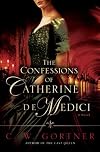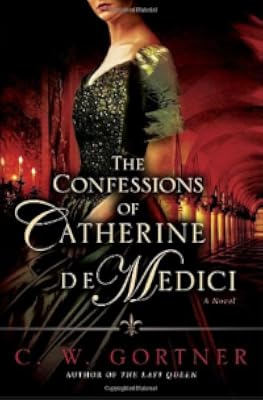
The Confessions of Catherine de Medici
by C. W. Gortner 
On This Page
Description
Leaving her native Florence to marry Henry II of France, Catherine de Medici embarks on an unanticipated destiny of religious warfare, thwarted leadership, and psychologically charged royal machinations.Tags
Recommendations





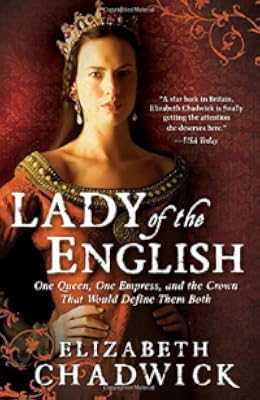



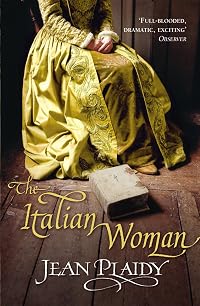
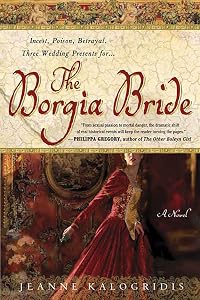
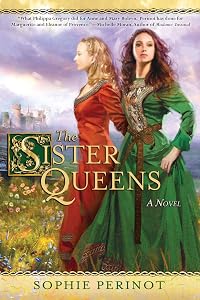




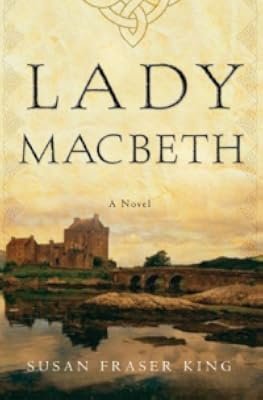


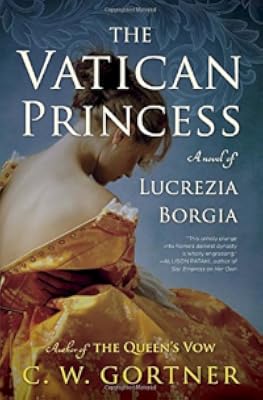

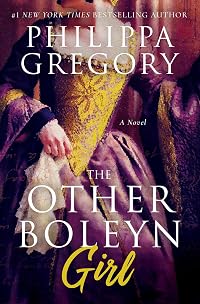

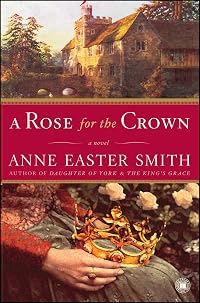




Member Recommendations

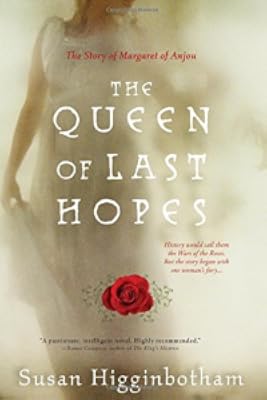
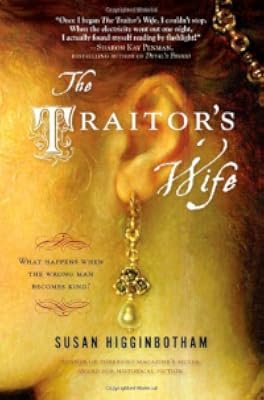
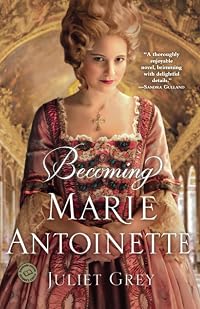
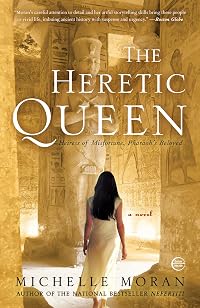
Caramellunacy Both stories revolve around the Huguenot wars/insurgency in France. While Confessions gives an interesting new take on an oft-maligned historical figure, The Nostradamus Papers includes a supernatural angle surrounding Henri of Navarre & the Bartholomew's Day Massacre. Confessions is adult historical fiction - Nostradamus is YA historical fantasy.
bsiemens This historical novel is about a strong, French woman during a period of civil unrest.
Member Reviews
This is a solid work of historical fiction, one that (thankfully, IMO) leaves behind all the fascination about Catherine-the-necromancer and Catherine-the-poisoner to focus on Catherine de Medici, the politician and woman. To me, that's the most interesting part of the life of this intriguing individual. Born to Florence's ruling family but kept from her native city as a result of civil strife, Catherine is married off to the second son of the French king -- only to discover that her husband is infatuated with his much-older mistress and has little interest in a dumpy foreign girl from a merchant family background. That much is familiar territory to anyone who has read a biography or another novel about Catherine; what intrigued me was show more Gortner's compassionate/revisionist view of her as a queen.
After her husband's death at a relatively young age, Catherine must try to steer the country through turbulent times on behalf of her young sons; it is she who essentially reigned/ruled in 16th C. France at the time of the St. Bartholemew's Day Massacre of Paris's Protestant population. Rather than turning her into a caricature or the personification of evil, Gortner portrays her as an intelligent and independent woman who tries to steer an even course between the Guises and the Catholic League, and the most rabid Protestants.
I'm not entirely convinced by the love affair that Gortner imagines for Catherine, but it's an intriguing twist on the historical facts, and a bond between these two individuals in question of this kind (if not an actual affair) wouldn't have been out of character. He also does a great job of capturing the young Henri of Navarre, daughter of Catherine's self-declared enemy and yet an ally of sorts in Catherine's efforts to replace intolerance with pragmatism.
A welcome addition to the bookshelves of historical fiction fans; probably of little interest to anyone who isn't already drawn to the genre, however. I'm looking forward to Gortner's next novel, which will tackle the equally black-and-white character of Isabella of Castile. show less
After her husband's death at a relatively young age, Catherine must try to steer the country through turbulent times on behalf of her young sons; it is she who essentially reigned/ruled in 16th C. France at the time of the St. Bartholemew's Day Massacre of Paris's Protestant population. Rather than turning her into a caricature or the personification of evil, Gortner portrays her as an intelligent and independent woman who tries to steer an even course between the Guises and the Catholic League, and the most rabid Protestants.
I'm not entirely convinced by the love affair that Gortner imagines for Catherine, but it's an intriguing twist on the historical facts, and a bond between these two individuals in question of this kind (if not an actual affair) wouldn't have been out of character. He also does a great job of capturing the young Henri of Navarre, daughter of Catherine's self-declared enemy and yet an ally of sorts in Catherine's efforts to replace intolerance with pragmatism.
A welcome addition to the bookshelves of historical fiction fans; probably of little interest to anyone who isn't already drawn to the genre, however. I'm looking forward to Gortner's next novel, which will tackle the equally black-and-white character of Isabella of Castile. show less
 This review was written for LibraryThing Early Reviewers.
The Confessions of Catherine de Medici is a fantastic example of historical fiction. Lush backdrops, details so clear and precise that the images all but leap off the page, a notorious yet mysterious historical figure, a very tumultuous time period - these all combine perfectly to present Catherine's story as it has never before been told. While still fiction, Gortner does an amazing job of presenting her story with plausibility so that a reader is left questioning whether this were truly the way the events did happen and whether the history books have been wrong for so many years.
Presented in history books as a power-hungry, cold, cruel tyrant devoted to the dark arts, Gortner's Catherine is sympathetic and all-too-human. She show more understands too clearly the politics and intrigue that are a necessary part of living as among royalty and knows that her options are very, very limited. Catherine does nothing more than make any sacrifice necessary for the future of her children. Her intentions are clear and never waver, but the perception of those intentions, and consequently her actions, are what cause her to be viewed by royalty and peasants alike with suspicion and dread.
While focusing on Catherine's story, Gortner also presents life in France during the 16th Century in all its tumultous glory. Life was not easy for royalty and peasantry alike. Everyone had to watch their backs and concern themselves with being reported as a heretic. The constant battle between Catholics and Protestants is reminiscent of the Crusades and even today's more modern wars in which there is no such thing as compromise. It is unfortunate reminder that the more things change, the more things stay the same.
Another interesting aspect of the story is the stark picture of life at the royal court. One had to manuever through the adultery, intrigue, political backstabbing and all other manner of unsavory behavior while presenting to the public the ability to rise above all that. One could never let down one's guard or believe for a moment that one was safe from the political machinations, greed, and scramble for power that was normal for court life. It had to be an exhausting way of life, as Catherine learned at an early age. Life at court is not the life of privilege one might expect.
Gortner's realistic descriptions and attention to detail makes it very easy for a reader to imagine living in France while forcing the reader to decide whether Catherine's actions are justified. The first-person narrative lends an intimacy that also helps the reader truly feel almost communal with Catherine. The effect is a breathtaking blast to the past, one that is filled with enough intrigue and tension to keep any reader on the edge of his or her seat. The Confessions of Catherine de Medici brings history alive. show less
Presented in history books as a power-hungry, cold, cruel tyrant devoted to the dark arts, Gortner's Catherine is sympathetic and all-too-human. She show more understands too clearly the politics and intrigue that are a necessary part of living as among royalty and knows that her options are very, very limited. Catherine does nothing more than make any sacrifice necessary for the future of her children. Her intentions are clear and never waver, but the perception of those intentions, and consequently her actions, are what cause her to be viewed by royalty and peasants alike with suspicion and dread.
While focusing on Catherine's story, Gortner also presents life in France during the 16th Century in all its tumultous glory. Life was not easy for royalty and peasantry alike. Everyone had to watch their backs and concern themselves with being reported as a heretic. The constant battle between Catholics and Protestants is reminiscent of the Crusades and even today's more modern wars in which there is no such thing as compromise. It is unfortunate reminder that the more things change, the more things stay the same.
Another interesting aspect of the story is the stark picture of life at the royal court. One had to manuever through the adultery, intrigue, political backstabbing and all other manner of unsavory behavior while presenting to the public the ability to rise above all that. One could never let down one's guard or believe for a moment that one was safe from the political machinations, greed, and scramble for power that was normal for court life. It had to be an exhausting way of life, as Catherine learned at an early age. Life at court is not the life of privilege one might expect.
Gortner's realistic descriptions and attention to detail makes it very easy for a reader to imagine living in France while forcing the reader to decide whether Catherine's actions are justified. The first-person narrative lends an intimacy that also helps the reader truly feel almost communal with Catherine. The effect is a breathtaking blast to the past, one that is filled with enough intrigue and tension to keep any reader on the edge of his or her seat. The Confessions of Catherine de Medici brings history alive. show less
The only things I knew about Catherine de Medici were that she was Italian and that she had a reputation for being a ruthless murderess. I did not realize that she was a Queen in France, and Gortner explained her reputation away while keeping her from looking like a despot.
I love good historical fiction because it teaches me something, in the guise of an adventure story. This one takes place from 1529 to 1589, during the reign of Henry VIII of England and shortly thereafter, and I have often thought that would be one of the most dangerous times ever to have been a royal. I was reminded by this story that it would also have been a difficult time to be religious. While England was fighting over whether it would be Catholic or Protestant, show more France was struggling with the advent of Calvin and the Huguenots. In the center of this conflict sat Catherine de Medici, trying to hold the French throne for her sons and parceling out her daughters to various alliances.
No one could help feeling sorry for Catherine in her early life. She certainly developed a thicker skin than I ever could have. I cannot imagine seeing this kind of constant bloodshed and enduring the deaths of so many people you know or love, and still keeping your sanity, let alone your equilibrium.
When I read a Tudor book, I know the history so I can spot the inaccuracies or inventions. In this case, I do not know the history, so I cannot really speak to that. However, this did not have the feeling of being grossly inaccurate and the author does provide a list of scholarly works that contributed to his research and which he suggests reading for historical background. I would not hesitate to read other historical fiction by Mr. Gortner. show less
I love good historical fiction because it teaches me something, in the guise of an adventure story. This one takes place from 1529 to 1589, during the reign of Henry VIII of England and shortly thereafter, and I have often thought that would be one of the most dangerous times ever to have been a royal. I was reminded by this story that it would also have been a difficult time to be religious. While England was fighting over whether it would be Catholic or Protestant, show more France was struggling with the advent of Calvin and the Huguenots. In the center of this conflict sat Catherine de Medici, trying to hold the French throne for her sons and parceling out her daughters to various alliances.
No one could help feeling sorry for Catherine in her early life. She certainly developed a thicker skin than I ever could have. I cannot imagine seeing this kind of constant bloodshed and enduring the deaths of so many people you know or love, and still keeping your sanity, let alone your equilibrium.
When I read a Tudor book, I know the history so I can spot the inaccuracies or inventions. In this case, I do not know the history, so I cannot really speak to that. However, this did not have the feeling of being grossly inaccurate and the author does provide a list of scholarly works that contributed to his research and which he suggests reading for historical background. I would not hesitate to read other historical fiction by Mr. Gortner. show less
This was great historical fiction. I have read other books about Catherine de Medici where she has been portrayed as a ruthless queen, a witch and a murderess. However, Gortner gives a different perspective to this controversial woman. In this book Catherine is seen as being much more human and a deserving protagonist. Despite her difficult childhood the reader watches Catherine grow into a strong, caring woman who deeply loves her adopted country and her children, and who tries to make the right decisions for them despite the difficulties she has to face.
I really enjoyed reading this book and found myself admiring Catherine de Medici's courage, determination and devotion. Not only did Gortner bring Catherine alive he created a show more fabulous narrative depicting the era and the religious conflict that much of Europe was facing at this time. I am looking forward to reading other books by this author. show less
I really enjoyed reading this book and found myself admiring Catherine de Medici's courage, determination and devotion. Not only did Gortner bring Catherine alive he created a show more fabulous narrative depicting the era and the religious conflict that much of Europe was facing at this time. I am looking forward to reading other books by this author. show less
Catherine de Medici is just a girl with a little too much life experience when she leaves her home of Italy to be married to the French king's son, Henri. Wondering and hoping for the best from her marriage, Catherine is dismayed to discover that her new husband has a mistress intent on keeping his attention away from her. With her status at stake, Catherine must make sacrifices to take control of her life, but they are sacrifices which only strengthen her for the extraordinary role she must take in the lives of her children and her adopted country, France.
Even though I really enjoyed C.W. Gortner's last work, The Last Queen, I was worried how I was going to react to this one. I've mentioned my recent disaffection with historical show more fiction quite a lot, but since I so recently loved The Mistress of Nothing by Kate Pullinger, I thought it might be time to give it a try. And I was right - I loved this book. I thought about it when I wasn't reading it and I fully enjoyed immersion in it throughout its 400 pages. Gortner has penned another winner and I'm glad I didn't wait one minute longer to read it.
Making Catherine de Medici, one of history's favorite villains, a sympathetic character is an impressive feat, but Gortner does just that. Charting her growth from naive girl to married princess to crowned queen to mother and regent allows him to give her life perspective which is rarely achieved in other works that target the same time period but focus on different characters. As a result, we can see how and why she acts the way she does, and with these believable motives in place, her character shifts and she becomes a character we can relate to instead of a conniving queen, even if she might appear that way to others.
I also really enjoyed the settings; I could picture sixteenth century France and its many troubles easily. A number of important historic events happen during Catherine's reign as queen, most notably the St Bartholomew's Day Massacre, and the struggle between the Huguenots and the Catholics was, for me, well portrayed, and captured a lot of the frustrations and violence which seethed through France and its neighboring countries at the time. So much was happening that the book never slows down or feels boring; whether it's Catherine's personal life in turmoil or the country itself, something is always going on to keep the reader entertained and captivated.
The Confessions of Catherine de Medici was surprisingly just as excellent as I'd hoped, and I think it's an excellent choice for other lovers of historical fiction - even if, like me, you are a bit unhappy with the genre as a whole. C.W. Gortner is an amazing writer and you'll find me lining up for his next book ASAP. show less
Even though I really enjoyed C.W. Gortner's last work, The Last Queen, I was worried how I was going to react to this one. I've mentioned my recent disaffection with historical show more fiction quite a lot, but since I so recently loved The Mistress of Nothing by Kate Pullinger, I thought it might be time to give it a try. And I was right - I loved this book. I thought about it when I wasn't reading it and I fully enjoyed immersion in it throughout its 400 pages. Gortner has penned another winner and I'm glad I didn't wait one minute longer to read it.
Making Catherine de Medici, one of history's favorite villains, a sympathetic character is an impressive feat, but Gortner does just that. Charting her growth from naive girl to married princess to crowned queen to mother and regent allows him to give her life perspective which is rarely achieved in other works that target the same time period but focus on different characters. As a result, we can see how and why she acts the way she does, and with these believable motives in place, her character shifts and she becomes a character we can relate to instead of a conniving queen, even if she might appear that way to others.
I also really enjoyed the settings; I could picture sixteenth century France and its many troubles easily. A number of important historic events happen during Catherine's reign as queen, most notably the St Bartholomew's Day Massacre, and the struggle between the Huguenots and the Catholics was, for me, well portrayed, and captured a lot of the frustrations and violence which seethed through France and its neighboring countries at the time. So much was happening that the book never slows down or feels boring; whether it's Catherine's personal life in turmoil or the country itself, something is always going on to keep the reader entertained and captivated.
The Confessions of Catherine de Medici was surprisingly just as excellent as I'd hoped, and I think it's an excellent choice for other lovers of historical fiction - even if, like me, you are a bit unhappy with the genre as a whole. C.W. Gortner is an amazing writer and you'll find me lining up for his next book ASAP. show less
This review was written for LibraryThing Early Reviewers.The Confessions of Catherine de Medici was fascinating to say the least, and extremely well written, much to my delight. The prose was almost lyrical at times. I was impressed with how much I learned about the historical queen and her family. The author made that era come alive without boring me with the many details that are needed to describe what took place in history. He really brings her trials and triumphs to life and did so in a way that made sense to me. I kept forgetting that the author was a man. He portrayed a woman's mindset so well in his description of Catherine's life and in her inner dialog. The queen regent's desire for peace was admirable, but her many compromises along the way caused nothing but further heartache. show more Being a regent in those days was a formidable task as so many lives depended on every decision made. Again, a fascinating and engrossing tale all around.
I've always found the time period in European history when religious persecution took place very intriguing. It seemed like there was an endless need for killing which flipped from one side to the other on a regular basis. It was a crazy generation to live in and a very bloody time as well. It's amazing that Europe survived it. The Protestant Reformation has always fascinated me because despite persecution in both directions it managed to survive and leave a legacy that exists to this day. The author did a great job at showing how complex the politics of the day were and how betrayal occurred on so many levels. I found it sad that Catherine believed her son Henri would be the one to keep the dynasty going only to discover that he would never have an heir for reasons she never saw coming. So many in her family died or were murdered. Again, quite sad. By book's end I felt like I understood a character in history that I knew very little about prior to reading this novel. I highly recommend it. show less
I've always found the time period in European history when religious persecution took place very intriguing. It seemed like there was an endless need for killing which flipped from one side to the other on a regular basis. It was a crazy generation to live in and a very bloody time as well. It's amazing that Europe survived it. The Protestant Reformation has always fascinated me because despite persecution in both directions it managed to survive and leave a legacy that exists to this day. The author did a great job at showing how complex the politics of the day were and how betrayal occurred on so many levels. I found it sad that Catherine believed her son Henri would be the one to keep the dynasty going only to discover that he would never have an heir for reasons she never saw coming. So many in her family died or were murdered. Again, quite sad. By book's end I felt like I understood a character in history that I knew very little about prior to reading this novel. I highly recommend it. show less
I didn't know much about Catherine of De Medici. Okay, I knew nothing about her but she lived in Italy then France at the same time Henry VIII was busy beheading, divorcing and outliving his six wives
So I did the extensive research of looking her up. I used Wikipedia.
Snore.
The European history buff in me prevailed and I decided this one had a pretty cover so perhaps the story would be acceptable. Oh. My. Gosh. I was incredibly surprised by the storytelling. I could not put the book down. Although the story follows much of Wikipedia's account of Catherine, the author tells a story of the time period and of Catherine, a woman both loved and hated during her life and death.
Catholicism was still the rage in the sixteenth century, although show more John Calvin, Martin Luther, and others had cast a shadow on the prevailing church's worship practices. Catherine was very small when her Italian city was thrown into a civil war. She suffered terribly during her imprisonment but was eventually rescued by her Uncle Clement, the pope. Shortly thereafter, however, she was sent to France to marry Henry, the son of Francois, the current king of France. It was a political move, as all royal unions tend to be. Unbeknownst to Catherine, she entered a royal court full of adultery (the most glaring being her husband's), petty gossip, and negotiation for power.
The dauphin, the next in line, dies, leaving Henry the next king. Eventually, the old king dies and bequeaths the crown to Henry and Catherine becomes queen. By this time, she has finally given birth to a son and follows up with 8 more children. The king dies leaving Catherine the odious task of becoming a has-been. She watches the social climbers and new powers take over son's sovereignty and then he dies without leaving an heir. The next son is only 11 years old. She appoints herself as regent and rules until his death, again leaving no heir. The next son steps up, using Catherine as his playbook.
Meanwhile, Protestant and Catholic wage wars against one another. It is brutal. Catherine tries to remain non-partisan while maintaining her Roman Catholic roots but eventually makes decisions that may have contributed to the massacre of St. Bartholomew. Huge. Really huge and not at all pretty.
The author writes a story that leaves Catherine as a heroine rather than a persecutor. While he does not beatify her, her reasons are explained the reader is drawn into her world and her sorrow. Why did she laugh as Navarre was forced to renounce his Protestant faith and join the Catholic church? It's in the book. Did she really order the deaths of all Protestants in France on that fateful night? What could have driven a woman to take such desperate measures? Or did she?
The book is well written and has clear and concise descriptions. Catherine endears herself to the reader who feels empathy for the protagonist. By the end of the book, and of Catherine's life, the reader understands more clearly how being royalty in this time period left few choices in marriage and others often pulled the puppet strings. How much manipulation plays a part is brutally brought to light.
The writing and story are excellent. I kept having to turn the page to find out what happens next. It is definitely not boring by any stretch. I also did not find myself getting lost with too many characters. Although complex, the relationship to Catherine and her children is generally quite clear. Gortner's research is meticulously done. show less
So I did the extensive research of looking her up. I used Wikipedia.
Snore.
The European history buff in me prevailed and I decided this one had a pretty cover so perhaps the story would be acceptable. Oh. My. Gosh. I was incredibly surprised by the storytelling. I could not put the book down. Although the story follows much of Wikipedia's account of Catherine, the author tells a story of the time period and of Catherine, a woman both loved and hated during her life and death.
Catholicism was still the rage in the sixteenth century, although show more John Calvin, Martin Luther, and others had cast a shadow on the prevailing church's worship practices. Catherine was very small when her Italian city was thrown into a civil war. She suffered terribly during her imprisonment but was eventually rescued by her Uncle Clement, the pope. Shortly thereafter, however, she was sent to France to marry Henry, the son of Francois, the current king of France. It was a political move, as all royal unions tend to be. Unbeknownst to Catherine, she entered a royal court full of adultery (the most glaring being her husband's), petty gossip, and negotiation for power.
The dauphin, the next in line, dies, leaving Henry the next king. Eventually, the old king dies and bequeaths the crown to Henry and Catherine becomes queen. By this time, she has finally given birth to a son and follows up with 8 more children. The king dies leaving Catherine the odious task of becoming a has-been. She watches the social climbers and new powers take over son's sovereignty and then he dies without leaving an heir. The next son is only 11 years old. She appoints herself as regent and rules until his death, again leaving no heir. The next son steps up, using Catherine as his playbook.
Meanwhile, Protestant and Catholic wage wars against one another. It is brutal. Catherine tries to remain non-partisan while maintaining her Roman Catholic roots but eventually makes decisions that may have contributed to the massacre of St. Bartholomew. Huge. Really huge and not at all pretty.
The author writes a story that leaves Catherine as a heroine rather than a persecutor. While he does not beatify her, her reasons are explained the reader is drawn into her world and her sorrow. Why did she laugh as Navarre was forced to renounce his Protestant faith and join the Catholic church? It's in the book. Did she really order the deaths of all Protestants in France on that fateful night? What could have driven a woman to take such desperate measures? Or did she?
The book is well written and has clear and concise descriptions. Catherine endears herself to the reader who feels empathy for the protagonist. By the end of the book, and of Catherine's life, the reader understands more clearly how being royalty in this time period left few choices in marriage and others often pulled the puppet strings. How much manipulation plays a part is brutally brought to light.
The writing and story are excellent. I kept having to turn the page to find out what happens next. It is definitely not boring by any stretch. I also did not find myself getting lost with too many characters. Although complex, the relationship to Catherine and her children is generally quite clear. Gortner's research is meticulously done. show less
Members
- Recently Added By
Author Information

23 Works 4,137 Members
C. W. Gortner was born and raised in Spain. He moved to the United States when he was a teen-ager. He earned a Bachelor of Arts in Marketing from the Fashion Institute of Design and Merchandising in San Francisco and a Masters of Fine Arts in Writing from the New College of California. He soon found his passion for writing and became an author of show more historical fiction. His titles include: The Last Queen, The Confessions of Catherine De Medici, The Queen's Vow: A Novel of Isabella of Castile, Mademoiselle Chanel, and Marlene. He was named one of the top ten historical novelists by The Washington Independent Review of Books. (Bowker Author Biography) show less
C. W. Gortner is a LibraryThing Author, an author who lists their personal library on LibraryThing.
Awards and Honors
Distinctions
Work Relationships
Common Knowledge
- Canonical title
- The Confessions of Catherine de Medici
- Original publication date
- 2010-05-25
- People/Characters
- Catherine de Medici; Gaspard de Coligny; Diane de Poitiers, Duchess of Valentinois (1499-1566); François I, King of France; François II, King of France (1559-1560); Henri II, King of France (1519-1559) (show all 20); Henri III, King of France; Mary, Queen of Scots; Nostradamus; Henri VI, King of France (as Henry III King of Navarre); Marguerite de Valois (1553-1615); Henri de Guise, Duke of Guise; François-Hercule, Duke of Anjou and Alençon; Cosimo Ruggieri; Elisabeth de Valois; Claude de Valois, Duchess of Lorraine; François de Guise, Duke of Guise; Cardinal de Guise; Lucrezia; Anna Maria
- Important places
- Paris, France; Florence, Tuscany, Italy; Rome, Italy; Chateau de Chenonceau; Tuscany, Italy
- Important events
- Religious Wars of France (1562 | 1598); St. Bartholomew's Day Massacre (1572)
- Related movies
- La reine Margot (1994 | IMDb)
- Epigraph
- Bottle! Whose mysterious deep does ten thousand secrets keep, With attentive ear I wait; Ease my mind and speak my fate. --Rabelais
- Dedication
- For Erik, who always reminds me there is more to life; and for Jennifer, who always makes me laugh
- First words
- I am not a sentimental woman.
- Quotations
- "If hope were a seed, I'd be mother to an entire nation."
"One day, that is exactly who you will be." - Last words
- (Click to show. Warning: May contain spoilers.)So it is.
- Publisher's editor
- Porter, Susanna; Quint, Jillian; Doore, Suzie
- Blurbers
- Gulland, Sandra; Penman, Sharon Kay; George, Margaret
Classifications
Statistics
- Members
- 575
- Popularity
- 51,359
- Reviews
- 48
- Rating
- (3.93)
- Languages
- 5 — English, German, Italian, Polish, Portuguese
- Media
- Paper, Audiobook, Ebook
- ISBNs
- 22
- ASINs
- 4