
Philippa Gregory
Author of The Other Boleyn Girl
About the Author
Philippa Gregory was born in Nairobi, Kenya on January 9, 1954. She received a B.A. in history at Sussex University in 1982 and a Ph.D. in 18th-century literature from the University of Edinburgh in 1984. She has taught at numerous universities and was made a fellow of Kingston University in 1994. show more Her historical novels include: Wideacre, The Queen's Fool, The Virgin's Lover, The Constant Princess, The Boleyn Inheritance, The Other Queen, The White Queen, The Red Queen, The Lady of the Rivers and The White Princess. She has also written several contemporary fiction works including Perfectly Correct, The Little House and Zelda's Cut. She adapted her novel A Respectable Trade, about the slave trade in England, into a four-part series for BBC television. Her script won an award from the Committee for Racial Equality. She won the Feminist Book Fortnight Award in 1990 and the Romantic Novelist of the Year Award in 2002. Her book, The Other Boleyn Girl, won the Parker Romantic Novel of the Year award and was adapted into a major feature film in 2008 starring Natalie Portman and Scarlett Johansson. The White Queen was adapted into an original cable series on the Starz nertwork in 2013 starring Max Irons and Rebecca Ferguson. Her title The Kings Curse made the New York Times bestseller list in 2014. Her title, The Taming of the Queen, made the New York Times bestseller list in 2015. Her latest bestseller is Three Sisters, Three Queens. Gregory also writes children's books, is a regular contributor to newspapers and magazines, a frequent broadcaster for radio and television, and runs a small charity that builds wells in schoolyards in Gambia. (Bowker Author Biography) show less
Series
Works by Philippa Gregory
The Women of the Cousins' War: The Duchess, the Queen, and the King's Mother (2011) 526 copies, 24 reviews
Normal Women: Nine Hundred Years of Making History (2023) — Narrator, some editions — 465 copies, 5 reviews
The Boleyn Inheritance/The Other Boleyn Girl/The Virgin's Lover/Queen's Fool/Wideacre/Constant Princess/Meridon/Earthly Joys/Virgin Earth (2000) 36 copies
The Cousins' War Collection: White Queen, Red Queen, Lady of the Rivers, Kingmaker's Daughter, The White Princess (2014) 13 copies
Philippa Gregory's The Cousins' War 3-Book Boxed Set: The Red Queen, The White Queen, and The Lady of the Rivers (2011) 12 copies
Philippa Gregory Cousins' War Series Box set: Includes White Queen, Red Queen, Lady of the Rivers, and Kingmaker's Daughter (2013) 10 copies
Philippa Gregory's Wars of the Roses 2-Book Boxed Set: The Red Queen and The White Queen (2011) 8 copies
Royal Witch: A Novel 7 copies
Philippa Gregory 3-Book Set: The Tudor Court (The Queen's Fool; The Virgin's Lover; The Other Queen) (2012) 6 copies
Five Book Set By Philippa Gregory: Wideacre, Virgin Earth, Queen's Fool, Virgin's Lover, Meridon 3 copies
No title 2 copies
Tre Sorelle,Tre Regine 1 copy
Dom cudzych marzeń 1 copy
Tiudorų saulėlydis: romanas 1 copy
L'altra Bolena 1 copy
Tre sorelle, tre regine 1 copy
The Queen’s Fool 1 copy
Az állhatatos hercegnő 1 copy
PHILLIPA GREGORY - SET OF 3 BOOKS - The Boleyn Inheritance/The White Queen/The Lady Of The Rivers. 1 copy
GRE La princesa fiel 1 copy
Krucjata 1 copy
Die Schwester der Königin 1 copy
The Other Boleyn Girl / The Virgin's Lover / The Queen's Fool / The Constant Princess / The Other Queen / The White Queen (2004) 1 copy
The women of he cousins war 1 copy
Associated Works
The Book Lovers' Appreciation Society: Breast Cancer Care Short Story Collection (2009) — Contributor — 97 copies, 1 review
Of Love and Life: The Constant Princess / Recipes for a Perfect Marriage / Look the World in the Eye (1994) 7 copies
Of Love and Life: The Queen's Fool / Between Sisters / Safe Harbour — Contributor — 2 copies
Tagged
Common Knowledge
- Canonical name
- Gregory, Philippa
- Legal name
- Gregory Chislett Carter Mason, Philippa
- Birthdate
- 1954-01-09
- Gender
- female
- Education
- University of Sussex (BA|1982)
University of Edinburgh (Ph.D|1985) - Occupations
- novelist
broadcaster - Awards and honors
- Order of the British Empire (Commander, 2021)
- Relationships
- Carter, Paul (ex-husband)
Mason, Anthony (husband) - Nationality
- UK
- Birthplace
- Nairobi, Kenya
- Places of residence
- Nairobi, Kenya (birth)
Gambia
Stokesley, North Yorkshire, England, UK
Midhurst, West Sussex, England, UK - Associated Place (for map)
- England, UK
Members
Discussions
The White Queen ~ Philippa Gregory in Quote Keepers (June 2025)
Reviews
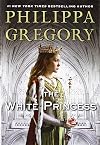
I’m reading this wonderful series, The Cousins’ War, out of order, but it’s all good. :-) I’ve read THE LADY OF THE RIVERS, which was Book Three, and now, THE WHITE PRINCESS, Book Five. Philippa Gregory has a knack for blending fact with fiction and bringing historical characters to life, making them real and compelling. Fascinating, all of them, even the ones I wanted to throttle.
A quickie historical note: The White Princess in this book is Elizabeth of York, eldest child of King show more Edward IV and Elizabeth Woodville. Elizabeth of York was the sister of the Princes in the Tower, the heirs to King Edward IV’s throne after his death. Edward’s brother Richard III had the boys taken to the Tower of London, where they disappeared before the eldest boy could be crowned. Richard III had them declared illegitimate anyway, and took the throne in 1483, the last York king.
THE WHITE PRINCESS begins just after Richard III’s defeat and death at the Battle of Bosworth in 1485. In theory, the War of the Roses came to an end when Henry Tudor took the crown and married Elizabeth, finally uniting the Houses of Lancaster and York. But, of course, it wasn’t that easy!
Poor Elizabeth. She was madly in love with her Uncle Richard, and was devastated by his death. (o.O) Richard III was going to make his beloved niece his queen, but she was forced to marry his archenemy/murderer instead. Elizabeth was a sympathetic character, just trying to make the best out of a situation beyond her control. In the eyes of her husband, she walked a fine line between being a traitorous York and being his repentant queen throughout their entire marriage. Most of the time she was kept in the dark about the scheming of her husband and his mother to secure his crown, and that of her own mother, Elizabeth Woodville, who longed to see a York restored to the throne.
Elizabeth was a strong woman to have survived her life with Henry. I’m sorry to say that Henry was little more than a paranoid mama’s boy, always believing a ghost prince would swoop in a steal his crown. He was so insecure and unlikable, I kind of felt sorry for the man. (Still, I wanted to smack him a few times.) And then there was his mother, Lady Margaret Beaufort, an unpleasant, pious, and power-hungry woman. As his chief adviser and one of the few people the king trusted, she fueled his paranoia and put quite a strain on his relationship with Elizabeth.
I listened to the audio version of this book, and it was amazing. Bianca Amato gave a brilliant performance and truly captured the personalities and emotions of the characters. There was a memorable scene between Elizabeth and her son, Prince Arthur, in church where he tells her that she’ll always have him. Bittersweet. *sniffles*
Now, I have to go back and read some of the earlier books in this series, particularly THE WHITE QUEEN, about Elizabeth Woodville. I need to know more about this fascinating woman.
Thank you to Simon & Schuster Audio for sending me a review copy of this book. show less
A quickie historical note: The White Princess in this book is Elizabeth of York, eldest child of King show more Edward IV and Elizabeth Woodville. Elizabeth of York was the sister of the Princes in the Tower, the heirs to King Edward IV’s throne after his death. Edward’s brother Richard III had the boys taken to the Tower of London, where they disappeared before the eldest boy could be crowned. Richard III had them declared illegitimate anyway, and took the throne in 1483, the last York king.
THE WHITE PRINCESS begins just after Richard III’s defeat and death at the Battle of Bosworth in 1485. In theory, the War of the Roses came to an end when Henry Tudor took the crown and married Elizabeth, finally uniting the Houses of Lancaster and York. But, of course, it wasn’t that easy!
Poor Elizabeth. She was madly in love with her Uncle Richard, and was devastated by his death. (o.O) Richard III was going to make his beloved niece his queen, but she was forced to marry his archenemy/murderer instead. Elizabeth was a sympathetic character, just trying to make the best out of a situation beyond her control. In the eyes of her husband, she walked a fine line between being a traitorous York and being his repentant queen throughout their entire marriage. Most of the time she was kept in the dark about the scheming of her husband and his mother to secure his crown, and that of her own mother, Elizabeth Woodville, who longed to see a York restored to the throne.
Elizabeth was a strong woman to have survived her life with Henry. I’m sorry to say that Henry was little more than a paranoid mama’s boy, always believing a ghost prince would swoop in a steal his crown. He was so insecure and unlikable, I kind of felt sorry for the man. (Still, I wanted to smack him a few times.) And then there was his mother, Lady Margaret Beaufort, an unpleasant, pious, and power-hungry woman. As his chief adviser and one of the few people the king trusted, she fueled his paranoia and put quite a strain on his relationship with Elizabeth.
I listened to the audio version of this book, and it was amazing. Bianca Amato gave a brilliant performance and truly captured the personalities and emotions of the characters. There was a memorable scene between Elizabeth and her son, Prince Arthur, in church where he tells her that she’ll always have him. Bittersweet. *sniffles*
Now, I have to go back and read some of the earlier books in this series, particularly THE WHITE QUEEN, about Elizabeth Woodville. I need to know more about this fascinating woman.
Thank you to Simon & Schuster Audio for sending me a review copy of this book. show less
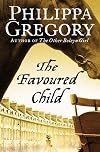
For the faint of heart who complained about Wideacre, the first novel in Philippa Gregory's trilogy, there will be no need to warn that The Favoured Child continues in the same ever-decreasing circles. Julia Lacey and Richard McAndrew are Beatrice's children, joint heirs to the land who have also inherited the best and worst traits of their mother. (I must confess that I had forgotten exactly how warped the parentage in Wideacre was, and the Wiki synopsis of the book shocked me again!) But show more to fellow fans of this series, who love the twisted characters and the high drama of the novels, then this sequel is a worthy successor to the Wideacre controversy. Not exactly high literature, but very entertaining and easy to read! To misquote Victor Kiam, I love it so much I bought the set!
Julia and Richard are Beatrice's children, but also the polar opposites of her personality embodied in two individual characters, which is perhaps why neither work as well as Beatrice Lacey in Wideacre. Beatrice held the entire story with the strength of her own character, but Julia as narrator is a passive witness to her own life, and Richard quickly turns into a pantomime villain, all cackling laughter and evil deeds. For the most part, I did find Julia to be sympathetic and historically accurate, full of good intentions but without the confidence to act on her own, yet she can also be extremely infuriating. She represents the powerless state of eighteenth century women, controlled by society's expectations and owned by their husbands, and the point is regularly drummed home. But she is also the favoured child, sharing Beatrice's link with the land and her second sight - so much is made of this vital, mystical connection in the first half of the novel, only for Julia to throw it all away in the second. Maddening! Richard, in comparison, has all of Beatrice's greed and ambition and jealousy but without any of her depth or motivation - he's just a mad bully, with the dangerous capacity to charm and terrorise with equal impact.
The Favoured Child is a sensational, supernatural epic, which must be read as a sequel to Wideacre, but also a well-crafted historical novel, with an imposing message about the balance of power in late eighteenth century England. The Quality and the parish poor, landlords and labourers, men and women - while the French are fighting a revolution across the Channel, the struggle for independence is seething away beneath the pastoral beauty of the countryside, and amongst the Laceys of Wideacre, a corrupt family slowly turning in on themselves. I appreciated the historical social commentary, from the revival of Wideacre to the Austen-esque chapters in Bath, and enjoyed reading about another self-destructive generation of Beatrice's family. The ending is slightly rushed, with shocking deaths tacked on merely to accelerate the plot, but well worth waiting for - and I am glad I have Meridon, the last novel in the trilogy, already to hand! show less
Julia and Richard are Beatrice's children, but also the polar opposites of her personality embodied in two individual characters, which is perhaps why neither work as well as Beatrice Lacey in Wideacre. Beatrice held the entire story with the strength of her own character, but Julia as narrator is a passive witness to her own life, and Richard quickly turns into a pantomime villain, all cackling laughter and evil deeds. For the most part, I did find Julia to be sympathetic and historically accurate, full of good intentions but without the confidence to act on her own, yet she can also be extremely infuriating. She represents the powerless state of eighteenth century women, controlled by society's expectations and owned by their husbands, and the point is regularly drummed home. But she is also the favoured child, sharing Beatrice's link with the land and her second sight - so much is made of this vital, mystical connection in the first half of the novel, only for Julia to throw it all away in the second. Maddening! Richard, in comparison, has all of Beatrice's greed and ambition and jealousy but without any of her depth or motivation - he's just a mad bully, with the dangerous capacity to charm and terrorise with equal impact.
The Favoured Child is a sensational, supernatural epic, which must be read as a sequel to Wideacre, but also a well-crafted historical novel, with an imposing message about the balance of power in late eighteenth century England. The Quality and the parish poor, landlords and labourers, men and women - while the French are fighting a revolution across the Channel, the struggle for independence is seething away beneath the pastoral beauty of the countryside, and amongst the Laceys of Wideacre, a corrupt family slowly turning in on themselves. I appreciated the historical social commentary, from the revival of Wideacre to the Austen-esque chapters in Bath, and enjoyed reading about another self-destructive generation of Beatrice's family. The ending is slightly rushed, with shocking deaths tacked on merely to accelerate the plot, but well worth waiting for - and I am glad I have Meridon, the last novel in the trilogy, already to hand! show less
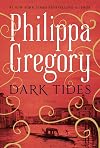
My most anticipated read of the year!! And it was SO GOOD.
Alinor Reekie used to be a midwife and herbalist, like her mother and grandmother before her. Years ago, she fell in love with a man she shouldn't have, and her life fell apart. Now, she is an entirely different woman, sickly and frail, living with her daughter Alys Stoney by the dirty waters of the river. It has been twenty years since Alinor and her children, Alys and Rob, left their beloved home in the tidelands. At the beginning show more of this story, a beautiful and mysterious Italian woman named Livia arrives at their door with baby in tow, dressed in black mourning clothes, claiming she is Rob Reekie's widow. Alys welcomes her in, but Alinor isn't convinced her son is dead. Also! Out of the blue, James Avery shows up to outrage and no-fanfare-whatsoever, after twenty long years of no word at all. He desperate to make amends with Alinor after allowing unspeakable horrors to happen to her long ago. But none of these women nor their circumstances will make it easy for him to reacquaint with Alinor.
Before anything else, I want to say that I LOVE the way Philippa Gregory writes women. The women in this series are such badasses. At first glance, they don't seem to have much and they seem like their lives matter very little. But these women have a strength that is larger than life and they can handle far more than anyone in their world wants to give them credit for.
This story is not at all like Tidelands in terms of atmosphere and tone. The main POV's have shifted around a little bit and the world is much larger. The first story took place in a very small community in England, but this story has spread to London, Venice, and New England. It was super compelling and all I wanted to do was read it. (I thought about it nonstop when I couldn't be reading.) The chapters are short, which made it easy for me to sneak a few pages here and there throughout the day: while I was in the line at the grocery store, while dinner cooked, in between subjects while homeschooling my kids.
Here's the thing: I had a hunch that something was up with Livia from the beginning. She was coy and her story often didn't line up with reality. (I loved to hate her!) I kept hoping everyone would wise up to [what I assumed were] her schemes, and then when things really picked up, I couldn't wait to see how everything would unfold for these characters.
GAH, it's going to be a long wait for the next part of the story!! The ending thankfully isn't a cliffhanger, but there is definitely more story to be told. I'm really happy for some of these characters and I really feel like some of them got what was coming to them.
Sidenote: I can't wait to reread Dark Tides via audiobook. Right before I started this one, I reread Tidelands via audiobook and it was fantastic. Louise Brealey narrated and did such a fantastic job. Her accent is beautiful and I cannot wait to hear her bring Dark Tides to life.
I received this book for free from the publisher via NetGalley in exchange for an honest review. This does not affect my opinion of the book or the content of my review. Thank you, Atria Books! show less
Alinor Reekie used to be a midwife and herbalist, like her mother and grandmother before her. Years ago, she fell in love with a man she shouldn't have, and her life fell apart. Now, she is an entirely different woman, sickly and frail, living with her daughter Alys Stoney by the dirty waters of the river. It has been twenty years since Alinor and her children, Alys and Rob, left their beloved home in the tidelands. At the beginning show more of this story, a beautiful and mysterious Italian woman named Livia arrives at their door with baby in tow, dressed in black mourning clothes, claiming she is Rob Reekie's widow. Alys welcomes her in, but Alinor isn't convinced her son is dead. Also! Out of the blue, James Avery shows up to outrage and no-fanfare-whatsoever, after twenty long years of no word at all. He desperate to make amends with Alinor after allowing unspeakable horrors to happen to her long ago. But none of these women nor their circumstances will make it easy for him to reacquaint with Alinor.
Before anything else, I want to say that I LOVE the way Philippa Gregory writes women. The women in this series are such badasses. At first glance, they don't seem to have much and they seem like their lives matter very little. But these women have a strength that is larger than life and they can handle far more than anyone in their world wants to give them credit for.
This story is not at all like Tidelands in terms of atmosphere and tone. The main POV's have shifted around a little bit and the world is much larger. The first story took place in a very small community in England, but this story has spread to London, Venice, and New England. It was super compelling and all I wanted to do was read it. (I thought about it nonstop when I couldn't be reading.) The chapters are short, which made it easy for me to sneak a few pages here and there throughout the day: while I was in the line at the grocery store, while dinner cooked, in between subjects while homeschooling my kids.
Here's the thing: I had a hunch that something was up with Livia from the beginning. She was coy and her story often didn't line up with reality. (I loved to hate her!) I kept hoping everyone would wise up to [what I assumed were] her schemes, and then when things really picked up, I couldn't wait to see how everything would unfold for these characters.
GAH, it's going to be a long wait for the next part of the story!! The ending thankfully isn't a cliffhanger, but there is definitely more story to be told. I'm really happy for some of these characters and I really feel like some of them got what was coming to them.
Sidenote: I can't wait to reread Dark Tides via audiobook. Right before I started this one, I reread Tidelands via audiobook and it was fantastic. Louise Brealey narrated and did such a fantastic job. Her accent is beautiful and I cannot wait to hear her bring Dark Tides to life.
I received this book for free from the publisher via NetGalley in exchange for an honest review. This does not affect my opinion of the book or the content of my review. Thank you, Atria Books! show less

Beatrice is the daughter of the Squire of Wideacre. Though she knows the land and loves farming, she is destined to be married off and sent away from the only home she has ever known. But she is determined to own the land herself, and at the age of fifteen throws all her will behind this conviction. She will dare anything and pay any price to have the land she loves.
This is easily the best novel in the series. It's pretty outlandish, and downright unlikely in parts, but the character of show more Beatrice is vibrant. The reader cannot help but root for her. She is surrounded by mediocrity and chained in by the social system. Even as she is going mad and plotting unforgivable cruelty, I couldn't help but admire the way she defied all the patriarchal laws of the time. show less
This is easily the best novel in the series. It's pretty outlandish, and downright unlikely in parts, but the character of show more Beatrice is vibrant. The reader cannot help but root for her. She is surrounded by mediocrity and chained in by the social system. Even as she is going mad and plotting unforgivable cruelty, I couldn't help but admire the way she defied all the patriarchal laws of the time. show less
Lists
Historical Fiction (11)
Very Very Bad (1)
New Books March (1)
Unread books (1)
Witchy Fiction (1)
Awards


You May Also Like


Associated Authors
Statistics
- Works
- 129
- Also by
- 13
- Members
- 86,556
- Popularity
- #126
- Rating
- 3.8
- Reviews
- 2,244
- ISBNs
- 1,352
- Languages
- 26
- Favorited
- 302
