
Anne Easter Smith
Author of A Rose for the Crown
About the Author
Works by Anne Easter Smith
2008 1 copy
Tagged
Common Knowledge
- Gender
- female
- Agent
- Kirsten Manges
- Nationality
- USA
- Birthplace
- England, UK
- Places of residence
- Newburyport, Massachusetts, USA
- Associated Place (for map)
- USA
Members
Reviews
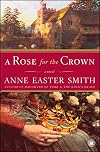
This is the sixth novel I have read from Anne Easter Smith - she is one of my favorite historical fiction writers. Her books focus on some of the more interesting historical figures involved in England's "Wars of the Roses" saga. (Richard III, Cecily Neville, Margaret of Burgundy, etc.)
This time she tackles Katherine Haute, believed by some to be the mistress of King Richard III and mother to at least one of his illegitimate children. Historically, Richard is known to have either two or show more three illegitimate children. And Katherine is one women who received a regular payment from Richard. But beyond that -- the author was free to make up a quite believable narrative where Katherine is not only the mother of Richard's three bastards, but also the great romantic love of his life.
In keeping with my own preferences for historical fiction, this book is not filled with endless details of battle scenes. Instead the Wars of the Roses remain the backdrop -- with historical events referenced in conversation, rather than unfolding in real time. Instead, at the novel's center is Katherine's life -- her humble origins, the lucky breaks that lead to social advancement, her first encounter with a teenage Richard, and generally, life as a women living in the 1400s. Smith explores the limitations in power women suffered at this time, the ways in which they were bartered to seal alliances and expand holdings, and the sometimes difficult decisions they were forced to make because they had so little autonomy.
Still, these women are capable of fierce passion and deep friendship. They love and lose children. And help heal and care for each other and the men around them. In short, their relationships feel both true to their era AND to our own. In fact, that may be my favorite part of this novel -- putting the lives of women, from all social strata, front and center while men, their politics, and war are secondary.
This is Smith's earliest novel. And there were a few moments when I felt it drifted into cheap romance novel territory. As one example -- consider Katherine's first sexual encounter with Richard. He's a 15-year-old virgin, she's an inexperienced 18-year-old. But, surprise surprise -- they both experience complete satisfaction. Hardly likely the first time with a teenage boy, wouldn't you say?
Nevertheless, it was an engaging read that left me feeling more knowledgeable about the lives of medieval women and admiring a lovable central character who showed about as much spunk as was possible for the times.
One more winning aspect worth mentioning. Despite the stories of William Shakespeare, Smith also believes Richard III was a good guy who did NOT kill the Princes in the Tower. And since that is my own position, seeing Richard as a hero made the book that much more enjoyable. show less
This time she tackles Katherine Haute, believed by some to be the mistress of King Richard III and mother to at least one of his illegitimate children. Historically, Richard is known to have either two or show more three illegitimate children. And Katherine is one women who received a regular payment from Richard. But beyond that -- the author was free to make up a quite believable narrative where Katherine is not only the mother of Richard's three bastards, but also the great romantic love of his life.
In keeping with my own preferences for historical fiction, this book is not filled with endless details of battle scenes. Instead the Wars of the Roses remain the backdrop -- with historical events referenced in conversation, rather than unfolding in real time. Instead, at the novel's center is Katherine's life -- her humble origins, the lucky breaks that lead to social advancement, her first encounter with a teenage Richard, and generally, life as a women living in the 1400s. Smith explores the limitations in power women suffered at this time, the ways in which they were bartered to seal alliances and expand holdings, and the sometimes difficult decisions they were forced to make because they had so little autonomy.
Still, these women are capable of fierce passion and deep friendship. They love and lose children. And help heal and care for each other and the men around them. In short, their relationships feel both true to their era AND to our own. In fact, that may be my favorite part of this novel -- putting the lives of women, from all social strata, front and center while men, their politics, and war are secondary.
This is Smith's earliest novel. And there were a few moments when I felt it drifted into cheap romance novel territory. As one example -- consider Katherine's first sexual encounter with Richard. He's a 15-year-old virgin, she's an inexperienced 18-year-old. But, surprise surprise -- they both experience complete satisfaction. Hardly likely the first time with a teenage boy, wouldn't you say?
Nevertheless, it was an engaging read that left me feeling more knowledgeable about the lives of medieval women and admiring a lovable central character who showed about as much spunk as was possible for the times.
One more winning aspect worth mentioning. Despite the stories of William Shakespeare, Smith also believes Richard III was a good guy who did NOT kill the Princes in the Tower. And since that is my own position, seeing Richard as a hero made the book that much more enjoyable. show less
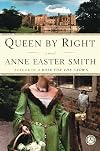
The story of the ancestress of five centuries of English monarchs, QUEEN BY RIGHT tells the story of Cecily Neville over a period of 40 years. An outspoken woman for her time, with a razor sharp intellect, she lived at the center of history making events in the 1400s.
This book satisfies on so many levels:
• The deeply romantic love match between Cecily and her husband, Richard of York, beginning from their meeting as children.
• Insights into the medical care available to someone through show more 14(!) pregnancies.
• Best of all, understanding how the arranged marriages among England's nobles led to shifting loyalties in the decades leading up to the start of The War of The Roses.
While I read a lot of history fiction, this is the first book that gave me an appreciation of how much family relationships impacted politics at this time. For example -
What happens when your sister believes your own husband is guilty of treason?
What is it like when your uncle becomes your mortal enemy?
What if your own daughter marries someone on the "other side?"
I loved discovering how Anne Easter Smith uses the private details of her characters' lives and ambitions to tell the political story of this fascinating era in English history. And I now understand the events that led to the beginning of the "Cousins War." This is a thoughtfully presented and well-researched novel. show less
This book satisfies on so many levels:
• The deeply romantic love match between Cecily and her husband, Richard of York, beginning from their meeting as children.
• Insights into the medical care available to someone through show more 14(!) pregnancies.
• Best of all, understanding how the arranged marriages among England's nobles led to shifting loyalties in the decades leading up to the start of The War of The Roses.
While I read a lot of history fiction, this is the first book that gave me an appreciation of how much family relationships impacted politics at this time. For example -
What happens when your sister believes your own husband is guilty of treason?
What is it like when your uncle becomes your mortal enemy?
What if your own daughter marries someone on the "other side?"
I loved discovering how Anne Easter Smith uses the private details of her characters' lives and ambitions to tell the political story of this fascinating era in English history. And I now understand the events that led to the beginning of the "Cousins War." This is a thoughtfully presented and well-researched novel. show less
This is the sixth novel I have read from Anne Easter Smith - she is one of my favorite historical fiction writers. Her books focus on some of the more interesting historical figures involved in England's "Wars of the Roses" saga. (Richard III, Cecily Neville, Margaret of Burgundy, etc.)
This time she tackles Katherine Haute, believed by some to be the mistress of King Richard III and mother to at least one of his illegitimate children. Historically, Richard is known to have either two or show more three illegitimate children. And Katherine is one women who received a regular payment from Richard. But beyond that -- the author was free to make up a quite believable narrative where Katherine is not only the mother of Richard's three bastards, but also the great romantic love of his life.
In keeping with my own preferences for historical fiction, this book is not filled with endless details of battle scenes. Instead the Wars of the Roses remain the backdrop -- with historical events referenced in conversation, rather than unfolding in real time. Instead, at the novel's center is Katherine's life -- her humble origins, the lucky breaks that lead to social advancement, her first encounter with a teenage Richard, and generally, life as a women living in the 1400s. Smith explores the limitations in power women suffered at this time, the ways in which they were bartered to seal alliances and expand holdings, and the sometimes difficult decisions they were forced to make because they had so little autonomy.
Still, these women are capable of fierce passion and deep friendship. They love and lose children. And help heal and care for each other and the men around them. In short, their relationships feel both true to their era AND to our own. In fact, that may be my favorite part of this novel -- putting the lives of women, from all social strata, front and center while men, their politics, and war are secondary.
This is Smith's earliest novel. And there were a few moments when I felt it drifted into cheap romance novel territory. As one example -- consider Katherine's first sexual encounter with Richard. He's a 15-year-old virgin, she's an inexperienced 18-year-old. But, surprise surprise -- they both experience complete satisfaction. Hardly likely the first time with a teenage boy, wouldn't you say?
Nevertheless, it was an engaging read that left me feeling more knowledgeable about the lives of medieval women and admiring a lovable central character who showed about as much spunk as was possible for the times.
One more winning aspect worth mentioning. Despite the stories of William Shakespeare, Smith also believes Richard III was a good guy who did NOT kill the Princes in the Tower. And since that is my own position, seeing Richard as a hero made the book that much more enjoyable. show less
This time she tackles Katherine Haute, believed by some to be the mistress of King Richard III and mother to at least one of his illegitimate children. Historically, Richard is known to have either two or show more three illegitimate children. And Katherine is one women who received a regular payment from Richard. But beyond that -- the author was free to make up a quite believable narrative where Katherine is not only the mother of Richard's three bastards, but also the great romantic love of his life.
In keeping with my own preferences for historical fiction, this book is not filled with endless details of battle scenes. Instead the Wars of the Roses remain the backdrop -- with historical events referenced in conversation, rather than unfolding in real time. Instead, at the novel's center is Katherine's life -- her humble origins, the lucky breaks that lead to social advancement, her first encounter with a teenage Richard, and generally, life as a women living in the 1400s. Smith explores the limitations in power women suffered at this time, the ways in which they were bartered to seal alliances and expand holdings, and the sometimes difficult decisions they were forced to make because they had so little autonomy.
Still, these women are capable of fierce passion and deep friendship. They love and lose children. And help heal and care for each other and the men around them. In short, their relationships feel both true to their era AND to our own. In fact, that may be my favorite part of this novel -- putting the lives of women, from all social strata, front and center while men, their politics, and war are secondary.
This is Smith's earliest novel. And there were a few moments when I felt it drifted into cheap romance novel territory. As one example -- consider Katherine's first sexual encounter with Richard. He's a 15-year-old virgin, she's an inexperienced 18-year-old. But, surprise surprise -- they both experience complete satisfaction. Hardly likely the first time with a teenage boy, wouldn't you say?
Nevertheless, it was an engaging read that left me feeling more knowledgeable about the lives of medieval women and admiring a lovable central character who showed about as much spunk as was possible for the times.
One more winning aspect worth mentioning. Despite the stories of William Shakespeare, Smith also believes Richard III was a good guy who did NOT kill the Princes in the Tower. And since that is my own position, seeing Richard as a hero made the book that much more enjoyable. show less
The story of the ancestress of five centuries of English monarchs, QUEEN BY RIGHT tells the story of Cecily Neville over a period of 40 years. An outspoken woman for her time, with a razor sharp intellect, she lived at the center of history making events in the 1400s.
This book satisfies on so many levels:
• The deeply romantic love match between Cecily and her husband, Richard of York, beginning from their meeting as children.
• Insights into the medical care available to someone through show more 14(!) pregnancies.
• Best of all, understanding how the arranged marriages among England's nobles led to shifting loyalties in the decades leading up to the start of The War of The Roses.
While I read a lot of history fiction, this is the first book that gave me an appreciation of how much family relationships impacted politics at this time. For example -
What happens when your sister believes your own husband is guilty of treason?
What is it like when your uncle becomes your mortal enemy?
What if your own daughter marries someone on the "other side?"
I loved discovering how Anne Easter Smith uses the private details of her characters' lives and ambitions to tell the political story of this fascinating era in English history. And I now understand the events that led to the beginning of the "Cousins War." This is a thoughtfully presented and well-researched novel. show less
This book satisfies on so many levels:
• The deeply romantic love match between Cecily and her husband, Richard of York, beginning from their meeting as children.
• Insights into the medical care available to someone through show more 14(!) pregnancies.
• Best of all, understanding how the arranged marriages among England's nobles led to shifting loyalties in the decades leading up to the start of The War of The Roses.
While I read a lot of history fiction, this is the first book that gave me an appreciation of how much family relationships impacted politics at this time. For example -
What happens when your sister believes your own husband is guilty of treason?
What is it like when your uncle becomes your mortal enemy?
What if your own daughter marries someone on the "other side?"
I loved discovering how Anne Easter Smith uses the private details of her characters' lives and ambitions to tell the political story of this fascinating era in English history. And I now understand the events that led to the beginning of the "Cousins War." This is a thoughtfully presented and well-researched novel. show less
Lists
Awards


You May Also Like


Associated Authors
Statistics
- Works
- 7
- Members
- 1,968
- Popularity
- #13,063
- Rating
- 3.8
- Reviews
- 89
- ISBNs
- 26
- Languages
- 1
- Favorited
- 5
