On This Page
Description
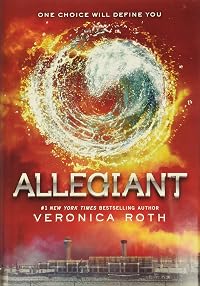
The faction-based society that Tris Prior once believed in is shattered -- fractured by violence and power struggles and scarred by loss and betrayal. So when offered a chance to explore the world past the limits she's known, Tris is ready. Perhaps beyond the fence, she and Tobias will find a simple new life together, free from complicated lies, tangled loyalties, and painful memories. But Tris's new reality is even more alarming than the one she left behind. Old discoveries are quickly show more rendered meaningless. Explosive new truths change the hearts of those she loves. And once again, Tris must battle to comprehend the complexities of human nature -- and of herself -- while facing impossible choices about courage, allegiance, sacrifice and love. show lessTags
Recommendations


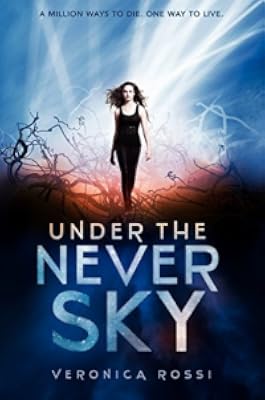
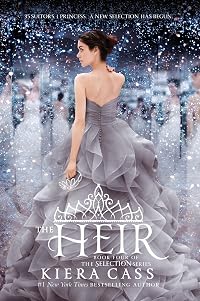
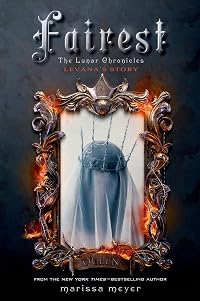
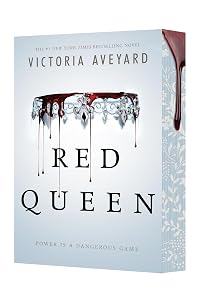
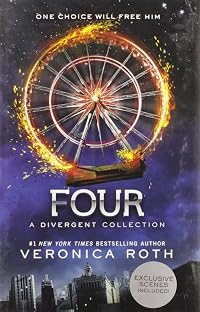
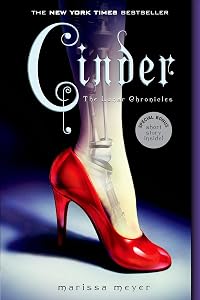
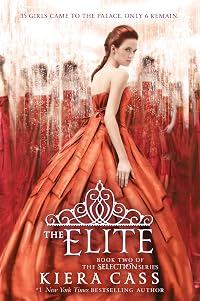
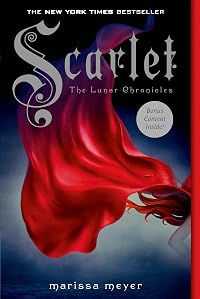
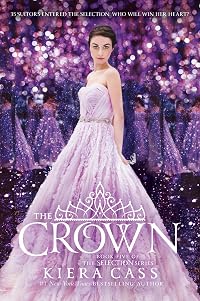
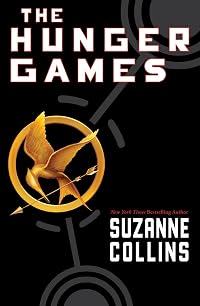
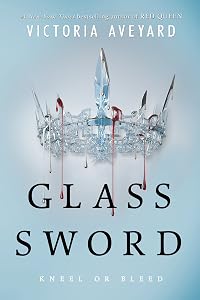
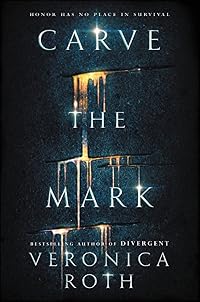
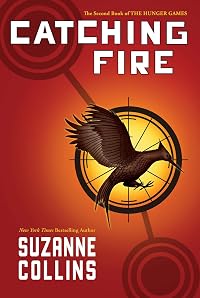
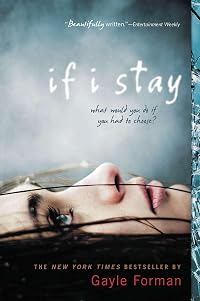
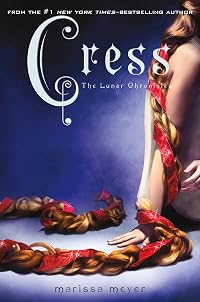
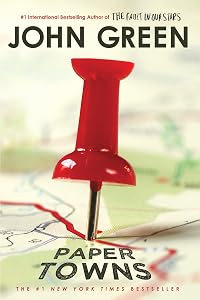
Member Recommendations
Member Reviews
Summary: Now that the factions have been dissolved, the situation inside the city is worsening. There's violence between the factionless and the former faction members, the city is being controlled by former factionless leader (and Tobias's mom) Evelyn, who is proving herself little better than Marcus and Jeanine. Tris is approached by a group that calls themselves Allegiant, and they make plans to leave the city in the hopes of finding out the truth behind their existence... but what they find is not what anyone expected.
Review: I will start out by saying that I am by no means a squealing fangirl when it comes to this series. I enjoyed the first book quite a bit, mostly due to the compelling story and fast-paced action, although I show more found the worldbuilding premise remarkably silly. The second book left me mostly cold; too many undeveloped secondary characters, and the plot holes were really starting to bug. Still, I read this third book with the hopes that the explanation would finally be coming, and that it would make sense, and that maybe this book would recapture some of the spirit that made the first one so lively.
Nope!
This book has a lot of problems. A LOT of problems. For one thing, there are roughly a thousand secondary/tertiary characters, most of whom are only on screen for brief periods of time, and who I had a really, really hard time keeping straight. Maybe if I'd re-read the first two books immediately before, I'd have had an easier time, but as it was, I barely remembered anyone's faction identity, their history, their relationships, or their motivations, and what's more, I didn't care enough about them to even bother looking it up on Wikipedia. Everyone felt flat, and I just wasn't emotionally involved with any of the characters.
Even Tris and Tobias, the main characters, didn't engender much sympathy. Their relationship, again, felt flat, their fights felt artificial and repetitive, and their making-up bits felt dull. This book, unlike the previous two, gives Tobias his own POV chapters. Unfortunately, Roth doesn't give him his own voice. There were multiple times where I'd breeze past the header at the top of the chapter letting me know whose chapter it was, and then I'd get several pages in and be unable to remember which POV I was reading. I understand not wanting to be tied to Tris's first-person narration, but because Tobias's voice was so similar to Tris's, his perspective really didn't add anything to the story.
But my biggest problem, as it has been all along, is the plot holes. The giant, gaping, city-sized plot holes. HERE THERE BE SPOILERS, so if you want to discover the (exceedingly silly and nonsensical) explanation behind the faction system for yourself, you may want to stop reading here. But you cannot put an explanation that relies on genetics down in front of a biologist and expect her not to get her rant on.
Okay, so, the explanation behind the factions, and the city, was that back in the day, some scientists started tinkering with human genes, and began "correcting" the gene for selfishness, for aggression, for cowardice, etc. That right there is problematic, since, as should be obvious to anyone who has taken a basic genetics class, there is no one-to-one gene-to-behavior match. But let's assume that this part was possible... these genetic manipulations then started having unforseen consequences, actually making people's behavior worse. That's plausible. Then there was a "Purity War" between the damaged people and the normal people, and then all of the damaged people were shut into the cities and left until interbreeding had produced people with no damage - i.e. the Divergent. This is where things get ridiculous. If the scientists had the ability to manipulate genes in the first place, why would they not just change them back once they realized that there were negative side effects? Why would they keep making a whole population's worth of them? And even if they were unable to change them back, why would they shut all of the damaged people into cities and hope that they would by chance produce Divergent? Why not set up a structured breeding program (which: totalitarian government, so clearly not beyond the realm of possibility) to systematically eliminate the deleterious alleles? Or have them out-cross with the rest of the population? Or sterilize the genetically damaged people? Or anything instead of shutting up all of the damaged alleles inside a fence and hope that through mutation or inbreeding you'll get undamaged, instead of people with extremely damaged. Basic Punnett squares, people! The entire backstory makes no sense, and it certainly seems like Roth came up with the idea for the factions because she thought it would make a cool story, wrote that cool story, and then went "Oh, shit, now I need to figure out what's going on and ret-con the rest of the story to make it fit."
(Also problematic: if you're going to have a totalitarian government shutting people up for generations inside a city, it should be much, much harder for people to get in and out. Seriously, in this book, Tris & co. stroll back and forth across the border of Chicago like it's no big deal. Why did the people stay put inside for so long?)
So, since my main motivation in reading this book was to figure out what was going on in Roth's world, I was highly disappointed. The one thing I wasn't disappointed in, however, was the ending. It seems like the ending is a sticking point for a lot of fans of the series, and may be what's causing a lot of backlash. The ending didn't upset me - I wasn't attached enough to any of the characters to have that emotional response. In fact, I rather liked the ending. It was a brave choice on Roth's part, but not one that felt like it was done just for the sake of being shocking; rather, it was one of the few thing that happened that felt organic to the characters as established. The subplot that led up to the ending had just as many holes as the rest of the book, but even with the faulty premise, I thought the way that events played out was unexpected but fitting. But the good ending didn't save the rest of the book. The weak-sauce explanation made this book a disappointment, and ultimately let down the rest of the series as well. 2 out of 5 stars.
Recommendation: If you've read the first two and are dying to know what happens, then read it, but don't go into it with high hopes for things making a lot of sense. If you're new to the trilogy, I'd say skip the whole thing. The first book has a lot of potential, but the last book fails to deliver on any of it. show less
Review: I will start out by saying that I am by no means a squealing fangirl when it comes to this series. I enjoyed the first book quite a bit, mostly due to the compelling story and fast-paced action, although I show more found the worldbuilding premise remarkably silly. The second book left me mostly cold; too many undeveloped secondary characters, and the plot holes were really starting to bug. Still, I read this third book with the hopes that the explanation would finally be coming, and that it would make sense, and that maybe this book would recapture some of the spirit that made the first one so lively.
Nope!
This book has a lot of problems. A LOT of problems. For one thing, there are roughly a thousand secondary/tertiary characters, most of whom are only on screen for brief periods of time, and who I had a really, really hard time keeping straight. Maybe if I'd re-read the first two books immediately before, I'd have had an easier time, but as it was, I barely remembered anyone's faction identity, their history, their relationships, or their motivations, and what's more, I didn't care enough about them to even bother looking it up on Wikipedia. Everyone felt flat, and I just wasn't emotionally involved with any of the characters.
Even Tris and Tobias, the main characters, didn't engender much sympathy. Their relationship, again, felt flat, their fights felt artificial and repetitive, and their making-up bits felt dull. This book, unlike the previous two, gives Tobias his own POV chapters. Unfortunately, Roth doesn't give him his own voice. There were multiple times where I'd breeze past the header at the top of the chapter letting me know whose chapter it was, and then I'd get several pages in and be unable to remember which POV I was reading. I understand not wanting to be tied to Tris's first-person narration, but because Tobias's voice was so similar to Tris's, his perspective really didn't add anything to the story.
But my biggest problem, as it has been all along, is the plot holes. The giant, gaping, city-sized plot holes. HERE THERE BE SPOILERS, so if you want to discover the (exceedingly silly and nonsensical) explanation behind the faction system for yourself, you may want to stop reading here. But you cannot put an explanation that relies on genetics down in front of a biologist and expect her not to get her rant on.
Okay, so, the explanation behind the factions, and the city, was that back in the day, some scientists started tinkering with human genes, and began "correcting" the gene for selfishness, for aggression, for cowardice, etc. That right there is problematic, since, as should be obvious to anyone who has taken a basic genetics class, there is no one-to-one gene-to-behavior match. But let's assume that this part was possible... these genetic manipulations then started having unforseen consequences, actually making people's behavior worse. That's plausible. Then there was a "Purity War" between the damaged people and the normal people, and then all of the damaged people were shut into the cities and left until interbreeding had produced people with no damage - i.e. the Divergent. This is where things get ridiculous. If the scientists had the ability to manipulate genes in the first place, why would they not just change them back once they realized that there were negative side effects? Why would they keep making a whole population's worth of them? And even if they were unable to change them back, why would they shut all of the damaged people into cities and hope that they would by chance produce Divergent? Why not set up a structured breeding program (which: totalitarian government, so clearly not beyond the realm of possibility) to systematically eliminate the deleterious alleles? Or have them out-cross with the rest of the population? Or sterilize the genetically damaged people? Or anything instead of shutting up all of the damaged alleles inside a fence and hope that through mutation or inbreeding you'll get undamaged, instead of people with extremely damaged. Basic Punnett squares, people! The entire backstory makes no sense, and it certainly seems like Roth came up with the idea for the factions because she thought it would make a cool story, wrote that cool story, and then went "Oh, shit, now I need to figure out what's going on and ret-con the rest of the story to make it fit."
(Also problematic: if you're going to have a totalitarian government shutting people up for generations inside a city, it should be much, much harder for people to get in and out. Seriously, in this book, Tris & co. stroll back and forth across the border of Chicago like it's no big deal. Why did the people stay put inside for so long?)
So, since my main motivation in reading this book was to figure out what was going on in Roth's world, I was highly disappointed. The one thing I wasn't disappointed in, however, was the ending. It seems like the ending is a sticking point for a lot of fans of the series, and may be what's causing a lot of backlash. The ending didn't upset me - I wasn't attached enough to any of the characters to have that emotional response. In fact, I rather liked the ending. It was a brave choice on Roth's part, but not one that felt like it was done just for the sake of being shocking; rather, it was one of the few thing that happened that felt organic to the characters as established. The subplot that led up to the ending had just as many holes as the rest of the book, but even with the faulty premise, I thought the way that events played out was unexpected but fitting. But the good ending didn't save the rest of the book. The weak-sauce explanation made this book a disappointment, and ultimately let down the rest of the series as well. 2 out of 5 stars.
Recommendation: If you've read the first two and are dying to know what happens, then read it, but don't go into it with high hopes for things making a lot of sense. If you're new to the trilogy, I'd say skip the whole thing. The first book has a lot of potential, but the last book fails to deliver on any of it. show less
Trilogies are tricky. There’s so much pressure put on the final book. With this particular series there was a lot of pressure to explain the entire experiment and the world outside of Chicago. The first two books were heavy on the action, but not on the explanation and so there was a style shift in the final book, which doesn’t always work, but in this one I think it did. Roth still keeps the action level high.
One thing I loved about this book was the emphasis put on grief, both living with it and the guilt that can come with it. Grief affects everyone in different ways because we all cope differently. It makes some people hard, others weak. This book deals heavily with the cycle of abuse and how that affects both the abuser and show more the abused. I like that despite the chaos of a dystopian society, Roth still looked at the complicated family relationships of the main characters.
“I have only hazy memories of my own grief over my mother, just the feeling that I was separate from everything around me, and this constant sensation from everything around me, and this constant sensation of needing to swallow something. I don’t know what it’s like for other people.”
I also really appreciate how Tris and Tobias’ relationship matures through the series. Both of them start to realize that talking through things is important. You can’t keep secrets. You can’t take your love for granted. They start to understand that true self-sacrifice is not just running blindly into danger.
“I fell in love with him. But I don’t just stay with him by default as if there’s no one else available to me. I stay with him because I choose to, every day that I wake up, every day that we fight or lie to each other or disappoint each other. I choose him over and over again, and he chooses me.”
***SPOILERS***
About the ending… I unfortunately had the ending spoiled for me by the stupid internet about half the way through the book. So I knew what was going to happen and I don’t think there’s any way to avoid having that affect the way I read the book. Knowing Tris was going to die at the end helped the event itself not be as shocking as it was for others. It didn’t feel wrong to me. People die in war and Tris had a tendency to gravitate towards dangerous situations. I really loved Tobias and Tris together, but to me the story was actually more powerful this way. Tris is the one who helped Tobias heal. She showed him that he deserved to be loved and between that and Evelyn’s decision to choose him I think he can possibly lead a healthier and happier life in the long run. I would have loved it if they ended up together, but I like that Tris didn’t rush into danger this time, she sacrificed herself for others out of love, it was the opposite of what she did in Insurgent.
**SPOILERS OVER***
BOTTOM LINE: The trilogy isn’t perfect and I know a lot of people are furious about the ending, but I’m not one of them. The story was interesting, the characters had chemistry and the writing was good. The whole series kept me hooked and I loved that it dealt with deeper issues. I’d recommend it if you enjoy dystopian books, but know going into it that it has got some flaws.
“I don’t belong to Abnegation, or Dauntless, or even the Divergent. I don’t belong to the Bureau or the experiment or the fringe. I belong to the people I love, and they belong to me—they, and the love and loyalty I give them, form my identity far more than any word or group ever could.”
“Sometimes it’s hard to know how to take care of people.”
“He makes the acquisition of knowledge feel like a secret, beautiful thing, and an ancient thing. I feel like, if I read this book, I can reach backward through all the generations of humanity to the very first one, that I can participate in something many times larger and older than myself.”
“That’s what love does, when it’s right – it makes you more than you were, more than you thought you could be.” show less
One thing I loved about this book was the emphasis put on grief, both living with it and the guilt that can come with it. Grief affects everyone in different ways because we all cope differently. It makes some people hard, others weak. This book deals heavily with the cycle of abuse and how that affects both the abuser and show more the abused. I like that despite the chaos of a dystopian society, Roth still looked at the complicated family relationships of the main characters.
“I have only hazy memories of my own grief over my mother, just the feeling that I was separate from everything around me, and this constant sensation from everything around me, and this constant sensation of needing to swallow something. I don’t know what it’s like for other people.”
I also really appreciate how Tris and Tobias’ relationship matures through the series. Both of them start to realize that talking through things is important. You can’t keep secrets. You can’t take your love for granted. They start to understand that true self-sacrifice is not just running blindly into danger.
“I fell in love with him. But I don’t just stay with him by default as if there’s no one else available to me. I stay with him because I choose to, every day that I wake up, every day that we fight or lie to each other or disappoint each other. I choose him over and over again, and he chooses me.”
***SPOILERS***
About the ending… I unfortunately had the ending spoiled for me by the stupid internet about half the way through the book. So I knew what was going to happen and I don’t think there’s any way to avoid having that affect the way I read the book. Knowing Tris was going to die at the end helped the event itself not be as shocking as it was for others. It didn’t feel wrong to me. People die in war and Tris had a tendency to gravitate towards dangerous situations. I really loved Tobias and Tris together, but to me the story was actually more powerful this way. Tris is the one who helped Tobias heal. She showed him that he deserved to be loved and between that and Evelyn’s decision to choose him I think he can possibly lead a healthier and happier life in the long run. I would have loved it if they ended up together, but I like that Tris didn’t rush into danger this time, she sacrificed herself for others out of love, it was the opposite of what she did in Insurgent.
**SPOILERS OVER***
BOTTOM LINE: The trilogy isn’t perfect and I know a lot of people are furious about the ending, but I’m not one of them. The story was interesting, the characters had chemistry and the writing was good. The whole series kept me hooked and I loved that it dealt with deeper issues. I’d recommend it if you enjoy dystopian books, but know going into it that it has got some flaws.
“I don’t belong to Abnegation, or Dauntless, or even the Divergent. I don’t belong to the Bureau or the experiment or the fringe. I belong to the people I love, and they belong to me—they, and the love and loyalty I give them, form my identity far more than any word or group ever could.”
“Sometimes it’s hard to know how to take care of people.”
“He makes the acquisition of knowledge feel like a secret, beautiful thing, and an ancient thing. I feel like, if I read this book, I can reach backward through all the generations of humanity to the very first one, that I can participate in something many times larger and older than myself.”
“That’s what love does, when it’s right – it makes you more than you were, more than you thought you could be.” show less
Again, I debated if this third book in the series was worth reading (not into romance), but I went ahead. Wow! Surprise! Plot twist! I'm all in on this one!
What really makes this personally meaningful is that I just finished reading the academic "The Nazi Doctors and the Nuremberg Code : Human Rights in Human Experimentation" edited by George J. Annas and Michael A. Grodin. I picked that up because of my interest in violations of the Nuremberg Code with regard to the politically motivated policies around 2019 Covid. Put Allegiant, "The Nazi Doctors," and the movie GATTACA together, and try having a thoughtful discussion about personal integrity, the intersection of health, medicine as an industry, human psychology, politics and show more propaganda, AND the policies that hurt so many people apart from any virus. Line these nonfiction and fiction resources up and soberly consider the ramifications of elites deciding the fates of millions.
Fiction is the sandbox where we get to ask "what if?" and offer possible answers to that question. Allegiant is an important contribution to the discussion around the ways those with means and power may sort, divide, and limit those people with less agency.
Some themes touched on in this series: human psychology (Tris is so obviously young!), growth and development of the intellect and emotions, the capacity of the human spirit to overcome adversity, the ethics surrounding the pursuit of knowledge and technology, the extremes of virtue become vice, what makes life meaningful and gives it purpose, what power should elites have over others (with the best of intentions!).
Through Tris, we ask questions about God, family and friendship, and the self, guilt and forgiveness. This is no moralistic story, but what makes it a "good" read is that it touches on real issues, real dilemmas, real pain in betrayal and disappointment in our parents, siblings, authority, God, ourselves. It would be so easy to simply sort people, judge them, and that would be the end of them. This is one of the biggest areas of growth for Tris.
There are no "answers," like in real life. But to ask the questions and be willing to learn, contemplate, and change our minds, to grow in humility, giving grace to ourselves and others are important concepts visited again and again in the broken world of Divergent. show less
What really makes this personally meaningful is that I just finished reading the academic "The Nazi Doctors and the Nuremberg Code : Human Rights in Human Experimentation" edited by George J. Annas and Michael A. Grodin. I picked that up because of my interest in violations of the Nuremberg Code with regard to the politically motivated policies around 2019 Covid. Put Allegiant, "The Nazi Doctors," and the movie GATTACA together, and try having a thoughtful discussion about personal integrity, the intersection of health, medicine as an industry, human psychology, politics and show more propaganda, AND the policies that hurt so many people apart from any virus. Line these nonfiction and fiction resources up and soberly consider the ramifications of elites deciding the fates of millions.
Fiction is the sandbox where we get to ask "what if?" and offer possible answers to that question. Allegiant is an important contribution to the discussion around the ways those with means and power may sort, divide, and limit those people with less agency.
Some themes touched on in this series: human psychology (Tris is so obviously young!), growth and development of the intellect and emotions, the capacity of the human spirit to overcome adversity, the ethics surrounding the pursuit of knowledge and technology, the extremes of virtue become vice, what makes life meaningful and gives it purpose, what power should elites have over others (with the best of intentions!).
Through Tris, we ask questions about God, family and friendship, and the self, guilt and forgiveness. This is no moralistic story, but what makes it a "good" read is that it touches on real issues, real dilemmas, real pain in betrayal and disappointment in our parents, siblings, authority, God, ourselves. It would be so easy to simply sort people, judge them, and that would be the end of them. This is one of the biggest areas of growth for Tris.
There are no "answers," like in real life. But to ask the questions and be willing to learn, contemplate, and change our minds, to grow in humility, giving grace to ourselves and others are important concepts visited again and again in the broken world of Divergent. show less
If you haven't read the first two books in the series, Divergent and Insurgent, do not read any further!! This review contains spoilers simply because it is the third and final book in the series and therefore will answer questions posed in books one and two.
As the blurb above states, Tris and friends newly found discovery/freedom is quickly shattered. However the very same event that destroyed their hopes offers a new hope. Apparently there is life outside their city, beyond the fence and Amity's boundaries. And those people need the help of the Divergent. There is a place where they will be valued, where they are wanted. But not everyone in the Allegiant group is Divergent, something that they give little, if any, thought to.
As small group secretly sets out for this brave new world, hoping to find whatever each member is craving - peace, acceptance, forgiveness, a clean slate. . . What those who make it to the "city" find is so far beyond their expectations they don't know what to make of it. However, like everything in Tris' short life, all is not as it seems. Even the recorded message they risked their very lives to expose was not accurate. And the lies just keep piling up from there.
One fascinating feature is that this story is told from the point of view of both Tris and Tobias, giving the reader different insights into the same situations. And it is exceptionally well done, a task not easy to convincingly pull off. Seeing two points of view, from two people desperately in love with each other, made the whole story even more interesting - particularly watching them both try to process the same information from different angles, yet still trying to remember to keep the other persons feelings in mind. A challenge at best, given that their entire relationship has been conducted under duress, and they are both fighting for the day in which they can begin to be together in a place of peace.
The revelations that are exposed are shocking, and yet at the same time they aren't. They seem to fit human nature like a surgical glove, tight enough to allow for a solid, yet delicate, grip on the tools being used, but not so tight as to cut off circulation. Ms. Roth has the knack for making us feel what the characters feel in times like this, overriding the reader's own natural cynicism regarding humanity's sense self-preservation. Suppressing our desire to be in control, to be the ones in power.
And Ms. Roth goes places that most authors shy away from for some reason. Places that are unexpected, places that rip emotions out of you, regardless of your feelings about the matter at hand. Watching Tris and Tobias struggle with their emotions under such deadly circumstances, with no safe place to rest or recuperate, was both terrifying and fascinating at the same time. It demonstrated how we as humans not only have the capacity to compartmentalize our brains, but that we tend to do it both automatically and subconsciously. I found this final book to be the linchpin that placed this series above The Hunger Games, another dystopian series that seems to be the gold standard used for the sake of comparison. show less
The faction-based society that Tris Prior once believed in is shattered—fractured by violence and power struggles and scarred by loss and betrayal. So when offered a chance to explore the world past the limits she’s known, Tris is ready. Perhaps beyond the fence, she and Tobias will find a simple new life together, free from complicated lies, tangled loyalties, and painful memories.show more
But Tris’s new reality is even more alarming than the one she left behind. Old discoveries are
quickly rendered meaningless. Explosive new truths change the hearts of those she loves. And once again, Tris must battle to comprehend the complexities of human nature—and of herself—while facing impossible choices about courage, allegiance, sacrifice, and love.
Told from a riveting dual perspective, Allegiant, by #1 New York Times best-selling author Veronica Roth, brings the Divergent series to a powerful conclusion while revealing the secrets of the dystopian world that has captivated millions of readers in Divergent and Insurgent.
As the blurb above states, Tris and friends newly found discovery/freedom is quickly shattered. However the very same event that destroyed their hopes offers a new hope. Apparently there is life outside their city, beyond the fence and Amity's boundaries. And those people need the help of the Divergent. There is a place where they will be valued, where they are wanted. But not everyone in the Allegiant group is Divergent, something that they give little, if any, thought to.
As small group secretly sets out for this brave new world, hoping to find whatever each member is craving - peace, acceptance, forgiveness, a clean slate. . . What those who make it to the "city" find is so far beyond their expectations they don't know what to make of it. However, like everything in Tris' short life, all is not as it seems. Even the recorded message they risked their very lives to expose was not accurate. And the lies just keep piling up from there.
One fascinating feature is that this story is told from the point of view of both Tris and Tobias, giving the reader different insights into the same situations. And it is exceptionally well done, a task not easy to convincingly pull off. Seeing two points of view, from two people desperately in love with each other, made the whole story even more interesting - particularly watching them both try to process the same information from different angles, yet still trying to remember to keep the other persons feelings in mind. A challenge at best, given that their entire relationship has been conducted under duress, and they are both fighting for the day in which they can begin to be together in a place of peace.
The revelations that are exposed are shocking, and yet at the same time they aren't. They seem to fit human nature like a surgical glove, tight enough to allow for a solid, yet delicate, grip on the tools being used, but not so tight as to cut off circulation. Ms. Roth has the knack for making us feel what the characters feel in times like this, overriding the reader's own natural cynicism regarding humanity's sense self-preservation. Suppressing our desire to be in control, to be the ones in power.
And Ms. Roth goes places that most authors shy away from for some reason. Places that are unexpected, places that rip emotions out of you, regardless of your feelings about the matter at hand. Watching Tris and Tobias struggle with their emotions under such deadly circumstances, with no safe place to rest or recuperate, was both terrifying and fascinating at the same time. It demonstrated how we as humans not only have the capacity to compartmentalize our brains, but that we tend to do it both automatically and subconsciously. I found this final book to be the linchpin that placed this series above The Hunger Games, another dystopian series that seems to be the gold standard used for the sake of comparison. show less
How to rate this book...that is quite the conundrum. On the one hand, this is the only book in the series that really says anything interesting---about choice, about love, about human nature and the lies we tell ourselves about it. But on the other hand, there's that ending. That drastic, hard-to-swallow ending.
I'm not saying that endings like that don't have their place. But I always feel that when you go to that extreme as an author, you'd better have a damned good reason. And, really, that reason should be that it makes your book better...which I'm not altogether convinced it did, here.
Did it teach me something new about sacrifice and loss and bravery and pain? No. Did it make the characters better, more interesting? No. Did it do show more anything at all?
Well...it did seem to act as a panacea of sorts. All the complex issues surrounding human nature and government and violence and change? All those lost souls on the fringe of society, resentful and frightened and suspicious? All the greedy GPs with their prejudices nationwide? All of that...swept aside with one lost soul. And in its wake? A bright, blissful World of Tomorrow!
Right.
So, no...I can't say that such an ending made the book, or the series, better. And what is perhaps more telling, I've finished this series without feeling any eagerness to recommend it or discuss it. So what to rate this? I'm tempted to go for one star because of that awful ending, but the fact that it did attempt to ask interesting and challenging questions makes me think it deserves at least two. show less
I'm not saying that endings like that don't have their place. But I always feel that when you go to that extreme as an author, you'd better have a damned good reason. And, really, that reason should be that it makes your book better...which I'm not altogether convinced it did, here.
Did it teach me something new about sacrifice and loss and bravery and pain? No. Did it make the characters better, more interesting? No. Did it do show more anything at all?
Well...it did seem to act as a panacea of sorts. All the complex issues surrounding human nature and government and violence and change? All those lost souls on the fringe of society, resentful and frightened and suspicious? All the greedy GPs with their prejudices nationwide? All of that...swept aside with one lost soul. And in its wake? A bright, blissful World of Tomorrow!
Right.
So, no...I can't say that such an ending made the book, or the series, better. And what is perhaps more telling, I've finished this series without feeling any eagerness to recommend it or discuss it. So what to rate this? I'm tempted to go for one star because of that awful ending, but the fact that it did attempt to ask interesting and challenging questions makes me think it deserves at least two. show less
"There are so many ways to be brave in this world. Sometimes bravery involves laying down your life for something bigger than yourself, or for someone else. Sometimes it involves giving up everything you have ever known, or everyone you have ever loved, for the sake of something greater.
But sometimes it doesn't.
Sometimes it is nothing more than gritting your teeth through pain, and the work of every day, the slow walk toward a better life."
*deep breath* Okay, so what to say.
I like to start most of my reviews with a few words from the book. And usually I try to find the message or the meaning in the story I'm reading somewhere in a line or a phrase and I quote that at the top. Or I choose the line that meant the most to me.
For this show more book, I chose the above one because I think it is in the heart of the story. What is bravery? What is sacrifice? What is a life worth living and what is worth fighting for? Love? Pureness? A better way of life? To uphold 'status quo'?
And, the most, What is change worth? What are you willing to give - how brave are you? - to bring about that change?
And with this, the series ends. I think it ends well. On a high note, even if not the happiest note. We've been brought into the world with [b:Divergent|13335037|Divergent (Divergent, #1)|Veronica Roth|https://d202m5krfqbpi5.cloudfront.net/books/1328559506s/13335037.jpg|13155899]. We realized the world and the people were very broken in [b:Insurgent|11735983|Insurgent (Divergent, #2)|Veronica Roth|https://d202m5krfqbpi5.cloudfront.net/books/1325667729s/11735983.jpg|15524542]. Allegiant finally fills in the gaps and will hopefully answer the question as to whether all the sacrifices in book 1, 2 and 3 were worth the change they inspired or created.
Don't shy away because of other reviews. READ IT FOR YOURSELF and decide for yourself what you get out of the book show less
But sometimes it doesn't.
Sometimes it is nothing more than gritting your teeth through pain, and the work of every day, the slow walk toward a better life."
*deep breath* Okay, so what to say.
I like to start most of my reviews with a few words from the book. And usually I try to find the message or the meaning in the story I'm reading somewhere in a line or a phrase and I quote that at the top. Or I choose the line that meant the most to me.
For this show more book, I chose the above one because I think it is in the heart of the story. What is bravery? What is sacrifice? What is a life worth living and what is worth fighting for? Love? Pureness? A better way of life? To uphold 'status quo'?
And, the most, What is change worth? What are you willing to give - how brave are you? - to bring about that change?
And with this, the series ends. I think it ends well. On a high note, even if not the happiest note. We've been brought into the world with [b:Divergent|13335037|Divergent (Divergent, #1)|Veronica Roth|https://d202m5krfqbpi5.cloudfront.net/books/1328559506s/13335037.jpg|13155899]. We realized the world and the people were very broken in [b:Insurgent|11735983|Insurgent (Divergent, #2)|Veronica Roth|https://d202m5krfqbpi5.cloudfront.net/books/1325667729s/11735983.jpg|15524542]. Allegiant finally fills in the gaps and will hopefully answer the question as to whether all the sacrifices in book 1, 2 and 3 were worth the change they inspired or created.
Don't shy away because of other reviews. READ IT FOR YOURSELF and decide for yourself what you get out of the book show less
already, this book has put me off. she’s now switching between Tris and Tobias like a Game of Thrones knock-off. the previous two books have just been from Tris’s point of view, why muddle us all up and do this back and forth all of a sudden? again, it shows poor writing skills and advice given her from her editors. it’s jarring and makes no sense to change the narrative at this late date. the view from Tobias doesn’t quite work either. she feels like she’s fumbling and having a very hard time with his motivations and perceptions. he’s not three dimensional or very believable compared with Tris’s rich inner monologues.
and, of course, the sickly sweet descriptions of teen lust are a bit much but it’s to be expected.
then show more the book lost me. “genetic purity”? my hackles are raised and i am feeling the willies. this is now the land of “I think Roth didn’t consult with one scholar or scholarly paper.” they set people inside cities as “experiments” to “heal” (yes, that’s the word used) their genetic code from the “damage” done by previous attempts at EUGENICS.
Roth also set up a false equivalency and dichotomy where if we lose the “murder gene” we also lose compassion, if we lose the “intelligence gene,” we lose humility. really. if this doesn’t prove that Roth is anti-intellectual, i’m not sure what will.
i do not think that such a population could sustain itself genetically or socially with even more outside support than is shown. people would have wanted to go outside the fences long before this and no plausible mechanism for keeping them inside is shown. compare the reason in the Village- whatever you think of the movie, the motivation for staying within the boundaries seems valid and believable but even that system was not sustainable. being in Chicago and having access to some very tall buildings would also mean that they would be able to see miles and thus other settlements and towns outside the city walls, ESPECIALLY THE BUREAU’S HEADQUARTERS AT O’HARE!!! this is NEVER addressed. ever.
i also don’t believe that the group that left the city would see things as they do, trusting everyone at ex-O’Hare as they do. i think that as soon as they start hearing the “true” history of themselves and learning about the world outside the city, they would immediately think they were all Erudite or Erudite-like and be a bit more troublesome to their hosts. i also think that the people outside the city would have prepared contingencies for people moving from the city to the outside- protocols that would help them adjust. after all, aren’t they supposed to be masters of social manipulation? even the run-of-the-mill social scientists i know would understand that people walking out of a completely artificial environment like the one depicted would need help transitioning. just like prisoners do when they come out of jail, just like Neo in the Matrix, just like soldiers coming home from war. Roth’s ignorance is becoming painfully evident and ridiculous.
near the end of this last book, her world-building begins to get better but it’s still got large holes in it. having a mechanism by which we the readers could have somehow gotten hints about all this stuff going on in the first book would have been wonderful. her manufactured dramas, too, still chafe but i’ve grown a bit of a callous from them. at least she’s attempting to have things make sense on some level. like the idea of “genetic damage” and “purity” is now being explored to their fullest. once again, she seems to have come through the previous book, had someone sit down with her and “umm, look. there are some problems with this,” and then she scrambles to retrofit plotlines to make everything better. doesn’t quite work.
what ends up happening is that she ping-pongs us between seeming good guys (or ideas) turning into bad guys (or ideas) who then turn out to be good guys but then turn out to be bad guys... everyone from the city first believes this person and then they are told by someone else that it's all bunk and that they should believe what they are saying- and they DO... all around the mulberry bush...
finally, there are lots of pointless deaths of fringe characters that we don’t care about because she hasn’t developed them and the pointless death of a major character that seems utterly avoidable. that is, why did they all settle on just that one plan from the get-go? there was absolutely NO OTHER way to get into the area they needed into? i do not believe it. i do not believe they wouldn’t have at least discussed trying something else. we are manipulated into a tear-jerking ending but my awareness of that manipulation made it utterly contrived and sneer inducing. hey, i must be divergent where this series of books is concerned!
and the ending itself? wow. the resolution of the story is so convenient and easy and contrived (have i used that adjective before?) that it’s really just magical. the conversion of Four’s mother, the ease with which the rebels led by Tris accomplish their goals, the reprehensible solution to the problem of the Bureau, and the totally and absolutely unbelieveable way the government just lets them get away with this stuff.
it definitely had lots of potential but only seen backwards to front. front to back, the series is a quick-cobbled rush of adolescent fantasies that realizes it needs to do more and more as its own plotline shows it to be crumbling like a poorly supported house.
had i read this book first, i just might have given it 3 stars but i didn't and so i didn't.
fair enough. show less
and, of course, the sickly sweet descriptions of teen lust are a bit much but it’s to be expected.
then show more the book lost me. “genetic purity”? my hackles are raised and i am feeling the willies. this is now the land of “I think Roth didn’t consult with one scholar or scholarly paper.” they set people inside cities as “experiments” to “heal” (yes, that’s the word used) their genetic code from the “damage” done by previous attempts at EUGENICS.
Roth also set up a false equivalency and dichotomy where if we lose the “murder gene” we also lose compassion, if we lose the “intelligence gene,” we lose humility. really. if this doesn’t prove that Roth is anti-intellectual, i’m not sure what will.
i do not think that such a population could sustain itself genetically or socially with even more outside support than is shown. people would have wanted to go outside the fences long before this and no plausible mechanism for keeping them inside is shown. compare the reason in the Village- whatever you think of the movie, the motivation for staying within the boundaries seems valid and believable but even that system was not sustainable. being in Chicago and having access to some very tall buildings would also mean that they would be able to see miles and thus other settlements and towns outside the city walls, ESPECIALLY THE BUREAU’S HEADQUARTERS AT O’HARE!!! this is NEVER addressed. ever.
i also don’t believe that the group that left the city would see things as they do, trusting everyone at ex-O’Hare as they do. i think that as soon as they start hearing the “true” history of themselves and learning about the world outside the city, they would immediately think they were all Erudite or Erudite-like and be a bit more troublesome to their hosts. i also think that the people outside the city would have prepared contingencies for people moving from the city to the outside- protocols that would help them adjust. after all, aren’t they supposed to be masters of social manipulation? even the run-of-the-mill social scientists i know would understand that people walking out of a completely artificial environment like the one depicted would need help transitioning. just like prisoners do when they come out of jail, just like Neo in the Matrix, just like soldiers coming home from war. Roth’s ignorance is becoming painfully evident and ridiculous.
near the end of this last book, her world-building begins to get better but it’s still got large holes in it. having a mechanism by which we the readers could have somehow gotten hints about all this stuff going on in the first book would have been wonderful. her manufactured dramas, too, still chafe but i’ve grown a bit of a callous from them. at least she’s attempting to have things make sense on some level. like the idea of “genetic damage” and “purity” is now being explored to their fullest. once again, she seems to have come through the previous book, had someone sit down with her and “umm, look. there are some problems with this,” and then she scrambles to retrofit plotlines to make everything better. doesn’t quite work.
what ends up happening is that she ping-pongs us between seeming good guys (or ideas) turning into bad guys (or ideas) who then turn out to be good guys but then turn out to be bad guys... everyone from the city first believes this person and then they are told by someone else that it's all bunk and that they should believe what they are saying- and they DO... all around the mulberry bush...
finally, there are lots of pointless deaths of fringe characters that we don’t care about because she hasn’t developed them and the pointless death of a major character that seems utterly avoidable. that is, why did they all settle on just that one plan from the get-go? there was absolutely NO OTHER way to get into the area they needed into? i do not believe it. i do not believe they wouldn’t have at least discussed trying something else. we are manipulated into a tear-jerking ending but my awareness of that manipulation made it utterly contrived and sneer inducing. hey, i must be divergent where this series of books is concerned!
and the ending itself? wow. the resolution of the story is so convenient and easy and contrived (have i used that adjective before?) that it’s really just magical. the conversion of Four’s mother, the ease with which the rebels led by Tris accomplish their goals, the reprehensible solution to the problem of the Bureau, and the totally and absolutely unbelieveable way the government just lets them get away with this stuff.
it definitely had lots of potential but only seen backwards to front. front to back, the series is a quick-cobbled rush of adolescent fantasies that realizes it needs to do more and more as its own plotline shows it to be crumbling like a poorly supported house.
had i read this book first, i just might have given it 3 stars but i didn't and so i didn't.
fair enough. show less
Members
- Recently Added By
Lists

Read the book and saw the movie
1,170 works; 195 members

NPRs your favorites: 100 Best Ever Teen Novels
237 works; 49 members

Dystopian and Apocalyptic Literature
350 works; 74 members

SLJ's 100 Must-Have YA books
36 works; 2 members

Literature for Children and Teens
41 works; 2 members

Independent Reading Suggestions
69 works; 3 members

Books Read in 2016
4,666 works; 197 members
Books That Made Us Cry
278 works; 145 members

Books Read in 2013
65 works; 1 member

Young Adult Books Ranked
12 works; 1 member
Books Read in 2015
3,299 works; 129 members

Books read in 2015
213 works; 5 members

Read in 2014
334 works; 11 members

Young Adult Book Recs From My Home Library
13 works; 2 members
Dishonourable Mentions of 2014
80 works; 23 members

Biggest Disappointments
606 works; 168 members

Children's and YA Dystopias
123 works; 11 members

Books Read in 2014
2,343 works; 86 members

Elaina's
183 works; 1 member
Author Information

58+ Works 90,676 Members
Veronica Roth was born on August 19, 1988 in New York. She graduated from Northwestern University's creative writing program. She is a full-time author whose books include Divergent, Insurgent, and Allegiant. Divergent was adapted into a movie in 2014. In 2015 Insurgent made The New York Time Best Seller List. She also wrote four short stories show more from Divergent's character, Tobias Eaton's point of view. That book, entitled Four: A Divergent Collection, made the New York Times bestseller list in 2014. She wrote Carve the Mark which made the bestseller list in February 2017. The Fates Divided, which is the sequel to Carve the Mark, was publised April 2018. (Bowker Author Biography) show less
Some Editions
Awards and Honors
Awards
Distinctions
Notable Lists
Series

Work Relationships
Is contained in
Has the adaptation
Common Knowledge
- Canonical title
- Allegiant
- Original title
- Allegiant
- Alternate titles*
- Povstalecká trilogie ; 3
- Original publication date
- 2013-10-22
- People/Characters
- Beatrice 'Tris' Prior; Tobias 'Four' Eaton
- Related movies
- Allegiant (2016 | IMDb)
- Epigraph
- Every question that can be answered must be answered or at least engaged. Illogical thought processes must be challenged when they arise. Wrong answers must be corrected. Correct answers must be affirmed.
--From the Erudit... (show all)e faction manifesto - Dedication
- To Jo,
who guides and steadies me - First words
- I pace in our cell in Erudite headquarters, her words echoing in my mind: My name will be Edith Prior, and there is much I am happy to forget.
- Last words
- (Click to show. Warning: May contain spoilers.)We mend each other.
- Blurbers
- Marr, Melissa; White, Kiersten; Dashner, James
- Original language
- English
*Some information comes from Common Knowledge in other languages. Click "Edit" for more information.
Classifications
- Genres
- Teen, Young Adult, Fiction and Literature, Science Fiction
- DDC/MDS
- 813.6 — Literature & rhetoric American literature in English American fiction in English 2000-
- LCC
- PZ7 .R7375 .A — Language and Literature Fiction and juvenile belles lettres Fiction and juvenile belles lettres Juvenile belles lettres
- BISAC
Statistics
- Members
- 18,020
- Popularity
- 352
- Reviews
- 570
- Rating
- (3.41)
- Languages
- 17 — Catalan, Chinese, Czech, Danish, Dutch, English, Estonian, Finnish, French, German, Hungarian, Italian, Polish, Spanish, Swedish, Turkish, Portuguese (Portugal)
- Media
- Paper, Audiobook, Ebook
- ISBNs
- 110
- ASINs
- 37