
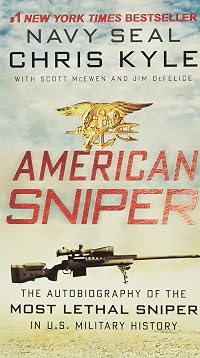
American Sniper
by Chris Kyle
On This Page
Description
The astonishing autobiography of SEAL Chief Chris Kyle, whose record 150 confirmed kills make him the most deadly sniper in U.S. military history.Tags
Recommendations
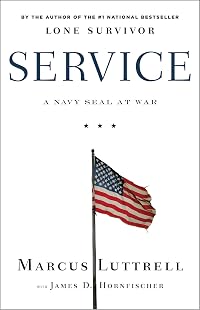
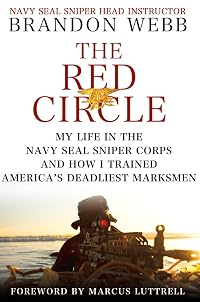
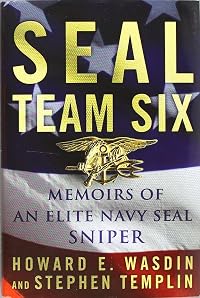
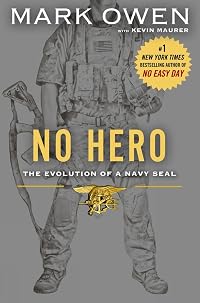
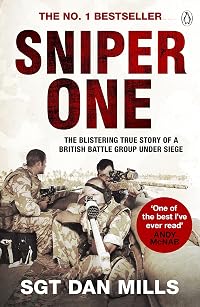
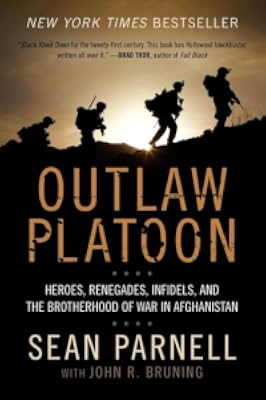
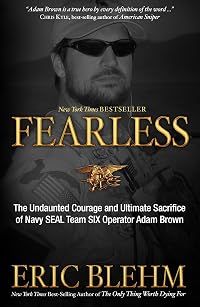
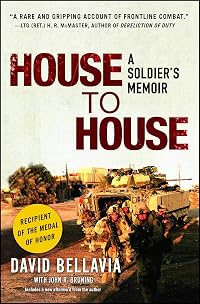

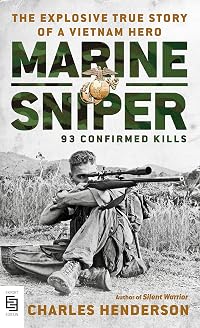
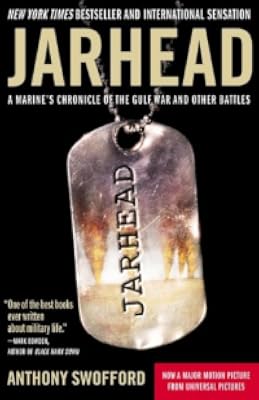
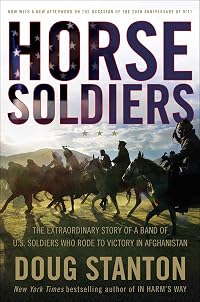

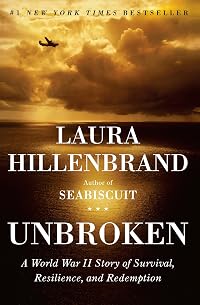

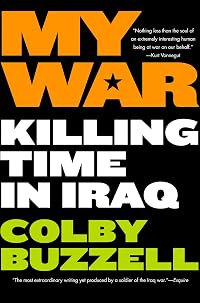
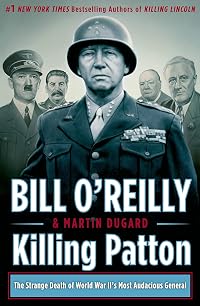
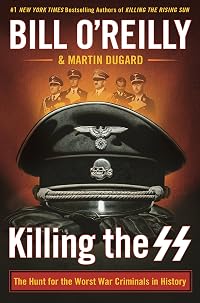
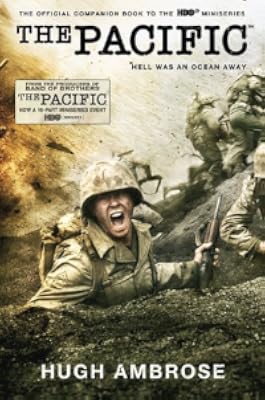
Member Recommendations
Member Reviews
It’s more honest and unflattering than I expected, though perhaps more so than the author, may he rest in peace , realized or intended. Compared to Luttrell’s book, one is struck with by the sense of a sharper intelligence, a more unblinking one, and a more nuanced moral sense - though that’s an exceptionally low bar. He was clearly a skilled, brave fighter and the book goes into the technical war fighting and equipment details that make it less a best seller and more of a first person military history. You’d want this man at your side in a fight. And he sure shows more respect for fellow soldiers than one saw in Luttrell’s book.
One can’t help but be dismayed, though, by his clearly stating he didn’t give a f*ck about show more Iraqis (despite fighting in an operation ostensibly for their liberation), calling his foes “savages” and especially his “crusader cross” tattoo and his stated reasons for it. The bar fights, the petulance, the sense of entitlement, the whining against civilian control, oversight, and accountability (I understand why it’s frustrating for war fighters, but it is almost always necessary in these kinds of wars especially) ...it’s all here.
But he was a warrior, he lived like one, and I’m saddened by his death at the hands of a disturbed fellow veteran years after he’d come home. He deserved better. A lot better. show less
One can’t help but be dismayed, though, by his clearly stating he didn’t give a f*ck about show more Iraqis (despite fighting in an operation ostensibly for their liberation), calling his foes “savages” and especially his “crusader cross” tattoo and his stated reasons for it. The bar fights, the petulance, the sense of entitlement, the whining against civilian control, oversight, and accountability (I understand why it’s frustrating for war fighters, but it is almost always necessary in these kinds of wars especially) ...it’s all here.
But he was a warrior, he lived like one, and I’m saddened by his death at the hands of a disturbed fellow veteran years after he’d come home. He deserved better. A lot better. show less
Not my usual area of interest but came across this book cheap in a charity shop and was intrigued. It is an odd one. I'm not sure if the author wanted to come across as having sociopathic tendencies but that is the effect with his admission that he enjoyed killing people, especially Iraqis opposed to the invasion of their country by Western troops.
It isn't just hindsight to think that the invasion was a big mistake: plenty of people thought so at the time. There are sufficient previous examples of countries ruled by ruthless dictators which break apart into war between rival factions as soon as that leader is removed. And in this case, they were initially united by opposition to Western invaders. The author certainly had no show more philosophical musings about this or even the occasional thought: he just seemed gleeful to be given carte blanche to shoot 'the enemy'. Rather disturbing. And his casual admission of involvement in bar fights, something he was usually excused, shows a short fuse and an enjoyment of casual violence. His only regrets revolve around friends who sadly lost their lives or received major life-changing injuries (which later led to death in one case). He quite openly put fighting with his comrades ahead of family life, and his wife made contributions to the book about how this affected her although she didn't receive a writer's credit.
Hopefully he wasn't typical of the people who join the armed forces. Certainly he was very different to people I've known who fought in military conflicts and rarely wanted to talk about it, far less boast. So for me this is an OK 2 stars at best. show less
It isn't just hindsight to think that the invasion was a big mistake: plenty of people thought so at the time. There are sufficient previous examples of countries ruled by ruthless dictators which break apart into war between rival factions as soon as that leader is removed. And in this case, they were initially united by opposition to Western invaders. The author certainly had no show more philosophical musings about this or even the occasional thought: he just seemed gleeful to be given carte blanche to shoot 'the enemy'. Rather disturbing. And his casual admission of involvement in bar fights, something he was usually excused, shows a short fuse and an enjoyment of casual violence. His only regrets revolve around friends who sadly lost their lives or received major life-changing injuries (which later led to death in one case). He quite openly put fighting with his comrades ahead of family life, and his wife made contributions to the book about how this affected her although she didn't receive a writer's credit.
Hopefully he wasn't typical of the people who join the armed forces. Certainly he was very different to people I've known who fought in military conflicts and rarely wanted to talk about it, far less boast. So for me this is an OK 2 stars at best. show less
There have been so many wildly differing opinions about Chris Kyle, his memoir, and movie Clint Eastwood made from it that I long ago decided that the only opinion I could trust is my own, so here goes.
After just a few pages it became apparent that to fairly review Kyle’s book one must first, and separately, express one’s views on Kyle himself. Then, and only then, will I be able to review the book itself.
In my younger days I served as a Navy corpsman assigned to a Marine Corps unit. I found the Marines I served with different from anyone else I had ever known. Their view of the world was unlike mine in almost every way. They were more likely to see things in black and white. They were often rude, crude and socially unacceptable. show more Their interest in understanding the enemy extended only to learning how best to kill them. Very few of them were any good at literary discussions. Despite that, they took their duties very seriously. Becoming Marines was the crowning achievement of their lives. They were very dedicated and extremely loyal. If I ever found myself in trouble, there is nobody on earth that I would rather have watching my back.
These men were warriors. The word ‘warrior’ applies to any combat soldier, Marine, SEAL or any other military personnel whose primary career is to engage an enemy by direct action. A warrior’s job is to kill the enemy, and do it efficiently. An effective warrior achieves no benefit from recognizing the humanity of the enemy. Doing so only hinders his ability to accept and live with the life he has chosen. He is neither a psycho killer nor a hero. He’s just doing his job.
Chris Kyle was a warrior, and a very good one.
If you find this distasteful, your distaste is misdirected. It is war and the politicians who start them that deserve our scorn. Winston Churchill once said “We sleep soundly in our beds because rough men stand ready in the night to visit violence on those who would do us harm.” As long as we live in a world where such men are needed, I will be grateful that men such as Kyle exist.
Now for my impressions of the book itself. The truth is that I enjoyed it but it could have been better. It read less like an autobiography and more like a collection of anecdotes. The chapters were broken down into sections, many of less than a page, each relating an incident that occurred during his training or deployments in Iraq. As I read it I pictured Kyle sitting with a ghost writer and tape recorder, telling stories and answering question. I did. The short sections made it easy to read and the anecdotal delivery reminds me of an exchange of war stories told over a few beers at the local watering hole. Such exchanges can reveal more about the speaker than intended and Kyle is often overly candid regarding his view of the Iraqis, politicians and officers.
What the book does best is describe the role snipers played in Iraq. I have read several books on the war and American Sniper provided an unparalleled picture of snipers’ roles during the campaigns in Fallujah and Ramadi and how they supported other military units.
One section of the book that falls short is where Kyle describes the weapons and equipment he used. This must have been a difficult section to write because the writer must answer the questions of those ignorant of firearms while not boring those who are already familiar with the tools of the trade. As a veteran who is not unfamiliar with weapons I should have had no trouble in following everything he said on the subject. Even so, I found myself struggling with some of the technical jargon he used. In addition, some equipment he mentioned such as VS-17 panels, bright orange pieces of cloth displayed to identify themselves to friendly forces, were not adequately described until more than 150 pages after they were first mentioned. This makes me think that readers would be greatly aided by a glossary at the back of the book.
Some critics have said that Kyle was an egotist. While I have never known a SEAL who wasn’t, the book does little to dissuade that opinion. In the section on equipment he says that his headgear of choice was a baseball cap because ‘you look so much cooler wearing a ball cap.’ He also wasn’t above expressing the typical enlisted man’s tongue-in-cheek scorn of officers with such remarks as ‘but then I’m just a SEAL and obviously don’t understand those sorts of complicated issues’.
I found the book interesting, more so than the movie. I’m a bit of a history buff so I found the first person description of combat in the Iraq war informative. Kyle’s memoir was more candid than most and I suspect that readers who don’t often read first person accounts of war may struggle to appreciate his point of view.
*The review copy of this book was obtained from a friend and neighbor who is a retired Navy submariner. Thanks, Bob, for your service and for the loan of this book. show less
After just a few pages it became apparent that to fairly review Kyle’s book one must first, and separately, express one’s views on Kyle himself. Then, and only then, will I be able to review the book itself.
In my younger days I served as a Navy corpsman assigned to a Marine Corps unit. I found the Marines I served with different from anyone else I had ever known. Their view of the world was unlike mine in almost every way. They were more likely to see things in black and white. They were often rude, crude and socially unacceptable. show more Their interest in understanding the enemy extended only to learning how best to kill them. Very few of them were any good at literary discussions. Despite that, they took their duties very seriously. Becoming Marines was the crowning achievement of their lives. They were very dedicated and extremely loyal. If I ever found myself in trouble, there is nobody on earth that I would rather have watching my back.
These men were warriors. The word ‘warrior’ applies to any combat soldier, Marine, SEAL or any other military personnel whose primary career is to engage an enemy by direct action. A warrior’s job is to kill the enemy, and do it efficiently. An effective warrior achieves no benefit from recognizing the humanity of the enemy. Doing so only hinders his ability to accept and live with the life he has chosen. He is neither a psycho killer nor a hero. He’s just doing his job.
Chris Kyle was a warrior, and a very good one.
If you find this distasteful, your distaste is misdirected. It is war and the politicians who start them that deserve our scorn. Winston Churchill once said “We sleep soundly in our beds because rough men stand ready in the night to visit violence on those who would do us harm.” As long as we live in a world where such men are needed, I will be grateful that men such as Kyle exist.
Now for my impressions of the book itself. The truth is that I enjoyed it but it could have been better. It read less like an autobiography and more like a collection of anecdotes. The chapters were broken down into sections, many of less than a page, each relating an incident that occurred during his training or deployments in Iraq. As I read it I pictured Kyle sitting with a ghost writer and tape recorder, telling stories and answering question. I did. The short sections made it easy to read and the anecdotal delivery reminds me of an exchange of war stories told over a few beers at the local watering hole. Such exchanges can reveal more about the speaker than intended and Kyle is often overly candid regarding his view of the Iraqis, politicians and officers.
What the book does best is describe the role snipers played in Iraq. I have read several books on the war and American Sniper provided an unparalleled picture of snipers’ roles during the campaigns in Fallujah and Ramadi and how they supported other military units.
One section of the book that falls short is where Kyle describes the weapons and equipment he used. This must have been a difficult section to write because the writer must answer the questions of those ignorant of firearms while not boring those who are already familiar with the tools of the trade. As a veteran who is not unfamiliar with weapons I should have had no trouble in following everything he said on the subject. Even so, I found myself struggling with some of the technical jargon he used. In addition, some equipment he mentioned such as VS-17 panels, bright orange pieces of cloth displayed to identify themselves to friendly forces, were not adequately described until more than 150 pages after they were first mentioned. This makes me think that readers would be greatly aided by a glossary at the back of the book.
Some critics have said that Kyle was an egotist. While I have never known a SEAL who wasn’t, the book does little to dissuade that opinion. In the section on equipment he says that his headgear of choice was a baseball cap because ‘you look so much cooler wearing a ball cap.’ He also wasn’t above expressing the typical enlisted man’s tongue-in-cheek scorn of officers with such remarks as ‘but then I’m just a SEAL and obviously don’t understand those sorts of complicated issues’.
I found the book interesting, more so than the movie. I’m a bit of a history buff so I found the first person description of combat in the Iraq war informative. Kyle’s memoir was more candid than most and I suspect that readers who don’t often read first person accounts of war may struggle to appreciate his point of view.
*The review copy of this book was obtained from a friend and neighbor who is a retired Navy submariner. Thanks, Bob, for your service and for the loan of this book. show less
Put aside any opinions about the man or the movie, and what's left is a 370-page autobiography from an author who really doesn't have much to say. It's known that Chris Kyle was - let's put this gently - an unreliable narrator at best, and still he ends up sharing little more than a hundred two-paragraph anecdotes about preparing for war, being at war, and returning from war. Aside from a quick description of some of his favorite guns, there's almost nothing in American Sniper about, well, being a sniper, let alone being the most lethal sniper in U.S. history. There's also very little introspection or internal analysis; Kyle prefers to think of the world and his place in it purely in black and white terms. (And credit to him for show more recognizing and acknowledging that much.) I wanted... more. Somewhere in the margins here is an interesting and ultimately tragic story about Kyle's recurring struggle to adapt to civilian life between and after deployments overseas - anger, depression, anxiety, marital problems, the works! But Kyle doesn't want to talk about any of that, opting instead to focus on bar fights, Navy training, and SEAL hazing rituals. And that's fine! It's his book, and he can spend it stringing anecdotes together if that's all he wants to do. This just could have been something much more insightful than it was. show less
After reading American Sniper: The Autobiography of the Most Lethal Sniper in U.S. Military History, there’s no doubt in my mind that former U.S. Navy SEAL Chris Kyle is patriot.
Beyond that, though, my feelings about the former soldier are less clear. To hear Kyle tell it in his memoir, he has all the ingredients of a patriotic American: love for country, God and family—and probably in that order, too. But the more I read Kyle’s story, the more complex he becomes.
Reading American Sniper, it’s obvious why Hollywood was able to make the memoir into a blockbuster movie. In addition to being the most effective sniper in US military history, Kyle has a talent for making already exciting stories about his time on the battlefield even show more more gripping. Kyle fought in some of the deadliest battles of the war in Iraq, from Fallujah to Ramadi. If even half of the stories he tells actually happened, he’s already done more than any big screen action hero can pretend to do.
Kyle has a combination of skills, temperament, and character that made him deadly to his enemies, but also left me equivocal about the impact of war on American soldiers.
Even as a fabulist, Kyle’s story as a soldier is a fascinating perspective from the front lines of American foreign policy. Further, because so many have seen the movie based on his book, his memoir could have significant impact on how Americans view the war in Iraq, for better or for worse. It’s that impact that has elicited response from across the celebrity spectrum, both in support and opposition to the movie.
As another soldier wrote, though, Kyle’s perspective of the war in Iraq is just that: a perspective. It isn’t a definitive analysis of the war, why we went, and whether we should have been there. It’s one man’s experience in war-time.
That said, the perspective is valuable and with such a small percentage of Americans signing up to serve in uniform, it’s a perspective that the rest of voting America might consider.
Throughout American Sniper, Kyle seems to struggle with polar aspects of his nature. On one hand, he is driven by a need to be heroic, acting on a sense of invincibility and taking a devil-may-care approach to danger. On the other hand, he truly believes that his cause is just, wants to protect his fellow soldiers, and return home to be a considerate father.
It was a struggle that his baser instincts seemed all too often to win.
Taya, Kyle’s wife, whose commentary is interspersed throughout American Sniper, tells Kyle that if he reenlists, he would be choosing the SEAL lifestyle over her and their family. Kyle acknowledges it. And then chooses the war and his fellow soldiers, anyway, heading back to Iraq to fight in Ramadi.
Returning home after his deployments was a trial and a hell for those around him, as well as for Kyle, too. And yet, Kyle says, multiple times, that he liked being a sniper and he liked killing the enemy. He considered them to be savages.
Killing a man is not, and should not be, an easy thing, and Kyle’s story demonstrates in high relief the conditioning through which soldiers must pass effective warriors. It changes them and the experience of becoming effective killers, necessary for war, continues to impact them even when they return home.
I’ve never served in the armed forces, but if I ever did, I hope the soldier fighting next to me is as effective as Kyle. Not only did he cover fellow soldiers under fire, he carried them out, too, protected them, led them, and brought them to safety.
But if the effects of war on the people who must fight it have ever been unclear, American Sniper paints a disturbing picture. The war is hard on Kyle, physically and psychologically, as well as on his family. His body gradually breaks down over four tours of duty. At home between deployments he struggled with road rage and night terrors. After he retired from the service, Kyle sank into depression, alcohol, and pain.
Multiply that by every veteran who was in combat in Iraq and Afghanistan. Relatively speaking, Kyle might be considered lucky. Rather than succumb to the death spiral of alcohol and depression, a near-death car accident leaves Kyle shaken and resolved to change. He decides to give back and starts an organization to help vets recover from PTSD. Ironically, it was in this cause that Kyle died, shot to death by a veteran suffering from PTSD.
From Seth Rogan to Bill O’Reilly, Michael Moore to Sarah Palin, it seems like everyone has an opinion on Kyle. To some he is a hero; to others, he is a cold-blooded killer.
The truth is likely somewhere in the middle. But that’s the nature of war, isn’t it? It’s not always clear-cut, and the demands we make on our men and women to kill or be killed changes them forever. If we’re going to support our troops, adjust our thinking about war, then understanding Kyle’s experience, as well as the experiences of so many others that serve, American Sniper is a helpful perspective. show less
Beyond that, though, my feelings about the former soldier are less clear. To hear Kyle tell it in his memoir, he has all the ingredients of a patriotic American: love for country, God and family—and probably in that order, too. But the more I read Kyle’s story, the more complex he becomes.
Reading American Sniper, it’s obvious why Hollywood was able to make the memoir into a blockbuster movie. In addition to being the most effective sniper in US military history, Kyle has a talent for making already exciting stories about his time on the battlefield even show more more gripping. Kyle fought in some of the deadliest battles of the war in Iraq, from Fallujah to Ramadi. If even half of the stories he tells actually happened, he’s already done more than any big screen action hero can pretend to do.
Kyle has a combination of skills, temperament, and character that made him deadly to his enemies, but also left me equivocal about the impact of war on American soldiers.
Even as a fabulist, Kyle’s story as a soldier is a fascinating perspective from the front lines of American foreign policy. Further, because so many have seen the movie based on his book, his memoir could have significant impact on how Americans view the war in Iraq, for better or for worse. It’s that impact that has elicited response from across the celebrity spectrum, both in support and opposition to the movie.
As another soldier wrote, though, Kyle’s perspective of the war in Iraq is just that: a perspective. It isn’t a definitive analysis of the war, why we went, and whether we should have been there. It’s one man’s experience in war-time.
That said, the perspective is valuable and with such a small percentage of Americans signing up to serve in uniform, it’s a perspective that the rest of voting America might consider.
Throughout American Sniper, Kyle seems to struggle with polar aspects of his nature. On one hand, he is driven by a need to be heroic, acting on a sense of invincibility and taking a devil-may-care approach to danger. On the other hand, he truly believes that his cause is just, wants to protect his fellow soldiers, and return home to be a considerate father.
It was a struggle that his baser instincts seemed all too often to win.
Taya, Kyle’s wife, whose commentary is interspersed throughout American Sniper, tells Kyle that if he reenlists, he would be choosing the SEAL lifestyle over her and their family. Kyle acknowledges it. And then chooses the war and his fellow soldiers, anyway, heading back to Iraq to fight in Ramadi.
Returning home after his deployments was a trial and a hell for those around him, as well as for Kyle, too. And yet, Kyle says, multiple times, that he liked being a sniper and he liked killing the enemy. He considered them to be savages.
Killing a man is not, and should not be, an easy thing, and Kyle’s story demonstrates in high relief the conditioning through which soldiers must pass effective warriors. It changes them and the experience of becoming effective killers, necessary for war, continues to impact them even when they return home.
I’ve never served in the armed forces, but if I ever did, I hope the soldier fighting next to me is as effective as Kyle. Not only did he cover fellow soldiers under fire, he carried them out, too, protected them, led them, and brought them to safety.
But if the effects of war on the people who must fight it have ever been unclear, American Sniper paints a disturbing picture. The war is hard on Kyle, physically and psychologically, as well as on his family. His body gradually breaks down over four tours of duty. At home between deployments he struggled with road rage and night terrors. After he retired from the service, Kyle sank into depression, alcohol, and pain.
Multiply that by every veteran who was in combat in Iraq and Afghanistan. Relatively speaking, Kyle might be considered lucky. Rather than succumb to the death spiral of alcohol and depression, a near-death car accident leaves Kyle shaken and resolved to change. He decides to give back and starts an organization to help vets recover from PTSD. Ironically, it was in this cause that Kyle died, shot to death by a veteran suffering from PTSD.
From Seth Rogan to Bill O’Reilly, Michael Moore to Sarah Palin, it seems like everyone has an opinion on Kyle. To some he is a hero; to others, he is a cold-blooded killer.
The truth is likely somewhere in the middle. But that’s the nature of war, isn’t it? It’s not always clear-cut, and the demands we make on our men and women to kill or be killed changes them forever. If we’re going to support our troops, adjust our thinking about war, then understanding Kyle’s experience, as well as the experiences of so many others that serve, American Sniper is a helpful perspective. show less
Easy to see why this book remains a best seller. Chris Kyle is a cowboy from Texas and tells his story in perfect stereotype. He’ll have you laughing at his Navy Seal hijinks, in tears at the losses they endured, and shaking your head at the crazy shit happening in the desert. Kyle had to be able to detach and compartmentalize to succeed as a sniper in Iraq. The irony is that the reader has to do the same to enjoy the book—especially if you’ve served in some of the same places Kyle did. RIP.
Rated: D
Only reason I read this book was that Jake had a major role in the movie. I applaud Chris Kyle for his patiotism and his serving his country. He died a tragic death helping to restore the lives of those most impacted by the violence of war. However, in his own words, he presented himself as a self-absorbed, self-satisfying individual doing what he wanted to do regardless of the sacrifices of others. That's not my kind of true hero.
Only reason I read this book was that Jake had a major role in the movie. I applaud Chris Kyle for his patiotism and his serving his country. He died a tragic death helping to restore the lives of those most impacted by the violence of war. However, in his own words, he presented himself as a self-absorbed, self-satisfying individual doing what he wanted to do regardless of the sacrifices of others. That's not my kind of true hero.
Members
- Recently Added By
Lists

100 Biographies & Memoirs to Read in a Lifetime
42 works; 18 members

Matt
97 works; 1 member

100 Biographies and Memoirs to Read in a (Single) Lifetime
98 works; 12 members

Holding the Zero
56 works; 1 member

Nov. 2015 new books
38 works; 1 member

The Joe Rogan Experience Library
254 works; 3 members
Author Information

6+ Works 4,588 Members
Chris Kyle 1974-2013 Chris Kyle was born in Odessa, Texas on April 8, 1974. As a young man, he hunted deer and pheasant and rode bulls and broncos in rodeos. He studied ranch and range management at Tarleton State University before returning to ranching and then enlisting in the Navy. He joined the SEALs in 1999 and served four combat deployments show more before retiring in 2009. During his service, he earned a reputation as one of America's deadliest military snipers with 160 confirmed kills. Iraqi insurgents nicknamed him the Devil of Ramadi and put a bounty on his head. In 2008, he managed to kill an insurgent from about 2,100 yards away. During his service, he received the Purple Heart, two Silver Stars and five Bronze Stars for Valor. After retiring from the Navy, he ran Craft International, which provides military, law enforcement, and civilian training, as well as private security and protection. He also devoted much of his time to helping fellow soldiers overcome the traumas of war. In 2011, he created the Fitco Cares Foundation to provide veterans with exercise equipment and counseling. He believed that exercise and the camaraderie of fellow veterans could help former soldiers ease into civilian life. His first book, American Sniper: The Autobiography of the Most Lethal Sniper in U.S. Military History, written with Scott McEwen and Jim DeFelice was published in 2012. His second book, American Gun: A History of the U. S. in Ten Firearms, was released in 2013. In the summer of 2012, he appeared on the reality television show Stars Earn Stripes. He was killed along with Chad Littlefield on February 2, 2013 by Marine veteran Eddie Ray Routh at Rough Creek Lodge shooting range. The reason for the killing is unknown, but Routh is suffering from PTSD. Kyle was buried on February 12, 2013, at the Texas State Cemetery in Austin, Texas. (Bowker Author Biography) show less
All Editions
Awards and Honors
Awards
Distinctions
Series
Belongs to Publisher Series
Common Knowledge
- Canonical title
- American Sniper
- Original title
- American Sniper: the autobiography of the most lethal sniper in U.S. military history
- Original publication date
- 2012-01-02
- People/Characters
- Chris Kyle; Taya Kyle; Marc Lee; Mark Luttrell; Ryan Jobe
- Important places
- Iraq; Kuwait; Ramadi, Iraq; Baghdad, Iraq; Fallujah, Iraq
- Important events
- Iraq War; Second Battle of Fallujah
- Related movies
- American Sniper (2014 | IMDb)
- Dedication
- I dedicate this book to my wife, Taya, and my kids for sticking it out with me. Thanks for still being here when I got home.
I's also like to dedicate it to the memory of my SEAL brothers Marc and Ryan, for their c... (show all)ourageous service to our country and their undying friendship to me. I will bleed for their deaths the rest of my life. - First words
- Prologue: I looked through the scope of the sniper rifle, scanning down the road of the tiny Iraqi town.
- Last words
- (Click to show. Warning: May contain spoilers.)I've seen them.
More: I've lived them. - Original language
- English US
Classifications
Statistics
- Members
- 4,194
- Popularity
- 3,630
- Reviews
- 99
- Rating
- (3.66)
- Languages
- 10 — Danish, Dutch, English, French, German, Italian, Polish, Spanish, Swedish, Portuguese (Portugal)
- Media
- Paper, Audiobook, Ebook
- ISBNs
- 62
- UPCs
- 2
- ASINs
- 22