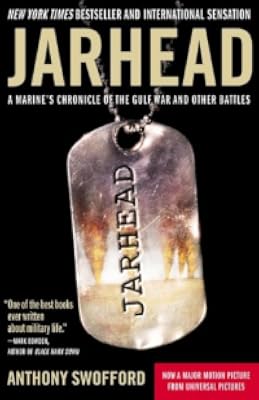
Jarhead: A Marine's Chronicle of the Gulf War and Other Battles
by Anthony Swofford
On This Page
Description
A memoir of the Gulf War by a front-line infantry marine recounts his struggles with the conflict on the front lines, his battles with fear and suicide, his brushes with death, and his identity as a soldier and an American.Tags
Recommendations
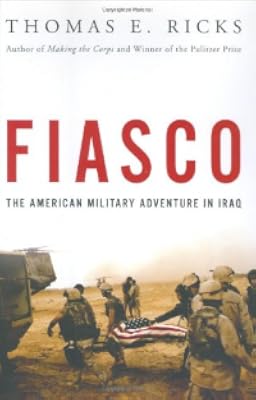
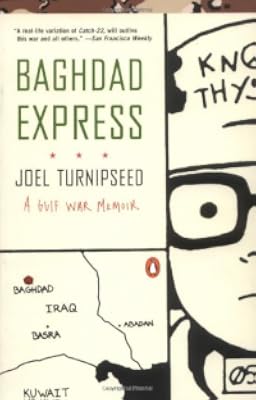
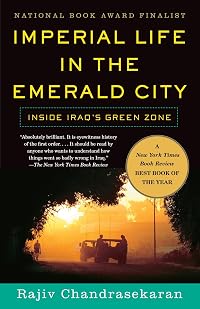
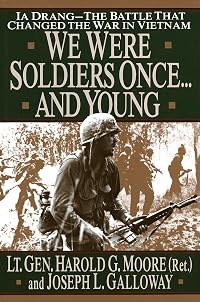


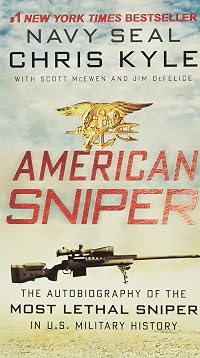
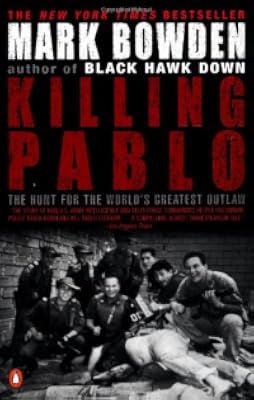
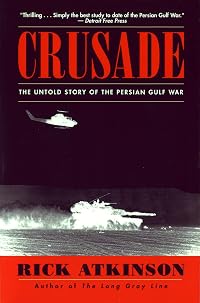
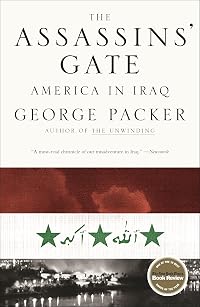
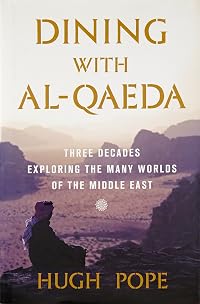
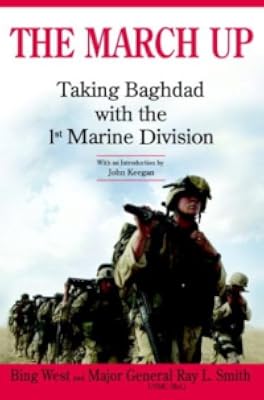
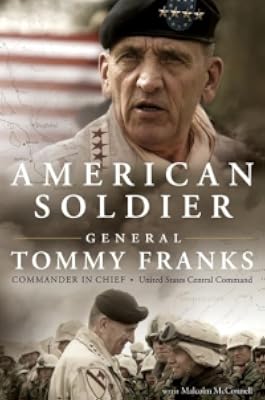
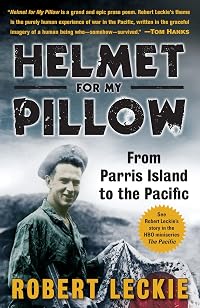
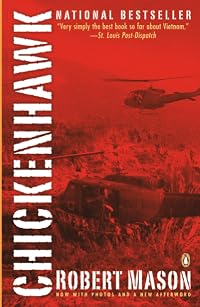

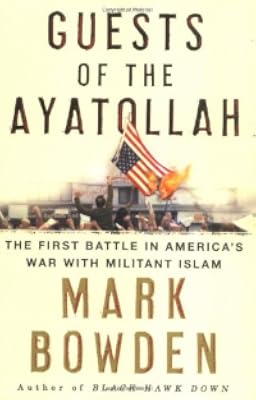
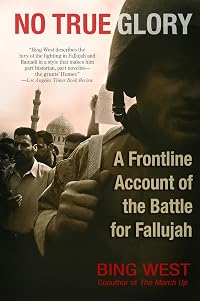
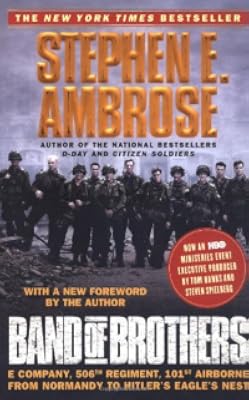

Member Recommendations
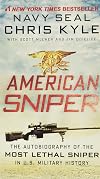
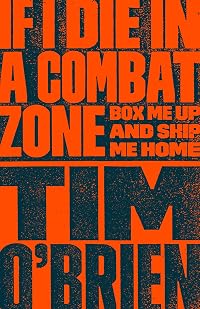
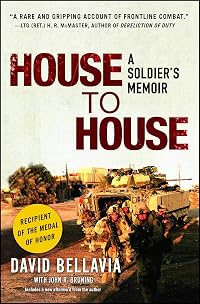
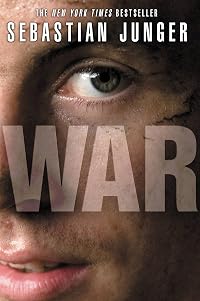
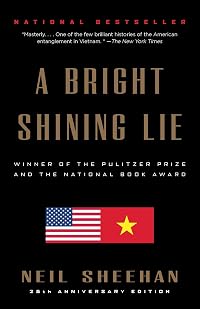
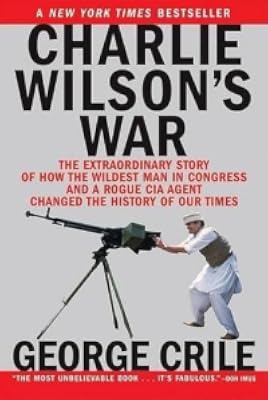
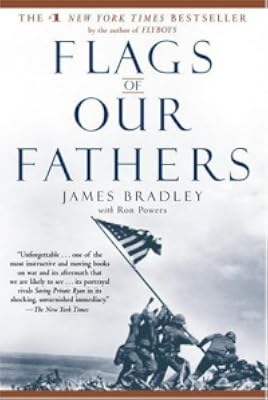
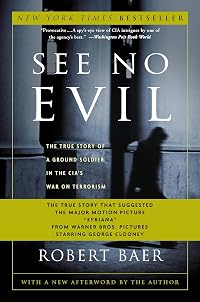
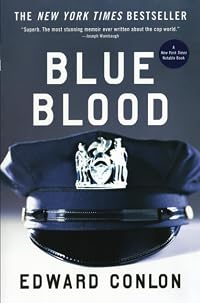
eenerd Another modern soldier tells his story in his own words.

Member Reviews
As I child I would eavesdrop on the men in my family talk about their war experiences which would never be brought up in front of the women or children. I didn’t understand but I knew it was scary and horrible and to never ask questions from my father (Korea), grandfather (WWI), and uncles (WWII). Over my working career I hired many veterans, some simple grunts, others Special Forces, Rangers, SEALS, etc. Most were great, dependable, hard working guys, all of whom were hiding damage. Anthony Swofford’s memoir Jarhead is a brutal tale of his life and career as a Marine through the First Gulf War. Thankfully he used his writing talent to transition into successful civilian life, not without internal wounds that never heal. Not all show more those who serve are that lucky. Jarhead is an excellent read but not for the faint-hearted. show less
Former Catholic, now agnostic, Swofford writes about his US Marine experience (scout/sniper, airborne qualified) as it led up to the Persian Gulf War attack and mop up. This book, in my opinion, is influential on subsequent Iraq and Afghanistan war memoirs. Tightly written, this memoir does not go in for much philosophizing on politics or the nature of war. Swofford does however unusually well at psychologizing his feelings about his family and the Marine esprit de corps. The narrative begins with his looking in his rucksack which takes him back to the moment when he crossed the Kuwaiti border. Swofford then digresses to "what I know" of his whole career before returning again to the desert. Swofford is informed about the US Vietnam show more experience which gives Jarhead greater prestige in my eyes. Most "war stories" are straight forward about the armed conflict in question but Jarhead is about the other battles, equally as important, that Swofford faced alone as he stockpiled life experience to be sifted through later on. He does not always emerge victorious but we can see the value in trying to make some sense about what life deals to everyone. Swofford seems to remember a lot of things from when he was supposedly very drunk. Except for that small caveat, this book might be worth some of your time. show less
war. fuck. the shit we do to our young people, and then we expect them to come back and be productive members of society.
he's a good writer, and i'd be interested in reading the fiction that the author bio says he was working on when this came out.
this is great for memoir but also for fiction, really all writing: "Thus what follows is neither true nor false but what i know."
"Nothing is forever, and certainly not a cheap relationship fabricated on personalized paper, and I'm about to die or not and kill or not, but no matter what occurs I will never be the same, and that is the only thing that might last forever - exile, change, change the only sustenance I know, today is only today and tomorrow is tomorrow and a far ways way and then show more you might die or walk farther with your heavy rucksack and your weapons."
"Yes, I'm sorry the men are dead, for many reasons I'm sorry, and chief among my reasons is that the men who go to war and live are spared for the single purpose of spreading bad news when they return, the bad news about the way war is fought and why, and by whom for whom, and the more men who survive the war, the higher the number of men who might speak." show less
he's a good writer, and i'd be interested in reading the fiction that the author bio says he was working on when this came out.
this is great for memoir but also for fiction, really all writing: "Thus what follows is neither true nor false but what i know."
"Nothing is forever, and certainly not a cheap relationship fabricated on personalized paper, and I'm about to die or not and kill or not, but no matter what occurs I will never be the same, and that is the only thing that might last forever - exile, change, change the only sustenance I know, today is only today and tomorrow is tomorrow and a far ways way and then show more you might die or walk farther with your heavy rucksack and your weapons."
"Yes, I'm sorry the men are dead, for many reasons I'm sorry, and chief among my reasons is that the men who go to war and live are spared for the single purpose of spreading bad news when they return, the bad news about the way war is fought and why, and by whom for whom, and the more men who survive the war, the higher the number of men who might speak." show less
I love - repeat LOVE - this book. And not in the overused, flighty sense of the word. What's not to love in a book with nonstop action with blood-boiling gunfights? But that is not Swofford's story. I have read many books that recount the exciting details of war but lack the pure human drama Swofford brings to the page. We go inside the mind of a soldier impatiently waiting for action, yet fearing and dreading when that moment will find him - and we wait with him, knowing he will tell us the truth about The Moment when he lines up his first mark, pulls the trigger, and realizes that he has taken another man's life; it never comes, but so goes the life of a soldier. When I turned the last page and saw the sun rising through my bedroom show more window, I wondered why I had been so enthralled and unable to put the book down. Somehow I still am not sure why I love Jarhead, but I think it is Swofford's brutal honesty that pours out of the page and forces us to confront the human side of war and look beyond the statistics. show less
I don't gravitate to books about war, in fact I admit to having no interest at all in the subject. But I read this book on the recommendation of a writing teacher who suggested I look at the book's structure, taking away lessons from Tony Swofford's brilliant memoir of his experience as a marine in the Gulf War.
Structurally, Swofford moves us efforlessly through time - backstory and future story woven through with ease. The forward story takes us through his training exercises as well as his experiences in his unit, as they sit for months in the sand, waiting for the war to start. We get an inside look at the war machine, including some of the absurdities in how we train our young soldiers to fight. He builds credible characters whom we show more grow to care about, and we get inside his head as he tries to make sense of the endless waiting, the preparation for the war that never really starts.
His writing is so strong, my first impulse was to say, "Ghostwritten" - no way a grunt wrote this book! Turns out though that Swofford has an Iowa MFA, he's no common grunt at all (my first clue should've been that he reads Homer while sitting in a foxhole.) The brilliance of the writing here is that he makes you think you're reading the thoughts/words of a common grunt - a testament to his understanding of building a persona.
If you're an aspiring memoirist, this one can be very instructive. But probably worth a read even if you're not. show less
Structurally, Swofford moves us efforlessly through time - backstory and future story woven through with ease. The forward story takes us through his training exercises as well as his experiences in his unit, as they sit for months in the sand, waiting for the war to start. We get an inside look at the war machine, including some of the absurdities in how we train our young soldiers to fight. He builds credible characters whom we show more grow to care about, and we get inside his head as he tries to make sense of the endless waiting, the preparation for the war that never really starts.
His writing is so strong, my first impulse was to say, "Ghostwritten" - no way a grunt wrote this book! Turns out though that Swofford has an Iowa MFA, he's no common grunt at all (my first clue should've been that he reads Homer while sitting in a foxhole.) The brilliance of the writing here is that he makes you think you're reading the thoughts/words of a common grunt - a testament to his understanding of building a persona.
If you're an aspiring memoirist, this one can be very instructive. But probably worth a read even if you're not. show less
I really thought I read this, but I guess I am conflating the film version.... So, I just went ahead and read it. I really feel it must be one of the most searching, reflective and authentic memoirs of late twentieth century war in exploring the psychological experience aside from the gore and flash of combat to which that is only a footnote, really.
Can anyone recommend a better?
Can anyone recommend a better?
Written in raw, graphic language, Swofford seems to hold nothing back from readers on what it's like to be a Marine fighting in the Gulf War. He embraces the romantic brotherhood of the soldier while at the same time exposing its seedy side. Marines are broken down and rebuilt, as Swofford describes it, into ruthless killing machines. But, much to the disappointment of Swofford's unit, there is little killing in their war. Ultimately, Swofford and his fellow Marines must wrestle with what it means to be a soldier and Marine, and what their place is back home among their families, jobs, and society.
During their time served, they deal with life using any available distraction: primarily prostitutes, booze, and letters from home. From show more Swofford's descriptions, the vices go right along with the glory in the psyche of the soldier. It's a shocking revelation for civilians, but one can't help but excuse them when Swofford describes the aftermath of war. While crudeness and profanity make the first half of the novel tough, the same language becomes tragically beautiful in his description of the Iraqi bunkers and what he found there. The repetition of phrases and the metaphors make for amazing reading. You really feel the author's soul in these lines, right down to the core of his Post Traumatic Stress Disorder. You can really tell that these scenes haunt him at night. Swofford's experience as a soldier helps him to create language that both repulses and moves the reader. It's a good perspective on what life is like for those who fight, how they prepare their minds and bodies for war, as well as an unvarnished look at the military who looks upon these people as fodder. show less
During their time served, they deal with life using any available distraction: primarily prostitutes, booze, and letters from home. From show more Swofford's descriptions, the vices go right along with the glory in the psyche of the soldier. It's a shocking revelation for civilians, but one can't help but excuse them when Swofford describes the aftermath of war. While crudeness and profanity make the first half of the novel tough, the same language becomes tragically beautiful in his description of the Iraqi bunkers and what he found there. The repetition of phrases and the metaphors make for amazing reading. You really feel the author's soul in these lines, right down to the core of his Post Traumatic Stress Disorder. You can really tell that these scenes haunt him at night. Swofford's experience as a soldier helps him to create language that both repulses and moves the reader. It's a good perspective on what life is like for those who fight, how they prepare their minds and bodies for war, as well as an unvarnished look at the military who looks upon these people as fodder. show less
Members
- Recently Added By
Lists

History is a Weapon Recommended Reading List
43 works; 3 members

Holding the Zero
56 works; 1 member
Author Information

5+ Works 2,443 Members
Awards and Honors
Awards
Work Relationships
Has the adaptation
Common Knowledge
- Canonical title*
- Jarhead : Kroniek van een Golfoorlogveteraan
- Original publication date
- 2003
- People/Characters
- Anthony Swofford
- Important places
- Iraq
- Important events
- Gulf War, 1990-1991
- Related movies
- Jarhead (2005 | IMDb)
- Epigraph
- But if you want to go on fighting
go take some young chap, flaccid & a half-wit
to give him a bit of courage and some brains
- Ezra Pound, Canto LXXII - Dedication
- This book is for the U.S. Marines of Surveillance and Target Acquisition Platoon, Second Battalion, Seventh Marines, August 1990-April 1991
and
in memory of my brother. - First words
- I go to the basement and open my ruck.
- Last words
- (Click to show. Warning: May contain spoilers.)Dig your holes with the hands God gave you.
- Publisher's editor
- Harrison, Colin
- Blurbers
- Anderson, Scott; Williams, Joy; Offutt, Chris; Boyd, William; Shay, Jonathan; Bowden, Mark (show all 11); Jones, Malcolm; Amis, Martin; Miller, Adrienne; Kennedy, A.L.; Bauman, Christian
- Original language
- English
*Some information comes from Common Knowledge in other languages. Click "Edit" for more information.
Classifications
Statistics
- Members
- 2,254
- Popularity
- 8,885
- Reviews
- 36
- Rating
- (3.52)
- Languages
- 9 — Danish, Dutch, English, Finnish, French, German, Hungarian, Italian, Polish
- Media
- Paper, Audiobook, Ebook
- ISBNs
- 39
- ASINs
- 5