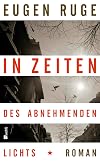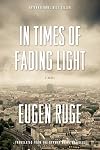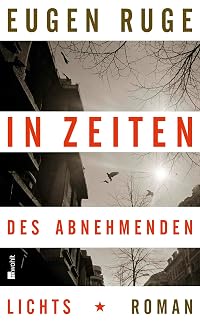
In Times of Fading Light
by Eugen Ruge
On This Page
Description
This expansive family saga, set against the backdrop of the collapse of East German communism, begins in September 2001 as Alexander Umnitzer, who has just been diagnosed with terminal cancer, leaves behind his ailing father to fly to Mexico, where his grandparents lived as exiles in the 1940s. The novel then takes us both forward and back in time, creating a panoramic view of the family's history: from Alexander's grandparents' return to the German Democratic Republic to build the socialist show more state, to his father's decade spent in a gulag for criticizing the Soviet regime, to his son's desire to leave the political struggles of the twentieth century in the past. With wisdom, humor, and empathy, Eugen Ruge draws on his own family history as he brings to life the tragic intertwining of politics, love, and family under the East German regime.--From publisher description. show lessTags
Recommendations













Member Recommendations
Member Reviews
This is a very impressive, extremely well written family saga set against the background of the collapse of the communist system in East Germany. There are some superb set-piece scenes, and very clever use of descriptive writing to convey the mood of particular moments in time and layers of society. You can see why one critic (quoted, of course, in the back cover blurb) rather gushingly called it the "DDR-Buddenbrooks" — a comparison that Ruge was obviously angling for by the way he structured the book as a series of widely-spaced vignettes of family events whilst letting the big history happen offstage.
But of course it isn't a Buddenbrooks. I was disappointed with the book as a whole and felt that it didn't live up to the technical show more quality of the writing. The problem seems to be that Ruge doesn't have anything very challenging to tell us. His argument is that the system in the DDR was rotten to the core, based on hypocrisy, toadyism and fear, and doomed to fail. I don't think anyone is going to challenge that: he has hindsight on his side, after all. It might have been interesting if he had made some effort to show us how the idealism and optimism fell away (in the same way that Mann shows us the subsequent generations of the Buddenbrooks family failing to live up to the impossibly high standards set by their parents and grandparents), but Ruge doesn't seem to be able to acknowledge that there ever was anything good in communism. Whether or not that's a valid historical proposition, it doesn't make for a very interesting narrative progression. At the end of the book, we are exactly where we were at the beginning (except that we have now understood that capitalism has some pretty serious flaws too, in case we didn't realise that...). show less
But of course it isn't a Buddenbrooks. I was disappointed with the book as a whole and felt that it didn't live up to the technical show more quality of the writing. The problem seems to be that Ruge doesn't have anything very challenging to tell us. His argument is that the system in the DDR was rotten to the core, based on hypocrisy, toadyism and fear, and doomed to fail. I don't think anyone is going to challenge that: he has hindsight on his side, after all. It might have been interesting if he had made some effort to show us how the idealism and optimism fell away (in the same way that Mann shows us the subsequent generations of the Buddenbrooks family failing to live up to the impossibly high standards set by their parents and grandparents), but Ruge doesn't seem to be able to acknowledge that there ever was anything good in communism. Whether or not that's a valid historical proposition, it doesn't make for a very interesting narrative progression. At the end of the book, we are exactly where we were at the beginning (except that we have now understood that capitalism has some pretty serious flaws too, in case we didn't realise that...). show less
I read Anna Funder's book, "Stasiland", a year or two back and rather expected this to be of the same informative, but rather depressing, order (not to imply anything about Anna Funder's excellence as a writer). But here we have a book in which East Germany is merely the context for a journey of discovery through four generations of a family. Brilliantly plotted and so well translated, we move forward and backward in time to view family events through different character's minds. The Table of Contents is useful for keeping track.
Of course, East Germany in the latter part of the 20th centre is no "mere" context. It shaped all who lived within it, as do all cultures. Therein lies the opportunity to reflect on one's own present cultural show more context. How am I shaped by it? show less
Of course, East Germany in the latter part of the 20th centre is no "mere" context. It shaped all who lived within it, as do all cultures. Therein lies the opportunity to reflect on one's own present cultural show more context. How am I shaped by it? show less
It has taken ages to read this book!
It's not that long, only 300-odd pages, but it is long-winded and unnecessarily untidy and confusing in structure. It's a family saga trying not to be one, by fracturing the story into different time frames. It starts in 2001, retreats to 1951, then 1989, and so on, flipping through the 50s, 60s and 70s, with six segments on 1 October 1989 i.e. Wilhelm's 90th birthday, occurring just before the fall of the Berlin Wall and the dissolution of the USSR.
Each generation represents an era in East German history. As you can see in the trailer below, old Wilhelm Powileit is an unreconstructed proponent of communism, and on his birthday and at Christmas (and a funeral) the generations come together. There is show more his son Kurt Umnitzer, sent to the gulags for criticising the non-aggression pact between Nazi Germany and the USSR, eventually released into exile in the Urals for the best years of his life. He returns with a Russian wife, Irina, and becomes an historian of the GDR. (Ironically, his attempts to memorialise the GDR end with his own lapse into senility.) Wilhelm's grandson Sasha defects to the West just before the fall of the wall, abandoning his son Markus, born from a brief liaison with Melitta who — with her mini-skirts and bourgeois courtesies — represents the advent of values and consumerism from the west.
Wilhelm and his wife Charlotte are introduced during their exile in Mexico, from which they return when East Germany becomes a Soviet state. They are characterised as cantankerous in their own ways, resistant to change and not particularly fond of each other.
There's not much nostalgia in this novel, and Kurt's wife Irina tempers her nostalgia for her homeland in Siberia where she was a potato farmer with memories of its privations. She is the subject of set pieces in the kitchen: for Christmas she cooks a Burgundian Monastery Goose from a lavish 300-year-old recipe...
As anyone who's ever done a traditional Christmas for the Family knows, it takes forever in the kitchen, and the text takes us through the entire process. For Foodies, it's actually quite interesting, but its purpose is to lay the groundwork for a subsequent family meal which symbolises the collapse of traditions along with the table and Irina's sobriety.
To read the rest of my review please visit https://anzlitlovers.com/2023/12/05/in-times-of-fading-light-2011-by-eugen-ruge-... show less
It's not that long, only 300-odd pages, but it is long-winded and unnecessarily untidy and confusing in structure. It's a family saga trying not to be one, by fracturing the story into different time frames. It starts in 2001, retreats to 1951, then 1989, and so on, flipping through the 50s, 60s and 70s, with six segments on 1 October 1989 i.e. Wilhelm's 90th birthday, occurring just before the fall of the Berlin Wall and the dissolution of the USSR.
Each generation represents an era in East German history. As you can see in the trailer below, old Wilhelm Powileit is an unreconstructed proponent of communism, and on his birthday and at Christmas (and a funeral) the generations come together. There is show more his son Kurt Umnitzer, sent to the gulags for criticising the non-aggression pact between Nazi Germany and the USSR, eventually released into exile in the Urals for the best years of his life. He returns with a Russian wife, Irina, and becomes an historian of the GDR. (Ironically, his attempts to memorialise the GDR end with his own lapse into senility.) Wilhelm's grandson Sasha defects to the West just before the fall of the wall, abandoning his son Markus, born from a brief liaison with Melitta who — with her mini-skirts and bourgeois courtesies — represents the advent of values and consumerism from the west.
Wilhelm and his wife Charlotte are introduced during their exile in Mexico, from which they return when East Germany becomes a Soviet state. They are characterised as cantankerous in their own ways, resistant to change and not particularly fond of each other.
There's not much nostalgia in this novel, and Kurt's wife Irina tempers her nostalgia for her homeland in Siberia where she was a potato farmer with memories of its privations. She is the subject of set pieces in the kitchen: for Christmas she cooks a Burgundian Monastery Goose from a lavish 300-year-old recipe...
Apart from the Burgundian goose, the cooking for Christmas Day was all German. There was red cabbage and green cabbage, as well as Thuringian dumplings (the most complicated of all kinds of dumplings to make), potatoes for Kurt who didn't like dumplings, as well as a a good hearty radish salad for a starter, red fruit pudding for dessert, and home-made Christmas stollen to go with coffee at the end of the meal — and plenty of everything, because there was nothing Irina hated more than wondering whether there would be enough. All through her childhood she had eaten half-rotten potatoes (because you ate the half-rotten potatoes first, with the result that you were always eating half-rotten potatoes); at the onset of winter, all through her childhood, she had looked forward to the first hard frosts, because only then was the thin pig that Granny Marfa had been feeding on kitchen scraps slaughtered—and then it was done in a hurry, because at outdoor temperatures of minus fifty degrees its trotters would have frozen in its sty, which was knocked together out of thin boards.
Poor pig, thought Irina. (p.178)
As anyone who's ever done a traditional Christmas for the Family knows, it takes forever in the kitchen, and the text takes us through the entire process. For Foodies, it's actually quite interesting, but its purpose is to lay the groundwork for a subsequent family meal which symbolises the collapse of traditions along with the table and Irina's sobriety.
To read the rest of my review please visit https://anzlitlovers.com/2023/12/05/in-times-of-fading-light-2011-by-eugen-ruge-... show less
dieser Roman ist/war nicht umsonst in den Bestsellerlisten. Zwar überscahtte die graue Melancholie das Buch ...im abnehmenden Licht, aber alle Charaktere können ihre Würde bewahren und werden mitunter sehr liebevoll beschrieben. Meine Lieblingsperson ist Irina, die Russin die in der DDR ihre "ruhssische Selle" rettet. Und eine schöne Stell ist die Zubereitung der Klostergans zu Weihnachten. Zu DDR-Zeiten eine Herausforderung an Logistik, Organisation und Chuzpe. Nach der Wende geht man dann nur noch in der Supermarkt.
Ein Generationenroman vom alten Stalinisten bis zum Republikflüchtling und der Urenkel, der von allem nicht mehr so recht mitbekommt.
Ein Generationenroman vom alten Stalinisten bis zum Republikflüchtling und der Urenkel, der von allem nicht mehr so recht mitbekommt.
This novel started slowly for me, but gradually it lured me in and by the end I could hardly put it down. It tells the tale of four generations of a family in East Germany (the GDR) over 50 years from 1952 to 2001, but it does so by jumping back and forth in time, with different chapters set at different times and with each chapter told from the point of view of different characters.
The oldest members of the family are Charlotte and Wilhelm, who grew up in the pre-World War II era, who were involved in some way in Communist politics, and who fled?/were sent? to Mexico for a time. Charlotte is the mother of Kurt and his missing brother Werner. Kurt was in the Soviet Union for a time and was imprisoned in the Gulag in the Urals; when his show more sentence was changed to exile there, he met and married Irina, and eventually they were able to return to the GDR. Years later, they brought Irina's mother back from Slava in the Urals to live with them. Their son is Alexander/Sasha, who grows up, is drafted, marries, has a son of his own, Markus, but has trouble settling down or figuring out what he wants from life. Through these characters, the reader sees many of the changes taking place in the GDR, from Charlotte, who was raised by her mother to take the water off the stove just before the kettle started to whistle to save gas to Markus who smokes pot and takes Ecstasy.
The story starts in 2001, as Sasha, who has just learned he has inoperable cancer, goes to help take care of his now widowed father, Kurt, who has some kind of dementia. Then it switches to 1952, and Charlotte's perspective on her and Wilhelm's time in in Mexico, and then to the first of many chapters that take place on October 1, 1989, just before the fall of the Wall, when Wilhelm's 90th birthday is being celebrated. Over the course of the book, the reader sees this event from the point of view of many of the characters. Another recurring time is 2001 (just after the attacks on the World Trade Center), when Kurt travels to Mexico to retrace some of his grandmother's and Wilhelm's history and to find himself; all these chapters are told from Kurt's perspective.
There are many fascinating vignettes in this novel; perhaps my favorite was the story of how Irina got the apricots for the stuffing for her 1976 Christmas goose through a lengthy series of black market trades. Much of what happens in this novel is domestic rather than political; in fact, there is a focus on cooking and recipes at times, as well as on aging and challenging family relationships, and buried (or not so buried) resentments and hostilities. Nothing very dramatic happens. Eventually some secrets are revealed and some mysteries solved, but much remains opaque at the end, like real life. The reader becomes wrapped up in the story of this family and their times.
As a note, I found this book on display in one of my favorite bookstores (which is scheduled to close at the end of the year) and would probably have passed it over except for this quarter's Reading Globally theme read on postwar German writing. I'm glad I found it. show less
The oldest members of the family are Charlotte and Wilhelm, who grew up in the pre-World War II era, who were involved in some way in Communist politics, and who fled?/were sent? to Mexico for a time. Charlotte is the mother of Kurt and his missing brother Werner. Kurt was in the Soviet Union for a time and was imprisoned in the Gulag in the Urals; when his show more sentence was changed to exile there, he met and married Irina, and eventually they were able to return to the GDR. Years later, they brought Irina's mother back from Slava in the Urals to live with them. Their son is Alexander/Sasha, who grows up, is drafted, marries, has a son of his own, Markus, but has trouble settling down or figuring out what he wants from life. Through these characters, the reader sees many of the changes taking place in the GDR, from Charlotte, who was raised by her mother to take the water off the stove just before the kettle started to whistle to save gas to Markus who smokes pot and takes Ecstasy.
The story starts in 2001, as Sasha, who has just learned he has inoperable cancer, goes to help take care of his now widowed father, Kurt, who has some kind of dementia. Then it switches to 1952, and Charlotte's perspective on her and Wilhelm's time in in Mexico, and then to the first of many chapters that take place on October 1, 1989, just before the fall of the Wall, when Wilhelm's 90th birthday is being celebrated. Over the course of the book, the reader sees this event from the point of view of many of the characters. Another recurring time is 2001 (just after the attacks on the World Trade Center), when Kurt travels to Mexico to retrace some of his grandmother's and Wilhelm's history and to find himself; all these chapters are told from Kurt's perspective.
There are many fascinating vignettes in this novel; perhaps my favorite was the story of how Irina got the apricots for the stuffing for her 1976 Christmas goose through a lengthy series of black market trades. Much of what happens in this novel is domestic rather than political; in fact, there is a focus on cooking and recipes at times, as well as on aging and challenging family relationships, and buried (or not so buried) resentments and hostilities. Nothing very dramatic happens. Eventually some secrets are revealed and some mysteries solved, but much remains opaque at the end, like real life. The reader becomes wrapped up in the story of this family and their times.
As a note, I found this book on display in one of my favorite bookstores (which is scheduled to close at the end of the year) and would probably have passed it over except for this quarter's Reading Globally theme read on postwar German writing. I'm glad I found it. show less
This novel follows the Umnitzer family, viewing life through the eyes of different family members.
This is not a feel good book, and the details of their life are potentially mundane and boring. However, these details underline the reality of life not only in the GDR, but generally such as ageing parents and the baggage of previous relationships. The book gradually pulls you in almost as though you are an extra family member helplessly watching.
Having read many non-fiction books on the GDR I feel it captures well the fossilisation of everyday life in the GDR and the challenges of unification.
I'd recommend very much reading The People's State: East German Society from Hitler to Honecker
by Mary Fulbrook for further insight into East show more German life. Details on the link below:
https://www.goodreads.com/book/show/940077.The_People_s_State show less
This is not a feel good book, and the details of their life are potentially mundane and boring. However, these details underline the reality of life not only in the GDR, but generally such as ageing parents and the baggage of previous relationships. The book gradually pulls you in almost as though you are an extra family member helplessly watching.
Having read many non-fiction books on the GDR I feel it captures well the fossilisation of everyday life in the GDR and the challenges of unification.
I'd recommend very much reading The People's State: East German Society from Hitler to Honecker
by Mary Fulbrook for further insight into East show more German life. Details on the link below:
https://www.goodreads.com/book/show/940077.The_People_s_State show less
Man ist mittendrin im real damals existierenden Sozialismus, liest von erhellenden Dunkelheiten einer Zeit, die sich oft nur im Humor ertragen ließ. Wie heißen die Feinde des Sozialismus?: Frühling, Sommer, Herbst und Winter, so hört man beim Treffen im Balkangrill. Eugen Ruge schreibt seine Figuren ab von sich selbst und seiner erlebten Umgebung, ein genauer Beobachter von Lebensgeschichten, die die zweite Hälfte des letzten Jahrhunderts umfasst. Alles andere als eine langweilige Familie, spannende Begebenheiten, mit Gefühl und guter Sprache fesselnd, aus vielen Perspektiven facettenreich erzählt.
Und wenn das Kartoffelkraut brannte, dann war sie gekommen, die Zeit des abnehmenden Lichts, formuliert Ruge für seine russische show more Großmutter. Alles hatte man, was man brauchte, wenn der westliche Überfluss nicht berücksichtigt wurde. Und doch ist Mexiko, die ferne Welt, ein Traum, der für Alexander am 11.9.2011 Realität wird. Seine Diagnose Krebs bringt ihn zum Erleben, zum Hinflug. Warum zeigte man an Bord diese Actionmovies, in denen Menschen aufeinander einschlugen, warum wird alles zu angestrengt, zu kompliziert inszeniert, das ganze Leben? Ist das der Krebs einer Gesellschaft, die nicht mehr weiter weiß als in Abermillionen Produkten und Variationen sich marktgängig zu verlieren, detailversessen, überquellend, zuschüttend und lieblos?
Wird in diesem Buch tatsächlich eine Familie im Niedergang gezeigt oder eine Analyse von Menschen, die in ihrem beendeten Traum vom demokratischen Sozialismus vieles in der heutigen Zeit präziser sehen? Der Illusion des Sozialismus bisheriger Prägung sitzen sie alle auf, sie kommen mit trockenem Humor aber lediglich im Krebsgeschwür Kapitalismus an, ohne zu wissen, wie man es weiter drehen könnte, das Rad der Geschichte, in dem sie alle unter die Räder kamen, mit viel Herzblut und Leid. Ausgerechnet im Jahr 2001 endet das Buch, mitten im brutalsten Angriff auf den Kapitalismus, ausgelöst durch eine Kraft, die der Sozialismus gar nicht auf seiner Rechnung hatte, durch fanatische Religion. Was bleibt nach diesem Ritt durch eine Zeit, die so viel abtötete, in größten Hoffnungen angestrebt? Es bleibt die Lächerlichkeit von Ideologien - und der Kapitalismus ist eine ebensolche. Bestand haben Menschen, die sich davon nicht in die Irre führen lassen, die leben, einfach leben, angereichert mit einfühlsamen Herzen.
2012 show less
Und wenn das Kartoffelkraut brannte, dann war sie gekommen, die Zeit des abnehmenden Lichts, formuliert Ruge für seine russische show more Großmutter. Alles hatte man, was man brauchte, wenn der westliche Überfluss nicht berücksichtigt wurde. Und doch ist Mexiko, die ferne Welt, ein Traum, der für Alexander am 11.9.2011 Realität wird. Seine Diagnose Krebs bringt ihn zum Erleben, zum Hinflug. Warum zeigte man an Bord diese Actionmovies, in denen Menschen aufeinander einschlugen, warum wird alles zu angestrengt, zu kompliziert inszeniert, das ganze Leben? Ist das der Krebs einer Gesellschaft, die nicht mehr weiter weiß als in Abermillionen Produkten und Variationen sich marktgängig zu verlieren, detailversessen, überquellend, zuschüttend und lieblos?
Wird in diesem Buch tatsächlich eine Familie im Niedergang gezeigt oder eine Analyse von Menschen, die in ihrem beendeten Traum vom demokratischen Sozialismus vieles in der heutigen Zeit präziser sehen? Der Illusion des Sozialismus bisheriger Prägung sitzen sie alle auf, sie kommen mit trockenem Humor aber lediglich im Krebsgeschwür Kapitalismus an, ohne zu wissen, wie man es weiter drehen könnte, das Rad der Geschichte, in dem sie alle unter die Räder kamen, mit viel Herzblut und Leid. Ausgerechnet im Jahr 2001 endet das Buch, mitten im brutalsten Angriff auf den Kapitalismus, ausgelöst durch eine Kraft, die der Sozialismus gar nicht auf seiner Rechnung hatte, durch fanatische Religion. Was bleibt nach diesem Ritt durch eine Zeit, die so viel abtötete, in größten Hoffnungen angestrebt? Es bleibt die Lächerlichkeit von Ideologien - und der Kapitalismus ist eine ebensolche. Bestand haben Menschen, die sich davon nicht in die Irre führen lassen, die leben, einfach leben, angereichert mit einfühlsamen Herzen.
2012 show less
Apr 25, 2023German
Members
- Recently Added By
Published Reviews
ThingScore 75
Die Buddenbrooks der DDR
Eugen Ruges Romandebüt In Zeiten des abnehmenden Lichts ist ein großer Familienroman, der es versteht die gesamte Ostdeutsche Geschichte in den Erlebnissen dieser vier Generationen einer Familie widerzuspiegeln. Er bekam dafür zu Recht den Deutschen Buchpreis – endlich ein DDR-Roman, der unterhaltsam, komplex und lehrreich zugleich ist!
Eugen Ruges Romandebüt In Zeiten des abnehmenden Lichts ist ein großer Familienroman, der es versteht die gesamte Ostdeutsche Geschichte in den Erlebnissen dieser vier Generationen einer Familie widerzuspiegeln. Er bekam dafür zu Recht den Deutschen Buchpreis – endlich ein DDR-Roman, der unterhaltsam, komplex und lehrreich zugleich ist!
added by tigerelfe
Leser muss sich hineindenken
Der kühnen Romankonstruktion merkt man an, dass Ruge vom Theater kommt. Wenn sich, wie in einer Nummernrevue, den Vorhang scheinbar beliebig hebt und senkt, zielt der Kunstgriff in Wahrheit darauf, sich den Fesseln chronologischen Erzählens geschickt zu entziehen. Doch auch der Naturwissenschaftler schlägt in der Prosa durch. Ruge hat sich eine Struktur show more erschaffen, die den ausufernden Stoff, der sich zeitlich von den fünfziger Jahren bis 2001 erstreckt und geographisch von Russland bis Mexiko reicht, auf vierhundertdreißig Seiten fesselnd handhabbar macht.
„Natürlich sind die Geschichten in Wirklichkeit viel komplizierter als im Buch“, sagt Ruge fast entschuldigend. Und was er erzählt, zum Beispiel über die tatsächliche Agententätigkeit seines Stiefgroßvaters, bestätigt dies. Er habe sich zum disziplinierten Umgang mit dem Stoff zwingen müssen, „weil ich mich schnell langweile, wenn es ausufert, bei mir selbst genauso wie bei anderen Autoren“. Die Beschränkung, sein räumlich-strukturelles Denken, ist ein Erbe der Mathematik, das ihm die Freiheit verschafft hat, beim Erzählen Wesentliches wegzulassen. Natürlich ist das Buch ein Wende-Roman, aber die Wende und Ereignisse, die dazu führten, kommen gar nicht vor. Weil sie schon hundertfach erzählt worden seien, so Ruge. Auch der Westen wird ausgeblendet, und der Mauerbau taucht nur in einer Nebenbemerkung auf. Als Wilhelm vorschlägt, man solle die Sektorengrenze doch schließen, wird er von der Runde nachsichtig belächelt. Im nächsten Kapitel ist das Mauerwerk dann längst da. Dass der Leser sich in die Leerstellen hineindenken muss, gehört zu den Prinzipien des Romans...
„Ich hatte keine Wahl“
Literarisch lässt sich Ruge keiner Tradition zuordnen; Vorbilder interessieren ihn nicht. Aber eines fällt sofort auf: Anders als etwa Uwe Tellkamp in seinem großen DDR-Epos „Der Turm“ schreibt Ruge in einer klaren, nüchternen Sprache, deren höchstes Anliegen es ist, nicht selbst zu glänzen, sondern hinter den Gegenständen und Themen nahezu zu verschwinden. So nah zoomt sich diese Sprache an die Ereignisse heran, dass man meint, die Vorgänge sprächen für sich selbst. Der ästhetische Ansatz wird inhaltlich unterstützt, indem der Autor selbst möglichst auf jede Deutung seiner persönlichen Vergangenheit wie der Geschichte insgesamt verzichten möchte. So kommt man den Ereignissen und den Menschen in diesem Roman manchmal erschreckend nah – obwohl sie nicht zur Identifikation einladen, im Gegenteil. Auch Ruge hatte früher Zweifel, ob sich die Wirklichkeit, zumal die schwierigen Charaktere seiner Familie, überhaupt in Sprache abbilden lassen. Und auch heute noch ist er davon überzeugt, dass man nicht „realistisch“ erzählen kann, dass der Realismus der komplexen Wirklichkeit immer hinterherhinkt. Zum Glück hat er es trotzdem versucht. show less
Der kühnen Romankonstruktion merkt man an, dass Ruge vom Theater kommt. Wenn sich, wie in einer Nummernrevue, den Vorhang scheinbar beliebig hebt und senkt, zielt der Kunstgriff in Wahrheit darauf, sich den Fesseln chronologischen Erzählens geschickt zu entziehen. Doch auch der Naturwissenschaftler schlägt in der Prosa durch. Ruge hat sich eine Struktur show more erschaffen, die den ausufernden Stoff, der sich zeitlich von den fünfziger Jahren bis 2001 erstreckt und geographisch von Russland bis Mexiko reicht, auf vierhundertdreißig Seiten fesselnd handhabbar macht.
„Natürlich sind die Geschichten in Wirklichkeit viel komplizierter als im Buch“, sagt Ruge fast entschuldigend. Und was er erzählt, zum Beispiel über die tatsächliche Agententätigkeit seines Stiefgroßvaters, bestätigt dies. Er habe sich zum disziplinierten Umgang mit dem Stoff zwingen müssen, „weil ich mich schnell langweile, wenn es ausufert, bei mir selbst genauso wie bei anderen Autoren“. Die Beschränkung, sein räumlich-strukturelles Denken, ist ein Erbe der Mathematik, das ihm die Freiheit verschafft hat, beim Erzählen Wesentliches wegzulassen. Natürlich ist das Buch ein Wende-Roman, aber die Wende und Ereignisse, die dazu führten, kommen gar nicht vor. Weil sie schon hundertfach erzählt worden seien, so Ruge. Auch der Westen wird ausgeblendet, und der Mauerbau taucht nur in einer Nebenbemerkung auf. Als Wilhelm vorschlägt, man solle die Sektorengrenze doch schließen, wird er von der Runde nachsichtig belächelt. Im nächsten Kapitel ist das Mauerwerk dann längst da. Dass der Leser sich in die Leerstellen hineindenken muss, gehört zu den Prinzipien des Romans...
„Ich hatte keine Wahl“
Literarisch lässt sich Ruge keiner Tradition zuordnen; Vorbilder interessieren ihn nicht. Aber eines fällt sofort auf: Anders als etwa Uwe Tellkamp in seinem großen DDR-Epos „Der Turm“ schreibt Ruge in einer klaren, nüchternen Sprache, deren höchstes Anliegen es ist, nicht selbst zu glänzen, sondern hinter den Gegenständen und Themen nahezu zu verschwinden. So nah zoomt sich diese Sprache an die Ereignisse heran, dass man meint, die Vorgänge sprächen für sich selbst. Der ästhetische Ansatz wird inhaltlich unterstützt, indem der Autor selbst möglichst auf jede Deutung seiner persönlichen Vergangenheit wie der Geschichte insgesamt verzichten möchte. So kommt man den Ereignissen und den Menschen in diesem Roman manchmal erschreckend nah – obwohl sie nicht zur Identifikation einladen, im Gegenteil. Auch Ruge hatte früher Zweifel, ob sich die Wirklichkeit, zumal die schwierigen Charaktere seiner Familie, überhaupt in Sprache abbilden lassen. Und auch heute noch ist er davon überzeugt, dass man nicht „realistisch“ erzählen kann, dass der Realismus der komplexen Wirklichkeit immer hinterherhinkt. Zum Glück hat er es trotzdem versucht. show less
added by Goethe-InstitutAthen
Leser muss sich hineindenken
Der kühnen Romankonstruktion merkt man an, dass Ruge vom Theater kommt. Wenn sich, wie in einer Nummernrevue, den Vorhang scheinbar beliebig hebt und senkt, zielt der Kunstgriff in Wahrheit darauf, sich den Fesseln chronologischen Erzählens geschickt zu entziehen. Doch auch der Naturwissenschaftler schlägt in der Prosa durch. Ruge hat sich eine Struktur show more erschaffen, die den ausufernden Stoff, der sich zeitlich von den fünfziger Jahren bis 2001 erstreckt und geographisch von Russland bis Mexiko reicht, auf vierhundertdreißig Seiten fesselnd handhabbar macht.
„Natürlich sind die Geschichten in Wirklichkeit viel komplizierter als im Buch“, sagt Ruge fast entschuldigend. Und was er erzählt, zum Beispiel über die tatsächliche Agententätigkeit seines Stiefgroßvaters, bestätigt dies. Er habe sich zum disziplinierten Umgang mit dem Stoff zwingen müssen, „weil ich mich schnell langweile, wenn es ausufert, bei mir selbst genauso wie bei anderen Autoren“. Die Beschränkung, sein räumlich-strukturelles Denken, ist ein Erbe der Mathematik, das ihm die Freiheit verschafft hat, beim Erzählen Wesentliches wegzulassen. Natürlich ist das Buch ein Wende-Roman, aber die Wende und Ereignisse, die dazu führten, kommen gar nicht vor. Weil sie schon hundertfach erzählt worden seien, so Ruge. Auch der Westen wird ausgeblendet, und der Mauerbau taucht nur in einer Nebenbemerkung auf. Als Wilhelm vorschlägt, man solle die Sektorengrenze doch schließen, wird er von der Runde nachsichtig belächelt. Im nächsten Kapitel ist das Mauerwerk dann längst da. Dass der Leser sich in die Leerstellen hineindenken muss, gehört zu den Prinzipien des Romans...
„Ich hatte keine Wahl“
Literarisch lässt sich Ruge keiner Tradition zuordnen; Vorbilder interessieren ihn nicht. Aber eines fällt sofort auf: Anders als etwa Uwe Tellkamp in seinem großen DDR-Epos „Der Turm“ schreibt Ruge in einer klaren, nüchternen Sprache, deren höchstes Anliegen es ist, nicht selbst zu glänzen, sondern hinter den Gegenständen und Themen nahezu zu verschwinden. So nah zoomt sich diese Sprache an die Ereignisse heran, dass man meint, die Vorgänge sprächen für sich selbst. Der ästhetische Ansatz wird inhaltlich unterstützt, indem der Autor selbst möglichst auf jede Deutung seiner persönlichen Vergangenheit wie der Geschichte insgesamt verzichten möchte. So kommt man den Ereignissen und den Menschen in diesem Roman manchmal erschreckend nah – obwohl sie nicht zur Identifikation einladen, im Gegenteil. Auch Ruge hatte früher Zweifel, ob sich die Wirklichkeit, zumal die schwierigen Charaktere seiner Familie, überhaupt in Sprache abbilden lassen. Und auch heute noch ist er davon überzeugt, dass man nicht „realistisch“ erzählen kann, dass der Realismus der komplexen Wirklichkeit immer hinterherhinkt. Zum Glück hat er es trotzdem versucht. show less
Der kühnen Romankonstruktion merkt man an, dass Ruge vom Theater kommt. Wenn sich, wie in einer Nummernrevue, den Vorhang scheinbar beliebig hebt und senkt, zielt der Kunstgriff in Wahrheit darauf, sich den Fesseln chronologischen Erzählens geschickt zu entziehen. Doch auch der Naturwissenschaftler schlägt in der Prosa durch. Ruge hat sich eine Struktur show more erschaffen, die den ausufernden Stoff, der sich zeitlich von den fünfziger Jahren bis 2001 erstreckt und geographisch von Russland bis Mexiko reicht, auf vierhundertdreißig Seiten fesselnd handhabbar macht.
„Natürlich sind die Geschichten in Wirklichkeit viel komplizierter als im Buch“, sagt Ruge fast entschuldigend. Und was er erzählt, zum Beispiel über die tatsächliche Agententätigkeit seines Stiefgroßvaters, bestätigt dies. Er habe sich zum disziplinierten Umgang mit dem Stoff zwingen müssen, „weil ich mich schnell langweile, wenn es ausufert, bei mir selbst genauso wie bei anderen Autoren“. Die Beschränkung, sein räumlich-strukturelles Denken, ist ein Erbe der Mathematik, das ihm die Freiheit verschafft hat, beim Erzählen Wesentliches wegzulassen. Natürlich ist das Buch ein Wende-Roman, aber die Wende und Ereignisse, die dazu führten, kommen gar nicht vor. Weil sie schon hundertfach erzählt worden seien, so Ruge. Auch der Westen wird ausgeblendet, und der Mauerbau taucht nur in einer Nebenbemerkung auf. Als Wilhelm vorschlägt, man solle die Sektorengrenze doch schließen, wird er von der Runde nachsichtig belächelt. Im nächsten Kapitel ist das Mauerwerk dann längst da. Dass der Leser sich in die Leerstellen hineindenken muss, gehört zu den Prinzipien des Romans...
„Ich hatte keine Wahl“
Literarisch lässt sich Ruge keiner Tradition zuordnen; Vorbilder interessieren ihn nicht. Aber eines fällt sofort auf: Anders als etwa Uwe Tellkamp in seinem großen DDR-Epos „Der Turm“ schreibt Ruge in einer klaren, nüchternen Sprache, deren höchstes Anliegen es ist, nicht selbst zu glänzen, sondern hinter den Gegenständen und Themen nahezu zu verschwinden. So nah zoomt sich diese Sprache an die Ereignisse heran, dass man meint, die Vorgänge sprächen für sich selbst. Der ästhetische Ansatz wird inhaltlich unterstützt, indem der Autor selbst möglichst auf jede Deutung seiner persönlichen Vergangenheit wie der Geschichte insgesamt verzichten möchte. So kommt man den Ereignissen und den Menschen in diesem Roman manchmal erschreckend nah – obwohl sie nicht zur Identifikation einladen, im Gegenteil. Auch Ruge hatte früher Zweifel, ob sich die Wirklichkeit, zumal die schwierigen Charaktere seiner Familie, überhaupt in Sprache abbilden lassen. Und auch heute noch ist er davon überzeugt, dass man nicht „realistisch“ erzählen kann, dass der Realismus der komplexen Wirklichkeit immer hinterherhinkt. Zum Glück hat er es trotzdem versucht. show less
added by Goethe-InstitutAthen
Lists

Books Read in 2021
5,361 works; 114 members
Author Information

Some Editions
Awards and Honors
Awards
Notable Lists
Work Relationships
Has the adaptation
Has as a supplement
Common Knowledge
- Canonical title
- In Times of Fading Light
- Original title
- In Zeiten des abnehmenden Lichts
- Original publication date
- 2011
- Important places
- German Democratic Republic
- Dedication
- for all of you
- First words
- He had spent two days lying like the dead on his buffalo leather sofa.
- Last words*
- (Click to show. Warning: May contain spoilers.)Einzig das Knirschen der Hanfseile wird noch zu hören sein. Und das gleichgültige, ferne Rauschen des Meeres.
- Blurbers*
- Radisch, Iris
- Original language
- German
*Some information comes from Common Knowledge in other languages. Click "Edit" for more information.
Classifications
Statistics
- Members
- 562
- Popularity
- 52,736
- Reviews
- 19
- Rating
- (3.79)
- Languages
- 14 — Danish, Dutch, English, Estonian, Finnish, French, German, Greek, Italian, Norwegian (Bokmål), Portuguese, Russian, Spanish, Swedish
- Media
- Paper, Audiobook, Ebook
- ISBNs
- 44
- ASINs
- 10