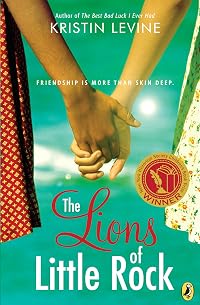
The Lions of Little Rock
by Kristin Levine
On This Page
Description
In 1958 Little Rock, Arkansas, painfully shy twelve-year-old Marlee sees her city and family divided over school integration, but her friendship with Liz, a new student, helps her find her voice and fight against racism.Tags
Recommendations
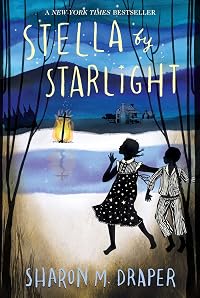
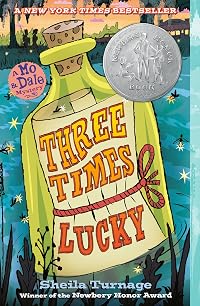
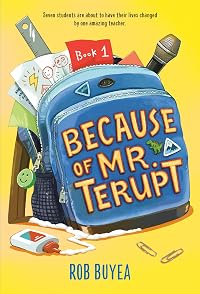

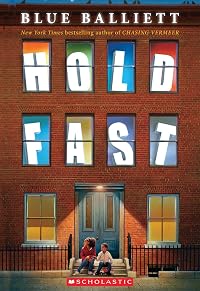




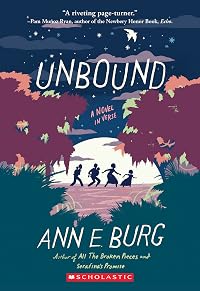
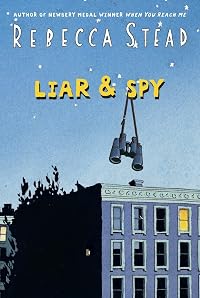


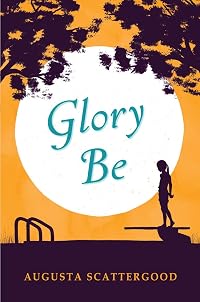
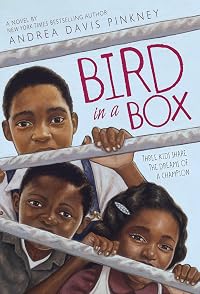


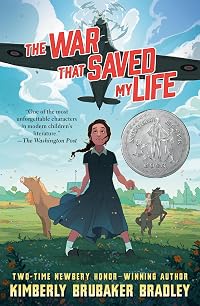
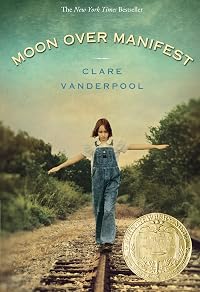


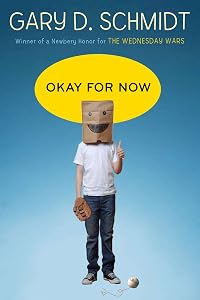

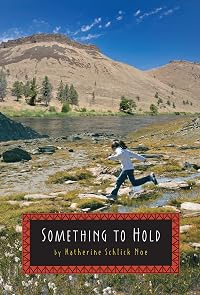



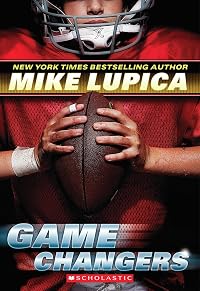
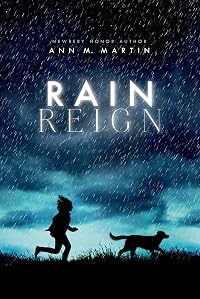

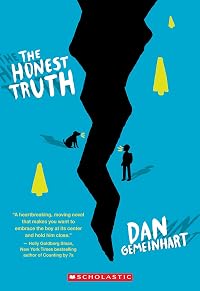
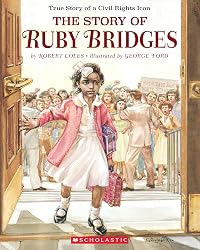


Member Recommendations
Member Reviews
This is a near-perfect book. It deals with issues of race honestly and believably without didacticism, and provides just enough context for readers unfamiliar with 1958 Little Rock to understand what's going on. These are issues kids will care about: Who gets to tell you who your friends are? What makes a friend? How can you stand up for yourself when you need to? When you learn a secret about someone, does that change who they are? It even brings in a thread about disability, as Marlee develops strategies to push beyond her "muteness" with anyone but her immediate family. These are universal themes, but the historical context is more than just a backdrop; kids will care about the events of school integration because they care about show more Marlee and Liz. I would love to teach this book! show less
The year is 1958. One year after the Little Rock Nine attend an all-white high school and the National Guard is called in to protect them. The Arkansas government has decided to step in to prevent further integration. They have closed Central High until further notice. The kids who would normally attend the school either don't go to school that year, attend a private school or go live with a relative.
Marlee's junior high is still open but segregated. She has a fear of speaking to the point that some people think she is mute. She has many fears and gets through the tough moments by reciting the prime numbers in her head. When new girl Liz shows up, Marlee sees a potential friend. She's nice to Marlee and decides to help her overcome her show more fear of speaking. In no time, the pair are best friends. Then one day Liz simply stops coming to school and Marlee is devastated. Word starts to circulate that Liz is a colored girl who tried to pass as white.
Marlee is determined not to let this friendship go. She insists on meeting Liz secretly and calling on the phone with a fake name. But the town bully won't have it. Red is deeply racist like his dad. He taunts Marlee and begins to threaten violence against both her and Liz if they don't stop associating. Since Marlee found her voice, she has become brave and begins standing up for what is right. She joins a group that supports reopening the schools and helps get signatures for a petition to fire the racist members of the school board.
This is one of my favorite children's civil rights historical fiction books. It does an excellent job of portraying the emotions people had both for and against integration, especially those who wanted to do the right thing but were too scared of the consequences. The protagonist Marlee is a wonderful example for children to be brave in the face of adversity and not compromise their beliefs. show less
Marlee's junior high is still open but segregated. She has a fear of speaking to the point that some people think she is mute. She has many fears and gets through the tough moments by reciting the prime numbers in her head. When new girl Liz shows up, Marlee sees a potential friend. She's nice to Marlee and decides to help her overcome her show more fear of speaking. In no time, the pair are best friends. Then one day Liz simply stops coming to school and Marlee is devastated. Word starts to circulate that Liz is a colored girl who tried to pass as white.
Marlee is determined not to let this friendship go. She insists on meeting Liz secretly and calling on the phone with a fake name. But the town bully won't have it. Red is deeply racist like his dad. He taunts Marlee and begins to threaten violence against both her and Liz if they don't stop associating. Since Marlee found her voice, she has become brave and begins standing up for what is right. She joins a group that supports reopening the schools and helps get signatures for a petition to fire the racist members of the school board.
This is one of my favorite children's civil rights historical fiction books. It does an excellent job of portraying the emotions people had both for and against integration, especially those who wanted to do the right thing but were too scared of the consequences. The protagonist Marlee is a wonderful example for children to be brave in the face of adversity and not compromise their beliefs. show less
I'm a huge fan of Kristin Levine's first book [b:The Best Bad Luck I Ever Had|4570908|The Best Bad Luck I Ever Had|Kristin Levine|http://photo.goodreads.com/books/1255890624s/4570908.jpg|4620259], so I was predisposed to like this one, too. Again, she creates a compelling unlikely friendship between kids that are divided by race and racism. Again, the history is well researched and you feel like you're being educated and entertained at the same time.
Did you know that the year after the Little Rock Nine integrated Central High the governor of Arkansas closed the school rather than let it remain integrated? I didn't, and so I was impressed that Levine chose a less famous part of history for her setting. We get the story of quiet little show more 13-year-old Marlee, a white girl who loves math and hardly talks. Marlee makes friends with the new girl in school, Liz, who teaches her to have confidence in herself--but when it's revealed that Liz is passing as white, their friendship takes a dangerous turn.
Kids reading this book may ask themselves, would I take risks for a friend? Would I be brave in the face of discrimination? It's a little long for a read-aloud, but it would pair really well with Civil Rights curricula.
For those who may be concerned about language, the n-word is used a few times in this book. show less
Did you know that the year after the Little Rock Nine integrated Central High the governor of Arkansas closed the school rather than let it remain integrated? I didn't, and so I was impressed that Levine chose a less famous part of history for her setting. We get the story of quiet little show more 13-year-old Marlee, a white girl who loves math and hardly talks. Marlee makes friends with the new girl in school, Liz, who teaches her to have confidence in herself--but when it's revealed that Liz is passing as white, their friendship takes a dangerous turn.
Kids reading this book may ask themselves, would I take risks for a friend? Would I be brave in the face of discrimination? It's a little long for a read-aloud, but it would pair really well with Civil Rights curricula.
For those who may be concerned about language, the n-word is used a few times in this book. show less
The Lions of Little Rock by Kristin Levine takes on one tempestuous moment in history and explores it with a great deal of heart and a few touches of humor.
It's the fall of 1958, the year after the Little Rock Nine were the first black students to integrate into Little Rock's Central High School. In an attempt to stop the push to integrate, the school board has decided not to open the high schools. The still-segregated elementary and junior highs continue to function as usual, but nobody in Little Rock remains entirely untouched by the school closings.
Painfully shy seventh-grader Marlee Nisbett would rather solve math problems than say even five words to anyone outside of her family. That begins to change for her when Liz, a new girl at show more school, befriends Marlee and helps her take the first steps toward speaking up a little bit more. Their friendship is cemented as the two girls work together on a class project. Then, one day, Liz disappears, and Marlee is left on her own again. Will Marlee ever find her voice? Will she discover that some things are important enough to speak out about?
This well-written exploration of the events in 1958 Little Rock kept me up late reading -- always a mark of a good, gripping read. I found Marlee to be a very sympathetic narrator, and the secondary characters were generally nuanced and complex as well. I'd recommend this to those who enjoy works of historical fiction like The Watsons Go to Birmingham -- 1963 and Moon Over Manifest. show less
It's the fall of 1958, the year after the Little Rock Nine were the first black students to integrate into Little Rock's Central High School. In an attempt to stop the push to integrate, the school board has decided not to open the high schools. The still-segregated elementary and junior highs continue to function as usual, but nobody in Little Rock remains entirely untouched by the school closings.
Painfully shy seventh-grader Marlee Nisbett would rather solve math problems than say even five words to anyone outside of her family. That begins to change for her when Liz, a new girl at show more school, befriends Marlee and helps her take the first steps toward speaking up a little bit more. Their friendship is cemented as the two girls work together on a class project. Then, one day, Liz disappears, and Marlee is left on her own again. Will Marlee ever find her voice? Will she discover that some things are important enough to speak out about?
This well-written exploration of the events in 1958 Little Rock kept me up late reading -- always a mark of a good, gripping read. I found Marlee to be a very sympathetic narrator, and the secondary characters were generally nuanced and complex as well. I'd recommend this to those who enjoy works of historical fiction like The Watsons Go to Birmingham -- 1963 and Moon Over Manifest. show less
"I talk a lot. Just not out loud where anyone can hear. At least I used to be that way. I'm no chatterbox now, but if you stop me on the street and ask me directions to the zoo, I'll answer you. Probably. If you're nice, I might even tell you a couple of different ways to get there. I guess I've learned it's not enough to just think things. You have to say them too. Because all the words in the world won't do much good if they're just rattling around in your head."
The year is 1958, and 12-year-old Marlee is beginning West Side Junior High School. An intelligent, but extremely quiet girl, Marlee is often at the mercy of her bossy and outspoken "friend," Sally.
"Judy sighed. "Why are you even friends with Sally McDaniels?"
I shrugged. show more Sally and I have been friends ever since were five and she pushed me off the slide at the park.
"She likes to boss you around," Judy said.
That was true. But she was also familiar. I like familiar."
So, when she is befriended by Liz, the affable newcomer to school, Marlee is most pleasantly surprised. Marlee, who has a penchant for categorizing people as beverages, finally questions Liz as to why she is helping Marlee to overcome her debilitating shyness,
"For the first time, Liz was silent. Behind her, the giraffes chewed their cud. "I thought it might be hard always being quiet," Liz said finally. "I thought you needed a friend."
She was right. I did.
"I needed a friend too," said Liz.
And suddenly I knew what Liz was -- a cup of warm milk with a dash of cinnamon."
The two become inseparable. But one day, after a chance encounter with Sally and her mother near the Baptist church in the "colored part of town," Liz stops coming to school. Word leaks out that she's been "passing," pretending to be white, in order to attend a better school. Central High may have been forcibly integrated last year, but change has not come to West Side Junior High, and Hall High remains closed, forcing Marlee's older sister to attend school out of town. The status quo sits well with Marlee's mother, but her father, a teacher in the district, is disturbed. The tension in Marlee's household mirrors that of the town's. Liz and Marlee's friendship is a cause for concern in Marlee's part of town and Liz's; the threat of violence looms ahead.
A stellar depiction of "us vs. them" mentality, The Lions of Little Rock shows the awful consequences of race against race, neighbor against neighbor, even husband against wife. Betty Jean, the maid at Marlee's home and the wife of the pastor at Liz's church, creates the story's bridge between the two neighborhoods. The Lions of Little Rock offers no easy answers, no neatly wrapped happy endings. Brave Marlee will risk anything to stand by her friend, but her brave actions do not right the wrongs of the world; rather, they place the life of her dear friend and others in grave danger. Life is messy. Neither life nor its people can be neatly separated into black and white. There are always shades of gray.
http://shelf-employed.blogspot.com show less
The year is 1958, and 12-year-old Marlee is beginning West Side Junior High School. An intelligent, but extremely quiet girl, Marlee is often at the mercy of her bossy and outspoken "friend," Sally.
"Judy sighed. "Why are you even friends with Sally McDaniels?"
I shrugged. show more Sally and I have been friends ever since were five and she pushed me off the slide at the park.
"She likes to boss you around," Judy said.
That was true. But she was also familiar. I like familiar."
So, when she is befriended by Liz, the affable newcomer to school, Marlee is most pleasantly surprised. Marlee, who has a penchant for categorizing people as beverages, finally questions Liz as to why she is helping Marlee to overcome her debilitating shyness,
"For the first time, Liz was silent. Behind her, the giraffes chewed their cud. "I thought it might be hard always being quiet," Liz said finally. "I thought you needed a friend."
She was right. I did.
"I needed a friend too," said Liz.
And suddenly I knew what Liz was -- a cup of warm milk with a dash of cinnamon."
The two become inseparable. But one day, after a chance encounter with Sally and her mother near the Baptist church in the "colored part of town," Liz stops coming to school. Word leaks out that she's been "passing," pretending to be white, in order to attend a better school. Central High may have been forcibly integrated last year, but change has not come to West Side Junior High, and Hall High remains closed, forcing Marlee's older sister to attend school out of town. The status quo sits well with Marlee's mother, but her father, a teacher in the district, is disturbed. The tension in Marlee's household mirrors that of the town's. Liz and Marlee's friendship is a cause for concern in Marlee's part of town and Liz's; the threat of violence looms ahead.
A stellar depiction of "us vs. them" mentality, The Lions of Little Rock shows the awful consequences of race against race, neighbor against neighbor, even husband against wife. Betty Jean, the maid at Marlee's home and the wife of the pastor at Liz's church, creates the story's bridge between the two neighborhoods. The Lions of Little Rock offers no easy answers, no neatly wrapped happy endings. Brave Marlee will risk anything to stand by her friend, but her brave actions do not right the wrongs of the world; rather, they place the life of her dear friend and others in grave danger. Life is messy. Neither life nor its people can be neatly separated into black and white. There are always shades of gray.
http://shelf-employed.blogspot.com show less
Marlee doesn't speak to anyone outside her family, but as Little Rock is split over school integration in 1958, Marlee finds her voice with the help of a new friend, Elizabeth, and uses it to speak up - inspiring others, including her mother, to do the same.
Marlee promises her older sister Judy that she'll talk to someone on the first day of school, and that person is new girl Elizabeth. The two become friends, but on the day they have an important presentation, a teacher tells Marlee that Elizabeth isn't coming back, and a rumor spreads that Elizabeth was passing as white. Marlee doesn't want to give up their friendship, though, and that inspires her to action and activism.
Quotes
"It's important to face your fears," said Liz. "It show more makes you a better person." (29)
How had Liz ever concentrated at school? How had she done math problems and written essays when she was surrounded by people who might hurt her if they found out who she really was? (110)
"I think a friend is someone who helps you change for the better. And whether you see them once a day or once a year, it it's a true friend, it doesn't matter." (289) show less
Marlee promises her older sister Judy that she'll talk to someone on the first day of school, and that person is new girl Elizabeth. The two become friends, but on the day they have an important presentation, a teacher tells Marlee that Elizabeth isn't coming back, and a rumor spreads that Elizabeth was passing as white. Marlee doesn't want to give up their friendship, though, and that inspires her to action and activism.
Quotes
"It's important to face your fears," said Liz. "It show more makes you a better person." (29)
How had Liz ever concentrated at school? How had she done math problems and written essays when she was surrounded by people who might hurt her if they found out who she really was? (110)
"I think a friend is someone who helps you change for the better. And whether you see them once a day or once a year, it it's a true friend, it doesn't matter." (289) show less
An absolutely wonderful book. While this book is very true to its historical time period, the characters also have a timeless quality. Marlee's brother and father both have a finely tuned sense of justice. Sally is in her own planet. Marlee's mother is caught between convention, change and what is right. RT is a brute.
Marlee and Liz are two remarkable girls caught in a tumultuous time period whose friendship is still a work in progress at the end of the book. I am repeating myself but this is an absolutely wonderful book.
Marlee and Liz are two remarkable girls caught in a tumultuous time period whose friendship is still a work in progress at the end of the book. I am repeating myself but this is an absolutely wonderful book.
Members
- Recently Added By
Lists

Kids' Tour of the US in Books
50 works; 5 members

Youth: BLM
265 works; 1 member

Books Read in 2012 (Numbered)
168 works; 6 members

Books Set in Arkansas
7 works; 4 members
Author Information

5 Works 2,028 Members
Kristin Levine debut novel was The Best Bad Luck I Ever Had, which was featured on the American Library Association¿s 2010 list of Best Books for Young Adults. She received the New York Historical Society¿s Children¿s History Book Prize for The Lions of Little Rock novel. (Bowker Author Biography)
Awards and Honors
Awards
Distinctions
Notable Lists
Common Knowledge
- Canonical title
- The Lions of Little Rock
- Original publication date
- 2012-01-05
- People/Characters
- Marlee Nisbett; Sally McDaniels; Judy Nisbett; David Nisbett; Mother; 'Daddy' Richard Nisbett (show all 14); Miss Taylor; Mr Harding; Liz Fullerton; Betty Jean; James-Thomas 'JT' Dalton; Red Dalton; Pastor George; Little Jimmy
- Important places
- Little Rock, Arkansas, USA; USA; Arkansas, USA; Pulaski County, Arkansas, USA
- Dedication
- To my mother, for telling me about the lions
- First words
- I talk a lot. Just not out loud where anyone can hear.
- Last words
- (Click to show. Warning: May contain spoilers.)And when I took that first deep breath and saw the clear summer sky, and heard my sister and Little Jimmy and Nora and even Sally and JT cheering for me, I swear I heard the lions roar.
Classifications
- Genres
- Tween, Kids, Fiction and Literature, Children's Books
- DDC/MDS
- 813.6 — Literature & rhetoric American literature in English American fiction in English 2000-
- LCC
- PZ7 .L57842 .L — Language and Literature Fiction and juvenile belles lettres Fiction and juvenile belles lettres Juvenile belles lettres
- BISAC
Statistics
- Members
- 1,420
- Popularity
- 16,630
- Reviews
- 57
- Rating
- (4.29)
- Languages
- English, Korean
- Media
- Paper, Audiobook, Ebook
- ISBNs
- 14
- ASINs
- 5