
The Mezzanine
by Nicholson Baker
On This Page
Description
In his startling, witty, and inexhaustibly inventive first novel first published in 1986 and now reissued as a Grove Press paperback the author of Vox and The Fermata uses a one-story escalator ride as the occasion for a dazzling reappraisal of everyday objects and rituals. From the humble milk carton to the act of tying one's shoes, The Mezzanine at once defamiliarizes the familiar world and endows it with loopy and euphoric poetry. Nicholson Baker's accounts of the ordinary become show more extraordinary through his sharp storytelling and his unconventional, conversational style. At first glance, The Mezzanine appears to be a book about nothing. In reality, it is a brilliant celebration of things, simultaneously demonstrating the value of reflection and the importance of everyday human experiences. show lessTags
Recommendations











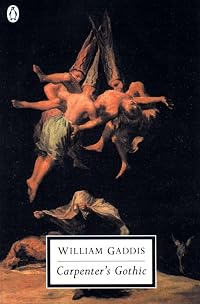
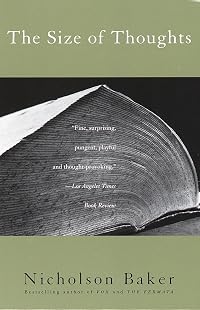

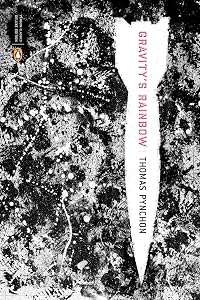


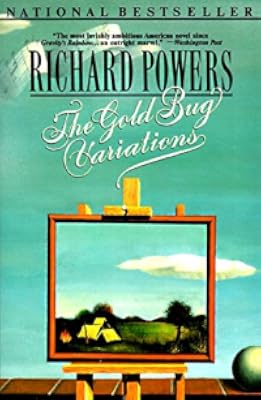

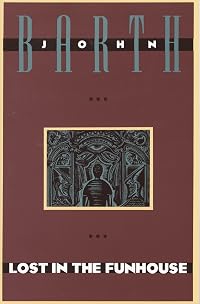
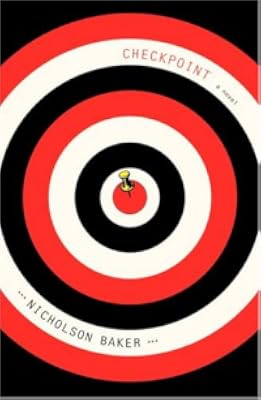


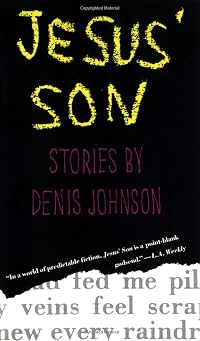
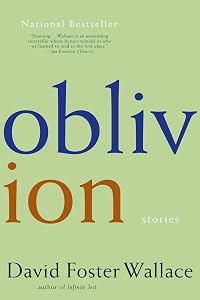







Member Recommendations
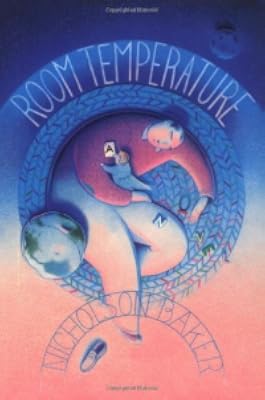
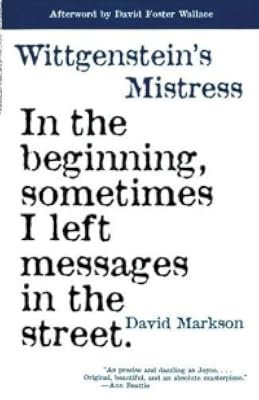
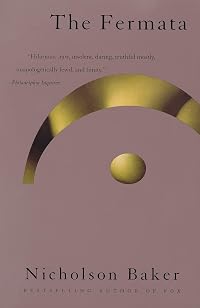
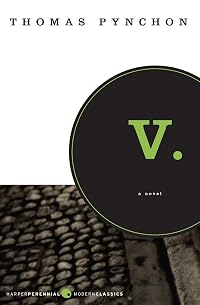
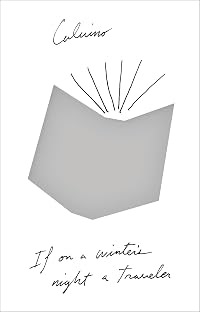
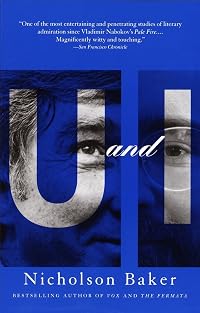
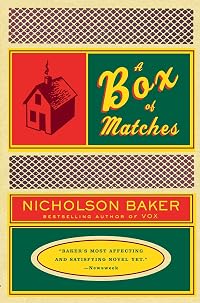
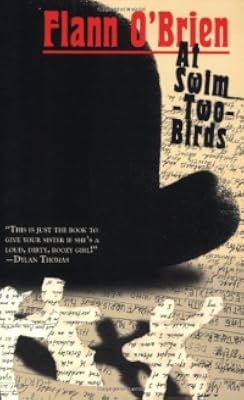
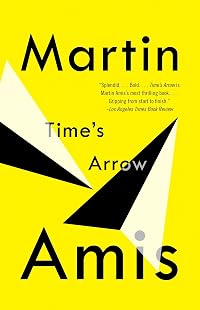
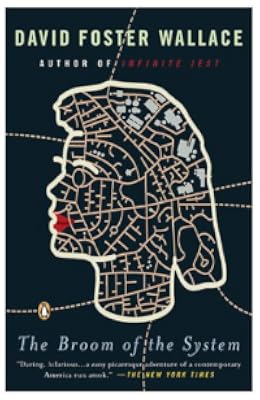
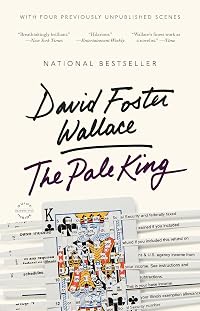
machinemachine Obsession with the intimate experience of the present moment binds both these books together
Member Reviews
An office-worker goes out to buy replacement shoelaces in his lunch-hour. With footnotes.
That’s basically it — a glorious, subtly-funny 130-page study of the trivial thoughts that fill our minds for most of the day. Staplers, escalators, office washroom fittings, the way store cashiers put things into bags, the ritual of office banter, and the eternal mystery of how and when shoelaces choose to fail. And a celebration of the joys of excessively-footnoted text.
That’s basically it — a glorious, subtly-funny 130-page study of the trivial thoughts that fill our minds for most of the day. Staplers, escalators, office washroom fittings, the way store cashiers put things into bags, the ritual of office banter, and the eternal mystery of how and when shoelaces choose to fail. And a celebration of the joys of excessively-footnoted text.
… the great scholarly or anecdotal footnotes of Lecky, Gibbon, or Boswell, written by the author of the book himself to supplement, or even correct over several later editions, what he says in the primary text, are reassurances that the pursuit of truth doesn't have clearshow more
outer boundaries: it doesn't end with the book; restatement and self-disagreement and the enveloping sea of referenced authorities all continue. Footnotes are the finer-suckered surfaces that allow tentacular paragraphs to hold fast to the wider reality of the library.show less
This gem of a book is an oddity of sorts. It seems short, but is filled with huge footnotes in a small font. It's about nothing, but it's about everything. Every time I would find myself starting to lose interest in the author's ramblings, he would say something that hit so close to home I was immediately caught back up in his seamless flow of thoughts.
The entire book follows the rambling thoughts of Howie, a worker in an office building. He talks about his lunch hour, the random acts we're inspired to do when alone in an elevator, and more. There's no plot to follow, just Howie's meandering commentary. Though the footnotes can be a bit trying and banal at times, the meat of the book is both original and hilarious.
The entire book follows the rambling thoughts of Howie, a worker in an office building. He talks about his lunch hour, the random acts we're inspired to do when alone in an elevator, and more. There's no plot to follow, just Howie's meandering commentary. Though the footnotes can be a bit trying and banal at times, the meat of the book is both original and hilarious.
Proust with Asperger Syndrome. Baker describes one work lunch-hour with dizzying detail, and an array of huge, memory-saturated asides about the little, technical things in life: shoelaces, straws, staplers, escalators, etc. At times this can become tedious, but I also found it terribly immersive, wonderfully fresh, and in the end full of a life-affirming reverence for the wonders of technology and the human curiosity that has generated it.
Nicholson Baker's novels are examples of of trying to imbue the minute trivialities of modern life with unseen philosophical and personal significance. Exhibiting an affinity for minutiae and ponderous disquisition, he is noted for transforming otherwise banal human activities into finely wrought descriptions of thought and serious consideration. His technique of extreme magnification and loitering contemplation has been described as creating a “clogging” effect in his fiction, thus slowing narrative time to a near standstill while retraining the reader's attention on otherwise overlooked objects and minor events, all presented through Baker's scrupulous authorial subjectivity. The effect of this in The Mezzanine, an essentially show more plotless, stream-of-consciousness novel, which examines in great detail the lunch-hour activities of a young office worker named Howie is bracing for about two pages. His simple lunch—a hot dog, cookie, and milk—and purchase of a new pair of shoelaces are juxtaposed against his reading of a paperback edition of Marcus Aurelius's Meditations. Baker's digressive novel contains copious footnotes, some of which are several pages long, while following the ruminations of Howie as he contemplates a variety of everyday objects and occurrences, including how paper milk cartons replaced glass milk bottles, the miracle of perforation, and the nature of plastic straws, vending machines, paper towel dispensers, and popcorn poppers. That he would take more than eighty per cent of the novel to reach his epiphany from a random passage in the Meditations, which lasts less than a page before he returns to memories of cookies and milk as a youth, gives you some idea of the misadventure that this slight novel encompasses. The author's hubris at thinking that his disquisition on drinking straws and shoelaces constitutes a novel of humor or ideas or anything else is merely a symptom of the artistic morass of literature at the end of the twentieth century. show less
The form of this novel---a footnote-heavy deep dive into one young man's trip up an escalator at the end of his lunch break---could have been clunky, but I actually found it fairly smooth reading. Maybe the narrator has an anxiety disorder or is just very particular, but either way I enjoyed the way his personality is revealed bit by bit through his interior monologue. I love his rant about people who stand still on escalators.
> Cars and trucks around mine were all nicely spaced: close enough to create a sense of fellowship and shared purpose, but not close enough to make you think that you couldn't swerve exuberantly into another lane at any time if you wanted.
> At the time I was riding the escalator to the mezzanine every day I didn't own a car, but later, when I did, I realized that escalatorial happiness is not too far removed from the standard pleasure that the highway commuter feels driving his warm, quiet box between pulsing intermittencies of white road paint at a steady speed.
> Here was where I made a discovery. An image came to me— Ingres's portrait of Napoleon. Displacing my tie, I undid a single middle button. Yes, it was possible to get at your show more underarm by entering the shirt through the gap made by one undone button and then working the stick of antiperspirant up the pleural cavity between T-shirt and shirt until you were able to snag the sleevelet of the T-shirt with a finger and pull it past the seam where your shirtsleeve began, thereby exposing the area you needed to cover. I felt like Balboa or Copernicus.
> Perforation! Shout it out! The deliberate punctuated weakening of paper and cardboard so that it will tear along an intended path, leaving a row of fine-haired white pills or tuftlets on each new edge! It is a staggering conception, showing an age-transforming feel for the unique properties of pulped wood fiber. Yet do we have national holidays to celebrate its development? Are festschrift volumes published honoring the dead greats in the field? People watch the news every night like robots, thinking they are learning about their lives, never paying attention to the far more immediate developments that arrive unreported, on the zip-lock perforated top of the ice cream carton, in reply coupons bound in magazines and on the "Please Return This Portion" edging of bill stubs, on sheets of postage stamps and sheets of Publishers Clearing House magazine stamps, on paper towels, in rolls of plastic bags for produce at the supermarket, in strips of hanging file-folder labels. The lines dividing one year from another in your past are perforated, and the mental sensation of detaching a period of your life for closer scrutiny resembles the reluctant guided tearing of a perforated seam. show less
> At the time I was riding the escalator to the mezzanine every day I didn't own a car, but later, when I did, I realized that escalatorial happiness is not too far removed from the standard pleasure that the highway commuter feels driving his warm, quiet box between pulsing intermittencies of white road paint at a steady speed.
> Here was where I made a discovery. An image came to me— Ingres's portrait of Napoleon. Displacing my tie, I undid a single middle button. Yes, it was possible to get at your show more underarm by entering the shirt through the gap made by one undone button and then working the stick of antiperspirant up the pleural cavity between T-shirt and shirt until you were able to snag the sleevelet of the T-shirt with a finger and pull it past the seam where your shirtsleeve began, thereby exposing the area you needed to cover. I felt like Balboa or Copernicus.
> Perforation! Shout it out! The deliberate punctuated weakening of paper and cardboard so that it will tear along an intended path, leaving a row of fine-haired white pills or tuftlets on each new edge! It is a staggering conception, showing an age-transforming feel for the unique properties of pulped wood fiber. Yet do we have national holidays to celebrate its development? Are festschrift volumes published honoring the dead greats in the field? People watch the news every night like robots, thinking they are learning about their lives, never paying attention to the far more immediate developments that arrive unreported, on the zip-lock perforated top of the ice cream carton, in reply coupons bound in magazines and on the "Please Return This Portion" edging of bill stubs, on sheets of postage stamps and sheets of Publishers Clearing House magazine stamps, on paper towels, in rolls of plastic bags for produce at the supermarket, in strips of hanging file-folder labels. The lines dividing one year from another in your past are perforated, and the mental sensation of detaching a period of your life for closer scrutiny resembles the reluctant guided tearing of a perforated seam. show less
It isn't often that I discover a new author by reading their first book, but I was fortunate enough to pick up Nicholson Baker's debut novel The Mezzanine as my introduction to his work, and I am already looking forward to what follows. Baker has earned a place on my bookshelf with this irreverent, time-compressed character study.
The Mezzanine is a playful work of post-modern metafiction in which the narrator explores the nuances of his life and his relationship to the world around him during an escalator ride between floors after an afternoon lunch break. Filled with numerous asides and digressions, including copious footnotes on everything from ice cube trays to ear plugs (and even footnotes), the novel exists as a stream of show more consciousness in reflection as Howie expands upon his thoughts and actions that afternoon with an obsessive quality that becomes an integral and telling part of the character.
Often compared to Proust for his poetic and accomplished attention to detail, Baker eschews an formal semblance of plot or story and instead focuses on a jewel point of consciousness and self-reflection that borders on existentialism. Readers looking for a formal plot with a traditional story-line setup and resolution might feel lost when they first wade into Howie's tangential narrative, but those who share Baker's wonder at the complexity and importance of even the most mundane activities will most likely be as enthralled with The Mezzanine as it's narrator is with shoelaces and paper straws. show less
The Mezzanine is a playful work of post-modern metafiction in which the narrator explores the nuances of his life and his relationship to the world around him during an escalator ride between floors after an afternoon lunch break. Filled with numerous asides and digressions, including copious footnotes on everything from ice cube trays to ear plugs (and even footnotes), the novel exists as a stream of show more consciousness in reflection as Howie expands upon his thoughts and actions that afternoon with an obsessive quality that becomes an integral and telling part of the character.
Often compared to Proust for his poetic and accomplished attention to detail, Baker eschews an formal semblance of plot or story and instead focuses on a jewel point of consciousness and self-reflection that borders on existentialism. Readers looking for a formal plot with a traditional story-line setup and resolution might feel lost when they first wade into Howie's tangential narrative, but those who share Baker's wonder at the complexity and importance of even the most mundane activities will most likely be as enthralled with The Mezzanine as it's narrator is with shoelaces and paper straws. show less
Members
- Recently Added By
Published Reviews
ThingScore 100
'Mezzanine' Takes the Trappings of Everyday Life to the Next Level
For all of his stunts and goofing, Baker manages to reconcile literature with the most mundane aspects of our daily lives, to nail onto the page stuff that usually doesn't make it into books. Here we don't read "our own rejected thoughts," in Emerson's formulation, but rather those which never even reached the level of show more rejection, fleeting observations of the kind that barely puncture consciousness. The result, while reading, is a delightful sense of déjà pensé, and, after the book is closed, a residual heightened awareness, a feeling that we've been paying more attention to the world than we thought. show less
For all of his stunts and goofing, Baker manages to reconcile literature with the most mundane aspects of our daily lives, to nail onto the page stuff that usually doesn't make it into books. Here we don't read "our own rejected thoughts," in Emerson's formulation, but rather those which never even reached the level of show more rejection, fleeting observations of the kind that barely puncture consciousness. The result, while reading, is a delightful sense of déjà pensé, and, after the book is closed, a residual heightened awareness, a feeling that we've been paying more attention to the world than we thought. show less
added by SandraArdnas
Lists

Recommend the 20 best books you've read in the last five years
2,168 works; 606 members

Experimental Literature
141 works; 19 members

Novels set over the course of a single day (or less)
72 works; 8 members

Lithub: The 50 Best Contemporary Novels Under 200 Pages
50 works; 4 members

1980s
356 works; 23 members

stories at work
43 works; 7 members

A Novel Cure
742 works; 23 members

recalling favorites...
105 works; 2 members

Books Read in 2011
684 works; 20 members

Mustich's 1000 Books to Read Before You Die: A Life Changing List
1,001 works; 19 members

jewels
8 works; 1 member

One Day
27 works; 2 members

Biggest Disappointments
606 works; 168 members

Michael Dirda's 100 Best Comic Novels
100 works; 1 member
Author Information

30+ Works 14,350 Members
Nicholson Baker lives in Maine. Nicholson Baker was born in New York City on January 7, 1957. He briefly attended the Eastman School of Music before receiving a B.A. in philosophy from Haverford College. He is the author of both fiction and nonfiction works including The Mezzanine (1988); Room Temperature (1990); Vox (1992); The Fermata (1994); show more The Everlasting Story of Nory (1998); Checkpoint (2004); and The Anthologist (2009). His nonfiction work, Double Fold: Libraries and the Assault on Paper, won a National Book Critics Circle Award in 2001. (Bowker Author Biography) show less
Some Editions
Awards and Honors
Common Knowledge
- Original title
- The Mezzanine
- Original publication date
- 1988
- People/Characters
- Howie
- Important places
- Rochester, New York, USA
- Dedication
- For Margaret
- First words
- At almost one o'clock I entered the lobby of the building where I worked and turned toward the escalators, carrying a black Penguin paperback and a small white CVS bag, its receipt stapled over the top.
- Quotations
- Footnotes are the finer-suckered surfaces that allow tentacular paragraphs to hold fast to the wider reality of the library.
- Last words
- (Click to show. Warning: May contain spoilers.)He held up his white rag for a second, then put it back down on the rubber handrail.
- Original language
- English
Classifications
Statistics
- Members
- 2,351
- Popularity
- 8,395
- Reviews
- 51
- Rating
- (3.94)
- Languages
- 8 — Danish, Dutch, English, French, German, Italian, Spanish, Swedish
- Media
- Paper, Audiobook, Ebook
- ISBNs
- 25
- ASINs
- 5