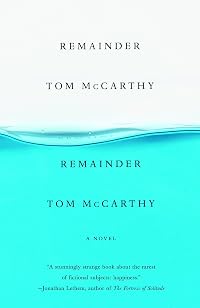
Remainder
by Tom McCarthy
On This Page
Description
A man is severely injured in a mysterious accident, receives an outrageous sum in legal compensation, and has no idea what to do with it. Then, one night, an ordinary sight sets off a series of bizarre visions he can't quite place. How he goes about bringing his visions to life and what happens afterward makes for one of the most riveting, complex, and unusual novels in recent memory.Tags
Recommendations

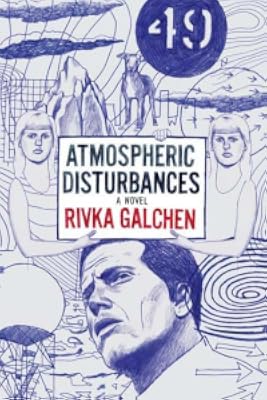
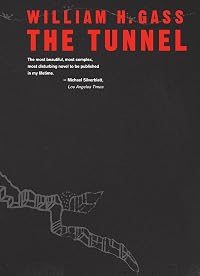
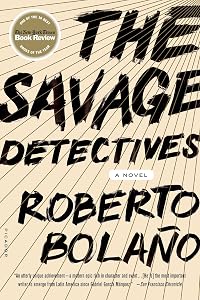
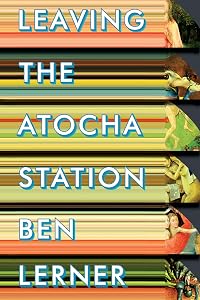


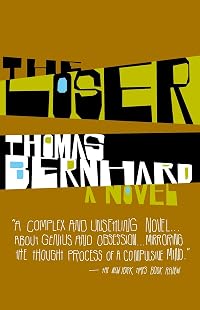

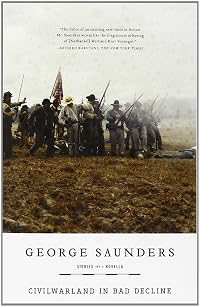
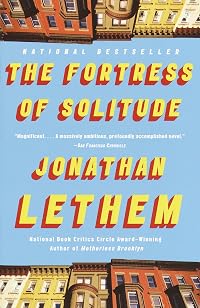
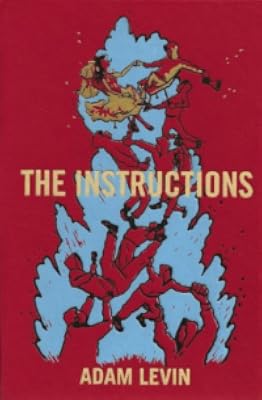



Member Recommendations
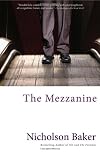
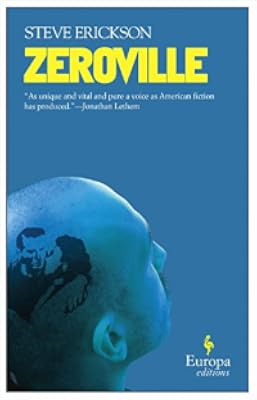
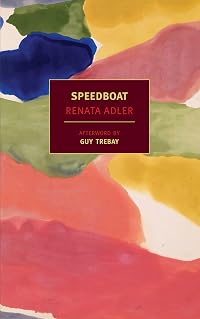
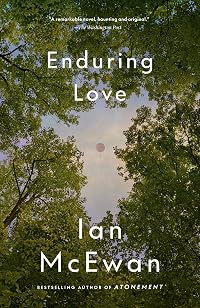
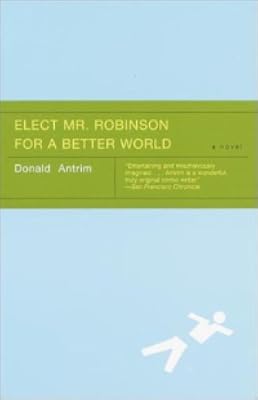
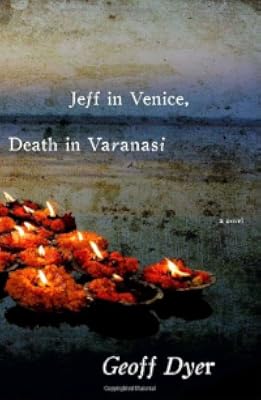
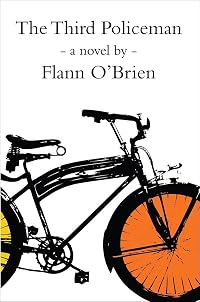
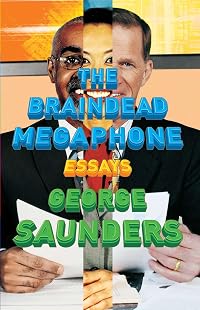
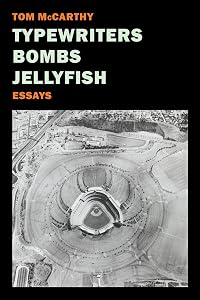
machinemachine Obsession with the intimate experience of the present moment binds both these books together
20
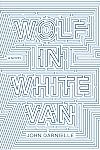
revbean Though quite different in a number of ways, Darnielle's Wolf in White Van and McCarthy's Remainder are both stories of men scarred by traumatic events who embrace world-creation as a means of coming to terms with their situations and (re)discovering themselves.
Member Reviews
Novela extraña donde las haya, pero también de las que perduran en la memoria tiempo después de su lectura. Mediante una prosa sencilla, Tom McCarthy aborda temas trascendentales como la imperfección de la realidad o la búsqueda de lo auténtico.
La historia tiene como protagonista a un londinense que nos irá narrando lo que le sucedió. Acaba de recuperarse de un accidente; algo le cayó del cielo provocándole unas lesiones que le dejaron temporalmente en coma, y borrándole parte de su memoria. Tras meses de recuperación, un abogado le comunica que ha recibido una indemnización por parte de una extraña entidad: ocho millones y medio de libras. A cambio, él no podrá contarle a nadie lo que le ha pasado.
Tras haberse show more recuperado y haber pasado por una etapa de re-aprendizaje, el protagonista se da cuenta de que no percibe la realidad de manera natural. Se muestra apático, y la mayoría de cosas le parecen artificiales, como aprendidas. Hasta que un día, en la fiesta en casa de un conocido, tiene un déjà vu que le hace recordar ciertas escenas y personas asociadas a ellas. No sabe quiénes son, pero le parecen unos recuerdos ya vividos. A partir de aquí, el protagonista se obsesiona por los ecos de estos recuerdos, por las sensaciones que le proporcionan. Y no es que se trate de nada extraordinario, se trata de recuerdos de una realidad anodina, pero eso sí, le transmiten esa sensación de naturalidad y autenticidad que tanto desea el narrador. Así que ni corto ni perezoso, decide utilizar su dinero para re-crear estos recuerdos, comprando edificios y contratando a la gente que sea necesaria para dar vida al proyecto. Pero los recuerdos serán sólo el principio de una espeluznante obsesión: repetir la realidad, una y otra y otra vez.
Este argumento que introduce la ficción en la realidad, que puede recordar a ‘El Show de Truman’, tiene más de una lectura: realidad contra ficción, donde el protagonista únicamente se siente real cuando re-crea y se siente parte de una realidad escenificada, entrando en una clara paradoja; lo que cierta gente es capaz de hacer por dinero, cuando se les pide que se rebajen a realizar todo aquello que se les ordene; la realidad enfrentada al tiempo y al espacio, o movimiento perpetuo, cuando el protagonista se obsesiona en la re-creación de escenas; la obsesión por la materia y sus residuos.
Me pregunto cuándo deja de ser auténtico un hecho que se repite múltiples veces. Sin duda, la novela de Tom McCarthy está llamada a convertirse en un clásico. show less
La historia tiene como protagonista a un londinense que nos irá narrando lo que le sucedió. Acaba de recuperarse de un accidente; algo le cayó del cielo provocándole unas lesiones que le dejaron temporalmente en coma, y borrándole parte de su memoria. Tras meses de recuperación, un abogado le comunica que ha recibido una indemnización por parte de una extraña entidad: ocho millones y medio de libras. A cambio, él no podrá contarle a nadie lo que le ha pasado.
Tras haberse show more recuperado y haber pasado por una etapa de re-aprendizaje, el protagonista se da cuenta de que no percibe la realidad de manera natural. Se muestra apático, y la mayoría de cosas le parecen artificiales, como aprendidas. Hasta que un día, en la fiesta en casa de un conocido, tiene un déjà vu que le hace recordar ciertas escenas y personas asociadas a ellas. No sabe quiénes son, pero le parecen unos recuerdos ya vividos. A partir de aquí, el protagonista se obsesiona por los ecos de estos recuerdos, por las sensaciones que le proporcionan. Y no es que se trate de nada extraordinario, se trata de recuerdos de una realidad anodina, pero eso sí, le transmiten esa sensación de naturalidad y autenticidad que tanto desea el narrador. Así que ni corto ni perezoso, decide utilizar su dinero para re-crear estos recuerdos, comprando edificios y contratando a la gente que sea necesaria para dar vida al proyecto. Pero los recuerdos serán sólo el principio de una espeluznante obsesión: repetir la realidad, una y otra y otra vez.
Este argumento que introduce la ficción en la realidad, que puede recordar a ‘El Show de Truman’, tiene más de una lectura: realidad contra ficción, donde el protagonista únicamente se siente real cuando re-crea y se siente parte de una realidad escenificada, entrando en una clara paradoja; lo que cierta gente es capaz de hacer por dinero, cuando se les pide que se rebajen a realizar todo aquello que se les ordene; la realidad enfrentada al tiempo y al espacio, o movimiento perpetuo, cuando el protagonista se obsesiona en la re-creación de escenas; la obsesión por la materia y sus residuos.
Me pregunto cuándo deja de ser auténtico un hecho que se repite múltiples veces. Sin duda, la novela de Tom McCarthy está llamada a convertirse en un clásico. show less
This was a very fun read, very consumable but also sort of dazzling in how it makes you inhabit the perspective of the main character, whose view of the world turns out to be pretty interesting and twisted (yet in some ways understandable if misguided). The prose is a cinch, the ideas fun, and the story a train wreck that you initially can't imagine will be the case but then suspect will be the case and can't pry your eyes away from. This was a better (if also probably much easier to write) book than McCarthy's C, and the two together definitely make me want to keep an eye on this author.
Remainder's narrator, victim of some unspecified accident, awakens from a coma and must relearn even the most basic skills—walking, speaking, eating—as if from scratch. Even out of the hospital, he still feels strangely detached from his own body. Everything seems difficult, and somehow unsatisfying. On the plus side, he's rich, thanks to a settlement from the accident. Bothered by memories of living in a certain apartment which he's never actually seen, he begins to finance a series of re-creations, using sets and actors to bring to life the scenes in his vision. As this obsessive quest consumes him, his increasingly elaborate productions bring things closer and closer to some sort of breaking point.The longing for "authenticity" show more is a common symptom of life in this post-modern world. Remainder plays off that desire, leaving us both appalled at the narrator's actions and yet also sympathetic to him. Don't we all secretly hope that if we could only observe things closely enough, break them down into sufficiently exclusive categories, that some sort of Truth will emerge? Doesn't the latest multi-hyphenated musical genre invented by a Pitchfork reviewer hope to touch something Real? The great mythical structures intended to comfort us--God, the State, Love--have been dissolved, leaving us in a world of simple, terrifying matter. We live in constant anxiety, observing and judging ourselves from moment to moment; our minds provide a running commentary on our performance.Remainder's protagonist becomes obsessed with a murder victim, because he feels that in "dying beside the bollards on the tarmac he’d done what I wanted to do: merged with the space around him, sunk and flowed into it until there was no distance between it and him—and merged, too, with his actions, merged to the extent of having no more consciousness of them. He’d stopped being separate, removed, imperfect. Cut out the detour."The internal critic, the ironic observer, is finally—irrevocably—silenced. This is the longing for authenticity at its most self-destructive. And, turned on the practice of fiction, it is the feeling that all storytelling is ultimately deceptive. Fiction, like our protagonist, can only imperfectly re-create. The realist novel, then, is exposed as a fraud: it can never actually reveal the truth it promises. McCarthy, having acknowledged the lie, can be read as asking us: what now? show less
For a few years I’ve been teaching “The Loss of the Creature” by Walker Percy--an essay ostensibly about the feeling of discovery, but also about sovereign control of one’s own perceptions, about willful sacrifice of that control, and about the evil of sacrificing the present moment to the domination of the present and the future.
McCarthy’s protagonist is, to an extent, seeking a similar sovereignty. But he chases it through the reenactment: by returning obsessively, lovingly, completely, to the single mysterious moments in which he felt clarity. Staging them, rebuilding them, recreating them--and in this complete simulacrum, he feels closer than he ever has to being real.
On the surface it’s an easy reversal: nothing feels show more real except for the staged. But beneath is what can only be described as insight--for as the game continues, I agree with the narrator’s discoveries, even as the implications of them become more sinister. I feel their logic. And at the end of the novel--when the narrator is quite happy, in fact, and no one else has any good reason to be--I feel doubly possessed, haunted, by that conflation.
What I’m trying to say is that, when I finished Remainder, I didn’t talk for a while. I felt that some trauma had been done to my cherished little neural paths, and I needed some time inside of that trauma. It took a while to remember: it is a Sunday. I am at the window of my livingroom. I am looking over a courtyard. It is Fall. I came slowly back into myself--and I’m hardpressed to remember a book that had so thoroughly rewired me.
I should give some warnings: this machine takes a while to get to full speed. At or around page 80, I took a peek deeper in to reassure myself that the rest of the trip would be worth it. For the most part I speed-read the first 150 pages. Then, the patterns started looping back. And like some chant, I fell into its rhythms.
Other things I can’t stop thinking about: Buddhism (of course). But everything makes me think of Buddhism right now. Boys of Life by Paul Russell. Jean Baudrillard, Slavoj Zizek, Guy Debord, all the glorious complicators of the real. Autism, art, autistic art, and the smell of cordite. show less
McCarthy’s protagonist is, to an extent, seeking a similar sovereignty. But he chases it through the reenactment: by returning obsessively, lovingly, completely, to the single mysterious moments in which he felt clarity. Staging them, rebuilding them, recreating them--and in this complete simulacrum, he feels closer than he ever has to being real.
On the surface it’s an easy reversal: nothing feels show more real except for the staged. But beneath is what can only be described as insight--for as the game continues, I agree with the narrator’s discoveries, even as the implications of them become more sinister. I feel their logic. And at the end of the novel--when the narrator is quite happy, in fact, and no one else has any good reason to be--I feel doubly possessed, haunted, by that conflation.
What I’m trying to say is that, when I finished Remainder, I didn’t talk for a while. I felt that some trauma had been done to my cherished little neural paths, and I needed some time inside of that trauma. It took a while to remember: it is a Sunday. I am at the window of my livingroom. I am looking over a courtyard. It is Fall. I came slowly back into myself--and I’m hardpressed to remember a book that had so thoroughly rewired me.
I should give some warnings: this machine takes a while to get to full speed. At or around page 80, I took a peek deeper in to reassure myself that the rest of the trip would be worth it. For the most part I speed-read the first 150 pages. Then, the patterns started looping back. And like some chant, I fell into its rhythms.
Other things I can’t stop thinking about: Buddhism (of course). But everything makes me think of Buddhism right now. Boys of Life by Paul Russell. Jean Baudrillard, Slavoj Zizek, Guy Debord, all the glorious complicators of the real. Autism, art, autistic art, and the smell of cordite. show less
Wow! Hmm.
That could be my whole review.
But let me add some advice. Keep going with this book. The first part gives the impression that you're about to read a confessional weepy survivor story, and then the story veers without warning into a story that grapples in the most graphic way possible with the question of what makes our lives meaningful. It plays with the idea that a few perfect moments in one's life, however brief, are all that is necessary to give life meaning...and then it subverts this idea brilliantly. If you are a skimmer you might be tempted to skim right over some of the repetitive buildup of events. I advise against this and suggest you read as linearly as possible. It's worth making the effort to experience the story show more fully. show less
That could be my whole review.
But let me add some advice. Keep going with this book. The first part gives the impression that you're about to read a confessional weepy survivor story, and then the story veers without warning into a story that grapples in the most graphic way possible with the question of what makes our lives meaningful. It plays with the idea that a few perfect moments in one's life, however brief, are all that is necessary to give life meaning...and then it subverts this idea brilliantly. If you are a skimmer you might be tempted to skim right over some of the repetitive buildup of events. I advise against this and suggest you read as linearly as possible. It's worth making the effort to experience the story show more fully. show less
Remainder is easily one of the strangest books I've ever read. Our unnamed protagonist has been the victim of some sort of accident -- his £8.5 million settlement prevents him from sharing the details with us, but we do learn that it involves something falling from the sky -- and he's still missing months worth of memories. At a party one evening, he becomes enraptured with a crack in the wall of his friend's bathroom as memories start to flood his mind.
With his newfound wealth, he sets out to re-create these memories: he buys and renovates a building to his memory's exact specifications, and hires people to help him re-create his interactions with them. They are to act specifically as he tells them and to be on-call constantly, so he show more may indulge himself in these recreations whenever he would like. He obsesses over the details: the shine of the wood floors, the smells wafting from the flat below, the exact position of the sunlight on the floor. Then, he takes it a step further: he sets out to continuously re-enact an encounter he has with three young boys at a tire shop, and then becomes involved with doing the same for a shooting just outside of his flat. And then everything begins to spiral out of control, leading up to one very odd ending.
I have to admit: about three-quarters of the way through this book, I wanted to throw it across the room. A couple of hours (and a nap) later, I was back at it again, wanting to know how it was all going to turn out. I found myself getting as wrapped up as the protagonist himself, and I could only watch as what started out as a whim ('why not re-create this? I have the money, let's do it!') turned into an obsession. Maybe that's why I felt the ending was such a letdown: there's so much buildup and you spend so much time thinking about this strange man and his strange needs and then poof! it's over. That's it? And again with the urge to chuck it against the wall. A crazy, crazy book. show less
With his newfound wealth, he sets out to re-create these memories: he buys and renovates a building to his memory's exact specifications, and hires people to help him re-create his interactions with them. They are to act specifically as he tells them and to be on-call constantly, so he show more may indulge himself in these recreations whenever he would like. He obsesses over the details: the shine of the wood floors, the smells wafting from the flat below, the exact position of the sunlight on the floor. Then, he takes it a step further: he sets out to continuously re-enact an encounter he has with three young boys at a tire shop, and then becomes involved with doing the same for a shooting just outside of his flat. And then everything begins to spiral out of control, leading up to one very odd ending.
I have to admit: about three-quarters of the way through this book, I wanted to throw it across the room. A couple of hours (and a nap) later, I was back at it again, wanting to know how it was all going to turn out. I found myself getting as wrapped up as the protagonist himself, and I could only watch as what started out as a whim ('why not re-create this? I have the money, let's do it!') turned into an obsession. Maybe that's why I felt the ending was such a letdown: there's so much buildup and you spend so much time thinking about this strange man and his strange needs and then poof! it's over. That's it? And again with the urge to chuck it against the wall. A crazy, crazy book. show less
Members
- Recently Added By
Published Reviews
ThingScore 100
[A] novel of astonishing genius in which an unnamed protagonist, who has suffered an unnameable accident, seeks to uncover real feeling again.
As recompense for his coma-inducing brain injury, the narrator receives a substantial payout from an unnamed party and decides to spend it re-creating—in full-scale—spaces and moments in time.
As recompense for his coma-inducing brain injury, the narrator receives a substantial payout from an unnamed party and decides to spend it re-creating—in full-scale—spaces and moments in time.
added by paradoxosalpha
Lists

Best Contemporary Literary Fiction (Around the Last 30 Years)
388 works; 122 members

Best of British Literature
226 works; 41 members

Hidden Classics
73 works; 15 members

Troublesome bodies
110 works; 7 members

.
184 works; 1 member
Author Information

12+ Works 3,887 Members
Tom McCarthy is the author of Satin Island, and made the Man Booker Prize for Fiction 2015 shortlist. This same title also made the shortlist for the Goldsmiths Prize 2015. (Bowker Author Biography)
Some Editions
Awards and Honors
Awards
Distinctions
Notable Lists
Common Knowledge
Classifications
Statistics
- Members
- 1,431
- Popularity
- 16,419
- Reviews
- 48
- Rating
- (3.62)
- Languages
- 7 — Dutch, English, French, German, Italian, Portuguese, Spanish
- Media
- Paper, Audiobook, Ebook
- ISBNs
- 31
- ASINs
- 5