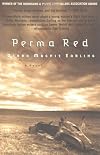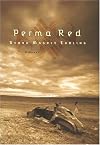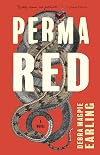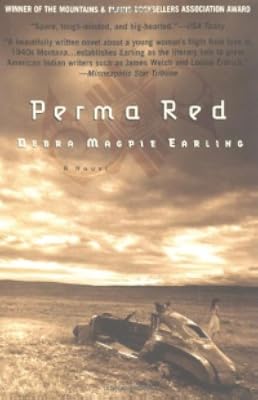
Perma Red
by Debra Magpie Earling
On This Page
Description
On the Flathead Indian Reservation, summer is ending, and Louise White Elk is determined to forge her own path. Raised by her Grandmother Magpie after the death of her mother, Louise and her younger sister have grown up into the harsh social and physical landscape of western Montana in the 1940s, where Native people endure boarding schools and life far from home. As she approaches adulthood, Louise hopes to create an independent life for herself and an improved future for her family-but show more three persistent men have other plans. Since childhood, Louise has been pursued by Baptiste Yellow Knife, feared not only for his rough-and-tumble ways, but also for the preternatural gifts of his bloodline. Baptiste's rival is his cousin, Charlie Kicking Woman: a man caught between worlds, torn between his duty as a tribal officer and his fascination with Louise. And then there is Harvey Stoner. The white real estate mogul can offer Louise her wildest dreams of freedom, but at what cost? As tensions mount, Louise finds herself trying to outrun the bitter clutches of winter and the will of powerful men, facing choices that will alter her life-and end another's-forever. show lessTags
Recommendations

















Member Reviews
This was a reread for me. When I read it the first time in 2008 I did not review it. I felt the book was important but its bleakness made me dislike it.
I would not have reread it except that it was one of the 2024 selections for the Glacier Conservancy Book Club – and the discussion was led by Debra Earling.
In starting my reread, there were only two incidents from the book that I remembered. The first was the most brutal abuse of a child in a reservation boarding school that I had ever read. The second was the description of a drowned girl’s body.
This is the story of Louise White Elk who grew up abused and orphaned on the Montana Flathead Indian Reservation. Eventually she was raised by her grandmother who was steeped in many of show more the old traditional ways. But even with her grandmother’s care, Louise grew up wild and self-destructive, always running away.
She grew to be an exceptionally beautiful young woman. Three men were especially attracted to her. There was Baptiste Yellow Knife who had grown up in the same culture and was also wild and beautiful and equally self- destructive. The second was a rich white man. The third was a Flathead police officer, who although had also grown up on the same res, was considered a traitor to his people for his work.
It’s a story of a constant downward spiral and the ending is almost inevitable.
What I didn’t know when I read this the first time was that this is based on Debra Earling’s Aunt Louise who had a similar life and death. The discussion led by Debra Earling really gave me an appreciation of this book. You can see this discussion here: https://www.youtube.com/watch?v=HjFg3v1PLV4 show less
I would not have reread it except that it was one of the 2024 selections for the Glacier Conservancy Book Club – and the discussion was led by Debra Earling.
In starting my reread, there were only two incidents from the book that I remembered. The first was the most brutal abuse of a child in a reservation boarding school that I had ever read. The second was the description of a drowned girl’s body.
This is the story of Louise White Elk who grew up abused and orphaned on the Montana Flathead Indian Reservation. Eventually she was raised by her grandmother who was steeped in many of show more the old traditional ways. But even with her grandmother’s care, Louise grew up wild and self-destructive, always running away.
She grew to be an exceptionally beautiful young woman. Three men were especially attracted to her. There was Baptiste Yellow Knife who had grown up in the same culture and was also wild and beautiful and equally self- destructive. The second was a rich white man. The third was a Flathead police officer, who although had also grown up on the same res, was considered a traitor to his people for his work.
It’s a story of a constant downward spiral and the ending is almost inevitable.
What I didn’t know when I read this the first time was that this is based on Debra Earling’s Aunt Louise who had a similar life and death. The discussion led by Debra Earling really gave me an appreciation of this book. You can see this discussion here: https://www.youtube.com/watch?v=HjFg3v1PLV4 show less
Debra Magpie Earling’s debut novel Perma Red is something of a miracle. The University of Montana creative writing professor began writing it in 1984 and, over the years, it has gone through at least nine different rewrites, trimmed from an epic-length 800 pages to a compact 288, been burned to a crisp in a house fire, and rejected by publishers who loved the writing but thought the original ending too dark and brutal.
Through it all, Earling persevered and the novel stands as a testament to her faith and patience. Perma Red wears the two decades of hard work on the sleeve of its dust jacket. I mean that as the sincerest compliment. Like the finest of wines, Perma Red’s vintage has reached the peak of perfection with a lyricism that show more makes most other books on the average bookstore’s New Release table look like cheap bottles of Mogen-David.
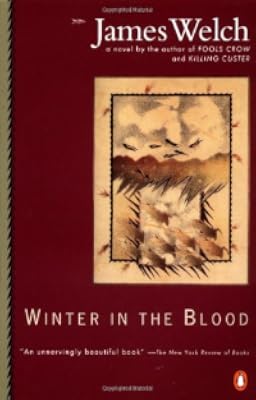
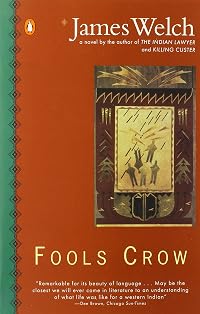
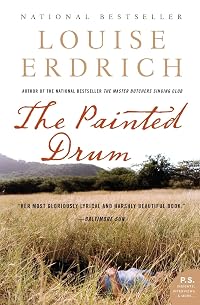
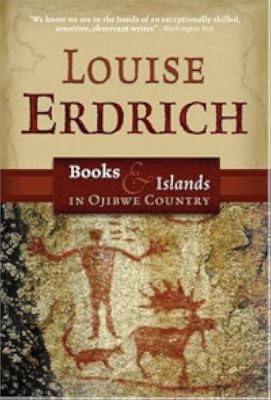
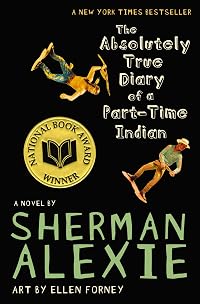
Taken at face value, there’s really nothing extraordinary about Perma Red’s plot. A sixteen-year-old girl, Louise White Elk, struggles to escape life on the Flathead Indian Reservation as she is caught in a tug-of-war between the men who love her: the volatile-tempered Baptiste Yellow Knife, the rich white man Harvey Stoner, and the soulful reservation police officer Charlie Kicking Horse. Fans of James Welch, Louise Erdrich and Sherman Alexie will undoubtedly hear echoes of those authors on these pages.
What makes Earling’s novel such a stellar piece of literature—the closest thing approaching a masterpiece I’ve read in recent years—is the way she gets the reader involved in the characters on the page. These are not mere pulp-and-ink creations—they are real people who continue to haunt me even now, nearly a week after finishing the book. When I reached the last page, it was a heart-wrenching moment as I knew I’d have to say goodbye to Louise, Baptiste and Charlie Kicking Woman.
Imagine, then, the emotional journey Earling must have taken when writing Perma Red. Complicating matters is the fact that Louise is based in part on Earling’s aunt who was murdered when she was 23. Earling has transformed her family history, the legendary story of an aunt who was “wild and vivacious and sexy,âÂ? into literature with universal appeal and which subtly comments on strained race relations.
Subtlety limns every page of the novel. Perma Red is set in the 1940s, yet it has a timeless aura; it is about Native Americans, but the characters could be anyone caught in the net of a love triangle; it takes place in Montana, yet you could substitute the American South or New England and it would have the same impact. EarlingâÂÂs simple, graceful way with words creates a world where we can all find some part of ourselves on the page.
From the first sentenceâÂÂWhen Louise White Elk was nine, Baptiste Yellow Knife blew a fine powder in her face and told her she would disappearâÂÂEarling draws us into the complex relationship between strong-willed Louise and the reservationâÂÂs bad boy Baptiste, a rattlesnake-deadly Heathcliff. Try as she might, Louise is unable to resist his dark pull:
When Baptiste Yellow Knife got drunk he was mean. His teeth looked big. She noticed he had tattooed her name on his hand with indigo pen ink. The tattoo was large, in wide block letters, blue pigment staining his skin forever with her name. Louise tried to imagine Baptiste poking the ink-dipped needle into his brown hand again and again, ink pooling beneath his skin, her name sinking into his blood.
Louise longs to escape not only Baptiste, but the reservation and the harsh Catholic schoolteachers, the âÂÂbad medicineâÂ? cast on her family by BaptisteâÂÂs mother, the barren, snake-haunted landscape and the ever-present undercurrent of violence. In the course of the novel, Louise is always in motionâÂÂliterally and figuratively. She is running away from herself, but what is she running toward?
If Charlie Kicking Woman had his way, sheâÂÂd be running straight into his arms. As tribal police officer, he is always on the lookout for Louise, a habitual truant from school. Charlie and Louise do a ritualistic dance of pursuit-capture-pursuit-capture, and even though his attraction to the teenager threatens to destroy his marriage, he canâÂÂt keep his mind, or his eyes, off her. Some people just seem to draw trouble and Louise is one of them, he tells us. Perma RedâÂÂs chapters shift points of view between Charlie in the first person and Louise and Baptiste in the thirdâÂÂas such, weâÂÂre drawn most intimately into CharlieâÂÂs mind.
Lives are tangled, tension mounts, characters die tragically and the land-scouring Montana wind continues to blow. Perma Red climaxes on a note which most readers will probably see coming for many pages, but yet it is a note which is ultimately satisfyingâÂÂright down to the last, simple sentence: She stepped forward.
With Perma Red, Debra Magpie Earling finally steps forward after two decades and delivers a book as permanently beautiful as the Montana landscape itself. To paraphrase another Big Sky writer, Norman Maclean, I am haunted by words. show less
Through it all, Earling persevered and the novel stands as a testament to her faith and patience. Perma Red wears the two decades of hard work on the sleeve of its dust jacket. I mean that as the sincerest compliment. Like the finest of wines, Perma Red’s vintage has reached the peak of perfection with a lyricism that show more makes most other books on the average bookstore’s New Release table look like cheap bottles of Mogen-David.
Taken at face value, there’s really nothing extraordinary about Perma Red’s plot. A sixteen-year-old girl, Louise White Elk, struggles to escape life on the Flathead Indian Reservation as she is caught in a tug-of-war between the men who love her: the volatile-tempered Baptiste Yellow Knife, the rich white man Harvey Stoner, and the soulful reservation police officer Charlie Kicking Horse. Fans of James Welch, Louise Erdrich and Sherman Alexie will undoubtedly hear echoes of those authors on these pages.
What makes Earling’s novel such a stellar piece of literature—the closest thing approaching a masterpiece I’ve read in recent years—is the way she gets the reader involved in the characters on the page. These are not mere pulp-and-ink creations—they are real people who continue to haunt me even now, nearly a week after finishing the book. When I reached the last page, it was a heart-wrenching moment as I knew I’d have to say goodbye to Louise, Baptiste and Charlie Kicking Woman.
Imagine, then, the emotional journey Earling must have taken when writing Perma Red. Complicating matters is the fact that Louise is based in part on Earling’s aunt who was murdered when she was 23. Earling has transformed her family history, the legendary story of an aunt who was “wild and vivacious and sexy,âÂ? into literature with universal appeal and which subtly comments on strained race relations.
Subtlety limns every page of the novel. Perma Red is set in the 1940s, yet it has a timeless aura; it is about Native Americans, but the characters could be anyone caught in the net of a love triangle; it takes place in Montana, yet you could substitute the American South or New England and it would have the same impact. EarlingâÂÂs simple, graceful way with words creates a world where we can all find some part of ourselves on the page.
From the first sentenceâÂÂWhen Louise White Elk was nine, Baptiste Yellow Knife blew a fine powder in her face and told her she would disappearâÂÂEarling draws us into the complex relationship between strong-willed Louise and the reservationâÂÂs bad boy Baptiste, a rattlesnake-deadly Heathcliff. Try as she might, Louise is unable to resist his dark pull:
When Baptiste Yellow Knife got drunk he was mean. His teeth looked big. She noticed he had tattooed her name on his hand with indigo pen ink. The tattoo was large, in wide block letters, blue pigment staining his skin forever with her name. Louise tried to imagine Baptiste poking the ink-dipped needle into his brown hand again and again, ink pooling beneath his skin, her name sinking into his blood.
Louise longs to escape not only Baptiste, but the reservation and the harsh Catholic schoolteachers, the âÂÂbad medicineâÂ? cast on her family by BaptisteâÂÂs mother, the barren, snake-haunted landscape and the ever-present undercurrent of violence. In the course of the novel, Louise is always in motionâÂÂliterally and figuratively. She is running away from herself, but what is she running toward?
If Charlie Kicking Woman had his way, sheâÂÂd be running straight into his arms. As tribal police officer, he is always on the lookout for Louise, a habitual truant from school. Charlie and Louise do a ritualistic dance of pursuit-capture-pursuit-capture, and even though his attraction to the teenager threatens to destroy his marriage, he canâÂÂt keep his mind, or his eyes, off her. Some people just seem to draw trouble and Louise is one of them, he tells us. Perma RedâÂÂs chapters shift points of view between Charlie in the first person and Louise and Baptiste in the thirdâÂÂas such, weâÂÂre drawn most intimately into CharlieâÂÂs mind.
Lives are tangled, tension mounts, characters die tragically and the land-scouring Montana wind continues to blow. Perma Red climaxes on a note which most readers will probably see coming for many pages, but yet it is a note which is ultimately satisfyingâÂÂright down to the last, simple sentence: She stepped forward.
With Perma Red, Debra Magpie Earling finally steps forward after two decades and delivers a book as permanently beautiful as the Montana landscape itself. To paraphrase another Big Sky writer, Norman Maclean, I am haunted by words. show less
A truly beautiful tormentingly sad novel. I loved it even in all it's sorrow. Louise is such a finely drawn character with strength from within that even she doesn't completely understand. This novel took me in and broke my heart - and then gave me hope. Highly recommended.
This is about a young Native American woman on the Flathead Reservation in the 1940s who is so attractive that several men pursue her. All of these men are dangerous to her in different ways.
I have seen reviews saying that what makes this book so masterful is that the characters feel very real. I did not have that experience at all: I found most of the characters to be totally impenetrable. Louise, the main character, doesn't ever seem to know what she wants: on one page, she is deeply drawn to Baptiste Yellow Knife, and on the next page, she hates him. It is never clear whether she enjoys any of the relationships she's in, or whether she seems them as a way off the reservation, or whether she even wants off the reservation. After show more reading a whole book about her, I don't know what she wants or what she's trying to achieve. Her attraction to Baptiste is totally inexplicable: the only reason she seems to care about him is that he is obsessed with her. Yet she doesn't seem to be attracted to the other men who are obsessed with her.
The only character I found remotely real was Charlie Kicking Woman, largely because the chapters about him are written from his first-person point of view, so I understood his internal motives and contradictions.
Not surprisingly, this book is full of really rough topics: residential schools, the extreme poverty on the reservation, alcoholism, and the abuse of women.
Despite all of this, Earling's writing is very compelling, and scenes from this book are going to stick with me for a very long time. show less
I have seen reviews saying that what makes this book so masterful is that the characters feel very real. I did not have that experience at all: I found most of the characters to be totally impenetrable. Louise, the main character, doesn't ever seem to know what she wants: on one page, she is deeply drawn to Baptiste Yellow Knife, and on the next page, she hates him. It is never clear whether she enjoys any of the relationships she's in, or whether she seems them as a way off the reservation, or whether she even wants off the reservation. After show more reading a whole book about her, I don't know what she wants or what she's trying to achieve. Her attraction to Baptiste is totally inexplicable: the only reason she seems to care about him is that he is obsessed with her. Yet she doesn't seem to be attracted to the other men who are obsessed with her.
The only character I found remotely real was Charlie Kicking Woman, largely because the chapters about him are written from his first-person point of view, so I understood his internal motives and contradictions.
Not surprisingly, this book is full of really rough topics: residential schools, the extreme poverty on the reservation, alcoholism, and the abuse of women.
Despite all of this, Earling's writing is very compelling, and scenes from this book are going to stick with me for a very long time. show less
Perma Red takes place in the 1940s on a Wyoming Indian Reservation where ancient customs prevail and old secrets hang heavy. Louise White Elk is a contradictory girl. Independent yet needy. Brave yet frightened. An orphan with family. Louise is also has attention of many men. The list of attendees is long: trouble maker Baptiste Yellow Knife; cousin Charlie Kicking Woman (Perma's Tribal police officer); rich man Harvey Stoner; and mystery man Jules Bart. They all want something from her whether it be under the guise to own her or protect her. They all end up using her or abusing her. At one time or another they all get their way. It is a ruthless existence. Yet, Louise welcomes it in her own strange way. She perpetuates the vicious show more cycle of running away at the same time as being drawn to violent and needy men. What keeps Perma Red magical is its descriptive language. The landscape is as wild and as beautiful as untamed Louise White Elk. show less
This book is real sad, coming from me that's saying something, and only becomes hopeful at the tail-end, which winds up feeling saccharine and contrived. The author has crafted some beautiful sentences, but there is a lack of character development that really hurts the book as whole.
This is a powerful novel of a young woman who grew up the hard way on the Flathead Indian Reservation in Montana. The story is not an easy one to read at times, but the writing is lyrical. I enjoyed the book particularly because I have been to all the places where it takes place.
Members
- Recently Added By
Lists

Native American / Indigenous Literature
172 works; 100 members

Top Five Books of 2018
802 works; 265 members

Indigenous America Reader
145 works; 12 members

Ten Novels About Disappearing
10 works; 1 member

The Atlantic's The Great American Novel
136 works; 12 members
Author Information

3+ Works 488 Members
Awards and Honors
Awards
Notable Lists
The Great American Novels (2002)
Work Relationships
Is contained in
Common Knowledge
- Original publication date
- 2002
- Important places
- Montana, USA
- Dedication
- For my mother and father who give me the loving gift of their stories
and
For my sister Cheryl in memory of her mother, Louise, Perma Red is no more - First words
- When Louise White Elk was nine, Baptiste Yellow Knife blew a fine powder in her face and told her she would disappear. She sneezed until her nose bled, and Baptiste gave her his handkerchief. She to lie down on the school flo... (show all)or and tilt back her head and even then it wouldn't stop. She felt she had opened the river to her heart. The cloth he had given her was wet with her blood. -Louise and Yellow Knife, The Old Marriage
- Canonical DDC/MDS
- 813.6
- Canonical LCC
- PS3605.A765
Classifications
Statistics
- Members
- 292
- Popularity
- 110,787
- Reviews
- 11
- Rating
- (3.67)
- Languages
- English
- Media
- Paper, Ebook
- ISBNs
- 5
- ASINs
- 4