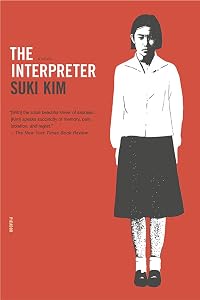
The Interpreter
by Suki Kim
On This Page
Description
Working as an interpreter for the New York City court system, Korean-American Suzy Park makes a startling discovery that casts doubt on the facts surrounding her greengrocer parents' murders five years earlier.Tags
Recommendations










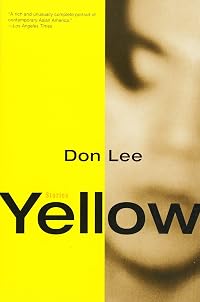

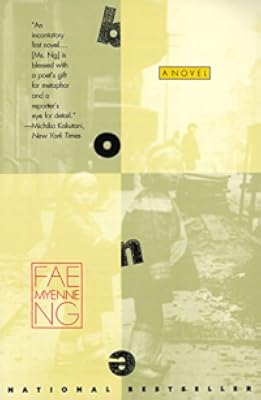
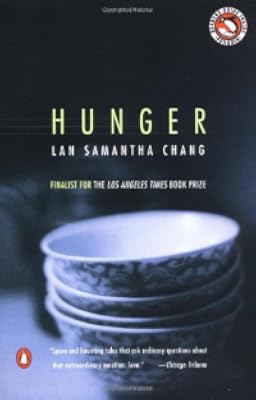
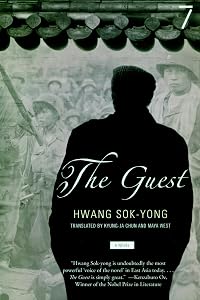


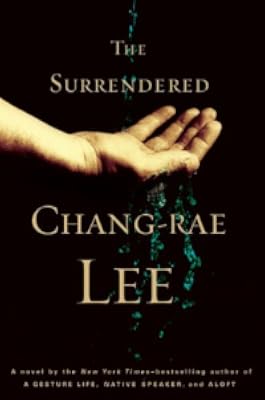

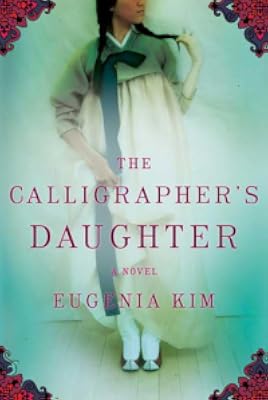
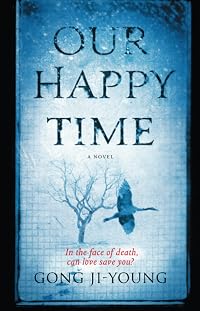
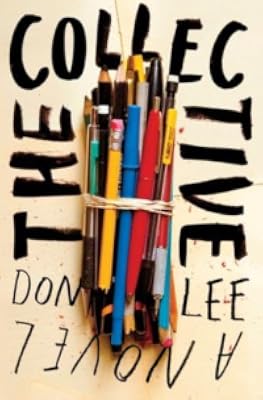









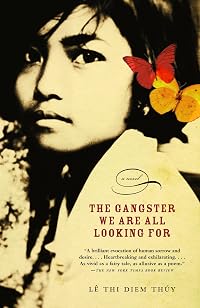

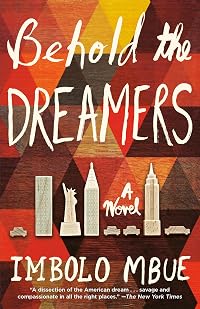
Member Recommendations
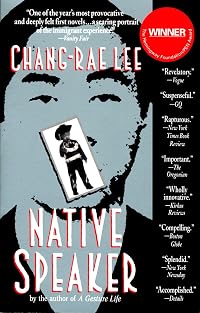
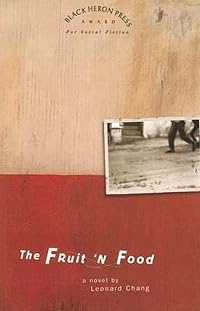
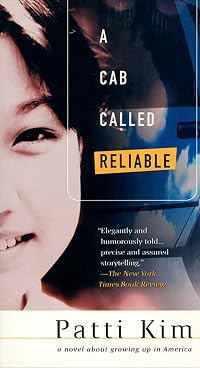
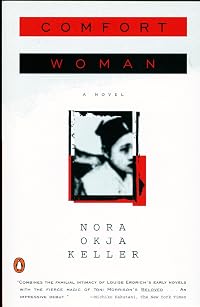
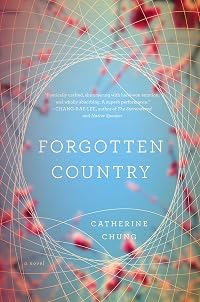
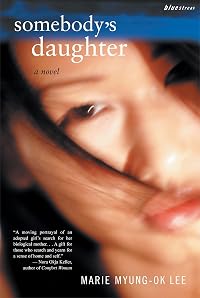
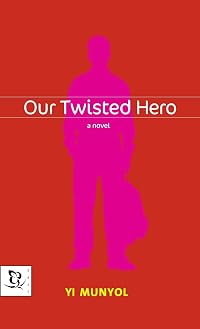
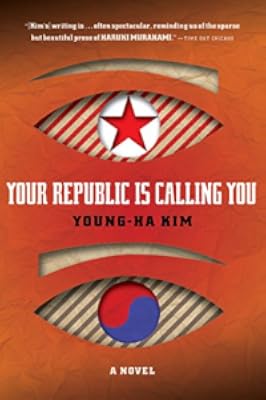
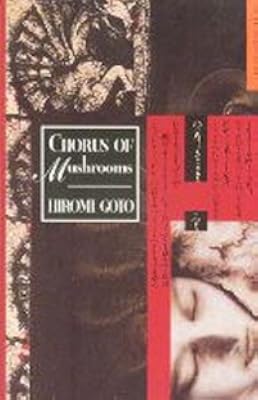
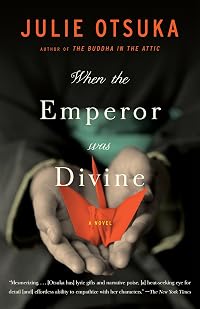
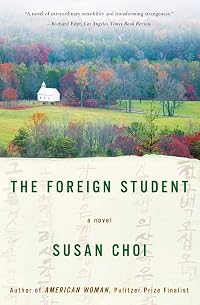
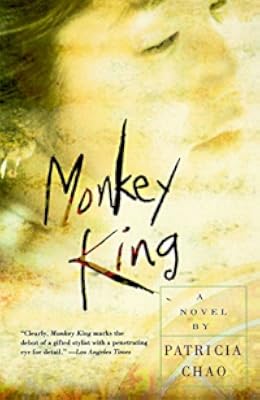
booklove2 Both books involve a displaced from the world character searching for clues to solve mysteries.
Member Reviews
I had a hard time getting into this story about a nearly-30 Korean-American interpreter. Characters were introduced without context, and I struggled to get into the heroine's heart and mind. But I am so glad I stuck with it!
This is the story of Suzy Park, a "generation 1.5" American; her family emigrated from Korea when she was a small child. She feels neither Korean nor American, her family moves a lot, she is rootless. Yet, this is a story of belonging to a community, and loyalty to that community.
Suzy parents were murdered five years ago, and she is estranged from her only sister, Grace. A chance encounter on a interpreting job causes Suzy to wonder what really happened to her parents, and why their murder remains unsolved. As she show more searches for answers, her story, her motivations, her struggles become clearer.
The writing is beautiful and the author brings the reader deep into Korean immigrant society in a way that opened my eyes to the life of immigrants, including the many "illegals" who have no legal status. show less
This is the story of Suzy Park, a "generation 1.5" American; her family emigrated from Korea when she was a small child. She feels neither Korean nor American, her family moves a lot, she is rootless. Yet, this is a story of belonging to a community, and loyalty to that community.
Suzy parents were murdered five years ago, and she is estranged from her only sister, Grace. A chance encounter on a interpreting job causes Suzy to wonder what really happened to her parents, and why their murder remains unsolved. As she show more searches for answers, her story, her motivations, her struggles become clearer.
The writing is beautiful and the author brings the reader deep into Korean immigrant society in a way that opened my eyes to the life of immigrants, including the many "illegals" who have no legal status. show less
The synopsis of a Korean American woman who accidentally stumbles on the mystery of her parents murder five years ago really does not accurately describe The Interpreter. Ironic in a way, because the novel is all about how expectations can be fraught with mistakes and there are things whose meaning are always out of comprehension's grasp.
The good is that Suki Kim has wonderful scenes and turns of phrases. There's a melancholy tone throughout that aches and you really do get into the skin and sadness that inhabits Suzy Park. The scene of the last deposition is really the emotional payoff of the novel, with Suzy as the witness but finally understanding the interplay of what goes on. It is the perfect blend of emotion, symbolism and show more character development.
The bad is that it drags. The more compelling story of how Suzy deals with her troubled relationships regarding her parents and especially he sister are often overshadowed by retreading of her romances with older, married men. In fact, it takes more than half the novel for Suzy to actually even begin to examine the evidence that her parents' murder was more than it seemed, opting instead to meander through Suzy's romantic complications and hang ups. Meanwhile, the actual plot of the whodunnit is sparse, padded out and largely held up by the uncommunicative nature of the participants.
The Interpreter at its most effective is a study of culture and loneliness seen through the fractured set up of a person who was orphaned literally and figuratively by her family's behavior. The plot is more a frame that allows Kim to segue from one scene to the other, and the best parts come as observations rather than a culmination of the other elements. Best read in moody introspective moments, but people who want tightly paced stories with proactive motion should find something else. show less
The good is that Suki Kim has wonderful scenes and turns of phrases. There's a melancholy tone throughout that aches and you really do get into the skin and sadness that inhabits Suzy Park. The scene of the last deposition is really the emotional payoff of the novel, with Suzy as the witness but finally understanding the interplay of what goes on. It is the perfect blend of emotion, symbolism and show more character development.
The bad is that it drags. The more compelling story of how Suzy deals with her troubled relationships regarding her parents and especially he sister are often overshadowed by retreading of her romances with older, married men. In fact, it takes more than half the novel for Suzy to actually even begin to examine the evidence that her parents' murder was more than it seemed, opting instead to meander through Suzy's romantic complications and hang ups. Meanwhile, the actual plot of the whodunnit is sparse, padded out and largely held up by the uncommunicative nature of the participants.
The Interpreter at its most effective is a study of culture and loneliness seen through the fractured set up of a person who was orphaned literally and figuratively by her family's behavior. The plot is more a frame that allows Kim to segue from one scene to the other, and the best parts come as observations rather than a culmination of the other elements. Best read in moody introspective moments, but people who want tightly paced stories with proactive motion should find something else. show less
The Interpreter is an ambitious novel by Suki Kim, a mystery about family, immigration, and alienation. Suzy Park is a young woman about to turn thirty who is haunted by the death of her parents. They were murdered five years earlier and their murder was never solved. The first half of the novel is languorous and depressive, filled with the ennui that holds Suzy in a kind of stasis, forever in relationships with men who are married and who will never place her first, drifting from job to job, never finishing her degree after quitting in her final semester. She spends a lot of her time sleeping and walking around New York City, her mind unspooling the past.
She is estranged from her only living relative, her sister Grace. She is filled show more with guilt that she disappointed her parents who disowned her and never made an effort to heal that breach before they died. The police finally have a clue and want her to come in and answer questions but she has no answers for them.
The pace quickens about midway through the book when by coincidence, a translating job for a deposition involves someone who worked for her parents. When the lawyer repeats questions, she questions him about her parents and discovers they were disliked in the community. It does not surprise her. Should she feel shame that she thinks that if people wanted them dead, it was probably their doing? Where is her sister?
There are many fascinating ideas in The Interpreter, but it is such hard work to get to them. The story is slow, it moves forward as in a fugue, just like Suzy. It is so foggy at the beginning that I had to force myself to keep reading even though Kim has interesting things to say about immigration and belonging. Suzy is trapped, feeling neither American nor Korean, “stuck in a vacuum where neither culture moved nor owned her.” This is far more interesting than the mystery which Suzy pursues haphazardly. There is no logic in her search, just glimmers of memory that propel her to question different people.
She learns her parents were not what she thought they were. She learns her sister was a better sister than she ever imagined her to be. The pace picks up toward the end and then races to a conclusion, perhaps faster than it should. The mystery is “solved” but what about Suzy and Grace? The ending is slightly ambiguous, as it should be. The entire book is about ambiguity in memory, in identity, in everything.
★★★
http://tonstantweaderreviews.wordpress.com/2016/12/04/the-interpreter-by-suki-ki... show less
She is estranged from her only living relative, her sister Grace. She is filled show more with guilt that she disappointed her parents who disowned her and never made an effort to heal that breach before they died. The police finally have a clue and want her to come in and answer questions but she has no answers for them.
The pace quickens about midway through the book when by coincidence, a translating job for a deposition involves someone who worked for her parents. When the lawyer repeats questions, she questions him about her parents and discovers they were disliked in the community. It does not surprise her. Should she feel shame that she thinks that if people wanted them dead, it was probably their doing? Where is her sister?
There are many fascinating ideas in The Interpreter, but it is such hard work to get to them. The story is slow, it moves forward as in a fugue, just like Suzy. It is so foggy at the beginning that I had to force myself to keep reading even though Kim has interesting things to say about immigration and belonging. Suzy is trapped, feeling neither American nor Korean, “stuck in a vacuum where neither culture moved nor owned her.” This is far more interesting than the mystery which Suzy pursues haphazardly. There is no logic in her search, just glimmers of memory that propel her to question different people.
She learns her parents were not what she thought they were. She learns her sister was a better sister than she ever imagined her to be. The pace picks up toward the end and then races to a conclusion, perhaps faster than it should. The mystery is “solved” but what about Suzy and Grace? The ending is slightly ambiguous, as it should be. The entire book is about ambiguity in memory, in identity, in everything.
★★★
http://tonstantweaderreviews.wordpress.com/2016/12/04/the-interpreter-by-suki-ki... show less
I'm choosy about what I read, so I'm rarely disappointed by content or writing style, because I skim a bit in the middle of books that have interesting plots when I'm not familiar with the author. In the case of The Interpreter, I was intrigued by the plot of a Korean-American interpreter in her late-20s who gradually learns disturbing truths about her parents, small grocery owners in NYC who were murdered 5 years earlier. The prose, when I skimmed, seem succinct and eloquent. I wanted to read and enjoy this book. And I did. Eventually.
My disappointment in this book is that it could have been better. It took forever to get to anything resembling tension or action or intrigue. Except for a few little hints here and there, the first half show more of the book meanders around Suzy, the protagonist's personal life. And while the background is important as the layers of her early years and teens are peeled back, there was little to involve me emotionally until layers down deep are exposed and the book takes off in the second half, while maintaining its slow, meandering pace.
I imagine, given the author is Korean and moved to NYC when she was 13, that the book accurately portrays Korean immigrants and the Korean culture in NYC neighborhoods. It's an interesting peek into that community. I can't say that another reader won't be hooked from the start, but I think it takes some patience. So I won't heartily endorse it, nor will I tell you to forget it. I liked it. I just wish I could've liked it more. Maybe Suki Kim's next book will be more to my liking. show less
My disappointment in this book is that it could have been better. It took forever to get to anything resembling tension or action or intrigue. Except for a few little hints here and there, the first half show more of the book meanders around Suzy, the protagonist's personal life. And while the background is important as the layers of her early years and teens are peeled back, there was little to involve me emotionally until layers down deep are exposed and the book takes off in the second half, while maintaining its slow, meandering pace.
I imagine, given the author is Korean and moved to NYC when she was 13, that the book accurately portrays Korean immigrants and the Korean culture in NYC neighborhoods. It's an interesting peek into that community. I can't say that another reader won't be hooked from the start, but I think it takes some patience. So I won't heartily endorse it, nor will I tell you to forget it. I liked it. I just wish I could've liked it more. Maybe Suki Kim's next book will be more to my liking. show less
Finished in the last hours of 2015.
I liked the book. Unusual and interesting. It gives an interesting view into the community of (illegal) immigrants. Who live in the US but still carry the heavy weight of the culture of their homeland, worsened by the fact that they hardly speak any English.
I liked the book. Unusual and interesting. It gives an interesting view into the community of (illegal) immigrants. Who live in the US but still carry the heavy weight of the culture of their homeland, worsened by the fact that they hardly speak any English.
The awkward and tense translation scenes are worth the price of admission.
Korean American novel of 24-year old Suzy Park who is a court interpreter estranged from her past. Parents murdered in their greengrocer shop in Brooklyn, sister absent for longer than that. A mystery is revealed about parents’ death and sister’s disappearance: by learning the truth about her past she comes to accept her own truths and disappointments/failures in her life.
Members
- Recently Added By
Lists

Novels featuring language professionals
98 works; 12 members
Author Information

2+ Works 1,173 Members
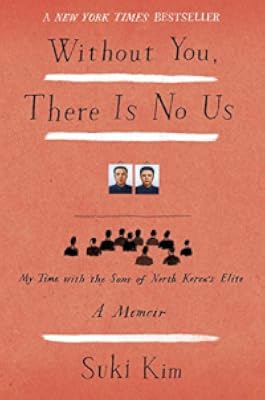
Suki Kim is a Korean American writer who was born in Seoul, South Korea. She emigrated to the United States with her family when she was 13, moving to New York. Kim is a naturalized American citizen who graduated from Barnard College with a BA in English and a minor in East Asian Literature. She was a 2006 Guggenheim fellow. Kim's debut novel, The show more Interpreter, was a murder mystery about a young Korean American woman, Suzy Park, living in New York City and searching for answers as to why her shopkeeper parents were murdered. The book won the PEN Beyond Margins Award and the Gustavus Myers Outstanding Book Award and was a finalist for a Hemingway Foundation/PEN Award. In 2014 her non-fiction book, Without You There Is No Us, made it to the New York Times bestseller list. (Bowker Author Biography) show less
Awards and Honors
Common Knowledge
- Canonical title
- The Interpreter
- Original title
- The Interpreter
- Original publication date
- 2003
- People/Characters
- Suzy Park
- Important places
- New York, New York, USA; Korea
- Dedication
- For my parents
- First words
- Cigarettte at 9 a.m. is a sure sign of desperation.
- Last words
- (Click to show. Warning: May contain spoilers.)Two girls with no parents , such fine American beauties.
- Original language
- English
Classifications
Statistics
- Members
- 223
- Popularity
- 146,388
- Reviews
- 8
- Rating
- (3.45)
- Languages
- Dutch, English
- Media
- Paper, Ebook
- ISBNs
- 4
- ASINs
- 1