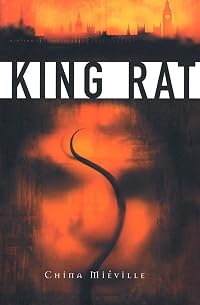
King Rat
by China Miéville
On This Page
Description
Award-winning author China Mieville began his astounding career with King Ratnow in a new Tor Essentials editiona mix of a young man's search for identity with a pulse-pounding story of revenge and madness.With a new introduction by Tim Maughan, author of Infinite Detail.Tags
Recommendations

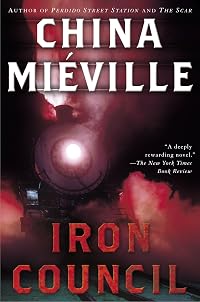
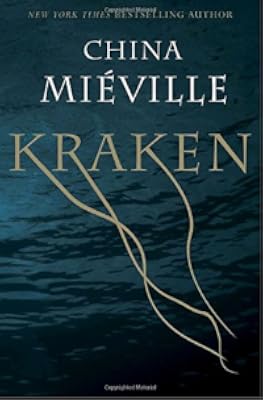
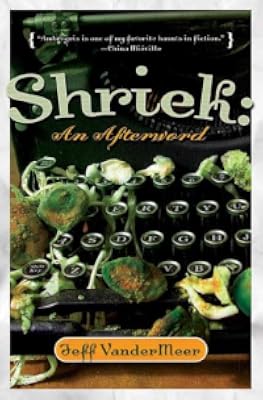
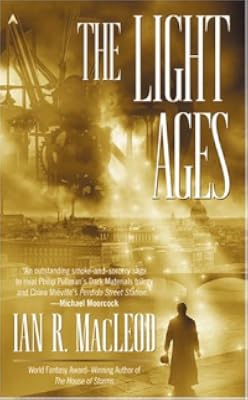

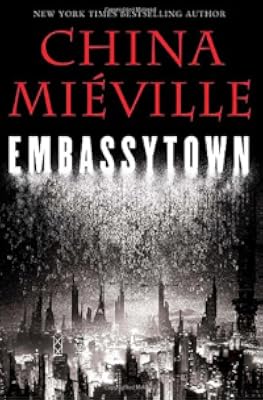
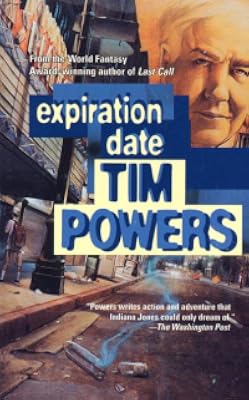
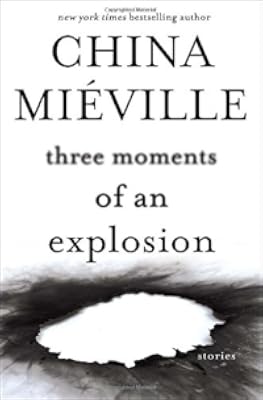


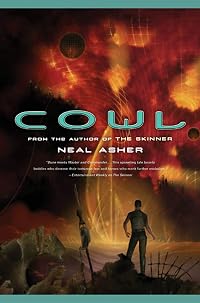
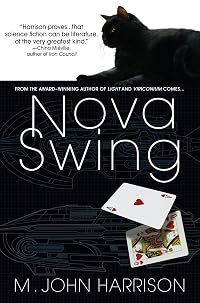
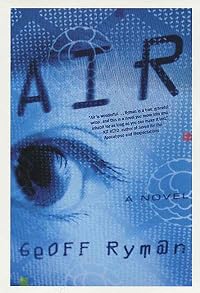
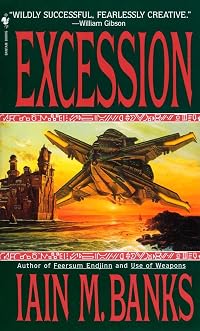
Member Recommendations
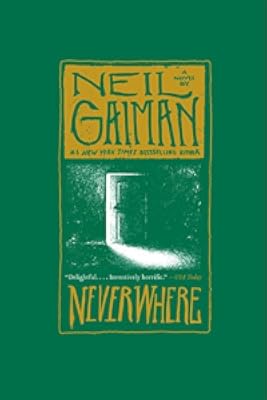
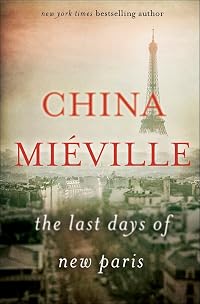
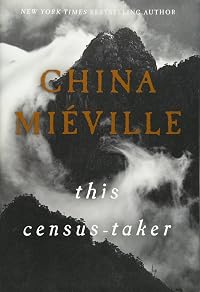
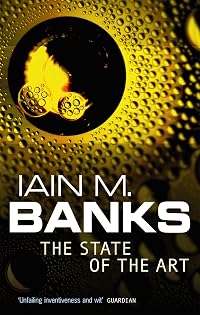
MyriadBooks For vanishing within the shadows of the city.
jeanned Disappearing into the unseen parts of London
Also recommended by chani
50

MyriadBooks For relishing the exploration of the shadow side of things.
Member Reviews
Early one morning, Saul is woken by the heavy boots of policemen in his house, there to take him in for questioning regarding the mysterious death of his father (who has jumped, or been hurled, through the front window). In the police cell, he feels that his life has already descended into his worst nightmare, but then a mysterious stranger appears in his cell. King Rat is boastful and menacing ('I know when your ships are sinking'), but he springs Saul and introduces him to a parallel world alongside the London that he has always known. Saul is exhilarated at first, but soon it becomes clear that King Rat's grand plan is to use him in a complicated and dangerous act of revenge, and he realises that nowhere is safe for him any show more more.
There are several good things about this book. I love the Dickensian/cockney mashup of the way King Rat speaks: 'By a river we found us a town, not too gentry a gaff, mind, but with silos that fair creaked at the seams'. I like how so much of the book is set in the unprepossessing suburbs on London - places that only people will live in the city will know. The atmosphere is just menacing and horrible enough. And the story is inventive.
I wasn't too keen, though, on the scenes set in the human London - this was where the book felt more like a first novel. Saul's mates are all really into jungle music (it is the early '90s, after all) and talk much too much about how important it is in their lives, and of course how rubbish all the other sub-genres of music are. This was kind of boring, and also made the book feel very dated. show less
There are several good things about this book. I love the Dickensian/cockney mashup of the way King Rat speaks: 'By a river we found us a town, not too gentry a gaff, mind, but with silos that fair creaked at the seams'. I like how so much of the book is set in the unprepossessing suburbs on London - places that only people will live in the city will know. The atmosphere is just menacing and horrible enough. And the story is inventive.
I wasn't too keen, though, on the scenes set in the human London - this was where the book felt more like a first novel. Saul's mates are all really into jungle music (it is the early '90s, after all) and talk much too much about how important it is in their lives, and of course how rubbish all the other sub-genres of music are. This was kind of boring, and also made the book feel very dated. show less
King Rat is festering with atmosphere and drowns you in a cacophony of Jungle Bass and Drum. It takes you to London’s underside, it’s stinking bowels, and gives life to the world below. It does all this in a very good way. I swear. King Rat is my first taste of Mieville and I’m still not sure if it was the best place for me to start, but it certainly isn’t a bad place to start. This is his debut novel and does not seem to be as widely read or recommended. I have also heard that it is a bit different from the rest of his novels. Since I obviously have not read the others, I can’t comment on that myself. But I can share what I thought of King Rat.
My largest comment is that I love his atmospheric descriptions. You could just feel show more the malodorous sludge coagulating and dripping, see the colors and wonders (and horrors) of the city of London, and most importantly, you could hear and feel and practically live the rhythms of the Jungle Bass and Drum music that is prominently featured in the story. Within all of this (and keep in mind, his descriptions work way better than my feeble attempts), I could see brilliance that I am sure is carried over to his other works. In these descriptions, I could easily understand the fan base he has acquired.
Now, before anything else, I want to be clear that for a first novel, this really is a great debut. However, I also felt at times some of his scenes drug on for entirely too long. There is a bike ride that is so detailed I think it would put my GPS turn-by-turn directions to shame for being so simple and minimalistic. I think every turn and street name needed was in the book in addition to what felt like an inordinate number of landmarks along the way. It was not a huge deal, but it did pull me out of the story a bit, it seemed to go beyond what was a descriptive setting to an info dump of how to get from point X to point Y in London and everything you might see in between.
I also found the accent/dialogue from one of the characters (Anansi) a bit grating and kind of hard to read. I think if I was familiar with the accent he was trying to get across, it would have flowed much better, but since I wasn’t it just read very awkward. Luckily, he did not have much to say. And sometimes, it was short, and I didn’t have a problem. But if he had a paragraph worth of dialogue, chances are, I had to slow down my reading, and would get pulled out a bit to wonder what he was really supposed to sound like versus my awkward attempt at it. But, minor complaint. Really.
So, while I didn’t find this book without faults (at least for me as a reader), it was certainly still a positive reading experience. If your in the mood to explore the world below London (and have already read Neverwhere by Neil Gaiman), then definitely give this one try. Especially if you enjoy an atmospheric, descriptive book. show less
My largest comment is that I love his atmospheric descriptions. You could just feel show more the malodorous sludge coagulating and dripping, see the colors and wonders (and horrors) of the city of London, and most importantly, you could hear and feel and practically live the rhythms of the Jungle Bass and Drum music that is prominently featured in the story. Within all of this (and keep in mind, his descriptions work way better than my feeble attempts), I could see brilliance that I am sure is carried over to his other works. In these descriptions, I could easily understand the fan base he has acquired.
Now, before anything else, I want to be clear that for a first novel, this really is a great debut. However, I also felt at times some of his scenes drug on for entirely too long. There is a bike ride that is so detailed I think it would put my GPS turn-by-turn directions to shame for being so simple and minimalistic. I think every turn and street name needed was in the book in addition to what felt like an inordinate number of landmarks along the way. It was not a huge deal, but it did pull me out of the story a bit, it seemed to go beyond what was a descriptive setting to an info dump of how to get from point X to point Y in London and everything you might see in between.
I also found the accent/dialogue from one of the characters (Anansi) a bit grating and kind of hard to read. I think if I was familiar with the accent he was trying to get across, it would have flowed much better, but since I wasn’t it just read very awkward. Luckily, he did not have much to say. And sometimes, it was short, and I didn’t have a problem. But if he had a paragraph worth of dialogue, chances are, I had to slow down my reading, and would get pulled out a bit to wonder what he was really supposed to sound like versus my awkward attempt at it. But, minor complaint. Really.
So, while I didn’t find this book without faults (at least for me as a reader), it was certainly still a positive reading experience. If your in the mood to explore the world below London (and have already read Neverwhere by Neil Gaiman), then definitely give this one try. Especially if you enjoy an atmospheric, descriptive book. show less
'El Rey Rata' fue la primera novela publicada por China Miéville. Incluye algunos de los elementos (pero sólo algunos) que lo harían mundialmente famoso, como son la fantasía urbana, gótica y extraña, incluidas magistralmente en esa obra maestra que es 'La estación de la calle Perdido'. Y es que se nota que es su primera obra, ya que si el planteamiento lo tiene claro, así como el desenlace (más o menos), en el nudo parece que anda algo perdido, las diferentes partes están cogidas como con pinzas y los personajes no están bien definidos. Al igual que su obsesión por enseñarnos exhaustivamente lo que es y se puede conseguir con los géneros musicales Drum 'n' Bass y Jungle, que aunque me gustan, francamente se me hicieron show more muy cansinos.
La historia es sencilla. El presunto suicidio, que no lo es tanto, del padre de Saul hace que se convierta en el máximo sospechoso. Parece que no tiene salida, hasta que es socorrido por el Rey Rata, una especie de dios de las alcantarillas que es capaz de pasar desapercibido para la gente normal. Este es un gran acierto de Miéville, el enseñarnos un Londres oculto para la gente corriente, en el que existen ciertos dioses de los pájaros, las arañas, los perros... El Rey Rata acoge a Saul y le empieza a enseñar este mundo oculto, cómo es posible subsistir de desperdicios (para esta parte hay que tener estómago), subir por los edificios y mantenerte en las sombras. El Rey Rata tiene sus motivos para atraer a Saul, ya que lo necesita para enfrentarse a su némesis, el Flautista, y para ello contará con sus aliados, Anansis, amo de las arañas, y Loplop, amo de los pájaros.
Salvo la primera parte y los episodios finales, apenas me ha gustado, pero aun así, China Miéville es un escritor a seguir, como lo demostraron sus posteriores trabajos. show less
La historia es sencilla. El presunto suicidio, que no lo es tanto, del padre de Saul hace que se convierta en el máximo sospechoso. Parece que no tiene salida, hasta que es socorrido por el Rey Rata, una especie de dios de las alcantarillas que es capaz de pasar desapercibido para la gente normal. Este es un gran acierto de Miéville, el enseñarnos un Londres oculto para la gente corriente, en el que existen ciertos dioses de los pájaros, las arañas, los perros... El Rey Rata acoge a Saul y le empieza a enseñar este mundo oculto, cómo es posible subsistir de desperdicios (para esta parte hay que tener estómago), subir por los edificios y mantenerte en las sombras. El Rey Rata tiene sus motivos para atraer a Saul, ya que lo necesita para enfrentarse a su némesis, el Flautista, y para ello contará con sus aliados, Anansis, amo de las arañas, y Loplop, amo de los pájaros.
Salvo la primera parte y los episodios finales, apenas me ha gustado, pero aun así, China Miéville es un escritor a seguir, como lo demostraron sus posteriores trabajos. show less
What a bizarre mix of demented fairly tale and urban suspense. Although it starts off as a somewhat ordinary mystery novel, it soon veers off into a fantastic, albeit quite gruesome, story about an ancient struggle come to its fruition in modern-day (ground, air, and downbelow) London. Not only does the plot rip you along on a mad and furious ride, but Miéville's vernacular is simply breathtaking. He can really somersault his vocabulary to fit the mood and meaning of his text, and then throw in an array of Cockney rhyming slang to make the image complete. I am in awe.
If China Mieville had written only King Rat and had not gone on to write Perdido Street Station, he might have become known as one of those enigmatic, brilliant, reclusive one hit wonder authors. King Rat is good enough that if he had not written anything else, his place in the pantheon of great fantasy writers would have been assured. I am also very glad that there is more to read by China Mieville and he is not a one hit wonder.
This King Rat bears more resemblance to Shakespeare’s King Lear, with Mieville’s deep probing of familial relationships and characters going mad, than the Clavell novel of the same name. Mieville’s King Rat is a loose modernized sequel to the classic Pied Piper of Hamlin story, wherein the Rat Catcher is show more still around and is looking for the One That Got Away.
The story is modernized by being set in a contemporary London and an emphasis on contemporary club music that is integral to the plot. The Pied Piper is named Peter and this name kept nibbling at me in relation to obscure music. Delving back into my disc collection, I came up with an obscure jazz disc called Wireless with lots of flute and a track spoofing the Pied Piper story. One of the musicians credited on the album is Peter York, a former member of the Spencer Davis Group. The liner notes are in German, a language I do not read well enough to decipher if Peter York is the flutist, but with China Mieville’s apparent knowledge of music, it is entirely possible there is a connection here.
As a fantasy, this falls into the same realm as Gaiman’s Neverwhere: Urban Fantasy. The action takes place in this world’s London, but in places that are largely unknown, unlooked for or over looked. I’ve not been to London, but having the story set in a real city, I was drawn that much more deeply into the tale. In classic fairy tale fashion, the final showdown between good and evil is an epic battle. You think you know there was a decisive victory, but just enough doubt is left that you keep wondering if the boogey man will jump out at you some time in the future.
I am going for a full five stars on this. The contemporary plot makes the reading that much more enjoyable, the dynamics between the characters and the pure joy of the language all push this into the ground breaking category for me. show less
This King Rat bears more resemblance to Shakespeare’s King Lear, with Mieville’s deep probing of familial relationships and characters going mad, than the Clavell novel of the same name. Mieville’s King Rat is a loose modernized sequel to the classic Pied Piper of Hamlin story, wherein the Rat Catcher is show more still around and is looking for the One That Got Away.
The story is modernized by being set in a contemporary London and an emphasis on contemporary club music that is integral to the plot. The Pied Piper is named Peter and this name kept nibbling at me in relation to obscure music. Delving back into my disc collection, I came up with an obscure jazz disc called Wireless with lots of flute and a track spoofing the Pied Piper story. One of the musicians credited on the album is Peter York, a former member of the Spencer Davis Group. The liner notes are in German, a language I do not read well enough to decipher if Peter York is the flutist, but with China Mieville’s apparent knowledge of music, it is entirely possible there is a connection here.
As a fantasy, this falls into the same realm as Gaiman’s Neverwhere: Urban Fantasy. The action takes place in this world’s London, but in places that are largely unknown, unlooked for or over looked. I’ve not been to London, but having the story set in a real city, I was drawn that much more deeply into the tale. In classic fairy tale fashion, the final showdown between good and evil is an epic battle. You think you know there was a decisive victory, but just enough doubt is left that you keep wondering if the boogey man will jump out at you some time in the future.
I am going for a full five stars on this. The contemporary plot makes the reading that much more enjoyable, the dynamics between the characters and the pure joy of the language all push this into the ground breaking category for me. show less
No one can set the atmosphere of his stories with a few well-placed descriptions like China Mieville. It's a gruesome, disturbing reality that Saul Garamond is sucked into when he meets the King of Rats to support him in his fight against the Piper of Hamelin, and it's the underworld of London, the literal sewers as well as the subculture of Drum'n'Bass, that serves as their battlefield.
The story is not the most intricate, but even in this debut Mievielle proves that he is first and foremost a master wordsmith. The vividness of his environments and the depth of his characters is not so much one of ideas, but of presentation, resulting in a story to fall into. He could probably make the life of an oak tree an intricate story.
The story is not the most intricate, but even in this debut Mievielle proves that he is first and foremost a master wordsmith. The vividness of his environments and the depth of his characters is not so much one of ideas, but of presentation, resulting in a story to fall into. He could probably make the life of an oak tree an intricate story.
Let’s head back to London again, where all the best magic hides in its gritty underbelly. Saul Garamond is wrongly imprisoned for the death of his father, but is released by a mysterious stranger who claims to be the king of rats. He tells Saul that he is half-rat on his mother’s side, and that his father was killed by the Rat Catcher who can make rats dance to his music, and wants Saul dead because he can resist, being half-human. Drum n bass music, cockney rhyming slang and lush descriptions of London provide edgy details for this updated version of the Pied Piper of Hamelin.
Members
- Recently Added By
Lists

London Urban Fantasy
33 works; 6 members

london novels (adult)
21 works; 3 members

A Novel Cure
742 works; 23 members

Pied Piper retellings
19 works; 4 members

Books Read in 2015
3,299 works; 129 members
Books Read in 2016
4,666 works; 199 members

Books Read in 2020
4,379 works; 124 members

Jones & Newman: Best Horror Books Further Recommended Reading
577 works; 4 members

Books With the Most Memorable Titles
478 works; 158 members
Author Information

115+ Works 50,973 Members
China Miéville was born in Norwich, England on September 6, 1972. He received a B.A. in social anthropology from the University of Cambridge in 1994, and a Masters' degree with distinction and Ph.D in international relations from the London School of Economics, the latter in 2001. He has also held a Frank Knox fellowship at Harvard University. show more His first novel, King Rat, was nominated for both an International Horror Guild and a Bram Stoker award. His other works include Perdido Street Station, The Scar, Iron Council, Un Lun Dun, The City and the City, Embassytown, and Three Moments of an Explosion: Stories. He has won numerous awards for his works including three Arthur C. Clarke Awards, two British Fantasy Awards, the British Science Fiction Award, and the 2008 Locus Award for Best Young Adult Book. He also published a book on Marxism and international law called Between Equal Rights: A Marxist Theory of International Law. He teaches creative writing at Warwick University. (Bowker Author Biography) show less
Some Editions
Awards and Honors
Awards
Series
Belongs to Publisher Series
Work Relationships
Is a retelling of
Common Knowledge
- Canonical title
- King Rat
- Original title
- King Rat
- Original publication date
- 1998
- People/Characters
- King Rat; Saul Garamond; The Piper; Fabian Morris; Natasha Karadjian; Anansi (show all 10); Loplop; Kay; Detective Inspector Crowley; Deborah
- Important places
- London, England, UK
- Epigraph
- A London Sometin' ...
Tek 9 - Dedication
- To Max
- First words
- I can squeeze between buildings through spaces you can't even see.
- Last words
- (Click to show. Warning: May contain spoilers.)I'm King Rat.
- Blurbers
- Sinclair, Iain; Fowler, Christopher; Harrison, M. John; Campbell, Ramsey; de Lint, Charles; Cadigan, Pat
- Original language
- English
Classifications
Statistics
- Members
- 2,181
- Popularity
- 9,328
- Reviews
- 58
- Rating
- (3.53)
- Languages
- 10 — Czech, English, French, German, Hungarian, Italian, Romanian, Russian, Spanish, Turkish
- Media
- Paper, Ebook
- ISBNs
- 21
- ASINs
- 8