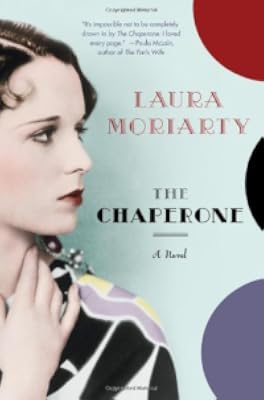
The Chaperone
by Laura Moriarty
On This Page
Description
"A novel about the friendship between an adolescent, pre-movie-star Louise Brooks, and the 36-year-old woman who chaperones her to New York City for a summer, in 1922, and how it changes both their lives"--Tags
Recommendations





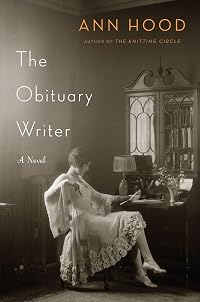
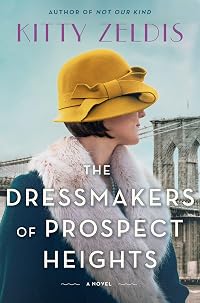
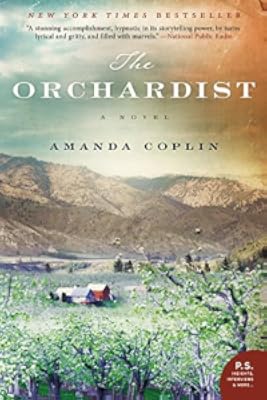


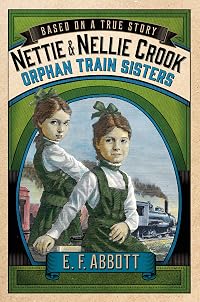
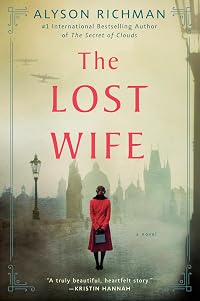
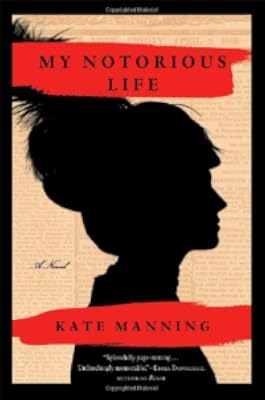
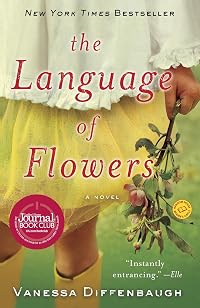



Member Recommendations
thea-block Pictures of the whole a woman's life, exploring how early decisions effect the rest of their lives.
20

thea-block Similar stories of women's coming of age and the story of their lives from that point on.
Member Reviews
This book was so much better than the movie (as is often the case). I watched the movie on PBS because it was written by Julian Fellowes, the creator of Downton Abbey, but I didn't know much about it otherwise. Turns out Fellowes did a hack job on the novel which was very much more satisfying than the movie.
Louise Brooks made a name for herself as a silent film star in the 1920s but in 1922 she was just an unknown teenager from Wichita Kansas with a talent for modern dance. She was offered a place to study for the summer with the New York City dance company Denishawn but she needed a chaperone to accompany her. Cora Carlisle, who has her own reasons for wanting to go to New York City, offers to accompany her even though she doesn't show more really know Louise. Cora is married but her twin boys are almost adults and, at any rate, they are working away from home for the summer. So off Cora and Louise go by train from Wichita to New York City. Unbeknownst to anyone except her husband Cora was born in NYC and was raised in an orphanage there until she was put on an orphan train to the Midwest. She was lucky in that the couple that chose her were good and kind and did not take advantage of her. She was unlucky in that when she was just 17 the couple were killed in a farming accident. As she had never been formally adopted she was left out of the estate and that is how she met her husband, a lawyer who offered to represent her pro bono. Although Cora wrote to the orphanage to ask for information the nuns who ran it told her they could not divulge any information about her parents. Cora believes that once she is in NYC she will be able to access information and perhaps even find her parents. In order to do that she has to ride herd on Louise who is a wilful brat. Louise has no use for Cora but she does know that Cora could return with her to Wichita if she gives her too much trouble. And Louise really wants to stay because she loves to dance.
Cora is an interesting character and she seemed much more real in the book than she did in the film. I found a lot of the information about the fashion of the times and the limited role of most women to be some of the best parts of the book. One detail remains stuck in my mind: On the train to NYC Cora's book drops on the floor of the train carriage. Because of her corset she is unable to bend over and pick it up but Louise has disappeared and can't do it for her. Cora goes off to find Louise who is at a table in the dining car with two strange men. Cora is furious with Louise and has to give her a tongue-lashing about preserving her reputation. And then she has to ask Louise to retrieve her book for her. I had never really considered before what a constriction wearing a corset would have on a woman's movements. Thank goodness we have left those instruments of torture behind us. show less
Louise Brooks made a name for herself as a silent film star in the 1920s but in 1922 she was just an unknown teenager from Wichita Kansas with a talent for modern dance. She was offered a place to study for the summer with the New York City dance company Denishawn but she needed a chaperone to accompany her. Cora Carlisle, who has her own reasons for wanting to go to New York City, offers to accompany her even though she doesn't show more really know Louise. Cora is married but her twin boys are almost adults and, at any rate, they are working away from home for the summer. So off Cora and Louise go by train from Wichita to New York City. Unbeknownst to anyone except her husband Cora was born in NYC and was raised in an orphanage there until she was put on an orphan train to the Midwest. She was lucky in that the couple that chose her were good and kind and did not take advantage of her. She was unlucky in that when she was just 17 the couple were killed in a farming accident. As she had never been formally adopted she was left out of the estate and that is how she met her husband, a lawyer who offered to represent her pro bono. Although Cora wrote to the orphanage to ask for information the nuns who ran it told her they could not divulge any information about her parents. Cora believes that once she is in NYC she will be able to access information and perhaps even find her parents. In order to do that she has to ride herd on Louise who is a wilful brat. Louise has no use for Cora but she does know that Cora could return with her to Wichita if she gives her too much trouble. And Louise really wants to stay because she loves to dance.
Cora is an interesting character and she seemed much more real in the book than she did in the film. I found a lot of the information about the fashion of the times and the limited role of most women to be some of the best parts of the book. One detail remains stuck in my mind: On the train to NYC Cora's book drops on the floor of the train carriage. Because of her corset she is unable to bend over and pick it up but Louise has disappeared and can't do it for her. Cora goes off to find Louise who is at a table in the dining car with two strange men. Cora is furious with Louise and has to give her a tongue-lashing about preserving her reputation. And then she has to ask Louise to retrieve her book for her. I had never really considered before what a constriction wearing a corset would have on a woman's movements. Thank goodness we have left those instruments of torture behind us. show less
The Chaperone – Laura Moriarty
5 stars
The story begins in 1922 as Cora Kaufman Carlisle and her friend go about their common routine of socially acceptable charity work in Wichita, Kansas. Their conversation takes in the political and social climate of the day along with the mild gossip common to well-to-do women. The scene is set. We know who Cora Carlisle is…. on the outside. The question is, why would she choose to leave her successful, well-known, lawyer husband to become chaperone to the 15-year-old daughter of a local social climber? Why is a trip to New York City so important to her? Why would her conventional husband allow her to go?
There is more to Cora Carlisle’s story than appears on the surface. This is a rich and show more layered story. Cora’s history and her character are revealed gradually in a seamless blending of past and present. In some ways this is a coming of age story, not for the adolescent Louise Brooks, but for Cora, the middle-aged mother of grown twin boys. The Louise Brooks story is woven around Cora’s as a contrast and as an historical touchstone. Cora is a person that I grew to like and admire more and more as the story progressed.
This book had a great deal to say to me. It approached many issues which are relevant in this age of face book and reality television. There’s a clear message. Louise Brooks became a scandalous public figure with every aspect of her self-destructing private life in view. Cora remained quietly private, with a socially acceptable public face. She lived her unconventional life without undo collateral damage. I’d like to shake her hand. show less
5 stars
The story begins in 1922 as Cora Kaufman Carlisle and her friend go about their common routine of socially acceptable charity work in Wichita, Kansas. Their conversation takes in the political and social climate of the day along with the mild gossip common to well-to-do women. The scene is set. We know who Cora Carlisle is…. on the outside. The question is, why would she choose to leave her successful, well-known, lawyer husband to become chaperone to the 15-year-old daughter of a local social climber? Why is a trip to New York City so important to her? Why would her conventional husband allow her to go?
There is more to Cora Carlisle’s story than appears on the surface. This is a rich and show more layered story. Cora’s history and her character are revealed gradually in a seamless blending of past and present. In some ways this is a coming of age story, not for the adolescent Louise Brooks, but for Cora, the middle-aged mother of grown twin boys. The Louise Brooks story is woven around Cora’s as a contrast and as an historical touchstone. Cora is a person that I grew to like and admire more and more as the story progressed.
This book had a great deal to say to me. It approached many issues which are relevant in this age of face book and reality television. There’s a clear message. Louise Brooks became a scandalous public figure with every aspect of her self-destructing private life in view. Cora remained quietly private, with a socially acceptable public face. She lived her unconventional life without undo collateral damage. I’d like to shake her hand. show less
I was pleasantly surprised by The Chaperone. I picked it up for research purposes on the year of 1922, and I soon found myself engrossed by the plot and the complicated, sympathetic character of Cora. Cora is in her late 30s and in a very unhappy and imbalanced marriage when she agrees to act as a chaperone for the gifted, headstrong 15-year-old Louise Brooks who has an opportunity to attend an elite dancing school in New York City. Cora has her own motivations to go: she was sent on an orphan train to the Midwest as a young child, and she wants to revisit her orphanage to perhaps find out more information about her parents.
The plot develops in surprising ways. I won't give any spoilers, but I will say that Cora's eyes are opened in a show more major way. The summer of 1922 changes her entire life by forcing her out of her sheltered Wichita protestant existence, exposing her to people of all skin colors and origins, and causing her to redefine what the word "family" means. The scope of the novel goes beyond 1922 to show the vast repercussions of her hard-earned life lessons, and it's an incredibly rewarding experience. How her life parallels with Louise Brooks is interesting, too. Louise became a sensation in the latter years of the silent film era, only to gain more notoriety for her drunkenness and lasciviousness than her acting work. Watch her on YouTube, and you can still see the incredible charisma and beauty she embodied on the screen. show less
The plot develops in surprising ways. I won't give any spoilers, but I will say that Cora's eyes are opened in a show more major way. The summer of 1922 changes her entire life by forcing her out of her sheltered Wichita protestant existence, exposing her to people of all skin colors and origins, and causing her to redefine what the word "family" means. The scope of the novel goes beyond 1922 to show the vast repercussions of her hard-earned life lessons, and it's an incredibly rewarding experience. How her life parallels with Louise Brooks is interesting, too. Louise became a sensation in the latter years of the silent film era, only to gain more notoriety for her drunkenness and lasciviousness than her acting work. Watch her on YouTube, and you can still see the incredible charisma and beauty she embodied on the screen. show less
I read the Chaperone following an interview the author gave to TheHairpin.com, as a companion of sorts to the long-running "Scandals of Classic Hollywood" series by Anne Helen Peterson, which looks at the gossip and star-making of Hollywood celebrities from a something of a sociological point of view, analyzing what the stories about the celebrities say about American society and our enduring fascination with them (and also indulges a bit in photos of beautiful people). I felt some camaraderie with Moriarty as a result - there's the interest in what was happening behind the false stories presented in the Hollywood rags, and also in the people left behind as the stars become more and more famous.
Moriarty learned of this dowdy, somewhat show more strict chaperone who was with Louise Brooks when she first came to New York to try being a dancer. There isn't much known of the chaperone, except that she was a housewife from Wichita and she went back to Kansas after that summer with Louise. Moriarty uses this as a jumping off point to explore the changing society of 1922 and beyond, as exemplified in the fashions but also Louise Brooks herself and her shocking behavior.
Cora Carlisle is pragmatic, but every bit caught up in her privilege as a fairly wealthy middle-class woman in the early 20th century. She envies the lightness of the young girls' bobbed hair, and convenience of somewhat shorter skirts, but can't imagine cutting her own off - the scandal would make her lose her place in society, and then where would she be? Cora accepts the role she is given and the things taught to her, even as she pushes back against elements of it. For example, she doesn't see anything wrong with teaching girls that their sexuality is like a wrapped candy, or that poor people must have done something to deserve their poverty. But when asked to join with the Klan - because it is the thing to do in Wichita in 1922, and all the top society are members - Cora can't feel comfortable aligning herself with a group that sees Catholics as pure evil.
It turns out that Cora wasn't born to the role she now has, but instead married into it. She was an orphan in New York City, sent out on one of the trains and adopted by a farming family. It isn't any wonder that she strives to play the part of wealthy, middle-class housewife so well, that she fears losing her acceptance in the group and all her friends and family. But the memory of her origins stays with her and guides her decisions about what is right - she is well aware of her position of privilege, even if only subconsciously.
The Chaperone follows Cora as she navigates New York City and confronts her ideas of what is right, the hypocrisy of her community, and the truth of her own desires. Cora learns to take what she wants and stand up for her own opinions, rather than quietly agree to what she feels is expected of her.
I enjoyed reading the Chaperone quite a lot, and exploring the world of 1922 as Cora experiences it. She was a sympathetic character and I cared quite a bit for her, even as I could see where she was going wrong from my position in 2013. But at the same time, I sometimes felt like Cora was a little bit too much a creature of 2013 herself, that her circumstances were a little too perfectly aligned to tell the story that Moriarty wishes to tell. While Cora's origins in the orphanage give her a plausible reason to be more open to lower-class people or to be searching around New York in the first place, it also felt like it made things a little too easy, that she didn't work quite as hard as she should be to attain her new awareness.
The ending was also somewhat weak. The entire third part describes what happens after Cora returns to Wichita, all the way until her death. While it was interesting to see what happened after, it didn't contain the same depth of character or charm - probably a necessary change, since decades are covered in the space of a paragraph, rather than an hour or day. I think that by zooming out to Cora's later life, that feeling of too-perfect or too-easy was magnified, and Cora herself a little bit idealised. I think I would have liked it much more had the book ended shortly after she returned, focusing the story on that one monumental summer.
On the whole, I can see why all 24 copies in my local library system were checked out or on hold when I requested one. The Chaperone is an enjoyable story and not too difficult to read. While there are some weaknesses in the ending and Cora's characterisation, they don't detract enough from the book as a whole to make me feel like it was a chore to read, which has happened too often in my reading lately. show less
Moriarty learned of this dowdy, somewhat show more strict chaperone who was with Louise Brooks when she first came to New York to try being a dancer. There isn't much known of the chaperone, except that she was a housewife from Wichita and she went back to Kansas after that summer with Louise. Moriarty uses this as a jumping off point to explore the changing society of 1922 and beyond, as exemplified in the fashions but also Louise Brooks herself and her shocking behavior.
Cora Carlisle is pragmatic, but every bit caught up in her privilege as a fairly wealthy middle-class woman in the early 20th century. She envies the lightness of the young girls' bobbed hair, and convenience of somewhat shorter skirts, but can't imagine cutting her own off - the scandal would make her lose her place in society, and then where would she be? Cora accepts the role she is given and the things taught to her, even as she pushes back against elements of it. For example, she doesn't see anything wrong with teaching girls that their sexuality is like a wrapped candy, or that poor people must have done something to deserve their poverty. But when asked to join with the Klan - because it is the thing to do in Wichita in 1922, and all the top society are members - Cora can't feel comfortable aligning herself with a group that sees Catholics as pure evil.
It turns out that Cora wasn't born to the role she now has, but instead married into it. She was an orphan in New York City, sent out on one of the trains and adopted by a farming family. It isn't any wonder that she strives to play the part of wealthy, middle-class housewife so well, that she fears losing her acceptance in the group and all her friends and family. But the memory of her origins stays with her and guides her decisions about what is right - she is well aware of her position of privilege, even if only subconsciously.
The Chaperone follows Cora as she navigates New York City and confronts her ideas of what is right, the hypocrisy of her community, and the truth of her own desires. Cora learns to take what she wants and stand up for her own opinions, rather than quietly agree to what she feels is expected of her.
I enjoyed reading the Chaperone quite a lot, and exploring the world of 1922 as Cora experiences it. She was a sympathetic character and I cared quite a bit for her, even as I could see where she was going wrong from my position in 2013. But at the same time, I sometimes felt like Cora was a little bit too much a creature of 2013 herself, that her circumstances were a little too perfectly aligned to tell the story that Moriarty wishes to tell. While Cora's origins in the orphanage give her a plausible reason to be more open to lower-class people or to be searching around New York in the first place, it also felt like it made things a little too easy, that she didn't work quite as hard as she should be to attain her new awareness.
The ending was also somewhat weak. The entire third part describes what happens after Cora returns to Wichita, all the way until her death. While it was interesting to see what happened after, it didn't contain the same depth of character or charm - probably a necessary change, since decades are covered in the space of a paragraph, rather than an hour or day. I think that by zooming out to Cora's later life, that feeling of too-perfect or too-easy was magnified, and Cora herself a little bit idealised. I think I would have liked it much more had the book ended shortly after she returned, focusing the story on that one monumental summer.
On the whole, I can see why all 24 copies in my local library system were checked out or on hold when I requested one. The Chaperone is an enjoyable story and not too difficult to read. While there are some weaknesses in the ending and Cora's characterisation, they don't detract enough from the book as a whole to make me feel like it was a chore to read, which has happened too often in my reading lately. show less
Laura Moriarty’s The Chaperone provides a fascinating look at the shifting attitudes in social mores from the 1920s through the 1950s. Looking past Cora’s very old-fashioned, Victorian views on proper social decorum, especially in the beginning, can be extremely difficult for readers, especially because they are so foreign to today’s etiquette. It is particularly interesting that Cora is so prim and proper in the beginning given Cora’s history as a suffragette, which would indicate a more progressive mode of thought than others in her social set. Her attitudes towards anything that does not fit her idea of proper decorum can be especially bothersome because they are so vehement and mostly socially abhorrent today. Cora’s show more growing disgust at her own ideas and that of society are a welcome change and help lift a reader from becoming bogged down in the differences between the past and today to allow one to focus on the story itself.
As for the story itself, The Chaperone follows Cora’s life from that first fateful summer in New York as Louise Brooks’ chaperone to her end days many decades later. Her beginnings are told through flashbacks as the story progresses, helping fill in the blanks and provide some explanations for the behavior one sees at the beginning of the novel. Her struggles to watch over the willful and bold Louise, as well as her search for her true beginnings, provide some of the more fascinating elements of the story, and it is with pleasure that a reader watches Cora grow from a horrible snob to someone willing to take tremendous chances to achieve her own personal happiness.
Another thoroughly enjoyable outcome of the novel, especially for history buffs, is Ms. Moriarty’s close and careful attention to historical details. Told over the course of decades, a reader will get an especially vivid picture of Wichita life during the Roaring 20s, through the Depression, and during World War II. Ms. Moriarty captures the confusion, the shock, and the almost visible push-and-pull between flappers and those born and raised in the more conservative Victorian era. The Depression years are particularly interesting because they are so different from the more typical stories of drought, bread lines, and abject poverty. The changes that occurred in the United States in the twentieth century were both massive and exciting, and The Chaperone encapsulates the overwhelming sense of wonder that describes the century so well.
While others might enjoy Elizabeth McGovern as narrator for The Chaperone, I struggled to appreciate her performance. Her normal voice contains a pseudo-English accent that works well on Downton Abbey but is too uptight and snobby for the story she is narrating. It creates an unnatural barrier between the story and the listener and at the same time between Cora and the listener. At the same time, her nasally Kansas twang is a sharp contrast to her natural accent and seems a bit too demeaning for the character and for the story. One never gets the impression that Ms. McGovern is wholly absorbed in the novel itself. Throughout the entire audiobook, it is very apparent that she is reading words on a page. This may not seem like a huge deal, but if one has ever experienced audiobooks in which a listener forgets that the narrator is someone standing in a dark booth, the difference between the two experiences is hugely important. Because of these performance flaws, The Chaperone is one novel enjoyed more via print.
The Chaperone is a novel that is first and foremost about self-discovery. Through Louise Brooks’ irreverent and shocking (for the times) behavior and attitudes, Cora learns that living does not mean following society’s directions but living according to one’s own need for happiness. Truly, Cora learns that coming-of-age can occur at any age, even the ”ripe old” age of 36. The historical details are an added bonus to this enjoyable novel and are what set The Chaperone apart from other coming-of-age stories. It is unfortunate that my personal reaction to Ms. McGovern as narrator was so negative because The Chaperone truly is a delightful story that has captivated so many readers with its luscious attention to detail and mesmerizing characters.
Acknowledgments: Thank you to Penguin Audio for my review copy! show less
As for the story itself, The Chaperone follows Cora’s life from that first fateful summer in New York as Louise Brooks’ chaperone to her end days many decades later. Her beginnings are told through flashbacks as the story progresses, helping fill in the blanks and provide some explanations for the behavior one sees at the beginning of the novel. Her struggles to watch over the willful and bold Louise, as well as her search for her true beginnings, provide some of the more fascinating elements of the story, and it is with pleasure that a reader watches Cora grow from a horrible snob to someone willing to take tremendous chances to achieve her own personal happiness.
Another thoroughly enjoyable outcome of the novel, especially for history buffs, is Ms. Moriarty’s close and careful attention to historical details. Told over the course of decades, a reader will get an especially vivid picture of Wichita life during the Roaring 20s, through the Depression, and during World War II. Ms. Moriarty captures the confusion, the shock, and the almost visible push-and-pull between flappers and those born and raised in the more conservative Victorian era. The Depression years are particularly interesting because they are so different from the more typical stories of drought, bread lines, and abject poverty. The changes that occurred in the United States in the twentieth century were both massive and exciting, and The Chaperone encapsulates the overwhelming sense of wonder that describes the century so well.
While others might enjoy Elizabeth McGovern as narrator for The Chaperone, I struggled to appreciate her performance. Her normal voice contains a pseudo-English accent that works well on Downton Abbey but is too uptight and snobby for the story she is narrating. It creates an unnatural barrier between the story and the listener and at the same time between Cora and the listener. At the same time, her nasally Kansas twang is a sharp contrast to her natural accent and seems a bit too demeaning for the character and for the story. One never gets the impression that Ms. McGovern is wholly absorbed in the novel itself. Throughout the entire audiobook, it is very apparent that she is reading words on a page. This may not seem like a huge deal, but if one has ever experienced audiobooks in which a listener forgets that the narrator is someone standing in a dark booth, the difference between the two experiences is hugely important. Because of these performance flaws, The Chaperone is one novel enjoyed more via print.
The Chaperone is a novel that is first and foremost about self-discovery. Through Louise Brooks’ irreverent and shocking (for the times) behavior and attitudes, Cora learns that living does not mean following society’s directions but living according to one’s own need for happiness. Truly, Cora learns that coming-of-age can occur at any age, even the ”ripe old” age of 36. The historical details are an added bonus to this enjoyable novel and are what set The Chaperone apart from other coming-of-age stories. It is unfortunate that my personal reaction to Ms. McGovern as narrator was so negative because The Chaperone truly is a delightful story that has captivated so many readers with its luscious attention to detail and mesmerizing characters.
Acknowledgments: Thank you to Penguin Audio for my review copy! show less
Cora Carlisle agrees to accompany young Louise Brooks from hidebound Wichita to 1920’s Manhattan during a summer of study with the renowned Denishawn Dance Company. Shocked at Louise’s overly permissive upbringing, Cora tries mightily to rein in the young woman, keeping virtue and reputation safe. The image of the tight corset, so binding one cannot pick up a book from the floor, perfectly illustrates Cora’s restrictive and conventional views. Over the summer, she experiences a freedom from the judging eyes of old Wichita society. Even as she maintains vigilance over the free spirited teen, Cora embarks on her own journey of discovery into her history and background. The summer will prove transformative for both chaperone and her show more charge in ways neither could possibly anticipate.
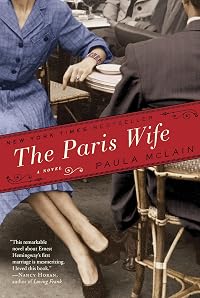
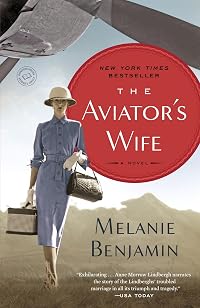
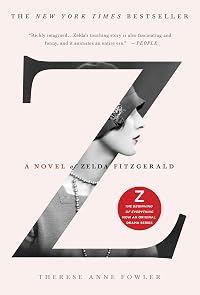
I’d heard of early screen star Louise Brooks before: her rebellious youth, success in silent films and “talkies”, hedonistic flapper days, multiple marriages, ignominious decline and late resurrection as a film critic, memoirist and ‘personality.’ To a fan of theater and cinematographic history, a fictionalized account capturing her tumultuous life seemed sure to please. Well, yes and no. This is a variation of the ‘interesting-woman-in-the-shadow-of-greatness’ genre (see, e.g., “The Paris Wife”, “The Aviator’s Wife” “Z: A Novel of Zelda Fitzgerald”). Most interesting and engaging are those portions of the book in which ‘Interesting Woman’ and ‘Greatness’ interact. To witness the awakening of Cora under the influence of her surroundings and Louise was a literary adventure I was happy to take. However, once Cora boarded the train to return to Kansas, I wanted to get off. Thereafter follows a mind-numbing whirl of decades and improbable character and plot development. (Fear of spoilers prohibits further detail.) Had the story ended in New York, I would have been quite happy. Instead, I wanted to throw the book against the wall. Ms. Brooks’ career is interesting and compelling, deserving of the recent attention. For that alone I would recommend the book to other movie buffs. Completists like me -- driven to finish every book started -- should be beware.
I listened to the audiobook version of the novel. Interestingly, it is narrated by Elizabeth McGovern, who portrays another fictional Cora, Lady Grantham of Downton Abbey. Ms. McGovern’s reading is engaging and varied as she gives voice to the many characters. It was wonderful to listen to her. show less
I’d heard of early screen star Louise Brooks before: her rebellious youth, success in silent films and “talkies”, hedonistic flapper days, multiple marriages, ignominious decline and late resurrection as a film critic, memoirist and ‘personality.’ To a fan of theater and cinematographic history, a fictionalized account capturing her tumultuous life seemed sure to please. Well, yes and no. This is a variation of the ‘interesting-woman-in-the-shadow-of-greatness’ genre (see, e.g., “The Paris Wife”, “The Aviator’s Wife” “Z: A Novel of Zelda Fitzgerald”). Most interesting and engaging are those portions of the book in which ‘Interesting Woman’ and ‘Greatness’ interact. To witness the awakening of Cora under the influence of her surroundings and Louise was a literary adventure I was happy to take. However, once Cora boarded the train to return to Kansas, I wanted to get off. Thereafter follows a mind-numbing whirl of decades and improbable character and plot development. (Fear of spoilers prohibits further detail.) Had the story ended in New York, I would have been quite happy. Instead, I wanted to throw the book against the wall. Ms. Brooks’ career is interesting and compelling, deserving of the recent attention. For that alone I would recommend the book to other movie buffs. Completists like me -- driven to finish every book started -- should be beware.
I listened to the audiobook version of the novel. Interestingly, it is narrated by Elizabeth McGovern, who portrays another fictional Cora, Lady Grantham of Downton Abbey. Ms. McGovern’s reading is engaging and varied as she gives voice to the many characters. It was wonderful to listen to her. show less
A wonderful surprise! I think I expected this book to be about the famous Flapper, Louise Brooks. But this novel is much more complex than the publisher's blurb would lead us to believe. The parallel stories of Cora and Louise go only through the first part of the book. After that first five weeks together in New York, their paths split, and the story becomes Cora's. Her role as chaperone serves only to provide the beginnings of a transformation that will continue throughout her life. Louise continues to appear, but only in cameo roles.
After her return to Witchita, the life changing events Cora endures (often unexpected) and her ability to adopt to them is affirming, both for herself and her family. The variety of show more relationships, of changing social and cultural mores of the Roaring Twenties and pre-war era all serve as opportunities for growth, showing us a strong woman willing to take chances, often willing to defy society, while at the same time able to operate inside the structure of the accepted woman's role.
It's difficult to talk about everything that happens without spoiling an outstanding story. Moriarty gives us in excruciating detail the life of an upper-middle class woman of the era, as well as the changes bombarding her from the social, financial, medical, political, and religious circles in which she moved. It's a compelling story, and one that is sure to engage both women and men of all ages.
I listened to this one in audio, and while I normally enjoy this format, I did find the Kansas accent adapted by the narrator Elizabeth McGovern a bit off-putting. I don't think I realized that Kansans have that strong a a twang. Other than that small nit-pick however, it was an enjoyable story, a well-told narration, and a book that deserves a good look by many many readers. show less
After her return to Witchita, the life changing events Cora endures (often unexpected) and her ability to adopt to them is affirming, both for herself and her family. The variety of show more relationships, of changing social and cultural mores of the Roaring Twenties and pre-war era all serve as opportunities for growth, showing us a strong woman willing to take chances, often willing to defy society, while at the same time able to operate inside the structure of the accepted woman's role.
It's difficult to talk about everything that happens without spoiling an outstanding story. Moriarty gives us in excruciating detail the life of an upper-middle class woman of the era, as well as the changes bombarding her from the social, financial, medical, political, and religious circles in which she moved. It's a compelling story, and one that is sure to engage both women and men of all ages.
I listened to this one in audio, and while I normally enjoy this format, I did find the Kansas accent adapted by the narrator Elizabeth McGovern a bit off-putting. I don't think I realized that Kansans have that strong a a twang. Other than that small nit-pick however, it was an enjoyable story, a well-told narration, and a book that deserves a good look by many many readers. show less
Members
- Recently Added By
Lists

Recommend the 20 best books you've read in the last five years
2,168 works; 601 members

Lit Lattes Ep 004
13 works; 1 member

Books Read in 2013
1,630 works; 51 members
Talk Discussions
Past Discussions
Current books on the Best seller list in Pro and Con (July 2012)
Author Information

5 Works 4,558 Members
Laura Moriarty was born in 1970 in Honolulu, HI. She attended the University of Kansas to earn her degree in social work and later her M.A. in Creative Writing. She went on to be awarded the George Bennett Fellowship for Creative Writing at Phillips Exeter Academy in New Hampshire. She soon became a professor of Creative Writing at the University show more of Kansas. It was then that she started her writing career. Her title's include: While I'm Falling, The Rest of Her Life, The Center of Everything, and The Chaperone. (Bowker Author Biography) show less
Some Editions
Awards and Honors
Notable Lists
Series
Belongs to Publisher Series
Common Knowledge
- Canonical title*
- Le stelle brillano a New York
- Original title
- The Chaperone
- Original publication date
- 2012-06-05
- People/Characters
- Louise Brooks; Cora Carlisle
- Important places
- New York, New York, USA; Wichita, Kansas, USA
- Epigraph
- When a lovely woman stoops to folly, she can always find someone to stoop with her but not always someone to lift her up again to the level where she belongs. - "Mr. Grundy", For Atlantic Monthly 1920
It excited him, ... (show all)too, that many men had already loved Daisy-it increased her value in his eyes. - F. Scott Fitzgerald, The Great Gatsby, 1925
There is not Garbo! There is no Dietrich! There is only Louise Brooks! - Henri Langlois, 1955 - First words
- The first time Cora heard the name Louise Brooks, she was parked outside the Wichita Library in a Model-T Ford, waiting for the rain to stop.
- Last words
- (Click to show. Warning: May contain spoilers.)Even in those final hours, quiet and rocking, arriving and departing, she knew who she was.
- Blurbers
- McLain, Paula
*Some information comes from Common Knowledge in other languages. Click "Edit" for more information.
Classifications
Statistics
- Members
- 1,932
- Popularity
- 11,018
- Reviews
- 165
- Rating
- (3.85)
- Languages
- 6 — Czech, English, French, German, Italian, Spanish
- Media
- Paper, Audiobook, Ebook
- ISBNs
- 31
- ASINs
- 10
