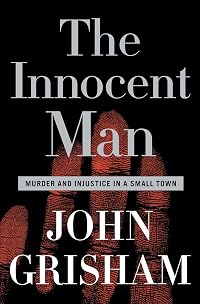
The Innocent Man: Murder and Injustice in a Small Town
by John Grisham
On This Page
Description
#1 NEW YORK TIMES BESTSELLER • John Grisham’s first work of nonfiction: a true crime story that will terrify anyone who believes in the presumption of innocence.SOON TO BE A NETFLIX ORIGINAL DOCUMENTARY SERIES
“Both an American tragedy and [Grisham’s] strongest legal thriller yet, all the more gripping because it happens to be true.”—Entertainment Weekly
In the town of Ada, Oklahoma, Ron Williamson was going to be the next Mickey Mantle. But on his way to the Big show more Leagues, Ron stumbled, his dreams broken by drinking, drugs, and women. Then, on a winter night in 1982, not far from Ron’s home, a young cocktail waitress named Debra Sue Carter was savagely murdered. The investigation led nowhere. Until, on the flimsiest evidence, it led to Ron Williamson. The washed-up small-town hero was charged, tried, and sentenced to death—in a trial littered with lying witnesses and tainted evidence that would shatter a man’s already broken life, and let a true killer go free.
Impeccably researched, grippingly told, filled with eleventh-hour drama, this audio edition of The Innocent Man reads like an edge-of-your-seat legal thriller. It is a book no American can afford to miss.
Praise for The Innocent Man
“Grisham has crafted a legal thriller every bit as suspenseful and fast-paced as his bestselling fiction.”—The Boston Globe
“A gritty, harrowing true-crime story.”—Time
“A triumph.”—The Seattle Times. show less
Tags
Recommendations

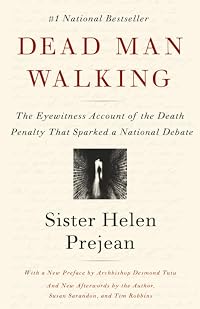
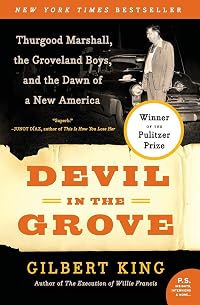
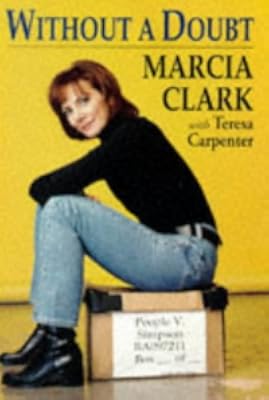
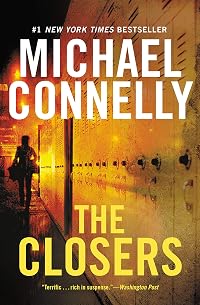
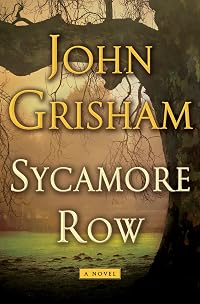


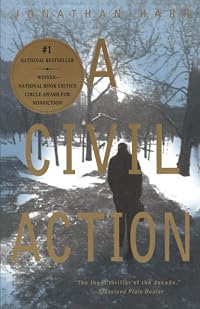

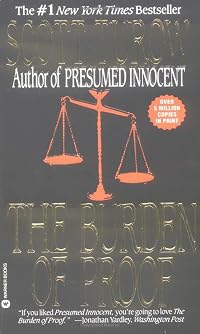
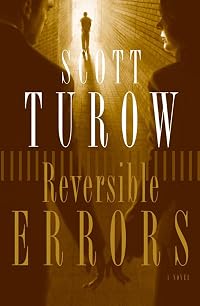

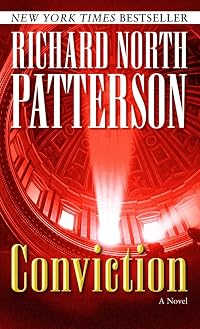
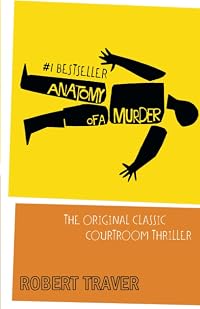

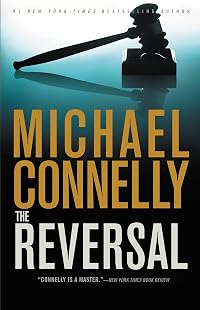
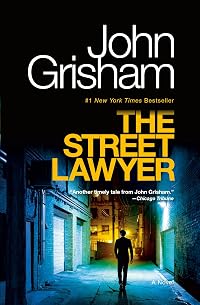
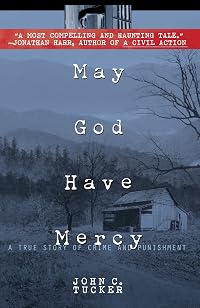
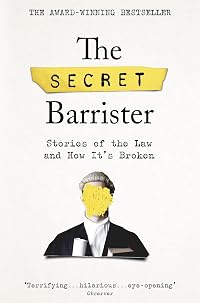
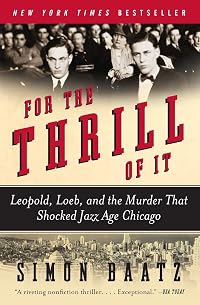
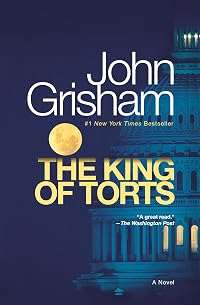
Member Recommendations
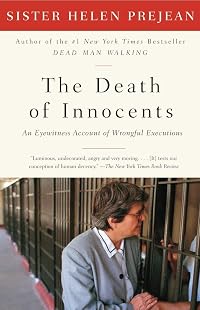
Caramellunacy Novelist Scott Turow writes about his struggle to come to grips with the death penalty. This non-fiction work describes the evolution of his thought process and his sometimes ambivalent reasoning while he served on the Illinois Commission that investigated the effectiveness of the punishment and proposed important reforms to make its imposition more equitable.
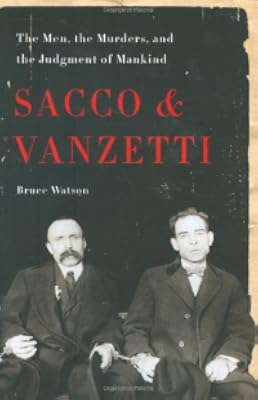
Caramellunacy True stories of corruption in the justice system. The Monster of Florence is about the search for a serial killer in Italy, The Innocent Man is a man falsely convicted and on death row.
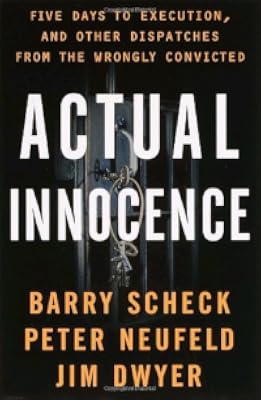
TooBusyReading More about those who are wrongfully convicted. An eye-opener.

Manifest Injustice: The True Story of a Convicted Murderer and the Lawyers Who Fought for His Freedom by Barry Siegel
TooBusyReading Stories of justice gone awry, more interesting than fiction.
Member Reviews
This is the most astonishing, terrifying, horrifying book by the brilliant author John Grisham that I've ever read (and I've read a few). We have all heard, surely, that "the truth is stranger than fiction". One may or may not subscribe to that theory, but this story certainly confirms it. One of the reasons I usually avoid non-fiction — especially about current events — is that it so often infuriates me. This story is another example of that. It infuriates me. It doesn't help that I was born in Oklahoma, spent nearly all of the first 23 years of my life there and know most of the towns mentioned in the story from first-hand experience.
When I sat down to write this "review" I thought of summing it up in just one sentence, "The show more American criminal justice system is just that: criminal." Read this excellent book and perhaps you'll understand what I mean. show less
When I sat down to write this "review" I thought of summing it up in just one sentence, "The show more American criminal justice system is just that: criminal." Read this excellent book and perhaps you'll understand what I mean. show less
Book on CD read by Craig Wasson
In 1971 Ron Williamson was signed by the Oakland A’s and left Ada, Oklahoma to pursue his dreams of big-league glory. But an injury and bad habits (drinking, drugs and women), ended his career. Back in Ada he began to show signs of mental illness. He moved in with his mother, and slept up to 20 hours a day on the sofa. In 1982 a young woman was raped and murdered, and for five years the police could not solve the crime. For reasons that were never clear they suspected Ron Williamson and his friend Dennis Fritz. Despite a complete lack of evidence, and Ron having an alibi, the two were arrested and charged with capital murder. Relying on jail-house snitches and a “dream” confession, the prosecutors show more hammered at both men. Dennis was given a life sentence; Ron was sent to death row.
Grisham first heard about Ron Williamson when he happened to read the man’s obituary. The facts presented raised more questions and Grisham started researching how an innocent man could have been arrested, charged, convicted and imprisoned with so little regard for his rights or for the truth. The result is a gripping tale that had me on the edge of my seat. Meticulously researched, Grisham packs the book with information that slowly but convincingly builds the case. If the reader is disturbed by reading about these events, one can only imagine the horror and despair of living such a scenario.
One of the most poignant sections comes after Ron has been released and is interviewed by a journalist. Asked about his beliefs, he answers: I hope I go to neither heaven nor hell. I wish that at the time of my death that I could go to sleep and never wake up and never have a bad dream. Eternal rest, like you’ve seen on some tombstones, that’s what I hope for. Because I don’t want to go through the Judgment. I don’t want anybody judging me again.
What begins as the story of one man’s nightmare becomes a treatise on the state of America’s Justice System, and its many flaws. From the author notes at the end of the book: The journey also exposed me to the world of wrongful convictions … This is not a problem peculiar to Oklahoma, far from it. Wrongful convictions occur every month in every state in this country, and the reasons are all varied and all the same – bad police work, junk science, faulty eyewitness identifications, bad defense lawyers, lazy prosecutors, arrogant prosecutors.
Craig Wasson does a fine job performing the audio version of this book. He has good pacing and he really brought Ron to life. show less
In 1971 Ron Williamson was signed by the Oakland A’s and left Ada, Oklahoma to pursue his dreams of big-league glory. But an injury and bad habits (drinking, drugs and women), ended his career. Back in Ada he began to show signs of mental illness. He moved in with his mother, and slept up to 20 hours a day on the sofa. In 1982 a young woman was raped and murdered, and for five years the police could not solve the crime. For reasons that were never clear they suspected Ron Williamson and his friend Dennis Fritz. Despite a complete lack of evidence, and Ron having an alibi, the two were arrested and charged with capital murder. Relying on jail-house snitches and a “dream” confession, the prosecutors show more hammered at both men. Dennis was given a life sentence; Ron was sent to death row.
Grisham first heard about Ron Williamson when he happened to read the man’s obituary. The facts presented raised more questions and Grisham started researching how an innocent man could have been arrested, charged, convicted and imprisoned with so little regard for his rights or for the truth. The result is a gripping tale that had me on the edge of my seat. Meticulously researched, Grisham packs the book with information that slowly but convincingly builds the case. If the reader is disturbed by reading about these events, one can only imagine the horror and despair of living such a scenario.
One of the most poignant sections comes after Ron has been released and is interviewed by a journalist. Asked about his beliefs, he answers: I hope I go to neither heaven nor hell. I wish that at the time of my death that I could go to sleep and never wake up and never have a bad dream. Eternal rest, like you’ve seen on some tombstones, that’s what I hope for. Because I don’t want to go through the Judgment. I don’t want anybody judging me again.
What begins as the story of one man’s nightmare becomes a treatise on the state of America’s Justice System, and its many flaws. From the author notes at the end of the book: The journey also exposed me to the world of wrongful convictions … This is not a problem peculiar to Oklahoma, far from it. Wrongful convictions occur every month in every state in this country, and the reasons are all varied and all the same – bad police work, junk science, faulty eyewitness identifications, bad defense lawyers, lazy prosecutors, arrogant prosecutors.
Craig Wasson does a fine job performing the audio version of this book. He has good pacing and he really brought Ron to life. show less
I’ve read (or in this case listened to) every John Grisham book that has been published. For the most part, I’ve enjoyed them; some more than others. It seems, however, that lately he has had an axe to grind and my enjoyment of his writing has suffered as a result. Make no mistake; this is a polemic against the death penalty. Where necessary, facts have been distorted or even changed as dictated by the overarching goal of achieving the underlying goal of converting the reader to a death penalty opponent.
Everything is black and white in Grisham’s world. There is no room for interpretation, compromise or misunderstanding. You are either as pure as the driven snow or as evil as Lucifer. If you are a corporation, you are greedy, show more conniving, criminal beyond redemption. There is no limit to how far you will stoop to poison, defraud or murder your innocent victim. And certainly, mouth breathing booger eaters from places like Oklahoma have no business serving on juries.
If you are a criminal defendant, it goes without saying that you are innocent. You are faced with police and prosecutors who are not only inept and laughably incompetent, but invariably crooked and criminal. Such is the case in this novel. We are presented with a heinous murder and a clear suspect. The person she was last seen with, in an argument no less. Yet the prime suspect was only cursorily interviewed and was not even among the dozens from which fingerprints or DNA samples were taken. Are you serious? Two patsies are subsequently rounded up, convicted and sent to prison, one to death row.
Now, if this was a novel, I’d give it two stars for implausibility and lack of any finesse, but lo and behold, it is based upon a true story. Given Grisham’s obvious distaste for prosecutors and police, however, you have to ask to what extent it has been “enhanced” or “dramatized” to place the police and prosecutor in the worst possible light. Indeed, in trying to ascertain the accuracy of Mr. Grisham’s account, I was directed to www.billpetersondistrictattorney.com, a website maintained by the prosecuting attorney in this case, in which Grisham’s misstatements and mischaracterizations are identified. Of particular interest is a Wall Street Journal review of the book that alleges that Grisham has, in fact, skewed the facts and circumstances of the case in an attempt to advance his own political agenda. Grisham never even interviewed the investigators or prosecutor in his research for the book. From Mr. Peterson’s account:
“We have all seen countless books and movies advertised as being ‘based upon actual events’. Does that mean such works are non-fiction? Of course not. To declare in good faith that a work is non-fiction, much more is required than just a nod to real occurrences. A book advertised as ‘non-fiction’ implies a promise that the pages contain an accurate narrative of events built upon a good-faith examination and analysis of facts. A prospective reader of such a book is entitled to expect that the narrative will be, at the very least, reasonably objective and balanced. When objectivity and balance are unduly compromised in favor of dramatic license, the truth suffers, accordingly.
The majority of folks who read The Innocent Man will conclude that our local law enforcement, the people of Ada, Oklahoma and I are a bunch of crazed, bigoted rednecks who will convict anyone of murder just because somebody has to pay. Heck, had I not known better, I would have formed the same opinions when I read the book.”
Aside from the bias and sensationalism, the book drags, particularly in the telling of Ron Williamson’s life story. The fact that Mr. Williamson spent 6-8 years in and out of mental health and alcohol rehabilitation centers as he spiraled further and further into psychosis is dragged out to consume fully 20% of the novel. Do we really need a blow by blow description of every single instance in which he got intoxicated or was arrested or did something wacky?
The fact remains that two innocent defendants were convicted of murder and served 12 years in prison. The system failed. However, before accepting Mr. Grisham’s characterization of the parties involved, I urge you to become better acquainted with the facts. Again quoting Peterson:
“I cannot change the reality that two men were convicted of a crime they did not commit. To that extent, John Grisham's book is based upon actual events. His narrative, however, is riddled with so many inaccuracies, innuendos and falsehoods that calling it "non-fiction" is tantamount to false advertising.
So, why did John Grisham go to such lengths to manufacture such a dysfunctional landscape for his book? The only answer I can come up with is money and to advance his anti-death penalty position. He did not write this book for his health, nor did he write it to help those two men, for they were exonerated long before he strolled into town. Simply put, he saw their misfortune as his opportunity.”
In fact, the entire first chapter of the book clearly identified Glen Gore as the most likely suspect (and the actual killer) in the case. It does so in a manner that makes the police and investigators look like fools for not acknowledging this obvious fact. However, he fails to point out that all of the facts set out to implicate Gore, so clearly presented in Chapter 1, were not discovered until after the defendants in this case were ultimately exonerated. Unsatisfactory investigatory work perhaps, however not the Keystone Kops, or criminal negligence that one would assume reading Grisham’s account. Again, from Peterson:
“Throughout his novel, Grisham sets out facts that occurred and uses these facts to criticize my actions. However, he does not point out that these facts did not become known to the prosecution during the Fritz and Williamson investigation. For example, on page 6 he states that during a dance, Debbie angrily walked away from Gore. He also states that a month earlier, Debbie had told Mike Carpenter that she was afraid of Gore because of his temper. These facts only became known during the investigation of Gore after the DNA testing had freed Fritz and Williamson.
The information from Ms. Graham about Glen Gore’s feelings did not become known to law enforcement until after Fritz and Williamson were freed and Gore was charged. But Grisham writes about it in the time frame of the crime, 1982, as a reason the police should have suspected Gore. Grisham uses Gore’s history of violent crimes against women as another reason the police should have suspected Gore, but these crimes did not occur until 1986 and 1987. In a pattern that repeats itself throughout the book, Grisham writes about an event without saying when it happened. He then uses it as a reason that the police or others should have known or suspected something, when in fact the event did not occur or become known until years, if not decades, later.”
Now, it is entirely Grisham’s right to publish anything he wants, to oppose the death penalty and to despise police, prosecutors, conservative judges and businessmen. Some would applaud his activism and his willingness to fight for what he believes. And it is my right to observe that the quality of his novels and my enjoyment of his work have declined with his conversion to sainthood. His writing lacks subtlety and his sneering and condescending tone do not make for compelling reading in my opinion. His characters are two dimensional, simplified caricatures of themselves; they have no depth or nuance. In this respect, Grisham is marginalizing himself in much the same way as political writers and commentators named Beck and Limbaugh.
If I read non-fiction, or history, I want to know that I’m being presented an accurate, unbiased account. I want good research and to hear from ALL the parties and come to my own conclusion as to whether the mistakes that were made in this case were founded on evil and malicious intent. Of course, speaking to ALL the parties involved and presenting a balanced narration of events wouldn’t be nearly as scintillating or spectacular, nor sell as many copies. As a result, we have a non-fiction set of events produced into a sensationalized novel; another bestseller. show less
Everything is black and white in Grisham’s world. There is no room for interpretation, compromise or misunderstanding. You are either as pure as the driven snow or as evil as Lucifer. If you are a corporation, you are greedy, show more conniving, criminal beyond redemption. There is no limit to how far you will stoop to poison, defraud or murder your innocent victim. And certainly, mouth breathing booger eaters from places like Oklahoma have no business serving on juries.
If you are a criminal defendant, it goes without saying that you are innocent. You are faced with police and prosecutors who are not only inept and laughably incompetent, but invariably crooked and criminal. Such is the case in this novel. We are presented with a heinous murder and a clear suspect. The person she was last seen with, in an argument no less. Yet the prime suspect was only cursorily interviewed and was not even among the dozens from which fingerprints or DNA samples were taken. Are you serious? Two patsies are subsequently rounded up, convicted and sent to prison, one to death row.
Now, if this was a novel, I’d give it two stars for implausibility and lack of any finesse, but lo and behold, it is based upon a true story. Given Grisham’s obvious distaste for prosecutors and police, however, you have to ask to what extent it has been “enhanced” or “dramatized” to place the police and prosecutor in the worst possible light. Indeed, in trying to ascertain the accuracy of Mr. Grisham’s account, I was directed to www.billpetersondistrictattorney.com, a website maintained by the prosecuting attorney in this case, in which Grisham’s misstatements and mischaracterizations are identified. Of particular interest is a Wall Street Journal review of the book that alleges that Grisham has, in fact, skewed the facts and circumstances of the case in an attempt to advance his own political agenda. Grisham never even interviewed the investigators or prosecutor in his research for the book. From Mr. Peterson’s account:
“We have all seen countless books and movies advertised as being ‘based upon actual events’. Does that mean such works are non-fiction? Of course not. To declare in good faith that a work is non-fiction, much more is required than just a nod to real occurrences. A book advertised as ‘non-fiction’ implies a promise that the pages contain an accurate narrative of events built upon a good-faith examination and analysis of facts. A prospective reader of such a book is entitled to expect that the narrative will be, at the very least, reasonably objective and balanced. When objectivity and balance are unduly compromised in favor of dramatic license, the truth suffers, accordingly.
The majority of folks who read The Innocent Man will conclude that our local law enforcement, the people of Ada, Oklahoma and I are a bunch of crazed, bigoted rednecks who will convict anyone of murder just because somebody has to pay. Heck, had I not known better, I would have formed the same opinions when I read the book.”
Aside from the bias and sensationalism, the book drags, particularly in the telling of Ron Williamson’s life story. The fact that Mr. Williamson spent 6-8 years in and out of mental health and alcohol rehabilitation centers as he spiraled further and further into psychosis is dragged out to consume fully 20% of the novel. Do we really need a blow by blow description of every single instance in which he got intoxicated or was arrested or did something wacky?
The fact remains that two innocent defendants were convicted of murder and served 12 years in prison. The system failed. However, before accepting Mr. Grisham’s characterization of the parties involved, I urge you to become better acquainted with the facts. Again quoting Peterson:
“I cannot change the reality that two men were convicted of a crime they did not commit. To that extent, John Grisham's book is based upon actual events. His narrative, however, is riddled with so many inaccuracies, innuendos and falsehoods that calling it "non-fiction" is tantamount to false advertising.
So, why did John Grisham go to such lengths to manufacture such a dysfunctional landscape for his book? The only answer I can come up with is money and to advance his anti-death penalty position. He did not write this book for his health, nor did he write it to help those two men, for they were exonerated long before he strolled into town. Simply put, he saw their misfortune as his opportunity.”
In fact, the entire first chapter of the book clearly identified Glen Gore as the most likely suspect (and the actual killer) in the case. It does so in a manner that makes the police and investigators look like fools for not acknowledging this obvious fact. However, he fails to point out that all of the facts set out to implicate Gore, so clearly presented in Chapter 1, were not discovered until after the defendants in this case were ultimately exonerated. Unsatisfactory investigatory work perhaps, however not the Keystone Kops, or criminal negligence that one would assume reading Grisham’s account. Again, from Peterson:
“Throughout his novel, Grisham sets out facts that occurred and uses these facts to criticize my actions. However, he does not point out that these facts did not become known to the prosecution during the Fritz and Williamson investigation. For example, on page 6 he states that during a dance, Debbie angrily walked away from Gore. He also states that a month earlier, Debbie had told Mike Carpenter that she was afraid of Gore because of his temper. These facts only became known during the investigation of Gore after the DNA testing had freed Fritz and Williamson.
The information from Ms. Graham about Glen Gore’s feelings did not become known to law enforcement until after Fritz and Williamson were freed and Gore was charged. But Grisham writes about it in the time frame of the crime, 1982, as a reason the police should have suspected Gore. Grisham uses Gore’s history of violent crimes against women as another reason the police should have suspected Gore, but these crimes did not occur until 1986 and 1987. In a pattern that repeats itself throughout the book, Grisham writes about an event without saying when it happened. He then uses it as a reason that the police or others should have known or suspected something, when in fact the event did not occur or become known until years, if not decades, later.”
Now, it is entirely Grisham’s right to publish anything he wants, to oppose the death penalty and to despise police, prosecutors, conservative judges and businessmen. Some would applaud his activism and his willingness to fight for what he believes. And it is my right to observe that the quality of his novels and my enjoyment of his work have declined with his conversion to sainthood. His writing lacks subtlety and his sneering and condescending tone do not make for compelling reading in my opinion. His characters are two dimensional, simplified caricatures of themselves; they have no depth or nuance. In this respect, Grisham is marginalizing himself in much the same way as political writers and commentators named Beck and Limbaugh.
If I read non-fiction, or history, I want to know that I’m being presented an accurate, unbiased account. I want good research and to hear from ALL the parties and come to my own conclusion as to whether the mistakes that were made in this case were founded on evil and malicious intent. Of course, speaking to ALL the parties involved and presenting a balanced narration of events wouldn’t be nearly as scintillating or spectacular, nor sell as many copies. As a result, we have a non-fiction set of events produced into a sensationalized novel; another bestseller. show less
John Grisham’s first work of nonfiction, an exploration of small town justice gone terribly awry, is his most extraordinary legal thriller yet.In the major league draft of 1971, the first player chosen from the State of Oklahoma was Ron Williamson. When he signed with the Oakland A’s, he said goodbye to his hometown of Ada and left to pursue his dreams of big league glory.Six years later he was back, his dreams broken by a bad arm and bad habits—drinking, drugs, and women. He began to show signs of mental illness. Unable to keep a job, he moved in with his mother and slept twenty hours a day on her sofa.In 1982, a 21-year-old cocktail waitress in Ada named Debra Sue Carter was raped and murdered, and for five years the police show more could not solve the crime. For reasons that were never clear, they suspected Ron Williamson and his friend Dennis Fritz. The two were finally arrested in 1987 and charged with capital murder.With no physical evidence, the prosecution’s case was built on junk science and the testimony of jailhouse snitches and convicts. Dennis Fritz was found guilty and given a life sentence. Ron Williamson was sent to death row.If you believe that in America you are innocent until proven guilty, this book will shock you. If you believe in the death penalty, this book will disturb you. If you believe the criminal justice system is fair, this book will infuriate you. show less
John Grisham is better known for his action-packed legal thrillers than his nonfiction writing. The Innocent Man is far from action-packed; there are no pulse-pounding car chases or dramatic "a-ha!" discoveries late at night in a law library. Instead, it is a book densely packed with detailed information about how the U.S. legal system really works — and in the case (actually cases) this book examines, how it very much does NOT work.
The innocent man of the title was Ron Williamson, a small-town baseball hero in Oklahoma whose career peaks in the minor leagues. Even as a child there were some warning signs of mental illness, but his failure to achieve his major-league dream exacerbates his illness. He becomes a familiar sight on the show more streets of his hometown, displaying poor personal habits and hygiene, and talking to himself. He makes people uncomfortable and scares little kids. And all of that makes Ron a perfect candidate to be tagged for the murder of a popular young woman.
The initial investigation of the murder scene was sloppy. The man who was the last person to see the victim alive is not questioned by the police for three years, long after Williamson has landed on death row. Forensic evidence is bungled, and "expert" witnesses prove themselves to be anything but. There's plenty of blame to go around: the local police force, the prosecuting attorney, Williamson's own lawyer, the courts who rejected his appeals. And Grisham makes sure they all get their fair share of "credit" for Williamson and his supposed accomplice serving 11 years on death row until DNA evidence exonerated him.
Grisham made a wise decision to lay out the facts of the case methodically, as if he was arguing the case before a jury. He keeps his emotions in check, only occasionally revealing his anger and contempt for the failures of the legal system to provide the checks and balances that are meant to prevent such egregious errors from happening. Although Williamson is eventually exonerated and freed, there is no feel-good happy ending here.
If you, like me, want to believe that the truth will always win out and that our legal system is primarily concerned with seeing justice done, you may have trouble sleeping after reading this book. show less
The innocent man of the title was Ron Williamson, a small-town baseball hero in Oklahoma whose career peaks in the minor leagues. Even as a child there were some warning signs of mental illness, but his failure to achieve his major-league dream exacerbates his illness. He becomes a familiar sight on the show more streets of his hometown, displaying poor personal habits and hygiene, and talking to himself. He makes people uncomfortable and scares little kids. And all of that makes Ron a perfect candidate to be tagged for the murder of a popular young woman.
The initial investigation of the murder scene was sloppy. The man who was the last person to see the victim alive is not questioned by the police for three years, long after Williamson has landed on death row. Forensic evidence is bungled, and "expert" witnesses prove themselves to be anything but. There's plenty of blame to go around: the local police force, the prosecuting attorney, Williamson's own lawyer, the courts who rejected his appeals. And Grisham makes sure they all get their fair share of "credit" for Williamson and his supposed accomplice serving 11 years on death row until DNA evidence exonerated him.
Grisham made a wise decision to lay out the facts of the case methodically, as if he was arguing the case before a jury. He keeps his emotions in check, only occasionally revealing his anger and contempt for the failures of the legal system to provide the checks and balances that are meant to prevent such egregious errors from happening. Although Williamson is eventually exonerated and freed, there is no feel-good happy ending here.
If you, like me, want to believe that the truth will always win out and that our legal system is primarily concerned with seeing justice done, you may have trouble sleeping after reading this book. show less
John Grisham writing non-fiction? That's worth a try. And, worth my time. The well researched, well presented, well reported story is astonishing in its facts. That the criminal justice system could be so egregiously inept and/or corrupt is disheartening. And this is only the story of a few men.....how many more people are unjustly incarcerated because of a broken system? There were more than a few times when I wanted to slam the book shut and throw it across the room at my feeling of helplessness against "the man".
This is an interesting tale of the justice system gone very wrong, mental illness, a family who never gives up, and a man who never got a break. Told in an easy to read, reporterly style, Grisham lays out the facts and lays show more bare a sad story.
Recommended. show less
This is an interesting tale of the justice system gone very wrong, mental illness, a family who never gives up, and a man who never got a break. Told in an easy to read, reporterly style, Grisham lays out the facts and lays show more bare a sad story.
Recommended. show less
This is a disgusting and appalling book, not in the sense of the book & its writing, but rather the contents.
Whilst it would be better named The Innocent Men as it contains the course of events surrounding 2 cases involving 4 men, it primarily deals with the cases of Ron Williamson and Dennis Fritz who were wrongly convicted of the 1982 murder and rape of Debra Carter. They spent 12 years in prison after being convicted in a case that to an independent observer should have never made it to the courthouse.
The actions of the police and prosecution within this book are nothing short of disgusting and appalling. As the book continues you find yourself being immensely infuriated by the actions of those who are meant to act for the benefit show more of society at large, who instead for their own vanity choose to railroad innocent men into convictions. Rather than admit that they have no solved the cases, they instead choose the 'best' people to pin it on and manipulate and conceal evidence to ensure their convictions.
Then, just as you think things might be heading in the right direction the ending is solemn and a definite downer, Ron Williamson may not have been the best person but he certainly did not deserve what the legal system did to him.
An excellent non fiction crime book. show less
Whilst it would be better named The Innocent Men as it contains the course of events surrounding 2 cases involving 4 men, it primarily deals with the cases of Ron Williamson and Dennis Fritz who were wrongly convicted of the 1982 murder and rape of Debra Carter. They spent 12 years in prison after being convicted in a case that to an independent observer should have never made it to the courthouse.
The actions of the police and prosecution within this book are nothing short of disgusting and appalling. As the book continues you find yourself being immensely infuriated by the actions of those who are meant to act for the benefit show more of society at large, who instead for their own vanity choose to railroad innocent men into convictions. Rather than admit that they have no solved the cases, they instead choose the 'best' people to pin it on and manipulate and conceal evidence to ensure their convictions.
Then, just as you think things might be heading in the right direction the ending is solemn and a definite downer, Ron Williamson may not have been the best person but he certainly did not deserve what the legal system did to him.
An excellent non fiction crime book. show less
Members
- Recently Added By
Published Reviews
ThingScore 61
It’s true in some cosmic sense that the story of every life has value, but not to the writer of nonfiction. Writers of nonfiction narratives learn to pick their subjects with care, because some true stories are much, much more interesting than others. In this case, John Grisham could have conjured up a better story on his own.
added by stephmo
When Grisham gets into what happened to Williamson and company during their prison stay, The Innocent Man finds its purpose. In describing the wretched food, poor ventilation, and abusive guards—all factors that led to Oklahoma prisons being condemned by Amnesty International—Grisham makes clear exactly what's at stake when the state sends the wrong man to jail.
added by stephmo
Grisham is a great storyteller and a fine, no-nonsense writer. He has a well-honed attention to detail. He doesn't degenerate into cliches and he has a natural sense of dramatic structure that ensures the book has a compelling forward momentum.
added by stephmo
Lists

Jarett's Books
86 works; 1 member

Books Read in 2016
4,666 works; 199 members

Books Read in 2006
421 works; 8 members
Author Information

324+ Works 291,212 Members
John Grisham was born in Jonesboro, Arkansas on February 8, 1955. He received a bachelor's degree in accounting from Mississippi State University. He was admitted to the bar in Mississippi in 1981 after receiving a law degree from the University of Mississippi, specializing in criminal law. While a lawyer in private practice in Southaven, show more Mississippi, Grisham served as a Democrat in the Mississippi House of Representatives from 1983 until 1990. He left the law and politics to become a full-time author. His first novel, A Time to Kill, was published in 1989. His other novels include The Partner, The Street Lawyer, The Testament, The Brethren, The Summons, The King of Torts, Bleachers, The Last Juror, The Broker, Playing for Pizza, The Appeal, Calico Joe, The Racketeer, Gray Mountain, Rogue Lawyer, The Confession, The Litigators, The Whistler, Camino Island, The Rooster Bar, and the Theodore Boone series. Several of his novels were adapted into films including The Firm, The Pelican Brief, The Client, A Time to Kill, The Rainmaker, The Chamber, A Painted House, The Runaway Jury, and Skipping Christmas. (Bowker Author Biography) show less
Some Editions
Awards and Honors
Distinctions
Series
Belongs to Publisher Series
Common Knowledge
- Canonical title*
- Der Gefangene
- Original title
- The innocent man
- Alternate titles
- The Innocent Man: Murder and Injustice in a Small Town
- Original publication date
- 2006
- People/Characters
- Ron Williamson; Debra Sue Carter; Dennis Fritz; Mark Barrett; Frank H. Seay; Tommy Ward (show all 10); Karl Fontenot; Denice Haraway; Greg Wilhoit; Kathy Wilhoit
- Important places
- Ada, Oklahoma, USA; Pontotoc County, Oklahoma, USA
- Dedication
- Dedicated to Annette Hudson and Renee Simmons and to the memory of their brother
- First words
- The rolling hills of southeast Oklahoma stretch from Norman across to Arkansas and show little evidence of the vast deposits of crude oil that were once beneath them.
- Last words
- (Click to show. Warning: May contain spoilers.)Permanently etched on his tombstone are the words:
RONALD KEITH WILLIAMSON
Born February 3, 1953 Died December 4, 2004
Strong Survivor
Wrongly Convicted in 1988
Exonerated April 15, 1999 - Original language
- English
*Some information comes from Common Knowledge in other languages. Click "Edit" for more information.
Classifications
Statistics
- Members
- 9,006
- Popularity
- 1,188
- Reviews
- 166
- Rating
- (3.55)
- Languages
- 17 — Bulgarian, Czech, Danish, Dutch, English, Finnish, French, German, Hungarian, Italian, Lithuanian, Marathi, Norwegian (Bokmål), Polish, Portuguese, Spanish, Swedish
- Media
- Paper, Audiobook, Ebook
- ISBNs
- 106
- UPCs
- 3
- ASINs
- 47