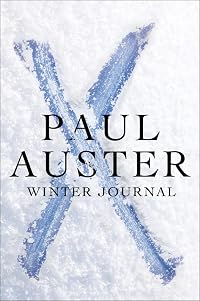
Winter Journal
by Paul Auster
On This Page
Description
From the bestselling novelist and author of The Invention of Solitude, a moving and highly personal meditation on the body, time, and language itself"That is where the story begins, in your body, and everything will end in the body as well. Facing his sixty-third winter, internationally acclaimed novelist Paul Auster sits down to write a history of his body and its sensations-both pleasurable and painful. Thirty years after the publication of The Invention of Solitude, in which he wrote so show more movingly about fatherhood, Auster gives us a second unconventional memoir in which he writes about his mother's life and death. Winter Journal is a highly personal meditation on the body, time, and memory, by one of our most intellectually elegant writers. show lessTags
Recommendations


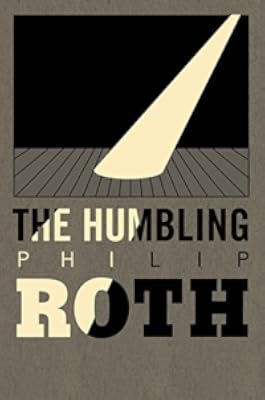
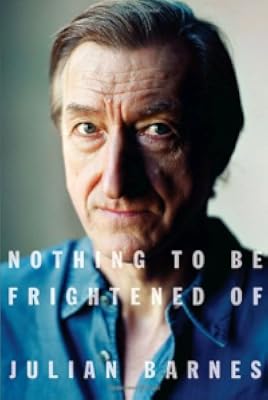
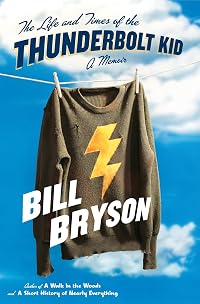
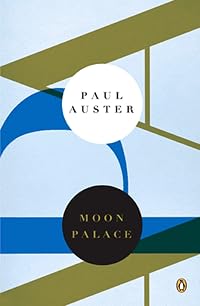

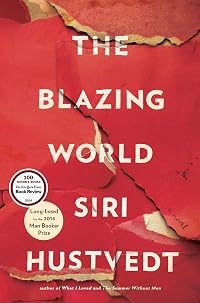
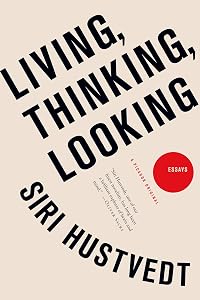
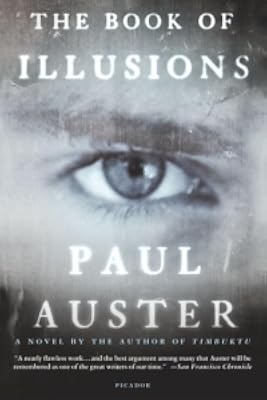
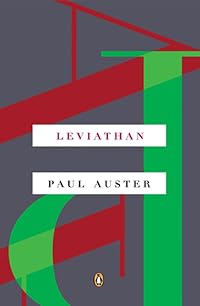
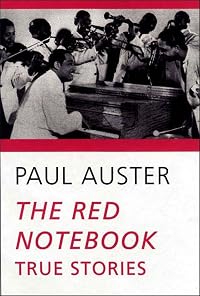



Member Recommendations
JuliaMaria Lydia Davis ware die erste Ehefrau von Paul Auster, die er in seiner Autobiografie allerdings nicht beim Namen nennt.

JuliaMaria Die Du-Ausgabe enthält z.B. Fotos der Straßen, die im Winter-Journal als Aufzählung seiner verschiedensten Wohnorte beschrieben werden sowie ergänzend verschiedene Interviews.
JuliaMaria Siri Hustvedt ist die zweite Ehefrau von Paul Auster, der er in diesen Memoiren huldigt (auch wenn es in diesen Memoiren eigentlich um seine Eltern geht). Ihre Nervenprobleme werden nicht weiter angesprochen, die Breite ihres Interesses auch außerhalb der Belletristik jedoch hervorgehoben.
JuliaMaria Memoiren des Ehepaars
Member Reviews
Vannak jó könyvek (meg közepesek, meg rosszak), vannak érdekesek, jól megírtak, kísérletezőek, eredetiek, intellektuális kihívásokat tartogatók, líraiak, stb. És van Auster. Annyival magasabb szinten műveli az írást, mintha nem is ugyanazok a szavak állnának rendelkezésére, mint a többieknek. (Vagy mint nekem, tessék, én meg ezt művelem velük, szegények.)
Idén hét év után jelent meg új regénye, a 4 3 2 1, zseniális volt. E/3-ban, négy lehetséges életet varázsolt egyetlen főszereplőjének. Örülök, hogy azt olvastam előbb, mert így csak sejthettem, mennyi az önéletrajzi elem, de érezhető volt, hogy bőven akad. Itt pedig nyugodtan rácsodálkozhattam az onnan ismerős eseményekre, és arra show more a leckére is, amit ott már átadott („Egy pillanat alatt megváltozhat minden. Ezt annyira megtanulja az olvasó, hogy előfordult, hogy egy szereplő felállt a székről, és lélegzetvisszafojtva vártam, mi fog történni. (Semmi. Ez is benne van a pakliban.)” vö. "the bolt of lightning that had killed your friend when you were fourteen had taught you that the world was capricious and unstable, that the future can be stolen from us at any moment, that the sky is full of lightning bolts that can crash down and kill the young as well as the old, and always, always, the lightning strikes when we are least expecting it.").
Ezúttal leültet, és E/2-ben mesél. Magának, de mégis nekem. Az olvasónak, persze, akár millióknak, de annyira személyes élmény, mintha ott ülne velem egy csendes, barátságos szobában, és csak mesélne. Végig nyugodt hangon, a legmegrázóbb, hirtelen csattanó részeknél is. Hiszen ez neki már nem váratlan pofon, ő most csak elmondja neked. Nekem.
Az utolsó oldalakra muszáj voltam ismét rákészülni, nem akartam, hogy vége legyen. Először utazós könyv volt, de nem való tömegközlekedésre. Úgy ír, hogy az ember (én, naná) önkéntelenül is reagál. Amikor megsérült, azt vettem észre, hogy grimaszolok, és mindjárt leesem a székről, annyira próbálom elkerülni az ütközést. Jóval később a könnyeimet nyeltem ezerrel a metrón, alig bírtam összeszedni magam, hogy menjek tovább. Akkor láttam be, hogy ezt nem lehet emberek közt olvasni. Olyan pontosan ad át minden testi és lelki fájdalmat, hogy az olvasó (igen, én) kénytelen vele szenvedni. Mindezt az elsősorban fiatal költőknél tetten érhető „nagyon pontosan el akarom mondani, hogy nekem milyen, hogy teljesen ugyanazt érezd” erőlködése nélkül. Persze a jót is elmondja, az izgalmasat, a szívmelengetőt. Fejezetekre tagolás nélkül, csak bekezdések vannak, a testi érzetek, később lakcímek, még később témák köré csoportosítva, az utolsó oldalon finoman visszakanyarodva az elsőhöz, számot vet egy élettel. Az első mondatban megszólít, és onnan csak figyelsz, ahogy ez a végtelenül intelligens ember mesél. Magának. Neked. Nekem. Gyönyörű.
Az első mondatot még itt hagyom nektek, a többit is érdemes, olvassátok: "You think it will never happen to you, that it cannot happen to you, that you are the only person in the world to whom none of these things will ever happen, and then, one by one, they all begin to happen to you, in the same way they happen to everyone else."
(Személyes széljegyzet: eredetileg ezt a könyvet akartam vinni a novemberi molyklubra, halál témában, mert a fülszöveg ilyesmit is ígér, és szerettem volna a kedvenc írómat ajánlani. Végül nem olvastam el időben, és csak sokára jutunk el a sok különböző halálig. Akkor viszont agyonüt vele (lásd: metrón nem olvassuk). Maga a könyv, mármint az én példányom is különleges. Barcelonában vettem, a La Ramblán, mert mit csinál ott az ember, hát bemegy a könyvesboltba. Az első olyan születésnapom volt, amikor már nem volt anyukám. Előző évben halt meg, akkor, amikor ez a könyv megjelent. Auster édesanyja tíz évvel korábban. Nekem öt év kellett, hogy eljussak odáig, hogy el is olvasom, de valamiért most volt itt az ideje.) show less
Idén hét év után jelent meg új regénye, a 4 3 2 1, zseniális volt. E/3-ban, négy lehetséges életet varázsolt egyetlen főszereplőjének. Örülök, hogy azt olvastam előbb, mert így csak sejthettem, mennyi az önéletrajzi elem, de érezhető volt, hogy bőven akad. Itt pedig nyugodtan rácsodálkozhattam az onnan ismerős eseményekre, és arra show more a leckére is, amit ott már átadott („Egy pillanat alatt megváltozhat minden. Ezt annyira megtanulja az olvasó, hogy előfordult, hogy egy szereplő felállt a székről, és lélegzetvisszafojtva vártam, mi fog történni. (Semmi. Ez is benne van a pakliban.)” vö. "the bolt of lightning that had killed your friend when you were fourteen had taught you that the world was capricious and unstable, that the future can be stolen from us at any moment, that the sky is full of lightning bolts that can crash down and kill the young as well as the old, and always, always, the lightning strikes when we are least expecting it.").
Ezúttal leültet, és E/2-ben mesél. Magának, de mégis nekem. Az olvasónak, persze, akár millióknak, de annyira személyes élmény, mintha ott ülne velem egy csendes, barátságos szobában, és csak mesélne. Végig nyugodt hangon, a legmegrázóbb, hirtelen csattanó részeknél is. Hiszen ez neki már nem váratlan pofon, ő most csak elmondja neked. Nekem.
Az utolsó oldalakra muszáj voltam ismét rákészülni, nem akartam, hogy vége legyen. Először utazós könyv volt, de nem való tömegközlekedésre. Úgy ír, hogy az ember (én, naná) önkéntelenül is reagál. Amikor megsérült, azt vettem észre, hogy grimaszolok, és mindjárt leesem a székről, annyira próbálom elkerülni az ütközést. Jóval később a könnyeimet nyeltem ezerrel a metrón, alig bírtam összeszedni magam, hogy menjek tovább. Akkor láttam be, hogy ezt nem lehet emberek közt olvasni. Olyan pontosan ad át minden testi és lelki fájdalmat, hogy az olvasó (igen, én) kénytelen vele szenvedni. Mindezt az elsősorban fiatal költőknél tetten érhető „nagyon pontosan el akarom mondani, hogy nekem milyen, hogy teljesen ugyanazt érezd” erőlködése nélkül. Persze a jót is elmondja, az izgalmasat, a szívmelengetőt. Fejezetekre tagolás nélkül, csak bekezdések vannak, a testi érzetek, később lakcímek, még később témák köré csoportosítva, az utolsó oldalon finoman visszakanyarodva az elsőhöz, számot vet egy élettel. Az első mondatban megszólít, és onnan csak figyelsz, ahogy ez a végtelenül intelligens ember mesél. Magának. Neked. Nekem. Gyönyörű.
Az első mondatot még itt hagyom nektek, a többit is érdemes, olvassátok: "You think it will never happen to you, that it cannot happen to you, that you are the only person in the world to whom none of these things will ever happen, and then, one by one, they all begin to happen to you, in the same way they happen to everyone else."
(Személyes széljegyzet: eredetileg ezt a könyvet akartam vinni a novemberi molyklubra, halál témában, mert a fülszöveg ilyesmit is ígér, és szerettem volna a kedvenc írómat ajánlani. Végül nem olvastam el időben, és csak sokára jutunk el a sok különböző halálig. Akkor viszont agyonüt vele (lásd: metrón nem olvassuk). Maga a könyv, mármint az én példányom is különleges. Barcelonában vettem, a La Ramblán, mert mit csinál ott az ember, hát bemegy a könyvesboltba. Az első olyan születésnapom volt, amikor már nem volt anyukám. Előző évben halt meg, akkor, amikor ez a könyv megjelent. Auster édesanyja tíz évvel korábban. Nekem öt év kellett, hogy eljussak odáig, hogy el is olvasom, de valamiért most volt itt az ideje.) show less
This review is long in coming but I can say without hyperbole that Auster is an artist, God help me I'll even say he's a 'writer's writer'. And funnily enough I'm expressing this sentiment based on this book, essentially, his memoirs (as opposed to the novels of fiction Auster's made his bones with). But in this case Auster's skill transcends genre. He does this so well in fact that Paul Auster manages to do something most writers can't pull off, that is, make the banal realities of day to day waking life not only seem interesting but meaningful as well. A rare feat.
Of special note is Auster's occupying of that fascinating no-man's land between being an 'American/English language writer' and a 'Jewish writer'. Unlike certain other show more Jewish writers like Philip Roth or (way across the pond) Amos Oz and A.B. Yehoshua, and certainly unlike Saul Bellow, Auster wears his Jewishness lightly but not transiently (as opposed to incredibly heavily like the aforementioned writers). It's a part of his personal mythos, as evidenced in this memoir, and certainly holds some integral sway over his fiction (The New York Trilogy has this woven in expertly) but it never becomes either a clarion call or a divine in hand judgment, or even a cultural opposing akin to Spinoza's expulsion, Kafka's neurosis or the like. It's fascinating to read and makes it a joy to see a thoroughly Secular but still very Jewish mindset creating art unconstrained by self-afflicted cultural obligation. show less
Of special note is Auster's occupying of that fascinating no-man's land between being an 'American/English language writer' and a 'Jewish writer'. Unlike certain other show more Jewish writers like Philip Roth or (way across the pond) Amos Oz and A.B. Yehoshua, and certainly unlike Saul Bellow, Auster wears his Jewishness lightly but not transiently (as opposed to incredibly heavily like the aforementioned writers). It's a part of his personal mythos, as evidenced in this memoir, and certainly holds some integral sway over his fiction (The New York Trilogy has this woven in expertly) but it never becomes either a clarion call or a divine in hand judgment, or even a cultural opposing akin to Spinoza's expulsion, Kafka's neurosis or the like. It's fascinating to read and makes it a joy to see a thoroughly Secular but still very Jewish mindset creating art unconstrained by self-afflicted cultural obligation. show less
You are approaching your sixty-fourth birthday and your thoughts become increasingly reflective. As memories from events in your past come flooding back—some from more than a half-century ago—you struggle to make sense of what they all mean. A celebrated novelist by trade, you naturally think to put order and context to your reflections in the form of a memoir. The result is Winter Journal, an honest and moving meditation as you enter the last season of your life.
While admittedly weak, the previous description, which is written in Auster’s oddly effective second-person narrative style, provides an adequate summary of what the reader will find in this book. As the author himself so aptly puts it, a writer’s job is “to explore show more the interior of his own head”. Most of the time, of course, this exploration has involved him stretching the limits of imagination to produce compelling fiction; here, though, he pours over memories from a boyhood spent fighting and seeking knowledge, his myriad casual and meaningful relationships with women (including two marriages: one turbulent, one lasting), his academic and professional career, dealing with anti-Semitic incidents, and, especially, the life and death of his mother.
As any fan of Auster’s fiction knows, his stories are inventive, complex, and anything but straightforward. Unsurprisingly, then, his autobiography is not told in a simple, linear manner either. Since the search for one’s identity is a recurring theme in many of his novels, it seems natural for the author to write a book in which he scours the past for his own. (Actually, this is the second memoir he has written; The Invention of Solitude appeared thirty years earlier.) One intriguing device he uses in developing this history is to relive the most poignant moments spent in the twenty-one apartments or houses he has inhabited throughout his life in both the United States and France.
Without question, Auster has led an interesting life. In truth, though, his life is not appreciably more or less interesting than those of a lot of people who have felt compelled to write their own autobiographies. What sets Winter Journal apart is the quality of the writing itself and it was this craftsmanship that made this a very satisfying reading experience. show less
While admittedly weak, the previous description, which is written in Auster’s oddly effective second-person narrative style, provides an adequate summary of what the reader will find in this book. As the author himself so aptly puts it, a writer’s job is “to explore show more the interior of his own head”. Most of the time, of course, this exploration has involved him stretching the limits of imagination to produce compelling fiction; here, though, he pours over memories from a boyhood spent fighting and seeking knowledge, his myriad casual and meaningful relationships with women (including two marriages: one turbulent, one lasting), his academic and professional career, dealing with anti-Semitic incidents, and, especially, the life and death of his mother.
As any fan of Auster’s fiction knows, his stories are inventive, complex, and anything but straightforward. Unsurprisingly, then, his autobiography is not told in a simple, linear manner either. Since the search for one’s identity is a recurring theme in many of his novels, it seems natural for the author to write a book in which he scours the past for his own. (Actually, this is the second memoir he has written; The Invention of Solitude appeared thirty years earlier.) One intriguing device he uses in developing this history is to relive the most poignant moments spent in the twenty-one apartments or houses he has inhabited throughout his life in both the United States and France.
Without question, Auster has led an interesting life. In truth, though, his life is not appreciably more or less interesting than those of a lot of people who have felt compelled to write their own autobiographies. What sets Winter Journal apart is the quality of the writing itself and it was this craftsmanship that made this a very satisfying reading experience. show less
 This review was written for LibraryThing Early Reviewers.
Perhaps it is something as simple as this: that a man fears death more at fifty-seven than he does at seventy-four.
I’ve only read Paul Auster’s nonfiction but I love it -- whether it’s life’s coincidences in The Red Notebook or this memoir on aging, written over a winter as Auster moves from midlife toward old age. I also feel that the total of an Auster book is less than the sum of its parts. In other words: I love the reading but like the overall work somewhat less.
Here he journals about his first 64 years and filters his recollections through his body and the spaces around and within it. It’s a chapter-less sequence of musings with just the occasional space on a page to separate vignettes. It’s written entirely in show more second-person point of view -- which immediately raised my guard and then surprised me by becoming less visible and even pulling me into the experience just like it’s supposed to. The best passages are the sections of 8-10 pages of solid, unparagraphed text, where he dives deeper and takes the reader along; I grew to love seeing them ahead.
Whereas Auster wrote about his father in The Invention of Solitude, here he writes about his mother, including this passage from a night after they visited her gravely ill second husband in the hospital:
…just when you thought it would be impossible for anyone to say another word, when the heaviness in your hearts seemed to have crushed all the words out of you, your mother started telling jokes {…} jokes so funny that you and your wife laughed until you could hardly breathe anymore {…} an unending torrent of classic yenta routines with all the appropriate voices and accents, the old Jewish women sitting around a card table and sighing, each one sighing in turn, each one sighing more loudly than the last, until one of the women finally says, “I thought we agreed not to talk about the children.”
And then this:
You have seen several corpses in the past {…} but none of those corpses belonged to your mother, no other dead body was the body in which your own life began, and you can look for no more than a few seconds before you turn your head away.
As a whole, it feels like a journal -- a notebook filled with stream-of-consciousness writing from prompts in a memoir class (especially the 53 pages -- one-fourth of the book -- that recall the place of his birth and his 21 residential addresses since). Yet the pages are so good! I’m definitely going to read the rest of his nonfiction.
(Review based on an advance reading copy provided by the publisher.) show less
I’ve only read Paul Auster’s nonfiction but I love it -- whether it’s life’s coincidences in The Red Notebook or this memoir on aging, written over a winter as Auster moves from midlife toward old age. I also feel that the total of an Auster book is less than the sum of its parts. In other words: I love the reading but like the overall work somewhat less.
Here he journals about his first 64 years and filters his recollections through his body and the spaces around and within it. It’s a chapter-less sequence of musings with just the occasional space on a page to separate vignettes. It’s written entirely in show more second-person point of view -- which immediately raised my guard and then surprised me by becoming less visible and even pulling me into the experience just like it’s supposed to. The best passages are the sections of 8-10 pages of solid, unparagraphed text, where he dives deeper and takes the reader along; I grew to love seeing them ahead.
Whereas Auster wrote about his father in The Invention of Solitude, here he writes about his mother, including this passage from a night after they visited her gravely ill second husband in the hospital:
…just when you thought it would be impossible for anyone to say another word, when the heaviness in your hearts seemed to have crushed all the words out of you, your mother started telling jokes {…} jokes so funny that you and your wife laughed until you could hardly breathe anymore {…} an unending torrent of classic yenta routines with all the appropriate voices and accents, the old Jewish women sitting around a card table and sighing, each one sighing in turn, each one sighing more loudly than the last, until one of the women finally says, “I thought we agreed not to talk about the children.”
And then this:
You have seen several corpses in the past {…} but none of those corpses belonged to your mother, no other dead body was the body in which your own life began, and you can look for no more than a few seconds before you turn your head away.
As a whole, it feels like a journal -- a notebook filled with stream-of-consciousness writing from prompts in a memoir class (especially the 53 pages -- one-fourth of the book -- that recall the place of his birth and his 21 residential addresses since). Yet the pages are so good! I’m definitely going to read the rest of his nonfiction.
(Review based on an advance reading copy provided by the publisher.) show less
Más que una novela biográfica (que lo es), este ‘Diario de invierno’ de Paul Auster es un compendio de recuerdos, vivencias y pensamientos, que como si de postales se tratase, son relatados de manera fragmentada pero apasionante.
Paul Auster escribió este diario en el invierno 2010-11, y lo terminó coincidiendo con su cumpleaños que es el 3 de febrero, cuando cumplió 64 años. ‘Diario de invierno’ es por tanto una revisión de lo que hasta ese momento fue la vida de Auster. No se trata de una biografía exhaustiva ni mucho menos. Son más bien anécdotas, recuerdos, sensaciones, a veces de una línea otras de varias páginas, donde el autor va dando saltos entre el presente y el pasado. Para ello Auster utiliza la segunda show more persona del singular, y de esta forma parece una historia más novelada.
Lo que nos relata Auster en su libro son las pequeñas historias de su vida, como las heridas y percances que ha ido teniendo desde su nacimiento, los hogares en los que ha vivido, los amores de su vida, etc. Destacan los episodios dedicados a su madre, que tan importante fue para Auster, y la relación tan especial y romántica que mantiene Auster con su mujer Siri, con la que ya lleva casado más de treinta años.
‘Diario de invierno’ se lee muy placenteramente, y es toda una delicia adentrarse en la prosa de Auster. El libro se hace corto, y seguramente podría y debería haber dado para más anécdotas e historias, pero Auster es un tipo especial hasta para contar su vida. show less
Paul Auster escribió este diario en el invierno 2010-11, y lo terminó coincidiendo con su cumpleaños que es el 3 de febrero, cuando cumplió 64 años. ‘Diario de invierno’ es por tanto una revisión de lo que hasta ese momento fue la vida de Auster. No se trata de una biografía exhaustiva ni mucho menos. Son más bien anécdotas, recuerdos, sensaciones, a veces de una línea otras de varias páginas, donde el autor va dando saltos entre el presente y el pasado. Para ello Auster utiliza la segunda show more persona del singular, y de esta forma parece una historia más novelada.
Lo que nos relata Auster en su libro son las pequeñas historias de su vida, como las heridas y percances que ha ido teniendo desde su nacimiento, los hogares en los que ha vivido, los amores de su vida, etc. Destacan los episodios dedicados a su madre, que tan importante fue para Auster, y la relación tan especial y romántica que mantiene Auster con su mujer Siri, con la que ya lleva casado más de treinta años.
‘Diario de invierno’ se lee muy placenteramente, y es toda una delicia adentrarse en la prosa de Auster. El libro se hace corto, y seguramente podría y debería haber dado para más anécdotas e historias, pero Auster es un tipo especial hasta para contar su vida. show less
"Winter Journal" is a memoir of Paul Auster's body––which is not to say a memoir devoid of any psychology or emotion, but rather one in which the psychology and emotion always arise through somatic reflection: insomnia recalling certain memories, panic attacks as a means of introducing the topic of a mother's death, STI's as reminders of lovers past. The book is a catalogue of everything Auster's body has suffered and everywhere Auster's body has been, and thus a record of everything Auster himself has experienced. Auster's embrace of his own corporeality is comforting, and provides a fascinating look in on a life which might not have been quite as interesting if rehearsed in a more straightforward fashion. Furthermore, Auster's show more attention to his body is, of course, also attention to his mortality, making "Winter Journal" a fitting account not only of a life but of a life in the face of death. show less
This review was written for LibraryThing Early Reviewers.A very personal yet completely universal memoir, Paul Auster shares his life in brief passages that range all the way from basically biological to elegantly spiritual. Childhood, adolescence, marriages, parenthood and loss of parents, travel, injuries, true love, mistakes, food, family, abodes, baseball. He has written this journal very gracefully in the second person and so you are taken in immediately - it is both a gentle and unrelenting mirror. Perhaps you are in no way similar to Paul Auster in age or gender or cultural background. Perhaps you have not traveled all over the world or become a renown writer. But you recognize what he is saying and discover how much you have in common with this fellow human. You find yourself show more nodding...yes, yes...that is how it is. You receive the gift of spending a bit of time with a wonderful writer and could very well pass this journal along to others - it seems that kind of book. show less
This review was written for LibraryThing Early Reviewers.Members
- Recently Added By
Lists

Best Autobiographies and Memoirs
370 works; 67 members

Books Read in 2014
2,343 works; 89 members

Second-person fiction
63 works; 3 members

Recommend the 20 best books you've read in the last five years
2,168 works; 606 members
Author Information

102+ Works 64,936 Members
Paul Auster was born on February 3, 1947, in Newark, New Jersey. He received a B.A. and a M.A. in English and Comparative Literature from Columbia University. In addition to his career as a writer, Auster has been a census taker, tutor, merchant seaman, little-league baseball coach, and a telephone operator. He started his writing career as a show more translator. He soon gained popularity for the detective novels that make up his New York Trilogy. His other works include The Invention of Solitude; Leviathan; Moon Palace; Facing the Music; In the Country of Last Things; The Music of Chance; Mr. Vertigo; and The Brooklyn Follies. His latest novels are entitled, Invisible and Sunset Park. In addition to his novels, Auster has written screenplays and directed several films. He is the recipient of a fellowship from the National Endowment for the Arts and a French Prix Medicis for Foreign Literature. (Bowker Author Biography) show less
Some Editions
Awards and Honors
Series
Belongs to Publisher Series
Common Knowledge
- Canonical title
- Winter Journal
- Original title
- Winter Journal
- Original publication date
- 2012
- People/Characters
- Paul Auster; Siri Hustvedt; Lydia Davis
- Important places
- New York, New York, USA
- First words
- Du tror at det aldrig vil ske for dig, at det ikke kan ske for dig, at du er det eneste menneske i verden for hvem ingen af disse ting nogensinde vi ske, og så, en efter en, begynder de at ske ......
You think it will never happen to you, that it cannot happen to you, that you are the only person in the world to whom none of these things will ever happen, and then, one by one, they all begin to happen to you, in the same ... (show all)way they happen to everyone else. - Last words
- (Click to show. Warning: May contain spoilers.)A door has closed. Another door has opened. You have entered the winter of your life.
- Original language
- English
Classifications
Statistics
- Members
- 1,014
- Popularity
- 25,695
- Reviews
- 56
- Rating
- (3.85)
- Languages
- 17 — Catalan, Danish, Dutch, English, Finnish, French, German, Galician, Greek, Hebrew, Italian, Norwegian (Bokmål), Polish, Portuguese, Spanish, Swedish, Turkish
- Media
- Paper, Audiobook, Ebook
- ISBNs
- 61
- ASINs
- 18
