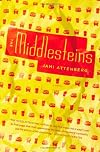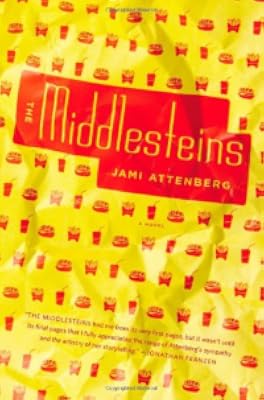
The Middlesteins
by Jami Attenberg
On This Page
Description
Two siblings with very different personalities attempt to take control of their mother's food obsession and massive weight gain to save her life after their father walks out and leaves her reeling in the Chicago suburbs.Tags
Recommendations
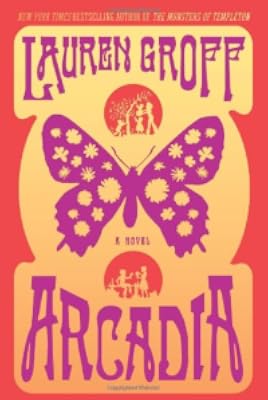
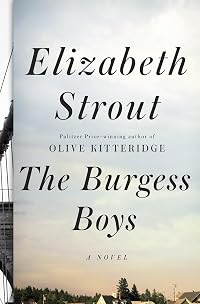
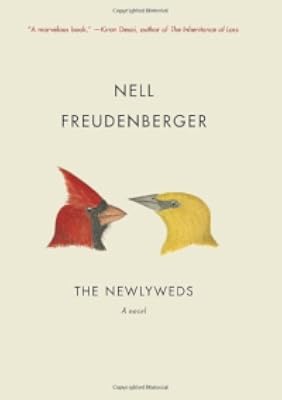
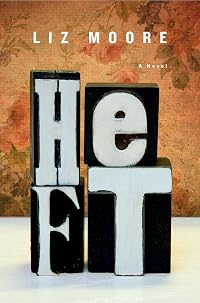

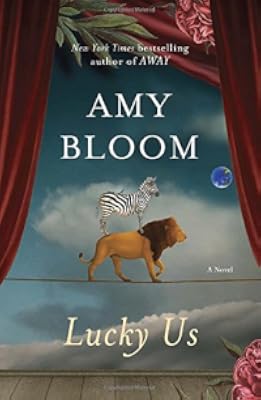
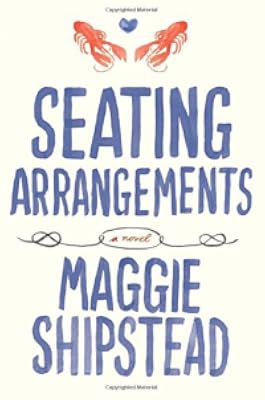
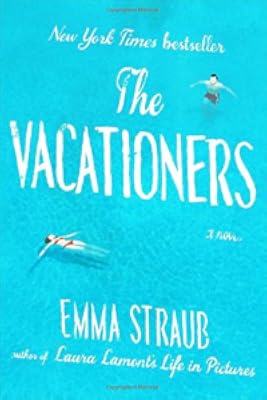
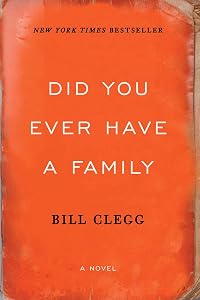
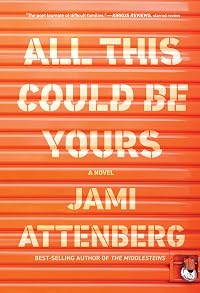

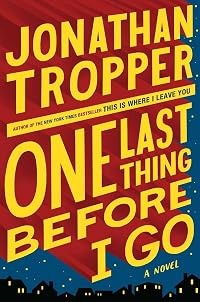
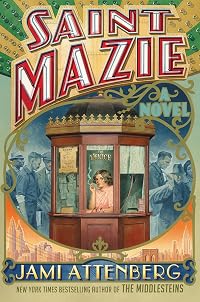
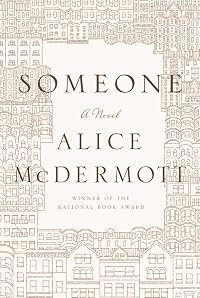
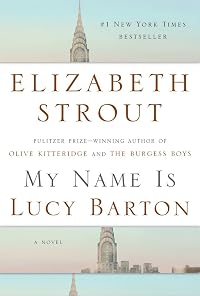
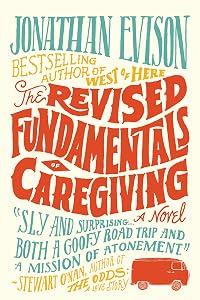
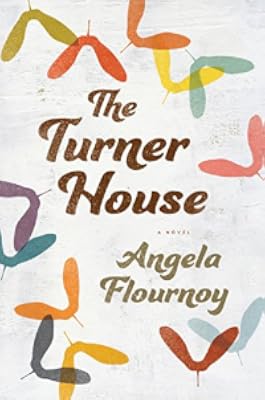
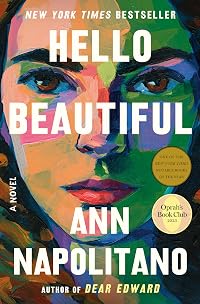
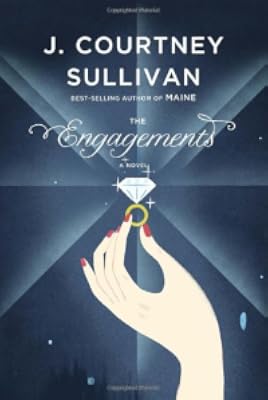
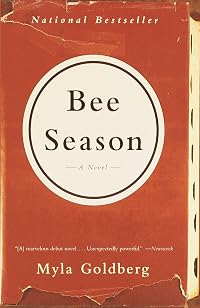
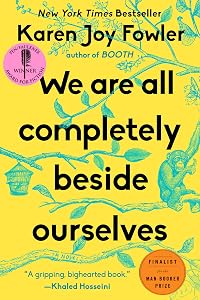
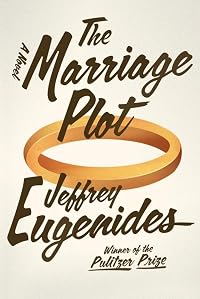
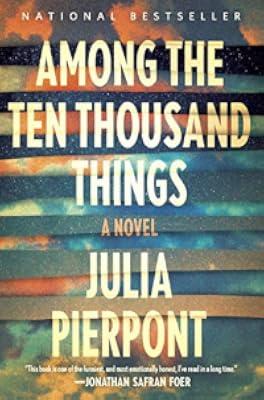

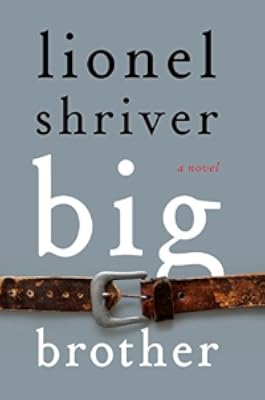
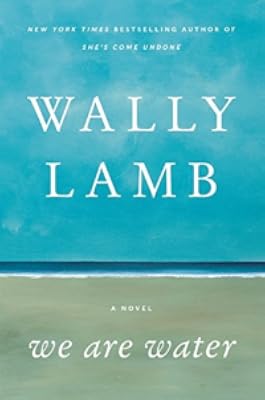
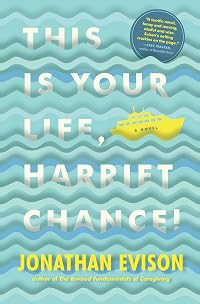


Member Recommendations

Member Reviews
This book kind of snuck up on me. I was reading along, enjoying it well enough, when I suddenly realized it had moved into the compelling read category - the kind of book that I hate to put down, can't wait to pick up again, and wish wouldn't end.
It's the story of an unraveling family in Chicago, torn apart by the father's decision to leave his morbidly obese wife, a decision unfathomable and almost unforgivable to their two adult children. That Edie Middlestein is not a well woman is obvious, and her resistance to receiving any help frustrates her daughter, son, and daughter-in-law, but it is Richard who bears the brunt of their anger as he tries to reclaim some semblance of a life of his own.
For me, the fact of Edie's obesity was show more secondary to the story - this is not a book about a fat woman. It's about the different kinds of relationships we forge in life, how they grow and evolve and, yes, disintegrate, and it's about acceptance of what we can control and what we can't. In that way, Jami Attenberg has written a thoughtful novel, full of interesting characters, well-developed relationships, and some darkly comic moments.
"But what reason would Robin have to trust her with her heart? Even if Edie was sharing her own heart with her now. No, not sharing. That was too casual a word. She was digging her fingertips into her breastbone and clawing her way inside through her skin, excavating through blood and bones, mining her flesh for that precious beating object, and then laying it in front of her daughter for her judgment." (page 131-132) show less
It's the story of an unraveling family in Chicago, torn apart by the father's decision to leave his morbidly obese wife, a decision unfathomable and almost unforgivable to their two adult children. That Edie Middlestein is not a well woman is obvious, and her resistance to receiving any help frustrates her daughter, son, and daughter-in-law, but it is Richard who bears the brunt of their anger as he tries to reclaim some semblance of a life of his own.
For me, the fact of Edie's obesity was show more secondary to the story - this is not a book about a fat woman. It's about the different kinds of relationships we forge in life, how they grow and evolve and, yes, disintegrate, and it's about acceptance of what we can control and what we can't. In that way, Jami Attenberg has written a thoughtful novel, full of interesting characters, well-developed relationships, and some darkly comic moments.
"But what reason would Robin have to trust her with her heart? Even if Edie was sharing her own heart with her now. No, not sharing. That was too casual a word. She was digging her fingertips into her breastbone and clawing her way inside through her skin, excavating through blood and bones, mining her flesh for that precious beating object, and then laying it in front of her daughter for her judgment." (page 131-132) show less
As I was halfway through this book, I thought it was a 3-star read, maybe a 3.5: well written, insightful, but somehow lacking in the plot and perhaps in the central conundrum of the novel, which is why is Edie Middlestein eating herself to death.
Then I reached the final third of the novel, and slowly but inexorably the stories and the characters began to come together, to tighten, to resolve in the only way the novel was probably going to end but then punching me in the heart. Love, and food, and second chances, and terrible mistakes, and family, and failure, and hope, all served alongside the most delicious Chinese food.
Then I reached the final third of the novel, and slowly but inexorably the stories and the characters began to come together, to tighten, to resolve in the only way the novel was probably going to end but then punching me in the heart. Love, and food, and second chances, and terrible mistakes, and family, and failure, and hope, all served alongside the most delicious Chinese food.
This novel has many of the ingredients of a contemporary suburban comedy: gently extreme but non-self-aware characters; a telescopic perspective that can examine these characters over a sixty-year span (and beyond, since at points, as though the author is bored with the story she is telling, she leaps far into the future of individual characters in order to give the reader a glimpse of how their life turns out); a self-inflicted crisis; and some impending high-pressure occasions that will force all of the characters into close proximity. You might think that all one need do with such ingredients is to throw them in a bowl, stir them up, place the mixture on the stove and let it simmer. Thus the difference between a cook and a chef: it's show more love. A writerly chef loves all of her characters, whatever their flaws, and works hard to bring them fully to life. The cook is satisfied with whatever results from the recipe no matter how bland and tasteless it might be. It seems strange that a book so focused on food (at least superficially) should end up being so processed and flat.
And it's not funny either, which might have been a saving grace. It's not even quirkily observant and sweet. It's the kind of book you would otherwise be happy to leave at the cottage after a summer read, but you don't because you don't want to clutter up the cottage with stuff you'll definitely never use again.
All of which makes the effusive blurbs quoted in the copy I had virtually inexplicable. show less
And it's not funny either, which might have been a saving grace. It's not even quirkily observant and sweet. It's the kind of book you would otherwise be happy to leave at the cottage after a summer read, but you don't because you don't want to clutter up the cottage with stuff you'll definitely never use again.
All of which makes the effusive blurbs quoted in the copy I had virtually inexplicable. show less
For a relatively short novel, there is a lot packed between the pages of Jami Attenberg’s The Middlesteins There is the family dynamic of the Middlesteins – overbearing and obese Edie, mild-mannered and obfuscated Richard, peace-loving Benny, argumentative and lost Robin, perfectionist and obdurate Rachelle, and then the twins who are forced to navigate their way around the chaos. Their relationships to one another provided the backbone of the entire novel, as each comes to grips with the disruption to the family that Richard’s departure has caused. Then there is the psychological and physiological issues of food. The complex interactions and relationships with each other, with their neighbors and friends, and with the inanimate show more objects with which they surround themselves are by turns hilarious, bittersweet, and heartbreaking and provide the ultimate tale for the modern era.
Food and obesity are very much at the top of current cultural awareness, and Ms. Attenberg uses the heightened consciousness to create scenarios and characters to which any reader can relate. Through Edie and Rachelle, she maneuvers through the complicated psychological and devastating physiological side effects of food obsessions, thereby allowing the reader to understand that there are no easy answers and no quick fixes to this extremely hot topic. For Edie, food is love and happiness and fills a persistent emotional void, while Rachelle sees it as just one more item to control within her sharply ordered life. Whereas Edie eats to find solace, Rachelle stops eating or drastically reduces her eating to create order among chaos. Both women’s approaches to food are unhealthy in the extreme. Interestingly enough, while Rachelle explains her actions as being the healthy choice, as setting an example for her children and for her mother-in-law, it is towards Edie that the reader sympathizes. With all of her health issues and her unwholesome attitudes towards food, a reader knows that at least hers is a love affair with the very objects that cross her lips. A reader understands that to take away the very thing she most loves in the world would be a surer death sentence than all the food-attributed diseases that currently ravage her body. Still, while a reader might sympathize or identify with Edie more than Rachelle, a reader is simultaneously horrified by Edie’s own actions and reactions to food. The descriptions of her eating habits tends towards the obscene while the descriptions of her health issues are a disgusting reminder of how dangerous a weapon food can be. It is a multifaceted reaction to a convoluted situation that continues to confound experts and novices alike.
Much like the food issues, a reader’s reactions and opinions of the Middlestein family is thoroughly complex. Even disregarding her weight, Edie is a major force within the lives of the Middlesteins and their circle of influence. Much like within her own family, a reader’s reaction to her is decidedly mixed. One can admire her generosity towards others while at the same time abhor her relationship towards her husband. Similarly, one can sympathize with Richard’s reasons for leaving Edie and desire for happiness while disapproving of the timing of his decision. The same holds true for the rest of the family. They are all neither completely good nor completely evil, and a reader will find himself fluctuating wildly among differing opinions for each of them. In other words, it is a family that is as close to realistic as one can possibly get in a work of fiction.
The Middlestein family consists of strong, opinionated family members, and The Middlesteins reflects this passionate dynamic with its easy evocation of fierce emotions and intense opinions about each of the characters. The fact that these opinions and emotions vacillate so often in the course of the novel is proof that Ms. Attenberg understands familial relationships and the duality of humanity. She tackles the intricate issues of relationships and obsessions with delicacy and with spot-on wit that eases the sting of the realism behind her words. The Middlesteins is a take-no-prisoners type of novel and at 288 pages, it is a short but extremely powerful read designed to get people thinking about their own relationships while shining the spotlight on the evolving and increasingly urgent obesity epidemic.
Acknowledgments: Thank you to NetGalley and to Hachette Book Group for my review copy! show less
Food and obesity are very much at the top of current cultural awareness, and Ms. Attenberg uses the heightened consciousness to create scenarios and characters to which any reader can relate. Through Edie and Rachelle, she maneuvers through the complicated psychological and devastating physiological side effects of food obsessions, thereby allowing the reader to understand that there are no easy answers and no quick fixes to this extremely hot topic. For Edie, food is love and happiness and fills a persistent emotional void, while Rachelle sees it as just one more item to control within her sharply ordered life. Whereas Edie eats to find solace, Rachelle stops eating or drastically reduces her eating to create order among chaos. Both women’s approaches to food are unhealthy in the extreme. Interestingly enough, while Rachelle explains her actions as being the healthy choice, as setting an example for her children and for her mother-in-law, it is towards Edie that the reader sympathizes. With all of her health issues and her unwholesome attitudes towards food, a reader knows that at least hers is a love affair with the very objects that cross her lips. A reader understands that to take away the very thing she most loves in the world would be a surer death sentence than all the food-attributed diseases that currently ravage her body. Still, while a reader might sympathize or identify with Edie more than Rachelle, a reader is simultaneously horrified by Edie’s own actions and reactions to food. The descriptions of her eating habits tends towards the obscene while the descriptions of her health issues are a disgusting reminder of how dangerous a weapon food can be. It is a multifaceted reaction to a convoluted situation that continues to confound experts and novices alike.
Much like the food issues, a reader’s reactions and opinions of the Middlestein family is thoroughly complex. Even disregarding her weight, Edie is a major force within the lives of the Middlesteins and their circle of influence. Much like within her own family, a reader’s reaction to her is decidedly mixed. One can admire her generosity towards others while at the same time abhor her relationship towards her husband. Similarly, one can sympathize with Richard’s reasons for leaving Edie and desire for happiness while disapproving of the timing of his decision. The same holds true for the rest of the family. They are all neither completely good nor completely evil, and a reader will find himself fluctuating wildly among differing opinions for each of them. In other words, it is a family that is as close to realistic as one can possibly get in a work of fiction.
The Middlestein family consists of strong, opinionated family members, and The Middlesteins reflects this passionate dynamic with its easy evocation of fierce emotions and intense opinions about each of the characters. The fact that these opinions and emotions vacillate so often in the course of the novel is proof that Ms. Attenberg understands familial relationships and the duality of humanity. She tackles the intricate issues of relationships and obsessions with delicacy and with spot-on wit that eases the sting of the realism behind her words. The Middlesteins is a take-no-prisoners type of novel and at 288 pages, it is a short but extremely powerful read designed to get people thinking about their own relationships while shining the spotlight on the evolving and increasingly urgent obesity epidemic.
Acknowledgments: Thank you to NetGalley and to Hachette Book Group for my review copy! show less
I have a very conflicted relationship with food. I know that I eat for more than just sustenance. When we moved when I was in high school, I gained 30 pounds in 3 months. Was I growing? Possibly. But I clearly turned to food as comfort at that point in my life (and at other points subsequently). I was lucky though because I was a very active kid and that didn't dump me into the obese range. Now that I'm a lot older and not so active, I still have a complicated relationship with food (and it shows). Even knowing that I turn to the great white psychiatrist (aka my fridge) or the comforting closet (aka my pantry) when I shouldn't, I can't seem to break the cycle of poor food choices and looking for solace in food. So I was very curious to show more read Jami Attenberg's new novel, The Middlesteins, about a wife, mother, and grandmother who is eating herself to death and the ways in which her immediate family handles both her compulsive overeating and the reasons behind it.
Edie Middlestein is killing herself with food. She is morbidly obese and suffering from advanced, uncontrolled diabetes and arterial disease, and she's facing surgery. It is at this point that Richard, her husband of forty some years, walks out on her and files for divorce. And while food is the set up and the biggest force in Edie's life, this is really more a novel about connection, family, belonging, and the ways we cope with, or fail to cope with, life than it is about the obesity epidemic swallowing the country. Edie has always used food to dull her feelings, right back into childhood when her mother used food as a reward and a solace for her emotionally needy daughter. Her weight has varied over the years (chapters start with the number on the scale at that point in her life) and we can see how outside events have negatively and positively affected that number once she has internalized them.
Edie became a wife, a mother, a lawyer but not one of those things filled the void in her like food does. She and Richard have not had a happy marriage for a long time and the timing of his leaving is viewed by their children as completely selfish. It alienates him from his family and friends but he can no longer sustain the life they have been leading. This leaves the care of Edie, in the aftermath of her surgery and her doctor's pronouncement that she will die if she doesn't curb her out of control appetite, to her children, riddled as they are with their own destructive tendencies and unhappy coping mechanisms. Middlestein son Benny smokes pot most evenings after his own teenaged twins are in bed. Benny's wife Rachelle obsessively tracks her own family's food and throws herself into planning an extravagant B'nai Mitzvah for the twins. Middlestein daughter Robin is an angry alcoholic who doesn't know how to maintain a healthy relationship. And it is these three adults, adrift in their own lives, publically competent but really only barely coping themselves, who suddenly feel a responsibility (and if truth be told, resentment as well) toward Edie and her health.
The novel is narrated by several of the characters, including a chorus of Edie and Richard's friends from synagogue, the people who are supposed to be Edie's tribe, and this gives the reader insight not only into others' feelings about Edie, her voracious eating, and Richard's defection from their house of recrimination and bitterness, but it also offers glimpses of their own stunted inability to love and to know how to live in this world. It is a grand view of everyone's dysfunction, which if not as personally destructive as Edie's gorging, is just as checked out of the deeper emotions of life. The emotional void and flat affect that looms over each of the characters makes this a tough, depressing, and even exhausting read. None of the characters was particularly connected, each refusing meaningful intervention in each others' lives, not just in the case of Edie, but really in all instances. Rife with unhappiness, Attenberg has offered no easy answers about either comfort food as a way to temporarily fill a hole nor about the way to embrace high emotion and ultimately to love. There are tiny glimmers of hope for the future in the text but they are overwhelmed by the more painful, lackluster lives of these characters who stand alone and isolated despite being a family. Well written and full of issues both personal and public, this might be uncomfortable to read but ultimately it is a great book club choice if you can stomach the bleakness of the tone. show less
Edie Middlestein is killing herself with food. She is morbidly obese and suffering from advanced, uncontrolled diabetes and arterial disease, and she's facing surgery. It is at this point that Richard, her husband of forty some years, walks out on her and files for divorce. And while food is the set up and the biggest force in Edie's life, this is really more a novel about connection, family, belonging, and the ways we cope with, or fail to cope with, life than it is about the obesity epidemic swallowing the country. Edie has always used food to dull her feelings, right back into childhood when her mother used food as a reward and a solace for her emotionally needy daughter. Her weight has varied over the years (chapters start with the number on the scale at that point in her life) and we can see how outside events have negatively and positively affected that number once she has internalized them.
Edie became a wife, a mother, a lawyer but not one of those things filled the void in her like food does. She and Richard have not had a happy marriage for a long time and the timing of his leaving is viewed by their children as completely selfish. It alienates him from his family and friends but he can no longer sustain the life they have been leading. This leaves the care of Edie, in the aftermath of her surgery and her doctor's pronouncement that she will die if she doesn't curb her out of control appetite, to her children, riddled as they are with their own destructive tendencies and unhappy coping mechanisms. Middlestein son Benny smokes pot most evenings after his own teenaged twins are in bed. Benny's wife Rachelle obsessively tracks her own family's food and throws herself into planning an extravagant B'nai Mitzvah for the twins. Middlestein daughter Robin is an angry alcoholic who doesn't know how to maintain a healthy relationship. And it is these three adults, adrift in their own lives, publically competent but really only barely coping themselves, who suddenly feel a responsibility (and if truth be told, resentment as well) toward Edie and her health.
The novel is narrated by several of the characters, including a chorus of Edie and Richard's friends from synagogue, the people who are supposed to be Edie's tribe, and this gives the reader insight not only into others' feelings about Edie, her voracious eating, and Richard's defection from their house of recrimination and bitterness, but it also offers glimpses of their own stunted inability to love and to know how to live in this world. It is a grand view of everyone's dysfunction, which if not as personally destructive as Edie's gorging, is just as checked out of the deeper emotions of life. The emotional void and flat affect that looms over each of the characters makes this a tough, depressing, and even exhausting read. None of the characters was particularly connected, each refusing meaningful intervention in each others' lives, not just in the case of Edie, but really in all instances. Rife with unhappiness, Attenberg has offered no easy answers about either comfort food as a way to temporarily fill a hole nor about the way to embrace high emotion and ultimately to love. There are tiny glimmers of hope for the future in the text but they are overwhelmed by the more painful, lackluster lives of these characters who stand alone and isolated despite being a family. Well written and full of issues both personal and public, this might be uncomfortable to read but ultimately it is a great book club choice if you can stomach the bleakness of the tone. show less
The basics: The Middlesteins is the story of the Middlestein family: its obese matriarch Edie, her husband Richard, their adult children Robin and Benny, and Benny's wife and children. The family lives in the Chicago suburbs and the narration shifts between these main characters and moves through time non-linearly.
My thoughts: The experience I had reading The Middlesteins is one of my favorites: I knew very little going into it, so I was able to enter the journey of this novel without any preconceptions. Early on, I fell hard for Robin's sharp, raw observations about herself and her world: "Robin looked at Daniel and had the meanest thought of her entire life. He'll do." I was so enamored with the way she sees the world, I was sad when show more the narration shifted to Benny's wife. Attenberg soon alleviated this pain, however, as I discovered each of the narrators were fascinating. I adore this scene, in which Rachelle outlines all of the lies she's told to her husband:
"She lies once or twice a month about going to matinees during the day by herself because she thinks he might begrudge her that pleasure when he works so hard himself, and this lie necessitates a double lie, one when he asks what she did that day, and two when they go to see a movie she has already seen and she has to pretend she hasn't seen it yet, which has led her husband to wonder if she has lost her sense of humor, or, in a more subtle way he has not been able to name yet, her capacity for joy, because she barely laughs at the jokes she already knows are coming."
Attenberg utilizes the most omniscient form of narration possible, as she alludes to past, present and future simultaneously: "And then there he was, in a suit (it was his only suit, but she didn't know that yet), and he was smiling (his happiest days were behind him the minute he met her, but he didn't know that yet)."
While the character development is the focus of this novel, there is an impressive amount of plot in The Middlesteins. At times it felt like a play, where the pieces and characters were getting into their places for the real action to begin: for the reader to catch up on the past and present and join the future of The Middlesteins.
Favorite passage: "We are allowed to have more than one feeling at once," said Kenneth. "We are human beings, not ants."
The verdict: Jami Attenberg is a beautiful, insightful writer, and The Middlesteins is the contemporary family saga at its best. In less than 300 pages, Attenberg fully forms multiple character-driven narratives into a cohesive, poignant, and moving novel. show less
My thoughts: The experience I had reading The Middlesteins is one of my favorites: I knew very little going into it, so I was able to enter the journey of this novel without any preconceptions. Early on, I fell hard for Robin's sharp, raw observations about herself and her world: "Robin looked at Daniel and had the meanest thought of her entire life. He'll do." I was so enamored with the way she sees the world, I was sad when show more the narration shifted to Benny's wife. Attenberg soon alleviated this pain, however, as I discovered each of the narrators were fascinating. I adore this scene, in which Rachelle outlines all of the lies she's told to her husband:
"She lies once or twice a month about going to matinees during the day by herself because she thinks he might begrudge her that pleasure when he works so hard himself, and this lie necessitates a double lie, one when he asks what she did that day, and two when they go to see a movie she has already seen and she has to pretend she hasn't seen it yet, which has led her husband to wonder if she has lost her sense of humor, or, in a more subtle way he has not been able to name yet, her capacity for joy, because she barely laughs at the jokes she already knows are coming."
Attenberg utilizes the most omniscient form of narration possible, as she alludes to past, present and future simultaneously: "And then there he was, in a suit (it was his only suit, but she didn't know that yet), and he was smiling (his happiest days were behind him the minute he met her, but he didn't know that yet)."
While the character development is the focus of this novel, there is an impressive amount of plot in The Middlesteins. At times it felt like a play, where the pieces and characters were getting into their places for the real action to begin: for the reader to catch up on the past and present and join the future of The Middlesteins.
Favorite passage: "We are allowed to have more than one feeling at once," said Kenneth. "We are human beings, not ants."
The verdict: Jami Attenberg is a beautiful, insightful writer, and The Middlesteins is the contemporary family saga at its best. In less than 300 pages, Attenberg fully forms multiple character-driven narratives into a cohesive, poignant, and moving novel. show less
The story of a Jewish Chicago family that crumbles under such dysfunction over the decades that it can't hold together anymore.
The matriarch, Edie, is by far the more dominant personality in her marriage, and has been able to push people into what she wants since she was a small child. Her husband, Richard, was an outgoing young husband who became a civic leader for some years, but the younger generations stopped shopping at his outdated pharmacy. Edie was a successful lawyer who gained a significant amount of weight and frightened everyone with her sudden anger, and her daughter and granddaughter are copies of her.
After 40 years of marriage, Richard finally left Edie, knowing for years that they would both be happier apart. He's right, show more but that doesn't stop the friends and family from taking sides and blaming Richard for the family falling apart.
Going between humor and despair, I always looked forward to picking this up again. show less
The matriarch, Edie, is by far the more dominant personality in her marriage, and has been able to push people into what she wants since she was a small child. Her husband, Richard, was an outgoing young husband who became a civic leader for some years, but the younger generations stopped shopping at his outdated pharmacy. Edie was a successful lawyer who gained a significant amount of weight and frightened everyone with her sudden anger, and her daughter and granddaughter are copies of her.
After 40 years of marriage, Richard finally left Edie, knowing for years that they would both be happier apart. He's right, show more but that doesn't stop the friends and family from taking sides and blaming Richard for the family falling apart.
Going between humor and despair, I always looked forward to picking this up again. show less
Members
- Recently Added By
Published Reviews
ThingScore 75
"The Middlesteins" is uncomfortable, funny in spots, and ultimately, hopeful that some sort of emotional connection is possible, even in a family fractured by silence.
added by KelMunger
Lists

jewish themed novels
25 works; 5 members

Dysfunctional Families
133 works; 7 members
Author Information

13+ Works 3,258 Members
Some Editions
Awards and Honors
Awards
Distinctions
Notable Lists
Common Knowledge
- Canonical title
- The Middlesteins
- Original title
- The Middlesteins
- Original publication date
- 2012-10-23
- People/Characters
- Edith Herzen Middlestein 'Edie'; Richard Middlestein; Benny Middlestein; Robin Middlestein; Rachelle Middlestein
- Important places
- Chicago, Illinois, USA
- Dedication
- For my family
- First words
- How could she not feed their daughter?
- Last words
- (Click to show. Warning: May contain spoilers.)But they were close to the end.
- Publisher's editor
- Atsma, Helen
- Blurbers
- Franzen, Jonathan; Blum, Jenna; Groff, Lauren; Kyle, Aryn; Christensen, Kate; Block, Stefan Merill (show all 7); Sullivan, J. Courtney
Classifications
Statistics
- Members
- 990
- Popularity
- 26,495
- Reviews
- 63
- Rating
- (3.52)
- Languages
- 5 — Dutch, English, French, German, Italian
- Media
- Paper, Audiobook, Ebook
- ISBNs
- 23
- ASINs
- 8