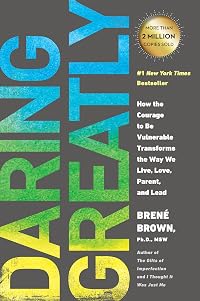
Daring Greatly: How the Courage to Be Vulnerable Transforms the Way We Live, Love, Parent, and Lead
by Brené Brown
On This Page
Description
The #1 New York Times bestseller. 1 million copies sold!From thought leader Dr. Brené Brown, a transformative new vision for the way we lead, love, work, parent, and educate that teaches us the power of vulnerability.
"It is not the critic who counts; not the man who points out how the strong man stumbles, or where the doer of deeds could have done them better. The credit belongs to the man who is actually in the arena, whose face is marred by dust and sweat and blood; who strives show more valiantly; . . . who at the best knows in the end the triumph of high achievement, and who at worst, if he fails, at least fails while daring greatly."—Theodore Roosevelt
Every day we experience the uncertainty, risks, and emotional exposure that define what it means to be vulnerable or to dare greatly. Based on twelve years of pioneering research, Dr. Brené Brown dispels the cultural myth that vulnerability is weakness and argues that it is, in truth, our most accurate measure of courage.
Brown explains how vulnerability is both the core of difficult emotions like fear, grief, and disappointment, and the birthplace of love, belonging, joy, empathy, innovation, and creativity. She writes: "When we shut ourselves off from vulnerability, we distance ourselves from the experiences that bring purpose and meaning to our lives."
Daring Greatly is not about winning or losing. It's about courage. In a world where "never enough" dominates and feeling afraid has become second nature, vulnerability is subversive. Uncomfortable. It's even a little dangerous at times. And, without question, putting ourselves out there means there's a far greater risk of getting criticized or feeling hurt. But when we step back and examine our lives, we will find that nothing is as uncomfortable, dangerous, and hurtful as standing on the outside of our lives looking in and wondering what it would be like if we had the courage to step into the arena—whether it's a new relationship, an important meeting, the creative process, or a difficult family conversation. Daring Greatly is a practice and a powerful new vision for letting ourselves be seen. show less
Tags
Recommendations



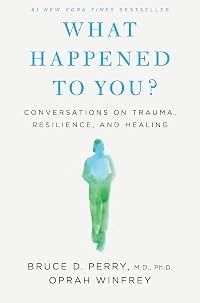
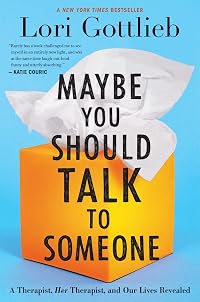
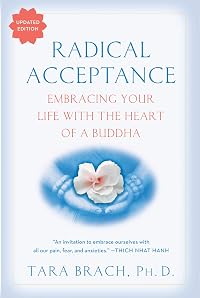

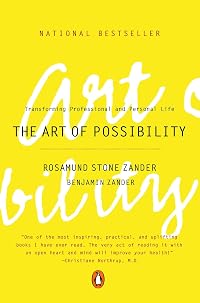












Member Recommendations
Connect: Building Exceptional Relationships with Family, Friends, and Colleagues by David Bradford Ph.D.
Thogek A somewhat different angle, but a lot of overlap in concept and approach.
Member Reviews
Received this book from Early Reviewers and read the introduction, wasn't moved enough to read further, and just picked it back up over the weekend. After reading into the first two chapters I wondered aloud to my husband why I didn't devour the book when I first picked it up. Read the entire book so quickly the second time around!
Since Brown refers to her TED talk in the book, I was excited to watch it (fan of TEDTalks) but wanted to read her book first.
I am - I think - one of the kinds of readers that she refers to in the book that is skeptical that a topic on vulnerability or shame is worth reading an entire book about. Consider me reformed. She makes a strong case for considering vulnerability. One lightbulb went off when she show more explained how so many of us cite joyful moments as vulnerable ones. She has other helpful insights that I'm planning to use in unexpected ways. I'll be using some of the early chapters in her book in my university classes on peer mentoring.
I think I would have been uncomfortable with the book if it read too much like a self-help book. It doesn't. It is helpful, I have dog-eared tons of pages, but there is intriguing and substantive research to inform her writing.
The thing that I like the best is that she shares her vulnerability in her writing and she writes like a real person... helps that she seems so smart too. show less
Since Brown refers to her TED talk in the book, I was excited to watch it (fan of TEDTalks) but wanted to read her book first.
I am - I think - one of the kinds of readers that she refers to in the book that is skeptical that a topic on vulnerability or shame is worth reading an entire book about. Consider me reformed. She makes a strong case for considering vulnerability. One lightbulb went off when she show more explained how so many of us cite joyful moments as vulnerable ones. She has other helpful insights that I'm planning to use in unexpected ways. I'll be using some of the early chapters in her book in my university classes on peer mentoring.
I think I would have been uncomfortable with the book if it read too much like a self-help book. It doesn't. It is helpful, I have dog-eared tons of pages, but there is intriguing and substantive research to inform her writing.
The thing that I like the best is that she shares her vulnerability in her writing and she writes like a real person... helps that she seems so smart too. show less
 This review was written for LibraryThing Early Reviewers.
By and large, I'm pretty averse to self-help books. I can't stand the didactic tone, and I rarely trust any "analysis" contained within. I didn't have either problem with Brown's book. While she did back up her analysis with (what seems to my untrained eye to be) solid sociological research, that wasn't really where my trust found root. It probably grew more from the lack of that aforementioned tone. She seems to be simply presenting a viewpoint which she expects to stand on its own, with little attachment to whether it will be adopted by the reader. There's something refreshing in her authenticity and casualness. And the analysis itself turned out to be pretty interesting. It's not really full of groundbreaking new information/advice, show more but it's still a paradigm shifter. Most of what Brown has to say derives directly from a point at which she arrived after gradual--even reluctant--research: namely, that vulnerability is the key to living a fulfilling life. Beginning from that point leads to some interesting conclusions, and provides a fresh new way to see many aspects of contemporary life. show less
This is the second Brené Brown book I’ve read. I picked up Rising Strong a couple of years ago, and while I liked parts of it, I remember feeling a little underwhelmed overall (it landed at a solid three stars for me). This one, though, hit all the right notes.
What stood out the most was how Brené framed vulnerability — not just as a personal thing, but as something that threads through every part of how we work, live, parent, and create. I found myself nodding along constantly, highlighter in hand. As a painter and writer, this book hit close to home. I tend to hold back when it comes to sharing my work because I worry about how it’ll be received, what people will think, and what it’ll mean about me if it’s not universally show more adored. Reading Daring Greatly made me realize that being vulnerable isn’t optional when it comes to creative work. It’s absolutely mandatory. (It was one of those "Thanks, I hate it," moments.)
One section that especially stuck with me was Brené’s breakdown of how men and women approach vulnerability and shame differently. It wasn’t something I’d ever thought about in a structured way before, but once I read it, it felt obvious. It even sparked some really good conversations between me and my husband when we were driving around one day, which made it even more meaningful.
I loved Brené’s personal anecdotes throughout the book. Some of them were definitely on the cringey side, but I actually appreciated that. It made her feel more real, and it gave the book a grounded, human quality that matched the topic well. I also appreciated that she was open about her own ongoing struggles with vulnerability instead of trying to position herself as someone who had it all figured out.
I do really like Brené’s writing style. It's empathetic without being preachy, honest without being over-dramatic, and encouraging without being over-the-top.
All in all, Daring Greatly reminded me that the only way we're going to get to where we want to be in life is by daring to show up, flaws and all, as much as possible, as openly as possible. And yeah, it's damn hard. And maybe that's the whole point. show less
What stood out the most was how Brené framed vulnerability — not just as a personal thing, but as something that threads through every part of how we work, live, parent, and create. I found myself nodding along constantly, highlighter in hand. As a painter and writer, this book hit close to home. I tend to hold back when it comes to sharing my work because I worry about how it’ll be received, what people will think, and what it’ll mean about me if it’s not universally show more adored. Reading Daring Greatly made me realize that being vulnerable isn’t optional when it comes to creative work. It’s absolutely mandatory. (It was one of those "Thanks, I hate it," moments.)
One section that especially stuck with me was Brené’s breakdown of how men and women approach vulnerability and shame differently. It wasn’t something I’d ever thought about in a structured way before, but once I read it, it felt obvious. It even sparked some really good conversations between me and my husband when we were driving around one day, which made it even more meaningful.
I loved Brené’s personal anecdotes throughout the book. Some of them were definitely on the cringey side, but I actually appreciated that. It made her feel more real, and it gave the book a grounded, human quality that matched the topic well. I also appreciated that she was open about her own ongoing struggles with vulnerability instead of trying to position herself as someone who had it all figured out.
I do really like Brené’s writing style. It's empathetic without being preachy, honest without being over-dramatic, and encouraging without being over-the-top.
All in all, Daring Greatly reminded me that the only way we're going to get to where we want to be in life is by daring to show up, flaws and all, as much as possible, as openly as possible. And yeah, it's damn hard. And maybe that's the whole point. show less
This is a beautiful book that shines a light on the deepest blindspot in me. I recently struggled to grapple with the alien concept of self-love and self-compassion. It's quite a new idea for me. When someone talks about leading with vulnerability, it always gave a 404 error in me.
Brene Brown is a leading researcher on shame and vulnerability, and this book is an eye-opener for me into a new world. The concept of shame and the critical voice in my head was like water for a fish, which, as David Foster Wallace says, was invisible to me. Brene brings the rigor of qualitative and quantitative approaches to this problem. She writes about this voice, the damages done, and tools to manage it.
In my current quest for better mental health, this show more book has equipped me with some essential tools and vocabulary to think and work on. Highly, highly recommend this short, wonderfully researched, and very well produced book. show less
Brene Brown is a leading researcher on shame and vulnerability, and this book is an eye-opener for me into a new world. The concept of shame and the critical voice in my head was like water for a fish, which, as David Foster Wallace says, was invisible to me. Brene brings the rigor of qualitative and quantitative approaches to this problem. She writes about this voice, the damages done, and tools to manage it.
In my current quest for better mental health, this show more book has equipped me with some essential tools and vocabulary to think and work on. Highly, highly recommend this short, wonderfully researched, and very well produced book. show less
In Daring Greatly, Brene Brown borrows the words of Theodore Roosevelt to encourage us to find the courage to be vulnerable. Vulnerability, which she says encompasses uncertainty, risk, and emotional exposure, “sounds like truth and feel like courage”. The book takes a very common sense, practical approach. Findings from the author’s extensive research are presented, and this is done in a way that is engaging and didn’t feel like reading about research.
The author challenges several myths about vulnerability, including the idea that it is a weakness. She points out that daring greatly requires challenging shame and the gremlins it fills our heads with. She has come up with term “gremlin ninja warrior training” to describe how show more to build shame resilience; this includes recognizing shame, talking about how you feel, and reaching out for help.
She identifies varies strategies (e.g. perfectionism and numbing) that we use to shield ourselves from vulnerability, and ways that we can break down those shields that are holding us back. She believes that disengagement underlies many social problems, and this is influenced by the gap between our the values we practice and the values we aspire to. She offers “minding the gap” as a daring greatly strategy to combat this.
The section on rehumanizing education and work resonated particularly strongly with me, as I have experienced workplace bullying. A culture of shame in the workplace may be demonstrated through behaviours such as blaming, gossiping, favouritism, name-calling, and harassment. It can be even more overt when shame is used as a management tool through the use of “bullying, criticism in front of colleagues, public reprimands, or reward systems that intentionally belittle people.” This kind of shaming “crushes our tolerance for vulnerability, thereby killing engagement, innovation, creativity, productivity, and trust.”
There is also a chapter devoted to parenting. Parenting has been shown to be a key predictor in how susceptible children are to shame, and children need to experience compassion, connection, worthiness, and belonging, not fear, blame, shame, and judgment. None of the recommendations she makes are new and earthshattering, but they are all powerful and remind us to be aware of the messages we are conveying and behaviours we are modelling.
Society often tells us that being vulnerable is a sign of weakness. This book does an excellent job of challenging that and demonstrating how courageous and powerful being vulnerable really is. Mental illness in particular tends to make us fearful of being vulnerable, and this book offers some very good food for thought. show less
The author challenges several myths about vulnerability, including the idea that it is a weakness. She points out that daring greatly requires challenging shame and the gremlins it fills our heads with. She has come up with term “gremlin ninja warrior training” to describe how show more to build shame resilience; this includes recognizing shame, talking about how you feel, and reaching out for help.
She identifies varies strategies (e.g. perfectionism and numbing) that we use to shield ourselves from vulnerability, and ways that we can break down those shields that are holding us back. She believes that disengagement underlies many social problems, and this is influenced by the gap between our the values we practice and the values we aspire to. She offers “minding the gap” as a daring greatly strategy to combat this.
The section on rehumanizing education and work resonated particularly strongly with me, as I have experienced workplace bullying. A culture of shame in the workplace may be demonstrated through behaviours such as blaming, gossiping, favouritism, name-calling, and harassment. It can be even more overt when shame is used as a management tool through the use of “bullying, criticism in front of colleagues, public reprimands, or reward systems that intentionally belittle people.” This kind of shaming “crushes our tolerance for vulnerability, thereby killing engagement, innovation, creativity, productivity, and trust.”
There is also a chapter devoted to parenting. Parenting has been shown to be a key predictor in how susceptible children are to shame, and children need to experience compassion, connection, worthiness, and belonging, not fear, blame, shame, and judgment. None of the recommendations she makes are new and earthshattering, but they are all powerful and remind us to be aware of the messages we are conveying and behaviours we are modelling.
Society often tells us that being vulnerable is a sign of weakness. This book does an excellent job of challenging that and demonstrating how courageous and powerful being vulnerable really is. Mental illness in particular tends to make us fearful of being vulnerable, and this book offers some very good food for thought. show less
The strength of Daring Greatly by Brené Brown lies in understanding what it means to be intentionally vulnerable. Most of us see vulnerability as a negative quality, and indeed it can be as we learn from examples on shame throughout the book, but Brown argues for a healthy and necessary alternative, one I would describe as optimistic vulnerability. None of us go it alone, she argues, and it is because of our interdependency that real courage will always be needed, in work, in life, anything.
The chapters on education, work and parenting are noteworthy because her viewpoints, through the lens of the importance of vulnerability, are refreshingly less proactive than we're used to seeing. I believe her take on parenting is exceptionally show more insightful.
Being earnestly and healthily vulnerable depends on giving up a great deal of control, and that can be a frightening thing. The brave and daring among us are not without their moments of being afraid. And for those in the arena, fear is a constant companion. show less
The chapters on education, work and parenting are noteworthy because her viewpoints, through the lens of the importance of vulnerability, are refreshingly less proactive than we're used to seeing. I believe her take on parenting is exceptionally show more insightful.
Being earnestly and healthily vulnerable depends on giving up a great deal of control, and that can be a frightening thing. The brave and daring among us are not without their moments of being afraid. And for those in the arena, fear is a constant companion. show less
This review was written for LibraryThing Early Reviewers.Vulnerability is the root of all human connection and human connection is the root of all happiness. We often fail to connect because we are ashamed we are not good enough so we don't want to allow ourselves to be vulnerable. By allowing ourselves to be more vulnerable, we create a better life for ourselves.
That's the premise of Ms. Brown's book. While, I support this premise completely, and think she has done an outstanding job of researching and identifying this dynamic, it gets only two stars because there are two glaring problems with her work--or at least her presentation of it in this book.
First, if you, like me, completely buy into her deconstruction of the shame/vulnerability phenomenon, you/'re eager to hear a cogent and show more actionable plan or advice on exactly how to overcome this limitation. She runs out of steam when it comes to implementation. Her advice is vague, and as my daughter put it "clichéd" and "fluffy".
Second, far more importantly, I equate her solutions to the whole "trophy for showing up" phenomenon. There is a certain point where she says that success is not about achievement but about courage.
Does she really want to fly on a plane where the pilot is satisfied that they had the courage to make it through turbulence, or does she want them to also have lots and lots of competence and experience to not only make it through turbulence alive, but also to avoid it or make an easier ride? Same with a brain surgeon or a teacher.
Courage is an important starting point, but it isn't the only measure of success.
And finally, I wonder what people who are struggling with day to day existence--immigrants, people in poverty, people in war or domestic violence etc... would think of this approach. I just don't see a maid in a hotel who is being sexually harassed by her boss and worried about ICE breaking down her door and taking her family away embracing vulnerability as a solution to her problems. show less
That's the premise of Ms. Brown's book. While, I support this premise completely, and think she has done an outstanding job of researching and identifying this dynamic, it gets only two stars because there are two glaring problems with her work--or at least her presentation of it in this book.
First, if you, like me, completely buy into her deconstruction of the shame/vulnerability phenomenon, you/'re eager to hear a cogent and show more actionable plan or advice on exactly how to overcome this limitation. She runs out of steam when it comes to implementation. Her advice is vague, and as my daughter put it "clichéd" and "fluffy".
Second, far more importantly, I equate her solutions to the whole "trophy for showing up" phenomenon. There is a certain point where she says that success is not about achievement but about courage.
Does she really want to fly on a plane where the pilot is satisfied that they had the courage to make it through turbulence, or does she want them to also have lots and lots of competence and experience to not only make it through turbulence alive, but also to avoid it or make an easier ride? Same with a brain surgeon or a teacher.
Courage is an important starting point, but it isn't the only measure of success.
And finally, I wonder what people who are struggling with day to day existence--immigrants, people in poverty, people in war or domestic violence etc... would think of this approach. I just don't see a maid in a hotel who is being sexually harassed by her boss and worried about ICE breaking down her door and taking her family away embracing vulnerability as a solution to her problems. show less
Members
- Recently Added By
Published Reviews
At times her [Brown's] suggestions sound like the satirical affirmations of the Stuart Smalley character from TV's Saturday Night Live: "I'm good enough, I'm smart enough, and doggone it, people like me." But she also offers good insights into how people don personal armor to shield themselves from vulnerability.
added by sgump
Lists

100 books to read in a lifetime
102 works; 37 members

Top Five Books of 2013
1,562 works; 721 members

Best Self Help Books
87 works; 18 members

Recommend the 20 best books you've read in the last five years
2,168 works; 606 members

Teacher Leadership
10 works; 1 member

Spiritual Growth/Philosophy/Self-Help
15 works; 1 member

Books Read in 2020
4,379 works; 124 members

Books Read in 2015
3,299 works; 129 members

Mo's Reading List
218 works; 1 member

Mo's Reading List (Abridged)
75 works; 1 member

Jen Dalton's Book Group
13 works; 1 member

Men's healing resources
747 works; 1 member

Healing resources for women
588 works; 1 member

spirituality and self growth
84 works; 1 member
Author Information

30+ Works 23,477 Members
Brené Brown was born in San Antonio, Texas on November 18, 1965. She received a Bachelor of Social Work at University of Texas at Austin, a Master of Social Work and Ph.D. from the Graduate College of Social Work at the University of Houston. She is a research professor at the University of Houston Graduate College of Social Work. She is the show more author of I Thought It Was Just Me, The Gifts of Imperfection, and Daring Greatly: How the Courage to Be Vulnerable Transforms the Way We Live, Love, Parent, and Lead. (Bowker Author Biography) show less
Some Editions
Awards and Honors
Awards
Common Knowledge
- Canonical title*
- De kracht van kwetsbaarheid: Heb de moed om niet perfect te willen zijn
- Original title
- Daring Greatly: How the Courage to Be Vulnerable Transforms the Way We Live, Love, Parent, and Lead
- Original publication date
- 2012
- Dedication*
- Voor Steve
Jij maakt de wereld zoveel mooier
en mj zoveel moediger - Quotations
- . . . when I look at narcissism through the vulnerability lens, I see the shame-based fear of being ordinary.
The word persona is the Greek term for “stage mask.” [...F]itting in and belonging are not the same thing. [...] I get to be me if I belong. I have to be like you to fit in.
...the level to which we protect ourselves from being vulnerable is a measure of our fear and disconnection.
Connection is why we’re here. We’re hardwired to connect with others, it’s what gives purpose and meaning to our lives, and without it there is suffering. - Publisher's editor
- Sindler, Jessica
- Original language
- English
*Some information comes from Common Knowledge in other languages. Click "Edit" for more information.
Classifications
Statistics
- Members
- 5,494
- Popularity
- 2,432
- Reviews
- 115
- Rating
- (4.06)
- Languages
- 15 — Chinese, Dutch, English, Finnish, French, German, Italian, Korean, Norwegian (Bokmål), Polish, Portuguese, Romanian, Slovenian, Spanish, Swedish
- Media
- Paper, Audiobook, Ebook
- ISBNs
- 54
- UPCs
- 2
- ASINs
- 23
