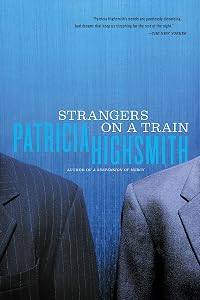
Strangers on a Train
by Patricia Highsmith
On This Page
Description
In Patricia Highsmith's debut novel, we encounter Guy Haines and Charles Anthony Bruno, passengers on the same train. But while Guy is a successful architect in the midst of a divorce, Bruno turns out to be a sadistic psychopath who manipulates Guy into swapping murders with him. As Bruno carries out his twisted plan, Guy is trapped in Highsmith's perilous world-where, under the right circumstances, anybody is capable of murder. The inspiration for Alfred Hitchcock's classic 1951 film, show more Strangers on a Train launched Highsmith on a prolific career of noir fiction, and proved her mastery of depicting the unsettling forces that tremble beneath the surface of everyday contemporary life. show lessTags
Recommendations
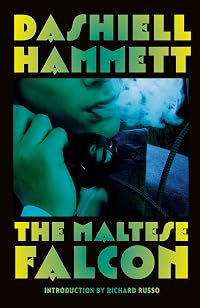
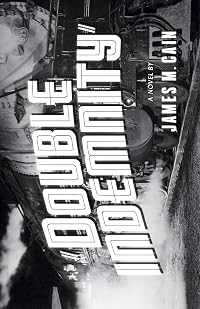
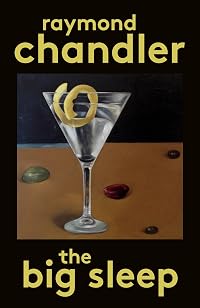
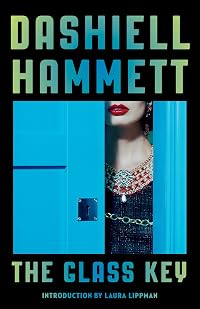
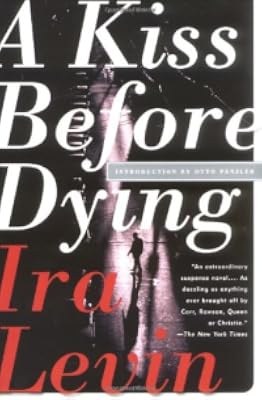
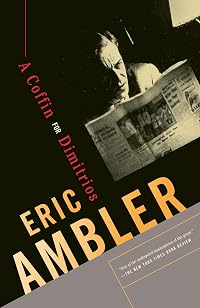
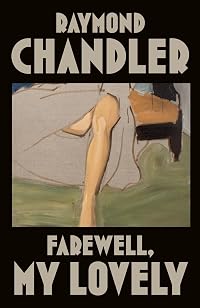
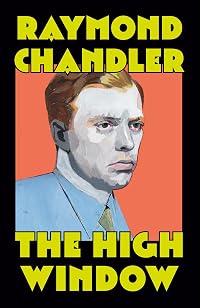
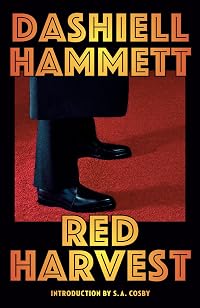
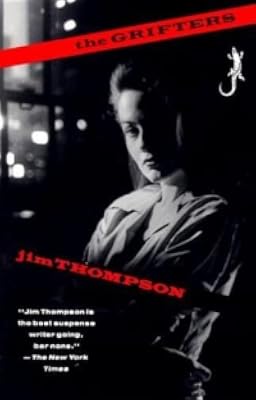
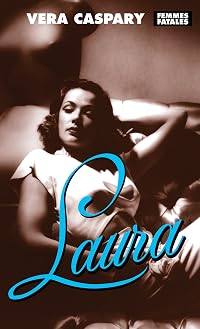
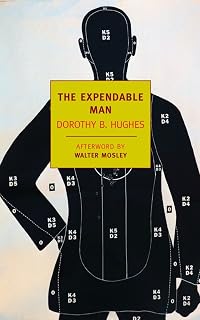

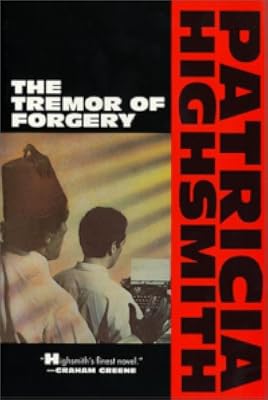
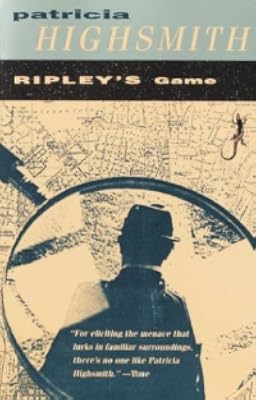

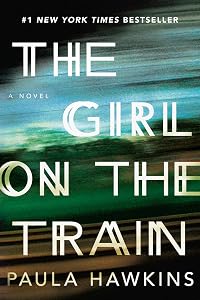
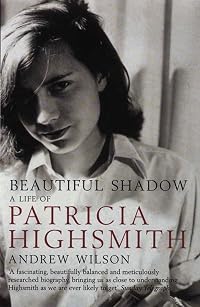



Member Recommendations
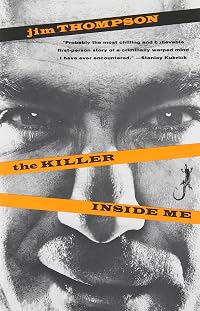
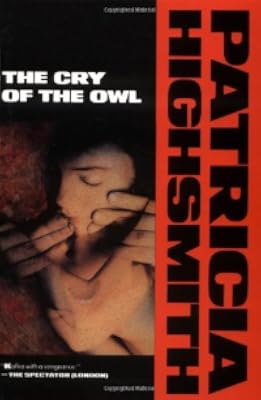
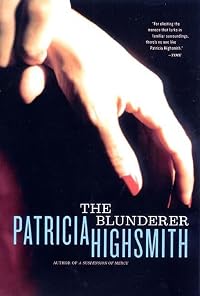
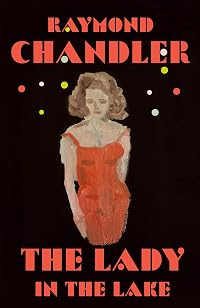
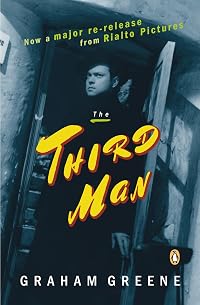
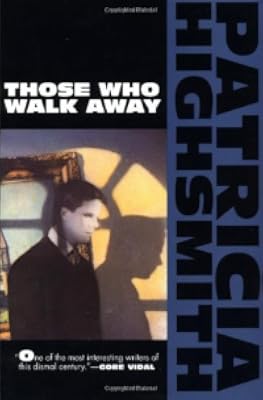
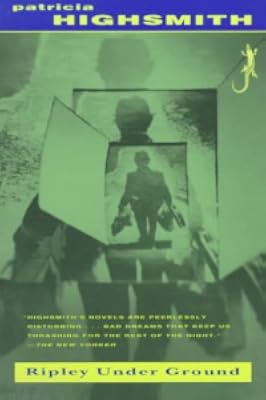
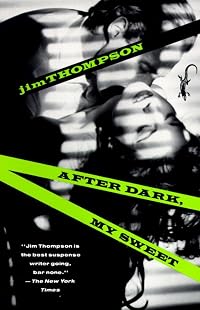
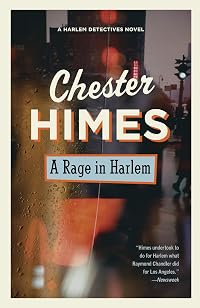
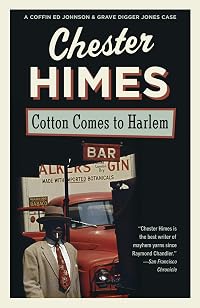
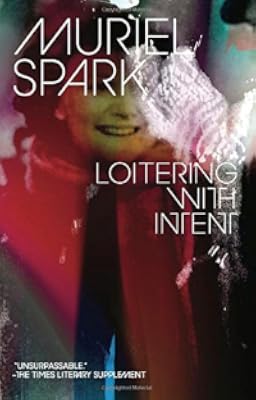
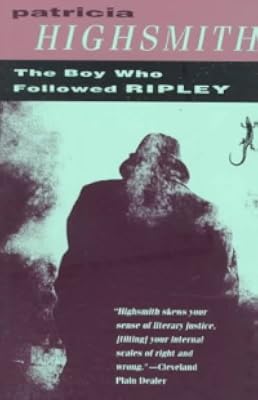
AKBouterse This is a modern reimagining of Strangers on a Train
Member Reviews
The premise to this story is absolutely brilliant – Bruno, a sociopath, amiably forces himself on Guy, a stranger on the train they’re on, and tells him about a wild idea for a double murder, one in which they each commit one for the other, and get away with it because it will appear random. Bruno wants his father dead for the inheritance, and Guy is struggling to get out of a marriage that his wife is clinging to, despite her infidelity. Guy rejects the idea, but is then sucked into it anyway when Bruno proceeds. It’s a dark, psychological tale with subversive underpinnings, and it’s no wonder Alfred Hitchcock liked it so much. This is a case where the novel and the book are both fantastic, despite the significant changes show more Hitchcock made to the plot after that memorable carnival scene.
Highsmith has a real way with words and peppers the work with wry observations, making it an impressive debut work. The two men revolve around each other with an element of homoeroticism, at least on Bruno’s part, and the crime is threatened by his alcoholism and lack of self-discipline. Meanwhile, Guy, a successful young architect, is a vehicle for Highsmith to show that every man can be made into a murderer. He is threatened by his feelings of inadequacy and guilt ala Rodion Raskolnikov and by messy such an act can be, leaving behind evidence. Highsmith writes scenes like that wonderfully, and keeps the tension up throughout the book. Highly recommended.
Quotes:
On the beauty of a lover (and Scotch :):
“She drank Scotch, when she drank. It was like her, golden, full of light, made with careful art.”
“He thought, she is the sun in my dark forest. But he couldn’t say it.”
On love:
“She turned her head slightly and looked down. On her short cheek, the sunlight picked out the largest freckles, and Guy saw a certain pattern he remembered and had not thought of since a time when he had been married to her. How sure he had once been that he possessed her, possessed her every frailest thought! Suddenly it seemed that all love was only a tantalizing, a horrible next-best to knowing. He knew not the smallest part of the new world in Miriam’s mind now. Was it possible that the same thing could happen with Anne?”
On business and marriage:
“I tell his business, all business, is legalized throat-cutting, like marriage is legalized fornication.”
On murder:
“But didn’t you ever feel you wanted to steal something? Or kill somebody? You must have. Everybody feels those things. Don’t you think some people get quite a kick out of killing people in wars?”
“Do you know what percentage of murders get put in papers? … One twelfth. One twelfth! Just imagine! Who do you think the other eleven twelfths are? A lot of little people that don’t matter. All the people the cops know they’ll never catch.”
“He found himself wondering, therefore, from time to time, if he might have enjoyed his crime in some way, derived some primal satisfaction from it – how else could one really explain in mankind the continued toleration of wars, the perennial enthusiasm for wars, when they came, if not for some primal pleasure in killing?”
“Given the same circumstances, I could break you down and make you kill someone. It might take different methods from the ones Bruno used on me, but it could be done. What else do you think keeps the totalitarian states going?” show less
Highsmith has a real way with words and peppers the work with wry observations, making it an impressive debut work. The two men revolve around each other with an element of homoeroticism, at least on Bruno’s part, and the crime is threatened by his alcoholism and lack of self-discipline. Meanwhile, Guy, a successful young architect, is a vehicle for Highsmith to show that every man can be made into a murderer. He is threatened by his feelings of inadequacy and guilt ala Rodion Raskolnikov and by messy such an act can be, leaving behind evidence. Highsmith writes scenes like that wonderfully, and keeps the tension up throughout the book. Highly recommended.
Quotes:
On the beauty of a lover (and Scotch :):
“She drank Scotch, when she drank. It was like her, golden, full of light, made with careful art.”
“He thought, she is the sun in my dark forest. But he couldn’t say it.”
On love:
“She turned her head slightly and looked down. On her short cheek, the sunlight picked out the largest freckles, and Guy saw a certain pattern he remembered and had not thought of since a time when he had been married to her. How sure he had once been that he possessed her, possessed her every frailest thought! Suddenly it seemed that all love was only a tantalizing, a horrible next-best to knowing. He knew not the smallest part of the new world in Miriam’s mind now. Was it possible that the same thing could happen with Anne?”
On business and marriage:
“I tell his business, all business, is legalized throat-cutting, like marriage is legalized fornication.”
On murder:
“But didn’t you ever feel you wanted to steal something? Or kill somebody? You must have. Everybody feels those things. Don’t you think some people get quite a kick out of killing people in wars?”
“Do you know what percentage of murders get put in papers? … One twelfth. One twelfth! Just imagine! Who do you think the other eleven twelfths are? A lot of little people that don’t matter. All the people the cops know they’ll never catch.”
“He found himself wondering, therefore, from time to time, if he might have enjoyed his crime in some way, derived some primal satisfaction from it – how else could one really explain in mankind the continued toleration of wars, the perennial enthusiasm for wars, when they came, if not for some primal pleasure in killing?”
“Given the same circumstances, I could break you down and make you kill someone. It might take different methods from the ones Bruno used on me, but it could be done. What else do you think keeps the totalitarian states going?” show less
This just kept getting better and better as I read it. My expectations were probably a little low, given that the setup is so familiar from the Hitchcock movie. I was expecting much of it to be familiar ground. But that’s underrating Highsmith. She’s really good.
Highsmith is good enough that we should leave the Hitchcock movie, much as it deserves on its own merit, aside. There are significant differences between the two.
Patricia Highsmith has, in my experience, an unmatched talent for conjuring unlikable characters. There’s Tom Ripley. And I’m not sure Charles Anthony Bruno isn’t worse. But it’s a kind of unlikability that is hard to look away from.
To sketch out the plot, Bruno and Guy Haines meet on a train, Bruno kind of show more an idle son of a wealthy businessman and Haines a rising star in architecture, still in his twenties. It’s a chance meeting that leads to too much sharing of life stories for Haines’ good.
Guy Haines is separated from his wife Miriam. Seemingly a too-young marriage. Miriam has told Guy that she is now pregnant with a new man whom she intends to marry (as soon as he gets his own divorce). That’s a mess right there.
Bruno doesn’t get along with his father, and he resents his father’s financial control over him, as well as his general disapproval.
Bruno thinks too much, and too much out loud. He hatches a plot, partly out of a thrill-seeking compulsion, to swap murders with Guy. He’ll murder Miriam, and Guy will kill Bruno’s father. Guy wavers between amusement and repulsion, but he plays on, fed in part by drinks in Bruno’s train compartment.
Then, to Guy’s surprise, Bruno fulfills his part of the un-made bargain. Circumstances are going to implicate Guy as well if Bruno gets caught. Bruno pressures and threatens Guy to come through with his own side of the deal and kill Bruno’s father.
Bruno is also clearly obsessed with Guy. Guy is everything Bruno isn’t — a successful professional, and, as it turns out, successful in love the second time around. Bruno has no life’s calling of his own and is incapable of a romantic or intimate relationship with a woman. He daydreams of palling around with Guy if only Guy were free.
The plot moves on a psychological level. On one side, Bruno’s obsession with Guy, and on the other, Guy’s eventual submission to Bruno’s manipulations.
We know Guy’s going to do it, so I’m not giving much away in saying that he does fulfill his half of the partnership that he never agreed to.
It’s hard to look away from, like I said. A tragedy in relative slow motion. Guy is going to destroy himself, and Bruno is in charge. I found myself, despite knowing what’s going to happen, rooting for Guy not to do it, not to be able to do it.
It’s a soul-searching book. Do we think that if Guy could be drawn to do it, we could, too? As a reader, I can’t identify with Bruno, but I can find handholds to grab onto to identify with Guy.
As for Bruno, he is a damaged person — we see some of that in his relationship with his father, his reliance on his mother, and his admitted inability to relate romantically to a woman. But none of that quite makes me sympathetic. His actions, and his thoughts, turn victim into predator.
It’s a battle of wills that Guy is going to lose. Even though he ultimately makes his own decision, he is aware who is in charge. “It had not been his will. It had been Bruno’s will, working through him.”
That doesn’t exonerate Guy. His crime was losing his will. He acted out of Bruno’s will, not his own. He lost himself, his soul.
Having lost his soul, other things start to fall apart for Guy. And I found myself rooting for him again, to find a way to pull it back together. He’s increasingly alienated from his new fiancé, and then wife, Anne, but his secret, and by his now having become someone other than the person she fell in love with.
The resolution isn’t really about Guy’s getting caught or not. And maybe that’s the way it is with any good crime novel. The resolution has to come from Guy’s own reckoning with what has happened and what he has done — that long slide in which he lost his soul.
No spoiler on that count, but I will say that it’s not in Highsmith’s peculiar kind of genius to grant redemption. And it’s not just Guy who won’t be redeemed. It’s the whole world. Guy’s guilt won’t find redemption in a world as amoral as this one.
So, if you’re looking for a light-hearted uplifting story, with lovable characters and lots of laughs. . . . nevermind.
I’ve left out some important and interesting characters — Anne, for the most part, but especially Gerard, the detective on the trail of both Bruno and Guy. I don’t want to spill ALL the beans!
This is a very affecting story, told cleverly, engagingly, and with serious provocative depth. Highsmith is as good as it gets at this stuff. show less
Highsmith is good enough that we should leave the Hitchcock movie, much as it deserves on its own merit, aside. There are significant differences between the two.
Patricia Highsmith has, in my experience, an unmatched talent for conjuring unlikable characters. There’s Tom Ripley. And I’m not sure Charles Anthony Bruno isn’t worse. But it’s a kind of unlikability that is hard to look away from.
To sketch out the plot, Bruno and Guy Haines meet on a train, Bruno kind of show more an idle son of a wealthy businessman and Haines a rising star in architecture, still in his twenties. It’s a chance meeting that leads to too much sharing of life stories for Haines’ good.
Guy Haines is separated from his wife Miriam. Seemingly a too-young marriage. Miriam has told Guy that she is now pregnant with a new man whom she intends to marry (as soon as he gets his own divorce). That’s a mess right there.
Bruno doesn’t get along with his father, and he resents his father’s financial control over him, as well as his general disapproval.
Bruno thinks too much, and too much out loud. He hatches a plot, partly out of a thrill-seeking compulsion, to swap murders with Guy. He’ll murder Miriam, and Guy will kill Bruno’s father. Guy wavers between amusement and repulsion, but he plays on, fed in part by drinks in Bruno’s train compartment.
Then, to Guy’s surprise, Bruno fulfills his part of the un-made bargain. Circumstances are going to implicate Guy as well if Bruno gets caught. Bruno pressures and threatens Guy to come through with his own side of the deal and kill Bruno’s father.
Bruno is also clearly obsessed with Guy. Guy is everything Bruno isn’t — a successful professional, and, as it turns out, successful in love the second time around. Bruno has no life’s calling of his own and is incapable of a romantic or intimate relationship with a woman. He daydreams of palling around with Guy if only Guy were free.
The plot moves on a psychological level. On one side, Bruno’s obsession with Guy, and on the other, Guy’s eventual submission to Bruno’s manipulations.
We know Guy’s going to do it, so I’m not giving much away in saying that he does fulfill his half of the partnership that he never agreed to.
It’s hard to look away from, like I said. A tragedy in relative slow motion. Guy is going to destroy himself, and Bruno is in charge. I found myself, despite knowing what’s going to happen, rooting for Guy not to do it, not to be able to do it.
It’s a soul-searching book. Do we think that if Guy could be drawn to do it, we could, too? As a reader, I can’t identify with Bruno, but I can find handholds to grab onto to identify with Guy.
As for Bruno, he is a damaged person — we see some of that in his relationship with his father, his reliance on his mother, and his admitted inability to relate romantically to a woman. But none of that quite makes me sympathetic. His actions, and his thoughts, turn victim into predator.
It’s a battle of wills that Guy is going to lose. Even though he ultimately makes his own decision, he is aware who is in charge. “It had not been his will. It had been Bruno’s will, working through him.”
That doesn’t exonerate Guy. His crime was losing his will. He acted out of Bruno’s will, not his own. He lost himself, his soul.
Having lost his soul, other things start to fall apart for Guy. And I found myself rooting for him again, to find a way to pull it back together. He’s increasingly alienated from his new fiancé, and then wife, Anne, but his secret, and by his now having become someone other than the person she fell in love with.
The resolution isn’t really about Guy’s getting caught or not. And maybe that’s the way it is with any good crime novel. The resolution has to come from Guy’s own reckoning with what has happened and what he has done — that long slide in which he lost his soul.
No spoiler on that count, but I will say that it’s not in Highsmith’s peculiar kind of genius to grant redemption. And it’s not just Guy who won’t be redeemed. It’s the whole world. Guy’s guilt won’t find redemption in a world as amoral as this one.
So, if you’re looking for a light-hearted uplifting story, with lovable characters and lots of laughs. . . . nevermind.
I’ve left out some important and interesting characters — Anne, for the most part, but especially Gerard, the detective on the trail of both Bruno and Guy. I don’t want to spill ALL the beans!
This is a very affecting story, told cleverly, engagingly, and with serious provocative depth. Highsmith is as good as it gets at this stuff. show less
How does an author so fully establish their trademark in a first book? The tension here is taut, the characters repulsive but compelling, and the multi-perspective psychologies thrilling.
It is a testament to the writing that knowing the premise of book didn't affect my enjoyment of the story at all. I was kept on edge, and this book more than her Ripleys made me really question what Highsmith herself was like. Reading her wikipedia page felt not like a surprise revelation but a familiar reacquaintance.
It is a testament to the writing that knowing the premise of book didn't affect my enjoyment of the story at all. I was kept on edge, and this book more than her Ripleys made me really question what Highsmith herself was like. Reading her wikipedia page felt not like a surprise revelation but a familiar reacquaintance.
So a psychotic manipulator and a paranoid narcissist meet on a train. Some stuff happens. Bruno is a scary dude from the beginning to the end. Guy is, at turns, depressed because it is all about him or manically happy because it is all about him. He's right to be paranoid much of the time. but he's a walking, talking vision of self-fulfilling prophecy.
Both of them are completely nuts and it is to the misfortune of the people around them both that they meet.
Awesome book.
Both of them are completely nuts and it is to the misfortune of the people around them both that they meet.
Awesome book.
A rare case of the movie is better than the book. I so wanted to like this more than I did. It started off well with Guy and Charley meeting on the train. Even though he didn’t really want to and didn’t really like him much, Guy hung out with Charley and told him WAY more info about himself than prudent. These days a person would never be so careless, but in 1950 people were so much more trusting. Highsmith did a very good job at making Charley Bruno a character of dread. He was creepy and moody and became more and more unhinged as the novel continued.
But after Guy is goaded into keeping up his end of the “deal”, things start to get uneven. Charley descends further and further into a fantasy world where Guy takes up a larger show more position than a sane person would assign him. He claims he does not find women attractive and there is something vaguely homosexual in his attachment to Guy and his vision of them together in the future. Eventually as he asserts himself into Guy and Anne’s life, he starts to view Anne in the same way he viewed Marian and we fear for her. There is one scene where Bruno and Anne are alone while Guy is out of town. He vacillates between extreme politeness and near rudeness all punctuated by his increasingly psychotic internal monologue. Nothing happens then, but it is a very tense scene.
Guy is the problem with the second half of the novel. Much like Raskolnikov in Crime and Punishment, his fragile psyche cannot handle the fact that he’s committed such a heinous crime. The murder sends him into a tailspin of depression, self-loathing and lots and lots of whining. Of course it’s all internal whining since he can’t say a syllable to Anne or anyone else. Even Charley Bruno doesn’t know the extent of his mental incapacity. His work suffers and Anne wonders what the hell is wrong with him. Even during his wedding, he wallows in misery and self-pity. Friends he’s basically ostracized from his life don’t notice much; they think his weird behavior is just nerves.
The catalyst for a lot of the panic over the crime is an investigator (private) name Girard. He was the weakest character in the bunch. It’s not very clear who got him involved in the investigation, possibly it was the insurance company for Charley’s father, and this vaguery is off-putting and limits the character’s effectiveness as a threat.
Eventually I think Highsmith couldn’t figure out what to do with him and probably got just as sick of Guy as I did. After Bruno goes over the side of Guy’s boat and is not recovered, Guy sort of goes over the cliff edge of guilt. He reaches out to a very unlikely confessor well after the coast would be clear. If I hadn’t been so exasperated with Guy, I probably could have appreciated his descent into madness better than I did. show less
But after Guy is goaded into keeping up his end of the “deal”, things start to get uneven. Charley descends further and further into a fantasy world where Guy takes up a larger show more position than a sane person would assign him. He claims he does not find women attractive and there is something vaguely homosexual in his attachment to Guy and his vision of them together in the future. Eventually as he asserts himself into Guy and Anne’s life, he starts to view Anne in the same way he viewed Marian and we fear for her. There is one scene where Bruno and Anne are alone while Guy is out of town. He vacillates between extreme politeness and near rudeness all punctuated by his increasingly psychotic internal monologue. Nothing happens then, but it is a very tense scene.
Guy is the problem with the second half of the novel. Much like Raskolnikov in Crime and Punishment, his fragile psyche cannot handle the fact that he’s committed such a heinous crime. The murder sends him into a tailspin of depression, self-loathing and lots and lots of whining. Of course it’s all internal whining since he can’t say a syllable to Anne or anyone else. Even Charley Bruno doesn’t know the extent of his mental incapacity. His work suffers and Anne wonders what the hell is wrong with him. Even during his wedding, he wallows in misery and self-pity. Friends he’s basically ostracized from his life don’t notice much; they think his weird behavior is just nerves.
The catalyst for a lot of the panic over the crime is an investigator (private) name Girard. He was the weakest character in the bunch. It’s not very clear who got him involved in the investigation, possibly it was the insurance company for Charley’s father, and this vaguery is off-putting and limits the character’s effectiveness as a threat.
Eventually I think Highsmith couldn’t figure out what to do with him and probably got just as sick of Guy as I did. After Bruno goes over the side of Guy’s boat and is not recovered, Guy sort of goes over the cliff edge of guilt. He reaches out to a very unlikely confessor well after the coast would be clear. If I hadn’t been so exasperated with Guy, I probably could have appreciated his descent into madness better than I did. show less
Book on CD performed by Branson Pinchot
Architect Guy Haines meets wealthy ne’er-do-well Charles Bruno on the train when he’s traveling to Texas to see his mother and, hopefully, finalize his divorce. Over more than a few Scotches the two admit to their difficult relationships: Charlie hates his father, Guy is trying to convince his wife to give him a divorce. Bruno’s solution: “I’ll kill your wife if you’ll kill my father.”
Oh, what a tangled web we weave! And Bruno is a charming psychopath, who, despite his advancing alcoholism, is not only resourceful and a great detective when it comes to ferreting out information about Guy, but also tenacious.
It’s a wild ride. The suspense comes from Bruno’s clever and persistent show more pursuit of Guy, not just as an accomplice to murder, but as a best friend. He simply cannot believe that Guy doesn’t want to spend all his time with Bruno, as he wants to spend his life with Guy. He behaves like a love-sick boy, and his careless actions are bringing an equally determined detective closer and closer to the truth. Will they truly get away with it? If not, who will get blamed? Who will crack first?
Branson Pinchot does a fine job of narrating the audiobook. He is a gifted actor and his interpretation of Bruno just makes my skin crawl. show less
Architect Guy Haines meets wealthy ne’er-do-well Charles Bruno on the train when he’s traveling to Texas to see his mother and, hopefully, finalize his divorce. Over more than a few Scotches the two admit to their difficult relationships: Charlie hates his father, Guy is trying to convince his wife to give him a divorce. Bruno’s solution: “I’ll kill your wife if you’ll kill my father.”
Oh, what a tangled web we weave! And Bruno is a charming psychopath, who, despite his advancing alcoholism, is not only resourceful and a great detective when it comes to ferreting out information about Guy, but also tenacious.
It’s a wild ride. The suspense comes from Bruno’s clever and persistent show more pursuit of Guy, not just as an accomplice to murder, but as a best friend. He simply cannot believe that Guy doesn’t want to spend all his time with Bruno, as he wants to spend his life with Guy. He behaves like a love-sick boy, and his careless actions are bringing an equally determined detective closer and closer to the truth. Will they truly get away with it? If not, who will get blamed? Who will crack first?
Branson Pinchot does a fine job of narrating the audiobook. He is a gifted actor and his interpretation of Bruno just makes my skin crawl. show less
Patricia Highsmith's first novel (1950) is deservedly a classic and only a year later became the basis for an equally classic Hitchcock movie.
The premise is so well known that there is no reason to worry about spoilers - an educated but weak creative architect accidentally interacts with a sociopathic and far less intelligent rich mummy's boy who manipulates him into a 'quid pro-quo' murder of the latter's father.
The story itself would just be a standard thriller with a clever twist if it was not for the quality of Highsmith's writing and the skilled construction of a psychological relationship that is riddled with repressed homosexuality or, in the case of the architect, repressed bisexuality.
Perhaps the flaw in the psychology (but a show more necessary flaw if the story is to take place) is the one intellectual weakness of Guy, the architect. There are ample opportunities for him to unravel the situation before he crosses the rubicon and murders Bruno's father. He does not.
The only justification I can see for this is distrust of the reaction of American law enforcement to an attempted explanation of events up to that point and it is true that everything we know about the American legal system suggests a man may be a fool to be honest.
Nevertheless, if we suspend disbelief in this one respect, everything else hangs together perfectly and the story twists and turns so that I can tell you what I have told you and know that there is plenty left for you to be surprised by and react to until the final perhaps too easy closure.
The book should be read as a thriller perhaps but better as a psychologically troubling novel of how a persistent psychopath can manipulate an apparently decent and respectable member of society into crossing moral boundaries regarded as central to that decency and respectability.
The relationship between Guy and Bruno (the manipulator) is fascinating in part because from the beginning Bruno seems a rather unattractive character (he is introduced with a boil on his forehead and as an evident alcoholic) and yet he seduces not only Guy but perhaps the reader.
Bruno is a killer from boredom, a mummy's boy, a misogynist, a wastrel, a rich kid who only wants money to spend on being wasteful, and yet there are times we find ourselves feeling sorry for him in his loneliness and his neediness. Guy cannot shake him off and neither can we.
What is remarkable about the book is not the murders or the skilled plotting but the unfolding of the dynamic between the two men and the degradation of Guy into accomplice, murderer and then into a double life that undermines his otherwise perfect rise to social success and a happy marriage.
As the book proceeds, we find ourselves questioning exactly how much Guy is victim of Bruno and how much he is complicit in Bruno's insidious entry into his life. There is no overt homosexuality in the book but critics are right to detect something going on on both sides.
Highsmith has created not only these two complex characters where repressed guilt in Guy (Bruno is incapable of the sentiment) drives the story to its denouement but strong believable characters in Guy's wife, Bruno's mother and the private detective tracking them.
Highsmith never overplays her hand. Each character is rounded rather than a unit of production in a thriller. You sense the dynamics that might take place between them 'off camera' and how these constrain the two main actors.
Though not quite perfect (because of the necessities of plotting a crime thriller) these aspects of the story make the book into quite a serious novel of middle class life, contrasting the idle rich and the rising educated middle class, as America moved towards its 'man in the grey suit' era.
The geography of the book is interesting. People move easily between towns and cities. The plot depends on people being or not being in particular places at particular times. Events happen on yachts. The big cities are contrasted with the American South West. Trains are obviously important.
This is an expansive but lonely America with a distant enforcing State. It is not accidental that justice is represented by a private sector detective. Financial insecurity is ever-present as the situation a man runs from (in the case of Guy) only a couple of decades after the Great Depression.
Consumerism is another theme. Bruno is always buying small accessories for himself or for Guy. Guy is building and fitting out a house for himself and his wife Anne. His paying work is for golf clubs and department stores, his pro bono for a hospital.
Everyone drinks like an episode of 'Mad Men' but Bruno drinks to excess and as a crutch. Guns remain normal even if they are rarely used - Bruno kills by his hands. This is a society moving towards the American Dream but the protagonists are riddled with neurosis and stress.
Having said that, the ancillary characters are actually quite stable. The private detective is dogged and intelligent, acting from a sense of honour to Bruno's father. Anne is almost perfect (though believable) - kind, loving, patient, intuitively intelligent although no walk-over.
Even the flawed first wife, Miriam, may be a small-town flibbertigibbet but she is not bad: she is normal enough. The portrayal of Bruno's mother is cunningly not of someone who might explain Bruno's nature. She too seems shallow but otherwise normal.
Everything revolves around the psychologies of the two men - killer by choice and complicit killer by necessity. Both are troubled. Both are incapable of seeing into themselves, Both are drawn to each other despite the best efforts of one of them.
There is thus a stable decent and normal America into which these two alternately evil and weak men are inserted and whose destiny is to be defeated by it, one by his obsessive need to be noticed and the other by an equally obsessive need to be punished.
I can see why Hitchcock was drawn to it ... show less
The premise is so well known that there is no reason to worry about spoilers - an educated but weak creative architect accidentally interacts with a sociopathic and far less intelligent rich mummy's boy who manipulates him into a 'quid pro-quo' murder of the latter's father.
The story itself would just be a standard thriller with a clever twist if it was not for the quality of Highsmith's writing and the skilled construction of a psychological relationship that is riddled with repressed homosexuality or, in the case of the architect, repressed bisexuality.
Perhaps the flaw in the psychology (but a show more necessary flaw if the story is to take place) is the one intellectual weakness of Guy, the architect. There are ample opportunities for him to unravel the situation before he crosses the rubicon and murders Bruno's father. He does not.
The only justification I can see for this is distrust of the reaction of American law enforcement to an attempted explanation of events up to that point and it is true that everything we know about the American legal system suggests a man may be a fool to be honest.
Nevertheless, if we suspend disbelief in this one respect, everything else hangs together perfectly and the story twists and turns so that I can tell you what I have told you and know that there is plenty left for you to be surprised by and react to until the final perhaps too easy closure.
The book should be read as a thriller perhaps but better as a psychologically troubling novel of how a persistent psychopath can manipulate an apparently decent and respectable member of society into crossing moral boundaries regarded as central to that decency and respectability.
The relationship between Guy and Bruno (the manipulator) is fascinating in part because from the beginning Bruno seems a rather unattractive character (he is introduced with a boil on his forehead and as an evident alcoholic) and yet he seduces not only Guy but perhaps the reader.
Bruno is a killer from boredom, a mummy's boy, a misogynist, a wastrel, a rich kid who only wants money to spend on being wasteful, and yet there are times we find ourselves feeling sorry for him in his loneliness and his neediness. Guy cannot shake him off and neither can we.
What is remarkable about the book is not the murders or the skilled plotting but the unfolding of the dynamic between the two men and the degradation of Guy into accomplice, murderer and then into a double life that undermines his otherwise perfect rise to social success and a happy marriage.
As the book proceeds, we find ourselves questioning exactly how much Guy is victim of Bruno and how much he is complicit in Bruno's insidious entry into his life. There is no overt homosexuality in the book but critics are right to detect something going on on both sides.
Highsmith has created not only these two complex characters where repressed guilt in Guy (Bruno is incapable of the sentiment) drives the story to its denouement but strong believable characters in Guy's wife, Bruno's mother and the private detective tracking them.
Highsmith never overplays her hand. Each character is rounded rather than a unit of production in a thriller. You sense the dynamics that might take place between them 'off camera' and how these constrain the two main actors.
Though not quite perfect (because of the necessities of plotting a crime thriller) these aspects of the story make the book into quite a serious novel of middle class life, contrasting the idle rich and the rising educated middle class, as America moved towards its 'man in the grey suit' era.
The geography of the book is interesting. People move easily between towns and cities. The plot depends on people being or not being in particular places at particular times. Events happen on yachts. The big cities are contrasted with the American South West. Trains are obviously important.
This is an expansive but lonely America with a distant enforcing State. It is not accidental that justice is represented by a private sector detective. Financial insecurity is ever-present as the situation a man runs from (in the case of Guy) only a couple of decades after the Great Depression.
Consumerism is another theme. Bruno is always buying small accessories for himself or for Guy. Guy is building and fitting out a house for himself and his wife Anne. His paying work is for golf clubs and department stores, his pro bono for a hospital.
Everyone drinks like an episode of 'Mad Men' but Bruno drinks to excess and as a crutch. Guns remain normal even if they are rarely used - Bruno kills by his hands. This is a society moving towards the American Dream but the protagonists are riddled with neurosis and stress.
Having said that, the ancillary characters are actually quite stable. The private detective is dogged and intelligent, acting from a sense of honour to Bruno's father. Anne is almost perfect (though believable) - kind, loving, patient, intuitively intelligent although no walk-over.
Even the flawed first wife, Miriam, may be a small-town flibbertigibbet but she is not bad: she is normal enough. The portrayal of Bruno's mother is cunningly not of someone who might explain Bruno's nature. She too seems shallow but otherwise normal.
Everything revolves around the psychologies of the two men - killer by choice and complicit killer by necessity. Both are troubled. Both are incapable of seeing into themselves, Both are drawn to each other despite the best efforts of one of them.
There is thus a stable decent and normal America into which these two alternately evil and weak men are inserted and whose destiny is to be defeated by it, one by his obsessive need to be noticed and the other by an equally obsessive need to be punished.
I can see why Hitchcock was drawn to it ... show less
Members
- Recently Added By
Lists

The Guardian's 1000 Novels Everyone Must Read
1,005 works; 550 members

Noirvember: The Best Noir
113 works; 56 members

Best Crime Fiction
262 works; 39 members

Read the book and saw the movie
1,170 works; 192 members

The Top 100 Crime Novels of All Time
100 works; 15 members
Best Noir Fiction
160 works; 14 members

NPRs your picks: top 100 Killer Thrillers
100 works; 17 members

100 Best Thrillers of All Time
100 works; 6 members

Best public-transport fiction
72 works; 17 members

Books About Murder
313 works; 7 members
Stories where trains play a supporting character
13 works; 2 members

Books mentioned in Julian Symons’ Bloody Murder
438 works; 6 members

My list of 100 books to read next
100 works; 4 members

Best Psychological Suspense
33 works; 6 members

Best Films based on novels
10 works; 1 member

Books Read in 2023
5,547 works; 145 members

A Novel Cure
742 works; 23 members

Books Read in 2022
5,166 works; 112 members
First Novels
373 works; 17 members

Books Read in 2020
4,379 works; 124 members

ScaredyKIT 2018
17 works; 1 member
Ten Train Thrillers
10 works; 1 member

End of Your Life Book Club
134 works; 4 members

Biggest Disappointments
606 works; 168 members

Novels Set on Trains
11 works; 3 members

1950s
340 works; 22 members

Books Read in 2018
4,360 works; 110 members

Art Bourgeau's Favorites [Mystery Lovers Companion, 1986]
124 works; 2 members
Author Information

301+ Works 32,929 Members
Patricia Highsmith wrote twenty-one novels including "Strangers on a Train" & the "Ripley" series. She died in 1995 in Switzerland, where she resided much of her life. (Publisher Provided) Patricia Highsmith (January 19, 1921 -- February 4, 1995) was an American novelist and short story writer, most widely known for her psychological thrillers, show more which led to more than two dozen film adaptations. She was born in Fort Worth, Texas. Highsmith grew up with her maternal grandmother in Astoria, Queens, and attended Barnard College. Her first novel, Strangers on a Train (1950), was adapted for stage and screen numerous times, notably by Alfred Hitchcock in 1951. In addition to her acclaimed series about murderer Tom Ripley, which was made into a film in 1955, she wrote many short stories, often macabre, satirical or tinged with black humor. Highsmith liked to examine the ways in which people can get to the point where they are capable of murder, as well as who they become after they have committed a crime. In carefully constructed stories and novels, she integrated this scrutiny of the human psyche into complex plots that often took unexpected twists. In Strangers on a Train, architect Guy Haines meets Charles Bruno on a train. Bruno conceives a plan to have Haines kill Bruno's father, while Bruno will kill Haines's wife. The effect that this plan has on Haines is the focus of the story. Highsmith's awards include: O. Henry Award for best publication of first story, for "The Heroine" in Harper's Bazaar (1946), Grand Prix de Littérature Policière, for The Talented Mr. Ripley (1957), and the Dagger Award -- Category Best Foreign Novel, for The Two Faces of January from the Crime Writers' Association of Great Britain (1964). Highsmith died of aplastic anemia and cancer in Locarno, Switzerland, at age 74. Her last novel, Small G: A Summer Idyll, was published one month after her death in 1995. (Bowker Author Biography) show less
All Editions
Some Editions
Awards and Honors
Series
Belongs to Publisher Series
Compactos Anagrama (11)
Den svarte serie (17)
El País. Serie negra (18)
Work Relationships
Is contained in
Has the adaptation
Is abridged in
Has as a student's study guide
Common Knowledge
- Canonical title
- Strangers on a Train
- Original title
- Strangers on a Train
- Original publication date
- 1950
- People/Characters
- Guy Haines; Charles Anthony Bruno
- Important places
- Metcalf, Texas, USA; Connecticut, USA; New York, USA
- Related movies
- Strangers on a Train (1951 | IMDb); Once You Kiss a Stranger... (1969 | IMDb)
- Dedication*
- Für alle Virginias
- First words
- The train tore along with an angry, irregular rhythm. It was having to stop at smaller and more frequent stations, where it would wait impatiently for a moment, then attack the prarie again. But progress was imperceptible. Th... (show all)e prarie only undulated like a vast, pink-tan blanket being casually shaken. The faster the train went, the more bouyant and taunting the undulations.
Guy took his eyes from the window and hitched himself back against the seat. - Last words
- (Click to show. Warning: May contain spoilers.)"Eh?" Gerard said.
Guy tried to speak and said something entirely different from what he had intended. "Take me." - Original language
- English
- Canonical DDC/MDS
- 813.54
- Canonical LCC
- PS3558.I366
*Some information comes from Common Knowledge in other languages. Click "Edit" for more information.
Classifications
Statistics
- Members
- 3,026
- Popularity
- 5,858
- Reviews
- 106
- Rating
- (3.70)
- Languages
- 15 — Catalan, Danish, Dutch, English, Estonian, Finnish, French, German, Hungarian, Italian, Norwegian (Bokmål), Portuguese, Spanish, Swedish, Turkish
- Media
- Paper, Audiobook, Ebook
- ISBNs
- 97
- UPCs
- 1
- ASINs
- 38