On This Page
Description
Dr. Moreau's daughter, Juliet, travels to her estranged father's island, only to encounter murder, medical horrors, and a love triangle.Tags
Recommendations






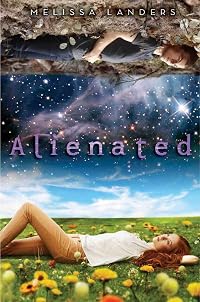
Member Recommendations
Member Reviews
The Madman’s Daughter is most definitely an adaptation of H. G. Wells’ The Island of Dr. Moreau, as they both contain many of the same scenes and even the same events. However, Megan Shepherd’s decision to use a woman as the main character, and not just any woman but Dr. Moreau’s daughter, changes the entire dynamic of the story. There remains the horror element that occurs when Juliet finally discovers the true nature of her father’s work; many of the characters are also the same. However, it is in the differences that occur specifically because Juliet is the discoverer wherein The Madman’s Daughter escapes from being another adaptation and stands on its own merit.
For one, the conflict between familial love and loyalty show more versus morality is profound. Juliet cannot absolutely condemn her father for his actions but she cannot approve of them either. There is more at stake here than just her loyalty to her father. This is the absolute adoration that only occurs between a daughter and her father, a bond as unique as it is special, and Juliet’s discoveries test the very fiber of this relationship. The story would not have the same impact had it been Moreau’s son who made the discovery.
Then there is Juliet’s position as an unmarried, penniless young woman without family or friends. She must make decisions based on her tenuous situation and struggle for survival – decisions that men would not have to make. This places her at a unique point in that she does not have many options when she convinces Montgomery to take her with him. Neither does she have many options when she arrives on the island and makes her discoveries. It adds a layer of complexity in that things are not quite as easy as they might initially appear to be.
Not that Juliet is a typical damsel in distress. She may be female, but the male characters in her life severely underestimate her determination, strength, and intellect. She is her father’s daughter in so many ways, including his gruesome fascination with the possibilities of science. That she is not supposed to be interested in such things, let alone capable of comprehending them, is of no consequence in her mind. Part of her interest is to connect with her beloved father, and part of it is more subconscious, more innate than a potential bonding experience. It is what causes much of conflict as she grapples to assuage the guilt associated with knowing that she should completely abhor her father’s deeds but cannot.
The Madman’s Daughter is dark, disturbing, grotesque, and utterly fascinating. The surgical descriptions are gruesome and torturous, almost orgiastic in their animalistic cruelty. Yet, no matter how disgusted a reader becomes, one cannot turn away from the story. Juliet’s simultaneous love for her father and disgust at his actions, once she confirms them, is a fascinating subplot, as is her own macabre fascination with his experiments. Juliet makes a very likable heroine – feisty, intelligent, unafraid, and unwilling to remain bound by society’s impositions on her gender and her past. The bombshell ending, more so than its cliffhanger ending, will leave readers more than a little anxious for Ms. Shepherd to continue the series, as the directions in which the story could go are endless. show less
For one, the conflict between familial love and loyalty show more versus morality is profound. Juliet cannot absolutely condemn her father for his actions but she cannot approve of them either. There is more at stake here than just her loyalty to her father. This is the absolute adoration that only occurs between a daughter and her father, a bond as unique as it is special, and Juliet’s discoveries test the very fiber of this relationship. The story would not have the same impact had it been Moreau’s son who made the discovery.
Then there is Juliet’s position as an unmarried, penniless young woman without family or friends. She must make decisions based on her tenuous situation and struggle for survival – decisions that men would not have to make. This places her at a unique point in that she does not have many options when she convinces Montgomery to take her with him. Neither does she have many options when she arrives on the island and makes her discoveries. It adds a layer of complexity in that things are not quite as easy as they might initially appear to be.
Not that Juliet is a typical damsel in distress. She may be female, but the male characters in her life severely underestimate her determination, strength, and intellect. She is her father’s daughter in so many ways, including his gruesome fascination with the possibilities of science. That she is not supposed to be interested in such things, let alone capable of comprehending them, is of no consequence in her mind. Part of her interest is to connect with her beloved father, and part of it is more subconscious, more innate than a potential bonding experience. It is what causes much of conflict as she grapples to assuage the guilt associated with knowing that she should completely abhor her father’s deeds but cannot.
The Madman’s Daughter is dark, disturbing, grotesque, and utterly fascinating. The surgical descriptions are gruesome and torturous, almost orgiastic in their animalistic cruelty. Yet, no matter how disgusted a reader becomes, one cannot turn away from the story. Juliet’s simultaneous love for her father and disgust at his actions, once she confirms them, is a fascinating subplot, as is her own macabre fascination with his experiments. Juliet makes a very likable heroine – feisty, intelligent, unafraid, and unwilling to remain bound by society’s impositions on her gender and her past. The bombshell ending, more so than its cliffhanger ending, will leave readers more than a little anxious for Ms. Shepherd to continue the series, as the directions in which the story could go are endless. show less
My review style is, and always will be, to write up my review right after I complete the book, and I do mean right after. If I can't write the review, I will save the last chapter until I have time. Doing otherwise would allow me to slack off, and I would never get anything reviewed, as well as giving me time to forget the book. The downside of this reviewing method, one I just have to accept, is that occasionally I have to try to compose a meaningful, coherent review while shell-shocked by what I've just read. Bear with me, as The Madman's Daughter definitely left me feeling a bit dazed.
On a lot of levels, I'm really not entirely sure just how I felt about this novel. One thing that I do know quite for sure is that Shepherd writes show more well. Her syntax and diction dovetail with the historical setting, and never once threw me out of the book. Though much of the novel consists more of suspense than outright action, Shepherd kept the story tense and me on the edge of my couch.
Littered throughout The Madman's Daughter are literary references. Of course, the novel itself retells H.G. Wells' The Island of Dr. Moreau, which I have not read. However, my perusal of the Wikipedia article convinces me that Shepherd reworked the story with a deft hand. In addition to this, she sprinkled in numerous references to Shakespeare, including The Tempest, a very apt work to be brought up in this instance. There is even a reference to X-Men, though not, obviously, so overt of one, since it didn't exist back then.
What I found myself utterly unprepared for was how utterly dark, gruesome, creepy and horrifying this book is. Had I read Wells' work, I would have been better informed of the coming experience, but I knew nothing. Yes, the cover hints at creepiness, but this turned out to be one of the scariest books I have ever read. Of course, suspense has always been my weak point, as well as some other issues that I'll tackle next. Shepherd hits most of the staple varieties of horror: not knowing who to trust, fearing darkness with in oneself, mad science, gore, suspense, chases and more. Were I a big reader of horror, I do not know that I would have marked this as a must-read, but, let me tell you guys, you want this.
However, I know a lot of people, myself included, have a big issue with animal death in novels. For me, kill a human and I'm rarely bothered; kill a furry, adorable creature and I will ugly cry. An animal dies in an awful way in chapter two, and over the last half of the novel focuses on just vicious, awful things done to animals in the name of science. Again, were I familiar with Dr. Moreau, I would have known, but... If you're seriously concerned, my recommendation would be to read Wells' novel or a summary of it online, because I suspect Shepherd's is darker than the original, based on my sole Wells experience.
Juliet Moreau has a lot of sass and she made a delightful main character. I rooted for her along the way, which only made the horror that much more terrifying. Juliet's father, the infamous Dr. Moreau died, and, eventually, her mother did as well, leaving her to the charity of family. Unfortunately, her extended family turns out not to be at all charitable. Pulling on an old connection of her father's, she manages to obtain work at King's College as a maid, sunk low in prospects and station. At the college, Juliet is sexually harassed in the first chapter. I worried about whether she would have enough spunk to be an interesting main character, but, believe me, this girl holds her own once she is not trying to keep her job anymore.
Shepherd also excelled at Dr. Moreau, who fits the mad scientist role to a T. Not really a spoiler because obviously: he's actually alive. He also very much comes across as a man of the time period. So many historical novels depict most of the characters as rather modern with regards to women's rights, particularly those appealing to female readers. Dr. Moreau has no such conceptions, believing women are to be married to the men their fathers say, and that they should do nothing but needlework and piano playing until that time comes. Juliet, feisty and clever, struggles against how he wishes her to behave.
Sadly, I was not so fond of her love interests, Montgomery and Edward. Yup, a love triangle strikes again, though not one of the most annoying ones. I will credit Shepherd with not making it insanely obvious which man would be her choice, and with making both of them very obviously flawed, though neither one ranked as swoon-worthy for me. The love triangle reminded me somewhat of that in Griffin's Masque of the Red Death, though I felt a bit more sure in The Madman's Daughter which guy would win in the end. However, the ending did surprise me, so bonus points for that.
Do not let the lovely cover fool you: The Madman's Daughter is horror through and through. Though not for the faint of heart, Shepherd has constructed a well-written and clever retelling, sure to delight fans of creepy tales. show less
On a lot of levels, I'm really not entirely sure just how I felt about this novel. One thing that I do know quite for sure is that Shepherd writes show more well. Her syntax and diction dovetail with the historical setting, and never once threw me out of the book. Though much of the novel consists more of suspense than outright action, Shepherd kept the story tense and me on the edge of my couch.
Littered throughout The Madman's Daughter are literary references. Of course, the novel itself retells H.G. Wells' The Island of Dr. Moreau, which I have not read. However, my perusal of the Wikipedia article convinces me that Shepherd reworked the story with a deft hand. In addition to this, she sprinkled in numerous references to Shakespeare, including The Tempest, a very apt work to be brought up in this instance. There is even a reference to X-Men, though not, obviously, so overt of one, since it didn't exist back then.
What I found myself utterly unprepared for was how utterly dark, gruesome, creepy and horrifying this book is. Had I read Wells' work, I would have been better informed of the coming experience, but I knew nothing. Yes, the cover hints at creepiness, but this turned out to be one of the scariest books I have ever read. Of course, suspense has always been my weak point, as well as some other issues that I'll tackle next. Shepherd hits most of the staple varieties of horror: not knowing who to trust, fearing darkness with in oneself, mad science, gore, suspense, chases and more. Were I a big reader of horror, I do not know that I would have marked this as a must-read, but, let me tell you guys, you want this.
However, I know a lot of people, myself included, have a big issue with animal death in novels. For me, kill a human and I'm rarely bothered; kill a furry, adorable creature and I will ugly cry. An animal dies in an awful way in chapter two, and over the last half of the novel focuses on just vicious, awful things done to animals in the name of science. Again, were I familiar with Dr. Moreau, I would have known, but... If you're seriously concerned, my recommendation would be to read Wells' novel or a summary of it online, because I suspect Shepherd's is darker than the original, based on my sole Wells experience.
Juliet Moreau has a lot of sass and she made a delightful main character. I rooted for her along the way, which only made the horror that much more terrifying. Juliet's father, the infamous Dr. Moreau died, and, eventually, her mother did as well, leaving her to the charity of family. Unfortunately, her extended family turns out not to be at all charitable. Pulling on an old connection of her father's, she manages to obtain work at King's College as a maid, sunk low in prospects and station. At the college, Juliet is sexually harassed in the first chapter. I worried about whether she would have enough spunk to be an interesting main character, but, believe me, this girl holds her own once she is not trying to keep her job anymore.
Shepherd also excelled at Dr. Moreau, who fits the mad scientist role to a T. Not really a spoiler because obviously: he's actually alive. He also very much comes across as a man of the time period. So many historical novels depict most of the characters as rather modern with regards to women's rights, particularly those appealing to female readers. Dr. Moreau has no such conceptions, believing women are to be married to the men their fathers say, and that they should do nothing but needlework and piano playing until that time comes. Juliet, feisty and clever, struggles against how he wishes her to behave.
Sadly, I was not so fond of her love interests, Montgomery and Edward. Yup, a love triangle strikes again, though not one of the most annoying ones. I will credit Shepherd with not making it insanely obvious which man would be her choice, and with making both of them very obviously flawed, though neither one ranked as swoon-worthy for me. The love triangle reminded me somewhat of that in Griffin's Masque of the Red Death, though I felt a bit more sure in The Madman's Daughter which guy would win in the end. However, the ending did surprise me, so bonus points for that.
Do not let the lovely cover fool you: The Madman's Daughter is horror through and through. Though not for the faint of heart, Shepherd has constructed a well-written and clever retelling, sure to delight fans of creepy tales. show less
I watched the old movie "The Island of Dr. Moreau" when I was very, very young, and it left a deep, creepy impression on me. The idea of animal/human mixed creatures freaks me out to this very day. But what freaks me out also draws me in, which is why I picked up The Madman's Daughter with such glee. This is told from the perspective of Juliet Moreau, the long neglected daughter of the infamous doctor who disappeared from London years ago. When Juliet's mother dies, she finds herself in dire straights, especially after she defends herself against a rape attempt by her employer. By accident (?), she runs into her father's young assistant in London, who confirms that her father is alive and well, that in fact the assistant is in town for show more a much needed provisions for the island that Dr. Moreau has been living and working on. Angry and disillusioned, but hoping that the rumors (and some of her memories of him) are not true, she convinces the assistant to let her go with him back to the island . He's the only family he has, and she has no where else to go. He reluctantly agrees. She sees bits and pieces of the cargo that is loaded on the less than reputable ship--strange animals and other puzzlements, but still clings to her feverent hopes of a joyous homecoming with her father. I'm guessing that I don't really have to say that that is not exactly what happens. This book is creepy and terrifying at times, at others there is a love story or two weaving in the shadows. It's fantastic read, and it seems that it MIGHT be a trilogy (this is unconfirmed). Juliet is a wonderful character, you'll want to meet her as long as you don't scare too easily. Whaaaa haaaa haaaa haaa. show less
"We're all animals! We all fight to survive."
Wow, what a story. What a lovely, gut-wrenching story..this is book and an author that ask the hard question - What seperates beast from man? - and doesn't shy away from the ugly, distorted, bloody answers.
Juliet is just a lost girl in the world. Her father disappeared amid a huge scandal and her mother died young but tarnished. Lucky enough to have one friend of the family willing to help her, she's found employment that has kept a roof over her head if just barely fed.
But Juliet knows she will never be out from under her father's horrible reputation - and she knows she isnt like other dainty, shy girls. She's smart, independant and a fierce survivor. She doesn't flirt and titter, giggle and show more play games. But she knows she must hide and just try to get along in order to remain in society and with any standing at all.
But it all changes when, after believing her father was dead, someone mentions the return of a doctor...and has a medical paper she recognizes as her farther's.
and the road she must go down in order to discover the truth....may not hold the answers Juliet is ready to know.
I would have given this book 4 stars, but the end...broke my heart. After all that ugly, I needed one golden ray of light. show less
Wow, what a story. What a lovely, gut-wrenching story..this is book and an author that ask the hard question - What seperates beast from man? - and doesn't shy away from the ugly, distorted, bloody answers.
Juliet is just a lost girl in the world. Her father disappeared amid a huge scandal and her mother died young but tarnished. Lucky enough to have one friend of the family willing to help her, she's found employment that has kept a roof over her head if just barely fed.
But Juliet knows she will never be out from under her father's horrible reputation - and she knows she isnt like other dainty, shy girls. She's smart, independant and a fierce survivor. She doesn't flirt and titter, giggle and show more play games. But she knows she must hide and just try to get along in order to remain in society and with any standing at all.
But it all changes when, after believing her father was dead, someone mentions the return of a doctor...and has a medical paper she recognizes as her farther's.
and the road she must go down in order to discover the truth....may not hold the answers Juliet is ready to know.
I would have given this book 4 stars, but the end...broke my heart. After all that ugly, I needed one golden ray of light. show less
"To me blood smelled like home..."
I have a love/hate relationship with anything goth-emo-horror. I love to read it, but hate to be scared or creeped out. Terrify me and I resent you. But do nothing and I shall call you "bunny". See you can't win.
I remember The Island of Dr. Moreau movie when I was little. My older brothers were obsessed with it and kept it on repeat in the VCR. While I was usually around when it was playing, I can only remember snippets from covering my eyes. When I heard this was inspired by that, I knew the meat of the story but the potatoes were still foggy. So reading about the relationships of the characters in this novel was new and unmarred. Yet I doubted there was much that could get to me at my age.
So with show more much doubt, I embarked on reading this novel (at my own risk). It gave me waking nightmares! I can't get the twitching rabbit out of my head.....GAH! Even when I said bunny earlier I thought of the one in the book and it made my flesh crawl. Ewww. And yet I read this front to back with my morbid curiosity driving me. I couldn't stop turning the pages no matter how gross or eerie things got. The ending was more a relief... I felt as if I had escaped the island of Dr. Moreau. Nonetheless, this was an exciting journey.
The dynamics of the characters was complex. There was no definite evil person or saint. At times Juliet was as fragile as a lamb and others where she was as fired up as a wildcat. Dr. Moreau was no cookie cutter villain either. There was much to each character then first observations.
There were enough elements sure to captivate the adoration of every reader:
♥ romance
♥ suspense
♥ action
♥ mystery
♥ religion cults
♥ murder
♥ monsters
This was also way more mature than your average YA book. You will find yourself forgetting that the character is only sixteen.
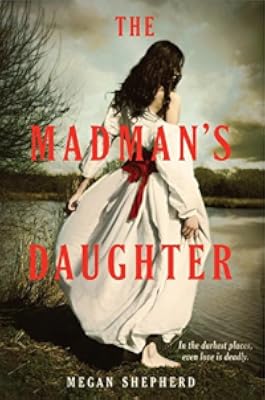
This was definitely retro with an edge of creepy! The cover fooled me. It looks like one of those historical fictions with language that will put you to sleep long before the story line catches. But rest assured, the gore picks up right away. The narrator's solemn situation and peculiar circumstances keeps you turning. The romance was only dished in hints, then it was right back to crazyville. Insane & magnificent in it's freakiness!
Even in my dreams I can't escape the mental imagery of this novel which is why I have no choice but to rate it "EPIC"!
GOTHIC THRILLER, INDEED!
I could wax poetic on the many things I loved about this but I'll leave the rest for you to discover on your own.
I look forward to future novels this author has to offer.
*I received an ARC from the publisher for review and honest feedback. show less
I have a love/hate relationship with anything goth-emo-horror. I love to read it, but hate to be scared or creeped out. Terrify me and I resent you. But do nothing and I shall call you "bunny". See you can't win.
I remember The Island of Dr. Moreau movie when I was little. My older brothers were obsessed with it and kept it on repeat in the VCR. While I was usually around when it was playing, I can only remember snippets from covering my eyes. When I heard this was inspired by that, I knew the meat of the story but the potatoes were still foggy. So reading about the relationships of the characters in this novel was new and unmarred. Yet I doubted there was much that could get to me at my age.
So with show more much doubt, I embarked on reading this novel (at my own risk). It gave me waking nightmares! I can't get the twitching rabbit out of my head.....GAH! Even when I said bunny earlier I thought of the one in the book and it made my flesh crawl. Ewww. And yet I read this front to back with my morbid curiosity driving me. I couldn't stop turning the pages no matter how gross or eerie things got. The ending was more a relief... I felt as if I had escaped the island of Dr. Moreau. Nonetheless, this was an exciting journey.
The dynamics of the characters was complex. There was no definite evil person or saint. At times Juliet was as fragile as a lamb and others where she was as fired up as a wildcat. Dr. Moreau was no cookie cutter villain either. There was much to each character then first observations.
There were enough elements sure to captivate the adoration of every reader:
♥ romance
♥ suspense
♥ action
♥ mystery
♥ religion cults
♥ murder
♥ monsters
This was also way more mature than your average YA book. You will find yourself forgetting that the character is only sixteen.
This was definitely retro with an edge of creepy! The cover fooled me. It looks like one of those historical fictions with language that will put you to sleep long before the story line catches. But rest assured, the gore picks up right away. The narrator's solemn situation and peculiar circumstances keeps you turning. The romance was only dished in hints, then it was right back to crazyville. Insane & magnificent in it's freakiness!
Even in my dreams I can't escape the mental imagery of this novel which is why I have no choice but to rate it "EPIC"!
GOTHIC THRILLER, INDEED!
I could wax poetic on the many things I loved about this but I'll leave the rest for you to discover on your own.
I look forward to future novels this author has to offer.
*I received an ARC from the publisher for review and honest feedback. show less
I got a copy of this book to review through Netgalley(dot)com. Thanks to Balzer and Bray and NetGalley for giving me the opportunity to review this book. This was an engaging and disturbing young adult retelling of the Island of Dr. Moreau.
Juliet Moreau is struggling to make a living as a maid; years ago her father disappeared and not long after that her mother died of cancer. Then Juliet hears rumors about a strange doctor staying in a nearby inn and sees copies of her father’s drawings. When she goes to investigate she finds the her father is not dead as thought, but merely on a deserted island continuing his questionable medical studies. She travels there with her childhood friend and Dr. Moreau’s assistant, Montgomery, and show more finds things more horrific than she could ever have imagined.
Excellent young adult retelling of The Island of Dr. Moreau. This story has a bit of a gothic/thriller type feel to it. The mystery unravels slowly. Those who are familiar with the Island of Dr. Moraeu won’t be surprised by what Juliet finds when she goes to her father’s island but you will be surprised as the mysteries surrounding Juliet herself are revealed.
The book is beautifully written and very well done. There is a bit of a love triangle here, which I am not a huge fan of. Still it was decently done.
Juliet is a strong character that is easy to admire and engage with. The other characters on the island are similarly interesting. You are constantly wondering why Montgomery continues to work for Dr. Moreau and what Edward’s mysterious background is. There is just a lot of mystery hidden within all of these characters.
The plot is very engaging and there are some huge twists in the story which caught me by surprise. There is also quite a bit of medical talk in the book since Juliet has been learning from all of the medical books her father left behind, I enjoyed this as well.
The book is definitely best for young adult and older. There is an attempted rape scene, torture, and rather gory maiming of animals...just a heads up to be ready for some disturbing gore.
Overall I found the book very hard to put down and very engaging. It was a fantastic read. The enjoyed the mystery and the twists and turns the story took. I also enjoyed Juliet, she is a strong female lead with some interesting aspects to her personality. I strongly recommend to fans gothic horror, who don’t mind a somewhat disturbing read. show less
Juliet Moreau is struggling to make a living as a maid; years ago her father disappeared and not long after that her mother died of cancer. Then Juliet hears rumors about a strange doctor staying in a nearby inn and sees copies of her father’s drawings. When she goes to investigate she finds the her father is not dead as thought, but merely on a deserted island continuing his questionable medical studies. She travels there with her childhood friend and Dr. Moreau’s assistant, Montgomery, and show more finds things more horrific than she could ever have imagined.
Excellent young adult retelling of The Island of Dr. Moreau. This story has a bit of a gothic/thriller type feel to it. The mystery unravels slowly. Those who are familiar with the Island of Dr. Moraeu won’t be surprised by what Juliet finds when she goes to her father’s island but you will be surprised as the mysteries surrounding Juliet herself are revealed.
The book is beautifully written and very well done. There is a bit of a love triangle here, which I am not a huge fan of. Still it was decently done.
Juliet is a strong character that is easy to admire and engage with. The other characters on the island are similarly interesting. You are constantly wondering why Montgomery continues to work for Dr. Moreau and what Edward’s mysterious background is. There is just a lot of mystery hidden within all of these characters.
The plot is very engaging and there are some huge twists in the story which caught me by surprise. There is also quite a bit of medical talk in the book since Juliet has been learning from all of the medical books her father left behind, I enjoyed this as well.
The book is definitely best for young adult and older. There is an attempted rape scene, torture, and rather gory maiming of animals...just a heads up to be ready for some disturbing gore.
Overall I found the book very hard to put down and very engaging. It was a fantastic read. The enjoyed the mystery and the twists and turns the story took. I also enjoyed Juliet, she is a strong female lead with some interesting aspects to her personality. I strongly recommend to fans gothic horror, who don’t mind a somewhat disturbing read. show less
The Madman's Daughter
by Megan Shepherd
#1 The Madman's Daughter Trilogy
Audio narrated by Lucy Raynor
4*
setting: 1895, London & an unnamed tropical island somewhere off the coast of Australia
My, oh my, oh my. (Picture me rubbing my hands together in glee.) I just happened across this novel while searching for the word "boatswain" to fulfill a requirement in a reading challenge. I was pondering Peter Pan (Smee was Hook's boatswain/bosun/bos'n) or Mutiny on the Bounty when I became intrigued by this one instead. I'm so glad I found it. I just started reading it with nothing more than the book blurb hinting what was inside. As I got into it, I kept thinking that the premise seemed familiar. Doh. That's because it is a retelling of the classic show more gothic-horror-fantasy-science fiction book written by H.G. Wells in 1896, The Island of Dr. Moreau. This story is told from his daughter, Juliet's, point of view.
As the novel begins, 16-year-old Juliet Moreau has fallen from an upperclass lifestyle after a whispered about scandal involving her father, Dr. Henri Moreau, a notable physician and research scientist, took him away from her. She had always presumed he was dead, because his sudden disappearance had left her and her mother destitute. Her mother had to resort to quiet "arrangements" with high class gentlemen in order to make ends meet. After her death from consumption, Juliet found employment as a maid at King's College of Medical Research cleaning the laboratory at the end of each day.
She was not bothered by the specimens in jars or the blood or other organic debris, as she was raised in the home of her father and was born with a natural curiosity and affinity toward medical science. Because she was a girl, of course, she was not allowed to study medicine, but she became adept at eavesdropping on her father and watching him through cracks in the door. Her childhood friend, Montgomery, who worked as Dr. Moreau's assistant, would sneak medical books to Juliet, so she became quite knowledgeable on her own.
Juliet unintentionally finds herself caught up in a couple minor scandals herself, one caused by a lecherous older man who works at King's College. She injures him after his attempt to molest her. Of course, the fallout would affect her more than the old coot, so she knew she would no longer have a job. Around the same time, she runs into her old friend, Montgomery, who had disappeared the same time as her father. She learns from him that Dr. Moreau is still alive and is doing research on a tropical island. She is devastated that he just abandoned her and never sent word (or money), yet she is thrilled to know he is alive and well. She is now determined to find him and decides to go back with Montgomery when his ship returns to the island.
Along the way, they rescue a young man adrift in a small dinghy and bring him to the island as well, planning to send him on his way with the next trading ship (which could take a year or more). When they reach the island, Juliet is taken aback by her father's lukewarm welcome, and to his acerbic and violent reaction upon seeing the rescued man, Edward Prince.
Her father's dark side continues to show itself as Juliet and Edward learn more about his research and what he is creating on the island. Juliet feels drawn to Edward, who is obviously smitten with her and feels protective toward her, but she cannot let go of her longtime feelings for her old friend, Montgomery, whom she feels safe with and always looked up to and adored. All throughout, she is confused by her newfound feelings and goes back and forth dreaming about both men. Torn between two lovers, feeling like a fool...
We learn more about Dr. Moreau's unusual experiments, using the torturous and cruel method of vivisection (and without using anesthetic), as he fuses together parts from different living beings, intermingling species. He has many of his creatures there on the island, some in more advanced forms than others. Many are deformed, some are very intelligent with human-like qualities, others cannot speak or have mutated into dangerous horrific beings. He's learned to interfere with brain function, removing or tweaking certain areas in order to eradicate less desirable features or to improve functions to a higher level. Dr. Moreau is playing at being a god.
There is a lot to debate regarding the ethics of how new information is discovered and used to achieve advancements in certain scientific areas when the power to do so is put in the wrong hands. The original book by H.G. Wells caused a lot of controversy and scandal when it was released, the blurring of lines between humans and animals, the hints of bestiality, cannibalism, etc. Wells himself said his book was "an exercise in youthful blasphemy".
Juliet often battles her own morbid curiosity about her father's research even though she knows what he's doing is wrong and that he, himself, is a madman in the truest sense of the word.
"Edward was strangely quiet, shocked by the horror of it, as I should have been. But as much as I knew I should be repulsed, my curiosity burned so brightly it made my humanity flicker and dim."
Some of Dr. Moreau's creatures start to turn, suddenly becoming violent as they discover the taste of blood. Juliet, Montgomery, and Edward plot together and plan to make their escape on the last remaining dinghy left on the island, hoping to run into a larger ship. Juliet is encouraged to round up anything of value which can later be sold. A loyal part dog-part bear creature, Balthazar, helps load up water, food, clothing, parasols, anything that will help them survive the journey.
As chaos reigns on the island and time begins to run out, more twists and turns to the story cause surprise and leave the reader with the feeling of, "What? No! No, no, no!" This is a thought-provoking novel, for sure, and full of dark, gloomy, gothic suspense. This does not completely align with the original Wells' novel, and leaves an opening for future books in the series.
The author continues this story with a second book which pulls from Robert Louis Stevenson's The Strange Case of Dr. Jekyll and Mr. Hyde and follows with a third book stemming from Mary Shelley's Frankenstein. show less
by Megan Shepherd
#1 The Madman's Daughter Trilogy
Audio narrated by Lucy Raynor
4*
setting: 1895, London & an unnamed tropical island somewhere off the coast of Australia
My, oh my, oh my. (Picture me rubbing my hands together in glee.) I just happened across this novel while searching for the word "boatswain" to fulfill a requirement in a reading challenge. I was pondering Peter Pan (Smee was Hook's boatswain/bosun/bos'n) or Mutiny on the Bounty when I became intrigued by this one instead. I'm so glad I found it. I just started reading it with nothing more than the book blurb hinting what was inside. As I got into it, I kept thinking that the premise seemed familiar. Doh. That's because it is a retelling of the classic show more gothic-horror-fantasy-science fiction book written by H.G. Wells in 1896, The Island of Dr. Moreau. This story is told from his daughter, Juliet's, point of view.
As the novel begins, 16-year-old Juliet Moreau has fallen from an upperclass lifestyle after a whispered about scandal involving her father, Dr. Henri Moreau, a notable physician and research scientist, took him away from her. She had always presumed he was dead, because his sudden disappearance had left her and her mother destitute. Her mother had to resort to quiet "arrangements" with high class gentlemen in order to make ends meet. After her death from consumption, Juliet found employment as a maid at King's College of Medical Research cleaning the laboratory at the end of each day.
She was not bothered by the specimens in jars or the blood or other organic debris, as she was raised in the home of her father and was born with a natural curiosity and affinity toward medical science. Because she was a girl, of course, she was not allowed to study medicine, but she became adept at eavesdropping on her father and watching him through cracks in the door. Her childhood friend, Montgomery, who worked as Dr. Moreau's assistant, would sneak medical books to Juliet, so she became quite knowledgeable on her own.
Juliet unintentionally finds herself caught up in a couple minor scandals herself, one caused by a lecherous older man who works at King's College. She injures him after his attempt to molest her. Of course, the fallout would affect her more than the old coot, so she knew she would no longer have a job. Around the same time, she runs into her old friend, Montgomery, who had disappeared the same time as her father. She learns from him that Dr. Moreau is still alive and is doing research on a tropical island. She is devastated that he just abandoned her and never sent word (or money), yet she is thrilled to know he is alive and well. She is now determined to find him and decides to go back with Montgomery when his ship returns to the island.
Along the way, they rescue a young man adrift in a small dinghy and bring him to the island as well, planning to send him on his way with the next trading ship (which could take a year or more). When they reach the island, Juliet is taken aback by her father's lukewarm welcome, and to his acerbic and violent reaction upon seeing the rescued man, Edward Prince.
Her father's dark side continues to show itself as Juliet and Edward learn more about his research and what he is creating on the island. Juliet feels drawn to Edward, who is obviously smitten with her and feels protective toward her, but she cannot let go of her longtime feelings for her old friend, Montgomery, whom she feels safe with and always looked up to and adored. All throughout, she is confused by her newfound feelings and goes back and forth dreaming about both men. Torn between two lovers, feeling like a fool...
We learn more about Dr. Moreau's unusual experiments, using the torturous and cruel method of vivisection (and without using anesthetic), as he fuses together parts from different living beings, intermingling species. He has many of his creatures there on the island, some in more advanced forms than others. Many are deformed, some are very intelligent with human-like qualities, others cannot speak or have mutated into dangerous horrific beings. He's learned to interfere with brain function, removing or tweaking certain areas in order to eradicate less desirable features or to improve functions to a higher level. Dr. Moreau is playing at being a god.
There is a lot to debate regarding the ethics of how new information is discovered and used to achieve advancements in certain scientific areas when the power to do so is put in the wrong hands. The original book by H.G. Wells caused a lot of controversy and scandal when it was released, the blurring of lines between humans and animals, the hints of bestiality, cannibalism, etc. Wells himself said his book was "an exercise in youthful blasphemy".
Juliet often battles her own morbid curiosity about her father's research even though she knows what he's doing is wrong and that he, himself, is a madman in the truest sense of the word.
"Edward was strangely quiet, shocked by the horror of it, as I should have been. But as much as I knew I should be repulsed, my curiosity burned so brightly it made my humanity flicker and dim."
Some of Dr. Moreau's creatures start to turn, suddenly becoming violent as they discover the taste of blood. Juliet, Montgomery, and Edward plot together and plan to make their escape on the last remaining dinghy left on the island, hoping to run into a larger ship. Juliet is encouraged to round up anything of value which can later be sold. A loyal part dog-part bear creature, Balthazar, helps load up water, food, clothing, parasols, anything that will help them survive the journey.
As chaos reigns on the island and time begins to run out, more twists and turns to the story cause surprise and leave the reader with the feeling of, "What? No! No, no, no!" This is a thought-provoking novel, for sure, and full of dark, gloomy, gothic suspense. This does not completely align with the original Wells' novel, and leaves an opening for future books in the series.
The author continues this story with a second book which pulls from Robert Louis Stevenson's The Strange Case of Dr. Jekyll and Mr. Hyde and follows with a third book stemming from Mary Shelley's Frankenstein. show less
Members
- Recently Added By
Author Information

19+ Works 4,045 Members
Awards and Honors
Awards
Distinctions
Series

Common Knowledge
- Canonical title
- The Madman's Daughter
- Original publication date
- 2013-02-01
- People/Characters
- Juliet Moreau; Montgomery; Edward Prince; Dr. Moreau; Balthazar
- Dedication
- To Jesse -
I love you madly. - First words
- The basement hallways in King's College of Medical Research were dark, even in the daytime.
At night they were like a grave. - Quotations
- Why did I have to learn he was alive from a bloodstained diagram at a late-night vivisection?
- Last words
- (Click to show. Warning: May contain spoilers.)Two columns of smoke rose into the stars - one from the volcano, one from the compound. And then I saw nothing, as the waves spun me around in their dips and swells and the island disappeared into night, except the glowing blaze where fire destroyed the red walls of my father's laboratory.
- Publisher's editor
- Rens, Kristin
- Blurbers
- Ryan, Carrie; Rossi, Veronica
- Canonical DDC/MDS
- 813.6
- Canonical LCC
- PZ7.S54374
Classifications
Statistics
- Members
- 1,215
- Popularity
- 20,376
- Reviews
- 91
- Rating
- (3.66)
- Languages
- English, Portuguese, Spanish, Turkish
- Media
- Paper, Audiobook, Ebook
- ISBNs
- 13
- ASINs
- 4