On This Page
Description
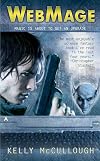
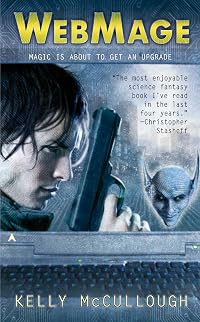
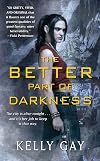
Ravirn is not your average computer geek. A child of the Fates—literally—he's a hacker extraordinaire who can zero in on the fatal flaw in any program. Now that twenty-first-century magic has gone digital that makes him a very talented sorcerer. But a world of problems is about to be downloaded on Ravirn—who's just trying to pass his college midterms.Great Aunt Atropos, one of the three Fates, decides that humans having free will is really overrated and plans to rid herself of the show more annoyance—by coding a spell into the Fate Core, the server that rules destiny. As a hacker, Ravirn is a big believer in free will, and when he not only refuses to debug her spell but actively opposes her, all hell breaks loose.
Even with the help of his familiar Melchior, a sexy sorceress (who's also a mean programmer), and the webgoblin underground, it's going to be a close call...
. show less
Tags
Recommendations

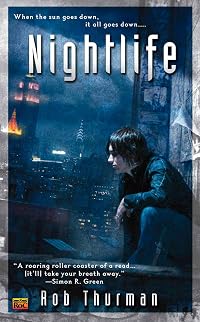
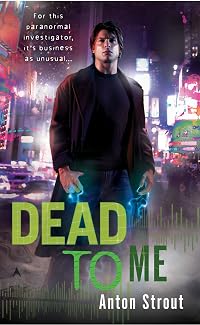

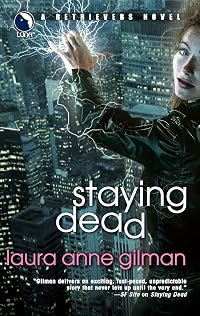
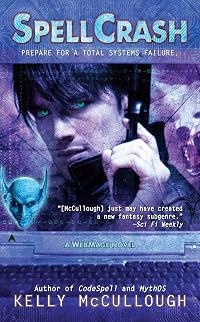
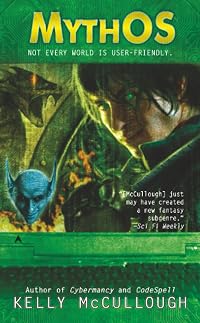




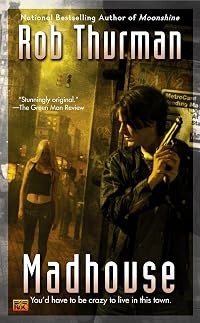
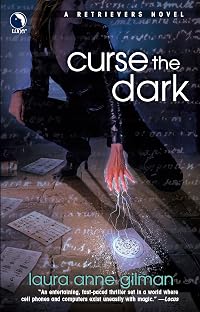

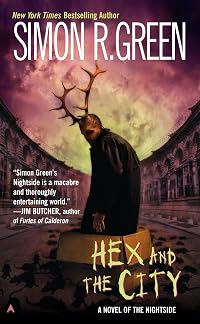
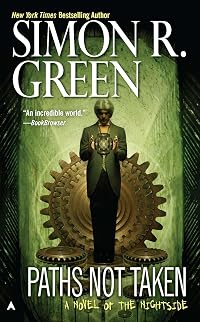








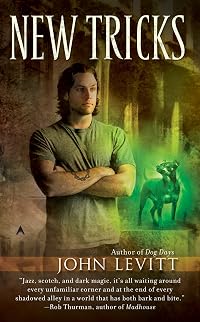
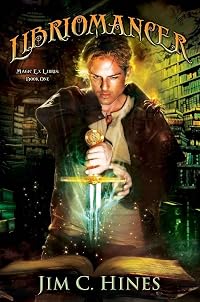

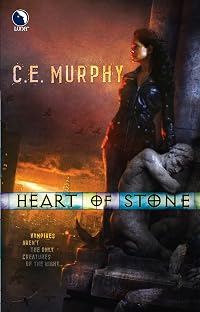
Member Recommendations


aqualectrix McCullough's world of cyberpunk-magic has a very similar feel to Zelazny's Amber series.

amberwitch Two urban fantasies with immortal family squabbles, mythology and deities
noneofthis For the influx of Greek mythology.
Member Reviews
Weird and wonderful. I was getting a lot of Amber echoes at the beginning (which is not a compliment!) - the more-than-mortal, powerful, backstabbing family. But later on it got a lot richer and more interesting, partly because Ravirn is relatively weak, as his family goes. He has to deal with things sideways and by evasion rather than bulling through, but in the process he learns a lot; about himself, his family, his familiar, and the structure of the multiverse. Nice ending, leaving all his options open. I definitely want to read the next one...and the next...
I'm IN LOVE with this author and this series. Mashing up cyber/sci-fi and fantasy is always a risky endeavor, and in the wrong author's hands it will at best leave you limp or at worst leave you wishing you could Brillo your brain after reading. But when the mash-up is done well and awesome - you get the likes of Justina Robson, Emma Bull and now Kelly McCullough.
The whole series, is a damn fun, clever, engaging tale that not only mingles magic and cyberpunk, but does so against the backdrop of Greek mythos (or MythOS). The characters - Titans, gods, demi-gods, cyber-familiars - are fully fleshed-out (sometimes literally) and multidimensional, and just as scandalous, foible-ridden, self-serving, and at each others' throats as you could show more hope for in your Greek gods, along with some streaks of believable good-heartedness and altruism. No flat Oedipal/Iliadic snooze-fest here, though no disrespect to the classics meant - just they weren't ever engaging stories to me!
Having finished all 5 in the series as of writing this review - I'm only sad to know I'll have to wait awhile for further offerings from McCullough. show less
The whole series, is a damn fun, clever, engaging tale that not only mingles magic and cyberpunk, but does so against the backdrop of Greek mythos (or MythOS). The characters - Titans, gods, demi-gods, cyber-familiars - are fully fleshed-out (sometimes literally) and multidimensional, and just as scandalous, foible-ridden, self-serving, and at each others' throats as you could show more hope for in your Greek gods, along with some streaks of believable good-heartedness and altruism. No flat Oedipal/Iliadic snooze-fest here, though no disrespect to the classics meant - just they weren't ever engaging stories to me!
Having finished all 5 in the series as of writing this review - I'm only sad to know I'll have to wait awhile for further offerings from McCullough. show less
Kelly McCullough's WebMage is his cyberpunk debut.
Grandson of one of the Greek Fates, Ravirn is a college student and hacker/sorcerer. Accompanied by his familiar Melchior, Ravirn stumbles upon a virus in the Fate Core for which he soon gets blamed. But while trying to flee for his life and clear his name, Ravirn stumbles upon a conspiracy that he never could have imagined.
McCullough has created a truly unique world that blends science fiction and fantasy - a high-tech, cyber age controlled by magic and gods. While the tech lingo was a bit hard to follow, this debut is fast-paced with plenty of action and adventure. Ravirn gets himself into one bad situation after another, with very few people he can trust. Ravirn's web goblin familiar, show more Melchior, is an exceptionally clever character. Along with the powerful and cruel Fates, the characters and adventure were the highlights of the story. As one who doesn't read much cyberpunk, I found myself really enjoying this debut novel and looking forward to its sequel, Cybermancy. show less
Grandson of one of the Greek Fates, Ravirn is a college student and hacker/sorcerer. Accompanied by his familiar Melchior, Ravirn stumbles upon a virus in the Fate Core for which he soon gets blamed. But while trying to flee for his life and clear his name, Ravirn stumbles upon a conspiracy that he never could have imagined.
McCullough has created a truly unique world that blends science fiction and fantasy - a high-tech, cyber age controlled by magic and gods. While the tech lingo was a bit hard to follow, this debut is fast-paced with plenty of action and adventure. Ravirn gets himself into one bad situation after another, with very few people he can trust. Ravirn's web goblin familiar, show more Melchior, is an exceptionally clever character. Along with the powerful and cruel Fates, the characters and adventure were the highlights of the story. As one who doesn't read much cyberpunk, I found myself really enjoying this debut novel and looking forward to its sequel, Cybermancy. show less
A good first novel, with reasonable sounding tech even 6-7 years after it was written. The characters are strong and interesting, although the main character isn't always that bright considering what a good hacker he's supposed to be. I absolutely adored his familiar and the vegetarian troll. The three Furies were also fabulous in a frightening way.
The action never stops and the hero is constantly being injured so severely he's often incapacitated but I love that so it worked for me. He has good supportive friends and the good folks are full of snarkiness and sarcasm. Best of all, Ravirn learns from his mistakes and he grows during the course of the novel which earns major points from me.
Something felt a little off about the story, show more though, mostly in the first half but I'm attributing it to first book awkwardness. I think the love interest stuff was too much, too soon and too fast as well but she was every bit his equal. The only possible sexism is that two female characters talk about sex constantly. It this is in a Greek pantheon and that fits right in. The women are very strong and intelligent, both good and bad and complex. Their world is t as. Lack and white as most UF which is good because Greek mythology wasn't either. I like the focus on the Fates and the Furies, rather than the traditional gods as well and I like how clear it is that these are the goddesses that really have the power over the life and death of everyone including each other.
I don't like the virtual reality way of looking at programming. I guess the idea is to make it fit with magic when he actual enters the code with bis mind and sees it like he would see something in physical reality but I think it's a cop out to make it easier to explain things. A good programmer doesn't need a visual image to code. At one point the Ravern is looking at the graphic representation of code onscreen and, referring to a gateway, says, "It looked something like a subway tunnel..."
The other big problem I had was that the gods had all taken to the whole computing thing to the point that monastics worshiped Turing. They were all excellent programmers and all the old magic like spells and ley lines had all been converted to computer code. Faerie rings were no longer used because they were too dangerous. I just didn't buy that a technology that's considerably less than a century old immediately and thoroughly supplants magic that has been using the same methods for millennia. I think this would have worked a little better if there were another explanation such as that in one of the realities computer science had been around for 100's of years already or that time passed faster in faerie or that something horrific had happened that made the old ways very dangerous. I just needed something to make it more believable.
But I did enjoy it and will read the next one. After all, one of my very favorite series, Downside Ghosts, is based on an even more ridiculous premise. Once you accept the premise, the rest is brilliant. Maybe that will be the case as this series progresses. At the very least, it is a fresh idea in a genre full of same old same old. show less
The action never stops and the hero is constantly being injured so severely he's often incapacitated but I love that so it worked for me. He has good supportive friends and the good folks are full of snarkiness and sarcasm. Best of all, Ravirn learns from his mistakes and he grows during the course of the novel which earns major points from me.
Something felt a little off about the story, show more though, mostly in the first half but I'm attributing it to first book awkwardness. I think the love interest stuff was too much, too soon and too fast as well but she was every bit his equal. The only possible sexism is that two female characters talk about sex constantly. It this is in a Greek pantheon and that fits right in. The women are very strong and intelligent, both good and bad and complex. Their world is t as. Lack and white as most UF which is good because Greek mythology wasn't either. I like the focus on the Fates and the Furies, rather than the traditional gods as well and I like how clear it is that these are the goddesses that really have the power over the life and death of everyone including each other.
I don't like the virtual reality way of looking at programming. I guess the idea is to make it fit with magic when he actual enters the code with bis mind and sees it like he would see something in physical reality but I think it's a cop out to make it easier to explain things. A good programmer doesn't need a visual image to code. At one point the Ravern is looking at the graphic representation of code onscreen and, referring to a gateway, says, "It looked something like a subway tunnel..."
The other big problem I had was that the gods had all taken to the whole computing thing to the point that monastics worshiped Turing. They were all excellent programmers and all the old magic like spells and ley lines had all been converted to computer code. Faerie rings were no longer used because they were too dangerous. I just didn't buy that a technology that's considerably less than a century old immediately and thoroughly supplants magic that has been using the same methods for millennia. I think this would have worked a little better if there were another explanation such as that in one of the realities computer science had been around for 100's of years already or that time passed faster in faerie or that something horrific had happened that made the old ways very dangerous. I just needed something to make it more believable.
But I did enjoy it and will read the next one. After all, one of my very favorite series, Downside Ghosts, is based on an even more ridiculous premise. Once you accept the premise, the rest is brilliant. Maybe that will be the case as this series progresses. At the very least, it is a fresh idea in a genre full of same old same old. show less
A good first novel, with reasonable sounding tech even 6-7 years after it was written. The characters are strong and interesting, although the main character isn't always that bright considering what a good hacker he's supposed to be. I absolutely adored his familiar and the vegetarian troll. The three Furies were also fabulous in a frightening way.
The action never stops and the hero is constantly being injured so severely he's often incapacitated but I love that so it worked for me. He has good supportive friends and the good folks are full of snarkiness and sarcasm. Best of all, Ravirn learns from his mistakes and he grows during the course of the novel which earns major points from me.
Something felt a little off about the story, show more though, mostly in the first half but I'm attributing it to first book awkwardness. I think the love interest stuff was too much, too soon and too fast as well but she was every bit his equal. The only possible sexism is that two female characters talk about sex constantly. It this is in a Greek pantheon and that fits right in. The women are very strong and intelligent, both good and bad and complex. Their world is t as. Lack and white as most UF which is good because Greek mythology wasn't either. I like the focus on the Fates and the Furies, rather than the traditional gods as well and I like how clear it is that these are the goddesses that really have the power over the life and death of everyone including each other.
I don't like the virtual reality way of looking at programming. I guess the idea is to make it fit with magic when he actual enters the code with bis mind and sees it like he would see something in physical reality but I think it's a cop out to make it easier to explain things. A good programmer doesn't need a visual image to code. At one point the Ravern is looking at the graphic representation of code onscreen and, referring to a gateway, says, "It looked something like a subway tunnel..."
The other big problem I had was that the gods had all taken to the whole computing thing to the point that monastics worshiped Turing. They were all excellent programmers and all the old magic like spells and ley lines had all been converted to computer code. Faerie rings were no longer used because they were too dangerous. I just didn't buy that a technology that's considerably less than a century old immediately and thoroughly supplants magic that has been using the same methods for millennia. I think this would have worked a little better if there were another explanation such as that in one of the realities computer science had been around for 100's of years already or that time passed faster in faerie or that something horrific had happened that made the old ways very dangerous. I just needed something to make it more believable.
But I did enjoy it and will read the next one. After all, one of my very favorite series, Downside Ghosts, is based on an even more ridiculous premise. Once you accept the premise, the rest is brilliant. Maybe that will be the case as this series progresses. At the very least, it is a fresh idea in a genre full of same old same old. show less
The action never stops and the hero is constantly being injured so severely he's often incapacitated but I love that so it worked for me. He has good supportive friends and the good folks are full of snarkiness and sarcasm. Best of all, Ravirn learns from his mistakes and he grows during the course of the novel which earns major points from me.
Something felt a little off about the story, show more though, mostly in the first half but I'm attributing it to first book awkwardness. I think the love interest stuff was too much, too soon and too fast as well but she was every bit his equal. The only possible sexism is that two female characters talk about sex constantly. It this is in a Greek pantheon and that fits right in. The women are very strong and intelligent, both good and bad and complex. Their world is t as. Lack and white as most UF which is good because Greek mythology wasn't either. I like the focus on the Fates and the Furies, rather than the traditional gods as well and I like how clear it is that these are the goddesses that really have the power over the life and death of everyone including each other.
I don't like the virtual reality way of looking at programming. I guess the idea is to make it fit with magic when he actual enters the code with bis mind and sees it like he would see something in physical reality but I think it's a cop out to make it easier to explain things. A good programmer doesn't need a visual image to code. At one point the Ravern is looking at the graphic representation of code onscreen and, referring to a gateway, says, "It looked something like a subway tunnel..."
The other big problem I had was that the gods had all taken to the whole computing thing to the point that monastics worshiped Turing. They were all excellent programmers and all the old magic like spells and ley lines had all been converted to computer code. Faerie rings were no longer used because they were too dangerous. I just didn't buy that a technology that's considerably less than a century old immediately and thoroughly supplants magic that has been using the same methods for millennia. I think this would have worked a little better if there were another explanation such as that in one of the realities computer science had been around for 100's of years already or that time passed faster in faerie or that something horrific had happened that made the old ways very dangerous. I just needed something to make it more believable.
But I did enjoy it and will read the next one. After all, one of my very favorite series, Downside Ghosts, is based on an even more ridiculous premise. Once you accept the premise, the rest is brilliant. Maybe that will be the case as this series progresses. At the very least, it is a fresh idea in a genre full of same old same old. show less
McCullough riffs on Greek mythology, giving the three Fates a set of descendants and a tradition of using computer technology for performing magic. Our hero, Ravirn, is caught up in both family intrigue and strife with Eris, Goddess of Discord, and spends most of his on-screen time caught up in some crisis or other. (The hero supposedly has a life outside his crises, but we see very little of it.) The action is entertaining, some of the repartee quite funny, the mythology a bit sketchy, the computer technology occasionally requires active suspension of disbelief (though people who aren't software engineers might not notice), and the story lacks the depth and nuance of The Dresden Files. A good read for times when you want some mind show more candy. I"ll be interested to see if McCullough's storytelling skills pick up in the sequels. show less
An interesting story utilising aspects of Greek mythology and spell programming. It manages to keep the interest through most of the story even though it is a bit uneven. The emotional scenes suffer from an overdose of pathos, which makes them seem unrealistic, and very long - the number of dramatic departure scenes as the hero rides out to do battle is way too high.
Part of the story and worldbuilding bears a strong resemblence to Zelasny's Amber series, but the inventive use of magic as code and mythology makes it all its own.
Ravirn is a distant granchild of the middle fate. Due to his abilities as a hacker he gets caught up in a plot to eradicate free will (makes for a much more orderly universe), and to avoid having his own thread show more cut, he has to reveal the plot and stop its unfolding with only his grumpy but faithful webgoblin familiar for help.
Unfortunately he has to do so while acing exams, courting the love of his life and dodging attempts at his life, and everything he does just ends him in hotter water.
Hunted by family and furies he travels through paintings and fairy rings, and end up protecting free will with the aid of his beloved, two webgoblins and a rogue webtroll who has shed the shackles of slavery. show less
Part of the story and worldbuilding bears a strong resemblence to Zelasny's Amber series, but the inventive use of magic as code and mythology makes it all its own.
Ravirn is a distant granchild of the middle fate. Due to his abilities as a hacker he gets caught up in a plot to eradicate free will (makes for a much more orderly universe), and to avoid having his own thread show more cut, he has to reveal the plot and stop its unfolding with only his grumpy but faithful webgoblin familiar for help.
Unfortunately he has to do so while acing exams, courting the love of his life and dodging attempts at his life, and everything he does just ends him in hotter water.
Hunted by family and furies he travels through paintings and fairy rings, and end up protecting free will with the aid of his beloved, two webgoblins and a rogue webtroll who has shed the shackles of slavery. show less
Members
- Recently Added By
Lists

Best Urban Fantasy
634 works; 79 members
Author Information

19+ Works 2,844 Members
Some Editions
Series

Common Knowledge
- Canonical title
- WebMage
- Original publication date
- 2006-08
- Dedication
- For Laura, my heart.
- First words
- "Nothing here," said Melchior, his voice echoing from the depths of an ancient citrus-wood chest.
- Last words
- (Click to show. Warning: May contain spoilers.)"Let's go home."
Classifications
Statistics
- Members
- 641
- Popularity
- 45,474
- Reviews
- 19
- Rating
- (3.69)
- Languages
- English
- Media
- Paper, Audiobook, Ebook
- ISBNs
- 6
- ASINs
- 3