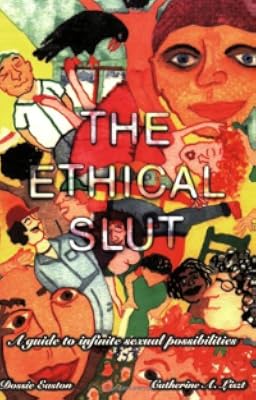
The Ethical Slut: A Practical Guide to Polyamory, Open Relationships & Other Adventures
by Dossie Easton
On This Page
Description
The classic guide to love, sex, and intimacy beyond the limits of conventional monogamy has been fully updated to reflect today’s modern attitudes and the latest information on nontraditional relationships.“One of the most useful relationship books you could ever read, no matter what your lifestyle choices. It’s chock-full of great information about communication, jealousy, asking for what you want, and maintaining a relationship with integrity.”—Annie Sprinkle, PhD, show more sexologist and author of Dr. Sprinkle’s Spectacular Sex
For 20 years The Ethical Slut—widely known as the “Poly Bible”—has dispelled myths and showed curious readers how to maintain a successful polyamorous lifestyle through open communication, emotional honesty, and safer sex practices. The third edition of this timeless guide to the ethics of relationships, communication, and sex has been revised to include:
• Interviews with poly millennials (young people who have grown up without the prejudices their elders encountered regarding gender, orientation, sexuality, and relationships)
• Tributes to polyamory pioneers
• Tools for conflict resolution and instructions on how to improve interpersonal dynamics
• New sidebars on topics such as asexuality, sex workers, LGBTQ terminology, and ways polys can connect and thrive
The authors also include new content addressing nontraditional relationships beyond the polyamorous paradigm of “more than two”: couples who don't live together, couples who don't have sex with each other, nonparallel arrangements, couples with widely divergent sex styles, power disparities, and cross-orientation relationships, while utilizing nonbinary gender language and new terms that have come into common usage since the last edition. Family & Relationships. Self-Improvement. Philosophy. Nonfiction. show less
Tags
Recommendations
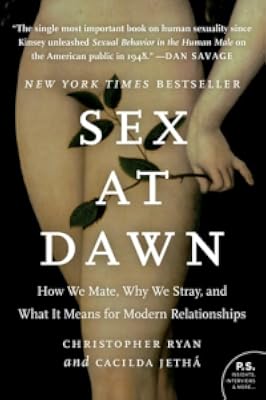
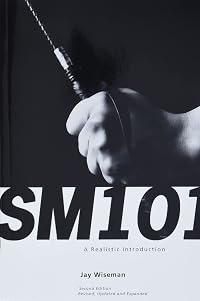

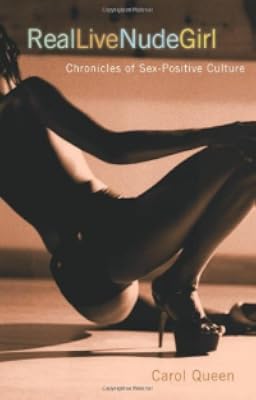
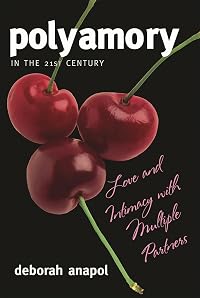
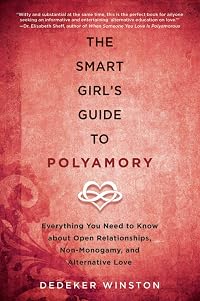
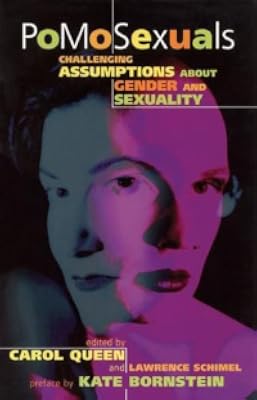
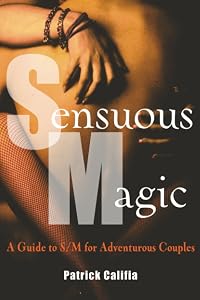
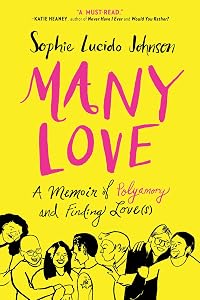
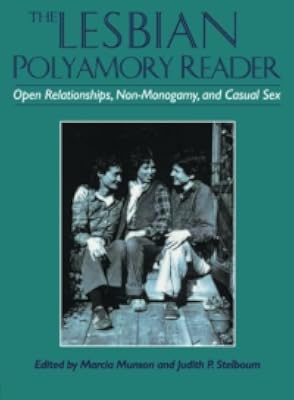
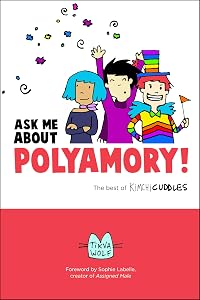
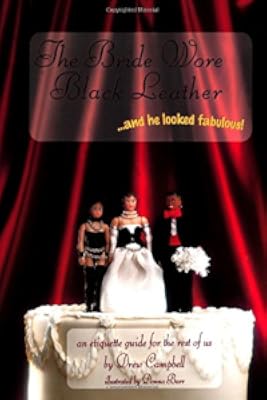
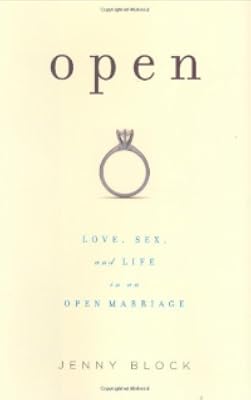



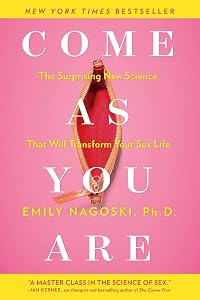
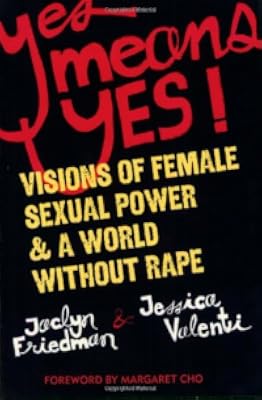
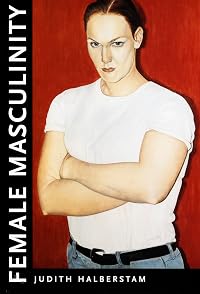
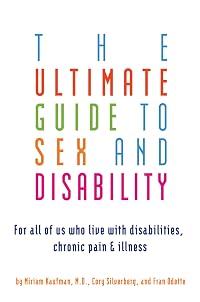
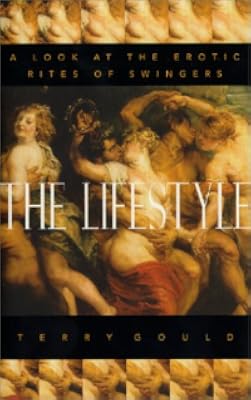
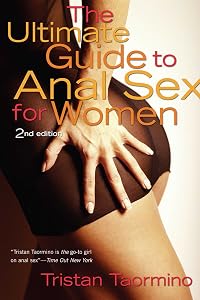
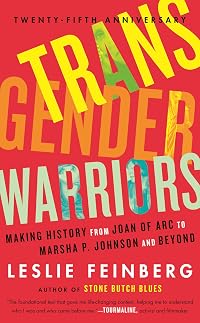
Member Recommendations
20

Member Reviews
I tend to roll my eyes at self-help books and relationship books. It probably isn't my best attribute, but it's true. This one I ate up. This was almost certainly because we live in a society so knotted up about sexuality and traditional monogamy that there really isn't much discussion of, let alone positive role modeling of healthy non-monogamous relationships out in the open. Lately I have become more and more aware that a lot of perfectly lovely people have been cutting their own path when it comes to structuring their intimate relationships. Couple that with my own disinterest in the traditional institution of marriage and this seemed like the book for me.
It was.
The book starts off beautifully from the simple premise: Sex is fun and show more pleasure is good for you. The authors proudly dismiss the idea that the number of partners a person has has any bearing on their value as a person or their moral fiber. This, they point out, is a hold over from our culture's long tradition of commodifying sex, or, more specifically, commodifying women according to the exclusivity of their bodies. There is of course nothing wrong with monogamy if it is what works for a couple, however the authors are quick to point out that love and sex need not go hand in hand, and if love is dependent on complete sexual possession of your partner's body you might be confusing your lover with your property. You love a person for who they are, not who they do.
These are of course things that need to be sorted out by the individuals involved and nowhere in the book do the authors imply one sort of relationship to be superior to another. They do however point out that what's best for one person is not necessarily best for another and what is best for a person can change over a lifetime. Or several times. They dig into the ethics and strategies of non-monogamy and here it really opens up. Frankly, with the possibly exception of the chapter on how to negotiate sex parties, this section really ought to apply to anyone. Communication and emotional honesty are emphasized above all else. Using this basic foundation the authors detail how to sort out what boundaries you need in your relationship and how to deal with the difficulties and problems that will arise in a non-mongamous relationship. Not because non-monogamy is inherently more fragile than monogamy, but because every relationship faces challenges.
I still don't know how exactly I would like to structure my romantic relationships, but now I'm a lot more knowledgeable about the options out there and feel more secure knowing my relationships don't need fit any expectations or structure other than those imposed by the people involved. Yay! show less
It was.
The book starts off beautifully from the simple premise: Sex is fun and show more pleasure is good for you. The authors proudly dismiss the idea that the number of partners a person has has any bearing on their value as a person or their moral fiber. This, they point out, is a hold over from our culture's long tradition of commodifying sex, or, more specifically, commodifying women according to the exclusivity of their bodies. There is of course nothing wrong with monogamy if it is what works for a couple, however the authors are quick to point out that love and sex need not go hand in hand, and if love is dependent on complete sexual possession of your partner's body you might be confusing your lover with your property. You love a person for who they are, not who they do.
These are of course things that need to be sorted out by the individuals involved and nowhere in the book do the authors imply one sort of relationship to be superior to another. They do however point out that what's best for one person is not necessarily best for another and what is best for a person can change over a lifetime. Or several times. They dig into the ethics and strategies of non-monogamy and here it really opens up. Frankly, with the possibly exception of the chapter on how to negotiate sex parties, this section really ought to apply to anyone. Communication and emotional honesty are emphasized above all else. Using this basic foundation the authors detail how to sort out what boundaries you need in your relationship and how to deal with the difficulties and problems that will arise in a non-mongamous relationship. Not because non-monogamy is inherently more fragile than monogamy, but because every relationship faces challenges.
I still don't know how exactly I would like to structure my romantic relationships, but now I'm a lot more knowledgeable about the options out there and feel more secure knowing my relationships don't need fit any expectations or structure other than those imposed by the people involved. Yay! show less
Before I write my review, I want to say something. I don't normally read psycho-babble self-help relationship-help type books.
Maybe it's because I've been in therapy for bipolar since I was 13, maybe it's because I regularly read psychology and medical texts, maybe it's because I have an immediately visceral and negative reaction to the idea of trying to change another person. This is probably due to the fact that people have been trying to "change" me for so long, convince me that bipolar is a figment of my imagination, a fallacy that I can overcome by strength of will.
And too often, self-help books and relationship manuals rely on what I perceive as the negative perpetuation of the idea that one can improve serious issues like show more depression, bipolar, dissociative personality disorders, PTSD, and other serious mental issues through "happy thoughts" and "positive thinking" and "spiritual energies" and other hoo-ha.
Most relationship "help" books also tend to tilt too far in one direction or the other: Here's how to change him/her (you can't change another person, it's an exercise in futility and only hurts everyone involved), or, alternatively and supposedly more realistically: You can't change them, so accept them faults and all and love them as they are. Live with it.
Both of those tactics are depressing and horrific and probably help attribute to the high divorce rate, as neither of those tactics are in any way conductive to honest communication.
Which is why The Ethical Slut is so freaking awesome. The authors are proponents of polyamory, or open relationships, that's true. But the basic tenants of communication and how to strengthen a core relationship, the little exercises for opening up the lines of discussion between a couple -- everything in this book is invaluable.
I loved the concept of "agreements" rather than "rules" -- it's so easy for someone to say, "This is a rule," and we think of something strict and unbreakable and feel boxed in and itchy and, even if we often don't admit it, angry and wanting to break it. Rules beg to be broken. But agreements sound so flexible, so easy and negotiable.
As my husband pointed out when I discussed this with him, they have safety rules at his place of work and they get broken all the time (which irritates the crap out of him, as a forklift driver). But they also have employee agreements, which are re-negotiated every two years, with employee input.
And I can see how that parallels so easily. It makes sense.
Another thing the authors discussed was arguing -- obviously, all couples argue. Everybody argues. We have to argue, it's how we hash out the difficult issues, paying bills and visiting inlaws and everything big and little that we disagree on. The authors introduced two new concepts to me: Scheduling fights (?!?!) and the win-win idea.
I'd heard of scheduling sex. I'm pretty sure that anyone married more than 3 years and definitely anyone with a kid has been introduced to the concept of scheduling sex. At first it sounds weird, but then you get used to the idea, and then it makes perfect sense. There's still spontaneous sex, yeah, but there's also scheduled sex.
Well, the authors discussed how scheduling fights and learning how to fight constructively -- letting each person have uninterrupted time to air their feelings, practicing fighting over small issues using a timer, learning to walk away and calm down for 10 to 15 minutes when things got too heated -- can strengthen a relationship.
The concept of a win-win is brilliant, too. It's basically compromise, but I love how they phrased it, because we all go into an argument wanting to win. It's how we're wired -- we want to make our point and we want to win, and once we do, it'll be done because we've won, right?
Except it's not done just because we've won, because somebody's lost and a loser is never happy. They're still angry and mulling over their loss and what happened and one day that same damn argument will swell up and bite you in the ass, even though the winner thought it was over and done and behind them -- they won, so it was done, right?
That's where win-win, compromise, agreements come in. If everyone feels like they've won, then there are no losers and the argument is truly over. It won't come back to bite anybody in the ass. But only if you've hashed out a compromise that's truly a win-win for everybody, something that everyone is happy with and can live with.
And all these things seem so self-evident, so, "Well, duh, I knew that."
They're the type of things that when you read them, you're nodding and laughing and going, "Yeah, I totally get that!" and making little notes in the margins and underlining phrases and entire paragraphs. Because even though in some part of your brain you knew that and you totally understood how that worked, you couldn't quite figure out how to phrase it in just the right way.
I swear, this book is a must have for everybody in a relationship or anybody who wants to be in a relationship. It's awesome. It doesn't matter if you're in a monogamous relationship, an open relationship, or curious about an open relationship. It's great for anyone, seriously. Read it. show less
Maybe it's because I've been in therapy for bipolar since I was 13, maybe it's because I regularly read psychology and medical texts, maybe it's because I have an immediately visceral and negative reaction to the idea of trying to change another person. This is probably due to the fact that people have been trying to "change" me for so long, convince me that bipolar is a figment of my imagination, a fallacy that I can overcome by strength of will.
And too often, self-help books and relationship manuals rely on what I perceive as the negative perpetuation of the idea that one can improve serious issues like show more depression, bipolar, dissociative personality disorders, PTSD, and other serious mental issues through "happy thoughts" and "positive thinking" and "spiritual energies" and other hoo-ha.
Most relationship "help" books also tend to tilt too far in one direction or the other: Here's how to change him/her (you can't change another person, it's an exercise in futility and only hurts everyone involved), or, alternatively and supposedly more realistically: You can't change them, so accept them faults and all and love them as they are. Live with it.
Both of those tactics are depressing and horrific and probably help attribute to the high divorce rate, as neither of those tactics are in any way conductive to honest communication.
Which is why The Ethical Slut is so freaking awesome. The authors are proponents of polyamory, or open relationships, that's true. But the basic tenants of communication and how to strengthen a core relationship, the little exercises for opening up the lines of discussion between a couple -- everything in this book is invaluable.
I loved the concept of "agreements" rather than "rules" -- it's so easy for someone to say, "This is a rule," and we think of something strict and unbreakable and feel boxed in and itchy and, even if we often don't admit it, angry and wanting to break it. Rules beg to be broken. But agreements sound so flexible, so easy and negotiable.
As my husband pointed out when I discussed this with him, they have safety rules at his place of work and they get broken all the time (which irritates the crap out of him, as a forklift driver). But they also have employee agreements, which are re-negotiated every two years, with employee input.
And I can see how that parallels so easily. It makes sense.
Another thing the authors discussed was arguing -- obviously, all couples argue. Everybody argues. We have to argue, it's how we hash out the difficult issues, paying bills and visiting inlaws and everything big and little that we disagree on. The authors introduced two new concepts to me: Scheduling fights (?!?!) and the win-win idea.
I'd heard of scheduling sex. I'm pretty sure that anyone married more than 3 years and definitely anyone with a kid has been introduced to the concept of scheduling sex. At first it sounds weird, but then you get used to the idea, and then it makes perfect sense. There's still spontaneous sex, yeah, but there's also scheduled sex.
Well, the authors discussed how scheduling fights and learning how to fight constructively -- letting each person have uninterrupted time to air their feelings, practicing fighting over small issues using a timer, learning to walk away and calm down for 10 to 15 minutes when things got too heated -- can strengthen a relationship.
The concept of a win-win is brilliant, too. It's basically compromise, but I love how they phrased it, because we all go into an argument wanting to win. It's how we're wired -- we want to make our point and we want to win, and once we do, it'll be done because we've won, right?
Except it's not done just because we've won, because somebody's lost and a loser is never happy. They're still angry and mulling over their loss and what happened and one day that same damn argument will swell up and bite you in the ass, even though the winner thought it was over and done and behind them -- they won, so it was done, right?
That's where win-win, compromise, agreements come in. If everyone feels like they've won, then there are no losers and the argument is truly over. It won't come back to bite anybody in the ass. But only if you've hashed out a compromise that's truly a win-win for everybody, something that everyone is happy with and can live with.
And all these things seem so self-evident, so, "Well, duh, I knew that."
They're the type of things that when you read them, you're nodding and laughing and going, "Yeah, I totally get that!" and making little notes in the margins and underlining phrases and entire paragraphs. Because even though in some part of your brain you knew that and you totally understood how that worked, you couldn't quite figure out how to phrase it in just the right way.
I swear, this book is a must have for everybody in a relationship or anybody who wants to be in a relationship. It's awesome. It doesn't matter if you're in a monogamous relationship, an open relationship, or curious about an open relationship. It's great for anyone, seriously. Read it. show less
Third edition published just last year and it's still horribly outdated. For example there's still a section called "personal ads," (no joke) and this is where they briefly mention dating apps and sites without actually really talking about how much they've changed things. The book needs a serious overhaul and it needs it sooner than 2028.
The two old ladies that wrote the book seem like very lovely, intelligent people, but it also feels like getting your dating advice from Steve Buscemi with a skateboard. You know the scene I'm talking about.
The two old ladies that wrote the book seem like very lovely, intelligent people, but it also feels like getting your dating advice from Steve Buscemi with a skateboard. You know the scene I'm talking about.
What’s that, a non-fiction book? Contain your shock and give me a chance to convince you that non-fiction can be just as sexy, or sexier than fiction. Especially when it comes to a book like The Ethical Slut.
This book is no spring chicken. Anyone has taken a course in Women’s studies, human sexuality or just been to college they’ve at least heard of this book. It has been about ten years since I first read it, but after reading a couple newer books on polyamory I wanted to go back and refresh my memory on this one. Specifically, I wanted to read a book that (unlike some of the newer books on polyamory) was inclusive of people who choose monogamy.
I picked up the second edition, published in 2009 and discovered it had been rewritten show more and updated a bit. So, it was kind of like reading a new book that was still very familiar in all the best ways. Most of all I was really struck how relevant this book and it’s message still is, even today.
When everywhere we see issues with slut shaming, women’s choices in erotic entertainment used as punchlines on Saturday Night Live and women’s sexuality in general being obscured or oppressed, we need sex positivity now more than ever. While The Ethical Slut is meant to be a guide to polyamory and open relationships, it is also helps dispel a lot of the bullshit women are taught about our sexuality.
One of the staples of romance and romantic erotica plays on a common belief in one true love. This idea not only sets the optimum number of participants in a healthy, loving relationship at two, but it narrows the scope of how many chances we can have at love to one shot. Leaving us with a hard to achieve ideal that more often times leaves us feeling like failures if we don’t find it. Or in the case of non-monogamous people, fail to maintain it. While we’re taught this is how “normal” relationships should be, when so many marriages are ending in divorce one has to wonder if in some cases we’re forcing square pegs into round holes.
The Ethical Slut delves into where the idea of idealize monogamy comes from. They pick apart the mythos of perfect, flawless, faithful love being wholly dependent only being sexually attracted and emotionally attached to a single person. It also demystifies polyamory in all it's many varied forms. Not only giving clear explanations of how these many different types of relationships work, but provides practical guides to help make them work and help you decide which relationship best suites you.
One of the most profound lessons I took away from this book was that there was nothing inherently wrong with being attracted to many people and embrace your sexual desires without judgement or guilt.
Whether you’re wanting to explore polyamory, are curious about it, or even if you’re content to be monogamous, I highly recommend that you read this book. Understanding and embracing our sexual desires is just as important as how we choose to express our love. The Ethical Slut is a great guide to understanding how to achieve whatever relationship you want without the burden of judgement, or guilt.
Originally posted in the Sexy Reads feature on PPSS show less
This book is no spring chicken. Anyone has taken a course in Women’s studies, human sexuality or just been to college they’ve at least heard of this book. It has been about ten years since I first read it, but after reading a couple newer books on polyamory I wanted to go back and refresh my memory on this one. Specifically, I wanted to read a book that (unlike some of the newer books on polyamory) was inclusive of people who choose monogamy.
I picked up the second edition, published in 2009 and discovered it had been rewritten show more and updated a bit. So, it was kind of like reading a new book that was still very familiar in all the best ways. Most of all I was really struck how relevant this book and it’s message still is, even today.
When everywhere we see issues with slut shaming, women’s choices in erotic entertainment used as punchlines on Saturday Night Live and women’s sexuality in general being obscured or oppressed, we need sex positivity now more than ever. While The Ethical Slut is meant to be a guide to polyamory and open relationships, it is also helps dispel a lot of the bullshit women are taught about our sexuality.
“In most of the world, “slut” is highly offensive term, used to describe a woman whose’ sexuality is voracious, indiscriminate, and shameful. It’s interesting to note that the analogous word “stud,” used to describe a highly sexual man, is often a term of approval and envy.”
One of the staples of romance and romantic erotica plays on a common belief in one true love. This idea not only sets the optimum number of participants in a healthy, loving relationship at two, but it narrows the scope of how many chances we can have at love to one shot. Leaving us with a hard to achieve ideal that more often times leaves us feeling like failures if we don’t find it. Or in the case of non-monogamous people, fail to maintain it. While we’re taught this is how “normal” relationships should be, when so many marriages are ending in divorce one has to wonder if in some cases we’re forcing square pegs into round holes.
“It is cruel and insensitive to interpret an affair as a symptom of sickness in the relationship, as it leaves the 'cheated-on' partner - who may already be feeling insecure - to wonder what is wrong with him...Many people have sex outside their primary relationships for reasons that have nothing to do with any inadequacy in their partner or in the relationship.”
The Ethical Slut delves into where the idea of idealize monogamy comes from. They pick apart the mythos of perfect, flawless, faithful love being wholly dependent only being sexually attracted and emotionally attached to a single person. It also demystifies polyamory in all it's many varied forms. Not only giving clear explanations of how these many different types of relationships work, but provides practical guides to help make them work and help you decide which relationship best suites you.
One of the most profound lessons I took away from this book was that there was nothing inherently wrong with being attracted to many people and embrace your sexual desires without judgement or guilt.
“One remedy for the fear of not being loved is to remember how good it feels to love someone. If you're feeling unloved and you want to feel better, go love someone, and see what happens.”
Whether you’re wanting to explore polyamory, are curious about it, or even if you’re content to be monogamous, I highly recommend that you read this book. Understanding and embracing our sexual desires is just as important as how we choose to express our love. The Ethical Slut is a great guide to understanding how to achieve whatever relationship you want without the burden of judgement, or guilt.
“The real test of love is when a person—including you—can know your weaknesses, your stupidities and your smallnesses, and still love you.”
Originally posted in the Sexy Reads feature on PPSS show less
As someone that generally goes for monogamy in relationships, I thought this would teach me more about how poly relationships can and do work than how my own relationships work. How wrong I was. This is a book that I think everyone should read, and one that I have already begun recommending to people (my counsellor included). The Ethical Slut moves through various territories fraught with difficulties in all relationships, communication, jealousy, sexual pleasure; it is not just that these are difficult in one particular type of relationship, it can be difficult for all. Also, Easton and Liszt examine the way in which sexuality and relationships are understood in mainstream society, pointing out the logical flaws and negative show more assumptions made by most people regarding non-monogamous lifestyles. The concept of owning ones emotions, not making claims that another lover or partner "made" one feel angry, upset or jealous, is a useful concept, wonderfully and compassionately explained. I think that many relationships, be they monogamous or non-monogamous, or even friendships for that matter, would be far more stable and healthy if everyone read the sections on communication and jealousy in this book. Of course some sections are specifically focused on engaging in free-love, poly, non-monogamous relationships, such as handling the negative stigma present in mainstream society and the rearing of children in such an environment, yet even in these parts I felt I could take something. The fact that the book is written in an extremely accessible fashion and with a good sense of humour certainly helped.
I feel I should say something about the aspects of this book that I felt negatively about or that did not gel with me. I felt that the language was all rather 'new age', speaking of the healing force of sexuality and its spiritual basis. As someone currently about to be published on the basis of a critique of the spiritualisation of sexuality, I do find this more than a little problematic. Yes, sex can make us feel good, but does it have to be tied into spirituality all the time? Also, I felt uncomfortable with the references to people in domestically violent situations being urged to merely find other ways to communicate as opposed to blaming people could put many people, especially women, in dangerous situations. Many women remain in violent situations because it has been impressed upon them by society that they can change a person from being violent if they only love them, and try hard enough. Nonetheless, overall I found their book, especially their thoughts on negotiating boundaries, communication and jealousy extremely engaging and useful. I still prefer to be monogamous once I enter a relationship, but I still now feel proud to count myself as an ethical slut. show less
I feel I should say something about the aspects of this book that I felt negatively about or that did not gel with me. I felt that the language was all rather 'new age', speaking of the healing force of sexuality and its spiritual basis. As someone currently about to be published on the basis of a critique of the spiritualisation of sexuality, I do find this more than a little problematic. Yes, sex can make us feel good, but does it have to be tied into spirituality all the time? Also, I felt uncomfortable with the references to people in domestically violent situations being urged to merely find other ways to communicate as opposed to blaming people could put many people, especially women, in dangerous situations. Many women remain in violent situations because it has been impressed upon them by society that they can change a person from being violent if they only love them, and try hard enough. Nonetheless, overall I found their book, especially their thoughts on negotiating boundaries, communication and jealousy extremely engaging and useful. I still prefer to be monogamous once I enter a relationship, but I still now feel proud to count myself as an ethical slut. show less
This is really fabulous book about unconventional relationships, primarily directed toward varieties of polyamory, but containing extremely useful information/perspectives for anyone who wants to own their sexuality, or maintain relationships outside of the most narrow confines of conventionality. Particularly the techniques for communication discussed are incredibly useful.
when i saw this on the shelf of good vibrations in san francisco, i exclaimed to my partner, "ethical slut? hey! that's me!!" my copy of this book is well-worn; in fact it's completely battered and was dropped in the bath at least once. this is a testament to how useful and engaging the information presented here is to someone like myself. someone, that is, who has never fit in to the monogamy mold. until i found this book i created my own relationship path out of necessity. since owning it i have continued to do so, but armed with the knowledge that i am not alone and with more tools than were ever provided to me before or since.
Members
- Recently Added By
Lists

Best Self Help Books
87 works; 18 members

Best books read in 2011
200 works; 50 members

Mind Expanding Books by hackerkid
581 works; 8 members

How to date men when you hate men
12 works; 1 member

Books Read in 2021
5,361 works; 114 members
Author Information

Some Editions
Awards and Honors
Notable Lists
Work Relationships
Has as a student's study guide
Common Knowledge
- Canonical title
- The Ethical Slut: A Practical Guide to Polyamory, Open Relationships & Other Adventures
- Original title
- The Ethical Slut: A Practical Guide to Polyamory, Open Relationships, and Other Adventures
- Alternate titles
- The Ethical Slut: A Practical Guide to Polyamory, Open Relationships, and Other Freedoms in Sex and Love
- Original publication date
- 1997
- Dedication
- From Dossie to Jim Garver, who made the space for me to learn and Kai Harper, my beloved and outrageous partner in love and in life
From Catherine to Barbara, with love and gratitude and to Jay - my hun, finally and al... (show all)ways - First words
- Many people dream of living an open sexual life - of having all the sex and love and friendship they want.
- Last words
- (Click to show. Warning: May contain spoilers.)And may we all look forward to a lifetime of dreams come true.
- Canonical DDC/MDS
- 306.84230973; 306.84; 306; 306.84'230973
- Canonical LCC
- HQ980.5.U5E27
Classifications
- Genres
- General Nonfiction, Nonfiction, Sexuality and Gender Studies
- DDC/MDS
- 306.84230973 — Society, government, & culture Social sciences, sociology & anthropology Social Behavior - Dating, Marriage, Divorce Marriage, partnerships, unions; family Specific types of marriages, partnerships, unions Marriages, partnerships, unions by number of spouses Polygamous marriages, partnerships, unions
- LCC
- HQ980.5 .U5 .E27 — Social sciences The family. Marriage, Women and Sexuality The Family. Marriage. Women The family. Marriage. Home
- BISAC
Statistics
- Members
- 2,521
- Popularity
- 7,635
- Reviews
- 39
- Rating
- (3.84)
- Languages
- 8 — Chinese, Dutch, English, French, German, Italian, Spanish, Swedish
- Media
- Paper, Audiobook, Ebook
- ISBNs
- 20
- ASINs
- 26