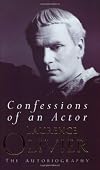
Confessions of an Actor
by Laurence Olivier
On This Page
Description
From the inside flap: In this long-awaited autobiography, Laurence Olivier describes his eventful public and private life as only he can. The most admired and daring performer of his age, Olivier is naturally best remembered for his great classic roles at the Old Vic, and for his magnificent Shakespearean films Henry V, Hamlet and Richard III, but it was with Rebecca and Wuthering Heights that he also became an international film star of the first rank-a position he has constantly reaffirmed show more in contemporary roles, from Archie Rice in The Entertainer to Lord Marchmain in Brideshead Revisited. In farce, melodrama and comedy, too, his mercurial brilliance has been recognizable behind an astonishing variety of disguises. His preeminence and commanding presence have made him the foremost actor of our day. Yet, while his autobiography is a compelling and wonderfully illuminating account of a unique and triumphant professional life, full of deep insights and wonderful show business anecdotes about Olivier's many decades of work in the theater and films, it is also a profoundly moving and passionately personal account of his own emotional life-his childhood; his first marriage, to Jill Esmond; the tempestuous relationship with Vivien Leigh; and his deeply fulfilling marriage to Joan Plowright. Advance reviewers have hailed the book for its "startlingly frank revelations"--Particularly the details of the long stormy love affair and marriage of Olivier and Vivien Leigh. Seldom has any great figure of the theater written with such passion, affection, candor and wit about his countless friends and colleagues. Most of his close relationships have grown from his work. He first met his lifelong friends Ralph Richardson and Noel Coward at rehearsals more than fifty years ago. He recalls, too, all the great stars of stage and screen he has known, including the Lunts, Edith Evans, John Gielgud, Charlie Chaplin, Garbo, Danny Kaye, John Mills, Marilyn Monroe and Alfred Hitchcock. With insight and humor, Olivier retells the story of his glittering sixty-year career-as an actor, as a filmmaker whose revolutionary innovations in motion picture technique have made Shakespeare a living experience for countless moviegoers, as a director and producer whose stewardship of the National Theatre of England renewed a noble tradition and introduced some of the greatest modern masterpieces into the English repertoire. Confessions of an Actor is the story of a life that has combined the heights of artistic endeavor with the rivalry and glamour of show business in a way that is unique. No other classical actor has been such a dazzling star. No other star has been such a magnificent actor. His memoirs are filled with "an unabashed self-delight that remains undimmed at 75." show lessTags
Recommendations














Member Reviews
Manfred mindent megtett, hogy az első ötven oldalon eltántorítson e monográfia elolvasásától. Szükségtelenül bő lére eresztett bevezetőjében a következőkkel riogat:
1.) Roberspierre-t következetesen úgy jellemzi, mint aki „csak a nép érdekét tartja szem előtt”. Na már most: én értem, hogy a burzsoák szerinte nem tartoznak a néphez (bár miért nem? – suttogom halkan), de később azt is megemlíti, hogy R. nem foglalkozott különösebben a szegényparasztokkal sem, belement a munkások bérmaximalizálásába, valamint a sztrájkjog megvonásába, aminek ők annyira biztos nem örültek. De akkor ki a nép, ha ők sem, kérdem én? A barátai, rokonai, üzletfelei? Akik kedvencelik a goodreadsen?
2.) show more Nagy jelentőséget tulajdonít annak, hogy Thermidor 9. (amikor R.-t megbuktatták, és nyissz, lefejezték) forradalom volt-e, vagy ellenforradalom. Szerinte utóbbi. Szerintem meg nem mindegy? Most ha simán forradalom, az pozitív, az ellenforradalom meg negatív? Hiszen tulajdonképpen ugyanarról a folyamatról beszélünk, az értékítéletet csak az utókor teszi hozzá. (Amúgy meg szerintem a forradalomnak nem az ellenforradalom az ellentéte, hanem a forradalom hiánya. Vagy valami ilyesmi.)
3.) Ilyeneket mond, hogy „Marx Bruno Bauerrel vitatkozó mondatára hivatkoztak A szent család-ból”, de se a marx-i, se a bauer-i mondatot nem közli. Értem én, hogy ezt minden valamire való szovjet történész kente-vágta, de mit csináljak, ha én ostoba és tudatlan vagyok?*
Később aztán azért szóba kerülnek érdekes dolgok is, de Manfred munkája ettől függetlenül bűzlik attól, amitől a marxista történészek munkája amúgy nem ritkán szokott bűzölögni. A Robespierre-ről írott negatívan elfogult, szűk látókörű monográfiákra reagálva megalkotja a maga pozitívan elfogult, de majdnem ugyanolyan szűk látókörű tanulmányát, egy új Robespierre-mítoszt, melynek főhőse „sasszemmel” látja a jövőt, és „a napnál világosabban bebizonyítja az igazát” bárkinek, aki hajlandó vele szóba állni. Nos, a „napnál világosabb” igazságokkal szemben én meglehetősen szkeptikus vagyok – túlságosan gyakran próbáltam meg ugyanis a saját ilyetén igazságomról meggyőzni valakit, akinek hasonló, bár ellentétes „napnál világosabb” igazság volt a tarsolyában. Nagyon érdekes továbbá, hogy bár a felhozott információk láthatóan helytállóak és érvényesek, mégis mennyire más értékmeghatározásokat kapcsol hozzá a szerző. Az, hogy Robespierre átnyúl a nemzetgyűlés feje fölött, és közvetlenül a tömeghez szól, valamint a könnyedség, amivel átlépi a merev jogi formákat, ha a szükség úgy kívánja**, szerintem minimum kockázatos játék, Manfred viszont úgy örül az ilyen húzásoknak, mint majom a farkának. Az a Robespierre, akit én magam előtt látok, annyira hitt az igazában, hogy nem csak a mások, de a saját életét is hajlandó volt feláldozni érte. Nem volt híve a személyi kultusznak, magára mint eszközre tekintett, az igazság eszközére. Sajnos azonban másokban sem látta meg az embert, csak akadálynak tekintette őket, amivel tele van szórva a szebb jövő felé vezető út. Herzen szerint bátran lépett a vérbe, „és a vér nem mocskolta be” – hát ez nettó baromság. Bemocskolta: ha nem is követte el mindazt, amivel vádolták, de eleget tett ahhoz, hogy vádolják. Alighanem közvetve sokat köszönhet neki a jelenkor, de személy szerint őt ez sem menti fel a tettei alól. Mármint szerintem. Bár én amúgy sem vagyok oda a forradalmárokért – tartok tőle, hogy ha jön egy, pont én leszek az útjában.
* Na, így néz ki egy lábjegyzet. Ilyenekkel kellett volna teletűzdelni a könyvet.
** Ami gyönyörű eufemizmus a terrorra. show less
1.) Roberspierre-t következetesen úgy jellemzi, mint aki „csak a nép érdekét tartja szem előtt”. Na már most: én értem, hogy a burzsoák szerinte nem tartoznak a néphez (bár miért nem? – suttogom halkan), de később azt is megemlíti, hogy R. nem foglalkozott különösebben a szegényparasztokkal sem, belement a munkások bérmaximalizálásába, valamint a sztrájkjog megvonásába, aminek ők annyira biztos nem örültek. De akkor ki a nép, ha ők sem, kérdem én? A barátai, rokonai, üzletfelei? Akik kedvencelik a goodreadsen?
2.) show more Nagy jelentőséget tulajdonít annak, hogy Thermidor 9. (amikor R.-t megbuktatták, és nyissz, lefejezték) forradalom volt-e, vagy ellenforradalom. Szerinte utóbbi. Szerintem meg nem mindegy? Most ha simán forradalom, az pozitív, az ellenforradalom meg negatív? Hiszen tulajdonképpen ugyanarról a folyamatról beszélünk, az értékítéletet csak az utókor teszi hozzá. (Amúgy meg szerintem a forradalomnak nem az ellenforradalom az ellentéte, hanem a forradalom hiánya. Vagy valami ilyesmi.)
3.) Ilyeneket mond, hogy „Marx Bruno Bauerrel vitatkozó mondatára hivatkoztak A szent család-ból”, de se a marx-i, se a bauer-i mondatot nem közli. Értem én, hogy ezt minden valamire való szovjet történész kente-vágta, de mit csináljak, ha én ostoba és tudatlan vagyok?*
Később aztán azért szóba kerülnek érdekes dolgok is, de Manfred munkája ettől függetlenül bűzlik attól, amitől a marxista történészek munkája amúgy nem ritkán szokott bűzölögni. A Robespierre-ről írott negatívan elfogult, szűk látókörű monográfiákra reagálva megalkotja a maga pozitívan elfogult, de majdnem ugyanolyan szűk látókörű tanulmányát, egy új Robespierre-mítoszt, melynek főhőse „sasszemmel” látja a jövőt, és „a napnál világosabban bebizonyítja az igazát” bárkinek, aki hajlandó vele szóba állni. Nos, a „napnál világosabb” igazságokkal szemben én meglehetősen szkeptikus vagyok – túlságosan gyakran próbáltam meg ugyanis a saját ilyetén igazságomról meggyőzni valakit, akinek hasonló, bár ellentétes „napnál világosabb” igazság volt a tarsolyában. Nagyon érdekes továbbá, hogy bár a felhozott információk láthatóan helytállóak és érvényesek, mégis mennyire más értékmeghatározásokat kapcsol hozzá a szerző. Az, hogy Robespierre átnyúl a nemzetgyűlés feje fölött, és közvetlenül a tömeghez szól, valamint a könnyedség, amivel átlépi a merev jogi formákat, ha a szükség úgy kívánja**, szerintem minimum kockázatos játék, Manfred viszont úgy örül az ilyen húzásoknak, mint majom a farkának. Az a Robespierre, akit én magam előtt látok, annyira hitt az igazában, hogy nem csak a mások, de a saját életét is hajlandó volt feláldozni érte. Nem volt híve a személyi kultusznak, magára mint eszközre tekintett, az igazság eszközére. Sajnos azonban másokban sem látta meg az embert, csak akadálynak tekintette őket, amivel tele van szórva a szebb jövő felé vezető út. Herzen szerint bátran lépett a vérbe, „és a vér nem mocskolta be” – hát ez nettó baromság. Bemocskolta: ha nem is követte el mindazt, amivel vádolták, de eleget tett ahhoz, hogy vádolják. Alighanem közvetve sokat köszönhet neki a jelenkor, de személy szerint őt ez sem menti fel a tettei alól. Mármint szerintem. Bár én amúgy sem vagyok oda a forradalmárokért – tartok tőle, hogy ha jön egy, pont én leszek az útjában.
* Na, így néz ki egy lábjegyzet. Ilyenekkel kellett volna teletűzdelni a könyvet.
** Ami gyönyörű eufemizmus a terrorra. show less
Well I confess that Actor's autobiographies are a guilty pleasure of mine. These are the stories of people who pretend to be other people, in public and sometimes for really large sums of money. They are licensed to do something which is often, in other contexts, a criminal offence. Olivier's life was read by me for material relating to Henry V (of course about the play by Shakespeare, not the one by Pirandello!) and also for two questions,: 1) why he did that odd production of himself as Othello. 2) what it was like to work with one of my favourite actors, Frank Finlay. ( who played Porthos in the best "three Musketeers", ) The material on Marilyn Monroe was a bonus!
While this book offers a lot of insight into the career and romantic relationships of Laurence Olivier, many things are quite puzzlingly left out, such as the birth of his first child and any mention of his sister after adolescence. His timeline is also quite confusing. There are many tangents which interrupt the narrative and at times he goes back to a prior point without informing the reader. Readers outside of Great Britain may be confused by much of the political discussion. The strong points include his brutal honesty about his own and others behavior, including Vivien Leigh and Marilyn Monroe. The first appendix about a battle within the National Theatre turned intensely political is fascinating.
Eis um romance tão complexo que não deixa certeza sobre quem é bom ou mau. A história envolve elementos góticos e momentos de horror, mistério e sobrenatural, bem como aspectos religiosos. A estrutura dramática emerge de uma rica mistura de duas vertentes novecentistas, o romantismo e o realismo, na era vitoriana inglesa. A obra conta a história da família Ernshaw a partir do momento em que o patriarca leva para casa um menino de rua, Heathcliff. Este se torna irmão adotivo de Catherine e Hindley, que desde logo rejeita o novo irmão e sente ciúmes porque o pai se apega demais ao “estranho forasteiro”. Em contrapartida, Catherine tem no menino um companheiro, são cúmplices até o pai morrer (a mãe morre antes, sem show more maiores detalhes) e Hindley assume a casa e transforma Heathcliff num empregado da família, humilhando-o. A história se passa num ambiente rural, e não nas metrópoles da Inglaterra. A propriedade da família Ernshaw se chama “Wuthering Heights” , mas boa parte da história também se passa em Thrushcross Grange, a propriedade da vizinha família Linton. As coisas ficam complicadas quando Catherine se casa com Edgar Linton, mesmo sem amá-lo, pois seu coração pertence a Heathcliff, mas este não tem posses. Após fugir e ficar ausente por dois anos, Heathcliff volta rico e faz de tudo para se vingar de todos. O mais interessante é que a história é contada pela governanta da família, Nelly Dean. show less
May 19, 2026English (UK)
Ratings
Members
- Recently Added By
Author Information

51+ Works 1,106 Members
Common Knowledge
- Canonical title
- Confessions of an Actor
- Original title
- Confessions of an Actor
- Original publication date
- ©1982
- People/Characters
- Ralph Richardson; Vivien Leigh; Marilyn Monroe
- Important places
- 26 Walthen Road, Dorking, Surrey, England, UK; Letchworth Garden City, Hertfordshire, England, UK; 22, Lupus Street, Pimlico, London, England, UK; Brighton Hippodrome, Brighton, East Sussex, England, UK; Los Angeles, California, USA; Denham Film Studios, Denham, Buckinghamshire, England, UK (show all 22); Birmingham Repertory Company, Birmingham, England, UK; Santa Barbara, California, USA; Lisbon, Portugal; San Francisco, California, USA; Chicago, Illinois, USA; Perth, Western Australia, Australia; Melbourne, Victoria, Australia; Auckland, New Zealand; Christchurch, New Zealand; Dunedin, New Zealand; Wellington, New Zealand; Shepperton Studios, Shepperton, Surrey, England, UK; Coulsdon, Surrey, England, UK; National Theatre, London, England, UK; Chichester, West Sussex, England, UK; Central School of Speech Training and Dramatic Art, London, England, UK
- Important events
- Marriage to Vivien Leigh (1940)
- Related movies
- Through the Crack; The Prince and the Showgirl (1957 | IMDb); The Temporary Widow; Too Many Crooks; The Sphinx Has Spoken; Friends and Lovers (show all 43); The Yellow Passport; After All; Westward Passage; Perfect Understanding; Wuthering Heights (1939 | IMDb); Fire Over England; Conquest of the Air (1936 | IMDb); Moscow Nights (1935 | IMDb); Gone with the Wind (1939 | IMDb); Rebecca (1940 | IMDb); Pride and Prejudice (1940 | IMDb); Lady Hamilton; The Demi-Paradise (1943 | IMDb); Henry V; Hamlet (1948 | IMDb); The Beggar's Opera (1953 | IMDb); Richard III (1955 | IMDb); The Devil's Disciple (1959 | IMDb); John Gabriel Borkman (1967 | IMDb); The Moon and Sixpence; Spartacus; The Entertainer; The Power and the Glory; Term of Trial; The Merchant of Venice; Marathon Man (1976 | IMDb); The Seven Per Cent Solution; A Bridge Too Far (1977 | IMDb); The Betsy (1978 | IMDb); Dracula (1979 | IMDb); The Boys from Brazil (1978 | IMDb); A Little Romance (1979 | IMDb); Clash of the Titans (1981 | IMDb); Inchon; The Jazz Singer (1980 | IMDb); Brideshead Revisited (1981 | IMDb); A Voyage Round My Father
- Epigraph
- CONFITEOR
Bless me, Reader, for I have sinned.
Since my last confession, which was more than fifty years ago, I have committed the following sins. - Dedication
- For my family
- First words
- For my father, saving was a craving. This is no idle jingle but the plainest statement of fact.
- Original language
- English
Classifications
- Genres
- Biography & Memoir, Nonfiction, General Nonfiction
- DDC/MDS
- 792.028 — Arts & recreation Recreation, sports, and performing arts Stage presentations modified standard subdivisions Techniques, procedures, apparatus, equipment, materials, miscellany Acting and Performance
- LCC
- PN2598 .O55 .A33 — Language and Literature Literature (General) Literature (General) Drama Dramatic representation. The theater Special regions or countries
- BISAC
Statistics
- Members
- 334
- Popularity
- 94,505
- Reviews
- 4
- Rating
- (3.69)
- Languages
- 10 — Czech, Dutch, English, Finnish, German, Hungarian, Italian, Polish, Spanish, Swedish
- Media
- Paper
- ISBNs
- 19
- ASINs
- 5