
On This Page
Description
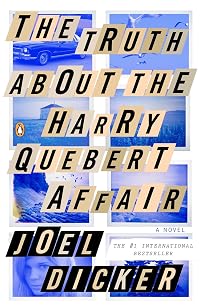
This #1 internationally bestselling thriller, an ingenious book within a book, is about the disappearance of a fifteen-year-old New Hampshire girl and, thirty years later, a young American writer's determination to clear his mentor's name—and find the inspiration for his next bestseller.August 30, 1975. This is the day fifteen-year-old Nola Kellergan is glimpsed fleeing through the woods before she disappears—the day Somerset, New Hampshire, loses its innocence.
Thirty-three years show more later, Marcus Goldman, a successful young novelist, visits Somerset to see his mentor, Harry Quebert, one of America's most respected writers, and to find a cure for his writer's block as his publisher's deadline looms. But Marcus' plans are violently upended when Harry is suddenly and sensationally implicated in the cold-case murder of Nola Kellergan—whom, he admits, he had an affair with. As the national media convicts Harry, Marcus launches his own investigation, following a trail of clues through his mentor's books, the backwoods and isolated beaches of New Hampshire, and the hidden history of Somerset's citizens and the man they hold most dear. To save Harry, his writing career, and eventually even himself, Marcus must answer three questions, all of which are mysteriously connected: Who killed Nola Kellergan? What happened one misty morning in Somerset in the summer of 1975? And how do you write a successful and true novel?
A global phenomenon, with rights sold in more than thirty countries, The Truth about the Harry Quebert Affair is a fast-paced, tightly plotted, cinematic literary thriller and an ingenious book within a book by a dazzling young writer.
. show less
Tags
Recommendations
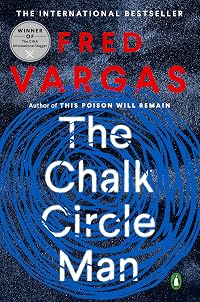
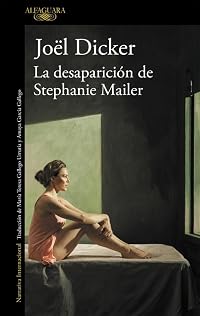
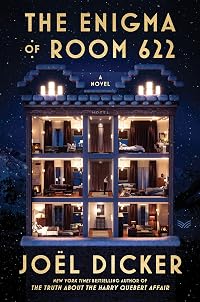
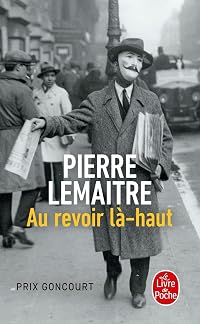

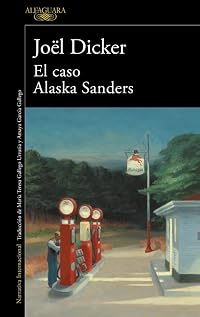

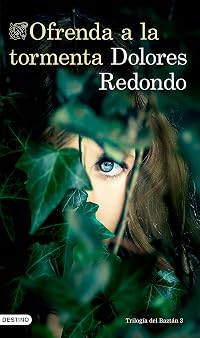
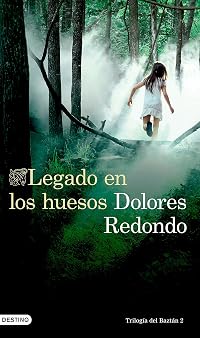
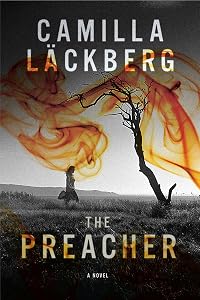
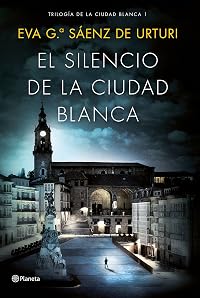
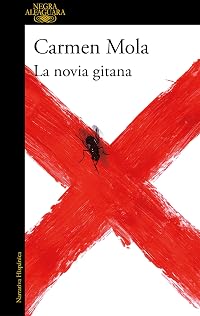
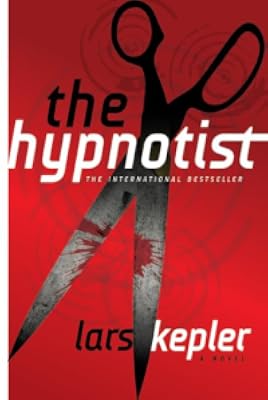
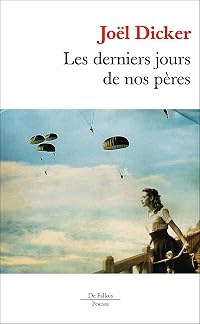









Member Recommendations
by suniru
Member Reviews
1.221 Minuten, das sind mehr als 20 Stunden - so lange dauert dieses von Torben Kessler vorgetragene Hörbuch. Was sich vielleicht erst mal etwas abschreckend anhören mag, aber grundsätzlich dürfte es kein Problem sein, denn die Geschichte ist durchweg spannend, unterhaltsam und abwechslungsreich. Doch sollten keine längere Pausen dazwischen liegen, da stets zwischen verschiedenen Zeiten hin und her gesprungen wird. Mir fehlte dann ein bisschen die Orientierung, sodass ich wiederholt von vorne begonnen habe.
Marcus Goldman ist ein erfolgreicher Autor, zumindest nach seinem ersten Buch. Doch sein zweites Werk lässt auf sich warten, es fehlt ihm schlicht an Inspiration. Da erreicht ihn die Nachricht, dass im Garten seines verehrten show more Lehrers und Freund Harry Quebert das Skelett eines jungen Mädchens gefunden wurde, das vor 33 Jahren verschwand. Quebert soll der Mörder sein, der ein Verhältnis mit der erst 15jährigen Nola hatte. Marcus reist sofort nach Aurora, dem Ort des Verbrechens, und macht sich auf die Suche nach der Wahrheit, denn er ist (als Einziger) von der Unschuld seines Freundes überzeugt. Dabei bringt er Dinge ans Tageslicht, die für immer vergessen sein sollten und bringt sich selbst in Gefahr.
Wie ich oben bereits erwähnte, ist die Handlung recht verschachtelt. Haupterzählstrang ist die Gegenwart im Jahre 2008, in der das Skelett der vermissten Nola gefunden wird. Marcus Goldman beschreibt als Ich-Erzähler detailliert seine Nachforschungen und erinnert sich dabei an die gemeinsame Zeit mit seinem Lehrer (um 1999 glaube ich), in der sie sich anfreundeten. Die Erkenntnisse, die er über die Zeit von Nolas Verschwinden gewinnt, Sommer 1975, werden wie eine eigenständige Erzählung berichtet, jeweils aus der Perspektive unterschiedlicher Personen. So entsteht auch eine Liebesgeschichte, nämlich die von Harry und Nola. Daneben gibt es Rückblicke in die noch frühere Vergangenheit, womit einzelne Figuren genauer beschrieben werden (Woher kommen Nolas Eltern? Wie kam Luther zu seiner Entstellung? usw.). Doch damit nicht genug ;-) Ein ebenfalls wichtiger Bestandteil dieses Romans dreht sich um die Schwierigkeit, ein gutes Buch zu schreiben, genauer: Marcus Goldmans Schwierigkeiten damit. So sind es mehrere Geschichten in einer, sodass bei mangelnder Aufmerksamkeit oder längeren Pausen beim Hören (beim Lesen weiß ich es nicht) mir schon mal der rote Faden abhanden kann.
Was dieses Buch auszeichnet, sind seine zahlreichen und vielfältigen Überraschungen. Irgendwie glaubt man zu wissen, in welche Richtung sich das Alles entwickelt - doch weit gefehlt. Nichts, absolut nichts ist so wie es scheint und eine Verblüffung folgte auf die nächste. Obwohl es eine Vielzahl von undurchsichtigen Zusammenhängen gibt, gelingt es dem Autor, wirklich alles ohne Unlogiken aufzulösen, sodass man vor Verwunderung und Erstaunen nur noch den Kopf schütteln kann. Selten habe ich bei einer Hörlektüre so häufig 'Das gibt es doch nicht' oder 'Das kann nicht wahr sein' vor mich hin gemurmelt.
Auch der Vorleser macht seine Sache sehr gut, denn es ist wohl keine Leichtigkeit, einen Roman mit mindestens zehn, eher mehr unterschiedlichen, häufig vorkommenden Personen so vorzutragen, dass man sich nicht völlig verliert. Obwohl er die Stimmlagen meist nicht allzu markant verändert, wusste ich doch immer gleich, wer gerade spricht. Torben Kessler, ein Name den ich mir für Hörbücher merken werde.
Fazit: Ein wirklich klasse Hörvergnügen für mehr als 20 Stunden. show less
Marcus Goldman ist ein erfolgreicher Autor, zumindest nach seinem ersten Buch. Doch sein zweites Werk lässt auf sich warten, es fehlt ihm schlicht an Inspiration. Da erreicht ihn die Nachricht, dass im Garten seines verehrten show more Lehrers und Freund Harry Quebert das Skelett eines jungen Mädchens gefunden wurde, das vor 33 Jahren verschwand. Quebert soll der Mörder sein, der ein Verhältnis mit der erst 15jährigen Nola hatte. Marcus reist sofort nach Aurora, dem Ort des Verbrechens, und macht sich auf die Suche nach der Wahrheit, denn er ist (als Einziger) von der Unschuld seines Freundes überzeugt. Dabei bringt er Dinge ans Tageslicht, die für immer vergessen sein sollten und bringt sich selbst in Gefahr.
Wie ich oben bereits erwähnte, ist die Handlung recht verschachtelt. Haupterzählstrang ist die Gegenwart im Jahre 2008, in der das Skelett der vermissten Nola gefunden wird. Marcus Goldman beschreibt als Ich-Erzähler detailliert seine Nachforschungen und erinnert sich dabei an die gemeinsame Zeit mit seinem Lehrer (um 1999 glaube ich), in der sie sich anfreundeten. Die Erkenntnisse, die er über die Zeit von Nolas Verschwinden gewinnt, Sommer 1975, werden wie eine eigenständige Erzählung berichtet, jeweils aus der Perspektive unterschiedlicher Personen. So entsteht auch eine Liebesgeschichte, nämlich die von Harry und Nola. Daneben gibt es Rückblicke in die noch frühere Vergangenheit, womit einzelne Figuren genauer beschrieben werden (Woher kommen Nolas Eltern? Wie kam Luther zu seiner Entstellung? usw.). Doch damit nicht genug ;-) Ein ebenfalls wichtiger Bestandteil dieses Romans dreht sich um die Schwierigkeit, ein gutes Buch zu schreiben, genauer: Marcus Goldmans Schwierigkeiten damit. So sind es mehrere Geschichten in einer, sodass bei mangelnder Aufmerksamkeit oder längeren Pausen beim Hören (beim Lesen weiß ich es nicht) mir schon mal der rote Faden abhanden kann.
Was dieses Buch auszeichnet, sind seine zahlreichen und vielfältigen Überraschungen. Irgendwie glaubt man zu wissen, in welche Richtung sich das Alles entwickelt - doch weit gefehlt. Nichts, absolut nichts ist so wie es scheint und eine Verblüffung folgte auf die nächste. Obwohl es eine Vielzahl von undurchsichtigen Zusammenhängen gibt, gelingt es dem Autor, wirklich alles ohne Unlogiken aufzulösen, sodass man vor Verwunderung und Erstaunen nur noch den Kopf schütteln kann. Selten habe ich bei einer Hörlektüre so häufig 'Das gibt es doch nicht' oder 'Das kann nicht wahr sein' vor mich hin gemurmelt.
Auch der Vorleser macht seine Sache sehr gut, denn es ist wohl keine Leichtigkeit, einen Roman mit mindestens zehn, eher mehr unterschiedlichen, häufig vorkommenden Personen so vorzutragen, dass man sich nicht völlig verliert. Obwohl er die Stimmlagen meist nicht allzu markant verändert, wusste ich doch immer gleich, wer gerade spricht. Torben Kessler, ein Name den ich mir für Hörbücher merken werde.
Fazit: Ein wirklich klasse Hörvergnügen für mehr als 20 Stunden. show less
The truth about Joel Dicker
The Truth About the Harry Quebert Affair
La Vérité sur l’Affaire Harry Quebert
I've now read 40 pages of this ludicrously long book. I've been reading it in French. These are the truths.
(1) Assuming that it should have been published in the first place, it is nonetheless perhaps hundreds of pages too long. Every single notion is repeated ad nauseum. There is not one idea stated once that isn't repeated a dozen times. In a row. Just like that. The book should be much shorter. It's too long. It repeats things to the point of insult. Oh, let's go further than that. Its use of repetition adds injury to insult. I could keep repeating myself here in slightly different ways, but I hope you get the picture. Too. show more Offensively. Long. By far.
(2) Fabulously badly written. After going to see Hobbit 3, I wrote:
The Truth about Harry is like that for 670 pages. So, yeah. If you thought that the dialogue in Hobbit 3 was pushing the boundaries of literature as we know it, then absolutely this book is for you.
(3) The book is B1 standard. Seriously. A 670 page novel has been written in French which is B1. Theoretically B1 can be challenging. Camus's The Outsider is supposedly B1, but I'm still finding it painful to read because it is sparing in its use of words and the ideas expressed by the words are not easy. The Truth about Harry, on the other hand, because it spells everything out over and over, leaves the reader in no doubt. Even a bad reader. Even, I imagine, the very worst reader in the entire world ever.
(4) I've had my suspicions about the literary taste of the French since discovering how much they like Eliot Perlman. But their admiration of Truth about Harry is way beyond a joke. It was awarded their highest literary prize. The mind boggles, I have to say. Does it reflect their ignorance of American literature (this book claims to be an American Novel in French, whatever that is), or the dire state of French literature. There isn't a good answer.
(5) And yet presumably many people like the book, it's a big seller, translated into many languages; apparently there is a film on the horizon. I can only assume that the secret is that Dicker has managed to make a book which is defined as being for adults, not children, but which is even simpler than a lot of YA adults rely on for their reading material. I'm guessing, I admit it. Whereas prior to this book, adults who couldn't cope with proper novels had to read YA, now there is something entirely new available to them. Extremely simplistic books marketed to adults, not children. How very interesting. At the same time, it won a French award in which school kids vote for the book they think is best, so although I don't think it is marketed to children, clearly they recognise their level when they see it.
rest here: https://frenchalone.wordpress.com/2017/07/26/the-truth-about-joel-dicker/ show less
The Truth About the Harry Quebert Affair
La Vérité sur l’Affaire Harry Quebert
I've now read 40 pages of this ludicrously long book. I've been reading it in French. These are the truths.
(1) Assuming that it should have been published in the first place, it is nonetheless perhaps hundreds of pages too long. Every single notion is repeated ad nauseum. There is not one idea stated once that isn't repeated a dozen times. In a row. Just like that. The book should be much shorter. It's too long. It repeats things to the point of insult. Oh, let's go further than that. Its use of repetition adds injury to insult. I could keep repeating myself here in slightly different ways, but I hope you get the picture. Too. show more Offensively. Long. By far.
(2) Fabulously badly written. After going to see Hobbit 3, I wrote:
I had no idea that Tolkien was such a great writer. The line where the dwarf dude says to the kungfu-elf-chick ‘You make me feel so alive’. And where she says in a marvellously anguished way about love ‘It hurts so much’. That I could think up such lines.
The Truth about Harry is like that for 670 pages. So, yeah. If you thought that the dialogue in Hobbit 3 was pushing the boundaries of literature as we know it, then absolutely this book is for you.
(3) The book is B1 standard. Seriously. A 670 page novel has been written in French which is B1. Theoretically B1 can be challenging. Camus's The Outsider is supposedly B1, but I'm still finding it painful to read because it is sparing in its use of words and the ideas expressed by the words are not easy. The Truth about Harry, on the other hand, because it spells everything out over and over, leaves the reader in no doubt. Even a bad reader. Even, I imagine, the very worst reader in the entire world ever.
(4) I've had my suspicions about the literary taste of the French since discovering how much they like Eliot Perlman. But their admiration of Truth about Harry is way beyond a joke. It was awarded their highest literary prize. The mind boggles, I have to say. Does it reflect their ignorance of American literature (this book claims to be an American Novel in French, whatever that is), or the dire state of French literature. There isn't a good answer.
(5) And yet presumably many people like the book, it's a big seller, translated into many languages; apparently there is a film on the horizon. I can only assume that the secret is that Dicker has managed to make a book which is defined as being for adults, not children, but which is even simpler than a lot of YA adults rely on for their reading material. I'm guessing, I admit it. Whereas prior to this book, adults who couldn't cope with proper novels had to read YA, now there is something entirely new available to them. Extremely simplistic books marketed to adults, not children. How very interesting. At the same time, it won a French award in which school kids vote for the book they think is best, so although I don't think it is marketed to children, clearly they recognise their level when they see it.
rest here: https://frenchalone.wordpress.com/2017/07/26/the-truth-about-joel-dicker/ show less
Marcus Goldman has made a huge splash with his first novel, but now he’s stuck with writer’s block and an increasing sense of desperation. So he goes to a small New Hampshire town to seek the advice of his mentor, renowned author Harry Quebert. Before he can settle in, however, the body of Nola Kellergan, a 15-year-old girl who has been missing since 1975, is discovered on Quebert’s property, and after Quebert is charged with her murder, Marcus is drawn to investigate to try to clear his name…. This novel was a huge success in France, winning all sorts of literary prizes, and it’s easy to see why: it is both a mystery novel with many shifting pieces and a novel about writing, about how one becomes a writer and about the show more effects of fame and infamy on one’s work. I wondered how a French novelist could write so accurately about American culture in a small New England town, but it turns out that Mr. Dicker spent his childhood summers there, so he knows whereof he writes. And did I mention that the novel is, in parts, absolutely hilarious? Very highly recommended! show less
Szerintem számos félreértéstől megszabadulnánk (pontosabban: számos félreértést más félreértésekre cserélnénk), ha a az olyan címkéket, mint a krimi, a sci-fi vagy a romantikus regény, nem műfajoknak tekintenénk, hanem történetelemeknek. Ezzel értelmét veszítené a szövegek hagyományos zsánerműfajokba erőszakolása, nem lenne olyan, hogy „krimi”, meg „sci-fi”, hanem olyan lenne, hogy „szöveg, amiben a krimi elem a leghangsúlyosabb”, vagy „szöveg, amiben feltűnő a tudományos-fantasztikus szál”. (Persze az egyszerűség kedvéért hívhatjuk ezeket a szövegeket továbbra is kriminek vagy sci-finek, mert különben megőrülnek a könyvtárosok meg a könyvesboltosok. Szóval - show more végtére is - semmi sem változott. Khm.) Ebben a felosztásban a (szubjektíven meghatározott) minőség válik prioritássá. Kit érdekel, hogy egy szöveg krimi-e vagy ún. „magasirodalom”? Jó, vagy nem jó, az a kérdés.
Ez a könyv, saját (kiforróban lévő) kategorizálási rendszerem alapján nem nevezhető kriminek, mert a krimiszál jelentőségét tekintve (szerintem) csak harmadik helyen áll. Megelőzi két történetelem:
1.) Az elbeszélő (Marcus) és mentora, Harry Quebert közötti mester-tanítvány viszony, ami (mint a mester-tanítvány viszonyok oly gyakran) egyszerre viseli magán a halálos rivalizálás és az elválaszthatatlan barátság ismertetőjegyeit. Két íróról beszélünk, akik élete számos ponton rímel egymásra: mindketten megismerték az édesen könnyű siker ízét, amikor könyvük egyszeriben baromi híressé tette őket, másfelől mindketten tudják azt is, milyen fájdalmas dolog az írói válság, amikor az ember egészen biztos benne, hogy soha a büdös életben többet nem fog egy szót se a papírra vetni. A Marcus és Harry közötti komplex (és kölcsönös) tanulási-tanítási folyamat végighúzódik a teljes szövegen, a legfontosabb tananyag pedig alighanem az, hogy a bukás nem tragédia, hanem lehetőség, amiből újrateremthetjük magunkat.
2.) Aztán itt van Harry és Nola közötti bűnös szerelmi viszony története. Bűnös, mert Harry meglett férfi, Nola viszont 15 éves lány. Tegyük hozzá, Nola konkrétan a regénybeli bűntény áldozata is, ami nyilván átstrukturálja a fenti viszonyt, ám ettől függetlenül tény ami tény: ez a történetelem inkább a „romantikus” címkét tenné indokolttá. Kivéve, ha valamiért úgy véljük, hogy a krimi erősebb a romantikánál, úgyhogy ha egy kötetben egyforma erős a kettő, akkor előbbi üti az utóbbit, mint bubi drill az ász párt. (Vagy ha úgy véljük, hogy nem nevezhető romantikusnak valami, ami egyben pedofil is. Ami amúgy egy érdekes kérdés, amit megközelíthetünk az etika felől - a bűn nem lehet szép -, vagy az esztétika felől is - dehogynem lehet szép.)
A krimi hozzájuk képest csak a bronzéremre jó. Ám ezzel együtt pazar eszköz arra, hogy az olvasót akkor is a szövegben tartsa, amikor az egyéb szálak nem mutatkoznak olyan erősnek, mint amilyet a nagyepikus irodalmi művektől joggal elvár az ember.
Mert azért ez a regény irodalmi értelemben messze nem hibátlan. A történetbe illesztett vendégszövegek – szemelvények Marcus és Harry „zseniális” regényeiből – egyáltalán nem győztek meg arról, hogy „zseniális” regényekből lettek kiollózva. Pedig ez lett volna a(z egyik) lényegük. Általánosságban véve is az a benyomásom, hogy bár Dicker helyenként nagyon pöpec karakteralkotó – képes olyan színes, eredeti figurákat létrehozni, mint Gahalowood őrmester -, de hajlamos a marginális szereplőket elnagyoltan odacsapni, lásd Marcus anyukáját, aki konkrétan egy bántó „jiddise máme”-paródiává züllött. Ez pedig, ha az ember komplex irodalmi alkotást akar teremteni, megbocsáthatatlan hiba.
Végezetül hadd ajánljak fel egy újabb (az előbbinél jóval önkényesebb) módszert arra, hogy eldöntsük, egy szöveg krimi-e vagy sem. Szóval: krimi az, aminek olvasása közben detektívnek érzem magam. Olvasás közben meg-megállok, összegzem a bizonyítékokat, és miközben mondjuk krumplit hámozok, csak az forog a fejemben, hogy ha Nola augusztus 20-án X-szel találkozott, ahogy Y mondta, akkor hogy lehet, hogy Z viszont azt mondta, hogy X... Keresem, kutatom az ellentmondásokat, a bizonyítékokat, a cáfolatokat, hipotéziseket gyártok, kvázi magánversenyt bonyolítok az íróval – melyikünk jön rá előbb, ki a gyilkos? (Ebben a versenyben az író persze behozhatatlan előnnyel rendelkezik, de bízik az ember, mert a labda kerek, és vannak még csodák.) Az, hogy Dicker képes volt engem belekényszeríteni ebbe a (baromi élvezetes) detektív-szerepbe, mégpedig a regény majd teljes játékideje alatt, mindenképpen írói bravúrnak tekinthető. És jelzi, hogy ez azért, mindent összevetve, egy igen jó könyv. show less
Ez a könyv, saját (kiforróban lévő) kategorizálási rendszerem alapján nem nevezhető kriminek, mert a krimiszál jelentőségét tekintve (szerintem) csak harmadik helyen áll. Megelőzi két történetelem:
1.) Az elbeszélő (Marcus) és mentora, Harry Quebert közötti mester-tanítvány viszony, ami (mint a mester-tanítvány viszonyok oly gyakran) egyszerre viseli magán a halálos rivalizálás és az elválaszthatatlan barátság ismertetőjegyeit. Két íróról beszélünk, akik élete számos ponton rímel egymásra: mindketten megismerték az édesen könnyű siker ízét, amikor könyvük egyszeriben baromi híressé tette őket, másfelől mindketten tudják azt is, milyen fájdalmas dolog az írói válság, amikor az ember egészen biztos benne, hogy soha a büdös életben többet nem fog egy szót se a papírra vetni. A Marcus és Harry közötti komplex (és kölcsönös) tanulási-tanítási folyamat végighúzódik a teljes szövegen, a legfontosabb tananyag pedig alighanem az, hogy a bukás nem tragédia, hanem lehetőség, amiből újrateremthetjük magunkat.
2.) Aztán itt van Harry és Nola közötti bűnös szerelmi viszony története. Bűnös, mert Harry meglett férfi, Nola viszont 15 éves lány. Tegyük hozzá, Nola konkrétan a regénybeli bűntény áldozata is, ami nyilván átstrukturálja a fenti viszonyt, ám ettől függetlenül tény ami tény: ez a történetelem inkább a „romantikus” címkét tenné indokolttá. Kivéve, ha valamiért úgy véljük, hogy a krimi erősebb a romantikánál, úgyhogy ha egy kötetben egyforma erős a kettő, akkor előbbi üti az utóbbit, mint bubi drill az ász párt. (Vagy ha úgy véljük, hogy nem nevezhető romantikusnak valami, ami egyben pedofil is. Ami amúgy egy érdekes kérdés, amit megközelíthetünk az etika felől - a bűn nem lehet szép -, vagy az esztétika felől is - dehogynem lehet szép.)
A krimi hozzájuk képest csak a bronzéremre jó. Ám ezzel együtt pazar eszköz arra, hogy az olvasót akkor is a szövegben tartsa, amikor az egyéb szálak nem mutatkoznak olyan erősnek, mint amilyet a nagyepikus irodalmi művektől joggal elvár az ember.
Mert azért ez a regény irodalmi értelemben messze nem hibátlan. A történetbe illesztett vendégszövegek – szemelvények Marcus és Harry „zseniális” regényeiből – egyáltalán nem győztek meg arról, hogy „zseniális” regényekből lettek kiollózva. Pedig ez lett volna a(z egyik) lényegük. Általánosságban véve is az a benyomásom, hogy bár Dicker helyenként nagyon pöpec karakteralkotó – képes olyan színes, eredeti figurákat létrehozni, mint Gahalowood őrmester -, de hajlamos a marginális szereplőket elnagyoltan odacsapni, lásd Marcus anyukáját, aki konkrétan egy bántó „jiddise máme”-paródiává züllött. Ez pedig, ha az ember komplex irodalmi alkotást akar teremteni, megbocsáthatatlan hiba.
Végezetül hadd ajánljak fel egy újabb (az előbbinél jóval önkényesebb) módszert arra, hogy eldöntsük, egy szöveg krimi-e vagy sem. Szóval: krimi az, aminek olvasása közben detektívnek érzem magam. Olvasás közben meg-megállok, összegzem a bizonyítékokat, és miközben mondjuk krumplit hámozok, csak az forog a fejemben, hogy ha Nola augusztus 20-án X-szel találkozott, ahogy Y mondta, akkor hogy lehet, hogy Z viszont azt mondta, hogy X... Keresem, kutatom az ellentmondásokat, a bizonyítékokat, a cáfolatokat, hipotéziseket gyártok, kvázi magánversenyt bonyolítok az íróval – melyikünk jön rá előbb, ki a gyilkos? (Ebben a versenyben az író persze behozhatatlan előnnyel rendelkezik, de bízik az ember, mert a labda kerek, és vannak még csodák.) Az, hogy Dicker képes volt engem belekényszeríteni ebbe a (baromi élvezetes) detektív-szerepbe, mégpedig a regény majd teljes játékideje alatt, mindenképpen írói bravúrnak tekinthető. És jelzi, hogy ez azért, mindent összevetve, egy igen jó könyv. show less
I am so glad that I did not read any reviews before reading this book. The experience is 100% entertaining. As my unofficial third grandmother would say, "The story has more twists than a pretzel factory." For all of those who complained about the writing style, the use of trite phrases, or the uneven writing....it is a translation, people, come on. I do not read French that well, so the original would have been inaccessible for me. For those that snarled that the characters were over the top, I say nay. I grew up in a small town on the East coast and there was at least one of each of these folks in my weenie hometown too. I had five suspects lined up as murderer and none of them turned out to be the guilty party. The whole Nola and her show more mother thing is too real life. The avoidance of all things unpleasant, Dad, also very a real situation. Talk about secrets, how many did you count in this tale? We have hero worship, good cop/bad cop, jealously, missed signals, underage love, lies, theft, burglary, arson, sneaking around, breaking the law, and murder. Isn't there something in that list that would cause you to read this book? Well done, and 100% entertaining. My thanks to the Penguin First to Read program for a complimentary copy. show less
De los mejores libros de misterio que he leído. Quizás mi amor por el libro en sí parte de la forma tan inusual (para mí) en la que lo he leído. He comprado tanto el libro como el audiolibro, y he estado escuchando y leyendo poco a poco por un par de semanas. Me ha dejado cautivada, cada vez quería saber más. Lo escuchaba de camino a la universidad, cuando esperaba entre clases, mientras comía, mientras caminaba en la pista... Se volvió parte de mi día a día por este corto tiempo.
Quizás una de mis partes favoritas es el hecho de que nunca te dejaba acoplarte muy bien a una idea cuando te cambiaba todo el panorama. Especialmente esas últimas páginas, esos últimos capítulos: escuché las últimas 4 horas corridas, no show more podía parar.
Tengo que aceptar que si había sospechado de la persona que resultó ser culpable del crimen, pero nunca cruzó por mi mente la forma o las razones. Dudé de todos, no creí en nadie, y terminé con una de las mejores experiencias literarias que he tenido en mucho tiempo.
Lo recomiendo mil veces, en especial el audiolibro. El narrador es simplemente perfecto para esta historia. show less
Quizás una de mis partes favoritas es el hecho de que nunca te dejaba acoplarte muy bien a una idea cuando te cambiaba todo el panorama. Especialmente esas últimas páginas, esos últimos capítulos: escuché las últimas 4 horas corridas, no show more podía parar.
Tengo que aceptar que si había sospechado de la persona que resultó ser culpable del crimen, pero nunca cruzó por mi mente la forma o las razones. Dudé de todos, no creí en nadie, y terminé con una de las mejores experiencias literarias que he tenido en mucho tiempo.
Lo recomiendo mil veces, en especial el audiolibro. El narrador es simplemente perfecto para esta historia. show less
Still early in the year, but I am of the opinion I just finished reading what will be THE best book I read all year.
Read innumerable portions out loud to my wife.
Mr.Dicker seemed to capture perfectly the differing voices throughout the story.
A murder mystery, a book about books, a book about writers, a book about small town secrets, a love story.
From the epilogue...
"A good book is judged not by it's last words, but by the cumulative effect of all the words that have preceded them. About half a second after finishing (the) book, the reader should be overwhelmed by a particular feeling. For a moment he should think only of what he has just read; he should look at the jacket and smile a little sadly because he is already missing all the show more characters. A good book is a book you are sorry has ended."
I AM sorry this story ended, and I DO miss the characters already. show less
Read innumerable portions out loud to my wife.
Mr.Dicker seemed to capture perfectly the differing voices throughout the story.
A murder mystery, a book about books, a book about writers, a book about small town secrets, a love story.
From the epilogue...
"A good book is judged not by it's last words, but by the cumulative effect of all the words that have preceded them. About half a second after finishing (the) book, the reader should be overwhelmed by a particular feeling. For a moment he should think only of what he has just read; he should look at the jacket and smile a little sadly because he is already missing all the show more characters. A good book is a book you are sorry has ended."
I AM sorry this story ended, and I DO miss the characters already. show less
Members
- Recently Added By
Lists

Top Five Books of 2014
1,064 works; 398 members

Dublin Literary Award Longlist 2016
148 works; 4 members

Books Read in 2016
4,666 works; 199 members

CH-Autoren (Swiss Authors)
265 works; 9 members

Llibres que he llegit el 2023
38 works; 1 member

BBC World Book Club
265 works; 5 members
Author Information

16 Works 7,306 Members
Joël Dicker was born in Geneva, Switzerland in 1985. His first book, The Truth about the Harry Quebert Affair, won three French literary prizes, including the Grand Prix du Roman from the Académie Française. (Bowker Author Biography)
Some Editions
Awards and Honors
Awards
Series

Belongs to Publisher Series
Common Knowledge
- Canonical title
- The Truth About the Harry Quebert Affair
- Original title
- La Vérité sur l'Affaire Harry Quebert
- Original publication date
- 2012-09-19 (1e édition originale française, Editions de Fallois / L'Âge d'Homme) (1e édition originale française, Editions de Fallois / L'Âge d'Homme)
- People/Characters
- Marcus Goldman; Harry Quebert; Nola Kellergan; Jenny Quinn; Tamara Quinn; Robert Quinn (show all 12); Travis Dawn; Perry Gahalowood; Benjamin Roth; Roy Barnaski; Luther Caleb; Elijah Stern
- Important places
- New Hampshire, USA
- Related movies
- La vérité sur l'affaire Harry Quebert (Série TVl2018); The Truth About the Harry Quebert Affair (2018 | IMDb)
- Dedication
- To my parents
- First words*
- Polizeizentrale! Sie möchten einen Notfall melden?
- Quotations
- "But what are you so busy doing?" urged Jenny sadly. "Waiting."
- Last words*
- (Click to show. Warning: May contain spoilers.)Jetzt mache ich mich auf die Suche nach der Liebe.
- Blurbers
- Wood, Gary; Levris, Raphaelle; Payot, Marianne; D'Orrico, Antonio; Teuwsen, Peer; Navarro, Justo (show all 7); Fernandez, Laura
- Original language
- French
*Some information comes from Common Knowledge in other languages. Click "Edit" for more information.
Classifications
Statistics
- Members
- 3,514
- Popularity
- 4,687
- Reviews
- 177
- Rating
- (3.73)
- Languages
- 19 — Catalan, Czech, Danish, Dutch, English, Estonian, Finnish, French, German, Hungarian, Italian, Norwegian (Bokmål), Polish, Romanian, Russian, Slovenian, Spanish, Swedish, Portuguese (Portugal)
- Media
- Paper, Audiobook, Ebook
- ISBNs
- 125
- UPCs
- 1
- ASINs
- 47