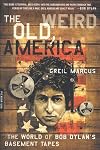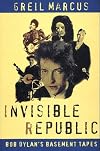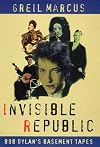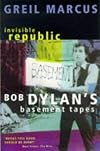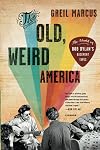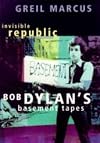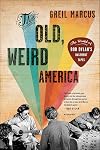
Invisible republic : Bob Dylan's Basement tapes
by Greil Marcus
On This Page
Description
A Special Edition with a New Introduction and an Updated DiscographyThis is Greil Marcus's acclaimed book on the secret music made by Bob Dylan and the Band in 1967, which introduced a phrase that has become part of the culture: "the old, weird America." It is this country that the book maps--the "playground of God, Satan, tricksters, Puritans, confidence men, illuminati, braggarts, preachers, anonymous poets of all stripes" (Luc Sante, New York magazine). In honor of Dylan's seventieth show more birthday, this special edition includes a new introduction, an updated discography, and a cover featuring never-before-seen photographs of the legendary recording sessions. show lessTags
Recommendations
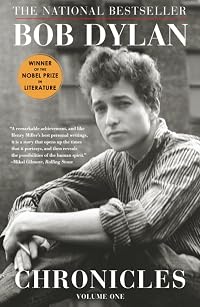


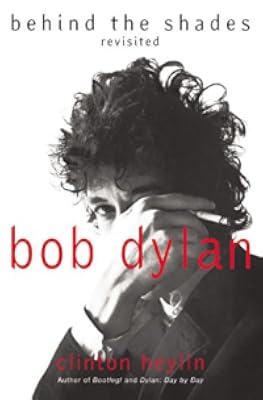
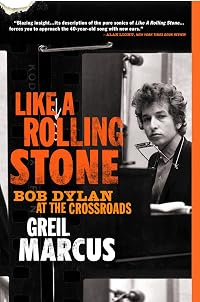
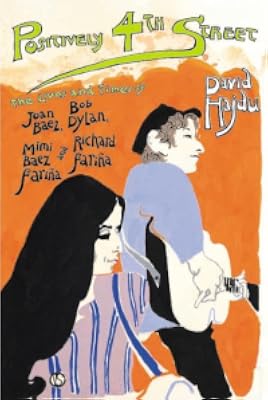
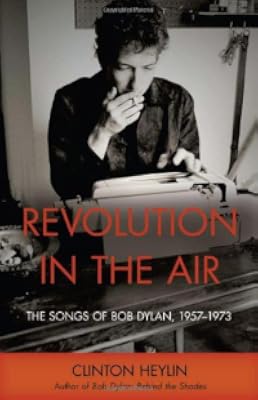

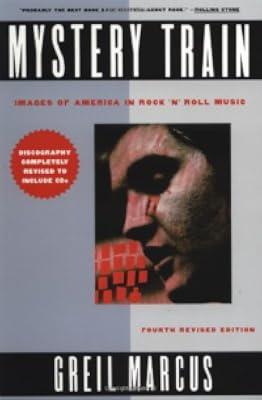
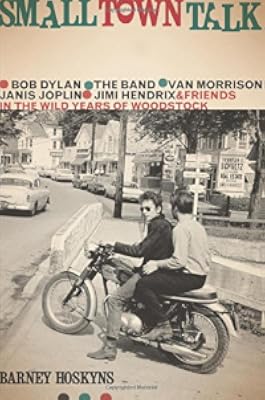
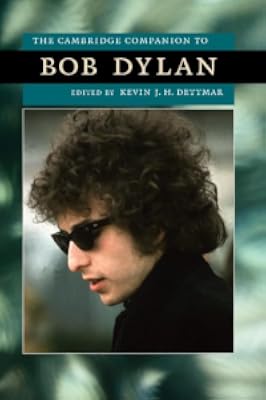







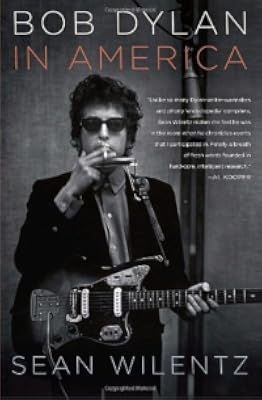
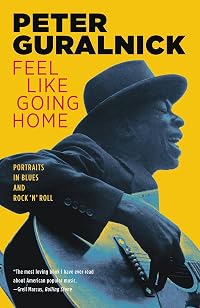
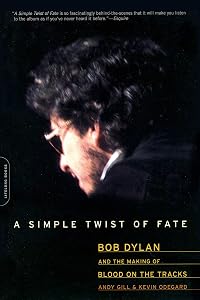
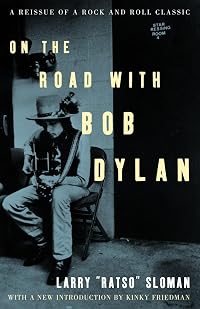

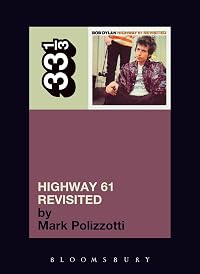


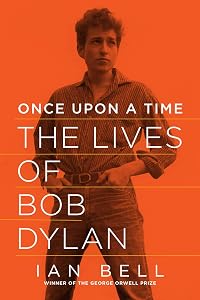
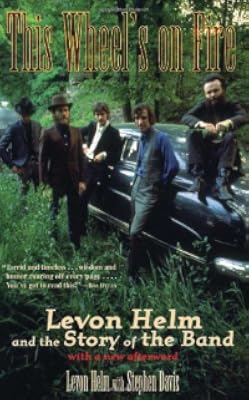
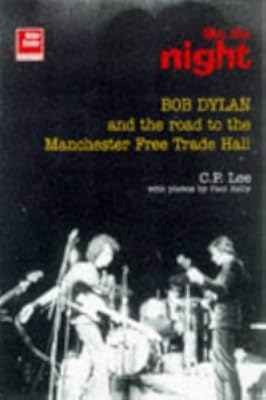
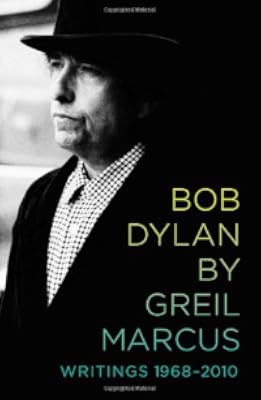
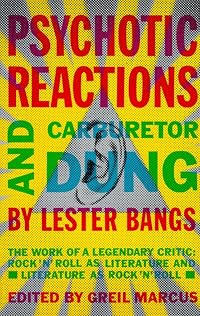
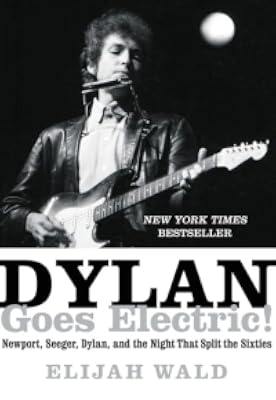
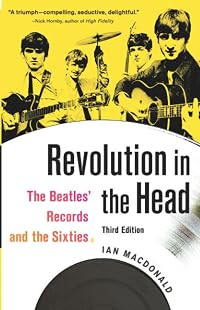
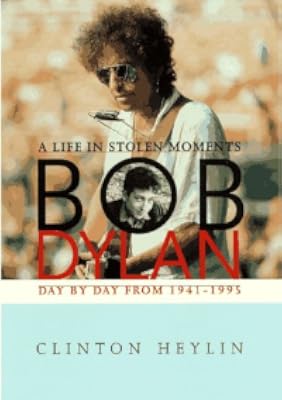

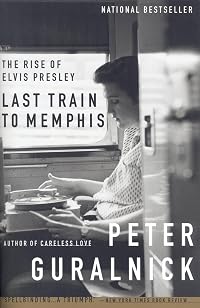
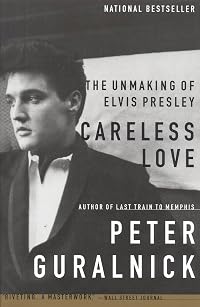

Member Recommendations
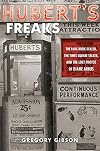
Hubert's Freaks: The Rare-Book Dealer, the Times Square Talker, and the Lost Photos of Diane Arbus by Gregory Gibson
bertilak Two chronicles of “the old, weird America”.
Member Reviews
Ate this one up. Not sure if it is just the old Romantic story-under-the-story trick, or if Bob Dylan really was onto myths so ancient that they are practically DNA -- at least in Appalachia. I got interested in this topic when Joni Mitchell called Bob a plagiarist. Of course an academic would be interested in stolen songs right out in public with his own name right on them. Outrageous. But the back story is: plenty of popular music is recycled recycled recycles. Bob just knows it and borrows freely. In fact, he takes the old song one level deeper, as Marcus shows in the book which is formally about Bob and The Band hanging out in a basement writing and recording for fun one summer. NB: Marcus is sometimes as impressionistic as Bob's show more stranger lyrics, hence the 4 stars. But if you ever read gonzo journalism, you know what s up anyway and expect as much. show less
Greil Marcus is teaching a class this fall at the New School on this book, if you're taking that class please, please help me sneak in.
That said, the book isn't so much about Bob Dylan as it is about the legacy of the "folk" song in America. Marcus's prose is beautiful and he knows how to write about music in away that makes it seem important and relevant. Like his description of Dylan's "Ballad of a Thin Man,"
That said, the book isn't so much about Bob Dylan as it is about the legacy of the "folk" song in America. Marcus's prose is beautiful and he knows how to write about music in away that makes it seem important and relevant. Like his description of Dylan's "Ballad of a Thin Man,"
Helped me belatedly understand what was at stake in the folk revival and Dylan's exit from it; and also what lies behind recenter weirdness like the Sun City Girls.
Marcus's prose is a bit fractured at times, to the point of being occasionally unintelligible (to me, anyway), but very good, if perhaps a little over Romantic, on the sources of Dylan's musical weirdness.
Seldom is it noted that springing hope can prove a real pain in the ass. I continually harbor and hope. There are always lists and plans: prerequisites for other texts clamor for attention. This vein continues however vain. I am thinking of reading all women in April, this highlighted by reading Second Sex in Serbia. There is module on slavery I was imagining for May. We shall see. Wait, I haven't really broached The Weird Old America, have I? Well that treatment is tantamount to Marcus' fleeting placement of The Basement Tapes within the text: they remain central, yet absent. It is fitting that Marcus cited Camille Paglia as that appears to be his lodestar, though he lacks her scrutiny as well as her writing panache. Marcus establishes show more The Basement Tapes as a nexus for myriad paths of American expression and legacy. Tracing these routes is intriguing but hardly conclusive. I think I prefer Nick Tosches in such free association . When considering this challenge for 2016 it was obvious that reading five books by or about Bob Dylan would be much more problematic than achieving the same with Derrida and Dickens. Marcus gives us hagiography, Dylan the mystic awakened something eternal when he went electric. One almost imagined William James, perhaps Robert Graves on Sufism . One can glean of course that the Nirvana song Polly harkens to a ballad Pretty Polly from the 17C. Again Marcus entertains without marshaling the requisite evidence. show less
I love Dylan's music to begin with, but even for me this book seems...weird. About half way through though,there's a digression on Henry Smith that's absolutely fascinating. If you don't know who he is (and I didn't), it's worth finding out.
Almost written in a stream of consciousness style itself the well-known Marcus imitates Dylan's approach to lyrics as he dissects the influential Basement Tapes.
A reference in the work recalled the answer song to Barry McGuire's, Eve of Destruction.
The Spokesmen were an American pop music trio. They scored a hit single in the U.S. in 1965 with the tune "Dawn of Correction", which was a patriotic answer record to Barry McGuire's protest song, "Eve of Destruction". The song was written by the group's members, John Medora, David White and Roy Gilmore. The tune hit #36 on the Billboard Hot 100 chart.
http://www.youtube.com/watch?v=_LHBZ5StOiE
A reference in the work recalled the answer song to Barry McGuire's, Eve of Destruction.
The Spokesmen were an American pop music trio. They scored a hit single in the U.S. in 1965 with the tune "Dawn of Correction", which was a patriotic answer record to Barry McGuire's protest song, "Eve of Destruction". The song was written by the group's members, John Medora, David White and Roy Gilmore. The tune hit #36 on the Billboard Hot 100 chart.
http://www.youtube.com/watch?v=_LHBZ5StOiE
Members
- Recently Added By
Author Information

40+ Works 5,637 Members
Greil Marcus is the author of "Invisible Republic," "Dead Elvis," "Lipstick Traces," & "Mystery Train." His pieces have appeared in a wide range of publications, including "Artforum," "Interview," "The New Yorker," "The New York Times," & "Esquire." He will be teaching at Princeton & Berkeley in fall 2000. (Publisher Provided) Greil Marcus was show more born in San Francisco, California in 1945. He received an undergraduate degree in American studies from the University of California, Berkeley. He has been a rock critic and columnist for Rolling Stone, Creem, The Village Voice, Artforum, and other publications. He has written several books including Mystery Train: Images of America in Rock 'n' Roll Music, Lipstick Traces: A Secret History of the 20th Century, Dead Elvis: A Chronicle of a Cultural Obsession, and When That Rough God Goes Riding: Listening to Van Morrison. (Bowker Author Biography) show less
Common Knowledge
- Canonical title
- Invisible republic : Bob Dylan's Basement tapes
- People/Characters
- Bob Dylan
- First words
- Once a singer stood at a world crossroads.
- Last words
- (Click to show. Warning: May contain spoilers.)Most of the basement tapes still travel the fugitive path the music took from the first; each performance makes part of a map, which like so many of the songs, and the territory they describe, remains unfinished.
- Original language
- English
Classifications
- Genres
- Music, Nonfiction, Biography & Memoir, History
- DDC/MDS
- 782.42164092 — Arts & recreation Music Vocal Music, Singing Secular forms of vocal music Songs General principles and musical forms Traditions of secular songs {genres} Western popular songs
- LCC
- ML420 .D98 .M16 — Music Literature on music Literature on music History and criticism Biography
- BISAC
Statistics
- Members
- 639
- Popularity
- 45,335
- Reviews
- 9
- Rating
- (3.89)
- Languages
- 5 — Dutch, English, French, German, Italian
- Media
- Paper, Ebook
- ISBNs
- 15
- ASINs
- 3