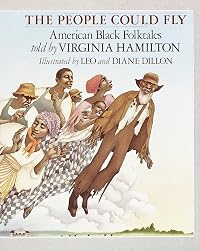
The People Could Fly: American Black Folktales
by Virginia Hamilton (Author), Diane Dillon (Illustrator), Leo Dillon (Illustrator)
On This Page
Description
Retold Afro-American folktales of animals, fantasy, the supernatural, and desire for freedom, born of the sorrow of the slaves, but passed on in hope.Tags
Recommendations
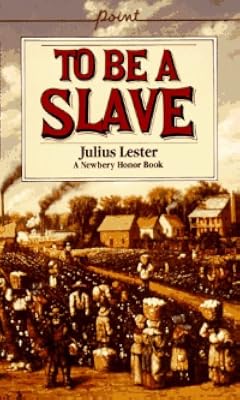
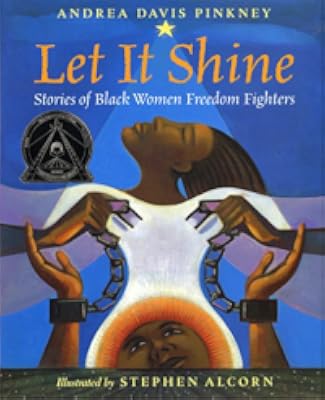
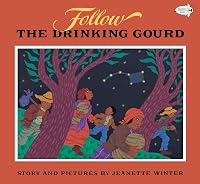
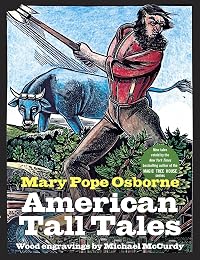


Member Recommendations
Member Reviews
This is absolutely a book that belongs on every child's shelf, regardless of their skin color. I remember hearing about this book on television (I think Reading Rainbow?) and wanting to read more.
As an adult, I look back and these stories have even more meaning, given what I have studied about slavery and civil rights. A+++
As an adult, I look back and these stories have even more meaning, given what I have studied about slavery and civil rights. A+++
Powerful, incredible, poignant and emotional, this is a book to own and read often. There is no softness in the portrayal of black slaves slashed, degraded and tired, oh so tired. There is hope in an old man named Toby, tall and able to inspire those who are beaten down by their lot to fly, fly away upward into a life better, oh so much better.
"These tales were created out of sorrow. But the hearts and minds of the black people who formed them, expanded them, and passed them on to us were full of love and hope. We must look on the tales as a celebration of the human spirit." (from the Introduction)
Offers a varied selection of tale types with some repetition among the individual stories. Tales are divided into: He Lion, Bruh Bear, and Bruh Rabbit And Other Animal Tales; The Beautiful Girl of the Moon Tower And Other Tales of the Real, Extravagant, and Fanciful; John and the Devil's Daughter And Other Tales of the Supernatural; Carrying the Running-Aways And Other Slave Tales of Freedom.
Highly recommended to all ages. Though, if you're able to find it, I would go for the show more edition that includes the CD with narration by James Earl Jones. My library was unable to get that edition. :(
Purely for entertainment reasons, "The Peculiar Such Thing" was my favorite story. I could see folks telling that one at night sitting around the campfire. It felt like a tale that should've been included in the Scary Stories series from my tween/teen years.
Two stories really nailed the real-life origins of folktales: the first was "Carrying the Running-Aways" because it is such a personal story to Hamilton's own family history. The second, "The People Could Fly," packed serious emotional punch. A powerful way to end the collection.
4 stars
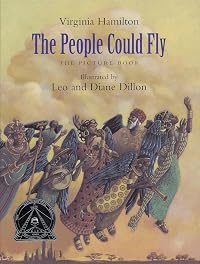
(Only reason not 5 stars is that I wish the illustrations had been in color like the cover was.) show less
Offers a varied selection of tale types with some repetition among the individual stories. Tales are divided into: He Lion, Bruh Bear, and Bruh Rabbit And Other Animal Tales; The Beautiful Girl of the Moon Tower And Other Tales of the Real, Extravagant, and Fanciful; John and the Devil's Daughter And Other Tales of the Supernatural; Carrying the Running-Aways And Other Slave Tales of Freedom.
Highly recommended to all ages. Though, if you're able to find it, I would go for the show more edition that includes the CD with narration by James Earl Jones. My library was unable to get that edition. :(
Purely for entertainment reasons, "The Peculiar Such Thing" was my favorite story. I could see folks telling that one at night sitting around the campfire. It felt like a tale that should've been included in the Scary Stories series from my tween/teen years.
Two stories really nailed the real-life origins of folktales: the first was "Carrying the Running-Aways" because it is such a personal story to Hamilton's own family history. The second, "The People Could Fly," packed serious emotional punch. A powerful way to end the collection.
4 stars
(Only reason not 5 stars is that I wish the illustrations had been in color like the cover was.) show less
In the book The People Could Fly by Virginia Hamilton, I read The Beautiful Girl of the Moon Tower. Due to my inexperience with folktales, I didn’t enjoy this story. However, the tale was well written and sounded like it was being told, not read. For example, in the beginning it states “ There was a son named Anton, he dreamed that a girl placed a handkerchief over his face.” This is written in third person, which sounds exactly like someone else reading the story. After reading the information about this folktale, I understood that this is a common folktale from the Cape Verde Islands. However, I didn’t really see the exaggerated-reality scenes in the story. This folktale just seemed like a fantasy more than show more exaggerated-reality, especially when the main character Anton was able to transform into various insects and animals to find the girl in his dream. I thought that this aspect alone was far from exaggerated-reality and just fantasy. I think that the themes of struggle and triumphs will be very challenging to appeal to children, but the use of animals and magic will capture their attention. Overall, I thought this folktale wasn’t the best, but it contained aspects of a good traditional folktale. show less
Virginia Hamilton — herself descended from enslaved people who escaped via the Underground Railroad — retells Black folktales like "He Lion, Bruh Bear and Bruh Rabbit" and "How Nehemiah Got Free" in a simple, powerful style. Put that together with Leo and Diane Dillon's luscious illustrations and you have an almost perfect story-hour read. (For ages 8 and up)
audio production of expertly curated folktales. The intermittent music between stories was not optimal for my drifting-off-to-sleep purposes, but the collection itself is solid, with explanatory notes of historical significance after each. Recommended.
I read the story Little Eight Jon in the book The People Could Fly by Virginia Hamilton. I really enjoyed this short story, however I don’t think its suitable for young children. It might be best for kids in grades 4-6 because of the scary content. Firstly, I think that the language of the tale is written to sound like it’s being told, not read. For example, on page 122, “Little Eight Jon went right ahead on and found him a toad and a frog. And he squished the toad. Then he squashed the frog.” It really sounds like the story is being told from someone else, rather than just reading a typical fiction book. I definitely believe that the language of the book contributes to the culture of origin coming through. For instance, the show more reader can immediately tell that Little Eight Jon and his family are from the south because the opening sentence is “ Little Eight Jon come be small boy, say he lived long ago”(pg.121). The reader can infer than the dialect is from the south a long time ago. Also, to help the reader, there is a short paragraph to tell the audience exactly which culture this folktale takes place. This book is slightly scary because Little Eight Jon is turned into grease at the end because he didn’t listen to his mother, and is never seen again. However, I think the moral of the story resonates with children, because all kids disobey their parents, but sometimes there are consequences to your actions. show less
Members
- Recently Added By
Lists

1001 Children's Books You Must Read Before You Grow Up
774 works; 101 members
Honey For a Child's Heart
1,152 works; 25 members

Nice Anthologies for Kids
66 works; 3 members

my children books reading list-from 100 great books
101 works; 7 members

Before Austen Comes Aesop
318 works; 9 members

Club Read's Recommended Nonfiction Written by Women
618 works; 30 members

NPR Books You Love: 100 Favorite Books For Young Readers
100 works; 1 member
Author Information


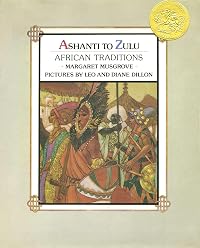
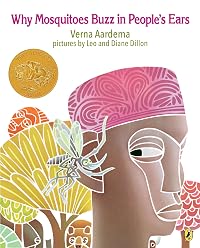
Leo Dillon was born in Brooklyn, New York on March 2, 1933. He attended Parsons School of Design in New York City, where he met his wife Diane (Sorber) Dillon. They graduated in 1956, married in 1957, and soon became a husband and wife team of illustrators. During his lifetime, they published over 40 children's books including Hakon of Rogen's show more Saga by Eric Hagard, The Ring in the Prairie by John Bierhorst, The People Could Fly: American Black Folktales by Virginia Hamilton, and If Kids Ran the World. They won the Caldecott Medal in 1976 for Why Mosquitoes Buzz in People's Ears by Verna Aardema and in 1977 for Ashanti to Zulu: African Traditions by Margaret Musgrove. They also won a Coretta Scott King Award and five Coretta Scott King Honors. In 2002, they published the first picture book they wrote themselves, Rap a Tap Tap: Here's Bojangles-Think of That! They also created cover designs for adult science fiction books. He died from complications of lung surgery on May 26, 2012 at the age of 79. (Bowker Author Biography) show less
Some Editions
Awards and Honors
Awards
Distinctions
Notable Lists
Common Knowledge
- Canonical title
- The People Could Fly: American Black Folktales
- Original publication date
- 1985
- People/Characters
- Toby; Sarah; Master; Overseer
- Important places
- Southern States, USA
- Dedication
- For my father, Kenneth Hamilton, and for all who've told the tale
- First words
- They say the people could fly. Say that long ago in Africa, some of the people knew magic.
- Last words
- (Click to show. Warning: May contain spoilers.)They say that the children of the ones who could not fly told their children. And now, me, I have told it to you.
- Original language
- English
- Disambiguation notice
- Please distinguish between Virginia Hamilton's The People Could Fly: American Black Folktales (1985) and her similarly titled work, The People Could Fly: The Picture Book (2004).
Classifications
Statistics
- Members
- 1,500
- Popularity
- 15,499
- Reviews
- 37
- Rating
- (4.14)
- Languages
- English, French, Swedish
- Media
- Paper, Audiobook, Ebook
- ISBNs
- 28
- UPCs
- 2
- ASINs
- 7