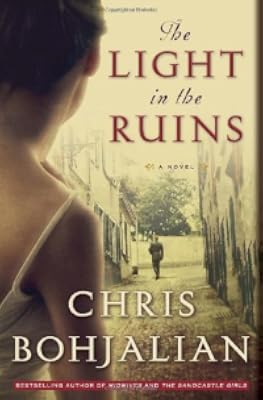
The Light in the Ruins
by Chris Bohjalian 
On This Page
Description
"1943: Tucked away in the idyllic hills south of Florence, the Rosatis, an Italian family of noble lineage, believe that the walls of their ancient villa will keep them safe from the war raging across Europe. Eighteen-year-old Cristina spends her days swimming in the pool, playing with her young niece and nephew, and wandering aimlessly amid the estate's gardens and olive groves. But when two soldiers, a German and an Italian, arrive at the villa asking to see an ancient Etruscan burial show more site, the Rosatis' bucolic tranquility is shattered. A young German lieutenant begins to court Cristina, the Nazis descend upon the estate demanding hospitality, and what was once was their sanctuary becomes their prison. 1955: Serafina Bettini, an investigator with the Florence police department, has her own demons. A beautiful woman, Serafina carefully hides her scars along with her haunting memories of the war. But when she is assigned to a gruesome new case-- a serial killer targeting the Rosatis, murdering the remnants of the family one-by-one in cold blood-- Serafina finds herself digging into a past that involves both the victims and her own tragic history" -- from publisher's web site. show lessTags
Recommendations


























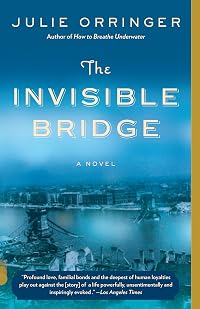


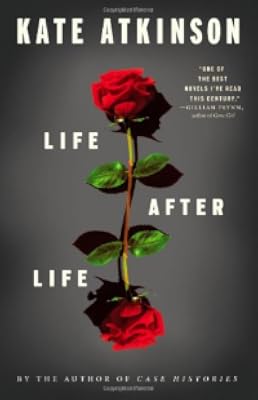
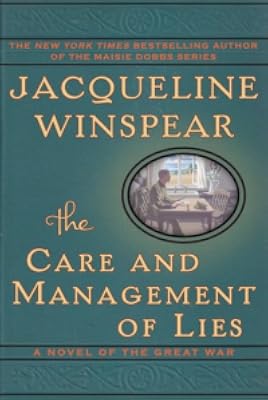
Member Recommendations


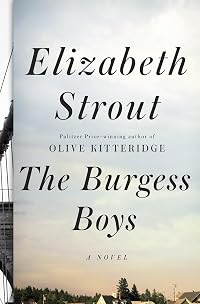
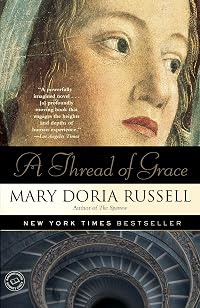
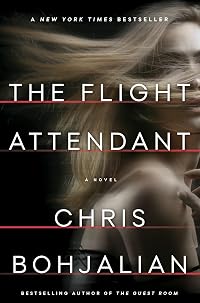
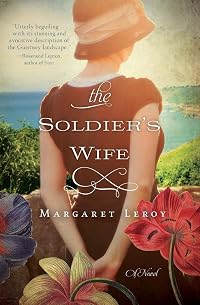
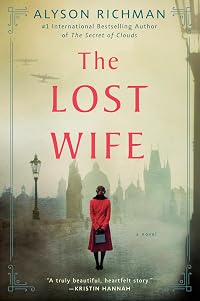
BookshelfMonstrosity There's a sense of inevitability in these historical mysteries, which take place at the close (The Light in the Ruins) or just before (A Trace of Smoke) World War II and star female leads with personal ties to their investigations.
jamaicanmecrazy WW II in Italy
Member Reviews
I would like to thank Vintage Books for granting me the opportunity to read this wonderful story in exchange for an honest review. Although I received this book for free, that in no way impacts my review.
Right off I must admit that I am a fan of Chris Bohjalian's work. I've read the majority of his books, and like any good author he continues to improve his craft with each new release. This is not to say that the subject material of each new story will appeal to all, but his talent continues to grow regardless of the topic at hand. I approached this book as a fairly blank slate, having deliberately avoided all reviews and talk about the book, so that I might experience it without any preconceived notions. For the most part I was successful, only getting one adjective about the book before delving into it.
This is a moving tale of family, love, betrayal, insanity, murder. Told in segments that switch back and forth between past and present, this story unfolds in an unusual manner, but one that so very well suits the tale being told. And every so often the killer briefly interjects, but without ever dropping any hints as to their identity or motivation. The past was mostly about the Rosatis' experiences during the final years of the war. Yet there was also some speculation about Serafina Bettini's experiences at the end of the war, which she has no memory of. However she has a map of scars to constantly remind her something cataclysmic happened to her. She remembers her activities working with her created family, which consisted exclusively of a group of dedicated partisans, but nothing of her final hours of the war.
The Rosatis, headed by the marchese Antonio, and his wife Beatrice, the marchesa, stuck to the values inherited with their position. While they lived fairly well, the Villa Chimera being a lovely home, complete with a swimming pool, they always tried to ensure the local villagers were cared for as well. They raised cattle and sheep on their land, along with a small vineyard and olive grove. In addition to the marchese and marchesa, Villa Chimera was home to their youngest child, eighteen-year-old Cristina, as well as their eldest son's wife Francesca, and their two small children, Massimo and Alessia.
Both sons had been conscripted into the Italian military, to work alongside Italy's German allies. Their eldest son Marco had been sent down to Sicily, while their younger son Vittore was put to work as an assistant of sorts for the current German leader in the area, Colonel Decher. On the surface Vittore's job was to help explain the artwork to Decher, but at the same time do he was doing his level best to keep the Germans from plundering all their valuable artwork.
The Rosatis were backed into supporting the Nazis in the area, earning them the enmity of the villagers. Yet it all was not as it seemed. The Germans repeatedly culled their herd of cattle and sheep, as well as anything growing in their gardens, until nothing was left. Only Cristina seemed untouched by the changes taking place around her, and that was because of the German lieutenant Friedrich Strekker, Colonel Decher's adjunct. Maybe it was because her family lived in such isolation, or because she had missed out on all the balls and parties Francesca had attended at her age, but Cristina made a choice to follow her heart and be with Friedrich Strekker, regardless of the fact that he was German. They became lovers, a choice that made her feel more alive, which she reveled in. However that did not mean that she like any of the other Germans, but it didn't matter as she was branded as a whore regardless.
All of this unfolds throughout the course of the book, while at the same time the story of the killer is expanded. And the killer moves up into the realm of serial killer after the second Rosatis dies. The killer takes both lives in such a way that it is clear that the murders aren't coincidental. Someone is after the Rosatis family. Serafina Bettini and her partner must figure out why that particular family has been targeted in order to figure out who is after them. During all this Serafina is confronted with her missing past, slowly uncovering what happened. The question she must answer is if there is any link between her missing time and the Rosatis family. Being a partisan would have put her in direct opposition with the Rosatis family, who were trapped into being Nazi supporters. Given that conflict, if there is a link with the Rosatis family, will it impact her ability to do her job?
Beautifully told, Mr. Bohjalian makes the people and places come alive. He pulls you into the story so that you are living it with the characters. Characters he has made you feel something for, be it a positive or negative response. The action and growth of the characters are perfectly matched with the arc of the story, maintaining spot-on pacing throughout. The story is gripping, the end shocking, and the reveal of the killer perfectly done. Never once did I suspect the right person as the killer, nor guess the reason for their incendiary feelings toward the Rosatis.
Tumultuous and painful, this story covers the gamut of human emotions with grace and respect, showing Bohjalian's deft touch with the characters he brings to such vivid life. The feelings the characters experience will resonate with the reader for some time to come. Definitely a must-read book! show less
From the New York Times bestselling author of Midwives and The Sandcastle Girls comes a spellbinding novel of love, despair, and revenge—set in war-ravaged Tuscany.show more
1943: Tucked away in the idyllic hills south of Florence, the Rosatis, an Italian family of noble lineage, believe that the walls of their ancient villa will keep them safe from the war raging across Europe. Eighteen-year-old Cristina spends her days swimming in the pool, playing with her young niece and nephew, and wandering aimlessly amid the estate’s gardens and olive
groves. But when two soldiers, a German and an Italian, arrive at the villa asking to see an ancient Etruscan burial site, the Rosatis’ bucolic tranquility is shattered. A young German lieutenant begins to court Cristina, the Nazis descend upon the estate demanding hospitality, and what was once their sanctuary becomes their prison.
1955: Serafina Bettini, an investigator with the Florence police department, has her own demons. A beautiful woman, Serafina carefully hides her scars along with her haunting memories of the war. But when she is assigned to a gruesome new case—a serial killer targeting the Rosatis, murdering the remnants of the family one-by-one in cold blood—Serafina finds herself digging into a past that involves both the victims and her own tragic history.
Set against an exquisitely rendered Italian countryside, The Light in the Ruins unveils a breathtaking story of moral paradox, human frailty, and the mysterious ways of the heart.
Right off I must admit that I am a fan of Chris Bohjalian's work. I've read the majority of his books, and like any good author he continues to improve his craft with each new release. This is not to say that the subject material of each new story will appeal to all, but his talent continues to grow regardless of the topic at hand. I approached this book as a fairly blank slate, having deliberately avoided all reviews and talk about the book, so that I might experience it without any preconceived notions. For the most part I was successful, only getting one adjective about the book before delving into it.
This is a moving tale of family, love, betrayal, insanity, murder. Told in segments that switch back and forth between past and present, this story unfolds in an unusual manner, but one that so very well suits the tale being told. And every so often the killer briefly interjects, but without ever dropping any hints as to their identity or motivation. The past was mostly about the Rosatis' experiences during the final years of the war. Yet there was also some speculation about Serafina Bettini's experiences at the end of the war, which she has no memory of. However she has a map of scars to constantly remind her something cataclysmic happened to her. She remembers her activities working with her created family, which consisted exclusively of a group of dedicated partisans, but nothing of her final hours of the war.
The Rosatis, headed by the marchese Antonio, and his wife Beatrice, the marchesa, stuck to the values inherited with their position. While they lived fairly well, the Villa Chimera being a lovely home, complete with a swimming pool, they always tried to ensure the local villagers were cared for as well. They raised cattle and sheep on their land, along with a small vineyard and olive grove. In addition to the marchese and marchesa, Villa Chimera was home to their youngest child, eighteen-year-old Cristina, as well as their eldest son's wife Francesca, and their two small children, Massimo and Alessia.
Both sons had been conscripted into the Italian military, to work alongside Italy's German allies. Their eldest son Marco had been sent down to Sicily, while their younger son Vittore was put to work as an assistant of sorts for the current German leader in the area, Colonel Decher. On the surface Vittore's job was to help explain the artwork to Decher, but at the same time do he was doing his level best to keep the Germans from plundering all their valuable artwork.
The Rosatis were backed into supporting the Nazis in the area, earning them the enmity of the villagers. Yet it all was not as it seemed. The Germans repeatedly culled their herd of cattle and sheep, as well as anything growing in their gardens, until nothing was left. Only Cristina seemed untouched by the changes taking place around her, and that was because of the German lieutenant Friedrich Strekker, Colonel Decher's adjunct. Maybe it was because her family lived in such isolation, or because she had missed out on all the balls and parties Francesca had attended at her age, but Cristina made a choice to follow her heart and be with Friedrich Strekker, regardless of the fact that he was German. They became lovers, a choice that made her feel more alive, which she reveled in. However that did not mean that she like any of the other Germans, but it didn't matter as she was branded as a whore regardless.
All of this unfolds throughout the course of the book, while at the same time the story of the killer is expanded. And the killer moves up into the realm of serial killer after the second Rosatis dies. The killer takes both lives in such a way that it is clear that the murders aren't coincidental. Someone is after the Rosatis family. Serafina Bettini and her partner must figure out why that particular family has been targeted in order to figure out who is after them. During all this Serafina is confronted with her missing past, slowly uncovering what happened. The question she must answer is if there is any link between her missing time and the Rosatis family. Being a partisan would have put her in direct opposition with the Rosatis family, who were trapped into being Nazi supporters. Given that conflict, if there is a link with the Rosatis family, will it impact her ability to do her job?
Beautifully told, Mr. Bohjalian makes the people and places come alive. He pulls you into the story so that you are living it with the characters. Characters he has made you feel something for, be it a positive or negative response. The action and growth of the characters are perfectly matched with the arc of the story, maintaining spot-on pacing throughout. The story is gripping, the end shocking, and the reveal of the killer perfectly done. Never once did I suspect the right person as the killer, nor guess the reason for their incendiary feelings toward the Rosatis.
Tumultuous and painful, this story covers the gamut of human emotions with grace and respect, showing Bohjalian's deft touch with the characters he brings to such vivid life. The feelings the characters experience will resonate with the reader for some time to come. Definitely a must-read book! show less
While much has been written about the Nazi occupation and the battle for Europe, very little has ever been written about the Italian experience during the war. Chris Bohjalian tackles this unusual but highly fascinating subject with his new novel The Light in the Ruins. In it, the Rosati family must carefully tread the thin line that separates a Nazi supporter with a Nazi detractor, but their increasing association with German soldiers will have disastrous results on their family. Meanwhile, in 1955 Serafina Bettini is a survivor. Having spent the war years fighting against fascism, Mussolini and the Nazi regime, she has the physical scars to prove her dedication to a cause. As her search for the Rosati family killer takes her ever show more closer to the area she for which she fought during the war years, she must draw on her resilience to stop the killer and help heal the wounds flayed open by first the Germans and then the mystery.
Cristina is the main character in the scenes from the 1940s while Serafina is very much the heroine in 1955. Cristina is the sheltered daughter of a long-lived family with means. While some readers may view her relationship with the German officer as understandable, given that it is her first exposure to men since she came of age, others will find her manipulative and extremely self-serving. Meanwhile, Serafina’s war experiences are very different, and as such, she is the much more sympathetic of the two women. Serafina is everything Cristina is not, and her willingness to sacrifice herself for her convictions is extremely impressive, especially in light of Cristina’s selfishness. While it might be easy to argue that they are both victims of their circumstances, Serafina’s stoicism and willingness to fight put Cristina’s lack of convictions to shame.
This same holds true once as Serafina continues her investigation. Whereas Serafina has every reason to discontinue her search into the case and into her past, she cannot and will not do so. Her fortitude is inspiring and a testament to her strength of character. Again, Cristina pales in comparison. Her reactions to the tragedy unfolding around her are too subdued and suspicious given the previous insight into her character. Their almost opposing personalities are not just an interesting plot device to enliven Mr. Bohjalian’s characters. It plays a key role in the resolution to the murder mystery as well.
The Light in the Ruins shines a light on a little-known arena of World War II – what Italians experienced during the near-constant tug of war between fascism and democracy that occurred during the 1930s and 40s. The Rosati family’s experiences are just a microcosm of the fight for survival in a world with conflicting loyalties and constantly-changing political regimes. Mr. Bohjalian uses gorgeous imagery to highlight the tumultuous environment that existed during the war, as well as the long-lasting physical and psychological scars that dot each person as well as the landscape a decade after the war’s end. Its haunting ending will leave readers scuttling to the Internet trying to learn more about this fascinating period in Italian history. show less
Cristina is the main character in the scenes from the 1940s while Serafina is very much the heroine in 1955. Cristina is the sheltered daughter of a long-lived family with means. While some readers may view her relationship with the German officer as understandable, given that it is her first exposure to men since she came of age, others will find her manipulative and extremely self-serving. Meanwhile, Serafina’s war experiences are very different, and as such, she is the much more sympathetic of the two women. Serafina is everything Cristina is not, and her willingness to sacrifice herself for her convictions is extremely impressive, especially in light of Cristina’s selfishness. While it might be easy to argue that they are both victims of their circumstances, Serafina’s stoicism and willingness to fight put Cristina’s lack of convictions to shame.
This same holds true once as Serafina continues her investigation. Whereas Serafina has every reason to discontinue her search into the case and into her past, she cannot and will not do so. Her fortitude is inspiring and a testament to her strength of character. Again, Cristina pales in comparison. Her reactions to the tragedy unfolding around her are too subdued and suspicious given the previous insight into her character. Their almost opposing personalities are not just an interesting plot device to enliven Mr. Bohjalian’s characters. It plays a key role in the resolution to the murder mystery as well.
The Light in the Ruins shines a light on a little-known arena of World War II – what Italians experienced during the near-constant tug of war between fascism and democracy that occurred during the 1930s and 40s. The Rosati family’s experiences are just a microcosm of the fight for survival in a world with conflicting loyalties and constantly-changing political regimes. Mr. Bohjalian uses gorgeous imagery to highlight the tumultuous environment that existed during the war, as well as the long-lasting physical and psychological scars that dot each person as well as the landscape a decade after the war’s end. Its haunting ending will leave readers scuttling to the Internet trying to learn more about this fascinating period in Italian history. show less
As much as I feel Midwives was Bohjalian's best, this was a very good book. It has a WWII component, but looks more at the aftermath of the war. Set alternately in 1955 and 1944 in Italy, the story is a murder mystery in the "present" and a war/love story in the past. The Rosati family is at the center of both narratives. In 1955, Francesca Rosati and her mother-in-law, the Marquesa, Beatrice Rosati have been brutally murdered in two separate attacks. Clearly someone is targeting the family, but who and why? The remaining members, Christina, Beatrice's daughter and Vittore, Beatrice's son and his family are forced to confront war memories and atrocities to try to anticipate the murderer's next move. The detective on the case Serafina show more Bettini also has war scars (literally) to confront. During the war, she was a partisan, and was nearly killed in a horrible burning incident -- of which she has no memory. Her name, chosen by her after the war means "burning girl" and she has thick scars over most of her back, neck, and only has a partial ear on one side. As she investigates the case, she is learning more about her own war involvement, especially her burns. In 1943, the Rosatis were gentry? minor royalty? it's hard to draw a current comparison to their titles. They believed, naively or arrogantly that their social position,their money, and their remote Tuscan villa would protect them from the war -- and it largely did until Germany started losing. Vittore was serving at the Uffizi in Florence, trying to alternately protect the artworks from the bombing to come and from the greedy Germans. An Etruscan tomb was part of his parents' estate, so when his Nazi commander hears of this, he insists on a visit. This is where worlds collide. Christina falls in love with a young German officer, Friedrich Streiker and they see each other for about 6 months until the British begin to invade. This, along with certain concessions by the Marquese, brand them as collaborators, or at the very least, sympathizers. Meanwhile, Marco, Francesca's husband is serving in Sicily, which becomes the first site of the British liberators who come north after victory in Africa. As the Germans plan their hasty retreat, they converge on the villa and a perfect storm of Marco's return, partisan activity, and German brutality meet. As a result, the reason for a vendetta becomes clear. In her investigation, Serafina gets some answers to her memory gaps and ultimately solves the murders. What is so fascinating to consider here is the devastation the war created -- not just in its prime, but in its aftermath -- on the place, the people, the national psyche. How people move forward (or not) after tragedy and trauma is both inspiring, mind-boggling, and a little disturbing. As an audio book, the story really came to life with Italian accents, different male and female readers and the creepy voice and narration of the killer who gleefully recounts all the details of the murders. I was hooked! show less
This story is a great combination of history set during WWII in northern Italy and a 1950's serial killer murder mystery. The chapters do switch back and forth between WWII, the 1950's, and a narrative from the unidentified killer but it works very well. Two completely different threads soon begin to merge with surprising results in the end.
Serafina is the first female detective in the Florence polizia thanks to Paolo Ficino, her supervisor, who has taken a rather fatherly role in her life. Someone has not only murdered a woman but mutilated her body. When the woman's mother is also murdered and mutilated, there has to be a motive deeper than just random violence. WWII is still fresh in the memories of everyone. The two women murdered show more are members of the Rosati family, a family with noble lineage whose association with the Nazi during the war was unclear. Cristina Rosati, the only daughter in the family, did have an affair with a Nazi officer. Serafina, the same age as Cristina, has vague memories of the Etruscan burial site located on the Rosati property. Serafina was dreadfully burned during the war when she was a part of the Italian resistance movement. It all ties together very neatly in a somewhat surprising end.
I was surprised when I liked this book so much as I had read "The Double Bind" by this author and was not particularly impressed. His historical novels do seem to get higher reviews and I will definitely search out more of them. show less
Serafina is the first female detective in the Florence polizia thanks to Paolo Ficino, her supervisor, who has taken a rather fatherly role in her life. Someone has not only murdered a woman but mutilated her body. When the woman's mother is also murdered and mutilated, there has to be a motive deeper than just random violence. WWII is still fresh in the memories of everyone. The two women murdered show more are members of the Rosati family, a family with noble lineage whose association with the Nazi during the war was unclear. Cristina Rosati, the only daughter in the family, did have an affair with a Nazi officer. Serafina, the same age as Cristina, has vague memories of the Etruscan burial site located on the Rosati property. Serafina was dreadfully burned during the war when she was a part of the Italian resistance movement. It all ties together very neatly in a somewhat surprising end.
I was surprised when I liked this book so much as I had read "The Double Bind" by this author and was not particularly impressed. His historical novels do seem to get higher reviews and I will definitely search out more of them. show less
The novel opens with the grisly murder of Francesca, the daughter-in-law of Marchese Rosati, in 1955. The murderer tells us he is targeting the entire Rosati family. The question is: Why? While the detectives work to solve the crime and protect the other family members, the author slowly reveals events at Villa Chimera, the Rosati estate, during 1943-44. The lead detective on the case is Sarafina, the only female on the murder squad and a former Partisan fighter in World War II who was badly burned during the Allied invasion of Italy.
I thought I’d like this more than I did. It had all the right elements to hold my interest. Two of my favorite genres: historical fiction and mystery; a time period of great interest to me: World War II; show more and a great setting: the Italian countryside and Florence. Unfortunately, I never connected with most of the characters and subsequently found I didn’t care all that much about what happened to them. The only one I really cared about was the detective, Sarafina. Fortunately, enough of the plot and mystery surrounded her, so there was enough to hold my interest and keep me reading. show less
I thought I’d like this more than I did. It had all the right elements to hold my interest. Two of my favorite genres: historical fiction and mystery; a time period of great interest to me: World War II; show more and a great setting: the Italian countryside and Florence. Unfortunately, I never connected with most of the characters and subsequently found I didn’t care all that much about what happened to them. The only one I really cared about was the detective, Sarafina. Fortunately, enough of the plot and mystery surrounded her, so there was enough to hold my interest and keep me reading. show less
For many authors, WWII provides a crucible in which the demands of ethics, morals, family, and survival are crushed upon each other with tantalizing results. In “Light Among the Ruins”, Bohjalian examines the after effects of WWII on a particular Tuscan family with two sons serving their country on the Axis side. Eleven years have passed, and the family’s survivors have scattered across Italy. The book opens when one is brutally murdered and there is the possibility that others in the family are targets. This page turner is told in alternating voices between the unknown killer and a young, damaged former partisan, now rising female detective. This narrative ploy is largely successful and ratchets up the tension as we try to show more discover the link between the present crimes and the closing days of WWII. I liked this one much better than some of the Bohjalian efforts I’ve read. Happy to read more. show less
"Light in the Ruins" is a beautifully written very sad story - not the type of sad that makes you weep, but a quiet, tragic sadness. It takes place in Italy, primarily in a lovely estate in the hills south of Florence. We see the lives of the Rosatis, a family on nobility, as their lives transform from bucolic tranquility to the polar opposite during the occupation of the Nazis, the Italian "allies."
The descriptions are rich and detailed, and the character development is equally well done. The plot is artfully woven through the characters and time periods. Although this is my first reading of Bohjalian, it's clear that he excels at his craft.
Although "Light in the Ruins" is historical fiction with a love story thrown in, it's also a show more murder mystery, but definitely not a thriller. Chapters alternate between 1943 and 1955. We meet Serafina Bettini, an inspector in the Florence Police Department. Her character becomes interwoven with those of the Rosati family and the 1943 war episodes. Just for intrigue, every now and then we have a couple pages from the murderer between the 1943 and 1955 chapters.
I had not realized the predicament of the Italians during World War II. In November 1936, Italy signed a treaty with Germany announcing a Rome-Berlin Axis. After the defeat of France in 1940, Italy entered the War as part of the Axis powers.
By 1943, when our story takes place, the Allied Forces had invaded Sicily. Dictator Mussolini was removed and imprisoned and King Victor Emmanuel III took over. In September, Italy announced an armistice with the Allied forces, but the Germans had reinforced their troops and disarmed the Italians. The Germans rescued Mussolini and set him up in a Fascist State in the north of Italy (including Florence), while the Allies controlled southern Italy. Meanwhile, about 200,000 Italian partisan forces fought against the Germans, including about 35,000 women.
Clearly, the Italians in and around Florence were besieged by the German occupants, while the partisans and Allied forces were also a presence. The conflict and dilemma impose on the residents is obvious.
"Light in the Ruins" includes an archaeological story-line covering the Nazi's theft and exportation of Italian treasures to Germany. The Rosatis have an Etruscan tomb on their estate which is a central part of the novel. Also, one of the Rosati sons is an archaeologist working with the Germans who are preparing artifacts for removal. We see the turmoil created by the Nazi "looting."
For mystery lovers who tire of thrillers by Balducci, Sanford and Child, "Light in the Ruins" is a more sophisticated tale woven in an interesting historical setting. show less
The descriptions are rich and detailed, and the character development is equally well done. The plot is artfully woven through the characters and time periods. Although this is my first reading of Bohjalian, it's clear that he excels at his craft.
Although "Light in the Ruins" is historical fiction with a love story thrown in, it's also a show more murder mystery, but definitely not a thriller. Chapters alternate between 1943 and 1955. We meet Serafina Bettini, an inspector in the Florence Police Department. Her character becomes interwoven with those of the Rosati family and the 1943 war episodes. Just for intrigue, every now and then we have a couple pages from the murderer between the 1943 and 1955 chapters.
I had not realized the predicament of the Italians during World War II. In November 1936, Italy signed a treaty with Germany announcing a Rome-Berlin Axis. After the defeat of France in 1940, Italy entered the War as part of the Axis powers.
By 1943, when our story takes place, the Allied Forces had invaded Sicily. Dictator Mussolini was removed and imprisoned and King Victor Emmanuel III took over. In September, Italy announced an armistice with the Allied forces, but the Germans had reinforced their troops and disarmed the Italians. The Germans rescued Mussolini and set him up in a Fascist State in the north of Italy (including Florence), while the Allies controlled southern Italy. Meanwhile, about 200,000 Italian partisan forces fought against the Germans, including about 35,000 women.
Clearly, the Italians in and around Florence were besieged by the German occupants, while the partisans and Allied forces were also a presence. The conflict and dilemma impose on the residents is obvious.
"Light in the Ruins" includes an archaeological story-line covering the Nazi's theft and exportation of Italian treasures to Germany. The Rosatis have an Etruscan tomb on their estate which is a central part of the novel. Also, one of the Rosati sons is an archaeologist working with the Germans who are preparing artifacts for removal. We see the turmoil created by the Nazi "looting."
For mystery lovers who tire of thrillers by Balducci, Sanford and Child, "Light in the Ruins" is a more sophisticated tale woven in an interesting historical setting. show less
Members
- Recently Added By
Lists

Books Read in 2015
3,299 works; 126 members

Italian adventures
21 works; 1 member
Author Information

37+ Works 28,932 Members
Chris Bohjalian (born on August 12, 1962 in White Plains, New York) graduated from Amherst College and worked as an account representative for J. Walter Thompson advertising agency in New York in the mid-1980s. Bohjalian is an American novelist and the author of 15 novels, including the bestsellers Midwives and The Sandcastle Girls. His first show more novel, A Killing in the Real World, was released in 1988. His other novels include Water Witches, The Law of Similars, Before You Know Kindness, Skeletons at the Feast, and The Night Strangers. Past the Bleachers and Midwives were made into Hallmark Hall of Fame movies and Secrets of Eden was made into a Lifetime Television movie. He won the New England Book Award in 2002. He also contributes to numerous publications including Cosmopolitan, Reader's Digest, Boston Globe Sunday Magazine and the Burlington Free Press. Bohjalian's The Guest Room is a New York Times bestseller. (Bowker Author Biography) show less
Chris Bohjalian is a LibraryThing Author, an author who lists their personal library on LibraryThing.
Some Editions
Awards and Honors
Common Knowledge
- Canonical title
- The Light in the Ruins
- Original publication date
- 2013
- People/Characters
- Cristina Rosati; Serafina Bettini
- Important places
- Florence, Tuscany, Italy
- Dedication
- For Andy Bohjalian and - - once more - - for Victoria and Grace
- First words
- A woman is sitting before an art nouveau vanity, brushing her hair in the mirror.
- Canonical DDC/MDS
- 813.6
- Canonical LCC
- PS3552.O495
Classifications
Statistics
- Members
- 1,260
- Popularity
- 19,552
- Reviews
- 88
- Rating
- (3.73)
- Languages
- English, Polish
- Media
- Paper, Audiobook, Ebook
- ISBNs
- 13
- ASINs
- 6