
On This Page
Description
Giorgio Bassani's acclaimed novel of unrequited love and the plight of the Italian Jews on the brink of World War II has become a classic of modern Italian literature. Made into an Academy Award--winning film in 1970, The Garden of the Finzi--Continis is a richly evocative and nostalgic depiction of prewar Italy. The narrator, a young middle-class Jew in the Italian city of Ferrara, has long been fascinated from afar by the Finzi-Continis, a wealthy and aristocratic Jewish family, and show more especially by their daughter Micol. But it is not until 1938 that he is invited behind the walls of their lavish estate, as local Jews begin to gather there to avoid the racial laws of the Fascists, and the garden of the Finzi-Continis becomes an idyllic sanctuary in an increasingly brutal world. Years after the war, the narrator returns in memory to his doomed relationship with the lovely Micol, and to the predicament that faced all the Ferrarese Jews, in this unforgettably wrenching portrait of a community about to be destroyed by the world outside the garden walls. show lessTags
Recommendations
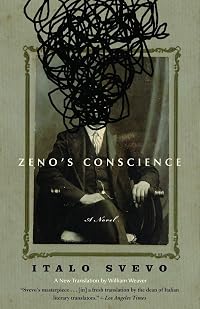

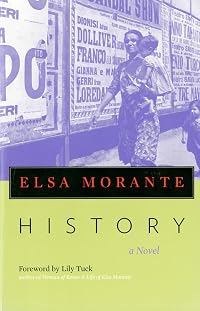

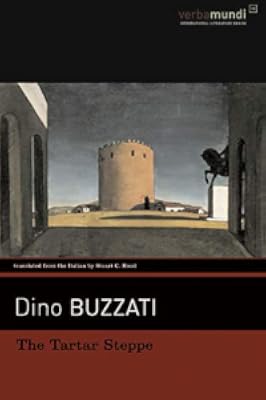
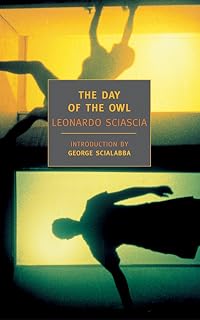


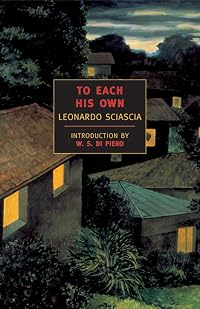

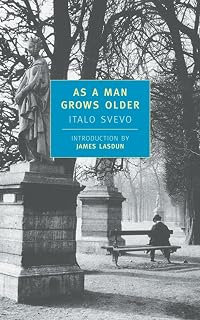
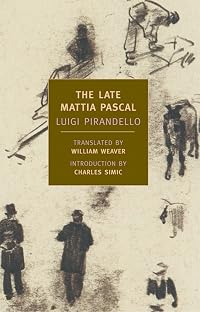














Member Recommendations
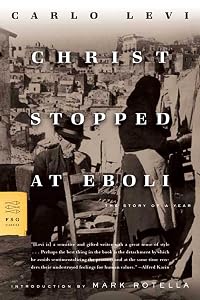
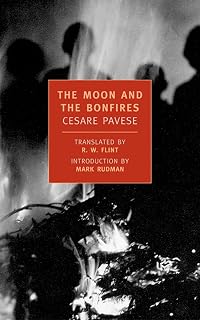
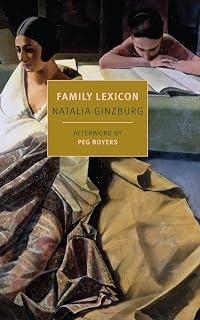
Rebeki Both set prior to the Second World War, with a narrator looking back on time spent with a memorable family in a memorable and evocative setting. Same sense of melancholy and nostalgia.
61
by roby72


Jozefus Het breed opgezette familie-epos van Tennenbaum beschrijft de lotgevallen van twee joodse families uit de gegoede burgerij van Frankfurt am Main, die de verschrikkingen van twee wereldoorlogen meemaken. De intiemere roman van Bassani speelt zich af in het Italië van de jaren dertig: na een bezoek aan de Etruskische graven in Cerveteri blikt de verteller terug op zijn jeugd in Ferrara en op zijn niet-beantwoorde liefde voor het joodse meisje Micòl Finzi-Contini, dat in 1943 met haar ouders naar een Duits concentratiekamp is weggevoerd.
Member Reviews
This novel plays with the idea of time in ways I like very much. It begins with deep historical time, a visit to the Etruscan caves, a summer holiday trip among family and friends. It tells time in retrospect, as all history does. It attempts to recover a lost time: not lost time, but a lost milieu. The narrator is both present as the teller and present as a character, or let’s say a witness.
Interestingly, the Etruscan burial caves were discovered only a decade or so before the novel was set. Even more odd the discovery coincided with the early days of Italian fascism which loved to delve into deep (usually vague) historical time to find its meaning. The little girl on the trip says something that collapses time, as though the show more Etruscan dead are with us. (I’m speculating, but perhaps the vanquishing of the Etruscans by the Romans helped the fascists send a message to minorities that they too will disappear.)
The community whose milieu we are witnessing is the Jewish community of Ferrara and by extension, and distant relations a bit of Venice, too. The time is the 1930s. Most of the narration takes place in a concentrated period of time between the implementation of racial laws in 1938 and the summer of 1939 before the invasion of Poland.
The effect of these laws is as yet unknown, and subject to speculation among the narrator’s family and friends. Antisemitism is well-known among the community, but most of its members appear assimilated and they take part in the politics and social issues of the (quite modern) Italian state. They are in a sense fully immersed in the problems of Italy. The narrator’s father appears unconcerned about the racial laws since he is a card-carrying member of the local fascist group. Though we learn late in the novel that he became an insomniac at the time the laws were announced. Such details make the story as tragic in the telling since no matter how engaged this community is in the Italian state can save them. (I have a friend whose grandfather served in the German army and received an Iron Cross in WW1 who lost his identity and fled, ending up in America. No matter what he did as a loyal German wasn’t enough).
Most of the story is told as though it is the present. But the narrator is re-telling, knowing the fate of everyone, yet this intervention in the narrative time is sparse, allowing the reader to experience the moment, while the tension builds that we know what will happen. The narrator has hinted along the way, only becoming explicit after the halfway point when the extended family gathers for a miserable pre-war Passover dinner with no servants (due to racial laws no non-Jew is allowed to work for a Jewish family). We already know the fate of everyone
The narrator’s world in 1938, as a young man fully immersed in his literary studies, is a busy one. He writes his thesis without despair, he engages in a thrilling relationship with Micol, the daughter of the Finzi-Contini household and becomes a regular guest at the house first to play tennis, then to finish his thesis in the giant billiard room.
The Finzi-Contini house and garden is enormous. The reason our narrator ends up there playing tennis is that Jews are not allowed to be members of the local courts and so afternoon events are quickly arranged at the house. There the first spark of something emerges between Micol and the narrator. They speak all the time on the phone when not meeting until she heads off to her uncle’s house in Venice to finish her thesis. She is very clever and receives perfect scores until her study of Emily Dickinson’s poetry and translations is caught in the tide of 1938 politics.
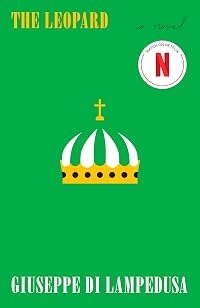
Bassani takes his sweep of history approach in a manner very much like Lampedusa does in The Leopard. Bassani was in fact The Leopard’s publisher, after it was rejected by dozens of others. Perhaps he saw an affinity in the lost world of Sicily and the Lampedusa class in the Leopard. And Bassani doesn’t hold back in his descriptions. The are often richly details. Especially early on, I got the feeling that everything needed capturing, not just the names of people, but their ancestry, the tone of their voice, the clothes they wore, the temperature of the air and on and on. The book comes out as both historical record and a fictional telling of a historical moment. Bassani does pretty well to manage both. show less
Interestingly, the Etruscan burial caves were discovered only a decade or so before the novel was set. Even more odd the discovery coincided with the early days of Italian fascism which loved to delve into deep (usually vague) historical time to find its meaning. The little girl on the trip says something that collapses time, as though the show more Etruscan dead are with us. (I’m speculating, but perhaps the vanquishing of the Etruscans by the Romans helped the fascists send a message to minorities that they too will disappear.)
The community whose milieu we are witnessing is the Jewish community of Ferrara and by extension, and distant relations a bit of Venice, too. The time is the 1930s. Most of the narration takes place in a concentrated period of time between the implementation of racial laws in 1938 and the summer of 1939 before the invasion of Poland.
The effect of these laws is as yet unknown, and subject to speculation among the narrator’s family and friends. Antisemitism is well-known among the community, but most of its members appear assimilated and they take part in the politics and social issues of the (quite modern) Italian state. They are in a sense fully immersed in the problems of Italy. The narrator’s father appears unconcerned about the racial laws since he is a card-carrying member of the local fascist group. Though we learn late in the novel that he became an insomniac at the time the laws were announced. Such details make the story as tragic in the telling since no matter how engaged this community is in the Italian state can save them. (I have a friend whose grandfather served in the German army and received an Iron Cross in WW1 who lost his identity and fled, ending up in America. No matter what he did as a loyal German wasn’t enough).
Most of the story is told as though it is the present. But the narrator is re-telling, knowing the fate of everyone, yet this intervention in the narrative time is sparse, allowing the reader to experience the moment, while the tension builds that we know what will happen. The narrator has hinted along the way, only becoming explicit after the halfway point when the extended family gathers for a miserable pre-war Passover dinner with no servants (due to racial laws no non-Jew is allowed to work for a Jewish family). We already know the fate of everyone
The narrator’s world in 1938, as a young man fully immersed in his literary studies, is a busy one. He writes his thesis without despair, he engages in a thrilling relationship with Micol, the daughter of the Finzi-Contini household and becomes a regular guest at the house first to play tennis, then to finish his thesis in the giant billiard room.
The Finzi-Contini house and garden is enormous. The reason our narrator ends up there playing tennis is that Jews are not allowed to be members of the local courts and so afternoon events are quickly arranged at the house. There the first spark of something emerges between Micol and the narrator. They speak all the time on the phone when not meeting until she heads off to her uncle’s house in Venice to finish her thesis. She is very clever and receives perfect scores until her study of Emily Dickinson’s poetry and translations is caught in the tide of 1938 politics.
Bassani takes his sweep of history approach in a manner very much like Lampedusa does in The Leopard. Bassani was in fact The Leopard’s publisher, after it was rejected by dozens of others. Perhaps he saw an affinity in the lost world of Sicily and the Lampedusa class in the Leopard. And Bassani doesn’t hold back in his descriptions. The are often richly details. Especially early on, I got the feeling that everything needed capturing, not just the names of people, but their ancestry, the tone of their voice, the clothes they wore, the temperature of the air and on and on. The book comes out as both historical record and a fictional telling of a historical moment. Bassani does pretty well to manage both. show less
E könyv értéke nagyrészt abból fakad, hogy a zsidó létet nem az áldozatiságból antedatált értéktartalomként jeleníti meg, vagyis nem „jótulajdonságként”, ami ellen a pokol erői szövetkeztek, hanem puszta adottságként, ami egy jobb világban nem oszt és nem szoroz. Bassani hősei néha-néha zsinagógába járnak ugyan, és asztalukon egzotikus kóser csemegék bukkannak fel, de zsidóságukkal jobbára csak akkor szembesülnek, amikor a faji törvényekre hivatkozva nem engedik be őket a teniszklubba vagy a könyvtárba. Hisz ők magukra mindenekelőtt olaszként tekintenek, olyannyira, hogy sokan közülük elsők között léptek be a fasiszta pártba, mert nagytőkésként ők is meg akarták menteni show more Itáliát a bolsevizmus meg a liberalizmus mételyétől. Tragédiájuk épp ebből a kozmikus félreértésből fakad: sosem gondolták volna, hogy ők lesznek a métely, ami ellen harcolni kell.
Nagyon szép regény – csöndesen tragikus, visszafogottan megrázó. Egy kudarcba fúlt kísérlet megörökítése: néhány ferrarai fiatal a világháború előestéjén megpróbálja létrehozni a saját külön kis buborékját a Finzi-Contiék csodás kertjében, művészetről, politikáról diskurálnak, teniszeznek, szerelmesek lesznek, és közben igyekeznek nem észrevenni, hogy a külvilág egyre ellenségesebb irántuk. Bassani egy egészen egyszerű húzással ad ennek a forgatókönyvnek fájdalmas többletjelentést: már az előszóban nyilvánvalóvá teszi, hogy a szereplők, akiket megkísérel megszerettetni velünk, a háború végét jórészt már nem élik meg. Így hát minden, ami ezeken a lapokon történik, bármilyen sorsfordítónak és gyönyörűnek hat, tulajdonképpen csak közjáték – gondolatnyi csend, amíg a kivégzőosztag újratölt. show less
Nagyon szép regény – csöndesen tragikus, visszafogottan megrázó. Egy kudarcba fúlt kísérlet megörökítése: néhány ferrarai fiatal a világháború előestéjén megpróbálja létrehozni a saját külön kis buborékját a Finzi-Contiék csodás kertjében, művészetről, politikáról diskurálnak, teniszeznek, szerelmesek lesznek, és közben igyekeznek nem észrevenni, hogy a külvilág egyre ellenségesebb irántuk. Bassani egy egészen egyszerű húzással ad ennek a forgatókönyvnek fájdalmas többletjelentést: már az előszóban nyilvánvalóvá teszi, hogy a szereplők, akiket megkísérel megszerettetni velünk, a háború végét jórészt már nem élik meg. Így hát minden, ami ezeken a lapokon történik, bármilyen sorsfordítónak és gyönyörűnek hat, tulajdonképpen csak közjáték – gondolatnyi csend, amíg a kivégzőosztag újratölt. show less
Without really planning it, lately I seem to be reading coming-of-age books or books set in the 1930’s Europe. The Garden of the Finzi-Continis combined the two trends that literary serendipity has sent in my direction in this tale of love and loss. That as readers we know from the first pages that most of the characters will not survive the Holocaust is almost cruel: a constant reminder that youth, goodness, friendship and erudition are not enough shelter from historical and political movements breed in fundamentalism and hate.
The Garden of the Finzi-Continis by Giorgio Bassani is the third book in The Novel of Ferrara, an elegy for the Jewish community of Ferrara. Bassani saved his parents and sister from the invading Germans, but the rest of his family died in the Holocaust, as did the rest of the Jewish community. We're told at the beginning of this semi-autobiographical novel that the Finzi-Continis died in a concentration camp in 1943.
The narrator is unnamed, so for convenience I'll call him Giorgio His family is integrated into the fabric of Ferrara; they observe Jewish rituals but see themselves as Italians as well. By contrast, the extremely wealthy Finzi-Continis hold themselves aloof from both the Jewish community and the wider Ferrarese community. show more Micol and Alberto Finzi-Contini, both of a similar age to Giorgio, are educated by tutors in their huge, opulent mansion outside Ferrara, which is surrounded by many acres of walled garden. Micol and Giorgio first meet at the wall, when they about ten years old. She invites him in, but he dithers too long and it's ten years before they meet again, brought together by Mussolini's racial laws of 1939. Jews have been banned from the tennis club, so Micol and Alberto invite the Jewish ex-members and their friends to play on their home court. Every afternoon for the summer, the young people play tennis, and a close friendship develops between Giogio and Micol. Outside the garden Anti-Semitism spreads and the danger for Jews increases, but the people behind the wall ignore reality. It's not just them: the Jews of Ferrara refuse to believe that their Italian friends will turn on them.
There is such a feeling of temporariness. Giorgio, Alberto and another man have academic conversations about films and literature. Alberto takes great pride in his possessions. Giorgio fancies himself in love with Micol. To the reader it all seems so pointless, because we know what's going to happen.
There was too much academic chit-chat for my liking and the translation is a bit clumsy, but I found The Garden of the Finzi-Continis well worth reading. Bassani was there. show less
The narrator is unnamed, so for convenience I'll call him Giorgio His family is integrated into the fabric of Ferrara; they observe Jewish rituals but see themselves as Italians as well. By contrast, the extremely wealthy Finzi-Continis hold themselves aloof from both the Jewish community and the wider Ferrarese community. show more Micol and Alberto Finzi-Contini, both of a similar age to Giorgio, are educated by tutors in their huge, opulent mansion outside Ferrara, which is surrounded by many acres of walled garden. Micol and Giorgio first meet at the wall, when they about ten years old. She invites him in, but he dithers too long and it's ten years before they meet again, brought together by Mussolini's racial laws of 1939. Jews have been banned from the tennis club, so Micol and Alberto invite the Jewish ex-members and their friends to play on their home court. Every afternoon for the summer, the young people play tennis, and a close friendship develops between Giogio and Micol. Outside the garden Anti-Semitism spreads and the danger for Jews increases, but the people behind the wall ignore reality. It's not just them: the Jews of Ferrara refuse to believe that their Italian friends will turn on them.
There is such a feeling of temporariness. Giorgio, Alberto and another man have academic conversations about films and literature. Alberto takes great pride in his possessions. Giorgio fancies himself in love with Micol. To the reader it all seems so pointless, because we know what's going to happen.
There was too much academic chit-chat for my liking and the translation is a bit clumsy, but I found The Garden of the Finzi-Continis well worth reading. Bassani was there. show less
The Garden of the Finzi-Continis by Giorgio Bassani is an Italian historical novel that was originally published in 1962. It records the relationship between the narrator and the children of an aristocratic Jewish family, the Finzi-Continis, spanning the years of Benito Mussolini’s rise to the start of WW II.
Set in the Italian city of Ferrara, we see through the eyes of the young narrator how he fell in love with Micol Finzi-Continis and although both were Jewish, their families couldn’t be further apart in social standing. The young narrator falls back upon friendship with both Micol, the daughter, and Alberto, the son. The family tennis court becomes their meeting place but all around them the anti-Semitic forces are tightening show more their grip.
The Garden of the Finzi-Continis is a touching and melancholy coming-of-age story of lost love. And while the outcome is not a surprise, the beautiful writing and evocative descriptions bring to life this small world. While there has been lots written about the plight of the Jews under the Nazis, I haven’t read much about how the Italian Jews were treated so I found this haunting story quite captivating. show less
Set in the Italian city of Ferrara, we see through the eyes of the young narrator how he fell in love with Micol Finzi-Continis and although both were Jewish, their families couldn’t be further apart in social standing. The young narrator falls back upon friendship with both Micol, the daughter, and Alberto, the son. The family tennis court becomes their meeting place but all around them the anti-Semitic forces are tightening show more their grip.
The Garden of the Finzi-Continis is a touching and melancholy coming-of-age story of lost love. And while the outcome is not a surprise, the beautiful writing and evocative descriptions bring to life this small world. While there has been lots written about the plight of the Jews under the Nazis, I haven’t read much about how the Italian Jews were treated so I found this haunting story quite captivating. show less
With a brief prelude set amongst the tombs of the long disappeared Etruscans, Bassani sends us back to an equally endangered and obsolete tribe - the Jewish elite of northern Italy in the 1930s. We know from the start that the Finzi-Continis, rich intellectual Jews living in an enormous house in Ferrara, are - unlike the narrator - doomed to die of disease or death camp. Bassani takes us to this destination in an elliptical way. His Jews are assimilated to the extent that they join the Fascist party of Mussolini, but also inescapably other through their visits to the synagogue, the Jewish cemetery on the Lido in Venice, and their education. The story of those years for them is one of gradual persecution - memberships withdrawn, show more privileges denied, education barred, insults given - no knocks on the door or desperate attempts to leave. Our narrator falls into unreciprocated love with Micol Finzi- Contini - grows close to her family - and finally, rejected, moves away. The family's fate takes place in a few brief pages at the end of the book, looking back. There is a remoteness in the book, from the perspective of 25 years; politics and religion take over the protagonists' lives, but even as big events take place, the book focuses on love, on tennis, on poetry, architecture and beauty. show less
Full of achingly beautiful elegiac descriptions, but I found it hard to care about the main character and his sentimental life. I think I would have enjoyed this book a lot at a different time in my life, when sentimental love stories meant more to me. (I apologize to fans of this classic novel for this review!)
Members
- Recently Added By
Lists

The Guardian's 1000 Novels Everyone Must Read
1,005 works; 552 members

1001 Books You Must Read Before You Die
1,448 works; 1,137 members

Books Set in Italy
167 works; 19 members

Best Family Stories
241 works; 22 members

Jewish Books
367 works; 24 members

Canon de la narrativa universal del siglo XX
254 works; 6 members
Best Political Fiction
92 works; 12 members

EU Fiction: 1950-2022
223 works; 70 members

Best family sagas
244 works; 34 members

1,001 BYMRBYD Concensus
723 works; 27 members

Books about World War II
241 works; 22 members

A High School Trip to Italy
55 works; 7 members

Best Domestic Fiction
77 works; 6 members

Schwob Nederland
207 works; 2 members

Bibliografia essenziale
86 works; 2 members
Tablet Magazine's List of 101 Great Jewish Books
103 works; 9 members

Books Read in 2021
5,361 works; 114 members

Garden-fiction
67 works; 20 members
Canon de la narrativa universal del s. XX (cicutadry)
499 works; 3 members
Lista dei 100 migliori libri italiani degli ultimi 200 anni
100 works; 1 member

GREAT 1960s BOOKS
37 works; 1 member
.
396 works; 1 member

My TBR
371 works; 3 members
Talk Discussions
Past Discussions
Group Read, July 2016: The Garden of the Finzi-Continis in 1001 Books to read before you die (July 2016)
Author Information

46+ Works 4,035 Members
The main theme of Giorgio Bassani's novels and short stories, which have earned him wide acclaim outside Italy, has been the advent of anti-Semitism in the provincial Italian city of Ferrara during World War II. Earlier he had a successful career as an editor with a major publishing house, being credited with helping to bring to public notice The show more Leopard by Tomasi Lampedusa. Bassani edited a literary magazine and was director of the Italian radio-television network. His first collection of short pieces was A City on the Plain, written under the pseudonym Giacomo Marchi. His volumes of poems were finally collected and published in 1963. The stories and novels that were to make him famous abroad began to appear in the 1950s. They include A Prospect of Ferrara (1960), and The Gold Rimmed Spectacles (1960). A film version of The Garden of the Finzi-Continis (1962) by Vittorio De Sica has become a public television classic. (Bowker Author Biography) show less
Some Editions
Awards and Honors
Awards
Distinctions
Notable Lists
Series

Belongs to Publisher Series
Meulenhoff editie (1606)
Serie Piper (314)
Fábula Tusquets Editores (268)
ET Tascabili [Einaudi] (630)
A tot vent (257)
Gli Oscar [Mondadori] (673)
Gallimard, Folio (634)
Work Relationships
Common Knowledge
- Canonical title*
- De tuin van de Finzi-Contini's
- Original title
- Il Giardino dei Finzi-Contini
- Alternate titles*
- Het groene paradijs der jeugdliefdes; De tuin van Finzi-Contini; De tuin van de familie Finzi-Contini
- Original publication date
- 1962 (Italiaans) (Italiaans); 1970 (Nederlands) (Nederlands)
- People/Characters
- Micol Finzi-Contini; Alberto Finzi-Contini
- Important places
- Ferrara, Emilia-Romagna, Italy; Emilia-Romagna, Italy
- Related movies
- Il giardino dei Finzi Contini (1970 | IMDb)
- Epigraph
- The heart, to be sure, always has something to say about what
is to come, to him who heeds it. But what does the heart know?
Only a little of what has already happened.
- I promessi sposi, chapter viii - Dedication
- To Micol
- First words
- For many years I wanted to write about the Finzi-Continis - about Micol and Alberto, about Professor Ermanno and Signora Olga - and about all the others who inhabited or, like me, frequented the house in Corso Ercole I d'Este... (show all), in Ferrara, just before the outbreak of the last war. (Prologue)
The tomb was big, massive, really imposing: a kind of half-ancient, half-Oriental temple of the sort seen in the sets of Aida and Nabucco in vogue in our opera houses until a few years ago. - Last words
- (Click to show. Warning: May contain spoilers.)And as these, I know, were only words, the usual desperate, deceptive words that only a real kiss would have stopped her uttering: let them, just these and no others, seal the amount the heart has managed to remember. (Epilogue)
(Click to show. Warning: May contain spoilers.)And turning my back on the Hutte, I went off among the trees, in the opposite direction. - Original language
- Italian
*Some information comes from Common Knowledge in other languages. Click "Edit" for more information.
Classifications
- Genres
- Fiction and Literature, General Fiction
- DDC/MDS
- 853.914 — Literature & rhetoric Italian, Romanian & related literatures Italian fiction 1900- 20th Century 1945-1999
- LCC
- PQ4807 .A79 .G513 — Language and Literature French, Italian, Spanish and Portuguese literatures Italian literature Individual authors, 1900-1960
- BISAC
Statistics
- Members
- 2,349
- Popularity
- 8,424
- Reviews
- 59
- Rating
- (3.78)
- Languages
- 15 — Catalan, Dutch, English, Estonian, Finnish, French, German, Hebrew, Italian, Norwegian (Bokmål), Russian, Spanish, Swedish, Turkish, Portuguese (Portugal)
- Media
- Paper, Audiobook, Ebook
- ISBNs
- 76
- ASINs
- 40