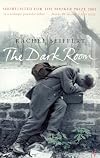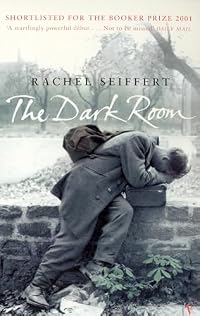
The Dark Room
by Rachel Seiffert
On This Page
Description
The Dark Room tells the stories of three ordinary Germans: Helmut, a young photographer in Berlin in the 1930s who uses his craft to express his patriotic fervour; Lore, a twelve-year-old girl who in 1945 guides her young siblings across a devastated Germany after her Nazi parents are seized by the Allies; and, fifty years later, Micha, a young teacher obsessed with what his loving grandfather did in the war, struggling to deal with the past of his family and his country.Tags
Recommendations



























Member Recommendations
Member Reviews
Over the past year or two, I have been drawn to books about World War II. Most are told from the perspective of the Allied nations or Jewish people affected by the Holocaust. I am glad to have stumbled upon Rachel Seiffert’s The Dark Room, which offers the perspective of the average German citizen affected by World War II.
The Dark Room is divided into three separate stories:
1) Helmet is a young photographer’s apprentice, whose family supported Hitler and prospered during The Third Reich’s heyday. Even at war’s end, Helmet still clung to Nazi Germany’s ideals. Then, one day, he stumbles into a round-up of gypsies by German soldiers and sees the gross mistreatment of these people. He took pictures of the atrocity and ran away show more from the scene. As he reflects over his photos, you feel his heartbreak for a nation lost in so many ways.
2) Lore is a teenage girl – one of six children – who must embark on a treacherous journey from Bavaria to Hamburg at the end of the war. Through Lore’s journey, you see how war affected the home front and the people who once were bound by the same cause. No longer united, they stole and cheated from each other. Like Helmet, Lore didn’t realize Germans was killing innocent people, until she saw pictures posted in a village. Confused by what she saw, she befriended a young man, Tomas, who confirmed the genocide. Lore was devastated, especially as she considered her father and brother might have been involved in these mass murders.
3) Michael is a school teacher living in 1990’s Germany who began wondering why his grandfather had been imprisoned for so long after World War II. He began to research and learned that his grandfather was part of the Waffen SS, the elite police force of the German Army. He traces his grandfather’s service to Belarus and traveles there to learn more. The important theme in Michael’s section is national guilt – how after 50+ years, some Germans truly mourned what their country did, while others didn’t grasp it, or were too far removed from the war to be impacted. Michael, though, couldn’t forget and carried the weight of guilt for his whole family.
Admittedly, The Dark Room is a bit bleak, but Seiffert pulls you right in so you can experience the characters’ emotions. Seiffert writes simply but effectively, and her sparse prose adds to the brevity of her stories. Despite the grim subject matter, I found this book to be enlightening and engaging – and would highly recommend it, especially to those who believe, like me, that war has no true winner. show less
The Dark Room is divided into three separate stories:
1) Helmet is a young photographer’s apprentice, whose family supported Hitler and prospered during The Third Reich’s heyday. Even at war’s end, Helmet still clung to Nazi Germany’s ideals. Then, one day, he stumbles into a round-up of gypsies by German soldiers and sees the gross mistreatment of these people. He took pictures of the atrocity and ran away show more from the scene. As he reflects over his photos, you feel his heartbreak for a nation lost in so many ways.
2) Lore is a teenage girl – one of six children – who must embark on a treacherous journey from Bavaria to Hamburg at the end of the war. Through Lore’s journey, you see how war affected the home front and the people who once were bound by the same cause. No longer united, they stole and cheated from each other. Like Helmet, Lore didn’t realize Germans was killing innocent people, until she saw pictures posted in a village. Confused by what she saw, she befriended a young man, Tomas, who confirmed the genocide. Lore was devastated, especially as she considered her father and brother might have been involved in these mass murders.
3) Michael is a school teacher living in 1990’s Germany who began wondering why his grandfather had been imprisoned for so long after World War II. He began to research and learned that his grandfather was part of the Waffen SS, the elite police force of the German Army. He traces his grandfather’s service to Belarus and traveles there to learn more. The important theme in Michael’s section is national guilt – how after 50+ years, some Germans truly mourned what their country did, while others didn’t grasp it, or were too far removed from the war to be impacted. Michael, though, couldn’t forget and carried the weight of guilt for his whole family.
Admittedly, The Dark Room is a bit bleak, but Seiffert pulls you right in so you can experience the characters’ emotions. Seiffert writes simply but effectively, and her sparse prose adds to the brevity of her stories. Despite the grim subject matter, I found this book to be enlightening and engaging – and would highly recommend it, especially to those who believe, like me, that war has no true winner. show less
Although I give this a 4, I feel this book was uneven in quality, so maybe 3.5 rounded to 4 is more accurate.
The binding theme of these three novellas about ordinary Germans of successive generations was how the protagonists and those around them were affected by World War II. Each was a bleak story but also searing psychological fiction.
"Helmut" is a young man, born in 1921 with a physical defect. Because of a missing muscle, he cannot lift his right arm above his shoulder. He is made fun of in school, barred from sports, rejected for military service, and becomes a photographer's assistant. We follow him through the war, the bombing, and the life he makes for himself, always taking marvellous photographs of the ever-changing show more Berlin.
"Lore" is a young girl at war's end, who bravely leads her brothers and sisters on a harrowing, nail-biting journey from her family's Bavarian home to Hamburg, where she will find their grandmother. On the way, a mysterious young man, Tomas, joins them and takes them through the different zones of occupation. This novella was later made into a feature film of the same name, which I would like very much to see someday. I felt this novella the best of the three.
"Micha" is a young teacher in 1997, seeking the truth about his soldier grandfather, a Waffen SS officer who had served on the Eastern Front. Micha had known him only as a kind, loving grandfather, not as a brutal soldier. Micha wants to reconcile the two personae in his own mind. This last novella, the longest of the three, was very sad and painful to read. I felt it was the most thoughtful. The persistent Micha keeps running down blind alleys after 'leads'; people keep pushing him away from the truth. He finally makes contact with a man in Belarus.
These marvellous psychological studies were shown off to best advantage by the author's spare, stark writing style. I felt I was right inside the protagonists' heads and could feel their emotions. As I read, the very vivid wording and and crisp dialogue impressed me. This was noted in Wall Street Journal in September, 2013, as one of the best fiction books on children and war. show less
The binding theme of these three novellas about ordinary Germans of successive generations was how the protagonists and those around them were affected by World War II. Each was a bleak story but also searing psychological fiction.
"Helmut" is a young man, born in 1921 with a physical defect. Because of a missing muscle, he cannot lift his right arm above his shoulder. He is made fun of in school, barred from sports, rejected for military service, and becomes a photographer's assistant. We follow him through the war, the bombing, and the life he makes for himself, always taking marvellous photographs of the ever-changing show more Berlin.
"Lore" is a young girl at war's end, who bravely leads her brothers and sisters on a harrowing, nail-biting journey from her family's Bavarian home to Hamburg, where she will find their grandmother. On the way, a mysterious young man, Tomas, joins them and takes them through the different zones of occupation. This novella was later made into a feature film of the same name, which I would like very much to see someday. I felt this novella the best of the three.
"Micha" is a young teacher in 1997, seeking the truth about his soldier grandfather, a Waffen SS officer who had served on the Eastern Front. Micha had known him only as a kind, loving grandfather, not as a brutal soldier. Micha wants to reconcile the two personae in his own mind. This last novella, the longest of the three, was very sad and painful to read. I felt it was the most thoughtful. The persistent Micha keeps running down blind alleys after 'leads'; people keep pushing him away from the truth. He finally makes contact with a man in Belarus.
These marvellous psychological studies were shown off to best advantage by the author's spare, stark writing style. I felt I was right inside the protagonists' heads and could feel their emotions. As I read, the very vivid wording and and crisp dialogue impressed me. This was noted in Wall Street Journal in September, 2013, as one of the best fiction books on children and war. show less
The Dark Room is a careful study of three Germans affected by the Second World War: Helmut the young photographer with the deformed arm; Lore the 12-year-old who manages to get her refugee siblings to Hamburg in 1945; and Micha the young teacher who pursues the truth about his grandfather's war years 50 years later. Micha is the most instructive in getting to the core of this book:
I think they should read about the people who did it, too. The real, everyday people, you know. Not just Hitler and Eichmann and whoever. All the underlings, I mean. The students should learn about their lives, the ones who really did the killing.
Seiffert writes about the "real, everyday people", about the ones who didn't actually "do it". She writes show more chronologically, from Helmut's birth in 1921 to Micha living in Germany in 1997, and widens the time-frame with each story.
Helmut is unable to join up because of his weak arm--his parents become ashamed of him in Nazi Germany. Yet by taking part in the last-ditch stand against the Russian invasion of Berlin in 1945 he is at last happy. His story, represented through his tiny photographer's lens, is indicative of his own narrow vision. Seiffert widens her view with Lore, and her encounter with Thomas, a young man who has blue-smudged numbers up his arm and (false) documents saying he is Jewish. As a well-off 12-year-old, whose father was in the Nazi Party, Lore too is at first oblivious to the effects of the war on others. She tries to believe that the pictures the Allies pin up of the Jews in the camps--whether alive or dead--are American actors. Micha's story, raking over the past and with the advantage of hindsight, well-documented history and the public German admission of guilt, feels the most raw and truthful. Seiffert writes delicately and plainly, making clear that it is not just the Jewish or Nazi experience of the Second World War which is valid, but that a whole country was involved, and is still affected by it. The Dark Room reminds us again that every person's experience is unique, and every person's heritage (whether German, Byelorussian, American or Jewish, Christian or atheist) will always be unique to them. show less
I think they should read about the people who did it, too. The real, everyday people, you know. Not just Hitler and Eichmann and whoever. All the underlings, I mean. The students should learn about their lives, the ones who really did the killing.
Seiffert writes about the "real, everyday people", about the ones who didn't actually "do it". She writes show more chronologically, from Helmut's birth in 1921 to Micha living in Germany in 1997, and widens the time-frame with each story.
Helmut is unable to join up because of his weak arm--his parents become ashamed of him in Nazi Germany. Yet by taking part in the last-ditch stand against the Russian invasion of Berlin in 1945 he is at last happy. His story, represented through his tiny photographer's lens, is indicative of his own narrow vision. Seiffert widens her view with Lore, and her encounter with Thomas, a young man who has blue-smudged numbers up his arm and (false) documents saying he is Jewish. As a well-off 12-year-old, whose father was in the Nazi Party, Lore too is at first oblivious to the effects of the war on others. She tries to believe that the pictures the Allies pin up of the Jews in the camps--whether alive or dead--are American actors. Micha's story, raking over the past and with the advantage of hindsight, well-documented history and the public German admission of guilt, feels the most raw and truthful. Seiffert writes delicately and plainly, making clear that it is not just the Jewish or Nazi experience of the Second World War which is valid, but that a whole country was involved, and is still affected by it. The Dark Room reminds us again that every person's experience is unique, and every person's heritage (whether German, Byelorussian, American or Jewish, Christian or atheist) will always be unique to them. show less
Two months after reading this, the 3 stories in The Dark Room are still stuck in my mind. They're all set in Germany, and show Germans before, during and after World War 2 from different angles, all of them subtly looking at how people made their decisions in the war. The stories themselves aren't linked (or not that I could tell) except by their themes.
The first is about Helmut, who lives in Berlin before and during the war and whose arm is paralysed. The second was the most harrowing - Lore is the oldest daughter of Nazi parents. At the end of the war her father is imprisoned - it's not spelled out in much detail - and she has to try to get her brothers and sisters to her grandmother's house in Hamburg, from somewhere in the south, show more without any papers or money. Along the way she learns more about what the Nazis did, and what her father might have done. This story had me in tears. So did the third! It's set in the 1990s and explores German guilt for the Holocaust. Micha is obsessed with his dead grandfather's wartime actions, and traces his Waffen-SS unit to a town in Byelorussia.
The Dark Room was shortlisted for the Booker Prize in 2001. It was one of the most sombre books I've read this year but I recommend it if you're interested in the World War 2 or the German people. show less
The first is about Helmut, who lives in Berlin before and during the war and whose arm is paralysed. The second was the most harrowing - Lore is the oldest daughter of Nazi parents. At the end of the war her father is imprisoned - it's not spelled out in much detail - and she has to try to get her brothers and sisters to her grandmother's house in Hamburg, from somewhere in the south, show more without any papers or money. Along the way she learns more about what the Nazis did, and what her father might have done. This story had me in tears. So did the third! It's set in the 1990s and explores German guilt for the Holocaust. Micha is obsessed with his dead grandfather's wartime actions, and traces his Waffen-SS unit to a town in Byelorussia.
The Dark Room was shortlisted for the Booker Prize in 2001. It was one of the most sombre books I've read this year but I recommend it if you're interested in the World War 2 or the German people. show less
Seiffert's Afterwards]was one of my top books last year, so I was eager to read more of her work. This is her debut novel, and while it's not as polished as Afterwards, it is still a moving and finely written book. The novel is divided into three sections and three stories:
1) In 1944 Berlin, Helmut, a young photographer's assistant, persistently supports the Fuhrer until sees--and secretly snaps--scenes he had never expected imagined.
2) As the Russian, American, and British troops begin to occupy Germany, Lore--her age is never given, but she seems to be about 15--is left in charge of her four younger siblings with instructions to take them on a long and desperate journey from Bavaria to their grandmother's house in Hamburg.
3) In show more 1998, Micha is obsessed with the concern that his Nazi grandfather might have executed Jews in Belarus during the war. A teacher, he is disturbed by the fact that German children are taught to empathize with the victims and survivors but never to consider that their loved ones were the perpetrators.
The links between the stories, aside from the war in Germany, are a bit hard to make. Are the photographs Lore sees posted those taken by Helmut? Is Michael somehow related to Lore's family? In the end, it doesn't really matter. Seiffert has taken a different route from most who write about the Holocaust and the Nazi regime: instead of focusing on victims, she recreates this world through the eyes of average people who have been caught up in the historical moment. As in Afterwards, she questions the concept of war and what it does to human beings----not only those who live through it but also those who, like Micha, suffer an ongoing national guilt. show less
1) In 1944 Berlin, Helmut, a young photographer's assistant, persistently supports the Fuhrer until sees--and secretly snaps--scenes he had never expected imagined.
2) As the Russian, American, and British troops begin to occupy Germany, Lore--her age is never given, but she seems to be about 15--is left in charge of her four younger siblings with instructions to take them on a long and desperate journey from Bavaria to their grandmother's house in Hamburg.
3) In show more 1998, Micha is obsessed with the concern that his Nazi grandfather might have executed Jews in Belarus during the war. A teacher, he is disturbed by the fact that German children are taught to empathize with the victims and survivors but never to consider that their loved ones were the perpetrators.
The links between the stories, aside from the war in Germany, are a bit hard to make. Are the photographs Lore sees posted those taken by Helmut? Is Michael somehow related to Lore's family? In the end, it doesn't really matter. Seiffert has taken a different route from most who write about the Holocaust and the Nazi regime: instead of focusing on victims, she recreates this world through the eyes of average people who have been caught up in the historical moment. As in Afterwards, she questions the concept of war and what it does to human beings----not only those who live through it but also those who, like Micha, suffer an ongoing national guilt. show less
This is a collection of three novellas dealing with ordinary Germans and WWII. In the first, Helmut has a crippled arm and is unable to join the army at the beginning of the war. Instead, he hides out in the photography studio he worked in before the war. In the second story, Lore and her siblings try to get to their grandmother in Hamburg at the end of the war and in the final story, set in 1997, a young man tries to come to terms with his beloved grandfather's membership in the Waffen SS.
The novellas are unconnected, but photographs play an important role in each story, which looks at how ordinary Germans regarded the war, both while it was happening and as it recedes into history. Seiffert quite wisely chose children as the show more protagonists of the first two tales, making clear the cost the war on Germany's citizens. The third story is the most difficult. The protagonist, Micha, manages to be both ashamed and sanctimonious, which makes him somewhat unlikeable, although I though Seiffert masterfully portrayed the many conflicting emotions he felt as he dug into his family's past. show less
The novellas are unconnected, but photographs play an important role in each story, which looks at how ordinary Germans regarded the war, both while it was happening and as it recedes into history. Seiffert quite wisely chose children as the show more protagonists of the first two tales, making clear the cost the war on Germany's citizens. The third story is the most difficult. The protagonist, Micha, manages to be both ashamed and sanctimonious, which makes him somewhat unlikeable, although I though Seiffert masterfully portrayed the many conflicting emotions he felt as he dug into his family's past. show less
I've read a couple of novels that lacked dialogue and they didn't work. The first chapter of this is proof that it can be done; it must just be very difficult. When the dialogue does come in the second chapter it's presented idiosyncraticly and made me relished how unnecessary speech marks and attribution are, in the right hands.
That first chapter is beautiful, like a series of silent snapshots. There's some very subtle and clever writing in the second chapter. Overall, I think there was something missing from the novel, and having read her later, and far superior, novel, Afterwards, I know it's a central character, a nexus, to bind the tricolon together. Still, she gets an extra star for tackling such a difficult subject.
That first chapter is beautiful, like a series of silent snapshots. There's some very subtle and clever writing in the second chapter. Overall, I think there was something missing from the novel, and having read her later, and far superior, novel, Afterwards, I know it's a central character, a nexus, to bind the tricolon together. Still, she gets an extra star for tackling such a difficult subject.
Members
- Recently Added By
Lists

Top Five Books of 2013
1,564 works; 722 members

Booker Prize
491 works; 61 members

Favourite Books
1,817 works; 316 members

Books about World War II
241 works; 22 members

Man Booker Prize Longlist 2001
24 works; 2 members

Booker Prize Shortlist: Titles Not Yet Read
161 works; 4 members

Books featuring grandfathers
23 works; 4 members

THE WAR ROOM
813 works; 24 members
Author Information

7+ Works 1,522 Members
Rachel Seiffert was born in England & now lives in Germany. This is her first novel. (Bowker Author Biography)
Awards and Honors
Series
Belongs to Publisher Series
Work Relationships
Contains
Has the adaptation
Common Knowledge
- Canonical title
- The Dark Room
- Original title
- The dark room
- Original publication date
- 2001
- Important places
- Germany
- Important events
- World War II
- Related movies
- Lore (2012 | IMDb)
Classifications
Statistics
- Members
- 858
- Popularity
- 31,517
- Reviews
- 21
- Rating
- (3.67)
- Languages
- 9 — Danish, Dutch, English, French, German, Italian, Norwegian (Bokmål), Norwegian, Spanish
- Media
- Paper, Audiobook, Ebook
- ISBNs
- 24
- ASINs
- 4