On This Page
Description
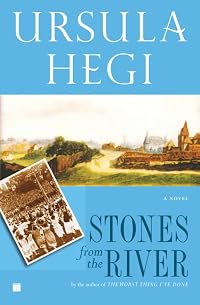
From the acclaimed author of Floating in My Mother's Palm and Children and Fire, a stunning story about ordinary people living in extraordinary times—"epic, daring, magnificent, the product of a defining and mesmerizing vision" (Los Angeles Times).Trudi Montag is a Zwerg—a dwarf—short, undesirable, different, the voice of anyone who has ever tried to fit in. Eventually she learns that being different is a secret that all humans share—from her mother who flees into madness, to her show more friend Georg whose parents pretend he's a girl, to the Jews Trudi harbors in her cellar.
Ursula Hegi brings us a timeless and unforgettable story in Trudi and a small town, weaving together a profound tapestry of emotional power, humanity, and truth. show less
Tags
Recommendations



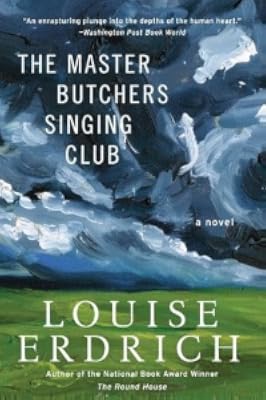

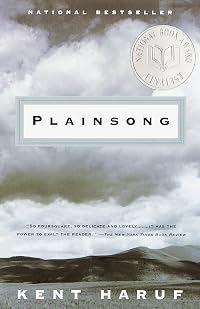

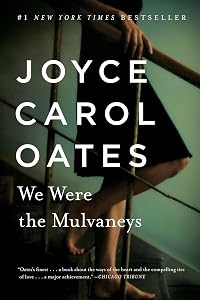
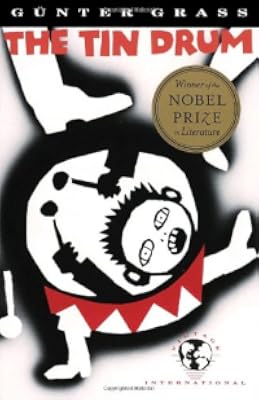




Member Recommendations
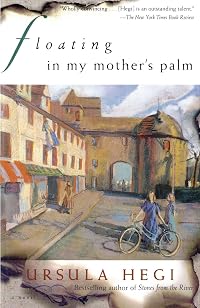
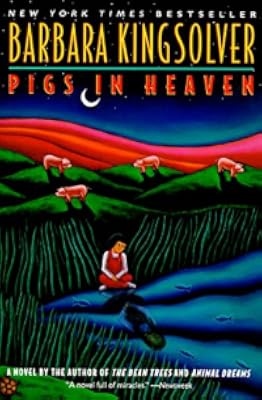
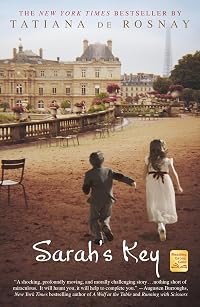
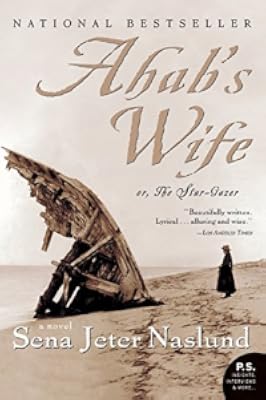
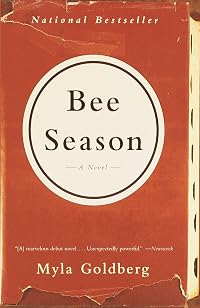
BookshelfMonstrosity Both of these heartbreaking World War II novels cause readers to pine for a happier ending than is possible for the characters. The stylistically complex writing describes the struggles that the characters -- some with physical challenges -- go through to survive.
Also recommended by cataylor
52

Member Reviews
This sat on my shelf for such a long time. I thought about releasing it without reading it but something stopped me. And I'm glad.
One reviewer called it "epic" and I can't think of a better word. It is the story of Trudi Montag, born a little person - dwarf - zwerg - who tried to become normal. As a child she tried to stretch herself by hanging from closet bars. She tried to squash her head to make is smaller, more proportionate.
None of these efforts caused anything but pain, and eventually Trudi gave up on them. She took her place beside her father in their pay library, checking out books, taking in fees, finding books and saving the new ones for special customers. Her mother had lived on the edge of madness so it was Trudi and her show more father as she grew up.
Fortunately, Trudi's father was a kind, accepting, wise man. During the 1930s in Germany it was easy to be targeted if you were kind and accepting. Her father did not let this deter him from helping when his Jewish neighbors were pushed from their homes and arrested for no reason.
We follow Trudi through her early years, then on into the second world war and beyond. We watch as her neighbors show their true colors and as Trudi learns how to forgive sometimes, but not always. An incident in her early teens caused her to distrust almost everyone, especially those who wanted more from her, who wanted real love.
This huge novel takes a small life and brings into focus what it was like to be German during Hitler's reign, what it was like to be different then as it is now. I appreciated the nuanced portrayals of Trudi's town and neighbors. Written by someone who wasn't alive until much later, it reads like she was there, on the spot.
When they are this good, there is always room for more interpretations of those terrible times, as they bring about greater understanding. show less
One reviewer called it "epic" and I can't think of a better word. It is the story of Trudi Montag, born a little person - dwarf - zwerg - who tried to become normal. As a child she tried to stretch herself by hanging from closet bars. She tried to squash her head to make is smaller, more proportionate.
None of these efforts caused anything but pain, and eventually Trudi gave up on them. She took her place beside her father in their pay library, checking out books, taking in fees, finding books and saving the new ones for special customers. Her mother had lived on the edge of madness so it was Trudi and her show more father as she grew up.
Fortunately, Trudi's father was a kind, accepting, wise man. During the 1930s in Germany it was easy to be targeted if you were kind and accepting. Her father did not let this deter him from helping when his Jewish neighbors were pushed from their homes and arrested for no reason.
We follow Trudi through her early years, then on into the second world war and beyond. We watch as her neighbors show their true colors and as Trudi learns how to forgive sometimes, but not always. An incident in her early teens caused her to distrust almost everyone, especially those who wanted more from her, who wanted real love.
This huge novel takes a small life and brings into focus what it was like to be German during Hitler's reign, what it was like to be different then as it is now. I appreciated the nuanced portrayals of Trudi's town and neighbors. Written by someone who wasn't alive until much later, it reads like she was there, on the spot.
When they are this good, there is always room for more interpretations of those terrible times, as they bring about greater understanding. show less
This sweeping novel, set in a German town on the banks of the Rhein, reckons with German history between World War I and World War II. Trudi Montag was different from the moment of her birth in 1915. Trudi is a Zwerge, a dwarf, and her birth seems to send her fragile mother over the edge of sanity. Trudi’s father, a disabled veteran who runs the town’s pay library, is sensitive to Trudi’s needs and finds creative and loving ways to accommodate them. Trudi and Leo run the library together, with Trudi taking over more of the responsibilities as her father ages.
Trudi has a gift – or perhaps a curse – of sensing others’ unexpressed thoughts and emotions, and this knowledge gives Trudi a feeling of power. She weaves her secrets show more into stories that both fascinate and repel her neighbors. The young Trudi is often cruel and manipulative, but as she matures, she learns to forgive and extend kindness. As the Nazi party gains a foothold in the town, Trudi uses her stories to protect her Jewish neighbors and others whose lives are endangered, and to force Nazi sympathizers to reckon with the truth.
The novel talks about the baby boom of 1946, following the soldiers’ return. Hegi was born in Germany in 1946, so she was part of that baby boom. She would have experienced the silence of the post-war years, and like Trudi, she uses story to bring truth to light.
They did not understand why Trudi Montag wanted to dig in the dirt, as they called it, didn’t understand that for her it had nothing to do with dirt but with the need to bring out the truth and never forget it. Not that she liked to remember any of it, but she understood that—whatever she knew about what had happened—would be with her from now on, and that no one could escape the responsibility of having lived in this time. show less
Trudi has a gift – or perhaps a curse – of sensing others’ unexpressed thoughts and emotions, and this knowledge gives Trudi a feeling of power. She weaves her secrets show more into stories that both fascinate and repel her neighbors. The young Trudi is often cruel and manipulative, but as she matures, she learns to forgive and extend kindness. As the Nazi party gains a foothold in the town, Trudi uses her stories to protect her Jewish neighbors and others whose lives are endangered, and to force Nazi sympathizers to reckon with the truth.
The novel talks about the baby boom of 1946, following the soldiers’ return. Hegi was born in Germany in 1946, so she was part of that baby boom. She would have experienced the silence of the post-war years, and like Trudi, she uses story to bring truth to light.
They did not understand why Trudi Montag wanted to dig in the dirt, as they called it, didn’t understand that for her it had nothing to do with dirt but with the need to bring out the truth and never forget it. Not that she liked to remember any of it, but she understood that—whatever she knew about what had happened—would be with her from now on, and that no one could escape the responsibility of having lived in this time. show less
“...much of what the church calls sin is simply being human.”
This novel is a fascinating piece of historical fiction set around the lives of the people in a small town in Germany from 1915 until 1952 during some of the most turbulent years of German history. The story centres around Trudi Montag, a Zwerg, dwarf, born in the fictional town of Burgdorf, close to the real-life city of Dusseldorf. Trudi’s world is made up of the people of Burgdorf, Catholic and Jewish. She is short in stature but full of spirit.
Due to her physical appearance Trudi is something of an outcast, often a loner. However, her father, who owns and runs the local pay-library, is a popular figure within the town liked by virtually everyone. Due to his show more popularity and her inquisitiveness Trudi becomes the town's repository of gossip and natural storyteller, whose stories encircle the residents of the town. Trudi's stories become both her weapon and her charm against the townspeople drawing them in like a moth to a flame.
Trudi’s father, Leo, is injured during WWI leaving him with a painful limp for the rest of his life. His wife Gertrud is beautiful but also a little crazed. She initially shuns her dwarf baby but finally comes to accept her. Gertrude would often run away from home or hide in an earth den under the Montag home and as Trudi grows older it is only her stories that will coax her mother back into the house. Gertrud was in and out of a sanatorium dying there making Trudi feel responsible for her mother’s “illness.”
As a child Trudi thought everyone knew what went on inside each other but as she grew older she began to understood the power and the agony of being different. For years she prayed to grow but comes to the realization that praying for something did not make it happen and that if she wanted anything to happen then she would have to be the one who makes it happen.
By the end of World War I there were few men in the town meaning that the women had to make all the decisions and were the backbone of their community. Yet when the men slowly return to the town the women reluctantly give up their independence returning to their place in the household from where they see Hitler and the Nazi Party rise to pre-eminence. The people are drawn in gradually, almost imperceptibly. Many of the men of the town join the Nazi Party believing that Hitler will return the country to prominence but Leo along with Trudi remain outside. When WWII begins Leo states “To win this war would be the worst possible fate for the Germans.“ Trudi and her father never forget their friendship with their Jewish neighbours and even become part of a network that hides and tries and gets Jews out of the country when the internments begin. However, even at the end of the war many of his 'German' neighbours refuse to admit that they did anything wrong or even knew about the atrocities taking place in the larger country no doubt mirroring many of the beliefs of the time. It is interesting see how generally good people allowed Nazism to happen despite seeing with their owns their neighbours being persecuted. I'm reminded of a couple of Edmund Burke quotes "The only thing necessary for the triumph of evil is for good men to do nothing" and "The greater the power, the more dangerous the abuse".
Trudi is envious of the other girls believing that they have it easy because they are regular size but it is not only her stature that makes her different. She does not look like the other girls she also refuses to abide by the norms of the town. At school the nun teachers are exasperated with her she constantly raises her hand whereas the other girls keep silent even if they knew the answers, while the boys demanded to be heard. Trudi refuses to conform to other peoples' expectations of her. When she is young she uses her stories as currency but as she grows older she realises that her stories can do good as well as harm, that they can keep the memory of those who have died alive. Trudi's presence in the town and her stories means that no one can completely gloss over their past.
This is a beautifully crafted novel despite its terrible historical background. It has touches of some of the epic Russian novels and come the end you feel that know the people in her world as you might your own. I would recommend this novel to anyone but especially anybody who interested in seeing this traumatic period in world history from a German civilian point of view. show less
This novel is a fascinating piece of historical fiction set around the lives of the people in a small town in Germany from 1915 until 1952 during some of the most turbulent years of German history. The story centres around Trudi Montag, a Zwerg, dwarf, born in the fictional town of Burgdorf, close to the real-life city of Dusseldorf. Trudi’s world is made up of the people of Burgdorf, Catholic and Jewish. She is short in stature but full of spirit.
Due to her physical appearance Trudi is something of an outcast, often a loner. However, her father, who owns and runs the local pay-library, is a popular figure within the town liked by virtually everyone. Due to his show more popularity and her inquisitiveness Trudi becomes the town's repository of gossip and natural storyteller, whose stories encircle the residents of the town. Trudi's stories become both her weapon and her charm against the townspeople drawing them in like a moth to a flame.
Trudi’s father, Leo, is injured during WWI leaving him with a painful limp for the rest of his life. His wife Gertrud is beautiful but also a little crazed. She initially shuns her dwarf baby but finally comes to accept her. Gertrude would often run away from home or hide in an earth den under the Montag home and as Trudi grows older it is only her stories that will coax her mother back into the house. Gertrud was in and out of a sanatorium dying there making Trudi feel responsible for her mother’s “illness.”
As a child Trudi thought everyone knew what went on inside each other but as she grew older she began to understood the power and the agony of being different. For years she prayed to grow but comes to the realization that praying for something did not make it happen and that if she wanted anything to happen then she would have to be the one who makes it happen.
By the end of World War I there were few men in the town meaning that the women had to make all the decisions and were the backbone of their community. Yet when the men slowly return to the town the women reluctantly give up their independence returning to their place in the household from where they see Hitler and the Nazi Party rise to pre-eminence. The people are drawn in gradually, almost imperceptibly. Many of the men of the town join the Nazi Party believing that Hitler will return the country to prominence but Leo along with Trudi remain outside. When WWII begins Leo states “To win this war would be the worst possible fate for the Germans.“ Trudi and her father never forget their friendship with their Jewish neighbours and even become part of a network that hides and tries and gets Jews out of the country when the internments begin. However, even at the end of the war many of his 'German' neighbours refuse to admit that they did anything wrong or even knew about the atrocities taking place in the larger country no doubt mirroring many of the beliefs of the time. It is interesting see how generally good people allowed Nazism to happen despite seeing with their owns their neighbours being persecuted. I'm reminded of a couple of Edmund Burke quotes "The only thing necessary for the triumph of evil is for good men to do nothing" and "The greater the power, the more dangerous the abuse".
Trudi is envious of the other girls believing that they have it easy because they are regular size but it is not only her stature that makes her different. She does not look like the other girls she also refuses to abide by the norms of the town. At school the nun teachers are exasperated with her she constantly raises her hand whereas the other girls keep silent even if they knew the answers, while the boys demanded to be heard. Trudi refuses to conform to other peoples' expectations of her. When she is young she uses her stories as currency but as she grows older she realises that her stories can do good as well as harm, that they can keep the memory of those who have died alive. Trudi's presence in the town and her stories means that no one can completely gloss over their past.
This is a beautifully crafted novel despite its terrible historical background. It has touches of some of the epic Russian novels and come the end you feel that know the people in her world as you might your own. I would recommend this novel to anyone but especially anybody who interested in seeing this traumatic period in world history from a German civilian point of view. show less
i liked this even though it ended up being a wwii book, of which i've long since had my fill. and even though i am unclear what exactly the point of her story is. still, it was nice to read about this small town and the families in it over the span of 30 or so years. i did have some trouble keeping track of all the characters and their individual histories sometimes got confused with each others, which took a little something away from the reading. it was actually really interesting to read about the rise of nazism and, even more so, how people who were members of the party or just regular germans dealt with what they (and hitler) did when the war was over and they were trying to get back to regular life. i hadn't thought, in a while show more anyway, what that must have been like for people. i've been comparing our administration to hitler's since the election, and it was also good to see some differences. but it was also important to understand how when we say that history repeats itself, that doesn't mean an exact replica, but a shifting and wrinkling of the same underlying seeds, that end up sowing similar crops because people are unaware. we are awakening the same fears and hatreds even if our targets are different, but we are walking dangerously close and sometimes on top of that path the nazis walked.
maybe it was living in this time that we're in now, but reading about the jews who weighed staying versus leaving, who thought it wouldn't - it couldn't - get worse and would have to get better, they're staying made even more sense than it always had. she put it in such easy to understand terms. some people left. some people tried and were denied. some people didn't want to leave their homes. some people didn't want to leave their things.
this wasn't just a wwii book, but that's definitely what stays with me. but it is more than that. it's about how all of us want to fit in but all of us have something different about us. some of us hide it better than others. some don't want to hide it. how we deal with that is part of what makes us who we are. i also like what she says about how we rewrite history. both individually, how we remember things differently than they were, and then collectively, how an entire town can rewrite someone's past. (this came in handy after wwii ended, and soldiers for the ss had to reintegrate into the town.) this is best illustrated with the story of anton immers, who didn't fight in wwi but wanted to, and had himself photographed in someone else's uniform after the war, hung that photo up, came to believe he'd been a hero, and eventually other people remembered fighting alongside him and all the children in the village now had this rewritten, new history as fact.
also, she writes of the power of storytelling and shaping narrative. i really love that thread throughout this book, and how really the stories (even though she doesn't read!) help to sustain trudi and eventually save her.
"Grown-ups were always saying you had to be honest, but that only meant you could say good things about them and bad things about yourself. If you said bad things about them, you were rude, and if you said good things about yourself, you were bragging. She couldn't wait to be a grown-up because grown-ups were always right--except for grown-ups who were maids or cooks or servants: they had to be obedient like children."
"...given a choice, she would rather be the one who was persecuted than the one who did the persecuting. Both had a terrible price to pay, but she would rather endure humiliation and fear than grow numb to what it was to be human."
"'Besides, compared to what you and many others have to suffer--'
'Ah, but we can't do that--compare our pain. It minimizes what happens to us, distorts it. We need to say, yes, this is what happened to me, and this is what I'll do with it.'" show less
maybe it was living in this time that we're in now, but reading about the jews who weighed staying versus leaving, who thought it wouldn't - it couldn't - get worse and would have to get better, they're staying made even more sense than it always had. she put it in such easy to understand terms. some people left. some people tried and were denied. some people didn't want to leave their homes. some people didn't want to leave their things.
this wasn't just a wwii book, but that's definitely what stays with me. but it is more than that. it's about how all of us want to fit in but all of us have something different about us. some of us hide it better than others. some don't want to hide it. how we deal with that is part of what makes us who we are. i also like what she says about how we rewrite history. both individually, how we remember things differently than they were, and then collectively, how an entire town can rewrite someone's past. (this came in handy after wwii ended, and soldiers for the ss had to reintegrate into the town.) this is best illustrated with the story of anton immers, who didn't fight in wwi but wanted to, and had himself photographed in someone else's uniform after the war, hung that photo up, came to believe he'd been a hero, and eventually other people remembered fighting alongside him and all the children in the village now had this rewritten, new history as fact.
also, she writes of the power of storytelling and shaping narrative. i really love that thread throughout this book, and how really the stories (even though she doesn't read!) help to sustain trudi and eventually save her.
"Grown-ups were always saying you had to be honest, but that only meant you could say good things about them and bad things about yourself. If you said bad things about them, you were rude, and if you said good things about yourself, you were bragging. She couldn't wait to be a grown-up because grown-ups were always right--except for grown-ups who were maids or cooks or servants: they had to be obedient like children."
"...given a choice, she would rather be the one who was persecuted than the one who did the persecuting. Both had a terrible price to pay, but she would rather endure humiliation and fear than grow numb to what it was to be human."
"'Besides, compared to what you and many others have to suffer--'
'Ah, but we can't do that--compare our pain. It minimizes what happens to us, distorts it. We need to say, yes, this is what happened to me, and this is what I'll do with it.'" show less
I enjoyed this novel because Hegi does such a wonderful job of weaving the narratives together without ever making it overwrought and preachy. It is not a story about a Zwerg (dwarf) woman in Germany prior and during World War II. It is a story about Trudi Montag, whose experiences and fears are a mirror to our own trials and tribulations--perhaps not in severity, but in the lessons that can be learned. Despite the sometimes difficult subject matter, Trudi is a redemptive protagonist (at least for the reader), and the book is a beautiful tribute to the challenges of humanity.
After Trudi's mother rejects, abandons, and runs away from her dwarf daughter, she eventually feels absolved from this sin of her creation to accept her child.
Trudy becomes both a storyteller and the storehouse of memory for her village.
Alternately totally unlikable as she betrays even her friends with her false rumors and admirable as she hides Jewish People from the Nazis,
the insightful book overflows with foreshadowing, sorrow, grief, and fury.
Dreams of Redemption?
Trudy becomes both a storyteller and the storehouse of memory for her village.
Alternately totally unlikable as she betrays even her friends with her false rumors and admirable as she hides Jewish People from the Nazis,
the insightful book overflows with foreshadowing, sorrow, grief, and fury.
Dreams of Redemption?
Some books disappoint on a second reading, but not this one. When it came time for my book club to read this book I was very excited, because I remembered that I really liked it the first time I read it. And I was not disappointed. I think I liked this book at least as much the second time around as the first.
This is a story with two contrasting themes. One is difference. Told mostly from the perspective of Trudi, a dwarf, who feels how different she is from the members of her community on a daily basis. And she sees how difference in others is persecuted under the Nazis.
The other theme of this book is community. One thing I really liked about this book is how we come to know so many members of Trudi's community throughout their lives. show more We understand as well as Trudi does why certain members of the community do certain things, because we have known them almost as long as she has. Hegi does a wonderful job of bringing the whole community to life.
And she is more than equal to the task of describing what the advent of Nazism does to this small German community. She does not shy away from the people who enthusiastically embrace Hitler and his party, but she does portray in a more sympathetic way those who at least question Hitler's policies.
Rather than making a judgment call, though, based on how her characters respond to the Third Reich, Hegi seems more interested in demonstrating the range of responses that existed in a small town, and how those differing responses change the character of the town itself. show less
This is a story with two contrasting themes. One is difference. Told mostly from the perspective of Trudi, a dwarf, who feels how different she is from the members of her community on a daily basis. And she sees how difference in others is persecuted under the Nazis.
The other theme of this book is community. One thing I really liked about this book is how we come to know so many members of Trudi's community throughout their lives. show more We understand as well as Trudi does why certain members of the community do certain things, because we have known them almost as long as she has. Hegi does a wonderful job of bringing the whole community to life.
And she is more than equal to the task of describing what the advent of Nazism does to this small German community. She does not shy away from the people who enthusiastically embrace Hitler and his party, but she does portray in a more sympathetic way those who at least question Hitler's policies.
Rather than making a judgment call, though, based on how her characters respond to the Third Reich, Hegi seems more interested in demonstrating the range of responses that existed in a small town, and how those differing responses change the character of the town itself. show less
Members
- Recently Added By
Lists

Recommend the 20 best books you've read in the last five years
2,168 works; 601 members

Historical Fiction
889 works; 89 members

Oprah's Book Club (original and 2.0)
91 works; 21 members

Best War Stories
87 works; 16 members
Books Set in Germany
74 works; 12 members

Stories of War and Revolution
143 works; 54 members

Troublesome bodies
110 works; 7 members

Five star books
1,755 works; 108 members

Books about World War II
241 works; 22 members

Pen/Faulkner Winners and Finalists
178 works; 9 members

Books Read in 2003
257 works; 7 members

Reading Globally
136 works; 16 members

Books I have Recommended
207 works; 1 member
World War I Fiction
94 works; 15 members
World War II Novels
28 works; 4 members

Global Reads: Books Set in Western Europe
186 works; 10 members

fictional librarians
53 works; 19 members

Top Five Books of 2023
767 works; 317 members

Gen X Library
245 works; 4 members
Author Information

17 Works 8,768 Members
Ursula Hegi (born May 23, 1946) spent the first 18 years of her life in post-World War II Germany. When she tried to ask questions about the war, she received only vague answers and heard little about the Holocaust. Hegi immigrated to the United States in 1964. Now an award-winning novelist, Hegi is best known for her book Stones from the River. show more Picked by Oprah Winfrey as a selection for Oprah's highly successful book club, the prequel to Hegi's highly-praised Floating In My Mother's Palm traces the path of average Germans during the turbulent wartime years from 1915 to 1952. Narrated by a dwarf who eventually learned that being different is a secret that all humans share, Stones from the River was nominated for a PEN Faulkner Award and received the Governor's Writer's Award. Also the author of the books Intrusions, Unearned Pleasures and Other Stories, and Salt Dancers, Hegi is the recipient of more than two dozen grants and awards, including an NEA Fellowship and five awards from PEN Syndicated Fiction Awards. She has also written over 100 reviews for the New York Times, the Los Angeles Times, and the Washington Post. (Bowker Author Biography) Ursula Hegi is the author of eight critically acclaimed books. She lives in New York State. (Publisher Provided) show less
Awards and Honors
Awards
Distinctions
Series

Work Relationships
Is contained in
Has the adaptation
Has as a reference guide/companion
Has as a student's study guide
Common Knowledge
- Canonical title
- Stones from the River
- Original title
- Stones from the River
- Original publication date
- 1994
- People/Characters
- Trudi Montag
- Important places
- Burgdorf, Lower Saxony, Germany; Germany
- Important events
- World War II (1939 | 1945); Holocaust (1933 | 1945)
- Dedication
- for Gordon
- First words
- As a child Trudi Montag thought everyone knew what went on inside others.
- Quotations
- When, at the funeral, Frau Weskopp, who'd worn widow's black for over six years, had tried to comfort Jutta--"Little Joachim is lucky he was christened so that he won't be in purgatory"--Jutta had turned her rage on the old w... (show all)oman, shouting at her to worry about her Nazi sons, who were frying in hell.
- Last words
- (Click to show. Warning: May contain spoilers.)And what to embrace.
- Blurbers
- Suzanne Ruta; Mary Mackey; Nancy Willard; Michael Dorris
Classifications
Statistics
- Members
- 4,937
- Popularity
- 2,838
- Reviews
- 69
- Rating
- (3.97)
- Languages
- 7 — Dutch, English, French, German, Italian, Spanish, Swedish
- Media
- Paper, Audiobook, Ebook
- ISBNs
- 32
- ASINs
- 21