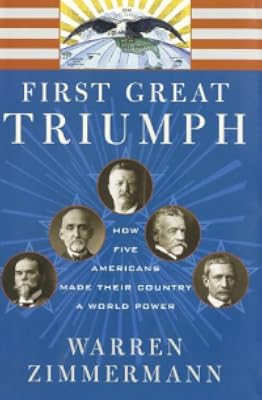
First Great Triumph: How Five Americans Made Their Country a World Power
by Warren Zimmermann
On This Page
Description
Documents how the United States rose to a significant world power one century ago through the actions of five political figures, including Theodore Roosevelt, naval strategist Alfred T. Mahan, and Senator Henry Cabot Lodge.Tags
Recommendations

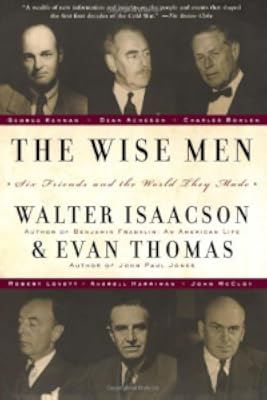
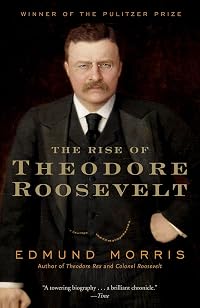
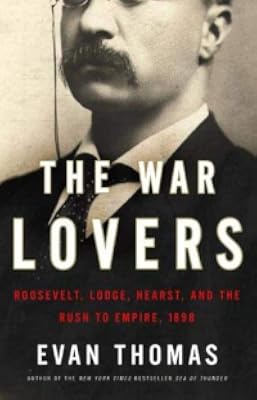
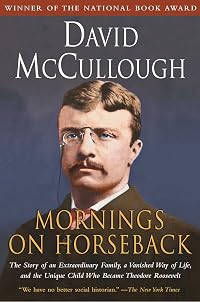
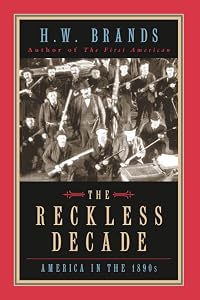
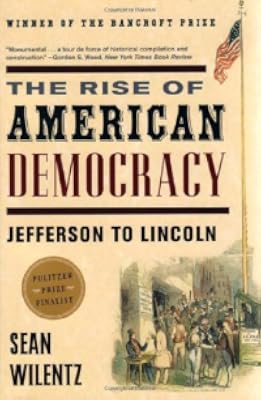
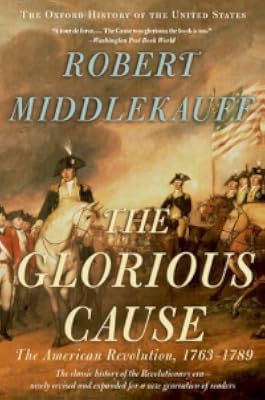
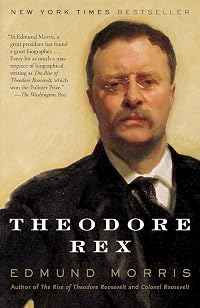
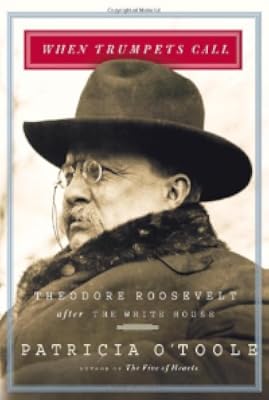
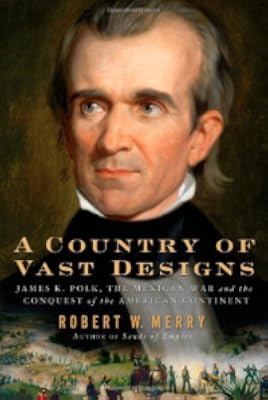
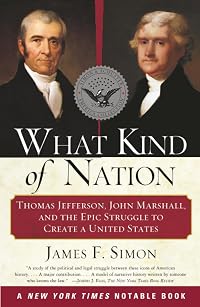
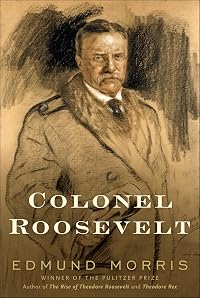
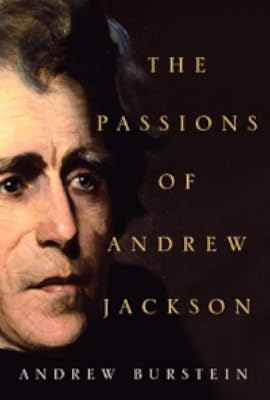
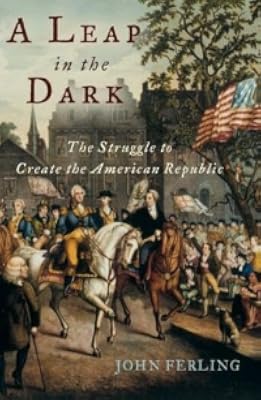
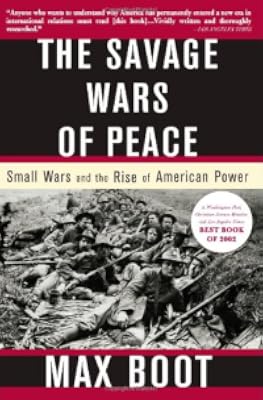




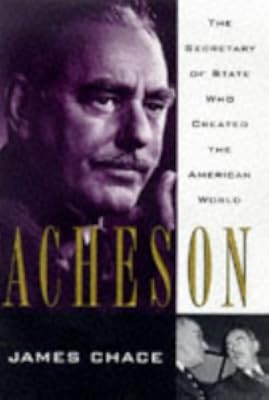
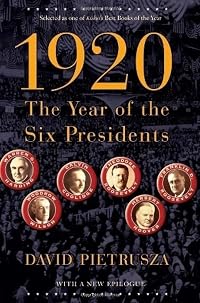
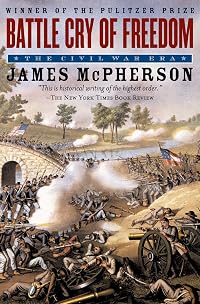
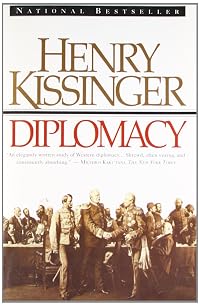
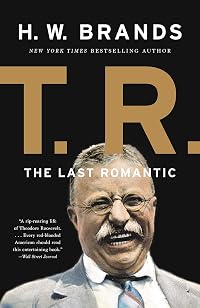

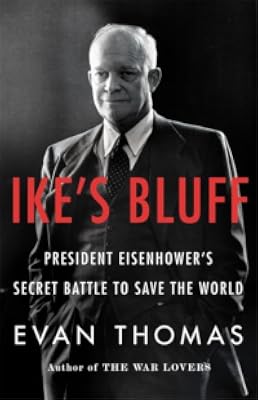
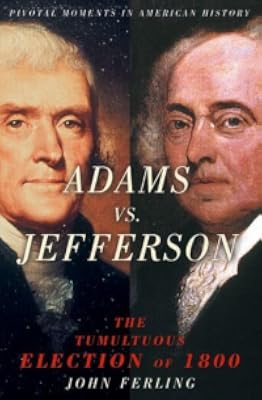
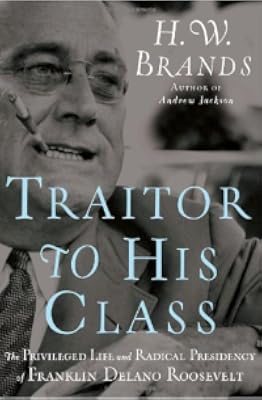
Member Recommendations
Member Reviews
Writing en route to Cuba during the Spanish-American War, Theodore Roosevelt envisioned the coming campaign as "the first great triumph in what will be a world movement." That movement—the emergence of the United States as a world power—is the subject of this thoughtful approach to the history and diplomacy of the era of the Spanish American War. The first half of the book, after an overview of the United States in 1898, consist of essays on five men who exemplified the expansionist movement and played a part in its development. They include the poet, journalist, and diplomat John Hay; Alfred T. Mahan, theorist of sea power; Elihu Root, corporation lawyer, government administrator, and presidential adviser; Senator Henry Cabot show more Lodge, expansionist spokesman and mentor of Theodore Roosevelt, and finally, TR himself. Mahan narrates the stories of these lives of the leaders of this era with attention to their accomplishments and, in the cases of Alfred T. Mahan and Elihu Root, these were a revelation to me.
The second half of the book was a more traditional history of the era and in it the author, while decrying the advent of American imperialism, betrayed his own preference for big government. He concludes with an analysis of the legacy on the twentieth century of the expansion led by these five men: the creation of an authentic American Imperialism (for better or worse), the preparation of the United States to be a great power, the first comprehensive assertion of of U. S. security interests abroad, the creation of foreign policy priorities in human rights and stability, and finally strengthening the American presidency. This final legacy has grown unwieldy at the beginning of our new century. Overall Zimmermann's book was an excellent historical overview of a formative period for American foreign relations. show less
The second half of the book was a more traditional history of the era and in it the author, while decrying the advent of American imperialism, betrayed his own preference for big government. He concludes with an analysis of the legacy on the twentieth century of the expansion led by these five men: the creation of an authentic American Imperialism (for better or worse), the preparation of the United States to be a great power, the first comprehensive assertion of of U. S. security interests abroad, the creation of foreign policy priorities in human rights and stability, and finally strengthening the American presidency. This final legacy has grown unwieldy at the beginning of our new century. Overall Zimmermann's book was an excellent historical overview of a formative period for American foreign relations. show less
Excellent book! For anyone that studies Roosevelt. Brought him into a whole new light for me.
Ratings
Members
- Recently Added By
Author Information
3 Works 309 Members
Warren Zimmermann spent thirty-three years as an officer in the U.S. Foreign Service and was our last ambassador to Yugoslavia. He has taught at Columbia and Johns Hopkins universities
Awards and Honors
Awards
Common Knowledge
- Original publication date
- 2002
- People/Characters
- Theodore Roosevelt; Alfred T. Mahan; Henry Cabot Lodge; John Hay; Elihu Root; Brooks Adams (show all 69); Charles Francis Adams; Charles Francis Adams, Jr.; Clover Adams; Henry Adams; Herbert Baxter Adams; John Adams; John Quincy Adams; Alvey A. Atlee (as Alvey A. Adee); Emilio Aguinaldo; Russell A. Alger; Salvador Allende; Richard Webster, 1st Viscount Alverstone; Thomas M. Anderson (General); Susan B. Anthony; Jacobo Arbenz; Samuel Argall; Chester A. Arthur; Samuel Ashe; John Jacob Astor; Edwin Atkins; Edward Atkinson; Don Basilio Augustín; Alfred Austin; Augustus O. Bacon; Robert Bacon; David P. Barrows; Fulgencio Batista; Thomas F. Bayard; Arthur Beaupré; J. Franklin Bell (General); Thomas Hart Benton; Albert J. Beveridge; Ambrose Bierce; John Bigelow; Joseph Bucklin Bishop; Otto von Bismarck; James G. Blaine; Ramón Blanco (General); Cornelius Bliss; James H. Blount; Charles Bohlen; Andrés Bonifacio; Daniel Boone; Samuel Bowles; R. B. Bradford (Commander); Louis Brandeis; John R. Brooke (General); William Jennings Bryan; James Bryce; Philippe-Jean Bunau-Varilla; William Bundy; John W. Burgess; John Burroughs; Jules Cambon; J. Donald Cameron; Antonio C´novas del Castillo; Andrew Carnegie; Emilio Castelar; Cipriano Castro; Fidel Castro; Pascual Cervera y Topete (Admiral); Adna Chaffee (General); Thomas Brackett Reed
- Important places
- USA; Afghanistan; Africa; Asia; Austria; Canada (show all 23); Caribbean Region; Chile; China; Colombia; Cuba; Dominican Republic; Europe; France; Germany; Guam; Hawai'i, USA; Hispaniola; Latin America; North America; The Philippines; Puerto Rico; South America
- Important events
- Spanish-American War (1898)
Classifications
Statistics
- Members
- 252
- Popularity
- 129,293
- Reviews
- 2
- Rating
- (3.98)
- Languages
- English
- Media
- Paper
- ISBNs
- 3
- ASINs
- 1