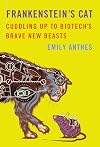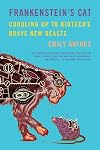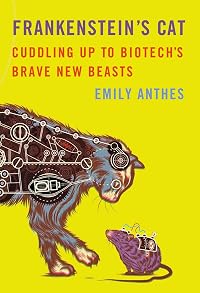
Frankenstein's Cat: Cuddling Up to Biotech's Brave New Beasts
by Emily Anthes
On This Page
Description
For centuries, we have toyed with our creature companions, breeding dogs that herd and hunt, housecats that look like tigers, and teacup pigs that fit snugly in our handbags. But what happens when we take animal alteration a step further, engineering a cat that glows green under ultraviolet light or cloning the beloved family Labrador Retriever? Science has given us a whole new toolbox for tinkering with life. How are we using it? In this book the author, a journalist takes us from petri show more dish to pet store as she explores how biotechnology is shaping the future of our furry and feathered friends. As she ventures from bucolic barnyards to a "frozen zoo" where scientists are storing DNA from the planet's most exotic creatures, she discovers how we can use cloning to protect endangered species, craft prosthetics to save injured animals, and employ genetic engineering to supply farms with disease-resistant livestock. Along the way, we meet some of the animals that are ushering in this astonishing age of enhancement, including sensor-wearing seals, cyborg beetles, a bionic bulldog, and the world's first cloned cat. Through her encounters with scientists, conservationists, ethicists, and entrepreneurs, the author reveals that while some of our interventions may be trivial (behold: the GloFish), others could improve the lives of many species, including our own. So what does biotechnology really mean for the world's wild things? And what do our brave new beasts tell us about ourselves? Here the author highlights both the peril and the promise of our scientific superpowers, taking us on an adventure into a world where our grandest science fiction fantasies are fast becoming reality. "A report from the frontiers of the scientific campaign to reengineer animals to fulfill human desires"--Dust jacket back. show lessTags
Recommendations
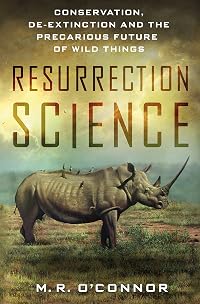
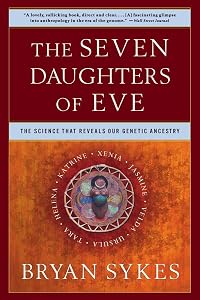
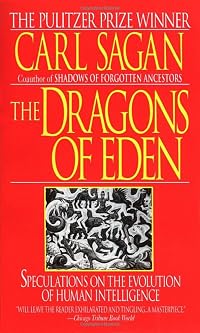

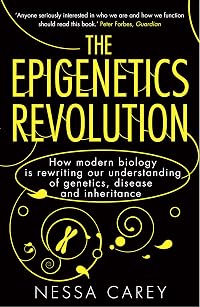

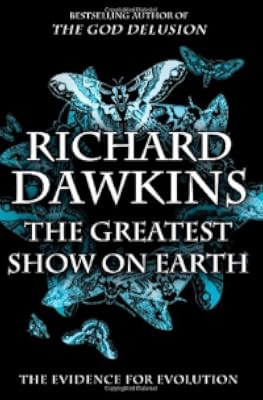
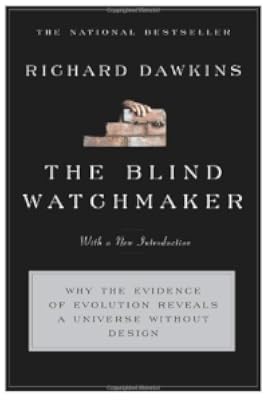
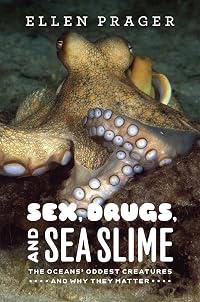
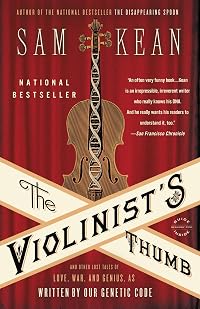

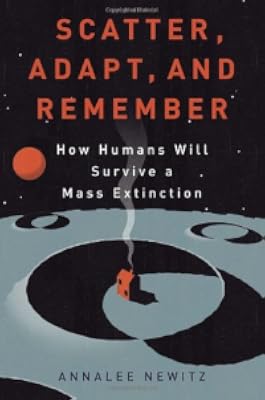
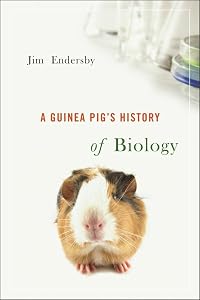
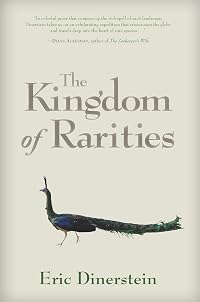
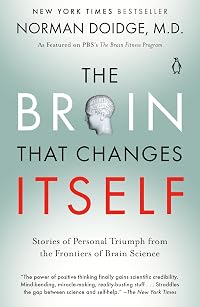

Member Recommendations
JonathanGorman Both touch similar topics, although the Frankenstein's Cat doesn't limit itself to the "biopunk" movement, it certainly brings in the small companies and the rapidly decreasing costs of biotech and how they'll affect the word. Both of these books offer a glimpse to possible futures that might be closer than we think.
Both books remind me of much of what I've read of the computer world of the 60s to 80s where much of the current potential was realized but not yet achieved. If you like one, you'll likely like the other.
Member Reviews
Good
How do you feel about the following?
Hypoallergenic cats - just as cuddly, but sniff free
A beagle who glows red in ultraviolet light
A goat whose milk contains antibodies to cure human ills
Salmon designed to grow to twice their normal size, even in winter
Enviropigs whose excrement contains 50% less phosphorous
Anthes takes a tour through the weird world of modified animals, be it via genetic engineering, cloning or robotics. We are coming on in leaps and bounds in what we can achieve with biotechnology and combining the electronics revolution with animals. Along the way Anthes raises ethical questions about whether we have the right to modify nature or if animals should have their own rights. There is a comprehensive set of notes if show more you want to explore more of the details she mentions. Anthes also gets to meet some of the movers and shakers in the fields she is investigating and also some of the animals, taking great delight to meet cloned cats and buys her own fluorescent fish. The possibilities for biotechnology are growing all the time and although Anthes makes clear that it is but a tool that can be used for good or ill you can’t help but feel a little trepidation about how it could be used for ill at the same time as being excited about how it could be used for good. The recent news of modified and highly armed dolphins escaping, with shades of [we3] http://www.express.co.uk/news/weird/383961/Military-dolphins-trained-to-attack-u... shows one possible nightmare scenario and can we be comfortable with remote controlled insects in the hands of governments pursuing a surveillance society strategy? At the same time it’s exciting to see that experiments on paralysed rats may offer hope for people who have been paralysed through accidents or that animal prosthetics are finding uses in human prostheses and that there are some new exciting therapies for some brain diseases coming. Although reality is more prosaic than say [oryx and crake] or [the windup girl] we should be thinking hard about these issues and Anthes book is a great place to start. You can see Winter, the dolphin with a prosthetic tail that Anthes spends some time with, here http://www.seewinter.com/ and it is inspiring to see that Winter is used to help children who have lost a limb come to terms with that.
Overall - Anthes writes with great intelligence and enthusiasm on her subject and I’d highly recommend this book to anyone interested in the subject. show less
How do you feel about the following?
Hypoallergenic cats - just as cuddly, but sniff free
A beagle who glows red in ultraviolet light
A goat whose milk contains antibodies to cure human ills
Salmon designed to grow to twice their normal size, even in winter
Enviropigs whose excrement contains 50% less phosphorous
Anthes takes a tour through the weird world of modified animals, be it via genetic engineering, cloning or robotics. We are coming on in leaps and bounds in what we can achieve with biotechnology and combining the electronics revolution with animals. Along the way Anthes raises ethical questions about whether we have the right to modify nature or if animals should have their own rights. There is a comprehensive set of notes if show more you want to explore more of the details she mentions. Anthes also gets to meet some of the movers and shakers in the fields she is investigating and also some of the animals, taking great delight to meet cloned cats and buys her own fluorescent fish. The possibilities for biotechnology are growing all the time and although Anthes makes clear that it is but a tool that can be used for good or ill you can’t help but feel a little trepidation about how it could be used for ill at the same time as being excited about how it could be used for good. The recent news of modified and highly armed dolphins escaping, with shades of [we3] http://www.express.co.uk/news/weird/383961/Military-dolphins-trained-to-attack-u... shows one possible nightmare scenario and can we be comfortable with remote controlled insects in the hands of governments pursuing a surveillance society strategy? At the same time it’s exciting to see that experiments on paralysed rats may offer hope for people who have been paralysed through accidents or that animal prosthetics are finding uses in human prostheses and that there are some new exciting therapies for some brain diseases coming. Although reality is more prosaic than say [oryx and crake] or [the windup girl] we should be thinking hard about these issues and Anthes book is a great place to start. You can see Winter, the dolphin with a prosthetic tail that Anthes spends some time with, here http://www.seewinter.com/ and it is inspiring to see that Winter is used to help children who have lost a limb come to terms with that.
Overall - Anthes writes with great intelligence and enthusiasm on her subject and I’d highly recommend this book to anyone interested in the subject. show less
Pop science survey for voters, consumers, and parents of future scientists. Not technical, no charts or illustrations or bibliography. Thorough notes and index. A quick and fascinating read. I had some idea of some of what's been going on, but there was plenty of new information, too.
One thing I should have known but didn't is that wolves weren't reintroduced to Yellowstone just for their own sake. The elk were overpopulating the park, eating the trees... now that the wolves are back, the elk herds are of a more manageable size. This was mentioned to get the reader to think about how extinct animals leave holes in the 'webs' of ecosystems, and to offer justification to consider cloning as one tool to help conservation efforts.
Besides show more cloning, pharming, genetic engineering, prostheses, embedded trackers, and several other techniques and strategies are surveyed. I do recommend this quick read.
Btw, one of the few (only?) books mentioned is one of my favorites on the subject: [b:Some We Love, Some We Hate, Some We Eat: Why It's So Hard to Think Straight About Animals|6953508|Some We Love, Some We Hate, Some We Eat Why It's So Hard to Think Straight About Animals|Hal Herzog|https://images.gr-assets.com/books/1369453733s/6953508.jpg|7188492], which I highly recommend. show less
One thing I should have known but didn't is that wolves weren't reintroduced to Yellowstone just for their own sake. The elk were overpopulating the park, eating the trees... now that the wolves are back, the elk herds are of a more manageable size. This was mentioned to get the reader to think about how extinct animals leave holes in the 'webs' of ecosystems, and to offer justification to consider cloning as one tool to help conservation efforts.
Besides show more cloning, pharming, genetic engineering, prostheses, embedded trackers, and several other techniques and strategies are surveyed. I do recommend this quick read.
Btw, one of the few (only?) books mentioned is one of my favorites on the subject: [b:Some We Love, Some We Hate, Some We Eat: Why It's So Hard to Think Straight About Animals|6953508|Some We Love, Some We Hate, Some We Eat Why It's So Hard to Think Straight About Animals|Hal Herzog|https://images.gr-assets.com/books/1369453733s/6953508.jpg|7188492], which I highly recommend. show less
A brief but interesting overview of biotechnology as it relates to animals, including genetic engineering and cloning. The prospects range from the altruistic (goats with elevated levels of lysozyme in their milk, aimed at preventing childhood diarrhea) to the dystopian (the theory of breeding animals with lower receptors for pain as a solution to modern farming's faults). Although Anthes looks at the potential negatives of the technology, as well as the ethical dilemmas it poses, the book ultimately comes off as biased due to her including a "vision" of a future where biotech (inc is used freely and positively. It's too easy to be starry eyed about technology that has not yet proven its utility.
Very thoroughly researched, Anthes examines the myriad biotechnology fields today from genetic engineering to cyborgs to prosthetics. I'm biased, but the opening chapters on genetics and cloning were well done (looked at other reviews and I am unsurprised to see people use that M word even if the science is doing). Re: genetic modification, she writes in the last chapter "The important thing is that we do not throw the genetically modified baby out with the bathwater. We spend so much time discussing the ethics of using our emerging scientific capabilities that we forget that NOT using them had ethical implications of its own." There are both good and bad ways tech can be used, but remember these are just tools- it is our responsibility show more to use them ethically and reasonably. show less
Short, interesting and lovely footnotes. If you're interested in science or the future, this is a very good read.
I guess if you really like the techy stuff....
I would highly recommend this book to anyone who desires a guide to the future of biological science and technology.
Members
- Recently Added By
Lists

BingoDOG - Animals in Adult Nonfiction
41 works; 7 members
Author Information
Some Editions
Awards and Honors
Common Knowledge
- Original title
- Frankenstein's Cat: Cuddling Up to Biotech's Brave New Beasts
- Original publication date
- 2013
- Original language
- English
Classifications
- Genres
- Science & Nature, Nonfiction, General Nonfiction
- DDC/MDS
- 616.02 — Applied science & technology Medicine & health Diseases, Allergies, Skin Conditions Pathology; Diseases; Treatment First aid; Emergency; Euthanasia
- LCC
- QH442.6 .A58 — Science Natural history – Biology Biology (General) Genetics
- BISAC
Statistics
- Members
- 209
- Popularity
- 152,245
- Reviews
- 8
- Rating
- (3.96)
- Languages
- English, German, Italian
- Media
- Paper, Audiobook, Ebook
- ISBNs
- 13
- ASINs
- 4