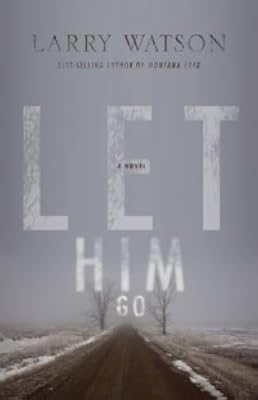
Let Him Go
by Larry Watson
On This Page
Description
A retired sheriff and his wife go after their young grandson in "a fast-paced story of marital love, family violence and small-town justice" (Pioneer Press). It's been years since George and Margaret Blackledge lost their son James, and months since his widow, Lorna, took off with their only grandson and married Donnie Weboy. Margaret is resolved to find and retrieve the boy--while George is none too eager to stir up trouble. Soon, the Blackledges find themselves entangled with the entire show more Weboy clan, who are determined not to give up the boy without a fight. The author of Montana 1948 returns to big sky country in midcentury America with a riveting novel pervaded with a sense of menace that "traces the desperate lengths families will go to in order to protect their own" (Publishers Weekly, starred review). "Watson evokes the deepest kind of suspense: that based upon the fact that humans are unpredictable and perhaps ultimately unknowable--even to their most intimate associates. This fierce, tense book is beautifully written, with spare and economical prose . . . A brilliant achievement." --Alice LaPlante, New York Times-bestselling author of Turn of Mind "An outstanding work that is sure to expand Watson's audience of devoted readers. Not to be missed." --Library Journal (starred review) show lessTags
Recommendations

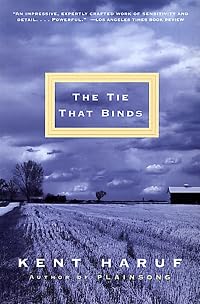
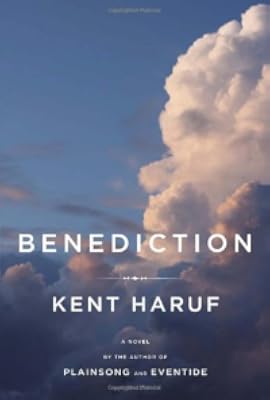
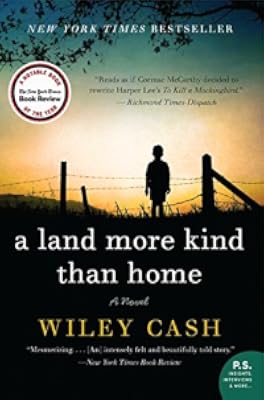
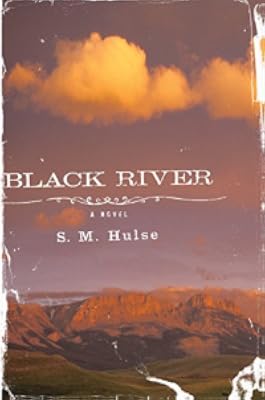


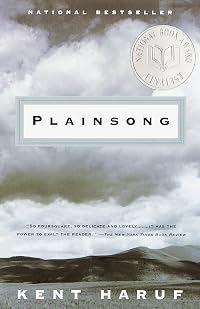
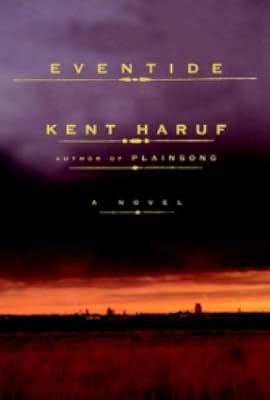
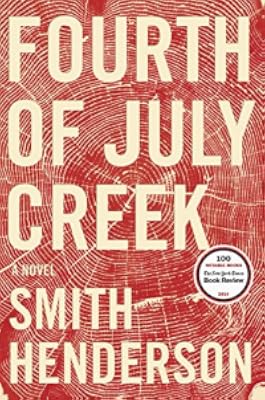
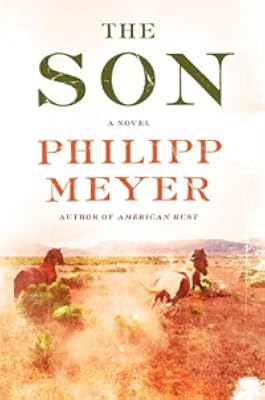









Member Recommendations

Member Reviews
I first discovered Larry Watson when I read his stunning, beautiful, and stark novel, Montana, 1948, many years ago. That book still haunts me and I was hoping for a similar reaction to his latest. Let Him Go is another slight, Western set novel, with a plot so visceral and gripping that I wasn't disappointed. Another gorgeously exquisite, heartbreaking and masterful novel.
It is 1951 and Margaret Blackledge is not content for her only grandson to disappear with his mother and new stepfather. Little Jimmy is the only link she and husband George, a retired sheriff in small Dalton, North Dakota, have to their late son James. Margaret knows that Jimmy's new stepfather, Donnie Weboy, is not a good person, abusive and mean to her beloved show more grandson and she is decided that she will follow Lorna and Donnie to the ends of the earth if need be in order to bring back her grandson. How she'll convince the boy's mother to give him up remains to be seen. And she has no idea of the resistance, ugliness, and simmering violence awaiting her in the form of Donnie's ruthless, morally bankrupt clan. But Margaret is driven by her love for her son and grandson and she is resolved not to come home without her boy.
George is a much more stoic character than Margaret and more inclined to let things lie but when his choice is to watch Margaret leave on her quest or to accompany her, there is no choice really. And it is George who discovers that their journey into the Weboy underworld will cost them far more than they expected. As Margaret and George travel towards Gladstone, Montana, their relationship, its quiet endurance and its unspoken love and support, is laid bare in their conversations, the simple quiet, and the internal expectations each harbors. Margaret's fierce, driving determination becomes a shared thing so that once they encounter the sinister Blanche Weboy, matriarch of the lawless and vigilante clan, they are as one, even under the onslaught of a twisted and possessive evil.
Watson's writing is spare, eloquent, and elegant, echoing the frozen wide open spaces of the landscape. There is a stillness and a sense of waiting about the novel and in the characters, Margaret and George in particular. The ending is shocking and yet the only way the novel could possibly end. A tour de force about justice, strength, sacrifice, and all the lengths to which people will go in order to rescue those they love, this is a powerful and deceptively simple book. show less
It is 1951 and Margaret Blackledge is not content for her only grandson to disappear with his mother and new stepfather. Little Jimmy is the only link she and husband George, a retired sheriff in small Dalton, North Dakota, have to their late son James. Margaret knows that Jimmy's new stepfather, Donnie Weboy, is not a good person, abusive and mean to her beloved show more grandson and she is decided that she will follow Lorna and Donnie to the ends of the earth if need be in order to bring back her grandson. How she'll convince the boy's mother to give him up remains to be seen. And she has no idea of the resistance, ugliness, and simmering violence awaiting her in the form of Donnie's ruthless, morally bankrupt clan. But Margaret is driven by her love for her son and grandson and she is resolved not to come home without her boy.
George is a much more stoic character than Margaret and more inclined to let things lie but when his choice is to watch Margaret leave on her quest or to accompany her, there is no choice really. And it is George who discovers that their journey into the Weboy underworld will cost them far more than they expected. As Margaret and George travel towards Gladstone, Montana, their relationship, its quiet endurance and its unspoken love and support, is laid bare in their conversations, the simple quiet, and the internal expectations each harbors. Margaret's fierce, driving determination becomes a shared thing so that once they encounter the sinister Blanche Weboy, matriarch of the lawless and vigilante clan, they are as one, even under the onslaught of a twisted and possessive evil.
Watson's writing is spare, eloquent, and elegant, echoing the frozen wide open spaces of the landscape. There is a stillness and a sense of waiting about the novel and in the characters, Margaret and George in particular. The ending is shocking and yet the only way the novel could possibly end. A tour de force about justice, strength, sacrifice, and all the lengths to which people will go in order to rescue those they love, this is a powerful and deceptively simple book. show less
Larry Watson returns to the same landscape and era where his brilliant Montana 1948 was set, and once again captures precisely the landscape, the people, and the ethos of that time and place. Like Kent Haruf, Watson writes with a spare, taut style, yet manages to unearth essential truths about not only his characters, but about human wants and needs, as well.
Let Him Go, ultimately, is a tragedy of Shakespearian proportions – not only in the story but in the characters whose own bone-deep beliefs, strengths, and weaknesses, lead them inevitably to their fates.
When we first meet Margaret Blackledge, she is a woman on a mission – to find and retrieve her only grandson, spirited away by his mother after the death of Margaret’s son. show more She confronts her husband of many years and offers him a matter-of-fact choice – come with her now, no arguments, no conditions, or be left behind. And George, reluctantly, almost wordlessly, gets in the car – not particularly because he agrees that the child would be better with them, but because life with this unbending, strong-willed partner is as necessary to him as the air he breathes.
Their journey to locate the boy, his mother, and the powerful and malevolent family to which they now belong, leads the aging couple out of North Dakota into Montana and ultimately into a maelstrom of violence from which there is no turning back.
The action moves toward a conclusion which is as inevitable as it is shocking, and the reader may not know whether to weep or rage. They will only know that they won’t soon forget it. show less
Let Him Go, ultimately, is a tragedy of Shakespearian proportions – not only in the story but in the characters whose own bone-deep beliefs, strengths, and weaknesses, lead them inevitably to their fates.
When we first meet Margaret Blackledge, she is a woman on a mission – to find and retrieve her only grandson, spirited away by his mother after the death of Margaret’s son. show more She confronts her husband of many years and offers him a matter-of-fact choice – come with her now, no arguments, no conditions, or be left behind. And George, reluctantly, almost wordlessly, gets in the car – not particularly because he agrees that the child would be better with them, but because life with this unbending, strong-willed partner is as necessary to him as the air he breathes.
Their journey to locate the boy, his mother, and the powerful and malevolent family to which they now belong, leads the aging couple out of North Dakota into Montana and ultimately into a maelstrom of violence from which there is no turning back.
The action moves toward a conclusion which is as inevitable as it is shocking, and the reader may not know whether to weep or rage. They will only know that they won’t soon forget it. show less
Rating: 4.875* of five
The Publisher Says: "With you or without you," Margaret insists, and at these words George knows his only choice is to follow her.
It’s September 1951: years since George and Margaret Blackledge lost their son James when he was thrown from a horse; months since James’s widow Lorna took off and remarried that thug Donnie Weboy. Now Margaret is steadfast, resolved to find and retrieve her grandson Jimmy—the one person in this world keeping her son’s memory alive—while George, a retired sheriff, is none too eager to stir up trouble with Donnie Weboy. Unable to sway his wife from her mission, George takes to the road with Margaret by his side, traveling through the Dakota badlands to Bentrock, Montana, in show more unstoppable pursuit. When Margaret tries to convince Lorna to return home to North Dakota, bringing little Jimmy with her, the Blackledges find themselves mixed up with the entire Weboy clan, a fearsome family determined not to give the boy up without a fight.
With gutsy characters and suspense-filled prose, Let Him Go speaks to the extraordinary measures we take for family and the overpowering instinct to protect those we love. From the award-winning author who gave us Montana 1948, Justice, and American Boy, Larry Watson is at his storytelling finest in this unforgettable return to the American West.
My Review: The Doubleday UK meme, a book a day for July 2014, is the goad I'm using to get through my snit-based unwritten reviews. Today's prompt is the eleventh in the series, discuss a book that made you cry.
Um.
So, yeah. This book's plot is readily available to anyone who can read. You know that Margaret Blackledge lost her only son, her no-count trollop of a daughter-in-law found her a pretty face on top of a hard body and lit out for the fleshpots of Montana. Good riddance, Margaret would think, were it not for the fact that her one remaining treasure, her grandson, got swept away in the leaving. And the life that boy will be living will be full of no-count people who are no better than the law requires, and most of the time not even that. No. Margaret will not have that, not after all she went through to raise her boy up right. She has to have his son back, so she can do it all again.
And those textures, those memories, they're going to be of her and her husband George, not some petty, small-time criminals like his mama fell in with.
Margaret Blackledge is a force of nature. She is a tall woman with no give to her, and believe you me, she has never given anything. She suits her country beautifully. Margaret just flat hates summer, she went a little crazy one summer from it and...well, that's a piece of story you'll find out. Summer makes a person crazy, and so Margaret waits to pack the Hudson full of her life's stuff and then tell George he's comin' or goin' but the time is now until it's September:
And I don't blame her one itty bit.
George now, he's been a sheriff for Dalton, North Dakota, and he's had to win elections before...in spite of a little drinkin' problem, in spite of being reserved, in spite of never slittin' a lip unless it was necessary:
But when we meet George, he's no lawman anymore, he holds boards for other men to hammer. He's done. He's been more than he wanted to be, and he's done. George has been Margaret's husband for a long time, and he's done right by her and their twin kids (Janie, the other twin, features in this story only in her absence). But now, with this trip, George is done:
Memories might consume him, but no one outside his skin will ever know which ones, or what he thinks of 'em. He does not give anything away, not after running a ranch he inherited from his father and mother, not after making a life in the hardscrabble grab it from the earth way of the American West, and not as long as Margaret is beside him making do, wearing out, mending up, doing without.
I think he loves Margaret, and I think he knows that his only way to show her she's loved is to do for her. So he does. And the story is George, lawman and drunk and closed-up shop, doing his all for the woman who gave him his life. It had its price, this life, but it was theirs, and they're looking at the end:
And that's the story's unspoken edge. These two people are coming to the end, and they...she more than he...want to put something into their grandson that his soft, vapid, pointless mama won't and can't. They want to give him a sense of purpose, a purposeful life-path that won't shame him or his own kids.
Suffice it to say that the conflict between these rock-ribbed, self-contained, competent people and their shiftless opponents isn't going to play out slowly. The end comes, in fact, a bit abruptly and with a B-movie full-circleness that is *exactly* what I wanted.
But in that satisfaction comes the disappointment of getting what you want handed to you, no questions, no effort required. This beautiful story and its handsomely carved characters never launched into the glorious orbit of Montana 1948, and never plumbed the deep-downs of White Crosses. It is excellent, and it is beautiful. It should be on your shelf. It should also break into the myriad frighteningly sharp shards here:
That it never quite does makes me cry.
This work is licensed under a Creative Commons Attribution-NonCommercial-ShareAlike 3.0 Unported License. show less
The Publisher Says: "With you or without you," Margaret insists, and at these words George knows his only choice is to follow her.
It’s September 1951: years since George and Margaret Blackledge lost their son James when he was thrown from a horse; months since James’s widow Lorna took off and remarried that thug Donnie Weboy. Now Margaret is steadfast, resolved to find and retrieve her grandson Jimmy—the one person in this world keeping her son’s memory alive—while George, a retired sheriff, is none too eager to stir up trouble with Donnie Weboy. Unable to sway his wife from her mission, George takes to the road with Margaret by his side, traveling through the Dakota badlands to Bentrock, Montana, in show more unstoppable pursuit. When Margaret tries to convince Lorna to return home to North Dakota, bringing little Jimmy with her, the Blackledges find themselves mixed up with the entire Weboy clan, a fearsome family determined not to give the boy up without a fight.
With gutsy characters and suspense-filled prose, Let Him Go speaks to the extraordinary measures we take for family and the overpowering instinct to protect those we love. From the award-winning author who gave us Montana 1948, Justice, and American Boy, Larry Watson is at his storytelling finest in this unforgettable return to the American West.
My Review: The Doubleday UK meme, a book a day for July 2014, is the goad I'm using to get through my snit-based unwritten reviews. Today's prompt is the eleventh in the series, discuss a book that made you cry.
Um.
Long past the moment when her neck begins to stiffen and ache, she continues to stare into the darkness, even though none of the human secrets she needs to know are to be found in the stars but rather closer to the earth her boots stand upon.
So, yeah. This book's plot is readily available to anyone who can read. You know that Margaret Blackledge lost her only son, her no-count trollop of a daughter-in-law found her a pretty face on top of a hard body and lit out for the fleshpots of Montana. Good riddance, Margaret would think, were it not for the fact that her one remaining treasure, her grandson, got swept away in the leaving. And the life that boy will be living will be full of no-count people who are no better than the law requires, and most of the time not even that. No. Margaret will not have that, not after all she went through to raise her boy up right. She has to have his son back, so she can do it all again.
A four-year-old has so little past, and he remembers almost none of it, neither the father he once had nor the house where he once lived. But he can feel the absences – and feel them as sensation, like a texture that was once at his fingers every day but now is gone and no matter how he gropes or reaches his hand he cannot touch what’s no longer there.
And those textures, those memories, they're going to be of her and her husband George, not some petty, small-time criminals like his mama fell in with.
Margaret Blackledge is a force of nature. She is a tall woman with no give to her, and believe you me, she has never given anything. She suits her country beautifully. Margaret just flat hates summer, she went a little crazy one summer from it and...well, that's a piece of story you'll find out. Summer makes a person crazy, and so Margaret waits to pack the Hudson full of her life's stuff and then tell George he's comin' or goin' but the time is now until it's September:
Autumn has come to northeast Montana. The vapor of one’s breath, the clarity of the stars, the smell of wood smoke, the stones underfoot that even a full day of sunlight won’t warm- these all say there will be no more days that can be mistaken for summer.
And I don't blame her one itty bit.
George now, he's been a sheriff for Dalton, North Dakota, and he's had to win elections before...in spite of a little drinkin' problem, in spite of being reserved, in spite of never slittin' a lip unless it was necessary:
The limitless, lowering sky, the long stretches of motionless empty prairie, the silence, complete right down to the absence of birdsong -- who knows what decides a man to leave most of his words unspoken?
But when we meet George, he's no lawman anymore, he holds boards for other men to hammer. He's done. He's been more than he wanted to be, and he's done. George has been Margaret's husband for a long time, and he's done right by her and their twin kids (Janie, the other twin, features in this story only in her absence). But now, with this trip, George is done:
Now no sign, no scorch or char, marks the place where George built the fire. Remarkable, earth's strength to restore itself and erase human effort. But memory, stronger still, can send flames as high as the roof, and shift the wind and choke George and sting his eyes with smoke...
Memories might consume him, but no one outside his skin will ever know which ones, or what he thinks of 'em. He does not give anything away, not after running a ranch he inherited from his father and mother, not after making a life in the hardscrabble grab it from the earth way of the American West, and not as long as Margaret is beside him making do, wearing out, mending up, doing without.
I think he loves Margaret, and I think he knows that his only way to show her she's loved is to do for her. So he does. And the story is George, lawman and drunk and closed-up shop, doing his all for the woman who gave him his life. It had its price, this life, but it was theirs, and they're looking at the end:
When night comes on in a room lit by kerosene, any flicker of the flame can give the sense that darkness is about to triumph.
And that's the story's unspoken edge. These two people are coming to the end, and they...she more than he...want to put something into their grandson that his soft, vapid, pointless mama won't and can't. They want to give him a sense of purpose, a purposeful life-path that won't shame him or his own kids.
Suffice it to say that the conflict between these rock-ribbed, self-contained, competent people and their shiftless opponents isn't going to play out slowly. The end comes, in fact, a bit abruptly and with a B-movie full-circleness that is *exactly* what I wanted.
But in that satisfaction comes the disappointment of getting what you want handed to you, no questions, no effort required. This beautiful story and its handsomely carved characters never launched into the glorious orbit of Montana 1948, and never plumbed the deep-downs of White Crosses. It is excellent, and it is beautiful. It should be on your shelf. It should also break into the myriad frighteningly sharp shards here:
A gust of wind doesn't suddenly bang a door open. A clock doesn't chime. The phone doesn't ring. Yet in the next instant the stillness breaks as if it is crystal.
That it never quite does makes me cry.
This work is licensed under a Creative Commons Attribution-NonCommercial-ShareAlike 3.0 Unported License. show less
In Let Him Go by Larry Watson we are drawn into the world of George and Margaret Blackledge, who, knowing that their deceased son’s wife has married a man who will be a cruel stepfather, embark on a quest to recover their grandson, feeling strongly that he deserves to be raised as a Blackledge not as a Weboy. George, an ex-sheriff, knows that this won’t be an easy or sure thing, but Margaret is righteous in her belief that this child should be raised by people who love him.
When they arrive at the small town in Montana and make their objective clear, they unleash upon themselves the might of the Weboys, with their controlling mother and evil uncle. I don’t think of myself as a vengeful person, but I was hoping that the Weboy clan show more would in turn suffer consequences for their brutality. This story of two families at war with each other was both gut-wrenching and real, and one that I could not put down.
Written in almost classic western style this story of love, revenge and redemption is elevated by the author’s use of sparse yet poetic prose delivered by strong, well developed characters to create a timeless story that cuts right to the heart. Let Him Go is a fantastic read, and Larry Watson is a master at both the art of storytelling and the craft of writing. I highly recommend this book. show less
When they arrive at the small town in Montana and make their objective clear, they unleash upon themselves the might of the Weboys, with their controlling mother and evil uncle. I don’t think of myself as a vengeful person, but I was hoping that the Weboy clan show more would in turn suffer consequences for their brutality. This story of two families at war with each other was both gut-wrenching and real, and one that I could not put down.
Written in almost classic western style this story of love, revenge and redemption is elevated by the author’s use of sparse yet poetic prose delivered by strong, well developed characters to create a timeless story that cuts right to the heart. Let Him Go is a fantastic read, and Larry Watson is a master at both the art of storytelling and the craft of writing. I highly recommend this book. show less
 This review was written for LibraryThing Early Reviewers.
“For God’s sake, you don’t get across the river standing on the bank wondering if you can do it. You get wet.”
Right from the get-go, Margaret jumps off the page as a grandmother not to be messed with, not even by her husband George. She is strong and she is determined. And I love the dialogue between her and George! And really, I just enjoyed this story! Love for a grandchild, love for a woman, and the time tested idea of "how far will you go?". And man-o-man, did I hate those Weboys!
“Lifelong? No, ma’am. Just all the life as I’ve lived so far.”
Right from the get-go, Margaret jumps off the page as a grandmother not to be messed with, not even by her husband George. She is strong and she is determined. And I love the dialogue between her and George! And really, I just enjoyed this story! Love for a grandchild, love for a woman, and the time tested idea of "how far will you go?". And man-o-man, did I hate those Weboys!
“Lifelong? No, ma’am. Just all the life as I’ve lived so far.”
If Shakespeare had been writing tragedies set on the American plains in the 1950s this would be the book he would have written. Forces bigger than the characters lead them on to the inevitable conclusion. Great stuff.
George and Margaret Blackledge are an older couple living in Dalton, North Dakota. They have been married 40 years and those years haven't been particularly kind. Margaret gave birth to twins, a boy and a girl, soon after marriage. The Blackledges lived on the ranch that Margaret's father homesteaded and that's never an easy life. Then George took a job as the sheriff which took him away from home a lot. Margaret did most of the ranch work although the son helped when he got older. James got married and his wife had a son, show more Jimmy. The daughter moved away to Minneapolis and seemed to want nothing more to do with the ranch. James stayed nearby and came often. On one of those trips home he saddled up a horse but when the horse came back riderless the Blackledges knew James was dead. His wife and son lived with them for a while; in fact, George and Margaret sold the ranch so they could move to town and provide more amenities for the grandson. But the widow remarried and she and her husband moved back to Montana where he was from. One morning in September of 1951 Margaret decides to go after them to bring Jimmy back and, although she gave George a choice about accompanying her, really there was no chance George wouldn't go. And so George runs up against the Weboys of Gladstone Montana, a family of thieves, fighters and possibly killers. There is no way they are going to let Jimmy go; the choice is how far George is prepared to take Margaret's quest.
Larry Watson has a knack for describing the landscape and the people of the American west. See this example:
With the rocky foothills and striated bluffs behind them, they walk west, across a sandy landscape whose only undulation is a long, subtle slope toward a silty creek. The tall cottonwoods near the water rustle even without the wind, and the lint from those trees snags in the sagebrush and gathers in the pebbly seams where, in another season, water runs.
Read it for the story but enjoy the writing. show less
George and Margaret Blackledge are an older couple living in Dalton, North Dakota. They have been married 40 years and those years haven't been particularly kind. Margaret gave birth to twins, a boy and a girl, soon after marriage. The Blackledges lived on the ranch that Margaret's father homesteaded and that's never an easy life. Then George took a job as the sheriff which took him away from home a lot. Margaret did most of the ranch work although the son helped when he got older. James got married and his wife had a son, show more Jimmy. The daughter moved away to Minneapolis and seemed to want nothing more to do with the ranch. James stayed nearby and came often. On one of those trips home he saddled up a horse but when the horse came back riderless the Blackledges knew James was dead. His wife and son lived with them for a while; in fact, George and Margaret sold the ranch so they could move to town and provide more amenities for the grandson. But the widow remarried and she and her husband moved back to Montana where he was from. One morning in September of 1951 Margaret decides to go after them to bring Jimmy back and, although she gave George a choice about accompanying her, really there was no chance George wouldn't go. And so George runs up against the Weboys of Gladstone Montana, a family of thieves, fighters and possibly killers. There is no way they are going to let Jimmy go; the choice is how far George is prepared to take Margaret's quest.
Larry Watson has a knack for describing the landscape and the people of the American west. See this example:
With the rocky foothills and striated bluffs behind them, they walk west, across a sandy landscape whose only undulation is a long, subtle slope toward a silty creek. The tall cottonwoods near the water rustle even without the wind, and the lint from those trees snags in the sagebrush and gathers in the pebbly seams where, in another season, water runs.
Read it for the story but enjoy the writing. show less
This review was written for LibraryThing Early Reviewers.The Badlands of North Dakota. Autumn, 1951. George and Margaret Blackledge are an elderly couple, trying to find peace in their waning years but there is a family issue that continues to haunt. They lost their only son James, in a horse-riding accident and he left behind a pregnant wife. The widow, young and restless, takes her baby and hitches up with a fellow from Gladstone Montana. He belongs to the Weboy clan, a notorious and dangerous outfit, that most sane folks steer clear of.
Margaret decides one day, that she wants her grandson back and convinces, George, a retired sheriff, to make the trek to their neighboring state and find the boy. The older couple have no idea what is in store for them in the wilds of Montana.
Watson is a show more polished story-teller and a master at evoking images of the American West. His prose is lean and his characters come alive on the page. Here he describes Margaret:
“Her neck is long, though its tendons often look taunt as the ropes that held their tent stakes. Yes, a regal profile. Yes, a woman willing to plunge into any water, no matter how icy or swift, if she has reason to get to the other side.”
This is the author’s ninth book and he seems to be as strong and agile as ever. A perfect fall read. Seek it out.
“Autumn has come to northeast Montana. The vapor of one’s breath, the clarity of the stars, the smell of wood smoke, the stones underfoot that even a full day of sunlight won’t warm- these all say there will be no more days that can be mistaken for summer.” show less
Margaret decides one day, that she wants her grandson back and convinces, George, a retired sheriff, to make the trek to their neighboring state and find the boy. The older couple have no idea what is in store for them in the wilds of Montana.
Watson is a show more polished story-teller and a master at evoking images of the American West. His prose is lean and his characters come alive on the page. Here he describes Margaret:
“Her neck is long, though its tendons often look taunt as the ropes that held their tent stakes. Yes, a regal profile. Yes, a woman willing to plunge into any water, no matter how icy or swift, if she has reason to get to the other side.”
This is the author’s ninth book and he seems to be as strong and agile as ever. A perfect fall read. Seek it out.
“Autumn has come to northeast Montana. The vapor of one’s breath, the clarity of the stars, the smell of wood smoke, the stones underfoot that even a full day of sunlight won’t warm- these all say there will be no more days that can be mistaken for summer.” show less
Members
- Recently Added By
Published Reviews
ThingScore 100
What distinguishes “Let Him Go” from Watson’s previous novels is the relentless narrative energy. Without compromising any of his trademark style, Watson manages to tell a story that is riveting in its many twists, one that turns from sweetness to sorrow with an amazing economy.
added by ozzer
Lists

Historical Fiction
889 works; 91 members

Books Set in North Dakota
8 works; 4 members
Author Information

14+ Works 3,842 Members
Born in Rugby, North Dakota, & raised in Bismark, Larry Watson received his B.A., & M.A. in English from the University of North Dakota & his Ph.D. in creative writing from the University of Utah. Watson is the author of the novel "In a Dark Time" & a book of poetry, "Leaving Dakota". He taught English at the University of Wisconsin at Stevens show more Point & lives in Plover, Wisconsin. (Bowker Author Biography) show less
Awards and Honors
Common Knowledge
- Canonical title
- Let Him Go
- Original publication date
- 2013-09-03
- People/Characters
- George Blackledge; Margaret Blackledge; Bill Weboy; Blanche Weboy; Adeline Witt
- Important places
- Montana, USA; North Dakota, USA
- Related movies
- Let Him Go (2020 | IMDb)
- Dedication
- To Susan
- First words
- The siren on top of the Dalton, North Dakota, fire station howls, as it does five days a week at this hour.
- Quotations
- The meal set out is by and for people whose only confident judgment about food is based on its quantity.
- Last words
- (Click to show. Warning: May contain spoilers.)Once Dalton looms close enough for its water tower to glint in the October sunlight, however, Jimmy climbs back up to his perch as if, like an animal, he can sense the nearness of home.
Classifications
Statistics
- Members
- 287
- Popularity
- 112,127
- Reviews
- 41
- Rating
- (4.11)
- Languages
- English
- Media
- Paper, Audiobook, Ebook
- ISBNs
- 5
- ASINs
- 2