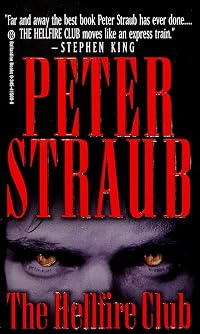
The Hellfire Club
by Peter Straub
On This Page
Description
Fiction. Literature. Suspense. Thriller. HTML:They are dying, one by one: wealthy middle-aged women in an exclusive Connecticut suburb. Their murderer remains at large. Nora Chancel, wife of publishing scion Davey Chancel, fears she may be next. After all, her past has branded her a victim. . . .Then Davey tells Nora a surreal story about the Hellfire Club, where, years before, he met an obsessed fan of Chancel House's most successful book, Night Journey—a book that has a strange history show more of its own. . . .
Suddenly terror engulfs Nora: She must defend herself against fantastic accusations even as a madman lies in wait. And when he springs, Nora will embark on a night journey that will put her fears to rest forever, dead or alive. . . . show less
Tags
Recommendations

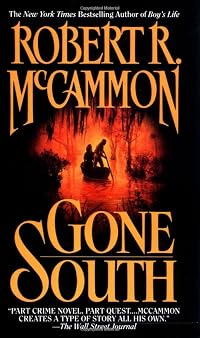
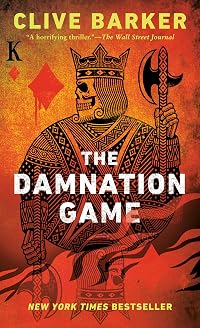
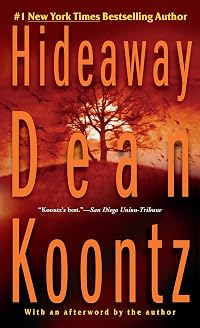
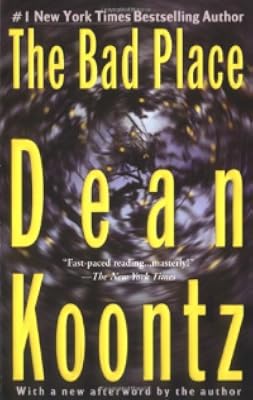

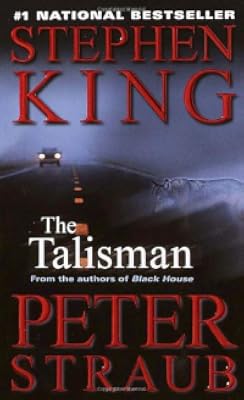

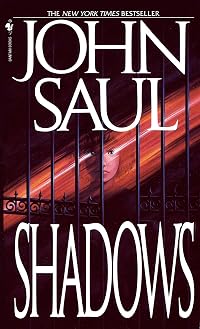
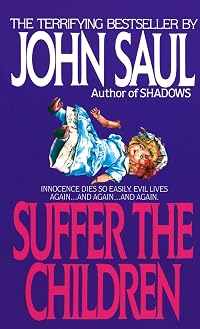
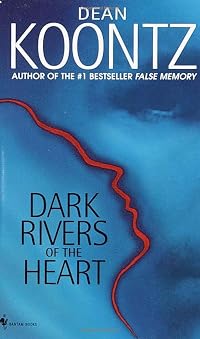

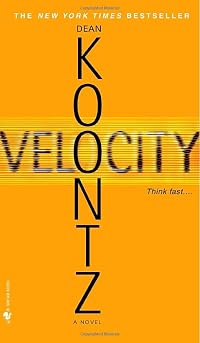
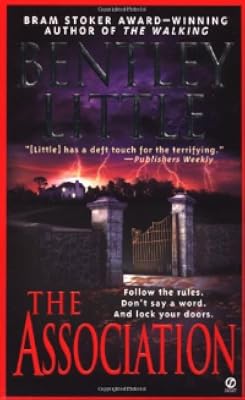

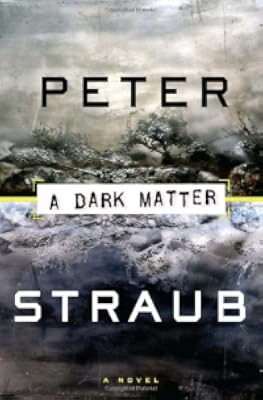

Member Recommendations
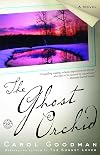
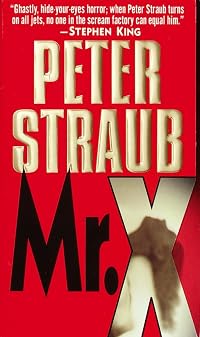
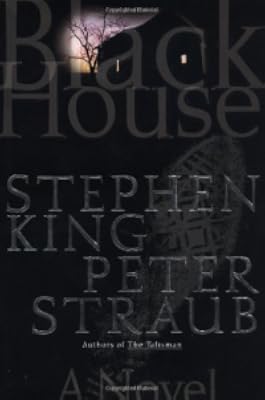
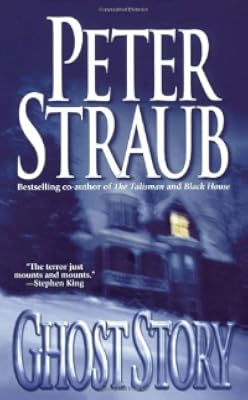
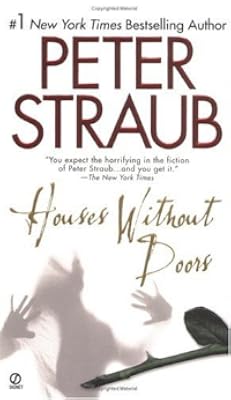
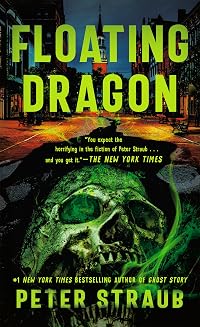
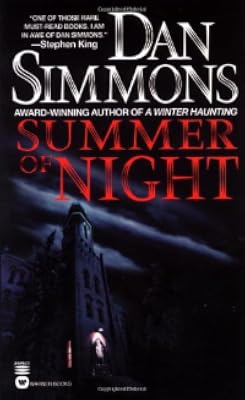
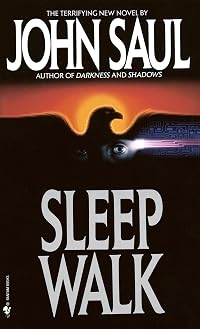
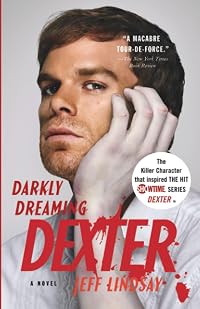
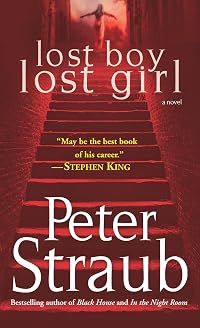
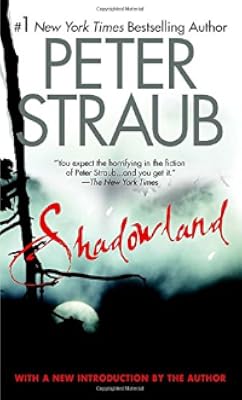
ehines Two mystery/fantasy books with a literary retreat playing a central role. Hellfire Club is the better of the two (and I can't help thinking HC partially inspired GO), but Ghost Orchid brings the focus more tightly onto the retreat, the literary personalities, and the patrons.
Member Reviews
Peter Straub's novel The Hellfire Club begins with a nightmare, and the opening chapters are filled with emerging conflicts and ominous portents. Then it abruptly turns a corner into headlong action, seasoned with garrulous psychopathy. There is one more major lift and drop to the roller coaster of the plot, but throughout it all the book combines features of the suspense thriller, literary fiction, and mystery genres. It's more than a whodunnit, since it's even a mystery as to what was done. Meanwhile, there's plenty of current "doing," with multiple murders, kidnapping, rape, arson, etc.
The protagonist Nora shares a name with the lead character of Ibsen's A Doll's House, and there is more than a little concern with gender roles in show more this book. Her husband Davey is a milktoast product of the decline of the Chancel line from his rapacious tycoon grandfather Lincoln through his domineering father Alden. As Nora enters a childless menopause, the domestic situation is fraught and freighted with secrets. The extra-familial monster who becomes her abuser and foe is redolent of an elaborately-repressed gender dysphoria.
When an intricate, twisted work of fiction like this one concerns itself with several novels in which different authors were deliberately communicating secrets, and when the chapter structure of The Hellfire Club itself mirrors one of these imagined texts, i.e. the "wildly successful" fantasy Night Journey by Hugo Driver, a reader can be forgiven for wondering whether The Hellfire Club itself contains a secret message of some kind. I'd like to reflect further on this possibility, but that means the remaining bulk of this review will need to fall under "spoiler" masking, so that I can freely discuss the details.
The first novel-within-the-novel to carry secrets is the work-in-progress manuscript by Nora's dipsomaniac mother-in-law Daisy Chancel. It is a roman à clef about the Chancel family, seeming to spare no sordid detail. Later, when it is revealed that Daisy was the true author of the two "posthumous Hugo Driver" novels, it becomes apparent that they were her vehicle to express the truth that she was forbidden to voice about Davey's parentage. In addition, Night Journey itself was the means for Hugo Driver to indicate the evidence of Lincoln Chancel's guilt in the death of the poet Katherine Mansfield, even while Chancel documented Driver's plagiarisms of Mansfield's work in Night Journey in order to keep Driver silent and cooperative.
In Daisy Chancel's books, the key to their message is built into the characters, and The Hellfire Club certainly has an abundance of interesting characters with intense, changing relationships among them. Although Daisy wrote her Night Journey sequels to put Davey in the role of the protagonist Pippin Little, The Hellfire Club shows that Nora, by dint of solving the puzzle in the original Night Journey, becomes the "real" Pippin Little. Other characters are correlated throughout: The Hellfire Club's Dick Dart to Night Journey's Lord Night, "Paddi Mann" to Paddy, Helen Day to the Cup Bearer, etc. But clearly Driver/Mansfield could not have been writing about some of these people some forty years earlier, and we lack in any case the full intricacies of Night Journey itself. Did Straub deploy these Hellfire Club characters in order to make statements about actual historical people? Nora must be a cipher for the "successful" reader, as Pippin Little was. But who are the Chancels? Dick Dart? Helen and the Deodatos? Perhaps these are not literary ciphers for actual people, but genuinely literary characters, as they appear to be.
Hugo Driver's code in Night Journey is not one of person, but place. He has incorporated the features of the Shorelands literary colony into Pippin Little's itinerary, which eventuates at the vault that is the office safe at Shorelands, containing Driver's signed testimony regarding the death of Katherine Mansfield. Nora's story starts in the imaginary town of Westerholm, Connecticut. While horror readers might at first fancy a new Arkham country here, it seems that the place is simply Westport, Connecticut, which has been Straub's home since 1979. Still, the reality of the place seems to be a first toehold to climb towards an actual secret.
Just as we first find Nora in Westerholm, her odyssey culminates at Shorelands, the primitive resort that had been a literary colony in the 1920s and 1930s. There is in fact a Shorelands resort with rustic cottages in New England. It is in southern Maine (indicated by a feint in the novel: Dick Dart plans to go to Maine, Nora persuades him to go to Shorelands "instead"). The closest town to the real Shorelands is Kennebunkport, the retreat of the accomplished and notorious Bush family. Could a Nazi-abetting Prescott Bush be Lincoln Chancel, and George H.W. Bush be Alden? The "Hellfire Club" so conspicuous in the title, but so puzzlingly marginal to the actual novel, would then be the Yale Skull and Bones Society, to which it clearly tips its hat in any case. The Hellfire Club was first published in 1995, shortly after the first Bush Presidency. Is Chancel House the White House? Er, I don't know that I even want to know, if so. It would probably make the Dart, Morris law firm into the CIA.
So, I can't imagine that Straub's genuine code, if there is one, would be susceptible of cracking on a single read anyhow. I'm not about to go in for an immediate re-read to emulate the "Driver fanatics" in the book. But I trust that if and when I get around to a second reading of this book, which has certainly earned one, my notes in this review will serve as breadcrumbs in the selva oscura, allowing my decryption to be picked up where I left it. show less
The protagonist Nora shares a name with the lead character of Ibsen's A Doll's House, and there is more than a little concern with gender roles in show more this book. Her husband Davey is a milktoast product of the decline of the Chancel line from his rapacious tycoon grandfather Lincoln through his domineering father Alden. As Nora enters a childless menopause, the domestic situation is fraught and freighted with secrets. The extra-familial monster who becomes her abuser and foe is redolent of an elaborately-repressed gender dysphoria.
When an intricate, twisted work of fiction like this one concerns itself with several novels in which different authors were deliberately communicating secrets, and when the chapter structure of The Hellfire Club itself mirrors one of these imagined texts, i.e. the "wildly successful" fantasy Night Journey by Hugo Driver, a reader can be forgiven for wondering whether The Hellfire Club itself contains a secret message of some kind. I'd like to reflect further on this possibility, but that means the remaining bulk of this review will need to fall under "spoiler" masking, so that I can freely discuss the details.
In Daisy Chancel's books, the key to their message is built into the characters, and The Hellfire Club certainly has an abundance of interesting characters with intense, changing relationships among them. Although Daisy wrote her Night Journey sequels to put Davey in the role of the protagonist Pippin Little, The Hellfire Club shows that Nora, by dint of solving the puzzle in the original Night Journey, becomes the "real" Pippin Little. Other characters are correlated throughout: The Hellfire Club's Dick Dart to Night Journey's Lord Night, "Paddi Mann" to Paddy, Helen Day to the Cup Bearer, etc. But clearly Driver/Mansfield could not have been writing about some of these people some forty years earlier, and we lack in any case the full intricacies of Night Journey itself. Did Straub deploy these Hellfire Club characters in order to make statements about actual historical people? Nora must be a cipher for the "successful" reader, as Pippin Little was. But who are the Chancels? Dick Dart? Helen and the Deodatos? Perhaps these are not literary ciphers for actual people, but genuinely literary characters, as they appear to be.
Hugo Driver's code in Night Journey is not one of person, but place. He has incorporated the features of the Shorelands literary colony into Pippin Little's itinerary, which eventuates at the vault that is the office safe at Shorelands, containing Driver's signed testimony regarding the death of Katherine Mansfield. Nora's story starts in the imaginary town of Westerholm, Connecticut. While horror readers might at first fancy a new Arkham country here, it seems that the place is simply Westport, Connecticut, which has been Straub's home since 1979. Still, the reality of the place seems to be a first toehold to climb towards an actual secret.
Just as we first find Nora in Westerholm, her odyssey culminates at Shorelands, the primitive resort that had been a literary colony in the 1920s and 1930s. There is in fact a Shorelands resort with rustic cottages in New England. It is in southern Maine (indicated by a feint in the novel: Dick Dart plans to go to Maine, Nora persuades him to go to Shorelands "instead"). The closest town to the real Shorelands is Kennebunkport, the retreat of the accomplished and notorious Bush family. Could a Nazi-abetting Prescott Bush be Lincoln Chancel, and George H.W. Bush be Alden? The "Hellfire Club" so conspicuous in the title, but so puzzlingly marginal to the actual novel, would then be the Yale Skull and Bones Society, to which it clearly tips its hat in any case. The Hellfire Club was first published in 1995, shortly after the first Bush Presidency. Is Chancel House the White House? Er, I don't know that I even want to know, if so. It would probably make the Dart, Morris law firm into the CIA.
So, I can't imagine that Straub's genuine code, if there is one, would be susceptible of cracking on a single read anyhow. I'm not about to go in for an immediate re-read to emulate the "Driver fanatics" in the book. But I trust that if and when I get around to a second reading of this book, which has certainly earned one, my notes in this review will serve as breadcrumbs in the selva oscura, allowing my decryption to be picked up where I left it. show less
A tricky, intricate thriller as a murderer plagues a wealthy community while the wife of the son of the owner of a prominent publisher finds herself caught up in the secrets behind their world-famous children's fantasy novel. Poor Nora Chancel is beset on all sides by bullies and bewildering, life-wrecking occurrences, but things get worse. There's a lot of misogyny and nastiness in this book, but it's all compelling and Nora is such an endearing character and the villains are so monstrous and the story twisted and layered and incredibly sly.
There is a lot to like about the way Straub approaches his material. He seems to want to give us the inside of the story as well as the outside. There is a lot of depth to his characters and how they relate to each other that is missing in many other thrillers. This is especially evident between Davey and Nora. Whenever they’re together they do or say something unexpected. The sense that there is no substance to their marriage is clear and their unspoken challenge to the other is who will leave first. Their fight scenes are unlike any others I’ve experienced either in fiction or in real fights.
The overarching theme is Nora’s rescue. Not only from Dick Dart, but from her own psyche and situation. Clearly she’s traumatized from show more her experiences as a nurse in Vietnam and the torrid affair she had with a doctor in the unit. Mostly she keeps her demons under wraps, but she lost control once and with the best of intentions kidnapped a child under her care. The child was being systematically abused by its father right under the noses of the hospital staff. Of course she was the only one to see it and just had to do something about it. Luckily for her, upon the child’s return, the mother admitted to the father’s abuse and Nora stayed out of trouble. She says she wasn’t her true self during this episode; she has bouts of detaching and looking in on herself and her actions, but its implied that this rescuer Nora is the true Nora and her normal, passive persona the false face.
This being said, I wish she were more cognizant of her awakening. While she’s in Dart’s control she seems to be almost catatonic at the times when she’s putting up with his actions and what she’s being forced to do. At other times she’s fully engaged within herself and her situation and schemes to get away from him. It’s shown without any hint that Nora is aware of the changes in her state. The only time she seems to be is when she’s waking from her nightly bête noir. Then she evaluates her changeability in an almost clinical way, but never seems to take the reins and do something about it.
Dart was a good villain; wickedly intelligent, charming and brutal; totally without conscience. A terrific portrayal of a sociopath who didn’t have to go into stagey monologues with Nora or have long inner monologues of explanation to get the point across. Straub gets show don’t tell so perfectly that it should be mandatory that any thriller writer take a course from him before writing anything (Jeff Lindsay, I’m looking at you).
But Dart wasn’t the real villain of the piece; the Chancel patriarchs were. Alden and Lincoln – Davey’s father and grandfather are both seriously evil men. The vehicle that propels the story along is one of the Chancel’s publishing house and their only successful author, the late Hugo Driver, writer of a fantasy novel so epic that there are fans that literally live and breathe it and the characters. There is suspicion, however, that Driver isn’t the writer or at the very least isn’t the originator of the ideas. Those he stole from someone at a writer’s retreat called Shorelands. The lengths to which both Lincoln and Alden have gone to protect Driver's reputation are extreme. The intimate world of the closed writer’s circle was aptly portrayed and believable. So was the cult of Driver's book; a fiction within a fiction that had life and fire all its own.
Writing wise, Straub’s style can take some getting used to. He loves long sentences with a lot of substance. He loves taking the circuitous route. Implications and allusions that the reader must join up. Once the reader falls into the groove with him though, the style shows up just how bland and samey a lot of thriller writers are. Straub’s use of language is special and distinctive. He has a voice. The supporting characters were well done and while there were a lot of them, the story never got disjointed or convoluted. There weren’t any useless characters or story fragments left to wither and die. Straub is an adept at weaving a tight story that never feels choked or restricted by its focus. There are many layers and facets to the story, but they’re all interconnected; they all support each other and have meaning. Nothing is trivial. The pacing is pitch perfect and I savored this book as I read it, knowing my occasional thirst would be more than quenched in the end. show less
The overarching theme is Nora’s rescue. Not only from Dick Dart, but from her own psyche and situation. Clearly she’s traumatized from show more her experiences as a nurse in Vietnam and the torrid affair she had with a doctor in the unit. Mostly she keeps her demons under wraps, but she lost control once and with the best of intentions kidnapped a child under her care. The child was being systematically abused by its father right under the noses of the hospital staff. Of course she was the only one to see it and just had to do something about it. Luckily for her, upon the child’s return, the mother admitted to the father’s abuse and Nora stayed out of trouble. She says she wasn’t her true self during this episode; she has bouts of detaching and looking in on herself and her actions, but its implied that this rescuer Nora is the true Nora and her normal, passive persona the false face.
This being said, I wish she were more cognizant of her awakening. While she’s in Dart’s control she seems to be almost catatonic at the times when she’s putting up with his actions and what she’s being forced to do. At other times she’s fully engaged within herself and her situation and schemes to get away from him. It’s shown without any hint that Nora is aware of the changes in her state. The only time she seems to be is when she’s waking from her nightly bête noir. Then she evaluates her changeability in an almost clinical way, but never seems to take the reins and do something about it.
Dart was a good villain; wickedly intelligent, charming and brutal; totally without conscience. A terrific portrayal of a sociopath who didn’t have to go into stagey monologues with Nora or have long inner monologues of explanation to get the point across. Straub gets show don’t tell so perfectly that it should be mandatory that any thriller writer take a course from him before writing anything (Jeff Lindsay, I’m looking at you).
But Dart wasn’t the real villain of the piece; the Chancel patriarchs were. Alden and Lincoln – Davey’s father and grandfather are both seriously evil men. The vehicle that propels the story along is one of the Chancel’s publishing house and their only successful author, the late Hugo Driver, writer of a fantasy novel so epic that there are fans that literally live and breathe it and the characters. There is suspicion, however, that Driver isn’t the writer or at the very least isn’t the originator of the ideas. Those he stole from someone at a writer’s retreat called Shorelands. The lengths to which both Lincoln and Alden have gone to protect Driver's reputation are extreme. The intimate world of the closed writer’s circle was aptly portrayed and believable. So was the cult of Driver's book; a fiction within a fiction that had life and fire all its own.
Writing wise, Straub’s style can take some getting used to. He loves long sentences with a lot of substance. He loves taking the circuitous route. Implications and allusions that the reader must join up. Once the reader falls into the groove with him though, the style shows up just how bland and samey a lot of thriller writers are. Straub’s use of language is special and distinctive. He has a voice. The supporting characters were well done and while there were a lot of them, the story never got disjointed or convoluted. There weren’t any useless characters or story fragments left to wither and die. Straub is an adept at weaving a tight story that never feels choked or restricted by its focus. There are many layers and facets to the story, but they’re all interconnected; they all support each other and have meaning. Nothing is trivial. The pacing is pitch perfect and I savored this book as I read it, knowing my occasional thirst would be more than quenched in the end. show less
The Basics
Nora lives in an upscale suburb where it just so happens a serial killer is on the loose. The latest disappearance of a woman who leaves a blood-drenched bedroom behind has Nora more embroiled in these killings than she ever wanted to be. And it makes her a new target.
My Thoughts
That’s a really bad attempt at “The Basics" up there. Because all that was definitely true. The book is about a woman named Nora who comes face-to-face with a serial killer who makes her life hell. It’s also a book about a book, a fantasy classic Straub invented purely for this tale called Night Journey. In the midst of everything that’s happening to her, Nora takes it upon herself to solve the mysteries behind Night Journey, which proves to be show more a really satisfying arc. It’s also about Nora and Davey’s failing marriage, the fault of which lies mostly upon Davey’s father. Are you seeing how long “The Basics" could’ve gotten?
Normally this would be the part where I say the book was too busy and didn’t focus enough. This all sounds like a lot for a novel to carry, and it is, but it does all of it so incredibly well. It’s dense and packed with so much information and character development and twists and turns to the point of being epic, but it never felt like the novel was losing itself. It’s a long story well worth investing time in.
It has a strong lead in Nora, who carries this story while surrounded and hounded by a plethora of men who don’t understand her and yet imagine they have her figured out. I love reading a male writer who can find it within himself to connect with a female the way Straub did with Nora. He was with her every step of the way, therefore the reader is, as well.
This was my second attempt at Straub, and I’m glad I didn’t write him off. The first book I’d tried to read by him left me feeling confused and unsatisfied, to the point that I didn’t finish it. I wonder now if I was too young and easily distracted to appreciate what Straub does. He creates an atmosphere, and he doesn’t worry about whether what you’re seeing entirely makes sense. He concerns himself with what he’s making you feel. In the case of The Hellfire Club, it’s dread. Dread permeates this book, rises from it like a vapor, so that you can’t ignore it. It gets in the back of your mind and stays there. I feel like I had a full experience here because I decided to trust him even when things got surreal, and after worrying I was going to have to wash my hands of Straub, I’m ready to tackle another.
Final Rating
5/5 show less
Nora lives in an upscale suburb where it just so happens a serial killer is on the loose. The latest disappearance of a woman who leaves a blood-drenched bedroom behind has Nora more embroiled in these killings than she ever wanted to be. And it makes her a new target.
My Thoughts
That’s a really bad attempt at “The Basics" up there. Because all that was definitely true. The book is about a woman named Nora who comes face-to-face with a serial killer who makes her life hell. It’s also a book about a book, a fantasy classic Straub invented purely for this tale called Night Journey. In the midst of everything that’s happening to her, Nora takes it upon herself to solve the mysteries behind Night Journey, which proves to be show more a really satisfying arc. It’s also about Nora and Davey’s failing marriage, the fault of which lies mostly upon Davey’s father. Are you seeing how long “The Basics" could’ve gotten?
Normally this would be the part where I say the book was too busy and didn’t focus enough. This all sounds like a lot for a novel to carry, and it is, but it does all of it so incredibly well. It’s dense and packed with so much information and character development and twists and turns to the point of being epic, but it never felt like the novel was losing itself. It’s a long story well worth investing time in.
It has a strong lead in Nora, who carries this story while surrounded and hounded by a plethora of men who don’t understand her and yet imagine they have her figured out. I love reading a male writer who can find it within himself to connect with a female the way Straub did with Nora. He was with her every step of the way, therefore the reader is, as well.
This was my second attempt at Straub, and I’m glad I didn’t write him off. The first book I’d tried to read by him left me feeling confused and unsatisfied, to the point that I didn’t finish it. I wonder now if I was too young and easily distracted to appreciate what Straub does. He creates an atmosphere, and he doesn’t worry about whether what you’re seeing entirely makes sense. He concerns himself with what he’s making you feel. In the case of The Hellfire Club, it’s dread. Dread permeates this book, rises from it like a vapor, so that you can’t ignore it. It gets in the back of your mind and stays there. I feel like I had a full experience here because I decided to trust him even when things got surreal, and after worrying I was going to have to wash my hands of Straub, I’m ready to tackle another.
Final Rating
5/5 show less
Fitfully entertaining but deeply flawed, The Hellfire Club is not one of Peter Straub's finest moments. This novel takes the better part of two hundred pages to get going (which is way too long for the layperson and possibly for the casual fan, as well), and even then it seems determined to stress the wrong story elements. Unusually for Straub, the historical mystery is de-emphasized to focus on protracted verbal interactions between characters who are not particularly fascinating (and that includes the villain, Dick Dart). All told, it's a singularly unmysterious book; the reader must instead make do with various long-winded conversations and arguments in kitchens, bedrooms, motel rooms, police stations and cars, occasionally show more punctuated by violence. In that regard, it's a lot like Stephen King's The Shining: the raw material for a better book is here, but the author has largely neglected it to write about the mundane stuff.
Part of the problem is that Nora is a sympathetic character only because the men around her are so absurdly, comically vile. The reader must root for her not because she's likable or interesting, but because nearly every man in the book is unrealistically awful. Nora's husband Davey, her ex-lover Dan, cartoonishly sneering FBI agents and random male passersby...it's one strawman takedown after another, and this routine becomes extremely tiresome. (Dick and Nora's dramatic escape from the pokey isn't especially believable, either.) Yes, it's Peter Straub in knee-jerk feminist mode, and his skill as a writer was the only thing that saved this novel from total disaster. As I've said, it's actually entertaining in spots. (Note, for example, Straub's compelling description of Georgina Weatherall, the iron-willed harridan who had owned Shorelands: "If she noticed a flaw, she submerged it beneath rouge and kohl, just as she had buried the stains on her walls and the rents in her lace beneath layers of fabric...The maid had loved Georgina, who had so demanded love that she had seen it in people who mocked her. This monolithic ruthlessness was what was meant by a romantic conception of oneself.") Unfortunately, that's not enough.
A few years later, Straub returned (with much more successful results) to the theme of cult fiction and its basis in/effect on real life in Mr. X, his final masterpiece. That's the book you should be reading. (The most interesting thing about The Hellfire Club is that it constitutes a fairly direct admission on Straub's part that he himself had written novels like Night Journey: i.e., allegedly fictitious works that were modeled on actual people and events. He continued to explore this approach in Mr. X by naming his title character after pseudonymous science fiction author "Cordwainer Smith"...in real life, CIA operative Paul Linebarger.) show less
Part of the problem is that Nora is a sympathetic character only because the men around her are so absurdly, comically vile. The reader must root for her not because she's likable or interesting, but because nearly every man in the book is unrealistically awful. Nora's husband Davey, her ex-lover Dan, cartoonishly sneering FBI agents and random male passersby...it's one strawman takedown after another, and this routine becomes extremely tiresome. (Dick and Nora's dramatic escape from the pokey isn't especially believable, either.) Yes, it's Peter Straub in knee-jerk feminist mode, and his skill as a writer was the only thing that saved this novel from total disaster. As I've said, it's actually entertaining in spots. (Note, for example, Straub's compelling description of Georgina Weatherall, the iron-willed harridan who had owned Shorelands: "If she noticed a flaw, she submerged it beneath rouge and kohl, just as she had buried the stains on her walls and the rents in her lace beneath layers of fabric...The maid had loved Georgina, who had so demanded love that she had seen it in people who mocked her. This monolithic ruthlessness was what was meant by a romantic conception of oneself.") Unfortunately, that's not enough.
A few years later, Straub returned (with much more successful results) to the theme of cult fiction and its basis in/effect on real life in Mr. X, his final masterpiece. That's the book you should be reading. (The most interesting thing about The Hellfire Club is that it constitutes a fairly direct admission on Straub's part that he himself had written novels like Night Journey: i.e., allegedly fictitious works that were modeled on actual people and events. He continued to explore this approach in Mr. X by naming his title character after pseudonymous science fiction author "Cordwainer Smith"...in real life, CIA operative Paul Linebarger.) show less
The Hellfire Club by Peter Straub is CLASSIC publishing house misdirection. On the back of the book the reviews, "Goriest, sickest, most twisted and horrific" are there to stare the reader in the face. There is literally none of the above in this book. It is well written, but in the end it is nothing more than a story about rich literary snobs with lots of skeletons in their closet and there just happens to be a serial killer on the loose who is in love with himself and likes to shake his weenkie in people's face. If you are on a flight, a beach or a lobby somewhere then you might kill a few hours. This book is nothing like the press says....NOTHING. It could be a companion to Kostova's The Swan Thieves. It is boring, and contrived.
Complaint: title. There was virtually nothing about said club in the book--it's a very minor part of the story. And that was sad to me, cause I love stories about those kinds of clubs. Instead, it was a story about a book. A surreal story about a book. A book that has a huge cult following, but that also seems to mirror the lives of certain people involved with it, namely Davey Chancel, grandson of the publisher of the book, and his wife Nora. Through a series of bizarre events, including the grisly murder of women in town to a kidnapping by a serial killer, Nora is able to piece together the events that led to the writing of the book and what the book actually means. Dirk Dart, the serial killer, and Jeffrey, Davey's parents' show more chauffeur, seem parodies of the character type, which I'm assuming Straub intended. It was good, but not what I expected. show less
Members
- Recently Added By
Lists

Jones & Newman: Best Horror Books Further Recommended Reading
577 works; 4 members

Books Read in 2023
5,547 works; 145 members

Books We Couldn't Put Down
443 works; 197 members
Author Information

78+ Works 41,918 Members
Author Peter Straub was born in Milwaukee, Wisconsin in 1943. He earned degrees in English from the University of Wisconsin and Columbia University. He taught English at his former high school for three years and worked for a time on his doctorate in Ireland. He began writing in 1969 and published two books of poetry in 1972. His novel Julia show more (1975) was an attempt to find a successful genre in which to work, after his first novel, Marriages (1973), did not sell well. He found that he had a talent for writing horror thrillers in the Gothic tradition. His stories are complex and well paced, with authentic settings that add to the believability of the plot. He is particularly good at creating grotesque characters and gruesome situations; the eeriness of his work is captivating. He has won numerous awards including the British Fantasy Award, the Bram Stoker Award, and the World Fantasy Award. (Bowker Author Biography) show less
Awards and Honors
Common Knowledge
- Original publication date
- 1996
- People/Characters
- Nora Chancel; Davey Chancel; Alden Chancel; Daisy Chancel; Dick Dart; Paddi Mann (show all 10); Hugo Driver; Dan Harwich; Detective Holly Fenn; Jeffery Deodato
- Important places
- Westerholm, Connecticut; Shorelands
Classifications
Statistics
- Members
- 1,157
- Popularity
- 21,690
- Reviews
- 15
- Rating
- (3.43)
- Languages
- 6 — Dutch, English, French, German, Norwegian (Bokmål), Spanish
- Media
- Paper, Audiobook, Ebook
- ISBNs
- 35
- ASINs
- 8