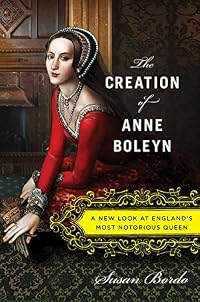
The Creation of Anne Boleyn: A New Look at England’s Most Notorious Queen
by Susan Bordo 
On This Page
Description
Reconstructs the life of the second wife of Henry VIII, drawing on scholarly studies and critical analysis to define an English queen who has been alternately viewed as a whore, martyr, feminist icon, and cautionary tale.Tags
Recommendations

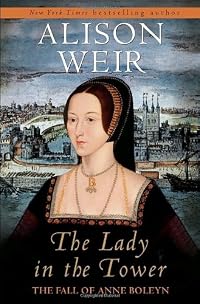
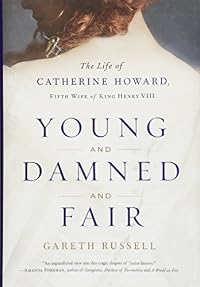

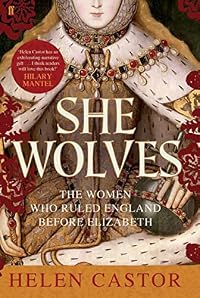
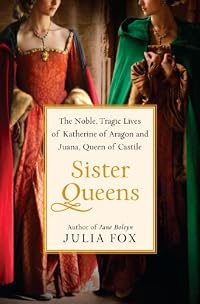


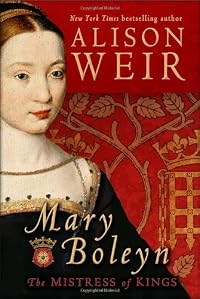
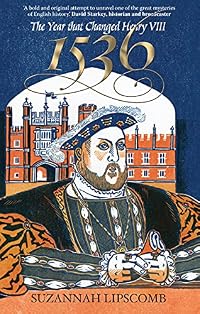
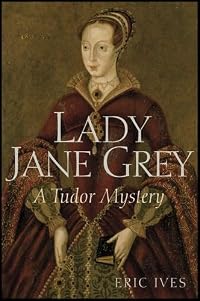
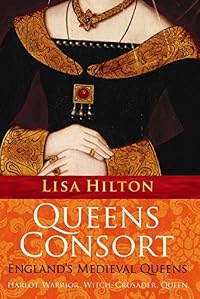
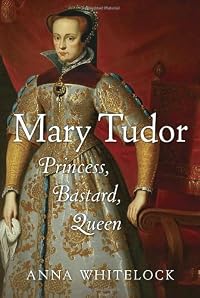
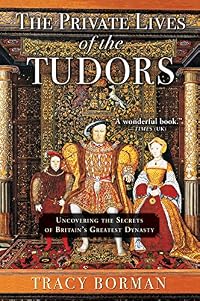
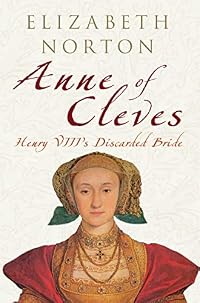
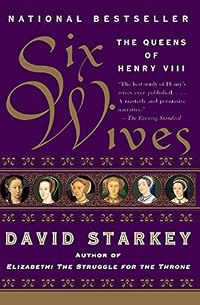

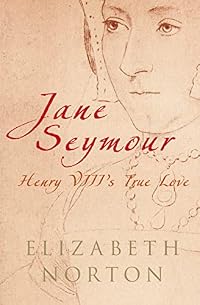
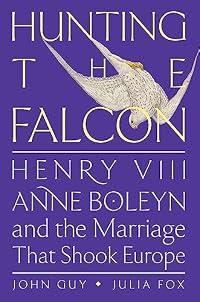
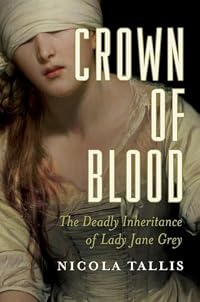
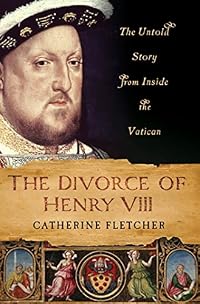

Member Recommendations

nessreader about how spin plays into posthumous reputation and how each generation rewrites history in line with their own preconceptions.
nessreader 2nd recommend for Bordo : Painting History, about Lady Jane Grey. Still tudor, and also a reputation that's fluctuated according to the changing needs of generations, Bann is art history, lavishly illustrated, and sympathetic to the girl lost under the persona.
Member Reviews
I read just about every Anne Boleyn book I can get my hands on, but I admit it gets pretty repetitive -- all these examinations of one woman's life. But this isn't "just another Anne Boleyn biography." In addition to the "biography" part (which provides some insights and perspectives I hadn't seen before), the author studies the various ways Anne Boleyn has been portrayed in popular culture, from the earliest novels about her to the modern soap opera The Tudors. (I confessed I never got past Episode 1, which depicted like five sex acts in the first fifteen minutes. Maybe I'll give it another go.)
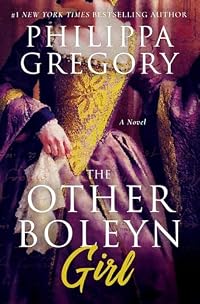
Also notable is Bordo's undisguised, unapologetic hostility towards certain people, both historians like David Starkey and fiction writers like show more Philippa Gregory, who she thinks over-dramatize Anne's life and make all kinds of assumptions and get it all wrong. I confess I really enjoyed The Other Boleyn Girl, but I read it when I knew a great deal about Anne's life, and I knew the book wasn't historically accurate and didn't expect it to be.
This book is an important lesson to students of history: both about how little we really know about characters of the past, and about how much "history" is a reflection of our times rather than it is of whatever happened back then. show less
Also notable is Bordo's undisguised, unapologetic hostility towards certain people, both historians like David Starkey and fiction writers like show more Philippa Gregory, who she thinks over-dramatize Anne's life and make all kinds of assumptions and get it all wrong. I confess I really enjoyed The Other Boleyn Girl, but I read it when I knew a great deal about Anne's life, and I knew the book wasn't historically accurate and didn't expect it to be.
This book is an important lesson to students of history: both about how little we really know about characters of the past, and about how much "history" is a reflection of our times rather than it is of whatever happened back then. show less
Whether you believe Anne Boleyn was the tragic pawn of powerful and ruthless men or a manipulative whore that stole a crown and spent her days scheming to murder her enemies, or something in between, you have to admit that Anne Boleyn was fascinating. Susan Bordo's "The Creation of Anne Boleyn" discusses how Anne has been portrayed in both fiction and non-fiction, TV, movies, and documentaries and how that has changed over time. I thoroughly enjoyed the way the author explored and compared the many versions of Anne's life and character throughout history and how each portrayal of Anne was adapted to fit in with the era in which it was written. It's easy to see how the "true" Anne Boleyn could be lost somewhere in history. It makes me show more hate Henry all the more for all that he did to remove any mention of her so that now, we're left with mostly conjecture about who she really was. Of course, that may be the very thing that causes me to be so drawn to her above many other dynamic women in history. I admit, I haven't watched many of the movies and documentaries mentioned but there are several that I am eager to see after reading this book.
Bordo is very opinionated about the way she believes many popular authors have unfairly characterized Anne. From the beginning, this approach was very off-putting for me since my introduction to Anne Boleyn was from authors such as Alison Weir, Norah Lofts, and Jean Plaidy and I was almost offended at, what I felt, was Bordo practically accusing them of fabricating history (as far as Weir and Lofts, not much is said about Plaidy). As you see by my 4 star rating, I ended up finding this to be an excellent read, and I may have even rated it a 5 had she not been so harsh on Alison Weir. I am much more inclined to see Anne Boleyn much the way Bordo does, as an intelligent, charismatic, and complex woman as opposed to the sly temptress that she is so widely believed to be. However, I think that, with the lack of information available about Anne Boleyn and since the information that is available cannot necessarily be taken at face value, Alison Weir's interpretation of historical events and Anne's character is just as likely as Bordo's interpretation.
I found "The Creation of Anne Boleyn" to be thought-provoking and it definitely motivated me to revisit some of my favorite Tudor reads and led me to discover some books and movies I wasn't familiar with. I appreciated that there were many points of view discussed and compared even though there was a clear bias. I would absolutely recommend this book to anyone who is curious about Anne Boleyn because it does present so many differing points of view as well as the author's own opinion about Anne's character and why she has been portrayed so many ways. show less
Bordo is very opinionated about the way she believes many popular authors have unfairly characterized Anne. From the beginning, this approach was very off-putting for me since my introduction to Anne Boleyn was from authors such as Alison Weir, Norah Lofts, and Jean Plaidy and I was almost offended at, what I felt, was Bordo practically accusing them of fabricating history (as far as Weir and Lofts, not much is said about Plaidy). As you see by my 4 star rating, I ended up finding this to be an excellent read, and I may have even rated it a 5 had she not been so harsh on Alison Weir. I am much more inclined to see Anne Boleyn much the way Bordo does, as an intelligent, charismatic, and complex woman as opposed to the sly temptress that she is so widely believed to be. However, I think that, with the lack of information available about Anne Boleyn and since the information that is available cannot necessarily be taken at face value, Alison Weir's interpretation of historical events and Anne's character is just as likely as Bordo's interpretation.
I found "The Creation of Anne Boleyn" to be thought-provoking and it definitely motivated me to revisit some of my favorite Tudor reads and led me to discover some books and movies I wasn't familiar with. I appreciated that there were many points of view discussed and compared even though there was a clear bias. I would absolutely recommend this book to anyone who is curious about Anne Boleyn because it does present so many differing points of view as well as the author's own opinion about Anne's character and why she has been portrayed so many ways. show less
Whether you believe Anne Boleyn was the tragic pawn of powerful and ruthless men or a manipulative whore that stole a crown and spent her days scheming to murder her enemies, or something in between, you have to admit that Anne Boleyn was fascinating. Susan Bordo's "The Creation of Anne Boleyn" discusses how Anne has been portrayed in both fiction and non-fiction, TV, movies, and documentaries and how that has changed over time. I thoroughly enjoyed the way the author explored and compared the many versions of Anne's life and character throughout history and how each portrayal of Anne was adapted to fit in with the era in which it was written. It's easy to see how the "true" Anne Boleyn could be lost somewhere in history. It makes me show more hate Henry all the more for all that he did to remove any mention of her so that now, we're left with mostly conjecture about who she really was. Of course, that may be the very thing that causes me to be so drawn to her above many other dynamic women in history. I admit, I haven't watched many of the movies and documentaries mentioned but there are several that I am eager to see after reading this book.
Bordo is very opinionated about the way she believes many popular authors have unfairly characterized Anne. From the beginning, this approach was very off-putting for me since my introduction to Anne Boleyn was from authors such as Alison Weir, Norah Lofts, and Jean Plaidy and I was almost offended at, what I felt, was Bordo practically accusing them of fabricating history (as far as Weir and Lofts, not much is said about Plaidy). As you see by my 4 star rating, I ended up finding this to be an excellent read, and I may have even rated it a 5 had she not been so harsh on Alison Weir. I am much more inclined to see Anne Boleyn much the way Bordo does, as an intelligent, charismatic, and complex woman as opposed to the sly temptress that she is so widely believed to be. However, I think that, with the lack of information available about Anne Boleyn and since the information that is available cannot necessarily be taken at face value, Alison Weir's interpretation of historical events and Anne's character is just as likely as Bordo's interpretation.
I found "The Creation of Anne Boleyn" to be thought-provoking and it definitely motivated me to revisit some of my favorite Tudor reads and led me to discover some books and movies I wasn't familiar with. I appreciated that there were many points of view discussed and compared even though there was a clear bias. I would absolutely recommend this book to anyone who is curious about Anne Boleyn because it does present so many differing points of view as well as the author's own opinion about Anne's character and why she has been portrayed so many ways. show less
Bordo is very opinionated about the way she believes many popular authors have unfairly characterized Anne. From the beginning, this approach was very off-putting for me since my introduction to Anne Boleyn was from authors such as Alison Weir, Norah Lofts, and Jean Plaidy and I was almost offended at, what I felt, was Bordo practically accusing them of fabricating history (as far as Weir and Lofts, not much is said about Plaidy). As you see by my 4 star rating, I ended up finding this to be an excellent read, and I may have even rated it a 5 had she not been so harsh on Alison Weir. I am much more inclined to see Anne Boleyn much the way Bordo does, as an intelligent, charismatic, and complex woman as opposed to the sly temptress that she is so widely believed to be. However, I think that, with the lack of information available about Anne Boleyn and since the information that is available cannot necessarily be taken at face value, Alison Weir's interpretation of historical events and Anne's character is just as likely as Bordo's interpretation.
I found "The Creation of Anne Boleyn" to be thought-provoking and it definitely motivated me to revisit some of my favorite Tudor reads and led me to discover some books and movies I wasn't familiar with. I appreciated that there were many points of view discussed and compared even though there was a clear bias. I would absolutely recommend this book to anyone who is curious about Anne Boleyn because it does present so many differing points of view as well as the author's own opinion about Anne's character and why she has been portrayed so many ways. show less
Whether you believe Anne Boleyn was the tragic pawn of powerful and ruthless men or a manipulative whore that stole a crown and spent her days scheming to murder her enemies, or something in between, you have to admit that Anne Boleyn was fascinating. Susan Bordo's "The Creation of Anne Boleyn" discusses how Anne has been portrayed in both fiction and non-fiction, TV, movies, and documentaries and how that has changed over time. I thoroughly enjoyed the way the author explored and compared the many versions of Anne's life and character throughout history and how each portrayal of Anne was adapted to fit in with the era in which it was written. It's easy to see how the "true" Anne Boleyn could be lost somewhere in history. It makes me show more hate Henry all the more for all that he did to remove any mention of her so that now, we're left with mostly conjecture about who she really was. Of course, that may be the very thing that causes me to be so drawn to her above many other dynamic women in history. I admit, I haven't watched many of the movies and documentaries mentioned but there are several that I am eager to see after reading this book.
Bordo is very opinionated about the way she believes many popular authors have unfairly characterized Anne. From the beginning, this approach was very off-putting for me since my introduction to Anne Boleyn was from authors such as Alison Weir, Norah Lofts, and Jean Plaidy and I was almost offended at, what I felt, was Bordo practically accusing them of fabricating history (as far as Weir and Lofts, not much is said about Plaidy). As you see by my 4 star rating, I ended up finding this to be an excellent read, and I may have even rated it a 5 had she not been so harsh on Alison Weir. I am much more inclined to see Anne Boleyn much the way Bordo does, as an intelligent, charismatic, and complex woman as opposed to the sly temptress that she is so widely believed to be. However, I think that, with the lack of information available about Anne Boleyn and since the information that is available cannot necessarily be taken at face value, Alison Weir's interpretation of historical events and Anne's character is just as likely as Bordo's interpretation.
I found "The Creation of Anne Boleyn" to be thought-provoking and it definitely motivated me to revisit some of my favorite Tudor reads and led me to discover some books and movies I wasn't familiar with. I appreciated that there were many points of view discussed and compared even though there was a clear bias. I would absolutely recommend this book to anyone who is curious about Anne Boleyn because it does present so many differing points of view as well as the author's own opinion about Anne's character and why she has been portrayed so many ways. show less
Bordo is very opinionated about the way she believes many popular authors have unfairly characterized Anne. From the beginning, this approach was very off-putting for me since my introduction to Anne Boleyn was from authors such as Alison Weir, Norah Lofts, and Jean Plaidy and I was almost offended at, what I felt, was Bordo practically accusing them of fabricating history (as far as Weir and Lofts, not much is said about Plaidy). As you see by my 4 star rating, I ended up finding this to be an excellent read, and I may have even rated it a 5 had she not been so harsh on Alison Weir. I am much more inclined to see Anne Boleyn much the way Bordo does, as an intelligent, charismatic, and complex woman as opposed to the sly temptress that she is so widely believed to be. However, I think that, with the lack of information available about Anne Boleyn and since the information that is available cannot necessarily be taken at face value, Alison Weir's interpretation of historical events and Anne's character is just as likely as Bordo's interpretation.
I found "The Creation of Anne Boleyn" to be thought-provoking and it definitely motivated me to revisit some of my favorite Tudor reads and led me to discover some books and movies I wasn't familiar with. I appreciated that there were many points of view discussed and compared even though there was a clear bias. I would absolutely recommend this book to anyone who is curious about Anne Boleyn because it does present so many differing points of view as well as the author's own opinion about Anne's character and why she has been portrayed so many ways. show less
Wow what a book. Like so many of the most interesting characters in history - all is not what it seems. Anne Boleyn is no exception. Susan Bordo portrays a very different Anne than that we see in tele-movies (The Tudors) and in popular fiction. She has meticulously researched her subject and discovered many inaccuracies in how Anne has been portrayed; no sixth finger, no goitre, and certainly not a shrew. Anne's character assassination is typical of that era when someone falls out of favour, history is re-written and the person painted as evil. This is a lovely mix of fiction, historical fact, and the authors insights. We worth a read.
It's an unusual history book that tries to point out how little is actually known about its subject. This was a good reminder that as much as we may think we "know" about Anne Boleyn, almost nothing comes from original sources and most comes from the writings of people who were highly partisan. Anne the historical person is unknowable from this point in history, but Anne the archetype changes with the times and is used in different ways. I did find the book a bit repetitive, and the author's opinion of who Anne was comes through too strongly in points given that she's already made the argument that there's not much we can know for sure, but I still found this a very interesting read.
After Anne Boleyn was executed in 1556, King Henry VIII tried to erase her from history by destroying her portraits, letters, and any other traces of her existance. Because of this, the real Anne Boleyn remains a mystery. Was she a wicked harlot or a Protestant martyr? A conniving husband-stealing shrew or feminist champion? In THE CREATION OF ANNE BOLEYN, author Susan Bordo sets out to “save” Anne the human being from the various myths created over the centuries.
The first half of the book was my favorite. It’s an in depth look at Anne’s relationship with Henry, and how certain people from her own time viewed her and her marriage with the king. It was interesting to hear the author’s opinions of Catherine of Aragon and Jane show more Seymour, and how they differed from Anne. Ms. Bordo also looks at the theories about Henry’s health that may have caused his fickle nature when it came to disposing of his wives.
I didn’t care for the second half of the book quite as much. It explored how different versions of Anne Boleyn have been created over the last 500 years to fit the standards of the time. The chapters dragged at times, and ideas were repeated. I did like that the author showed how Anne is portrayed in film and literature today, including her thoughts on The Tudors television show. One negative for me was her obvious dislike of Philippa Gregory’s The Other Boleyn Girl (both the book and movie). It’s fine if she doesn’t like Gregory’s portrayal of Anne, but hearing about it over and over got tiresome after a while. (I have not read or seen The Other Boleyn Girl, but now I want to!)
This book was narrated by Barbara Rosenblat, and she gave a brilliant performance. She added just the right amount of enthusiasm, humor, and sarcasm in her voice at the appropriate passages. I would give the narration alone 5 stars!
THE CREATION OF ANNE BOLEYN was expertly researched, and I enjoyed how it was so much more than a typical biography. The information presented was certainly thought-provoking, and I walked away from this book with a new view of England’s most notorious queen.
Note: A copy of this audiobook was provided by Audible.com in exchange for an honest review. show less
The first half of the book was my favorite. It’s an in depth look at Anne’s relationship with Henry, and how certain people from her own time viewed her and her marriage with the king. It was interesting to hear the author’s opinions of Catherine of Aragon and Jane show more Seymour, and how they differed from Anne. Ms. Bordo also looks at the theories about Henry’s health that may have caused his fickle nature when it came to disposing of his wives.
I didn’t care for the second half of the book quite as much. It explored how different versions of Anne Boleyn have been created over the last 500 years to fit the standards of the time. The chapters dragged at times, and ideas were repeated. I did like that the author showed how Anne is portrayed in film and literature today, including her thoughts on The Tudors television show. One negative for me was her obvious dislike of Philippa Gregory’s The Other Boleyn Girl (both the book and movie). It’s fine if she doesn’t like Gregory’s portrayal of Anne, but hearing about it over and over got tiresome after a while. (I have not read or seen The Other Boleyn Girl, but now I want to!)
This book was narrated by Barbara Rosenblat, and she gave a brilliant performance. She added just the right amount of enthusiasm, humor, and sarcasm in her voice at the appropriate passages. I would give the narration alone 5 stars!
THE CREATION OF ANNE BOLEYN was expertly researched, and I enjoyed how it was so much more than a typical biography. The information presented was certainly thought-provoking, and I walked away from this book with a new view of England’s most notorious queen.
Note: A copy of this audiobook was provided by Audible.com in exchange for an honest review. show less
Members
- Recently Added By
Author Information

13+ Works 1,566 Members
Susan Bordo is a media critic, cultural historian, and feminist scholar. Her books include Unbearable Weight and, most recently, The Creation of Anne Boleyn. She is Professor of Gender and Women's Studies at the University of Kentucky.
Susan Bordo is a LibraryThing Author, an author who lists their personal library on LibraryThing.
Common Knowledge
- Original publication date
- 2013
- People/Characters
- Anne Boleyn; Henry VIII, King of England; Genevieve Bujold; Natalie Dormer
- Important places
- England, UK
- Important events
- Tudor Era (1485 | 1603); Reign of Henry VIII (1509-04-21 | 1547-01-28)
- Dedication
- For Cassie Regina
- First words
- For Anne, the arrest was sudden and inexplicable. (Introduction)
For weeks Anne, like the goddess of the chase, had pursued her rival. - Last words
- (Click to show. Warning: May contain spoilers.)And then, ever the elusive flirt, she blows us a kiss.
- Publisher's editor
- Hodgman, George
Classifications
- Genres
- History, Nonfiction, General Nonfiction, Biography & Memoir
- DDC/MDS
- 942.05 — History & geography History of Europe England and Wales England 1485-1603, Tudors
- LCC
- DA333 .B6 .B67 — History of Europe, Asia, Africa and Oceania Great Britain History of Great Britain England History By period Modern, 1485- Tudors, 1485-1603
- BISAC
Statistics
- Members
- 406
- Popularity
- 76,096
- Reviews
- 14
- Rating
- (3.88)
- Languages
- English
- Media
- Paper, Audiobook, Ebook
- ISBNs
- 6
- ASINs
- 4