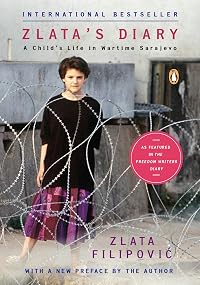
Zlata's Diary: A Child's Life in Sarajevo
by Zlata Filipović
On This Page
Description
The diary of a thirteen-year-old girl living in Sarajevo, begun just before her eleventh birthday when there was still peace in her homeland.Tags
Recommendations

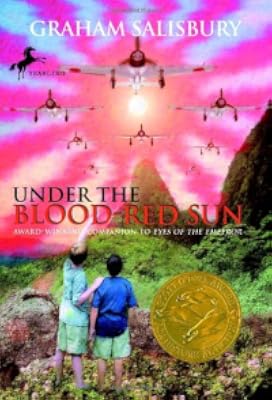
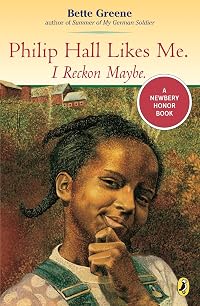
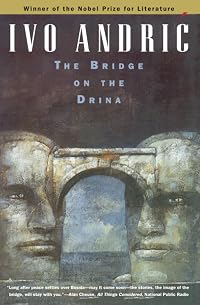
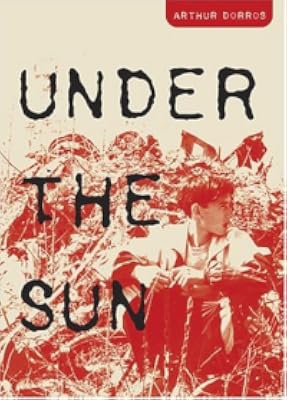
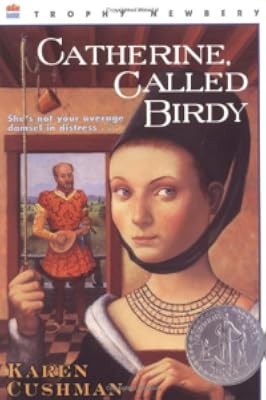
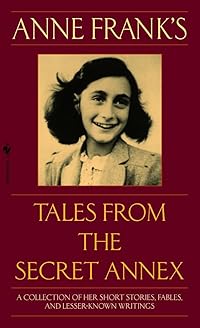
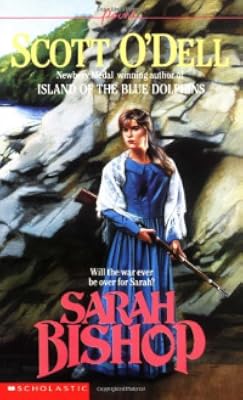
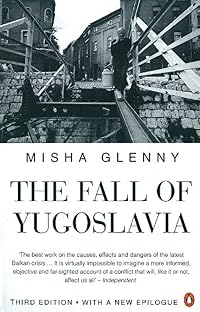






Member Recommendations
Member Reviews
Then a child living through a war, Zlata Filipovic has often been compared to Anne Frank. That's cliches and, at least for me, misleading as to what to expect from this book. After all, even though the Bosnian war quickly escalated into an ethnic conflict, she was not a recluse fearing arrest and deportation, nor was she faced with racist policies affecting her daily life.
Having said that, her experience remains of course an horrible one. You may or may not have in mind the atrocities perpetrated upon civilians back then and there (and I don't want to go into a political argument, here's not the place for that) having some of such atrocities being described first-hand by a young teenage girl makes for an haunting read.
Indeed, if it is show more sad enough to see a childhood wasted because of a stupid and barbaric conflict, worst is the way the war slowly creeps into her life until what this diary is, at its core, all about: the infamous siege of Sarajevo she had to endure with her family.
Really, there's no word.
The whole is a descent into hell where nothing is spared -the isolation, uncertainties, fear, deprivations and shortages, on top of the refugee crisis, constant shelling, hidden snippers and people dying all around her (including some of her schoolmates, as young as she was). Reading this while bearing in mind that, here's what a child had to go through is frightening. The fact she, in a way, got used to it is also seriously disturbing:
'Mimmy, I've noticed that I don't write to you any more about the war or the shooting. That's probably because I've become used to it. All I care about is that the shells don't fall within 50 metres of my house, that we've got wood, water and, of course, electricity.'
Such testimony obviously is hard but, beyond the siege of Sarajevo and the Bosnian war, here's after all a voice telling of how conflicts affect children on a very human and personal level. Don't we all tend to forget that too easily when facing wars on the news or else? Even if it can only serve as such a reminder, then 'Zlata's Diary' deserves to be read. show less
Having said that, her experience remains of course an horrible one. You may or may not have in mind the atrocities perpetrated upon civilians back then and there (and I don't want to go into a political argument, here's not the place for that) having some of such atrocities being described first-hand by a young teenage girl makes for an haunting read.
Indeed, if it is show more sad enough to see a childhood wasted because of a stupid and barbaric conflict, worst is the way the war slowly creeps into her life until what this diary is, at its core, all about: the infamous siege of Sarajevo she had to endure with her family.
Really, there's no word.
The whole is a descent into hell where nothing is spared -the isolation, uncertainties, fear, deprivations and shortages, on top of the refugee crisis, constant shelling, hidden snippers and people dying all around her (including some of her schoolmates, as young as she was). Reading this while bearing in mind that, here's what a child had to go through is frightening. The fact she, in a way, got used to it is also seriously disturbing:
'Mimmy, I've noticed that I don't write to you any more about the war or the shooting. That's probably because I've become used to it. All I care about is that the shells don't fall within 50 metres of my house, that we've got wood, water and, of course, electricity.'
Such testimony obviously is hard but, beyond the siege of Sarajevo and the Bosnian war, here's after all a voice telling of how conflicts affect children on a very human and personal level. Don't we all tend to forget that too easily when facing wars on the news or else? Even if it can only serve as such a reminder, then 'Zlata's Diary' deserves to be read. show less
http://nhw.livejournal.com/1095084.html
This is the diary of a bright eleven-year-old, Zlata Filipović, whose relatively normal life growing up in Sarajevo was suddenly and abruptly disrupted by the outbreak of war in April 1992; her daily life shifts suddenly from worrying about school and partying with friends and family, to hiding from snipers and artillery fire in her home and waiting to hear which of her friends has been killed. For those of us who deal with international affairs on a daily basis, it's a pretty good reminder that conflict is not really about the political leaders whose childishness Zlata excoriates; it is about ordinary people whose lives suddenly become hell because of evil decisions made by evil men.
Zlata comes show more across as a perceptive child, and it is interesting how her interpretation of the conflict shifts from essentially reflecting the Sarajevo consensus to more bitter and wiser invective against everyone responsible for the situation. But this is also a story whose telling in itself changes the teller: by the middle of the book, her diary-keeping has made her a celebrity; by the end (December 1993), she is being evacuated from Sarajevo with her family at the personal instructons of the French Minister of Defence.
But she doesn't let it go to her head. Comparisons with Anne Frank by external commentators are inevitable; Zlata just remarks that she hopes not to suffer the same fate. Even after the outside world "discovers" her, she still writes about family gossip as unselfconsciously as she did before the war started. show less
This is the diary of a bright eleven-year-old, Zlata Filipović, whose relatively normal life growing up in Sarajevo was suddenly and abruptly disrupted by the outbreak of war in April 1992; her daily life shifts suddenly from worrying about school and partying with friends and family, to hiding from snipers and artillery fire in her home and waiting to hear which of her friends has been killed. For those of us who deal with international affairs on a daily basis, it's a pretty good reminder that conflict is not really about the political leaders whose childishness Zlata excoriates; it is about ordinary people whose lives suddenly become hell because of evil decisions made by evil men.
Zlata comes show more across as a perceptive child, and it is interesting how her interpretation of the conflict shifts from essentially reflecting the Sarajevo consensus to more bitter and wiser invective against everyone responsible for the situation. But this is also a story whose telling in itself changes the teller: by the middle of the book, her diary-keeping has made her a celebrity; by the end (December 1993), she is being evacuated from Sarajevo with her family at the personal instructons of the French Minister of Defence.
But she doesn't let it go to her head. Comparisons with Anne Frank by external commentators are inevitable; Zlata just remarks that she hopes not to suffer the same fate. Even after the outside world "discovers" her, she still writes about family gossip as unselfconsciously as she did before the war started. show less
Reading an 11-year-old’s diary when she’s a happy child and then suffering the fates of the Bosnian War is tragic and sad. Pages of the diary were published during the war in 1991-93 when she lived in Sarajevo, and she knew she was being compared to Anne Frank. Her writing is exemplary for her age but she never understood why there was a war and why peace wasn’t coming. She was both hopeful and sometimes suicidal as friends were killed and families, friends, and neighbors were displaced. From the introduction we learn her family eventually escapes to Paris and from Wikipedia we learn she went to Oxford and now champions the cause of children suffering through war. Of course an inspiration. Reading about war from a child’s show more perspective is eye-opening to say the least. I am glad she left us this legacy. show less
I remember seeing this book around a lot in my local library in the mid '90s, as its author, Zlata Filipović, ultimately settled in Ireland once her family had finally been evacuated from Sarajevo. I'm not quite sure why I hesitated to read it then—Filipović is only a few years older than me and I had read Anne Frank's Diary more than once—but I came across it again recently and decided to finally pick it up. It's a useful historical record to have, and my younger self might have connected to it more strongly had I read it years ago, but today it just struck me as being very much written by an 11-year-old.
In 1991 Zlata was living a normal life. She went to school, she had friends over for a birthday party, she watched MTV and sitcoms.
When war broke out in Sarajevo, Zlata's life changed forever. Suddenly she was thrust into a world where bombs pummeled her city every day. Innocent people were shot by snipers, so it was unsafe to leave the house. Schools were closed. Electricity, gas, and water only came on intermittently. Zlata and her family had done nothing wrong. They were like thousands of other Bosnians, caught in the crossfires of a war, trying their hardest just to survive.
One thing that really hit home for me is that Zlata is just about my age. On the very day that I was throwing my 10th birthday party, Zlata was carrying water show more from wells because they had no running water. She was receiving packages from the UN with "luxuries" like soap and cheese.
Zlata's descriptions are amazing. She writes about when springtime comes, but you can't tell because they've cut down all the trees. There are no trees to blossom, no birds to burst into song. This is a sobering book and an inspiring one. show less
When war broke out in Sarajevo, Zlata's life changed forever. Suddenly she was thrust into a world where bombs pummeled her city every day. Innocent people were shot by snipers, so it was unsafe to leave the house. Schools were closed. Electricity, gas, and water only came on intermittently. Zlata and her family had done nothing wrong. They were like thousands of other Bosnians, caught in the crossfires of a war, trying their hardest just to survive.
One thing that really hit home for me is that Zlata is just about my age. On the very day that I was throwing my 10th birthday party, Zlata was carrying water show more from wells because they had no running water. She was receiving packages from the UN with "luxuries" like soap and cheese.
Zlata's descriptions are amazing. She writes about when springtime comes, but you can't tell because they've cut down all the trees. There are no trees to blossom, no birds to burst into song. This is a sobering book and an inspiring one. show less
I can't believe I just tripped over this among the books my local library was clearing out. It was such a part of some of the things that I've been reading that it was one of those things that makes me wonder about coincidences.
I liked it very much. This kind of perspective on things that are going on around the world has become important to me and Zlata did a good job of putting her feelings on paper. It won't however challenge The Diary of a Young Girl by Anne Frank. In that age range the three year (was it three) difference seemed immense as far as how they expressed themselves. It definitely affected me though.
I liked it very much. This kind of perspective on things that are going on around the world has become important to me and Zlata did a good job of putting her feelings on paper. It won't however challenge The Diary of a Young Girl by Anne Frank. In that age range the three year (was it three) difference seemed immense as far as how they expressed themselves. It definitely affected me though.
I was required to read this for a college course my freshman year. I recall how everyone compared it to "The Diary of Anne Frank" (how could they not?). Unfortunately, the comparison does not do this book any favors - Anne's Diary is more compelling, and more horrific. Zlata is a modern girl in the sense that she is aware of herself, and the world. Further, she lives with her family in her home - yes, the city is suffering the consequences of the Bosnian war, but she is not in hiding, quite literally forced to be near-silent all the time to avoid discovery. Two very different girls, with two very different fates.
However, taken on its own terms, this is a worthwhile read that gives a glimpse into a modern conflict through the eyes of a show more child. I can see a lot of value in having students in high school read both books - to see how war is different now, and also so very much the same. Recommended. show less
However, taken on its own terms, this is a worthwhile read that gives a glimpse into a modern conflict through the eyes of a show more child. I can see a lot of value in having students in high school read both books - to see how war is different now, and also so very much the same. Recommended. show less
Members
- Recently Added By
Lists

Best War Stories
87 works; 16 members

Books Read in 2010
631 works; 11 members

Books Read in 2011
684 works; 19 members

Epistolary Books
105 works; 27 members

Global Reads: Books Set in Eastern Europe
45 works; 10 members
Author Information

5+ Works 2,872 Members
Some Editions
Awards and Honors
Awards
Distinctions
Work Relationships
Common Knowledge
- Original title
- Le Journal de Zlata
- Original publication date
- 1993
- People/Characters
- Zlata Filipovic; Malik Filipovic; Alica Filipovic; Melica; Braco; Seka (show all 25); Kemo; Alma; Emina; Samra; Irena; Ivanka; Keka; Mirna; Miso; Mladjo; Neda; Nedo; Radmila; Slobo; Doda; Srdjan; Bokica; Hakija Turajlic; Tia
- Important places
- Sarajevo, Bosnia; Serbia; Yugoslavia; Paris, France
- Important events
- Bosnian War (1992-1995)
- First words
- Monday, September 2, 1991 Behind me- a long, hot summer and the happy days of summer holidays; ahead of me- a new school year.
- Last words
- (Click to show. Warning: May contain spoilers.)Until then...???? Zlata
- Original language
- Slovenian
- Disambiguation notice
- "Originally published in France as Le Journal de Zlata by Fixot et editions Robert Laffont." T.p. verso. The diary was written in Croatian but first published in French.
Classifications
- Genres
- Biography & Memoir, Nonfiction
- DDC/MDS
- 949.7024 — History & geography History of Europe Greece, Albania, Yugoslavia, Serbia, Romania, Bulgaria Former Yugoslavia (Bosnia and Herzegovina ∙ Croatia ∙ Kosovo ∙ Montenegro ∙ Macedonia ∙ Serbia ∙ Slovenia) [formerly also Bulgaria]
- LCC
- DR1313.32 .S27 .F5513 — History of Europe, Asia, Africa and Oceania Balkan Peninsula History of Balkan Peninsula Yugoslavia History By period 1918-
- BISAC
Statistics
- Members
- 2,722
- Popularity
- 6,829
- Reviews
- 31
- Rating
- (3.62)
- Languages
- 13 — Catalan, Danish, Dutch, English, Finnish, French, German, Hungarian, Italian, Portuguese, Spanish, Swedish, Turkish
- Media
- Paper, Audiobook, Ebook
- ISBNs
- 71
- ASINs
- 18