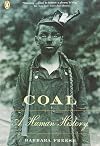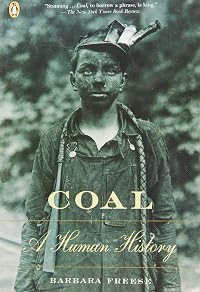
Coal: A Human History
by Barbara Freese
On This Page
Description
History. Nature. Science. Nonfiction. The fascinating, often surprising story of how a simple black rock has altered the course of history. Prized as "the best stone in Britain" by Roman invaders who carved jewelry out of it, coal has transformed societies, powered navies, fueled economies, and expanded frontiers. It made China a twelfth-century superpower, inspired the writing of the Communist Manifesto, and helped the northern states win the American Civil War. Yet the mundane mineral that show more built our global economy-and even today powers our electrical plants-has also caused death, disease, and environmental destruction. As early as 1306, King Edward I tried to ban coal (unsuccessfully) because its smoke became so obnoxious. Its recent identification as a primary cause of global warming has made it a cause celebre of a new kind. In this remarkable book, Barbara Freese takes us on a rich historical journey that begins three hundred million years ago and spans the globe. From the "Great Stinking Fogs" of London to the rat-infested coal mines of Pennsylvania, from the impoverished slums of Manchester to the toxic city streets of Beijing, Coal is a captivating narrative about an ordinary substance that has done extraordinary things-a simple black rock that could well determine our fate as a species. show lessTags
Recommendations
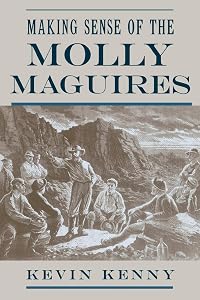
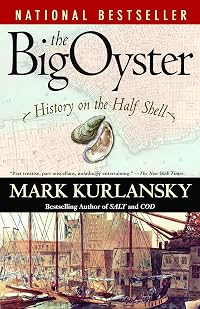
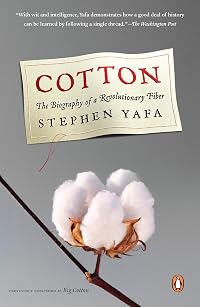
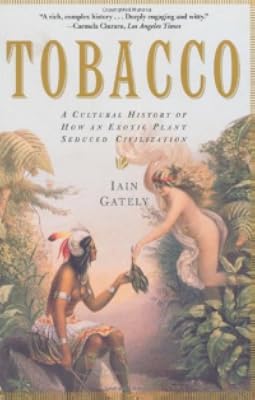
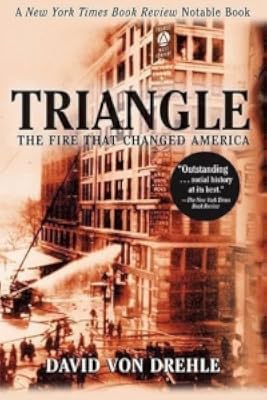
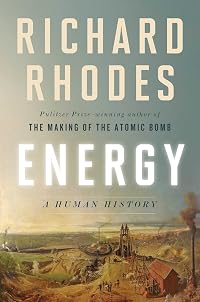
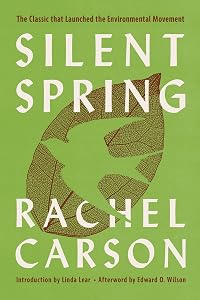
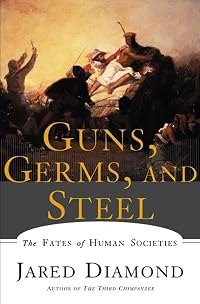

Member Recommendations
Member Reviews
Interesting history of human's interaction with coal and the long-term effects on the planet. A little depressing to realize how old this book is and how little has changed.
This book is both interesting and heartbreaking. It's also a high-flying overview, covering thousands of years in about three hundred pages. I think that's just right for me- I don't know that I could have taken too much more about the Victorians dying from "fog" or the little kids with rickets or... well, any of it. Including the modern coal industry spin doctors who are the same soulless bastards they've always been. Coal dust is GOOD for children to breathe, they said back then. Greenhouse gases are GOOD for farmers, they say now. *shudder*
Well worth reading.
Well worth reading.
From soup to nuts, this is the history of coal at breakneck speed (with some global warming/climate change lectures thrown in for good measure).
I will be one hundred percent honest. Before Freese's book I had never really given thought to coal. It is an interesting topic. Every Christmas there is the joke about coal in the stocking and once in a while a coal mine collapse will make the news. I did know that it has always been a dirty fuel responsible for massive pollution in cities across the world like London and Pittsburgh.
After reading Coal readers will know there are different types of coal and their uses will vary. Historically, coal was used for making jewelry and as currency, in addition to being a heat and energy source. Once show more the dangers of mining coal were fully realized, companies put animals, children, and immigrant laborers to work in the mines. The illnesses and deaths resulting from working with coal were difficult to read. Despite being less than 300 pages, Freese reserves a good section of Coal for explaining the environmental repercussions of using coal. The statistics are staggering and eye opening. show less
I will be one hundred percent honest. Before Freese's book I had never really given thought to coal. It is an interesting topic. Every Christmas there is the joke about coal in the stocking and once in a while a coal mine collapse will make the news. I did know that it has always been a dirty fuel responsible for massive pollution in cities across the world like London and Pittsburgh.
After reading Coal readers will know there are different types of coal and their uses will vary. Historically, coal was used for making jewelry and as currency, in addition to being a heat and energy source. Once show more the dangers of mining coal were fully realized, companies put animals, children, and immigrant laborers to work in the mines. The illnesses and deaths resulting from working with coal were difficult to read. Despite being less than 300 pages, Freese reserves a good section of Coal for explaining the environmental repercussions of using coal. The statistics are staggering and eye opening. show less
This is an interesting overview of the complex relationship between coal and humankind, how the natural resource propelled people into the industrial age and many technological advancements even as it kills with both intimate and widespread forms of poison. The focus is on the zones: Britain, western Pennsylvania, and China. Freese's approach is even-handed, blunt in her descriptions of coal as a blessing and a curse.
Written with enough detail to tie into the reasons for coals importance in the old and new epochs but with sufficient lightness that a general reader will find it highly entertaining. And even for a seasoned reader of technology and the world, like myself, enjoyed this wonderful book.
Some of the insights I could kick myself for not considering such as cheap fuel and sunlight on offer compared to slums, dinginess, and expensive fuel would make the US highly attractive in the pre-1900 world.
Some of the insights I could kick myself for not considering such as cheap fuel and sunlight on offer compared to slums, dinginess, and expensive fuel would make the US highly attractive in the pre-1900 world.
From the title, I was expecting a commodity history, like some of Mark Kurlansky's excellent works about cod and about salt. This book has a little of that at the beginning, but most of it is about environmental damage and climate change. Even the role coal miners played in the union movement was barely mentioned. That said, I give the author credit for her clear, engaging writing style.
A well-edited presentation of the relationship between humankind and coal. While forthright about her specific interest in coal's environmental ramifications, the author maintains an enlightening treatment of coal's important (and perhaps forgotten) position in the development of human social and institutional civilization. You come away with a respect for coal and the people who work it. Coal alone didn't usher in the world as we understand it; but without coal, little of what we take for granted would be recognizable.
I appreciate the optimistic tone with which Ms. Freese addresses global climate change - an opportunity for humankind to surmount yet another challenge, with our ingenuity and understanding of our interconnectedness. In show more the future, perhaps folks will look with interest at our lengthy affair with coal and wonder. show less
I appreciate the optimistic tone with which Ms. Freese addresses global climate change - an opportunity for humankind to surmount yet another challenge, with our ingenuity and understanding of our interconnectedness. In show more the future, perhaps folks will look with interest at our lengthy affair with coal and wonder. show less
Members
- Recently Added By
Published Reviews
added by John_Vaughan
Lists

My Genealogy Library
91 works; 9 members
Author Information

4 Works 796 Members
Barbara Freese is the author of Coal: A Human History, a New York Times Notable Book. She is an environmental attorney and a former Minnesota assistant attorney general.
Awards and Honors
Distinctions
Common Knowledge
- Original title
- Coal: a human history
- Original publication date
- 2003
- People/Characters
- Thomas Newcomen; James Watt; Matthew Boulton; Franklin B. Gowen; J. Pierpont Morgan; John Mitchell (show all 8); United Mine Workers; Environmental Protection Agency
- Important places
- London, England, UK; Manchester, England, UK; Beijing, China; Pennsylvania, USA; Pittsburgh, Pennsylvania, USA; Newcastle upon Tyne, England, UK
- First words
- In the summer of 1306, bishops and barons and knights from all around England left their country manors and villages and journeyed to London.
- Last words
- (Click to show. Warning: May contain spoilers.)The only question -- and it is a critical one -- is when.
- Publisher's editor
- Amanda Cook
- Blurbers
- Picard, Liza; Landes, David
Classifications
- Genres
- Science & Nature, History, Nonfiction, General Nonfiction
- DDC/MDS
- 553.2409 — Natural sciences & mathematics Earth sciences; geology Economic geology Carbon series Bituminous and semibituminous coals
- LCC
- TN800 .F74 — Technology Mining engineering. Metallurgy Mining engineering. Metallurgy Nonmetallic minerals
- BISAC
Statistics
- Members
- 764
- Popularity
- 36,740
- Reviews
- 17
- Rating
- (3.71)
- Languages
- English
- Media
- Paper, Audiobook, Ebook
- ISBNs
- 12
- ASINs
- 9