On This Page
Description
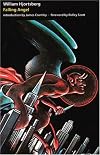
Hjortsberg's Edgar Award-nominated classic about the hunt for a vanished singer that leads a detective into the depths of the occult Big-band frontman Johnny Favorite was singing for the troops when a Luftwaffe fighter squadron strafed the bandstand, killing the crowd and leaving the singer near death. The army returned him to a private hospital in upstate New York, leaving him to live out his days as a vegetable while the world forgot him. But Louis Cyphre never forgets. Cyphre had a show more contract with the singer, stipulating payment upon Johnny's death-payment that will be denied as long as Johnny clings to life. When Cyphre hires private investigator Harry Angel to find Johnny at the hospital, Angel learns that the singer has disappeared. It is no ordinary missing-persons case. Everyone he questions dies soon after, as Angel's investigation ensnares him in a bizarre tangle of black magic, carnival freaks, and grisly voodoo. When the sinister Louis Cyphre begins appearing in Angel's dreams, the detective fears for his life, his sanity, and his soul. This ebook features an illustrated biography of William Hjortsberg including rare photos from the author's personal collection. show lessTags
Recommendations












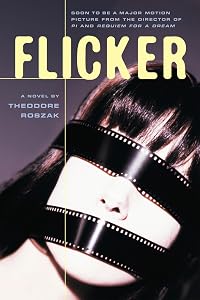
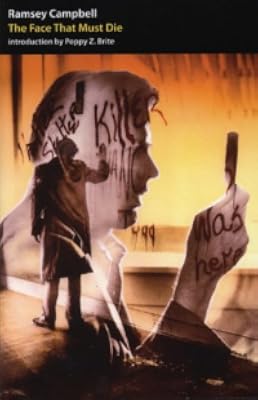
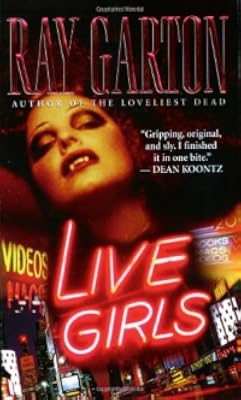
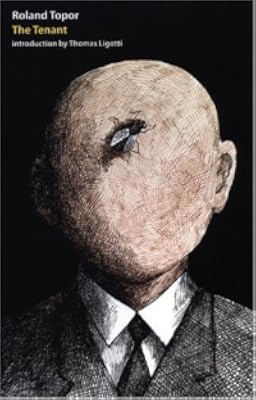



Member Recommendations
Member Reviews
“The tomb lies at the end of every path. Only the soul is immortal. Guard this treasure well. Your decaying husk is but a temporary vessel on an endless voyage.”
I've watched Angel Heart several times over the years, having no idea until last year it was spawned from a novel. Unobservant me never noticed until it was brought up in someone else's review. Being a fan of the twisted supernatural story-line meets hard boiled detective, I instantly purchased it. Did the book hold up to the movie?
Detective Harry Angel is hired by an unusual, wealthy client to hunt down a long-missing man who was admitted to a treatment facility years ago for war injuries and complete memory loss. It's never easy to follow a cold trail, but he does his show more best, landing in the twisted world of backwater voodoo, close-lipped musicians, carnival acts and....well, much worse.
I can't think of another novel quite like this one. Usually the supernatural does not blend with this genre, and if it does, it doesn't usually it do it as daringly. I knew the ending of the book already thanks to its film presence, but up until a certain point the script matched the page. I was starting to think there wasn't going to be any deviations at all, but they eventually came.
The book wins with getting further into the story and the details, longer interviews and other stops that were omitted from the film, and a sense of urgency. I like how the relationship between Harry and a lady love are better explored in written form, with more scenes and better fleshed out. Hjortsberg's writing style is smooth flowing with a particular talent for stylish dialogue.
On the other hand, the movie won on keeping the big secret longer. There were more obvious clues dropped in the book, and the producers probably felt better removing it before the big screen transfer so it didn't come across so obvious and easily guessed.
There's brutality and violence, there's psychological mind games and hidden surprises, there's tension and a big twist at the end to cap off a journey that was already deadly. Every reader should check this one out. show less
I've watched Angel Heart several times over the years, having no idea until last year it was spawned from a novel. Unobservant me never noticed until it was brought up in someone else's review. Being a fan of the twisted supernatural story-line meets hard boiled detective, I instantly purchased it. Did the book hold up to the movie?
Detective Harry Angel is hired by an unusual, wealthy client to hunt down a long-missing man who was admitted to a treatment facility years ago for war injuries and complete memory loss. It's never easy to follow a cold trail, but he does his show more best, landing in the twisted world of backwater voodoo, close-lipped musicians, carnival acts and....well, much worse.
I can't think of another novel quite like this one. Usually the supernatural does not blend with this genre, and if it does, it doesn't usually it do it as daringly. I knew the ending of the book already thanks to its film presence, but up until a certain point the script matched the page. I was starting to think there wasn't going to be any deviations at all, but they eventually came.
The book wins with getting further into the story and the details, longer interviews and other stops that were omitted from the film, and a sense of urgency. I like how the relationship between Harry and a lady love are better explored in written form, with more scenes and better fleshed out. Hjortsberg's writing style is smooth flowing with a particular talent for stylish dialogue.
On the other hand, the movie won on keeping the big secret longer. There were more obvious clues dropped in the book, and the producers probably felt better removing it before the big screen transfer so it didn't come across so obvious and easily guessed.
There's brutality and violence, there's psychological mind games and hidden surprises, there's tension and a big twist at the end to cap off a journey that was already deadly. Every reader should check this one out. show less
For some reason I had the impression that Falling Angel would prove to be a relatively light hearted noir fantasy. Set in 1959 New York, it's the story of a hard boiled detective named Harry Angel, who is hired to find a singer who may or may not be dead. Johnny Favorite made a name for himself before the war, but was drafted and badly injured, and from there pretty much disappeared from view. A former mentor wants to know if he's alive or dead because, as he explains to Angel, Johnny owes him something.
At this point, I pretty much figured I knew what that something was, and realized that the story was taking a somewhat darker turn than I'd imagined it would. If Angel isn't always the good guy, he's never really much worse than morally show more gray, or at least that's how it seems. We're on his side even if we don't always like what he's doing (or not doing in a few cases.) We follow him through New York's music scene as he interviews the musicians who worked with Favorite years earlier, and learn that nobody liked the guy very much, seemingly for good reason. From there, Angel finds his way into a group of Voodoo practitioners, and finally into a black mass.
People Angel talks to die, in some cases horribly, and the police think he's involved. The man he's working for seems to be all tangled up with the magical community in the city. He falls in love with a young woman with ties to Favorite, and yes, he does ultimately find out what happened to the singer. It took me a while to process what was going on, though when I did I felt a sense of horrified pleasure that I'd been utterly fooled about the direction in which the story was headed.
Bottom line? I got a kick out of the story. It's a page-turner, it's unexpected, it made my skin crawl. How can you ask for better? show less
At this point, I pretty much figured I knew what that something was, and realized that the story was taking a somewhat darker turn than I'd imagined it would. If Angel isn't always the good guy, he's never really much worse than morally show more gray, or at least that's how it seems. We're on his side even if we don't always like what he's doing (or not doing in a few cases.) We follow him through New York's music scene as he interviews the musicians who worked with Favorite years earlier, and learn that nobody liked the guy very much, seemingly for good reason. From there, Angel finds his way into a group of Voodoo practitioners, and finally into a black mass.
People Angel talks to die, in some cases horribly, and the police think he's involved. The man he's working for seems to be all tangled up with the magical community in the city. He falls in love with a young woman with ties to Favorite, and yes, he does ultimately find out what happened to the singer. It took me a while to process what was going on, though when I did I felt a sense of horrified pleasure that I'd been utterly fooled about the direction in which the story was headed.
Bottom line? I got a kick out of the story. It's a page-turner, it's unexpected, it made my skin crawl. How can you ask for better? show less
William Hjortsberg's Falling Angel was the basis for the movie Angel Heart, and, Mickey Rourke notwithstanding, it's a mighty fine adaptation. Even if you've seen the movie, the book is well worth a read, but those of you who haven't seen the movie are in for a special treat.
Falling Angel tells the story of Harry Angel: a P.I. hired by a mysterious stranger to find out the whereabouts of 1940's crooner Johnny Favorite. What seems fairly straightforward at first glance becomes more and more complicated as the investigation continues. Soon bodies start appearing and it looks like our man Angel is being set up to take the fall. Every new piece of the puzzle he finds reveals just how much of the story he hasn't been told. The investigation show more takes many unexpected turns and eventually Harry ends up involved with blues musicians, fake swamis, voodoo priestesses and a satanic cult.
Although the story is chock full of supernatural elements, the style is completely a hard-boiled detective story of the Hammett/Chandler/Cain era. It's a nice juxtaposition of style and content. The noir detective tends toward the cynical anyway, so Angel's disbelief in the occult occurrences rings true. The crime novels from that era deal with all kinds of conspiracies and chicanery, but everything is fully grounded in reality. There's always a reason, a human reason, for all the trouble that occurs. It's a treat to take that same style and those same assumptions and look at them all from a different angle.
Hjortsberg does an excellent job in keeping the reader guessing as the plot unfolds. Just when you think you know what's going to happen (or what just happened), the story slips away from your grasp. Hjortsberg plays us just as subtly and just as thoroughly as his characters play one another. Up until the final revelations, you're never quite sure just how it's all going to turn out.
And now for the bad news: those of you who've seen Angel Heart know the surprise that Hjortsberg has in store for the reader. Knowing how it all turns out before you get there is a real bitch. While this doesn't invalidate the story, it does mean that you get thwacked in the forehead with foreshadowing every other paragraph or so. This was incredibly disappointing to me the first time I read Falling Angel. I was actually angry at the movie for being too good of an adaptation and therefore spoiling a mighty fine read. But you know what? If the worst thing you can say about a book is that someone made a pretty good movie out of it, then that's probably a pretty safe recommendation. show less
Falling Angel tells the story of Harry Angel: a P.I. hired by a mysterious stranger to find out the whereabouts of 1940's crooner Johnny Favorite. What seems fairly straightforward at first glance becomes more and more complicated as the investigation continues. Soon bodies start appearing and it looks like our man Angel is being set up to take the fall. Every new piece of the puzzle he finds reveals just how much of the story he hasn't been told. The investigation show more takes many unexpected turns and eventually Harry ends up involved with blues musicians, fake swamis, voodoo priestesses and a satanic cult.
Although the story is chock full of supernatural elements, the style is completely a hard-boiled detective story of the Hammett/Chandler/Cain era. It's a nice juxtaposition of style and content. The noir detective tends toward the cynical anyway, so Angel's disbelief in the occult occurrences rings true. The crime novels from that era deal with all kinds of conspiracies and chicanery, but everything is fully grounded in reality. There's always a reason, a human reason, for all the trouble that occurs. It's a treat to take that same style and those same assumptions and look at them all from a different angle.
Hjortsberg does an excellent job in keeping the reader guessing as the plot unfolds. Just when you think you know what's going to happen (or what just happened), the story slips away from your grasp. Hjortsberg plays us just as subtly and just as thoroughly as his characters play one another. Up until the final revelations, you're never quite sure just how it's all going to turn out.
And now for the bad news: those of you who've seen Angel Heart know the surprise that Hjortsberg has in store for the reader. Knowing how it all turns out before you get there is a real bitch. While this doesn't invalidate the story, it does mean that you get thwacked in the forehead with foreshadowing every other paragraph or so. This was incredibly disappointing to me the first time I read Falling Angel. I was actually angry at the movie for being too good of an adaptation and therefore spoiling a mighty fine read. But you know what? If the worst thing you can say about a book is that someone made a pretty good movie out of it, then that's probably a pretty safe recommendation. show less
Five stars for the characters and detailed, but never boring, descriptions of New York in 1959. Harry Angel is a private detective living in the Chelsea Hotel. On the job, he drives and subways around with soup stains on his tie. Harlem, is 123rd street Harlem?, Times Square, Coney Island, the subway, the apartment buildings, the restaurants and the old theatres — all of these are brought to life on Angel's travels. I really get tired of books and movies about New York as I said in my review of "The 25th Hour", but this book made me interested in that city again.
There are a lot of great characters in this book: The Jazz player Toots from New Orleans who is into voodoo, the freak show fat woman on Coney Island, the patrician show more devil-trickster Louis Cyphre and many more. And the novel is quite risqué, with the seventeen-year-old voodoo priestess Epiphany Proudfoot having an affair with Angel who is pushing forty. Also the black mass in an abandoned subway station that Angel spies on is quite shocking in terms of bloodshed and sex.
The plot centres around Angel being hired by Cyphre to find a long lost crooner called Jonny Favorite and this allows the usual private eye adventures to begin. However, this is a horror story and not just another hardboiled detective thriller. The plot gets a little overcomplicated. Many times I tried to understand the sequence of events after Angel met Favorite in Times Square in 1943. I worked it all out once, but now I've forgotten again. Like many, I came to the book after watching the Alan Parker directed movie "Angel Heart" with Micky Rourke and Robert Dinero. I think it is Rourke's best movie. show less
There are a lot of great characters in this book: The Jazz player Toots from New Orleans who is into voodoo, the freak show fat woman on Coney Island, the patrician show more devil-trickster Louis Cyphre and many more. And the novel is quite risqué, with the seventeen-year-old voodoo priestess Epiphany Proudfoot having an affair with Angel who is pushing forty. Also the black mass in an abandoned subway station that Angel spies on is quite shocking in terms of bloodshed and sex.
The plot centres around Angel being hired by Cyphre to find a long lost crooner called Jonny Favorite and this allows the usual private eye adventures to begin. However, this is a horror story and not just another hardboiled detective thriller. The plot gets a little overcomplicated. Many times I tried to understand the sequence of events after Angel met Favorite in Times Square in 1943. I worked it all out once, but now I've forgotten again. Like many, I came to the book after watching the Alan Parker directed movie "Angel Heart" with Micky Rourke and Robert Dinero. I think it is Rourke's best movie. show less
This novel is a brilliant piece of crime fiction and very postmodern in its exploration of the split self. While I already knew the 'twist' going into it—which I shan't reveal, if you're not familiar with this novel and the film version Angel Heart—the effect it had on my faith in the traditional detective-as-narrator was certainly challenged. My complicity, less so, but that's a story for another place!
Also, how can you go wrong with a late 1950s New York City setting, voodoo, satanism, gumshoe detectives, witty one-liners and bumbling police?
Also, how can you go wrong with a late 1950s New York City setting, voodoo, satanism, gumshoe detectives, witty one-liners and bumbling police?
Movie based on the novel (Angel Heart) seems to be better known than the book. And that is a pity because this is one excellent thriller with supernatural elements that are scary but not in overtly (slasher like) way. Some of the elements of the story and definitely characters are much better presented in the novel (IMHO).
I won't go into details here because, unfortunately, both book and movie suffer from what I call Sixth Sense Syndrome - once seen/read (and if you have seen the movie before reading the book - like I have - you made the greatest offense :)) you need to fully forget it to enjoy it again (and since it is truly interesting story I bet you wont forget it that easily :)).
Our main hero, PI Harry Angelo, gets hired by a show more mysterious figure to find even more mysterious singer who is thought to be dead for decade. Task starts relatively routinely but soon Harry starst to see weird behavior and patterns with people he meets and questions. Soon he will find himself throwin into the unknown [and rather dark] world of voodoo and other rather darkish Southern/Caribbean religions and people beliefs. Final revelation will hit him like a sledge hammer.
Written in the best manner of noir detective books, story flows very fast and reader gets glued to the pages 'til the very end. Harry is pretty street-wise (although he gets into decent amount of predicaments) and quite a smart mouth so dialogues do get very interesting (not that the other sides in conversation dont have quips and remarks of their own). I especially enjoyed conversations Harry has with his employer.
Highly recommended. show less
I won't go into details here because, unfortunately, both book and movie suffer from what I call Sixth Sense Syndrome - once seen/read (and if you have seen the movie before reading the book - like I have - you made the greatest offense :)) you need to fully forget it to enjoy it again (and since it is truly interesting story I bet you wont forget it that easily :)).
Our main hero, PI Harry Angelo, gets hired by a show more mysterious figure to find even more mysterious singer who is thought to be dead for decade. Task starts relatively routinely but soon Harry starst to see weird behavior and patterns with people he meets and questions. Soon he will find himself throwin into the unknown [and rather dark] world of voodoo and other rather darkish Southern/Caribbean religions and people beliefs. Final revelation will hit him like a sledge hammer.
Written in the best manner of noir detective books, story flows very fast and reader gets glued to the pages 'til the very end. Harry is pretty street-wise (although he gets into decent amount of predicaments) and quite a smart mouth so dialogues do get very interesting (not that the other sides in conversation dont have quips and remarks of their own). I especially enjoyed conversations Harry has with his employer.
Highly recommended. show less
Despite having seen the film version (which differs significantly from the source on several key points) a half-dozen times, this was the first time I had actually ever read Hjortsberg's novel. As a tremendous fan of both the noir and occult sub-genres, I found this book squarely within my wheelhouse. Enjoyable ride from start to finish, with the true highlight being the incredibly evocative painting of mid-20th century New York as a backdrop to the whole affair. Clever and more than a bit melancholy, this is a stand-out work of neo-noir fiction with a healthy slice of occultism.
Members
- Recently Added By
Lists

Top Cops (Detectives in Fiction)
86 works; 24 members

Books With a Twist
69 works; 46 members

Mythical Monsters of the World
199 works; 79 members

Stephen King's 'Danse Macabre' reading list
111 works; 25 members

Best Horror Mega-List
342 works; 6 members

Best Books Involving Satan
63 works; 24 members

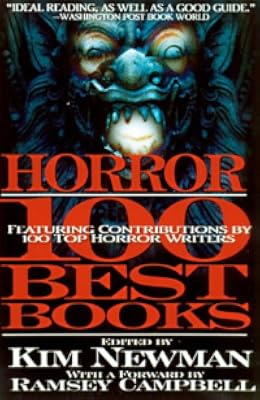
Jones and Newman's Horror: The 100 Best Books
100 works; 4 members

1970s Thrillers
10 works; 2 members

Paperbacks from Hell
382 works; 9 members

Stephen King Danse Macabre Appendix Starred List
53 works; 1 member
Stephen King's Danse Macabre Full Appendix List
110 works; 2 members
BlackDog's Complete Paperbacks From Hell List
639 works; 3 members
Author Information

18+ Works 1,991 Members
William Reinhold Hjortsberg was born in New York City on February 23, 1941. He received a degree in English from Dartmouth College and studied at Yale University and Stanford University. His first novel, Alp, was published in 1969. His other novels included Gray Matters, Symbiography, Toro! Toro! Toro!, Nevermore, and Mañana. His novel, Falling show more Angel, was adapted into the movie Angel Heart. He wrote a biography of Richard Brautigan entitled Jubilee Hitchhiker. He also wrote screenplays for the B-movie king Roger Corman and Ridley Scott's movie Legend. He died on April 22, 2017 at the age of 76. (Bowker Author Biography) show less
Some Editions
Awards and Honors
Series

Belongs to Publisher Series
No Exit 18 Years (6)
Gallimard, Folio SF (94)
Work Relationships
Inspired
Common Knowledge
- Canonical title
- Falling Angel
- Original publication date
- 1978
- People/Characters
- Harry Angel; Louis Cyphre
- Important places
- Harlem, New York, New York, USA; New York, USA; New York, New York, USA
- Related movies
- Angel Heart (1987 | IMDb)
- Epigraph
- Alas, how terrible is wisdom when it brings no profit to the man that's wise.
Sophocles
Oedipus the King. - Dedication
- For Bruce, Jada, Ellen, and Nick,
''Boys and girls together...
On the sidewalks of New York.''
And for Bob,
Who tripped the light fantastic. - First words
- It was Friday the thirteenth and yesterday's snowstorm lingered in the streets like a leftover curse.
- Last words
- (Click to show. Warning: May contain spoilers.)This time, the joke was on me.
- Blurbers
- King, Stephen
- Canonical DDC/MDS
- 813.54
- Canonical LCC
- PS3558.J6
Classifications
Statistics
- Members
- 890
- Popularity
- 30,484
- Reviews
- 33
- Rating
- (3.85)
- Languages
- 15 — Catalan, Czech, Dutch, English, French, German, Greek, Hungarian, Italian, Japanese, Norwegian (Bokmål), Polish, Portuguese, Russian, Spanish
- Media
- Paper, Audiobook, Ebook
- ISBNs
- 43
- ASINs
- 7