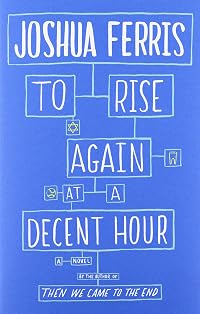
To Rise Again at a Decent Hour
by Joshua Ferris
On This Page
Description
Shortlisted for the Man Booker Prize, this big, brilliant, profoundly observed novel by National Book Award Finalist Joshua Ferris explores the absurdities of modern life and one man's search for meaning. Paul O'Rourke is a man made of contradictions: he loves the world, but doesn't know how to live in it. He's a Luddite addicted to his iPhone, a dentist with a nicotine habit, a rabid Red Sox fan devastated by their victories, and an atheist not quite willing to let go of God. Then someone show more begins to impersonate Paul online, and he watches in horror as a website, a Facebook page, and a Twitter account are created in his name. What begins as an outrageous violation of his privacy soon becomes something more soul-frightening: the possibility that the online "Paul" might be a better version of the real thing. As Paul's quest to learn why his identity has been stolen deepens, he is forced to confront his troubled past and his uncertain future in a life disturbingly split between the real and the virtual. At once laugh-out-loud funny about the absurdities of the modern world, and indelibly profound about the eternal questions of the meaning of life, love and truth, TO RISE AGAIN AT A DECENT HOUR is a deeply moving and constantly surprising tour de force. show lessTags
Recommendations

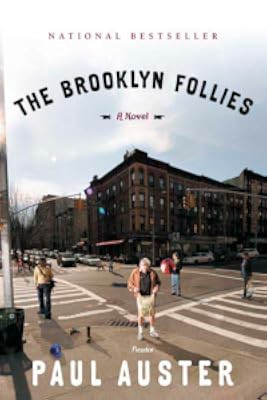
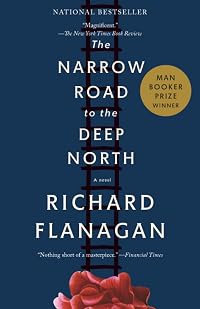
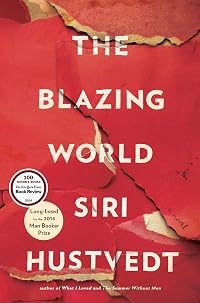
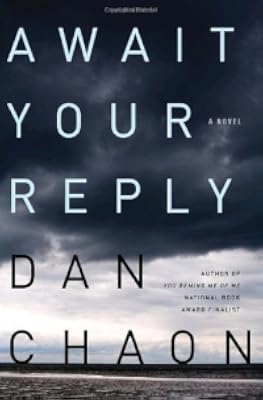
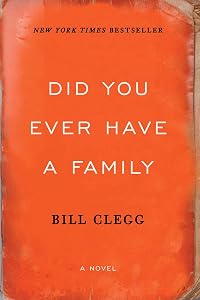
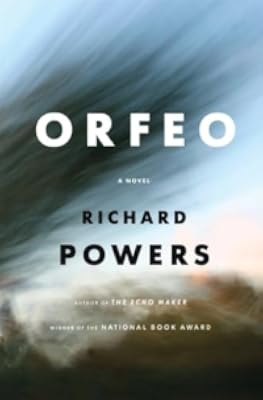




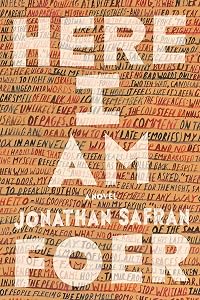
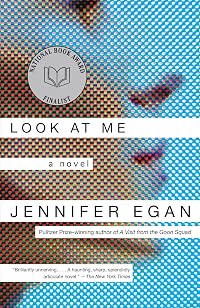
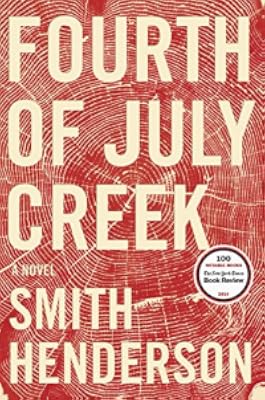

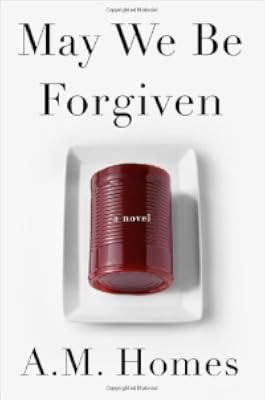
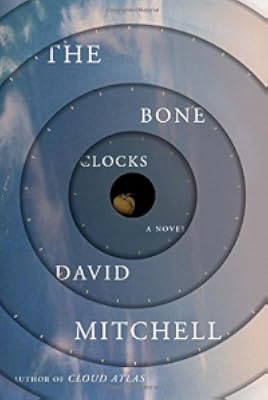

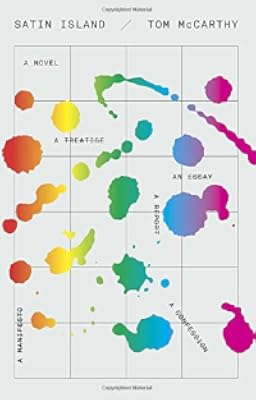
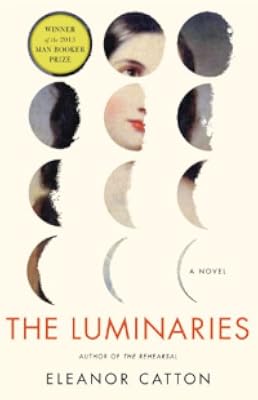
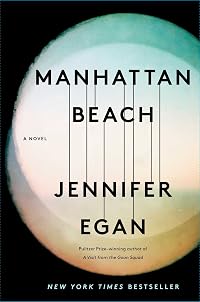



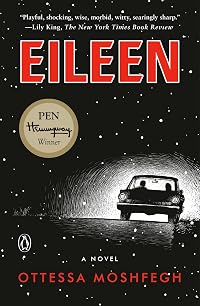
Member Recommendations
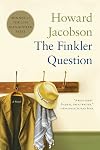
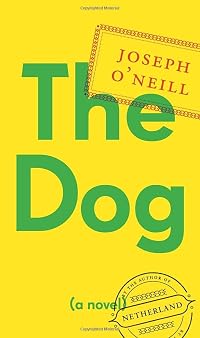
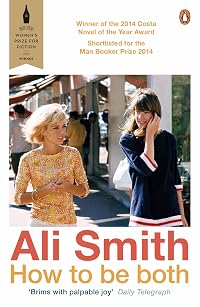
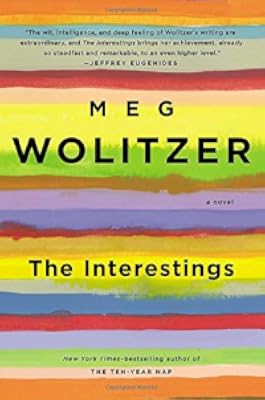
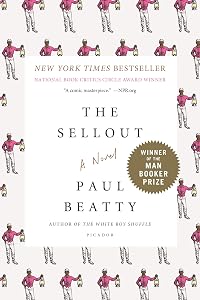
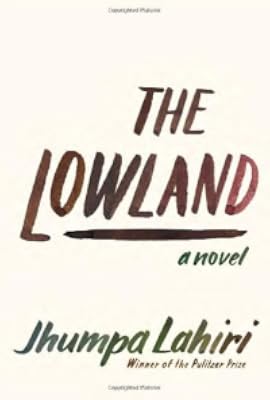
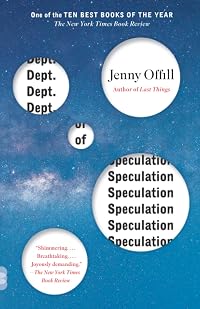
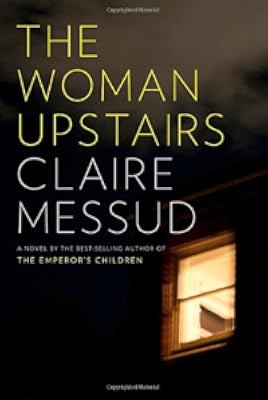
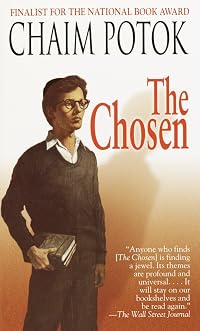
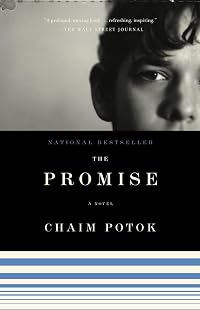
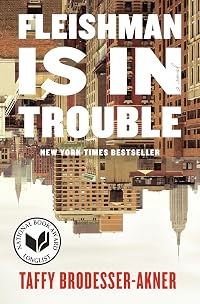
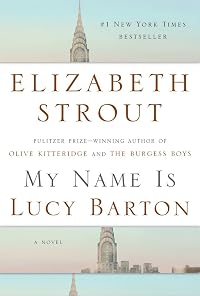
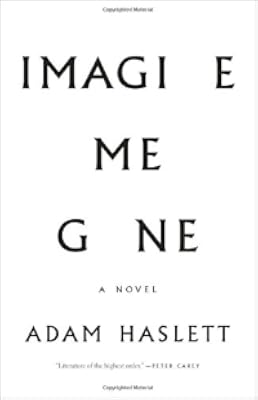
RidgewayGirl Both books have divorced, aimless protagonists who develop a fondness for Judaism as a way of finding family.
Member Reviews
Wow, this was not at all what I expected (and I am not sure what I expected), but it was a hugely pleasant surprise in that I really had no idea where it was going, was captivated by the narrative voice, believed in the not-always-laudable characters, eagerly followed the paranoid twists and turns of a person whose life has been hijacked (thought of Bellow's "The Victim"), loved the musings on belonging, community, baseball (and I'm something less than a fan), God, atheism/theism, faith/doubt, the painful pleasure of rooting for a hopeless team, the temptation to be someone other than oneself, enjoyed even the look into the everyday life of a dentist...Thanks, Mr. Ferris. What do you have up your writer's sleeve next?
It's not like affluent white guys living in New York don't have problems. But a book about the anxieties of an affluent New Yorker will have to work harder to get me to care. Joshua Ferris is a fantastic writer, but even he could not get me to do much more than shrug about his protagonist's worries.
In To Rise Again at a Decent Hour, Paul O'Rourke, newly divorced, Red Sox fan and a dentist with a successful Manhattan practice, is driven by doubt. He's made it the center of who he is, even as he longs for a father figure. His ex-wife is Jewish and he longs to be a part of her extended, affectionate family and despite his atheism he has thrown himself into the celebrations and rituals they practice. He's also terrified of death, his own, show more but mostly the potential loss of anyone he loves, causing him to refuse to have children or even own a pet. Then someone creates a website for his dental practice, interspersing segments from a biblical-sounding document in with the staff biographies.
There's no doubt that this novel is both clever and humorous. It reminds me of The Finkler Question in many respects. But, in the end, I was not won over, despite Paul's desperate desire for connection. I have been more diligent with my flossing, however. A novel about a dentist will do that. show less
In To Rise Again at a Decent Hour, Paul O'Rourke, newly divorced, Red Sox fan and a dentist with a successful Manhattan practice, is driven by doubt. He's made it the center of who he is, even as he longs for a father figure. His ex-wife is Jewish and he longs to be a part of her extended, affectionate family and despite his atheism he has thrown himself into the celebrations and rituals they practice. He's also terrified of death, his own, show more but mostly the potential loss of anyone he loves, causing him to refuse to have children or even own a pet. Then someone creates a website for his dental practice, interspersing segments from a biblical-sounding document in with the staff biographies.
There's no doubt that this novel is both clever and humorous. It reminds me of The Finkler Question in many respects. But, in the end, I was not won over, despite Paul's desperate desire for connection. I have been more diligent with my flossing, however. A novel about a dentist will do that. show less
Dr. Paul O'Rourke, DDS, is one of those characters you can't help but love to hate. And hate to love. He is such a curmudgeon. When O'Rourke is not busy making feeble attempts at normal conversation or getting lost in thoughts while seeing a patient, he is often enveloped in the most hilarious of rants about very important matters, such as emoticons and hand lotion. O'Rourke is a very interesting person to observe as his psychosis is fascinating and his contradictory views of various subjects are irritatingly entertaining. Add to plot the fact that someone wants to steal the identity of O'Rourke and you've got a very engaging read.
To Rise Again at a Decent Hour got off to a surprisingly good start. With the humor and depth of O'Rourke's show more character and the intrigue of who is stealing his identity and why, this book was so much fun. And then... it wasn't. If you regularly read my reviews, you know the theme in the last few weeks: a book starts with so much potential, then somewhere along the way it becomes something else completely different (ie, The Bone Clocks, Your Face in Mine). When I mentioned this to my wife (“mentioned” may be better substituted by “ranted in an O'Rourke fashion”), she said she believed Attention Deficit Disorder was the culprit. Maybe. But such a diagnosis seems to me mild for someone who takes a hilarious and intriguing book and makes it convoluted and tiresome. For all of O'Rourke's disdain for religion, the second half of To Rise Again at a Decent Hour becomes about nothing but religion (with a sprinkling of Red Sox baseball throughout).
Would I recommend To Rise Again at a Decent Hour? For those who love character development or a wonderfully drawn character, yes. Fortunately character is important to me, so I liked the book a little more than some. For those who like humor? Maybe. It certainly is populated with its funny moments, but the second half definitely drags. For users of hand lotion? Spread it on thick and turn the pages with care. For everyone else? Probably not. Even though the idea of the plot is interesting, I don't think it's developed enough to keep most people's attention. Not only that, but is it really supposed to make sense? I'm still not clear on why those who stole O'Rourke's identity did so. It seems other more logical options could have presented themselves.
Then again, I have to consider the improvement of my own dental hygiene since reading this book. Would I recommend To Rise Again at a Decent Hour? Absolutely. And I've a great big emoticon with huge pearly whites to back me up. show less
To Rise Again at a Decent Hour got off to a surprisingly good start. With the humor and depth of O'Rourke's show more character and the intrigue of who is stealing his identity and why, this book was so much fun. And then... it wasn't. If you regularly read my reviews, you know the theme in the last few weeks: a book starts with so much potential, then somewhere along the way it becomes something else completely different (ie, The Bone Clocks, Your Face in Mine). When I mentioned this to my wife (“mentioned” may be better substituted by “ranted in an O'Rourke fashion”), she said she believed Attention Deficit Disorder was the culprit. Maybe. But such a diagnosis seems to me mild for someone who takes a hilarious and intriguing book and makes it convoluted and tiresome. For all of O'Rourke's disdain for religion, the second half of To Rise Again at a Decent Hour becomes about nothing but religion (with a sprinkling of Red Sox baseball throughout).
Would I recommend To Rise Again at a Decent Hour? For those who love character development or a wonderfully drawn character, yes. Fortunately character is important to me, so I liked the book a little more than some. For those who like humor? Maybe. It certainly is populated with its funny moments, but the second half definitely drags. For users of hand lotion? Spread it on thick and turn the pages with care. For everyone else? Probably not. Even though the idea of the plot is interesting, I don't think it's developed enough to keep most people's attention. Not only that, but is it really supposed to make sense? I'm still not clear on why those who stole O'Rourke's identity did so. It seems other more logical options could have presented themselves.
Then again, I have to consider the improvement of my own dental hygiene since reading this book. Would I recommend To Rise Again at a Decent Hour? Absolutely. And I've a great big emoticon with huge pearly whites to back me up. show less
This was one heck of a quirky novel that had my rating veering from 2 to 5 as I was going through it. I ended up with a 4, as the fun elements (dental office behind-the-scenes, Boston Red Sox fan obsessions, an angst-ridden person trying to fit into different families and make human connections but failing at every turn) out-weighed the draggy bits (a seemingly endless history of the Amaleks, a tribal opponent of the Israelites in the Bible, and their supposed descendants, the Ulms).
The promo ads for this somewhat played it up as if it was an identity theft mystery but that is only a small fraction of what the book is about. A unbeliever his whole life (except for his beloved Boston Red Sox) dentist Paul O’Rourke, who generally show more objects to social media (although allowing so-called “me-machines” (iPads & Smartphones) to be part of his dental practice) finds himself being imitated on the net by someone spouting the dogma of a new organized religion that actually consists of unbelievers. This sends him down a whole rabbit hole of connections to the people associated with this “religion” and the main focus is whether this is the “belief” for him. There are probably all kinds of parallels between dentistry and religion that I overlooked on my first read, although a passage towards the end with a patient who refused to believe he had cavities because he did not “feel” them yet had a certain ring of faith about it.
Whatever else the take-away is from this novel, just the message “flossing will add seven years to your life” from the dentistry sub-plot is worth it, which reminds me to go do that right now ;) In short, a recommend if you enjoy quirky novels and are prepared to deal with the Biblical history elements. Definitely a recommend for Joshua Ferris fans, not as complete fun as “Then We Came to the End”, but not as grim as “The Unnamed”. show less
The promo ads for this somewhat played it up as if it was an identity theft mystery but that is only a small fraction of what the book is about. A unbeliever his whole life (except for his beloved Boston Red Sox) dentist Paul O’Rourke, who generally show more objects to social media (although allowing so-called “me-machines” (iPads & Smartphones) to be part of his dental practice) finds himself being imitated on the net by someone spouting the dogma of a new organized religion that actually consists of unbelievers. This sends him down a whole rabbit hole of connections to the people associated with this “religion” and the main focus is whether this is the “belief” for him. There are probably all kinds of parallels between dentistry and religion that I overlooked on my first read, although a passage towards the end with a patient who refused to believe he had cavities because he did not “feel” them yet had a certain ring of faith about it.
Whatever else the take-away is from this novel, just the message “flossing will add seven years to your life” from the dentistry sub-plot is worth it, which reminds me to go do that right now ;) In short, a recommend if you enjoy quirky novels and are prepared to deal with the Biblical history elements. Definitely a recommend for Joshua Ferris fans, not as complete fun as “Then We Came to the End”, but not as grim as “The Unnamed”. show less
Paul O’Rourke is smart, well-off (he has a successful Park Avenue dental practice), under appreciated (especially by women, but also everyone else), reasonably good looking and fit, single (not necessarily by choice), associated with the ludicrously wealthy, willing to indulge in obsessional behaviour whether it be following his favourite sports team or stalking an ex-girlfriend, and (sort of) tortured by an earlier trauma (his father killed himself when Paul was a boy). In short, To Rise Again At A Decent Hour has all of the hallmarks of Chucklit. Inevitably in a Chucklit novel, our protagonist will pursue some quixotic obsession. In most cases it is the love of a woman, or the right woman, or at least a beautiful woman. At any rate, show more it has to be something that could be everything. Something worthy of his special attention, his effort, and his love. Somewhat unusually here, Paul’s obsession seems to be deism. He flirts with many religions; indeed, they are coincident with his various female obsessions. But at heart he is an atheist. Because as the self-loathing protagonist of a Chucklit novel, if you can’t love yourself it is going to be very hard to love any god formed in your image.
The pretension to theistic exploration here is just a ruse. It provides fodder for Paul O’Rourke’s maundering, and sacred cows for his arch-nemesis (who is masquerading as Paul on the Internet) to skewer. And the result is tiresome. Tedious beyond belief. And almost unremittingly dull.
So, you’ll be thinking — not recommended. Right! show less
The pretension to theistic exploration here is just a ruse. It provides fodder for Paul O’Rourke’s maundering, and sacred cows for his arch-nemesis (who is masquerading as Paul on the Internet) to skewer. And the result is tiresome. Tedious beyond belief. And almost unremittingly dull.
So, you’ll be thinking — not recommended. Right! show less
To Rise Again at a Decent Hour shines a spotlight on the absurdity of our modern society, its total reliance on technology, and the rabid fan base of sports teams. The tongue-in-cheek observations are even sillier when presented in Paul’s devastatingly blunt honesty. His use of the term “me machine”, his disdain for it, and his frequent use of it is just one example of the lengths Mr. Ferris goes to point out the absurd hypocrisy of certain elements of society.
However, for all its humor, To Rise Again at a Decent Hour is profoundly thought-provoking and surprisingly poignant. For, Paul O’Rourke is a man at odds with himself and in that way symbolizes much of the audience desperately seeking answers to questions of which one is show more not consciously aware. Paul’s obsession with religion, in spite of or because of his atheism, creates numerous uncomfortable discussions in which he attempts to determine if belonging to a group with deep roots is more important than the belief systems of those groups. More so, his rather pessimistic outlook on life directly contributes to his inability to be “just like everyone else”, but his childhood trauma stymies him from looking at the world in anything but a negative light. His desperation to accept and be accepted in return creates an air of sadness that permeates the entire story.
There is no doubt that Mr. Ferris can write exceedingly well. There is also no doubt that Mr. Ferris makes a reader work for every bit of nuance and understanding. For example, his dialogue is snappy and well-paced; however, he often presents his dialogue one-sided, forcing readers to fill in the gaps left by Paul’s missing half of the conversation. Similarly, readers must wade through Paul’s internalized rants and ramblings to discern the true origin of those rants and exactly what he is trying to resolve through such ramblings. As for the mystery of Paul’s identity theft and the thief behind it, it requires a leap of faith from readers to accept everything Mr. Ferris presents in that regards.
By its very subject matter, Mr. Ferris intends To Rise Again at a Decent Hour to challenge a reader’s belief system and personal viewpoint of the world at large. Readers may find themselves rather disgusted with the vein of certain religious discussions and turned off by Paul’s mental self-flagellation as well as his utter disdain for those who he says are important to him. Still, Mr. Ferris’ unique spin on the presentation of dialogue as well as the wrestling of one’s conscience in addition to his fantastic writing make this a novel worth attempting. To those readers willing and able to persevere through this convoluted and highly theological book, one will find a beautiful story about acceptance and love. show less
However, for all its humor, To Rise Again at a Decent Hour is profoundly thought-provoking and surprisingly poignant. For, Paul O’Rourke is a man at odds with himself and in that way symbolizes much of the audience desperately seeking answers to questions of which one is show more not consciously aware. Paul’s obsession with religion, in spite of or because of his atheism, creates numerous uncomfortable discussions in which he attempts to determine if belonging to a group with deep roots is more important than the belief systems of those groups. More so, his rather pessimistic outlook on life directly contributes to his inability to be “just like everyone else”, but his childhood trauma stymies him from looking at the world in anything but a negative light. His desperation to accept and be accepted in return creates an air of sadness that permeates the entire story.
There is no doubt that Mr. Ferris can write exceedingly well. There is also no doubt that Mr. Ferris makes a reader work for every bit of nuance and understanding. For example, his dialogue is snappy and well-paced; however, he often presents his dialogue one-sided, forcing readers to fill in the gaps left by Paul’s missing half of the conversation. Similarly, readers must wade through Paul’s internalized rants and ramblings to discern the true origin of those rants and exactly what he is trying to resolve through such ramblings. As for the mystery of Paul’s identity theft and the thief behind it, it requires a leap of faith from readers to accept everything Mr. Ferris presents in that regards.
By its very subject matter, Mr. Ferris intends To Rise Again at a Decent Hour to challenge a reader’s belief system and personal viewpoint of the world at large. Readers may find themselves rather disgusted with the vein of certain religious discussions and turned off by Paul’s mental self-flagellation as well as his utter disdain for those who he says are important to him. Still, Mr. Ferris’ unique spin on the presentation of dialogue as well as the wrestling of one’s conscience in addition to his fantastic writing make this a novel worth attempting. To those readers willing and able to persevere through this convoluted and highly theological book, one will find a beautiful story about acceptance and love. show less
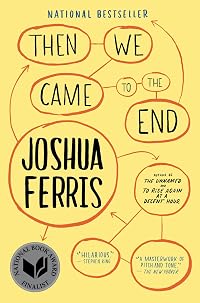
The opening of my notes on Ferris's "Then We Came to the End":
> There are different kinds of superficiality. When a book is said to be “relentlessly superficial,” it may be that it keeps promising depths that it does not deliver. This book is more “dependably superficial,” because we are told, by the book's style and voice, that it will not be plumbing any depths. A reader knows what kind of entertainment it offers. At the same time this is not entirely fluff, because it has a very curious and original narrative voice: the narrator speaks using the first-person plural...
Here I'd say the same, except the narrative innovations are different. In "To Rise Again," the plot is driven by a Doppelgaenger, who writes in the main show more character Paul's voice. Unfortunately this is only a plot device and not a voicing experiment. Some dialogues between Paul and Connie display a more interesting innovation. Connie speaks (she is quoted in direct narration), and then Paul reports to us in indirect narration and subjunctive voice: "I told her, and she'd say..." And then Connie's replies, in direct narration, are composed in such a way that we can deduce what Paul has just said. (p. 23 etc.) This might be Ferris's own invention. It works wonderfully, but it's only used four or five times in the book.
I still think Ferris is a superficial writer with an capacity to invent interesting voices. I wonder what would happen if he gave up his other ambitions (to win the Man Booker, to get more endorsements from people like Sarah Jessica Parker, to comment on 21st century American life, to write more sharply than Baker or DFW or Saunders) and concentrated on a novel that did strange things to voice.
(Note on this review: I haven't been posting to LibraryThing or Goodreads in the last couple of years, because my reading habits have changed: I am reading and re-reading Musil, Proust, Schmidt, and some others, and I'm working on my own writing and posting notes on writingwithimages.com.) show less
> There are different kinds of superficiality. When a book is said to be “relentlessly superficial,” it may be that it keeps promising depths that it does not deliver. This book is more “dependably superficial,” because we are told, by the book's style and voice, that it will not be plumbing any depths. A reader knows what kind of entertainment it offers. At the same time this is not entirely fluff, because it has a very curious and original narrative voice: the narrator speaks using the first-person plural...
Here I'd say the same, except the narrative innovations are different. In "To Rise Again," the plot is driven by a Doppelgaenger, who writes in the main show more character Paul's voice. Unfortunately this is only a plot device and not a voicing experiment. Some dialogues between Paul and Connie display a more interesting innovation. Connie speaks (she is quoted in direct narration), and then Paul reports to us in indirect narration and subjunctive voice: "I told her, and she'd say..." And then Connie's replies, in direct narration, are composed in such a way that we can deduce what Paul has just said. (p. 23 etc.) This might be Ferris's own invention. It works wonderfully, but it's only used four or five times in the book.
I still think Ferris is a superficial writer with an capacity to invent interesting voices. I wonder what would happen if he gave up his other ambitions (to win the Man Booker, to get more endorsements from people like Sarah Jessica Parker, to comment on 21st century American life, to write more sharply than Baker or DFW or Saunders) and concentrated on a novel that did strange things to voice.
(Note on this review: I haven't been posting to LibraryThing or Goodreads in the last couple of years, because my reading habits have changed: I am reading and re-reading Musil, Proust, Schmidt, and some others, and I'm working on my own writing and posting notes on writingwithimages.com.) show less
Members
- Recently Added By
Published Reviews
ThingScore 69
— and to watch as O’Rourke is slowly seduced out of his doubts about this group, whose sole philosophical flag is doubt, is one of the pleasures in a book filled with them.
added by ozzer
The second thing to say is that this book is obscenely, inventively hilarious..... Reading this book in public places you in danger of being taken for drunk or mentally ill. ...For Ferris, the inability to take language for granted is what makes him one of the most dynamic writers of his generation.
added by vancouverdeb
And somehow, out of this deeply twisted comic novel, Ferris finds a stirring, deeply felt message about faith, though not necessarily a positive one...Of course, there's more to it than that, and there's more to this novel than can be described in one (or, frankly, many) reviews. Suffice it to say that To Rise Again at a Decent Hour isn't just one of the best novels of the year, it's one of show more the funniest, and most unexpectedly profound, works of fiction in a very long time. Something can never be anything, as O'Rourke notes, but Ferris' triumphant book is everything you could want from a novel of faith and its opposite — whatever that may be. show less
added by vancouverdeb
Lists

Booker Prize
491 works; 62 members

Man Booker Prize Longlist 2014
13 works; 9 members

Books Read in 2014
2,343 works; 86 members

Folio Prize 2015 Longlist
79 works; 2 members

Stories set in the Middle East
14 works; 2 members

Booker Prize
2 works; 1 member

2010s
241 works; 3 members
Author Information

10+ Works 7,691 Members
Joshua Ferris, is bestselling author best known for his debut 2007 novel, Then We Came to the End. The book is a comedy about the American workplace, told in the first-person plural. He graduated from the University of Iowa with a BA in English and Philosophy 1996. He then moved to Chicago and worked in advertising for several years before show more obtaining an MFA in writing from UC Irvine. His first published story, Mrs. Blue, appeared in the Iowa Review in 1999. Then We Came to the End has been greeted by positive reviews from The New York Times Book Review, The New Yorker, Esquire, and Slate, has been published in twenty-five languages, was a finalist for the National Book Award, and received the 2007 PEN/Hemingway Award. Joshua's other books include The Unnamed and To Rise Again at a Decent Hour, which is New York Times bestseller. (Bowker Author Biography) show less
Awards and Honors
Awards
Common Knowledge
- Canonical title
- To Rise Again at a Decent Hour
- Original title
- To Rise Again at a Decent Hour
- Original publication date
- 2014-05-13
- People/Characters
- Paul O'Rourke; Abby Bower; Betsy Convoy; Connie Plotz
- Important places*
- New York, USA
- Epigraph
- Ha,ha Job 39:25
- Dedication
- For Grant Rosenberg
- First words
- The mouth is a weird place. Not quite inside and not quite out, not skin and not organ, something in between: dark, wet, admitting access to an interior most people would rather not contemplate - where cancer stars, where the... (show all) heart is broken, where the soul might just fail to turn up. -Chapter 1
- Last words
- (Click to show. Warning: May contain spoilers.)What the hell, I thought, what the hell, and without any expectation or understanding, doubtful of any hope of success, I swung, one eye on the ball, and one eye on heaven.
- Blurbers
- King, Stephen; Marra, Anthony
- Original language*
- Engels
- Canonical DDC/MDS
- 813.6
- Canonical LCC
- PS3606.E774
*Some information comes from Common Knowledge in other languages. Click "Edit" for more information.
Classifications
Statistics
- Members
- 1,153
- Popularity
- 21,777
- Reviews
- 75
- Rating
- (3.06)
- Languages
- 5 — Dutch, English, German, Italian, Spanish
- Media
- Paper, Audiobook, Ebook
- ISBNs
- 28
- UPCs
- 1
- ASINs
- 14