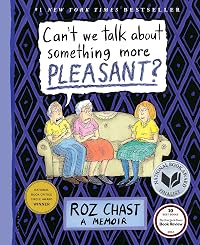
Can't We Talk About Something More Pleasant? A Memoir
by Roz Chast
On This Page
Description
In her first memoir, Roz Chast brings her signature wit to the topic of aging parents. Spanning the last several years of their lives and told through a mixture of cartoons, family photos, documents, and a narrative as rife with laughs as it is with tears, Chast's memoir is both comfort and comic relief for anyone experiencing the life-altering loss of elderly parents. When it came to her elderly mother and father, Roz held to the practices of denial, avoidance, and distraction. But when show more Elizabeth Chast climbed a ladder to locate an old souvenir from the "crazy closet"--with predictable results--the tools that had served Roz well through her parents' seventies, eighties, and into their early nineties could no longer be deployed. While the particulars are Chast-ian in their idiosyncrasies--an anxious father who had relied heavily on his wife for stability as he slipped into dementia and a former assistant principal mother whose overbearing personality had sidelined Roz for decades--the themes are universal: adult children accepting a parental role; aging and unstable parents leaving a family home for an institution; dealing with uncomfortable physical intimacies; managing logistics; and hiring strangers to provide the most personal care. show lessTags
Recommendations
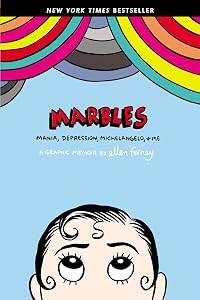
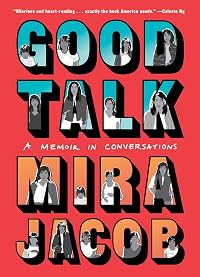
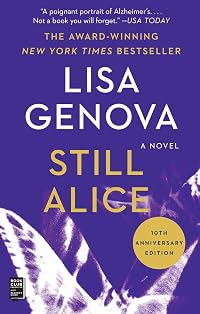
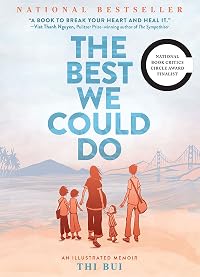
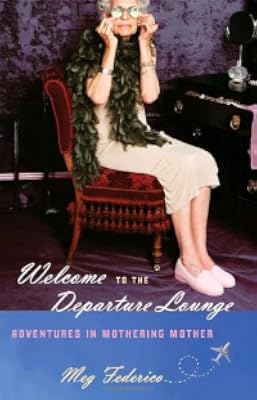
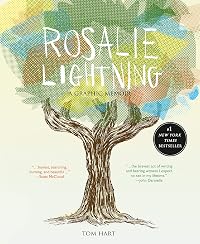
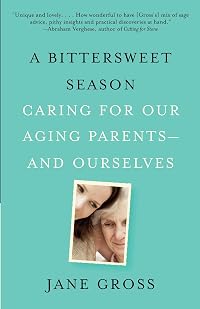
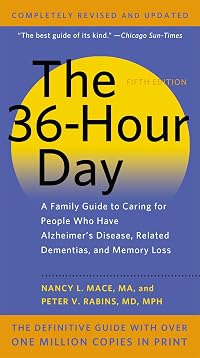
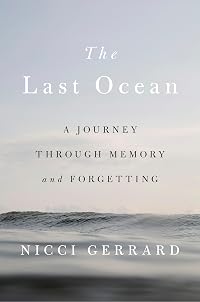
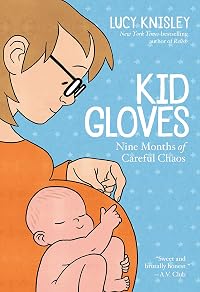
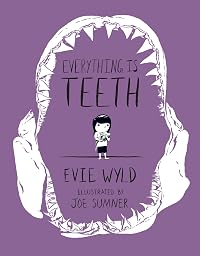
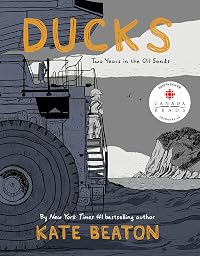

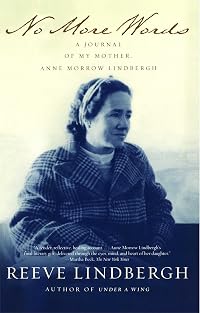
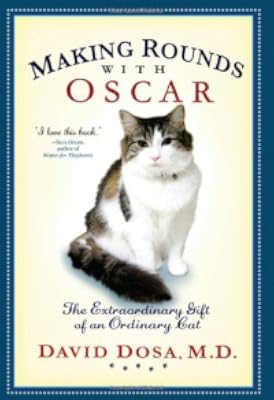
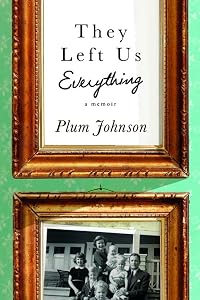
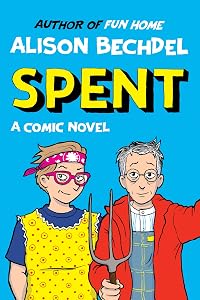
Member Recommendations

Member Reviews
A graphic memoir by New Yorker cartoonist Roz Chast chronicling her relationship with her parents, their relationship with each other, their declining final years, and their eventual deaths in their 90s. It's poignant, sad, and depressing, but also oddly charming and sometimes funny, and it captures the reality of aging, and of caring for aging parents profoundly and uncomfortably well. (It's also reminded me of the fact that I will never be able to afford to age and die with any dignity or humanity, since a half-decent "assisted living facility" costs more that I will ever, ever be able to afford, so, hey, that's a fun thing to think about!)
New Yorker cartoonist Roz Chast’s graphic novel about the last few years of her parents’ lives. Both lived well into their 90s, but their advanced age meant that Roz, an only child, had to help them through the inevitable falls, loss of mental and physical acuity, a move to assisted living, hospice care, and death. Anyone who has witnessed their own parents advanced old age and death will recognize a lot of the same issues – both the lighthearted ones (how many pencils can two people own?) and the heartbreaking ones (too numerous to mention). Chast’s relationship with her domineering mother was not a good one and their fractured relationship was still apparent right up to the end. It certainly made me thankful (and lonely) for show more my own Mom. Still, a moving story told with wit, honesty, and love. show less
Roz Chast’s graphic memoir traces the steady decline into senility and serious age-related illness over their final decade of her nonagenarian parents, George and Elizabeth. Her account is frank and uncompromising, as honest and insightful as the shaky cartoons which appear in The New Yorker for which Chast is duly famous. We learn of Roz’ loving but fraught relationship with her father, who seems to have lived his entire life in a quiver of anxiety. And we experience the domineering presence of her brilliant but short-tempered mother. Their physical and eventually mental disintegration forces Roz out of her home in Connecticut back to her parents’ dingy apartment in Brooklyn. An only child, Roz takes on the responsibilities show more necessary to see her parents through extended stays in hospital, a hugely challenging move into assisted care, and from there into hospice and first one death (her father) and finally the death of her mother less than two years later.
For anyone who has been through a related period with their own aging parent or parents, this book will feel both entirely familiar and fully unique. The overall narrative arc of decline through old age toward death may be infinitely repeated, but for each of us the path is walked alone. And as we learn more about George and Elizabeth — George, as a WWII veteran who taught high school French and Spanish for most of his working life and Elizabeth, who enforced the rules at an elementary school as a vice principal as ruthlessly as she did at home with her husband and little girl — we see that they are more than mere case studies in decline. They have been, and often still are, people with whole lives that shape each step. We may only see them close up at the end, but Roz’ gaze also looks back over their lives in their previous 90 years. And it is that gaze that helps both us and her put her parents’ end into perspective.
This is a book that might easily be recommended to anyone who will eventually face the challenge of caring for ageing parents but will probably only be fully appreciated by someone who has walked that path through to the end. Recommended. show less
For anyone who has been through a related period with their own aging parent or parents, this book will feel both entirely familiar and fully unique. The overall narrative arc of decline through old age toward death may be infinitely repeated, but for each of us the path is walked alone. And as we learn more about George and Elizabeth — George, as a WWII veteran who taught high school French and Spanish for most of his working life and Elizabeth, who enforced the rules at an elementary school as a vice principal as ruthlessly as she did at home with her husband and little girl — we see that they are more than mere case studies in decline. They have been, and often still are, people with whole lives that shape each step. We may only see them close up at the end, but Roz’ gaze also looks back over their lives in their previous 90 years. And it is that gaze that helps both us and her put her parents’ end into perspective.
This is a book that might easily be recommended to anyone who will eventually face the challenge of caring for ageing parents but will probably only be fully appreciated by someone who has walked that path through to the end. Recommended. show less
An amazingly honest work, where the embellishments more clearly visible being depicted through the author's drawing style than many other memoirs which have only words to work with. You know from the first few pages that it's going to be a difficult ride what with the physical decline and the dying, but the genius of the storytelling is that the things that turn out to be the most difficult are probably not the ones you expected. I found it to be a compelling read told by one of the keenest observers of the human condition. I think it some ways the particular situation the author found herself in was more difficult than many, in other ways maybe a little better than it might have been, but it is clear that when you are going through it show more what you find is something that will manage to test your limits as a human being in any case. It's easy to see how this had been nominated for the National Book Award the year it came out. It feels destined to be regarded as a future classic. show less
As honest a memoir as you could hope for, with art that owes a lot to R Crumb. Roz's intense, uneven, and eventful role as her parents' keep hits close to home. She stays away from pat or easy answers.
4.5 stars
This is a graphic novel telling of the author’s struggle as her parents aged. They didn’t like talking about death or any preparation for it, including any thought of moving someplace to make it easier for them to live – until they really had no other choice. Her parents both lived to their mid-90s and the cost of them living in the “Place” was taking a toll, in addition to her father’s mental issues and her mother’s physical ones.
It is a graphic novel, but not all pages include comic “strips”- some pages just have an illustration for the page, a few even have photographs of when Roz was cleaning out her parent’s house. A couple of pages include poems her mother wrote. She also includes some drawings she show more did of her mother in the months leading up to and including the day she died.
This was very well done, I thought. She included many thoughts and problems she had that are probably hard to talk about let alone publish in a book. It shows how hard it is to take care of parents as they age, and the personal struggles, especially when one’s relationship was not always great to begin with. Oh, the costs… wow, what a scary thought. What if your parents don’t have enough saved up to pay for the kind of care she was able to provide for her parents (and she had hard time with it)? What if you don’t have enough to help out? What happens when we get that age if we don’t have enough (and in my case, I don’t have kids to help, either)? Very very well done graphic novel. show less
This is a graphic novel telling of the author’s struggle as her parents aged. They didn’t like talking about death or any preparation for it, including any thought of moving someplace to make it easier for them to live – until they really had no other choice. Her parents both lived to their mid-90s and the cost of them living in the “Place” was taking a toll, in addition to her father’s mental issues and her mother’s physical ones.
It is a graphic novel, but not all pages include comic “strips”- some pages just have an illustration for the page, a few even have photographs of when Roz was cleaning out her parent’s house. A couple of pages include poems her mother wrote. She also includes some drawings she show more did of her mother in the months leading up to and including the day she died.
This was very well done, I thought. She included many thoughts and problems she had that are probably hard to talk about let alone publish in a book. It shows how hard it is to take care of parents as they age, and the personal struggles, especially when one’s relationship was not always great to begin with. Oh, the costs… wow, what a scary thought. What if your parents don’t have enough saved up to pay for the kind of care she was able to provide for her parents (and she had hard time with it)? What if you don’t have enough to help out? What happens when we get that age if we don’t have enough (and in my case, I don’t have kids to help, either)? Very very well done graphic novel. show less
The author tells the story of her aging parent's decline and eventual death in hospice in a graphic memoir form that is both humorous and heartbreakingly poignant. She is unflinchingly honest in describing the harsh realities of navigating the caregiver role: the physical and mental decline of the very old (over 90), the wrenching angst-producing decisions she had to make, and the expense and money worries, as well as the humor that can be found in some of the situations and conversations she had with her parents. I'm 12 years into the caregiving role and I found myself often laughing (sometimes through tears) in recognition.
Roz Chast is brutally honest and doesn't spare herself as she describes the conflicting emotions she has show more regarding her parents and the caregiver role, which is further complicated by a troubled mother-daughter relationship. I appreciate her honesty which makes those of us still in the midst of it all feel as if we're not alone.
I'd recommend this book to anyone who is caring for elderly parents, and for those of us who would like to make it easier on our children as we ourselves grow older. If nothing else, it will make you want to clean out your closets! show less
Roz Chast is brutally honest and doesn't spare herself as she describes the conflicting emotions she has show more regarding her parents and the caregiver role, which is further complicated by a troubled mother-daughter relationship. I appreciate her honesty which makes those of us still in the midst of it all feel as if we're not alone.
I'd recommend this book to anyone who is caring for elderly parents, and for those of us who would like to make it easier on our children as we ourselves grow older. If nothing else, it will make you want to clean out your closets! show less
Members
- Recently Added By
Lists

National Book Award Finalists 2014
20 works; 16 members

Club Read's Graphic Stories Recommendations
127 works; 2 members

Graphic Memoirs by Women
175 works; 6 members

Most Frequently Tagged "Read in 2015"
70 works; 1 member

Top Five Books of 2015
811 works; 240 members

Books Read in 2016
4,666 works; 199 members

Bloomsbury Publishing
37 works; 2 members

Best 21st Century Books (So Far)
670 works; 85 members
NYTimes 10 Best of 2014
10 works; 3 members

Deathreads
78 works; 2 members

One Book, Many Authors
441 works; 40 members

Five star books
1,755 works; 108 members
Top Five Books of 2014
1,064 works; 397 members

NPR Readers Poll: 100 Favorite Funny Books
100 works; 5 members

Best Biographies, Autobiographies and Memoirs
465 works; 160 members

Mustich's 1000 Books to Read Before You Die: A Life Changing List
1,001 works; 19 members
Best Graphic Novel Nonfiction
199 works; 101 members
Author Information

32+ Works 4,410 Members
Roz Chast was born in Brooklyn, New York on November 26, 1954. She received a BFA in painting from Rhode Island School of Design in 1977. Her cartoons have appeared in The New Yorker, Scientific American, the Harvard Business Review, Redbook, and Mother Jones. She is the author of several books including The Party, After You Left: Collected show more Cartoons 1995-2003, What I Hate: From A to Z, Theories of Everything: Selected, Collected, and Health-Inspected Cartoons, 1978-2006, and Can't We Talk about Something More Pleasant?: A Memoir. She has also illustrated several books including The Alphabet from A to Y, with Bonus Letter, Z by Steve Martin. (Bowker Author Biography) show less
Awards and Honors
Awards
Distinctions
Common Knowledge
- Canonical title
- Can't We Talk About Something More Pleasant? A Memoir
- Original publication date
- 2014-05-06
- People/Characters
- Roz Chast; George Chast; Elizabeth Chast
- Important places
- Brooklyn, New York, New York, USA
- Dedication
- To my parents, George and Elizabeth
- First words
- So...do you guys ever think about...things?
- Last words
- (Click to show. Warning: May contain spoilers.)My father usually appears sitting at our kitchen counter, drinking tea, and reading the newspaper, and he is not worried.
- Blurbers
- Small, David; McCall, Bruce; Marx, Patricia; Bechdel, Alison
- Original language
- English
Classifications
- Genre
- Graphic Novels & Comics
- DDC/MDS
- 741.5 — Arts & recreation Drawing & decorative arts Drawing Comic books, graphic novels, fotonovelas, cartoons, caricatures, comic strips
- LCC
- NC1429 .C525 .A2 — Fine Arts Drawing. Design. Illustration Drawing. Design. Illustration Pictorial humor, caricature, etc.
- BISAC
Statistics
- Members
- 1,875
- Popularity
- 11,465
- Reviews
- 132
- Rating
- (4.30)
- Languages
- 8 — Chinese, Dutch, English, French, German, Italian, Polish, Spanish
- Media
- Paper, Ebook
- ISBNs
- 13
- UPCs
- 2
- ASINs
- 8